
Kneecap (Patella) Instability
At London Knee Care, we specialise in diagnosing and treating kneecap (patella) instability — a condition where the kneecap moves or “slips” out of its natural groove at the front of the knee. This may occur once after an injury or repeatedly over time, leading to pain, weakness, and reduced confidence when walking or exercising.
We use advanced imaging, biomechanical analysis, and tailored treatment to stabilise the patella and prevent further episodes. From physiotherapy to surgical realignment, we provide complete care focused on restoring knee strength, balance, and long-term stability.



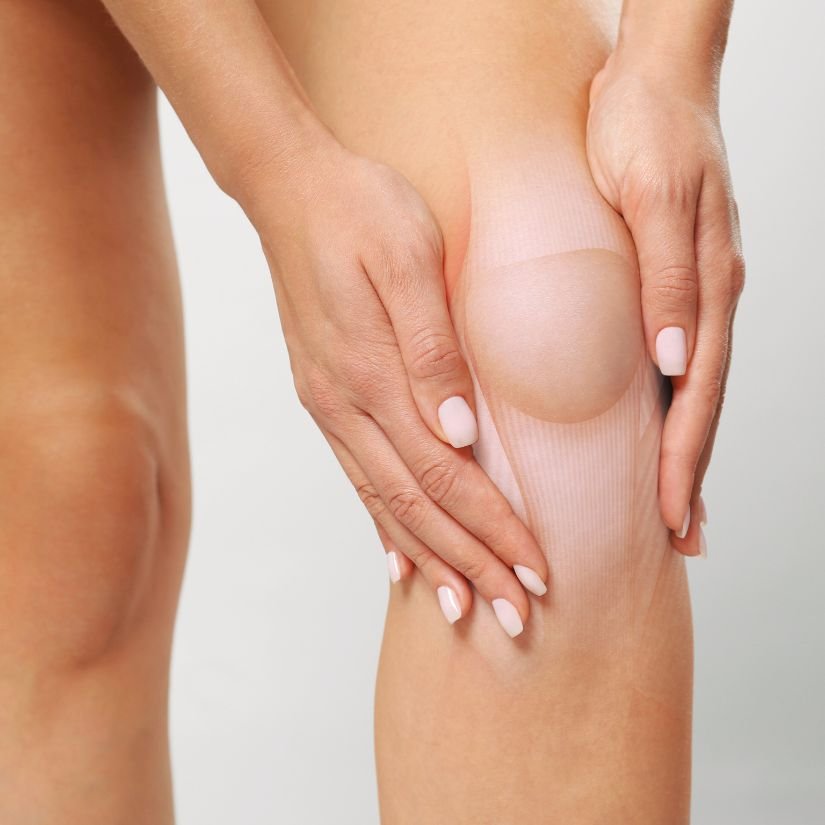
Kneecap (Patella) Instability Care
You should book an assessment if you experience recurrent sensations of the kneecap “giving way,” pain when climbing stairs, or swelling after activity. Clicking, catching, or visible movement of the kneecap during bending may also indicate instability.
At London Knee Care, we may carry out detailed physical examinations and imaging (MRI or CT) to identify the cause — whether due to ligament laxity, muscle imbalance, or bone alignment — and recommend a personalised management plan to prevent future dislocations.
How to Book Your Appointment
Step 1
Schedule Your Consultation
Book an appointment with one of our knee specialists to discuss your symptoms and history.
Step 2
Diagnostic Assessment
We perform imaging such as MRI or CT scans to assess alignment and ligament integrity.
Step 3
Personalised Treatment Plan
Your consultant explains the findings and recommends the most effective approach.
Step 4
Surgery and Aftercare
We guide you through physiotherapy or surgical recovery with structured aftercare and follow-up support.
FAQs About Kneecap (Patella) Instability
What is kneecap instability?
It’s a condition where the kneecap moves partially or fully out of position, often causing pain and weakness.
How is it different from dislocation?
Instability refers to repeated partial movements or “slips,” while dislocation is a full displacement of the kneecap.
Can knee instability heal on its own?
Mild cases may improve with physiotherapy and strengthening, but recurrent instability often needs specialist care.
Is surgery always required?
No. Non-surgical management is effective in many cases. Surgery is reserved for persistent or severe instability.
How long is recovery after stabilisation surgery?
Most patients resume light activities in 6–8 weeks, with full recovery in 3–4 months.
Why choose London Knee Care?
We combine diagnostic precision, advanced surgical techniques, and expert rehabilitation for lasting results.
Mr. Khakha is one of the kindest people I have had the pleasure of meeting. From the first meeting he treated me with great respect and professionalism. He went the extra mile to manage any concerns I had. A wonderful, passionate, professional.
Verified Patient

Stabilise Your Knee. Restore Your Confidence.
Expert Surgeon
Advanced Treatment
Long-Term Relief