
What are ligaments in the knee?
Knee ligaments are tough bands of connective tissue that hold the bones of the joint together and keep it stable during movement. There are four main knee ligaments the ACL, MCL, PCL, and LCL. A ligaments in knee injury occurs when one or more of these bands is stretched, partially torn, or fully ruptured, often causing pain, swelling, and instability.
What a Ligaments in Knee Injury Really Means for Your Body
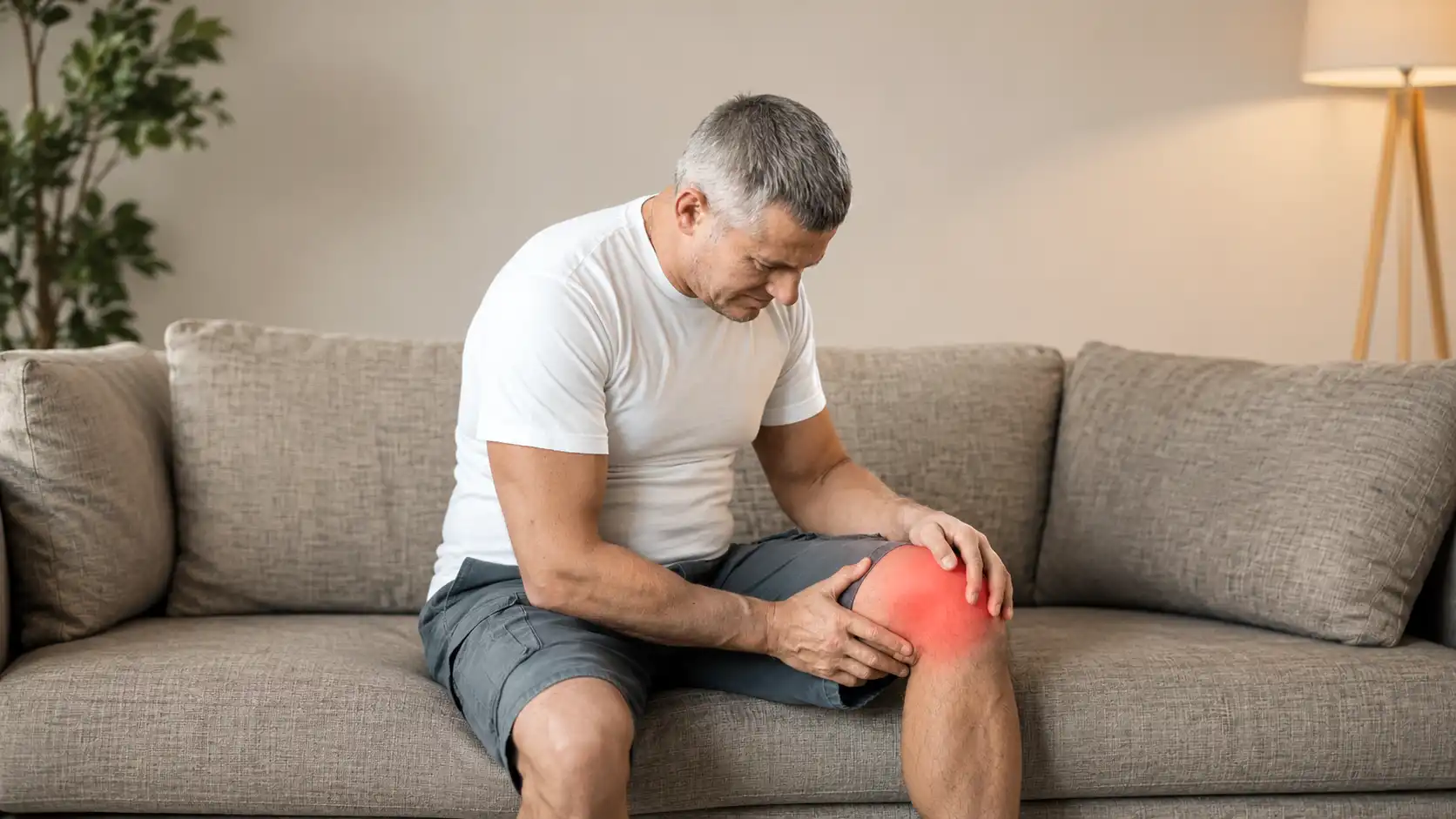
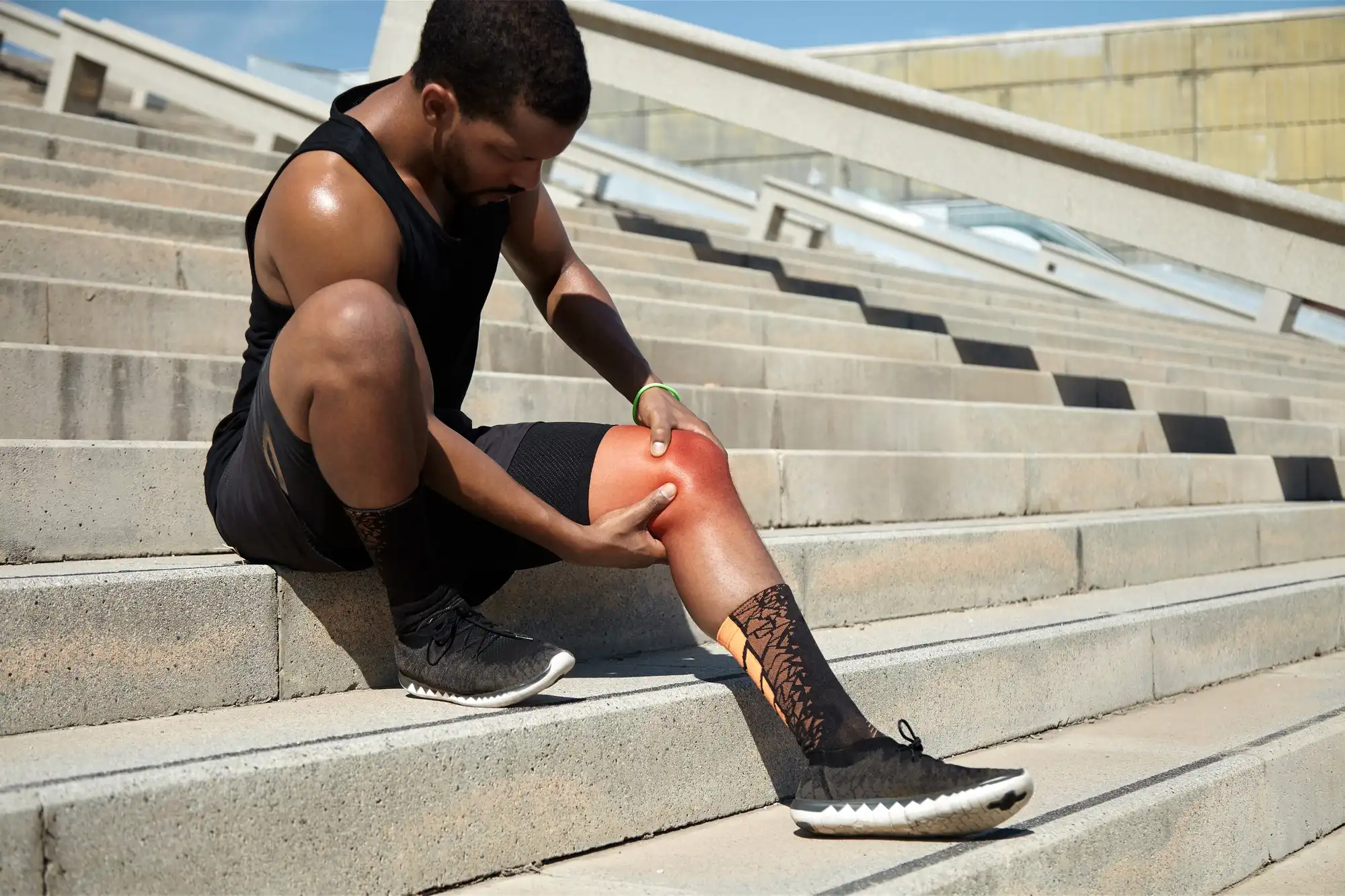
You might have twisted your knee during a football match, landed awkwardly after a jump, or simply taken a wrong step on the stairs. Whatever happened, if your knee is swollen, unstable, or painful there is a good chance a ligaments in knee injury is involved.
Ligaments are the connective tissue that holds your knee joint together. They are what give your knee its stability allowing you to walk, run, squat, and pivot without the joint collapsing. When they are damaged, even everyday movements can become difficult and painful.
Understanding what has happened inside your knee, and what your options are, is one of the most important steps before any treatment begins. In this guide, we walk you through everything from anatomy and symptoms to diagnosis and recovery so you can approach your next steps with confidence.
The Four Main Knee Ligaments and the Roles They Play
Your knee is one of the most complex joints in the body, and its structure plays a central role in how ligament injuries occur and heal. The knee joint structure relies on four primary ligaments to hold everything in place and guide movement safely. Understanding the knee ligament anatomy and the types of knee ligaments helps explain why an injury to any one of them can affect the whole joint.
ACL — The Ligament Most Commonly Injured in Sport
The anterior cruciate ligament (ACL) runs diagonally through the middle of the knee. It controls rotation and forward movement of the shinbone. ACL injuries are among the most common in sport, particularly in activities involving sudden changes of direction, jumping, or hard stops. A torn ACL is one of the most well-known types of ligaments in knee injury often accompanied by a distinct popping sound at the time of injury.
MCL — Why This Ligament Takes the Force of Side Impact
The medial collateral ligament (MCL) runs along the inner side of the knee and resists forces that push the joint inward. It is frequently injured in contact sports or when the knee is struck from the outside. MCL injuries often cause pain and tenderness along the inside of the knee and can range from mild stretching to a complete tear.
PCL — The Overlooked Ligament at the Back of Your Knee
The posterior cruciate ligament (PCL) sits at the back of the knee and prevents the shinbone from sliding too far backward. PCL injuries are less common but can occur from a direct blow to the front of the knee — such as during a car accident or a fall onto a bent knee. They are sometimes missed because the symptoms can appear less dramatic than an ACL injury.
LCL — The Outer Ligament That Keeps Your Knee Aligned
The lateral collateral ligament (LCL) runs along the outer side of the knee. It provides stability against forces that push the knee outward. LCL injuries are less frequent but can occur in sports involving twisting or direct impact to the inner side of the knee. Understanding which ligament is involved is key to planning the right treatment something we assess carefully during your consultation. Learn more about knee ligament injuries and how we approach diagnosis.
How Ligaments in Knee Injuries Happen in Everyday Life
A ligaments in knee injury does not only happen to professional athletes. It can affect anyone at any age and in any situation. Knowing the common causes helps you understand what may have gone wrong and reassures you that you are not alone.
Sports and Sudden Twisting Movements
High-impact and pivoting sports are the most frequent cause of ligament damage. Football, rugby, basketball, skiing, and netball all involve sudden direction changes and landing forces that can push the knee beyond its natural range of motion. Knee sports injuries and trauma account for a significant proportion of the cases we see at our clinic.
Falls, Accidents, and Direct Blows to the Knee
A fall from height, a road traffic accident, or a direct impact to the knee during daily activity can all cause significant ligament damage. These types of injuries often affect the PCL or LCL and may involve damage to multiple structures within the joint at the same time.
Gradual Wear From Repetitive Strain Over Time
Not all ligament injuries happen in a single moment. Repetitive strain — from running, cycling, or jobs that involve prolonged kneeling or squatting — can gradually weaken ligament tissue over time. These overuse injuries are often dismissed as general knee ache, which is why early assessment matters.
Age-Related Changes That Make Ligaments More Vulnerable
As we get older, ligaments naturally lose some of their elasticity and strength. This means older adults may experience a ligaments in knee injury from lower-impact activities that would not typically cause problems in younger people. Pre-existing conditions such as knee arthritis can also make the joint more susceptible to ligament strain.
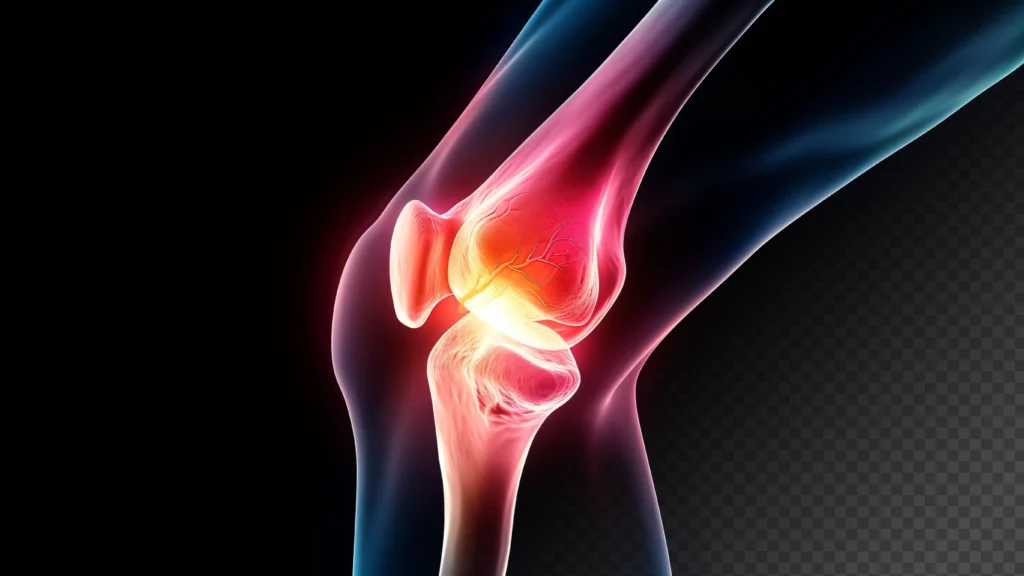
Symptoms of a Ligaments in Knee Injury You Should Not Brush Off
Symptoms can vary depending on which ligament is injured and how severely. Some people feel immediate, intense pain while others notice a gradual build-up of discomfort. Below are the most common knee ligament injury symptoms to be aware of.
The Immediate Signs Right After the Injury Occurs
Common immediate symptoms include:
- A popping or snapping sound at the time of injury
- Sudden, sharp pain in or around the knee joint
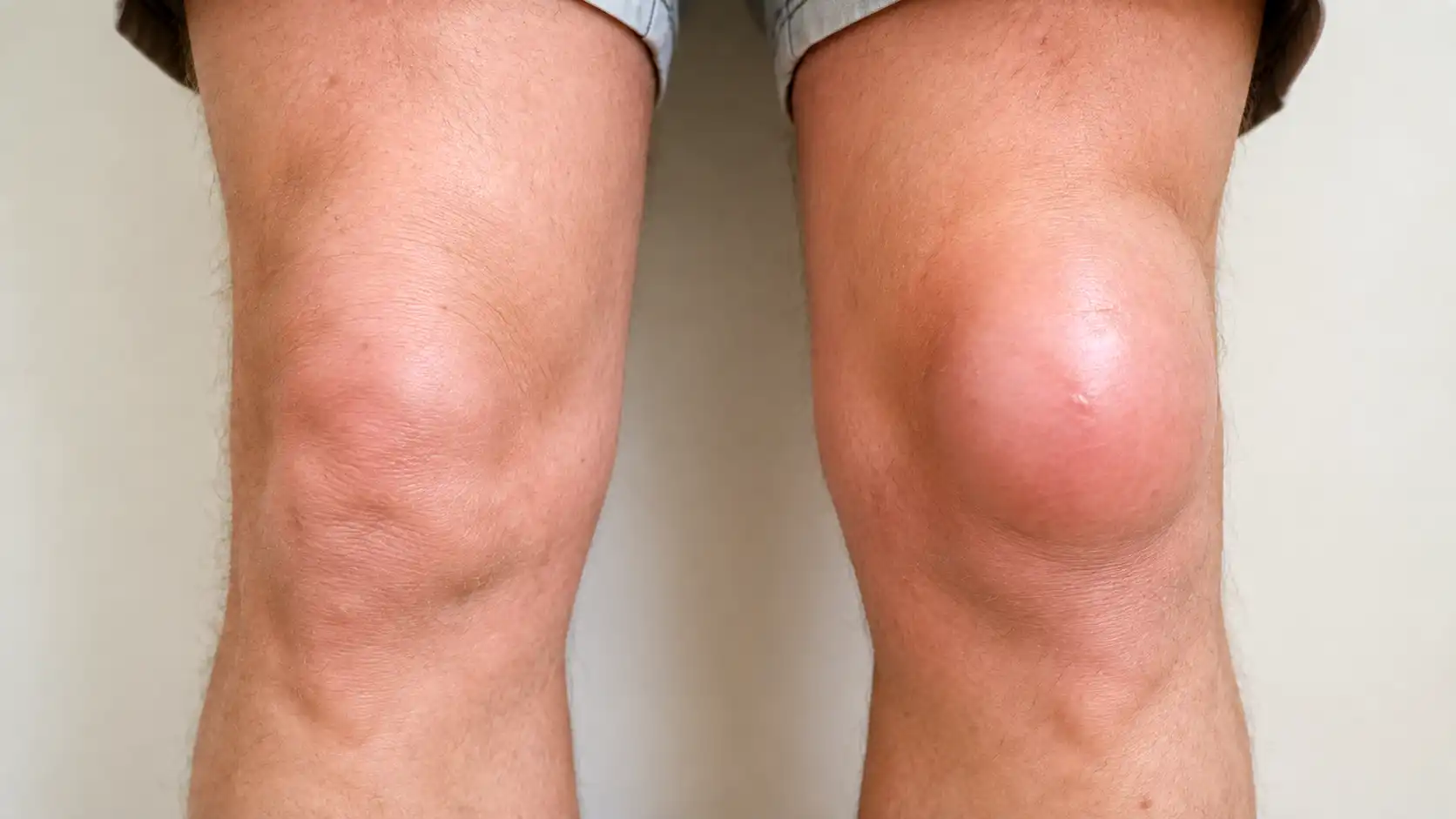
- Rapid swelling around the knee — a swollen knee after injury is one of the most telling early signs
- Difficulty bearing weight or standing on the affected leg
- A feeling that the knee has ‘given way’ or buckled
Symptoms That Develop Over the Following Days
In the days after injury, bruising typically spreads around the knee and into the lower leg. Stiffness makes it difficult to fully bend or straighten the joint, and warmth around the knee is common. Some patients find it harder to walk on uneven ground or climb stairs without discomfort.
The Longer-Term Signs People Often Mistake for Something Else
Knee instability symptoms that persist beyond the initial injury are a sign that the ligament has not healed fully or that the damage is more significant than first thought. These include a recurring sensation that the knee is about to give way, aching during or after physical activity, and difficulty trusting the joint during movement. These symptoms are easy to dismiss as general tiredness or stiffness but they are worth getting assessed.
When Knee Pain Is More Than Just a Sprain
It is tempting to rest, apply ice, and hope the pain settles on its own. For minor strains, that approach may be reasonable. But there are situations where waiting can allow the injury to worsen and where early specialist input makes a meaningful difference to your recovery.
Signs Your Ligament Injury May Be More Serious Than You Think
Seek a specialist opinion if you notice any of the following:
- Severe swelling that does not reduce after 48 to 72 hours
- Inability to bear any weight on the leg
- The knee feels completely unstable or collapses repeatedly
- Pain that is worsening rather than improving over time
- Any numbness, tingling, or change in sensation below the knee
Why Delaying Treatment Can Lead to Long-Term Joint Damage
An untreated ligaments in knee injury does not just cause ongoing pain. It can destabilise the entire joint and place abnormal stress on surrounding structures. Over time, this can lead to knee cartilage injury and, in some cases, early onset knee osteoarthritis. If you are unsure whether your injury needs attention, we can assess this quickly and give you a clear picture of what is happening inside the joint.
How a Knee Specialist Diagnoses a Ligaments in Knee Injury
Accurate diagnosis is the foundation of effective treatment. Knowing how to diagnose knee ligament injury correctly requires more than a quick physical check a ligaments in knee injury can present similarly to other conditions, which is why a thorough specialist assessment is so important before any treatment plan is put in place.
What Happens During Your First Consultation
Your first appointment will include a detailed discussion about how the injury happened, your current symptoms, and any previous knee problems. This is followed by a physical examination knee injury assessment, which involves checking the range of movement, testing the stability of each ligament individually, and identifying areas of tenderness. These clinical tests give a strong initial indication of which ligament is involved and how severely it may be damaged.
Imaging Tests Used to Confirm the Diagnosis
An MRI for knee ligament assessment is considered the most reliable imaging method for evaluating soft tissue injuries. It provides detailed images of the ligaments, cartilage, and other structures inside the joint. X-rays may also be used to rule out any associated bone injuries or fractures. In some cases, ultrasound imaging is used to assess surface-level ligament structures.
Understanding Ligament Tear Grades 1, 2 and 3
Knee ligament tear grades are used to classify the severity of the injury and guide treatment decisions:
- Grade 1 — Mild stretch with minor damage to the ligament fibres. Stability is maintained.
- Grade 2 — Partial tear with some instability. The ligament is stretched and partially disrupted.
- Grade 3 — Complete rupture of the ligament. The joint is significantly unstable.
Knowing the grade of your injury helps us guide you toward the most appropriate treatment — whether that is physiotherapy, bracing, or surgical reconstruction.
Treatment Options for Ligaments in Knee Injury From Conservative to Surgical
There is no single knee ligament injury treatment that suits every patient. The right approach depends on the severity of the injury, the ligament involved, your age, your activity level, and your overall health. We help you understand what each option involves and what it means for your recovery — so you can make an informed decision.
Rest, Physiotherapy and Bracing for Mild to Moderate Tears
For Grade 1 and many Grade 2 injuries, non-surgical knee ligament treatment is often the first and most appropriate route. This typically involves a period of rest combined with a structured physiotherapy for knee ligament injury programme. Targeted exercises help restore strength, stability, and range of motion while the ligament heals. A knee brace may also be used during this period to support the joint and reduce the risk of re-injury.
When Keyhole Surgery Is the Right Next Step
In some cases, particularly where there is associated cartilage or meniscal damage, knee keyhole surgery (arthroscopy) allows us to examine the joint directly, treat any damage, and confirm the extent of the ligament injury — all through small incisions with a shorter recovery time than open surgery.
Ligament Reconstruction Surgery and What It Involves
For Grade 3 tears or cases where the joint remains unstable despite conservative management, knee ligament surgery may be recommended. Knee ligament surgery London including ACL reconstruction, involves replacing the torn ligament with a graft usually taken from the patient’s own hamstring or patellar tendon. Recovery from reconstruction is measured in months rather than weeks, but the results can allow a return to full activity including sport.
Newer Treatments and Joint Preservation Approaches Available in London
We are committed to staying at the forefront of knee care. Where appropriate, we offer joint preservation procedures and the latest evidence-based surgical techniques that aim to maintain as much of the natural joint as possible. Explore the full range of knee treatments at London Knee Care to understand what may be suitable for your injury.
Who Is a Good Candidate for Knee Ligament Surgery
Surgery is not necessary for every ligaments in knee injury. The decision involves a careful discussion between you and your surgeon, taking into account a range of clinical and personal factors.
Factors That Influence Whether Surgery Is Recommended
Patients who tend to benefit most from surgical reconstruction are those with a complete ligament tear (Grade 3), persistent instability that has not responded to physiotherapy, a high level of physical activity or sporting demands, and a good overall level of health for surgery and rehabilitation. Age alone is not usually a deciding factor. We see patients of all ages undergo successful reconstruction.
Non-Surgical Routes for Patients Who Prefer to Avoid an Operation
For patients who have lower activity demands, or where the ligament injury is partial, a well-structured non-surgical programme can produce excellent outcomes. The key is consistency with physiotherapy and regular follow-up to monitor progress. We are honest about when surgery is genuinely needed and when it can be safely avoided.
Risks and Realistic Expectations Before Any Knee Ligament Treatment
Every treatment carries some degree of risk, and we believe patients should have a clear and honest understanding of this before making any decisions. Feeling well-informed leads to better outcomes and greater confidence throughout recovery.
Common Risks Associated With Knee Ligament Surgery
As with any surgical procedure, knee ligament surgery carries risks including infection, blood clots, nerve or vessel injury, and stiffness in the joint post-operatively. Graft failure where the reconstructed ligament does not integrate fully is a less common but important consideration, particularly if rehabilitation is not followed carefully. These risks are discussed in detail during your consultation so that you can make a fully informed decision.
Why Choosing an Experienced Knee Specialist Reduces Your Risk
The experience and surgical technique of your surgeon play a significant role in outcomes. Working with a specialist who performs high volumes of knee ligament procedures, and who has specific fellowship training in knee surgery, meaningfully reduces many of the risks associated with these operations. We encourage patients to ask questions and feel confident before proceeding.
How Long Does Recovery From a Ligaments in Knee Injury Take
One of the most common questions patients ask is how long recovery will take. The honest answer is that it depends on the type and severity of the ligaments in knee injury, the treatment chosen, and how consistently you follow your rehabilitation plan.
Week by Week What to Expect After Treatment
General recovery milestones (surgical reconstruction):
- Weeks 1 to 2 — Pain management, swelling reduction, gentle range of movement exercises
- Weeks 3 to 6 — Progressive weight-bearing, increased physiotherapy, muscle strengthening
- Months 3 to 4 — Light jogging and functional movement, continued strengthening
- Months 6 to 9 — Gradual return to sport with sport-specific training
- Month 9 to 12+ — Full return to competitive sport (dependent on individual progress)
For non-surgical management of Grade 1 or 2 tears, recovery is typically faster, ranging from four to twelve weeks depending on the extent of the injury.
Returning to Sport and Normal Activity Safely
Returning to sport after knee injury should never be rushed. Patients who return before the graft or repaired tissue has fully matured are at higher risk of re-injury. We use criteria-based testing assessing strength, movement control, and psychological readiness before clearing anyone to return to full activity.
The Role of Physiotherapy in Long-Term Knee Recovery
Physiotherapy is not optional, it is an essential part of recovery from any ligaments in knee injury, surgical or otherwise. A well-designed rehabilitation programme built around knee rehabilitation exercises tailored to your injury, restores muscle strength around the joint, improves balance and proprioception, and helps reduce the long-term risk of re-injury. We provide clear guidance and work with experienced physiotherapists to support your recovery at every stage.
When to Seek Medical Advice for a Ligaments in Knee Injury
Knowing when to see a doctor for knee injury is just as important as knowing what treatment options exist. Many patients wait weeks sometimes months before getting a proper assessment, and that delay can make recovery harder and longer.
You Should Not Wait If You Notice Any of These Signs
- Significant swelling that is not responding to ice and rest
- You cannot put weight on the leg at all
- The knee repeatedly gives way during walking or standing
- Your pain is getting worse rather than improving after a few days
- You heard or felt a pop at the time of the injury
- You have ongoing instability that is affecting your daily life
Why Early Specialist Assessment Leads to Better Outcomes
The sooner a ligaments in knee injury is accurately diagnosed, the sooner you can begin the right treatment. Early assessment allows us to identify the full extent of the damage, prevent complications such as muscle wasting or secondary joint deterioration, and put together a recovery plan that is realistic and tailored to your life. Speaking to a private knee specialist in London sooner rather than later can make a genuine difference to your long-term outcome.
If you are unsure whether your symptoms need attention, we guide you on the next steps so you are never left wondering. You can contact us with any questions before committing to an appointment.
Get Expert Care for Your Ligaments in Knee Injury at London Knee Care
If you have been living with knee pain, instability, or a recent injury that has left you unsure of what to do next you do not need to figure this out alone.
At London Knee Care, we provide fast, accurate diagnosis and a full range of treatment options from physiotherapy and injections through to keyhole surgery and reconstruction. Every patient is seen personally by Mr Raghbir Khakha, an internationally recognised knee surgeon with over 15 years of specialist experience and more than 5,000 procedures performed. We take the time to listen, explain clearly, and help you understand your options without pressure or confusion.
We know that facing a knee injury can feel overwhelming, especially when you are not sure how serious it is or what treatment you might need. Our role is to make that process as straightforward and reassuring as possible.
When you come to us, you can expect:
- A prompt appointment — usually within days, not weeks
- A thorough clinical examination and same-day imaging where required
- A clear explanation of your diagnosis in plain language
- A personalised treatment plan built around your goals and lifestyle
- Continuity of care from first appointment through to full recovery
Whether you are ready to book an appointment or simply want to understand your options, we are here to help. You can also contact us directly to speak with our team, or call us on 020 7046 8008 — Monday to Friday, 9am to 8pm.
You can also learn more about our approach and the full range of conditions we treat on the London Knee Care website. Taking that first step toward proper diagnosis and treatment is often the most important one.