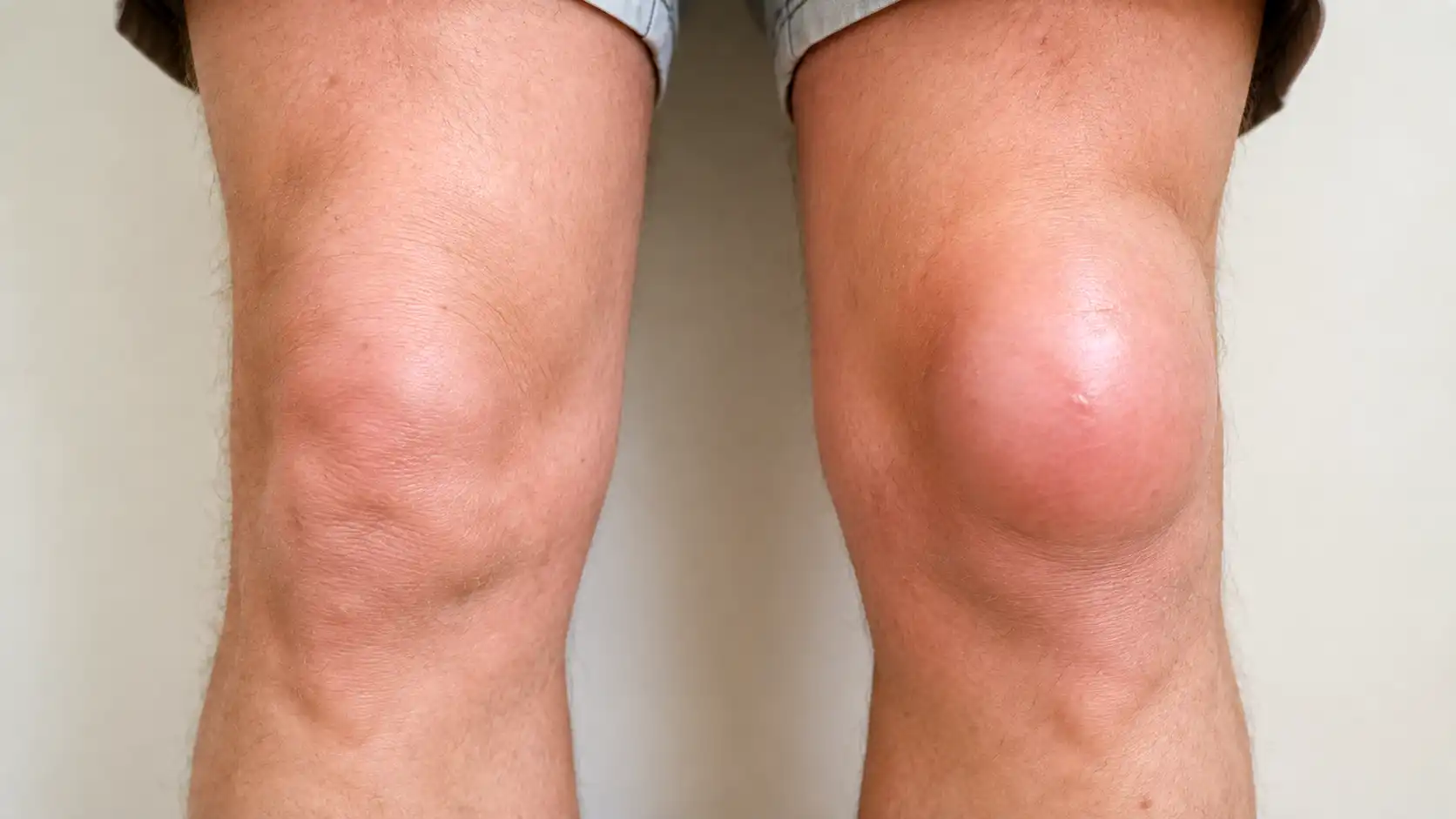

Knee pain has a way of creeping into every part of your life. It is there when you get out of bed in the morning, when you take the stairs, when you try to keep up with your grandchildren. For many people living with knee osteoarthritis, the options on offer have traditionally felt limited: physiotherapy, painkillers, steroid injections that wear off in weeks, or eventually a knee replacement.
But something has changed. Arthrosamid knee injections are offering a different path forward, one that is longer-lasting, low-risk, and genuinely helping patients stay active for years. At London Knee Care, we are seeing real results in patients who had all but given up on non-surgical options.
If you have been managing knee pain for a while and want to understand whether this treatment could be right for you, this guide is a good place to start.
What Are Arthrosamid Knee Injections and Why Are More Patients Choosing Them
Arthrosamid is a soft hydrogel injection designed specifically for knee osteoarthritis. Unlike steroid injections that reduce inflammation temporarily, or hyaluronic acid injections that the body gradually absorbs, Arthrosamid integrates into the lining of the knee joint itself.
Think of it as giving the inside of the joint a smoother, more cushioned surface. Once settled, it helps reduce friction, dampen inflammation, and improve the overall mechanical environment of the knee. The result is less pain, better movement, and for many patients, a meaningful return to activities they had stopped doing.
How This Treatment Is Different From Other Knee Injections
Most knee injections work for a few months at best. Steroid injections can provide fast relief but repeated use carries its own risks, particularly for patients with diabetes or those on certain medications. Hyaluronic acid injections are gentler but are typically absorbed within three to six months.
Arthrosamid is non-biodegradable. It stays within the joint and does not break down over time. Clinical evidence suggests relief can last two years or more in suitable patients, which represents a significant step forward in managing this condition without surgery.
Understanding Knee Osteoarthritis and Why It Keeps Coming Back
Osteoarthritis of the knee is not simply a matter of getting older. It is a progressive condition in which the cartilage that cushions the knee joint gradually wears away. As that protective layer thins, bone can begin to rub against bone, causing pain, swelling, stiffness, and reduced range of movement.
What Actually Happens Inside Your Knee With Arthritis
Healthy knee cartilage acts as a shock absorber. It is smooth, resilient, and allows the joint surfaces to glide cleanly. When osteoarthritis takes hold, that cartilage becomes rough and uneven. The synovial fluid that lubricates the joint can also change in quality, making movement less comfortable and more painful over time.
What makes this condition so persistent is that cartilage has very limited capacity to repair itself. Once it is damaged, it does not grow back. That is why treatment focuses on managing the environment within the joint rather than trying to reverse the damage itself.
The Difference Between Normal Knee Ageing and Osteoarthritis
Some degree of knee wear is a normal part of ageing. Osteoarthritis is different. It involves structural changes to the joint that cause persistent symptoms and affect daily function. Patients with grade II or grade III arthritis, which describes moderate to significant cartilage loss, are often the best candidates for treatments like arthrosamid knee injections.
Common Symptoms of Knee Osteoarthritis You Should Not Ignore
Symptoms can vary depending on the severity of the condition, but there are some common patterns that suggest the knee needs proper assessment rather than simply pain management.
Early Warning Signs That Your Knee Needs Attention
- Aching or stiffness in the knee, especially first thing in the morning
- Pain that worsens with activity and eases with rest
- Swelling around the knee that comes and goes
- A grinding or crunching sensation when moving the joint
- Reduced range of movement or difficulty fully straightening the leg
- Knee that feels less stable or gives way occasionally
How Do You Know If Your Knee Pain Is From Arthritis
Not all knee pain is caused by osteoarthritis. A torn meniscus, referred pain from the hip, or ligament problems can all cause similar symptoms. That is why a proper clinical assessment is so important before any injection treatment is considered. We can help you get a clear picture of what is actually driving your pain, so you receive the right treatment for the right reason.
Symptoms That Suggest Moderate to Severe Knee Arthritis
- Pain that is now affecting sleep or rest
- Difficulty walking more than short distances without significant discomfort
- Visible deformity or bowing of the knee
- Persistent swelling that does not settle with rest or anti-inflammatories
When Should Knee Pain Be Taken More Seriously
Many people live with knee pain for months or even years before seeking specialist help. It is a common pattern, but leaving the condition unmanaged can allow it to progress further than it needs to.
Signs Your Knee Arthritis May Be Getting Worse
If your knee pain is becoming more frequent, affecting your sleep, or limiting activities you used to manage without trouble, these are signs that the condition may be progressing. Worsening stiffness after periods of rest, or pain that now appears even when the knee is not under load, suggests the joint environment has changed and a more targeted approach may be needed.
How Long Is Too Long to Leave Knee Pain Untreated
There is no fixed answer, but the evidence is clear that earlier intervention tends to produce better outcomes. If physiotherapy and over-the-counter pain relief are no longer managing your symptoms, that is a reasonable point to seek a specialist opinion. We can assess your knee thoroughly and help you understand which stage of arthritis you are dealing with and what your options are from here. The earlier we can act, the more we can do for you.
How Is Knee Osteoarthritis Diagnosed in the UK
Diagnosis involves more than a brief conversation about your symptoms. A thorough assessment looks at your pain pattern, your lifestyle, the physical condition of the joint, and imaging to understand the extent of any structural changes.
What to Expect at Your First Knee Specialist Consultation
At your first appointment with us, we take a detailed history of your symptoms and carry out a clinical examination of the knee. We assess range of movement, any swelling or tenderness, and how the joint behaves under load. This helps us form a clear clinical picture before any decisions are made about treatment.
Do You Need an MRI or X-Ray for Knee Arthritis
X-rays are usually the first imaging step and are effective at showing the degree of joint space narrowing, which indicates how much cartilage has been lost. An MRI scan provides more detail, particularly around soft tissue structures like the meniscus and ligaments. We will recommend the appropriate imaging based on your symptoms and examination findings. To book an assessment with our specialist Mr Raghbir Khakha, you can visit our
To book an assessment with our specialist Mr Raghbir Khakha, you can visit our appointments page at any time.
Grading Knee Arthritis: What Grade II and III Actually Mean
Arthritis is graded on a scale of I to IV. Grade I involves very early changes that may not yet cause significant symptoms. Grade II and III describe moderate wear with clear cartilage loss and some narrowing of the joint space. These are the patients who tend to benefit most from arthrosamid knee injections. Grade IV is the most severe, where cartilage loss is near complete, and joint replacement is often the most appropriate route.
What Are the Treatment Options for Knee Osteoarthritis in the UK
There is a wide range of treatment options available, and the right path depends on the severity of your arthritis, your symptoms, your lifestyle, and what you have already tried.
Non-Surgical Treatments for Knee Arthritis and What the Evidence Says
- Physiotherapy and strengthening exercises to support the joint
- Weight management to reduce the load going through the knee
- Anti-inflammatory medication for short-term symptom relief
- Steroid injections for fast but short-lived pain relief
- Hyaluronic acid injections for lubrication and mild symptom relief
- Arthrosamid knee injections for longer-term relief in moderate arthritis
How Arthrosamid Knee Injections Fit Into Your Treatment Journey
Arthrosamid sits in a useful position within the treatment pathway. It is typically considered after physiotherapy and simpler injections have not provided lasting relief, and before joint replacement is necessary. For many patients, it provides enough improvement to either delay surgery significantly or avoid it altogether.
Arthrosamid vs Steroid Injections: Key Differences Explained
Steroid injections work by reducing inflammation within the joint. They can be very effective for short-term relief, particularly during a flare, but the effects typically last between six and twelve weeks. Repeated steroid injections over time can affect the cartilage and soft tissues within the joint. Arthrosamid does not rely on reducing inflammation. It works mechanically, integrating into the joint lining and improving the cushioning within the knee.
Arthrosamid vs Hyaluronic Acid Injections: Which Lasts Longer
Hyaluronic acid injections aim to supplement the natural fluid within the knee joint. They can help with mild to moderate arthritis but are typically absorbed by the body within a few months. Arthrosamid is not absorbed. It remains within the joint and continues to provide cushioning over a much longer period, with studies showing meaningful relief lasting up to two years or more in appropriate patients.

How Do Arthrosamid Knee Injections Actually Work
Understanding the mechanism behind this treatment helps explain why it performs differently from other knee injections.
What Is the Hydrogel Inside Arthrosamid and Is It Safe
Arthrosamid is made from a polyacrylamide hydrogel, which is a water-based gel that has been used safely in medical applications for a number of years. It is non-toxic, non-biodegradable, and has CE approval for use in knee osteoarthritis. It does not interact with surrounding tissues in a harmful way, which is why it is considered a suitable option even for patients who cannot tolerate steroid injections.
What Happens to the Injection Once It Enters the Knee Joint
Once injected, the hydrogel integrates into the synovial membrane, which is the lining of the knee joint. Rather than simply sitting in the joint space, it becomes part of the joint environment, providing a cushioning effect that reduces the impact on the cartilage surfaces and helps dampen the inflammatory signals within the knee.
How Long Does It Take for Arthrosamid to Start Working
Most patients notice gradual improvement over the first six to twelve weeks as the hydrogel integrates into the joint. This is not an instant result, and that is worth being clear about. The benefits build over time, and many patients report that improvement continues to develop for several months following the injection.
What Clinical Evidence Supports Arthrosamid Knee Injections
Arthrosamid has been studied in clinical trials involving patients with moderate knee osteoarthritis. Results have shown statistically significant reductions in pain scores and improvements in physical function that are sustained over follow-up periods of up to two years. It holds CE approval and has an established safety profile that supports its use in private practice across the UK.
Are You a Good Candidate for Arthrosamid Knee Injections
This treatment is not suitable for everyone, and part of our role is to make sure we are recommending it only where it is likely to help.
Who Gets the Best Results From This Treatment
- Adults aged 40 and over with confirmed grade II or III knee osteoarthritis
- Patients who have tried physiotherapy but still have persistent symptoms
- Those who want to avoid or delay knee replacement surgery
- Active individuals whose knee pain is limiting their work or daily activities
- Patients who cannot tolerate steroid injections due to diabetes or other health conditions
Who May Not Be Suitable for Arthrosamid Injections
- Patients with grade IV arthritis where cartilage loss is near complete
- Those with an active knee infection or inflammatory arthritis such as rheumatoid arthritis
- Patients whose knee pain is coming from a source other than osteoarthritis
- Individuals who have not yet tried conservative management such as physiotherapy
Can You Have Arthrosamid If You Have Diabetes or Take Blood Thinners
One of the genuine advantages of Arthrosamid over steroid injections is that it does not affect blood sugar levels, which makes it a more appropriate choice for patients with diabetes. If you are on anticoagulant medication, we will review this at your consultation and advise whether any temporary adjustment is needed before the procedure.
What to Expect During Your Arthrosamid Knee Injection Appointment
Many patients feel anxious about injections, particularly into a joint. Understanding exactly what the procedure involves can make a real difference.
How the Injection Is Given: Ultrasound Guidance Explained
Arthrosamid is administered using ultrasound guidance. This means we use a small ultrasound probe alongside the needle to visualise the joint in real time, ensuring the hydrogel is placed precisely into the correct space. This level of accuracy matters because it improves the consistency of results and reduces the risk of the injection being misdirected.
How Long Does the Procedure Take and Does It Hurt
The injection itself takes around ten minutes from start to finish. A local anaesthetic is applied beforehand to numb the area, so most patients find the procedure very manageable. There may be a brief sensation of pressure during the injection, but significant pain during the procedure is uncommon. You will be able to walk immediately afterwards and can usually drive home without difficulty.
What Should You Do Before Your Arthrosamid Appointment
We will give you specific pre-procedure guidance at your consultation. In general, you should wear comfortable clothing that allows easy access to the knee, and avoid applying any creams or lotions to the skin around the joint on the day of your appointment. If you take any regular medications, let us know in advance so we can advise accordingly.

Are There Any Risks or Side Effects With Arthrosamid Knee Injections
Every medical procedure carries some degree of risk, and we believe it is important to be honest with patients about what to expect rather than overstating the benefits.
Common Side Effects and How Long They Last
- Temporary swelling or warmth around the injection site, usually settling within a few days
- Mild discomfort in the knee in the first 48 to 72 hours following the procedure
- A feeling of increased tightness in the joint as the hydrogel settles
Serious adverse events are rare. Because Arthrosamid is non-biodegradable, there is no risk of an allergic reaction to degradation products, which is an advantage over some other injectable materials.
What Are the Limitations of This Treatment
Arthrosamid is not a cure for osteoarthritis. It does not reverse cartilage damage or restore the joint to its pre-arthritic state. For patients with very advanced arthritis, the results may be limited. It is also worth noting that while many patients experience long-lasting relief, individual responses vary. Some patients may need to consider further treatment options over time.
Recovery After Arthrosamid Knee Injections: What to Expect Week by Week
Recovery from this procedure is generally straightforward, and most patients are able to return to their normal routine within a short time.
How Soon Can You Return to Normal Activities
Most patients can resume light daily activities within 48 hours of the injection. We usually advise avoiding strenuous exercise or prolonged standing for the first week to allow the hydrogel to begin integrating properly. Low-impact activities such as walking, swimming, and cycling can generally be reintroduced gradually after this period.
How to Get the Most Out of Your Arthrosamid Treatment Long-Term
The injection works best as part of a broader approach to managing your knee health. Patients who combine Arthrosamid with regular strengthening exercises, particularly targeting the quadriceps and surrounding hip muscles, tend to maintain their results for longer. Maintaining a healthy weight also significantly reduces the load on the knee joint and helps preserve the improvement you gain from treatment.
Exercise and Lifestyle Tips That Help Arthrosamid Work Better
- Low-impact exercise such as swimming, cycling, or walking on even surfaces
- Quadriceps and glute strengthening exercises as guided by a physiotherapist
- Avoiding prolonged impact activities like running on hard surfaces in the early weeks
- Weight management to reduce loading on the joint
- Regular follow-up to monitor progress and address any concerns early
When Should You Seek Medical Advice About Knee Pain and Arthrosamid Knee Injections
It can be tempting to keep managing knee pain on your own, particularly if you have been doing so for some time. But there are clear points at which seeking proper medical advice makes a meaningful difference to your outcome.
Signs It Is Time to Stop Managing Knee Pain Alone
If your knee pain is affecting your sleep, stopping you from doing work you need to do, or causing you to avoid activities that matter to you, it is time to get a proper assessment. Pain that has been present for more than three months, pain that returns despite physiotherapy, or pain that is getting progressively worse over weeks, all suggest the knee needs specialist attention rather than continued self-management.
Why Early Assessment Leads to Better Treatment Outcomes
The earlier we can assess your knee and understand the degree of arthritis involved, the more options we have available to you. Patients who come to us at the moderate arthritis stage are well placed to benefit from arthrosamid knee injections and to potentially avoid surgery altogether. Waiting until the arthritis is very advanced can narrow those options considerably. We can assess this quickly, help you understand exactly what is going on in your knee, and guide you through the next steps in a way that is clear, honest, and unhurried.
Frequently Asked Questions About Arthrosamid Knee Injections
How long do arthrosamid knee injections last?
Clinical studies show that the benefits of arthrosamid knee injections can last up to two years or more in suitable patients. Individual results do vary depending on the severity of the arthritis, overall joint health, and lifestyle factors such as activity level and body weight.
How many injections do you need?
In most cases, a single injection of Arthrosamid is sufficient. This is one of its practical advantages over treatments that require multiple sessions. Your specialist will assess whether one injection is appropriate based on the condition of your knee.
Is arthrosamid available on the NHS?
Arthrosamid is currently available through private healthcare in the UK and is not routinely offered on the NHS. At London Knee Care, we provide clear information about costs at the outset so there are no surprises.
Can arthrosamid help me avoid knee replacement surgery?
For many patients with moderate osteoarthritis, arthrosamid knee injections provide enough relief to delay or avoid the need for joint replacement. This is not guaranteed for every patient, but it is a realistic outcome for those who are well suited to the treatment.
How much do arthrosamid knee injections cost in London?
Costs vary depending on the extent of your assessment and whether one or both knees are being treated. We provide a full breakdown of fees at your initial consultation so you can make an informed decision without any pressure.
What is the difference between arthrosamid and cortisone injections?
Cortisone injections are a type of steroid that reduces inflammation quickly but the effect is temporary, usually lasting six to twelve weeks. Arthrosamid works through a different mechanism, integrating into the joint lining to provide mechanical cushioning that lasts considerably longer. It also does not carry the same concerns around repeated use that cortisone injections do.
Ready to Find Out If Arthrosamid Knee Injections Are Right for You
Knee pain does not have to be something you simply put up with. If you have been managing arthritis symptoms for a while, or if previous treatments have not given you the lasting relief you were hoping for, we would like to help you find a clearer path forward.
Meet Mr Raghbir Khakha: Consultant Knee Specialist at London Knee Care
Mr Raghbir Khakha is a leading consultant orthopaedic surgeon with extensive expertise in knee conditions, including the assessment and treatment of knee osteoarthritis. His approach is thorough, patient-focused, and always built around what is genuinely right for you rather than a one-size-fits-all recommendation.
At London Knee Care, we take the time to properly understand your symptoms, your lifestyle, and what you want to get back to doing. We can assess your knee quickly, give you a clear diagnosis, and explain your options in plain language. There is no pressure, no rushed appointments, and no unnecessary procedures.
Whether you are exploring arthrosamid knee injections for the first time, want a second opinion on a previous assessment, or simply want to understand what stage your arthritis is at, we are here to help.
You can book a consultation with Mr Raghbir Khakha at London Knee Care online, or learn more about Mr Khakha and his specialist experience before your first appointment. We look forward to helping you get back to doing what matters most.