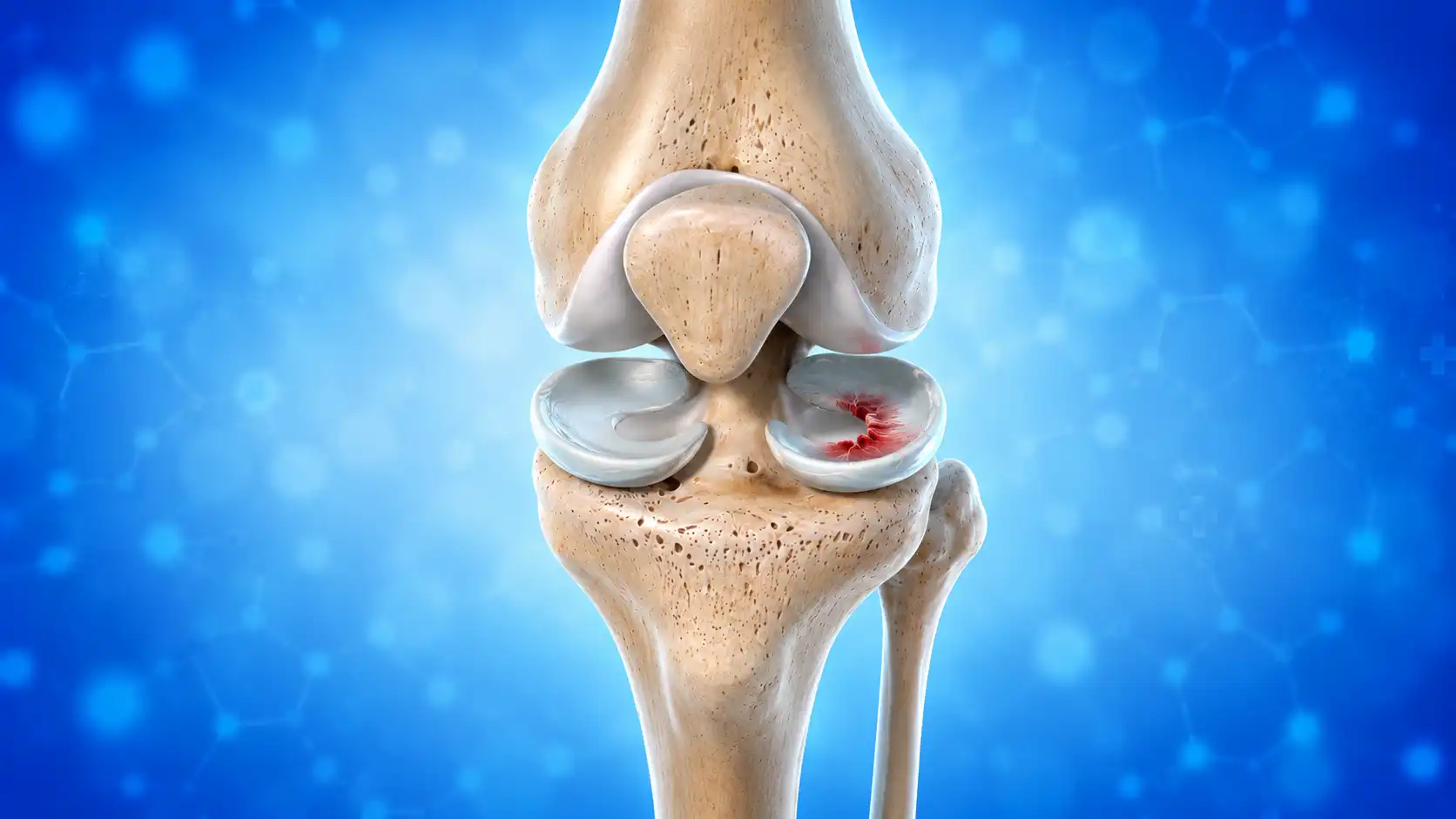
Meniscus tear knee injuries are one of the most common causes of knee pain in both active adults and older patients. These injuries can happen suddenly during sports or develop slowly through everyday movement and age-related wear inside the knee joint.
Many patients first notice symptoms after twisting the knee during sport, getting up awkwardly, or hearing a sudden pop inside the joint. Others develop gradual pain and stiffness that worsens over time. Knowing when symptoms may suggest a meniscus injury can help you seek treatment earlier and avoid ongoing knee problems.
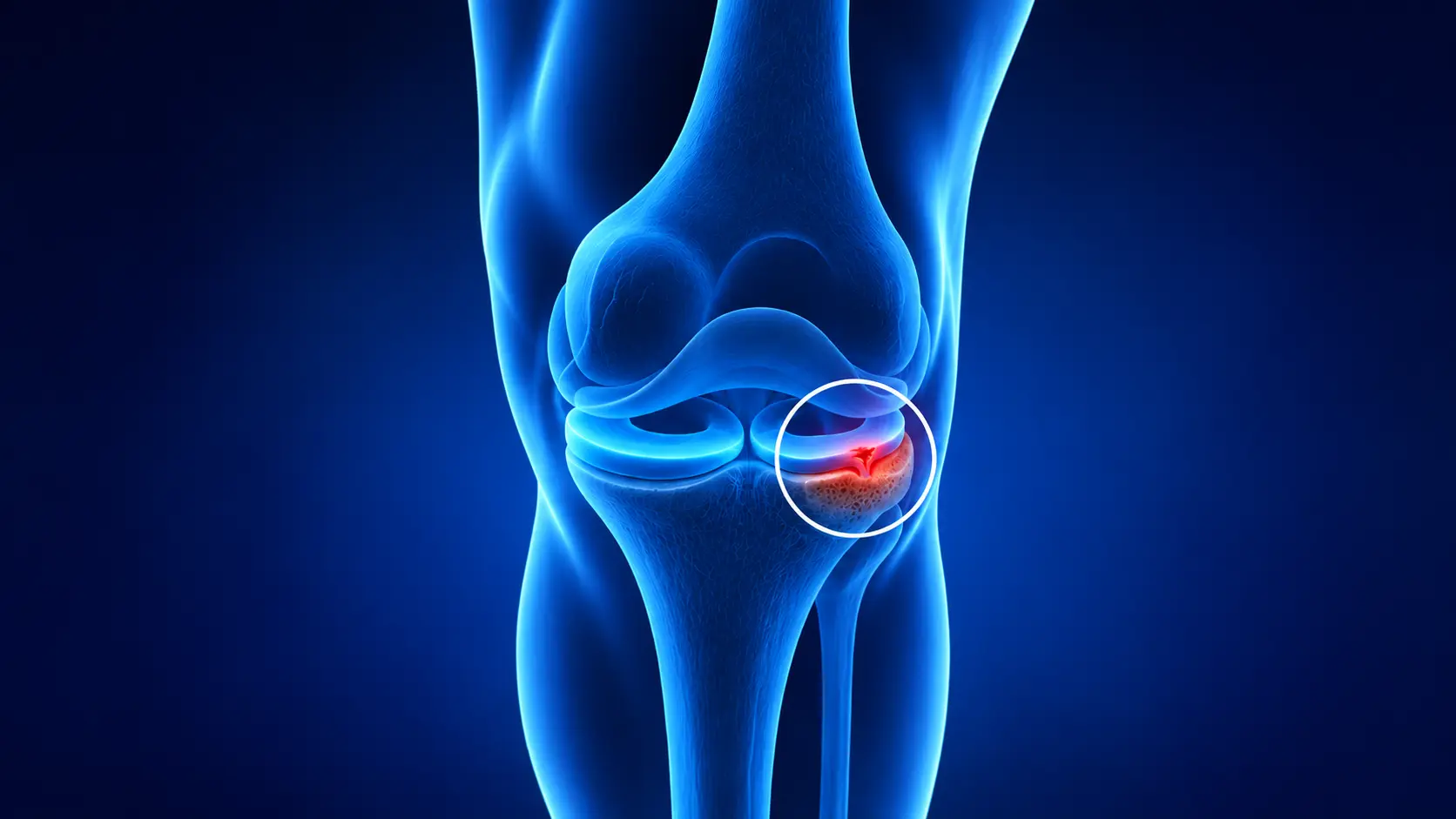
The meniscus is a rubber-like cartilage structure that sits between the thigh bone and shin bone. Each knee has two menisci that help absorb shock, support movement, and protect the knee joint during walking, running, twisting, and squatting. When this cartilage becomes damaged, it can lead to pain, swelling, stiffness, and reduced movement.
At London Knee Care, we regularly assess patients with meniscal tears in the knee caused by football injuries, gym exercises, twisting accidents, running injuries, and degenerative cartilage changes. Some people notice symptoms immediately after injury, while others develop pain gradually over time.
Understanding the common causes of meniscus tear knee injuries can help you recognise symptoms early and seek the right treatment before the condition worsens.
What Is Meniscal Tear in the Knee?
Many patients ask us, “What is meniscal tear in the knee?” A meniscal tear happens when the cartilage inside the knee becomes damaged or splits due to force, twisting, or gradual degeneration.
The meniscus plays an important role in keeping the knee stable and reducing pressure inside the joint. When the cartilage tears, the knee may no longer move smoothly. This can cause pain, swelling, clicking sensations, or locking of the knee.
Some meniscus tear knee injuries happen suddenly during sports, while others develop slowly over time. Younger patients are more likely to suffer traumatic tears during physical activity. Older adults are more likely to develop degenerative tears due to weakening cartilage.
A knee joint torn meniscus can affect daily activities such as walking, climbing stairs, kneeling, exercising, or standing up from a seated position.
Common Sports Activities That Cause Meniscus Tear Knee Injuries
Sports are one of the leading causes of meniscus tear knee injuries. These injuries usually happen when the knee twists while the foot stays planted on the ground. Sudden changes in direction place pressure on the cartilage and can cause tearing inside the knee joint.
We commonly see sports knee injuries linked to:
- Football
- Rugby
- Tennis
- Running
- Basketball
- Skiing
- Gym training
- Cricket
Twisting during football tackles or pivoting quickly during sport can overload the meniscus. In some cases, the injury may happen alongside ligament damage such as an ACL tear.
Patients often notice knee meniscus damage symptoms shortly after injury. These symptoms may include swelling, difficulty bending the knee, pain while twisting, or instability during walking.
Some patients also experience outer meniscus tear symptoms affecting the outer side of the knee, while others develop pain along the inner knee due to medial meniscus damage.
If you have ongoing instability after sports activity, we may also assess for ligament injuries and associated cartilage damage. You can learn more about our ACL reconstruction treatment options if ligament injury is suspected.
Everyday Activities That Can Lead to Meniscus Tear Knee Injuries
Not all meniscus tear knee injuries happen during sport. Many people damage the meniscus during ordinary daily activities without realising how much strain is placed on the knee.
Simple movements such as twisting while standing, squatting deeply, lifting heavy objects, kneeling, or turning awkwardly can sometimes cause cartilage tears. This is especially common in adults over 40 because the meniscus becomes weaker with age.
Degenerative tears develop gradually over time as the cartilage loses strength and flexibility. In these cases, even a small twisting movement may trigger symptoms.
Many patients are surprised when they develop knee pain after something as simple as getting out of a car or walking downstairs. A torn meniscus does not always require a major injury.
At London Knee Care, we often assess patients who initially ignored symptoms because they believed the pain would settle naturally. Early assessment can help prevent worsening cartilage damage and ongoing knee problems.
Meniscus Tear Signs Symptoms and Warning Signs to Watch For
Meniscus tear signs symptoms can vary depending on the size and location of the injury. Some people experience sudden pain immediately after injury, while others develop symptoms gradually.
Common signs of a meniscal tear include pain during twisting movements, swelling around the knee joint, stiffness after activity, and difficulty fully bending or straightening the knee. Some patients notice clicking sensations or feel as though the knee catches during movement.
One of the most common questions patients ask is, “Do you know if you tore your meniscus?” While symptoms can strongly suggest a torn meniscus, proper assessment is still important because several knee conditions can cause similar pain.
Signs of a meniscal tear may include:
- Swelling after knee injury
- Knee locking symptoms
- Pain while squatting
- Reduced movement
- Knee instability symptoms
- Clicking inside the joint
- Difficulty walking comfortably
Persistent symptoms should not be ignored, especially if the knee repeatedly swells after activity.
How Meniscus Tear Knee Injuries Are Diagnosed
Accurate diagnosis is important because treatment depends on the severity and type of tear.
At London Knee Care, we begin with a detailed clinical assessment to understand how the injury happened and how your symptoms affect daily movement.
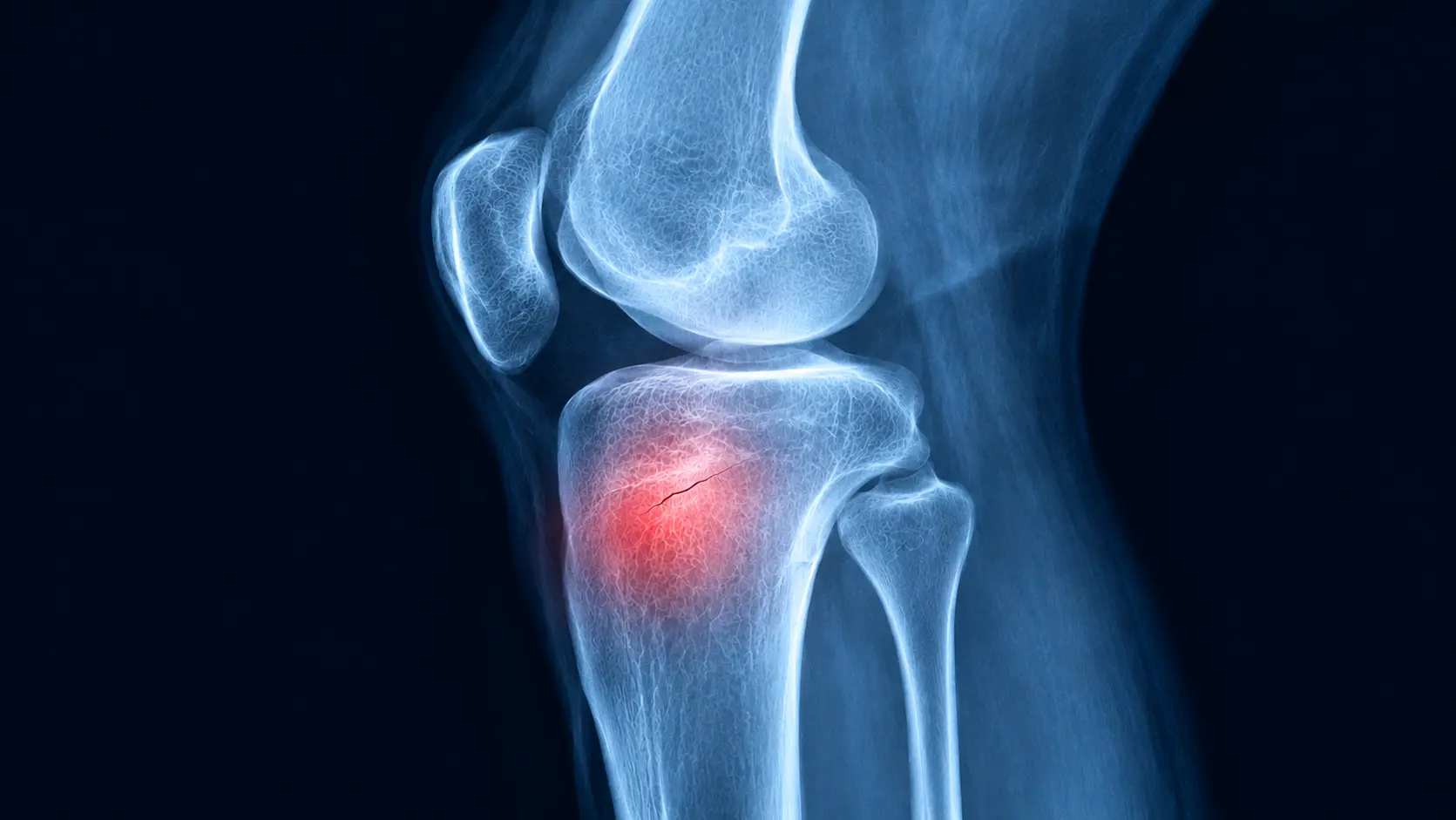
Some patients ask whether a meniscal tear x ray can diagnose the problem. Standard X-rays can help identify arthritis or bone-related changes, but they do not usually show cartilage tears clearly. This means X-rays are often used alongside clinical examination rather than as the main diagnostic tool.
An MRI scan is usually the best way to assess torn cartilage in the knee. A torn meniscus in knee MRI scan can show:
- The location of the tear
- Cartilage damage
- Associated ligament injuries
- Swelling inside the joint
- Signs of degeneration
Many patients feel reassured after having a proper assessment and scan because it helps explain why the knee feels unstable, swollen, or painful during movement. Understanding the exact cause of symptoms often makes rehabilitation and treatment decisions much clearer and less stressful.
Many people also search online for how do you self check for a torn meniscus. While some movements may trigger symptoms, self-checking cannot confirm the severity of the injury. Knee pain can have several causes, including arthritis, ligament injuries, cartilage damage, or patella instability.
If symptoms continue for more than a few days, specialist assessment is important.
Can Meniscus Tears Heal Themselves?
Many patients ask whether meniscus tears heal themselves or whether the injury will settle naturally over time.
The answer depends on the type of tear, the location of the damage, and the overall health of the knee joint. Smaller tears near the outer edge of the cartilage sometimes heal because this area has a better blood supply.
However, larger tears often heal poorly because the inner part of the meniscus receives very limited blood flow. This explains why do meniscus tears heal poorly compared to some other injuries.
Some people ask whether will meniscus tear repair itself without treatment. In some mild cases, symptoms may improve with rest and rehabilitation. However, unstable tears can continue causing pain, locking, swelling, or reduced movement.
Ignoring symptoms may place more stress on the knee joint over time and increase the risk of long-term cartilage damage.
Why Early Treatment for Meniscus Tear Knee Injuries Matters
Many patients try to manage knee pain on their own for several weeks before seeking help. While some mild injuries improve with rest, ongoing meniscus tear knee injuries should not be ignored.
When damaged cartilage continues catching inside the knee joint, it can increase pressure on surrounding cartilage surfaces. Over time, this may contribute to further cartilage wear, ongoing inflammation, and early arthritic changes inside the knee.
Patients with untreated meniscal tears in the knee may notice:
- increasing stiffness
- repeated swelling
- worsening knee instability
- pain during walking
- reduced confidence during exercise
Some unstable tears can also become larger over time, especially if the knee continues twisting during sport or physical activity.
At London Knee Care, we help you understand whether your symptoms are likely to settle with rehabilitation or whether further treatment may help protect the long-term health of your knee joint.
Early assessment often allows us to diagnose the problem more clearly and guide you towards the most appropriate treatment before symptoms become more difficult to manage.
Once we understand the type and severity of the tear, we can guide you towards the most suitable treatment approach for your symptoms and lifestyle.
Meniscus Injury Treatment Options and Non Surgical Care
Not every patient requires surgery. Many meniscus injury treatment options focus on reducing pain, improving movement, and restoring knee stability without an operation.
Meniscus tear treated without surgery may involve physiotherapy, activity modification, strengthening exercises, and guided rehabilitation. The right approach depends on your symptoms, activity level, and the severity of the injury.
Some patients ask whether will a knee support help a torn meniscus. Knee braces may provide additional support during movement and rehabilitation, especially if the knee feels unstable during activity.
Our approach to meniscus tear treatment knee injuries focuses on helping you move more comfortably while protecting the long-term health of the knee joint.
Physiotherapy is an important part of recovery for many patients with meniscus tear knee injuries. Rehabilitation focuses on improving muscle strength around the knee, restoring joint control, and reducing pressure on the damaged cartilage. In many cases, targeted rehabilitation can significantly improve stability and movement without surgery.
Patients with ongoing swelling or instability may also benefit from further imaging and specialist assessment to determine whether additional treatment is needed.
When Does a Meniscus Tear Need Surgery?
Some meniscus tear knee injuries do require surgery, particularly when symptoms continue despite rehabilitation.
Patients may benefit from meniscus tear knee surgery if they experience persistent locking, severe pain, repeated swelling, or difficulty walking normally. Surgery may also be considered when cartilage tears are large or unstable.
Many patients ask how often do meniscus tears need surgery. The answer varies depending on the severity of the injury and the patient’s lifestyle. Some tears respond well to physiotherapy, while others continue causing mechanical symptoms inside the knee joint.
Arthroscopic surgery is commonly used to treat torn meniscus injuries. This minimally invasive procedure allows us to assess and treat the damaged cartilage using small incisions.
You can learn more about our knee arthroscopy procedures and advanced knee treatments.
Where possible, we aim to preserve healthy meniscus tissue because the cartilage plays an important role in protecting the knee joint from long-term wear. Preserving the meniscus can help support knee stability and reduce stress across the joint surfaces over time.
In more advanced cases involving severe arthritis and ongoing joint damage, some patients may eventually require further surgical options such as partial or total knee replacement. However, meniscus tear knee replacement surgery is usually only considered when significant arthritis is also present.

How Long Does a Meniscal Tear Take to Heal?
One of the most common patient questions is, “How long does a meniscal tear take to heal?”
Recovery depends on:
- The size of the tear
- Your age
- Activity level
- Knee stability
- Whether surgery is needed
- Commitment to rehabilitation
Some mild injuries improve within several weeks. More severe tears may take several months to recover fully, especially after surgery.
Patients recovering from arthroscopic meniscus tear knee surgery are usually encouraged to begin gentle movement and rehabilitation early. Recovery timelines vary depending on whether the cartilage is repaired or trimmed, as meniscus repair procedures often require a longer rehabilitation period.
Returning to sports or exercise too early can increase the risk of further injury. Rehabilitation is an important part of recovery and helps improve knee strength, movement, and stability safely.
At London Knee Care, we guide you through each stage of recovery and help you understand realistic healing timelines.
When Should You Seek Specialist Assessment for Meniscus Tear Knee Injuries?
You should seek specialist assessment with us if you develop ongoing swelling, locking, instability, or pain that does not improve after rest.
Many patients delay assessment because they hope symptoms will settle naturally. However, persistent knee pain after twisting injuries or sports activity should be assessed properly.
At London Knee Care, we can assess this quickly and help you understand what may be causing your symptoms. Early diagnosis often helps prevent worsening cartilage damage and ongoing movement problems.
If your symptoms are affecting walking, work, exercise, or daily life, we can guide you on the next steps clearly and honestly.
Can Meniscus Tear Knee Injuries Increase the Risk of Arthritis?
Some meniscus tear knee injuries may increase the risk of future knee arthritis, especially if significant cartilage damage is present or symptoms remain untreated for a long period.
The meniscus helps protect the knee joint by distributing pressure evenly during movement. When this cartilage becomes damaged, certain areas of the joint may experience increased stress during walking and weight-bearing activity.
This does not mean every meniscus injury leads to arthritis. However, persistent swelling, instability, repeated locking, or untreated cartilage damage can sometimes contribute to gradual joint wear over time.
At London Knee Care, we focus on accurate diagnosis, rehabilitation, and appropriate treatment planning to help protect long-term knee function wherever possible.
How We Help Patients With Meniscus Tear Knee Injuries at London Knee Care
If you are struggling with knee pain, swelling, locking, or movement problems, we are here to help you understand what may be happening inside your knee joint.
At London Knee Care, we provide fast access to specialist assessment, advanced imaging guidance, rehabilitation planning, and surgical treatment for meniscus tear knee injuries.
Our knee specialist, Mr Raghbir Khakha, has extensive experience diagnosing and treating sports knee injuries, cartilage damage, ligament injuries, and complex knee conditions.
We know that ongoing knee pain can affect confidence, mobility, work, exercise, and quality of life. That is why we focus on clear diagnosis, honest guidance, and practical treatment plans that help you move forward safely.
Whether your symptoms are recent or ongoing, we can help you understand your options and guide you towards the most appropriate treatment.
If you are concerned about knee locking, swelling, instability, or ongoing pain, you can book an appointment with us for specialist assessment and personalised care.
You can also visit our contact us page to speak with our team and arrange your consultation.
Frequently Asked Questions About Meniscus Tear Knee Injuries
Can meniscus tears heal without surgery?
Some smaller tears may improve with rehabilitation and physiotherapy. However, larger or unstable tears may continue causing pain, swelling, or locking symptoms and could require surgery.
Will a torn meniscus always show on MRI?
A torn meniscus in knee MRI scans is usually visible clearly. MRI imaging helps assess cartilage damage, swelling, ligament injuries, and the severity of the tear.
Can a torn meniscus cause knee locking?
Yes. Some meniscus tear knee injuries cause the damaged cartilage to catch inside the joint, leading to locking or difficulty straightening the knee fully.
When should I see a knee specialist for meniscus pain?
You should seek assessment if pain, swelling, instability, or locking symptoms continue for more than a few days, especially after sports injuries or twisting movements.
Should I see a knee specialist for ongoing meniscus pain?
If knee pain, swelling, locking, or instability continue after rest, it is important to seek specialist assessment. Persistent meniscus tear knee injuries may worsen over time if the damaged cartilage continues affecting movement inside the joint.