How Long Is the Recovery Time From ACL Injury?
An ACL injury can affect almost every part of daily life, from walking comfortably to returning to sport. Recovery time from ACL injury depends on the severity of the tear, knee stability, your activity levels, and whether surgery is needed. Some patients recover through physiotherapy alone, while others require ACL reconstruction surgery to restore confidence in the knee.At London Knee Care, led by Mr Raghbir Khakha, a fellowship-trained consultant orthopaedic surgeon specialising exclusively in knee conditions, we assess patients with ACL injuries, sports knee injuries, and ongoing instability. We provide a clear diagnosis, honest advice, and a personalised treatment plan.
Recovery Time From ACL Injury: What Most Patients Can Expect
Recovery time from ACL injury varies significantly between patients. A mild ligament sprain may settle within several weeks, while a full ACL rupture often takes considerably longer, particularly when surgery and post-operative rehabilitation are required.
As a general guide:
- Mild ACL sprains may improve within 6 to 12 weeks
- Partial ACL tears may take around 3 to 6 months
- ACL reconstruction surgery recovery typically takes between 9 and 12 months
Age, pre-injury fitness levels, associated injuries, and commitment to physiotherapy all play a significant role in how quickly you recover.
How Long Does an ACL Tear Take to Heal?
How long does an ACL tear take to heal depends on whether the ligament is partially or completely ruptured. Partial tears may improve with structured physiotherapy and activity modification. Complete tears are more complex because the ACL has a limited blood supply, which significantly reduces its ability to heal on its own.
Some patients with complete tears manage everyday activities without surgery if their knee remains relatively stable. However, many continue to experience instability during twisting or pivoting, which over time causes further damage to the meniscus and cartilage.
Recovery Time After ACL Knee Surgery
Recovery time after ACL knee surgery is gradual and requires a sustained commitment to rehabilitation. A typical ACL knee surgery recovery timeline looks like this:
- First 2 weeks: Swelling reduction, pain management, and gentle range-of-motion exercises
- Weeks 3 to 6: Progressive walking, early lower limb strengthening, and proprioception work
- Months 2 to 4: Building muscle strength, improving joint stability, and low-impact cardiovascular fitness
- Months 4 to 6: Jogging and sport-specific conditioning for suitable patients
- Months 6 to 9: Progressive return to sport-specific drills, agility, and change-of-direction training
- Months 9 to 12: Return to competitive sport where recovery assessments support this
Recovery time after ACL reconstruction surgery is also influenced by whether there is associated meniscus or cartilage damage, which typically requires a longer rehabilitation programme.

When Can You Walk, Drive, and Return to Sport Again?
Most patients can begin walking short distances within 1 to 2 weeks after surgery, often with crutches initially. Full walking independence generally returns within 4 to 6 weeks.
Returning to driving depends on which knee was operated on, whether you drive an automatic or manual vehicle, and your ability to perform an emergency stop safely. Most patients return to driving an automatic vehicle within 4 to 6 weeks, though this should always be confirmed with your surgical team.
ACL injury recovery time for football players is typically longer than for other sports. Football involves high-velocity direction changes, twisting under load, and explosive acceleration. Returning too early significantly increases the risk of re-injury.
What Is a Knee ACL Injury and Why Does It Affect Stability?
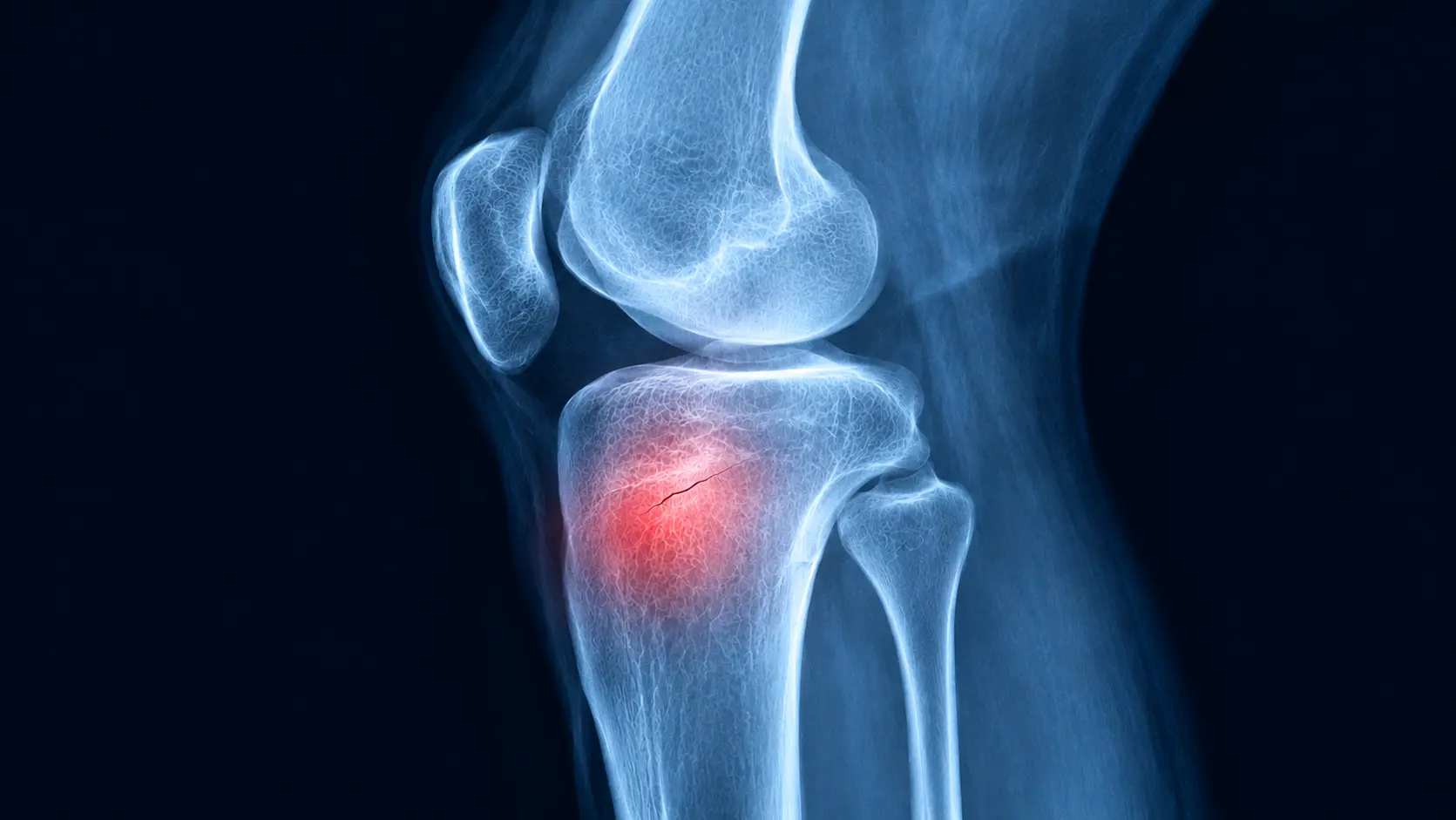
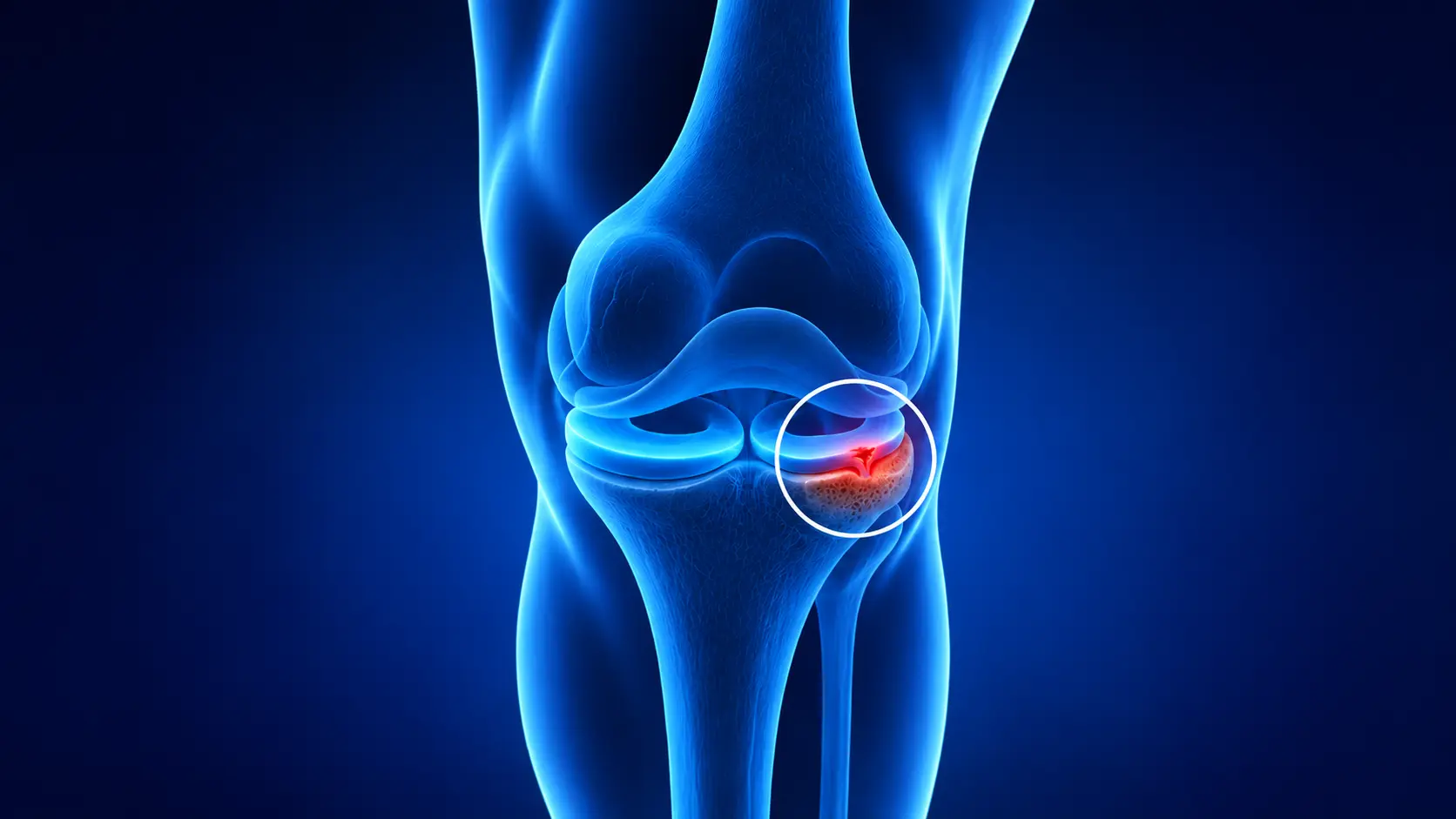
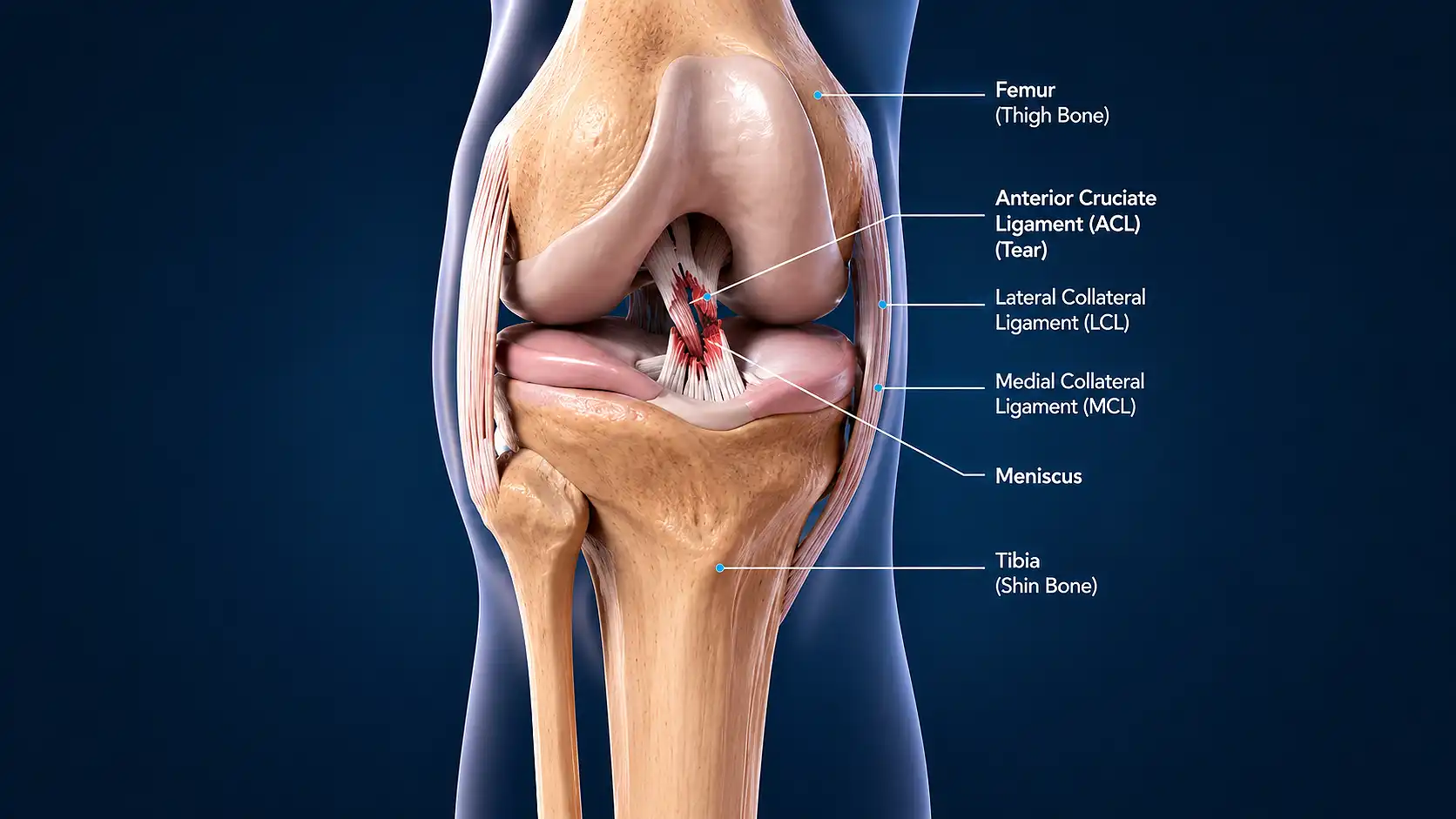
A knee ACL injury occurs when the anterior cruciate ligament is stretched beyond its capacity or tears, most commonly during sport or sudden changes of direction. The ACL is one of the primary stabilising structures inside the knee, controlling the relationship between the femur and tibia during dynamic movement.
Where Is an ACL Injury Located?
The ACL sits deep inside the knee joint, in the intercondylar notch, connecting the femur to the tibia. Understanding where an ACL injury is located helps explain why it affects the whole mechanical behaviour of the knee, not just one isolated movement. It works alongside the PCL, collateral ligaments, menisci, and surrounding muscles to provide comprehensive joint stability.
Common Causes and Types of ACL Injuries
ACL injuries most commonly occur during football, rugby, basketball, skiing, and activities involving pivoting, cutting, or awkward landings. Non-contact injuries account for approximately 70% of all cases, highlighting the role of movement patterns and neuromuscular control in injury risk.
Ligaments in knee injury vary in severity:
- Mild ACL sprain: The ligament is overstretched but intact. Stability is preserved and recovery is generally possible without surgery
- Partial ACL tear: Some fibres are disrupted, causing instability during sporting activity
- Complete ACL rupture: The ligament is fully torn, resulting in significant instability that usually requires surgical reconstruction for active individuals
Women’s ACL Injuries and Why They Are More Common in Sport
Women’s ACL injuries occur at a significantly higher rate than in male athletes, with research suggesting female athletes face a 2 to 8 times greater risk depending on the sport. Contributing factors include differences in lower limb alignment, greater knee valgus during landing, neuromuscular activation patterns, and hormonal influences on ligament laxity. Female athletes in football, skiing, basketball, and netball are at particularly elevated risk. Injury prevention programmes focusing on landing mechanics and hip and core strengthening have been shown to reduce ACL injury rates.
Common Symptoms of an ACL Injury
ACL symptoms typically appear suddenly at the time of injury, though some patients only notice the full extent of instability once the initial swelling settles. Common signs include:
- A loud popping sensation at the moment of injury
- Rapid, significant swelling within the first few hours (haemarthrosis)
- Difficulty bearing weight or walking normally
- A feeling that the knee is unstable or about to give way
- Reduced range of movement, particularly full extension
ACL injuries frequently occur alongside meniscal tears, articular cartilage damage, bone bruising, or collateral ligament involvement. Symptoms such as locking, mechanical catching, or persistent swelling that does not settle should always be assessed promptly.
How ACL Injuries Are Diagnosed at London Knee Care
Diagnosing an ACL injury accurately requires a combination of specialist clinical examination and imaging.
During assessment, Mr Khakha evaluates knee stability using specific clinical tests including the Lachman test, anterior drawer test, and pivot shift test, alongside range of movement, swelling, and lower limb alignment.
MRI scanning is the gold standard investigation. It confirms whether the ACL is sprained, partially torn, or completely ruptured, and identifies associated meniscal, cartilage, or bone injuries. Weight-bearing X-rays may also be used to assess alignment and rule out fractures.
Early diagnosis allows targeted physiotherapy to begin promptly, optimises the knee before any planned surgery, and helps set realistic expectations for recovery.
How to Treat Knee Ligament Injury Properly
Treatment for a knee ACL injury is never one-size-fits-all. At London Knee Care, we provide a full range of evidence-based treatments from structured non-surgical rehabilitation through to arthroscopic ACL reconstruction.
Immediate Treatment After an ACL Injury
Knowing how to treat knee ligament injury in the acute phase is important. In the first 48 to 72 hours, management follows the PRICE principle: Protection, Rest, Ice, Compression, and Elevation. Avoid heat, alcohol, and massage in the acute phase as these increase swelling.
Physiotherapy and Rehabilitation
How to recover from ACL injury centres on structured physiotherapy, whether or not surgery is planned. A well-designed programme focuses on:
- Restoring full range of movement
- Strengthening the quadriceps, hamstrings, hip abductors, and calf musculature
- Re-establishing neuromuscular control and proprioception
- Progressive loading and sport-specific conditioning
- Psychological readiness and confidence in the knee
Pre-operative physiotherapy (prehabilitation) before ACL reconstruction has been shown to improve post-operative outcomes by ensuring the knee is in the best possible condition before surgery.
When Surgery May Be Recommended
ACL reconstruction surgery is typically recommended when the ACL is completely ruptured, the knee remains functionally unstable despite physiotherapy, the patient wishes to return to pivoting or contact sport, or associated meniscal injuries require surgical management. Not every patient requires surgery, and we guide you through the decision with transparency.
What Is ACL Reconstruction Surgery?
What is ACL reconstruction surgery? It replaces the damaged ligament with a graft tendon, reconstructing the mechanical function of the original ACL. It does not repair the torn ligament directly, as the ACL’s limited blood supply makes this unreliable in most cases.
At London Knee Care, ACL reconstruction is performed arthroscopically using minimally invasive keyhole techniques. The procedure involves small incisions around the knee, harvesting a graft tendon (most commonly from the hamstring tendons or patellar tendon), drilling bone tunnels in the femur and tibia to position the graft anatomically, and securing it with fixation devices. Surgery is typically performed as a day case procedure under general anaesthetic.
Graft Choices in ACL Reconstruction
Graft choice is discussed at your pre-operative consultation with Mr Khakha. The most commonly used options include:
- Hamstring tendon autograft: Widely used with good long-term outcomes
- Patellar tendon autograft: Often preferred for high-level athletes due to its strength
- Quadriceps tendon graft: An increasingly popular option with a favourable donor site profile
- Allograft: Donor tissue used in selected cases, particularly revision surgery
Recovery Time for ACL Reconstruction Surgery
Recovery time for ACL reconstruction surgery varies. Most patients require 9 to 12 months before returning to unrestricted competitive sport, though functional recovery for daily life occurs considerably sooner.
What Can You Do 3 Months After ACL Surgery?
What can you do 3 months after ACL surgery? Three months is an important milestone. The graft is still maturing at this stage and the risk of re-injury remains elevated if activity progresses too quickly.
At around 3 months, many patients can walk comfortably on most surfaces, use stationary exercise bikes, perform gym-based lower limb strengthening, and in some cases begin light jogging subject to meeting physiotherapy criteria. Most patients should still avoid contact sport, pivoting, cutting movements, high-impact jumping, and sports such as football and basketball.
Rehabilitation at this stage typically includes single-leg balance training, progressive resistance exercises, controlled squat variations, hip and core strengthening, and low-impact cardiovascular work.
Returning to football safely requires objective assessment of quadriceps and hamstring strength symmetry, single-leg hop test performance, and psychological readiness, not simply how the knee feels day to day.
Factors That Affect Recovery Time From ACL Injury and When to Seek Help
Several factors influence how quickly recovery progresses, including age and baseline fitness, the severity of the ACL tear, the presence of associated meniscal or cartilage damage, commitment to physiotherapy, and avoiding return to sport before objective criteria are met. Premature return is one of the leading causes of graft failure.
If your knee continues to give way, swelling does not settle, you cannot straighten the knee fully, or symptoms are not improving despite weeks of rehabilitation, further assessment is important. Untreated ACL instability places progressive stress on the medial meniscus and cartilage, increasing the risk of early onset osteoarthritis.
Why Patients Choose London Knee Care for ACL Injury Treatment
At London Knee Care, we provide specialist assessment for ACL injuries at every stage, from initial diagnosis through to return-to-sport clearance.
Mr Raghbir Khakha is a fellowship-trained consultant orthopaedic surgeon who specialises exclusively in knee conditions. Every treatment plan is tailored to your activity goals, the severity and complexity of the injury, and your recovery priorities. We provide prompt access to specialist assessment, imaging review, and treatment planning without unnecessary delays.
Frequently Asked Questions
How long does an ACL tear take to heal?
Mild sprains may settle within 6 to 12 weeks. Partial tears take 3 to 6 months. A complete rupture requiring reconstruction typically takes 9 to 12 months before return to competitive sport.
Recovery time after ACL knee surgery?
Most patients require 9 to 12 months of rehabilitation before returning to high-demand sport. Walking and driving are usually possible much earlier.
What is ACL reconstruction surgery?
It replaces the torn ACL with a tendon graft, performed arthroscopically using keyhole techniques, to restore the mechanical stability the original ligament provided.
How long does a torn ACL take to heal without surgery?
A complete rupture will not typically heal fully without surgery. Some patients manage with physiotherapy alone, but persistent instability is common in active individuals.
What can you do 3 months after ACL surgery?
Most patients can walk comfortably, cycle, perform gym strengthening, and begin light jogging if criteria are met. Contact and pivoting sport is still avoided.
What is knee ACL injury?
Damage to the anterior cruciate ligament inside the knee, ranging from a mild sprain to a complete rupture, commonly occurring during sport or sudden directional movements.
Women’s ACL injuries: why are they more common?
Differences in lower limb alignment, neuromuscular patterns, landing mechanics, and hormonal influences all contribute to a significantly elevated risk in female athletes.
How to treat knee ligament injury at home?
In the acute phase, follow the PRICE principle: Protection, Rest, Ice, Compression, and Elevation. Seek professional assessment promptly to confirm the diagnosis and begin appropriate rehabilitation.
Book an Appointment With London Knee Care
If your knee feels unstable, painful, or unable to return to normal activity following an ACL injury, contact London Knee Care today. We provide detailed clinical assessment, MRI review, pre-operative rehabilitation planning, arthroscopic ACL reconstruction, and return-to-sport guidance, all tailored to your goals and recovery.