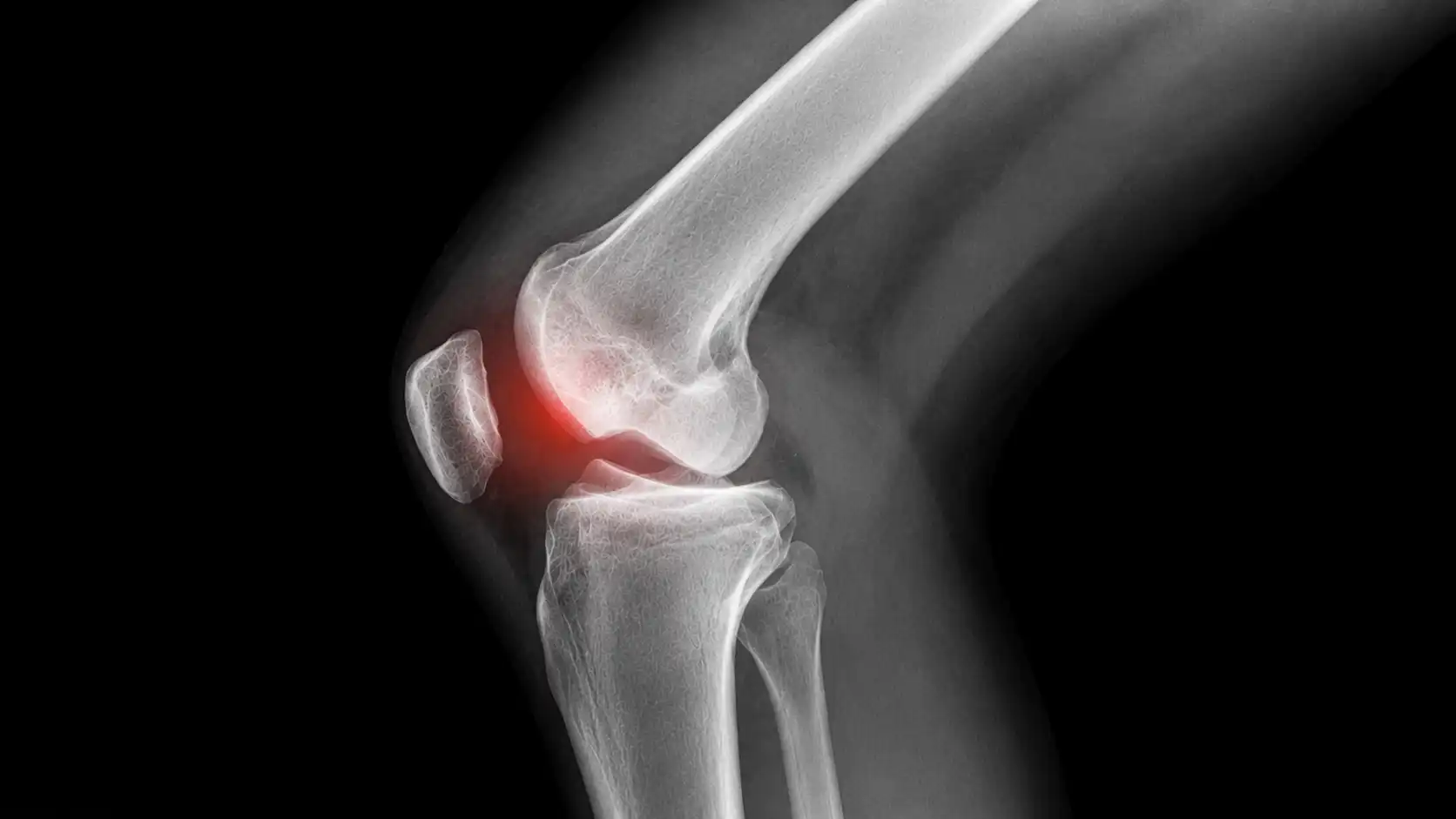
A knee joint dislocation is one of the most serious injuries a person can experience. It happens when the bones that form the knee are forced completely out of their normal position, usually as a result of a significant impact or trauma. It is not a common injury, but when it does occur, it requires urgent medical attention.
If your knee looks deformed after an injury, feels deeply unstable, or you are experiencing severe swelling and cannot bear weight, these are signs that something more than a simple sprain may have happened. Understanding the dislocated knee symptoms, how this injury occurs, and what treatment looks like can help you act quickly and make informed decisions about your care.
At London Knee Care, we assess and treat knee dislocations with the urgency and expertise this type of injury demands. We guide you through every stage of diagnosis, treatment, and recovery so you are never left unsure about what to do next.
What Is a Knee Joint Dislocation and Why Is It a Medical Emergency?
A knee joint dislocation occurs when the femur (thigh bone) and tibia (shin bone) lose their normal alignment at the knee joint. For this to happen, the ligaments that hold these bones together must be significantly torn. In most cases, at least two or three major ligaments are damaged in a single dislocation event.
What makes this injury particularly serious is the risk of damage to the blood vessels and nerves that run behind the knee. The popliteal artery, which supplies blood to the lower leg and foot, can be injured or torn during a knee dislocation. If this damage is not identified and treated promptly, the consequences can be severe, including a risk to the limb itself. This is why a knee dislocation is treated as a medical emergency, not simply a painful joint problem.
In some cases, the knee relocates spontaneously before the patient reaches hospital. This can make the injury appear less serious on first examination, but significant ligament and vascular damage may still be present. Anyone who suspects a knee dislocation should be assessed by a specialist regardless of whether the joint appears to have returned to its normal position.
Signs of a Dislocated Knee: What Does a Dislocated Knee Look Like?
Recognising the signs of a dislocated knee is important for seeking help quickly. The symptoms vary depending on the severity of the injury and whether the joint has spontaneously relocated, but common indicators include the following.
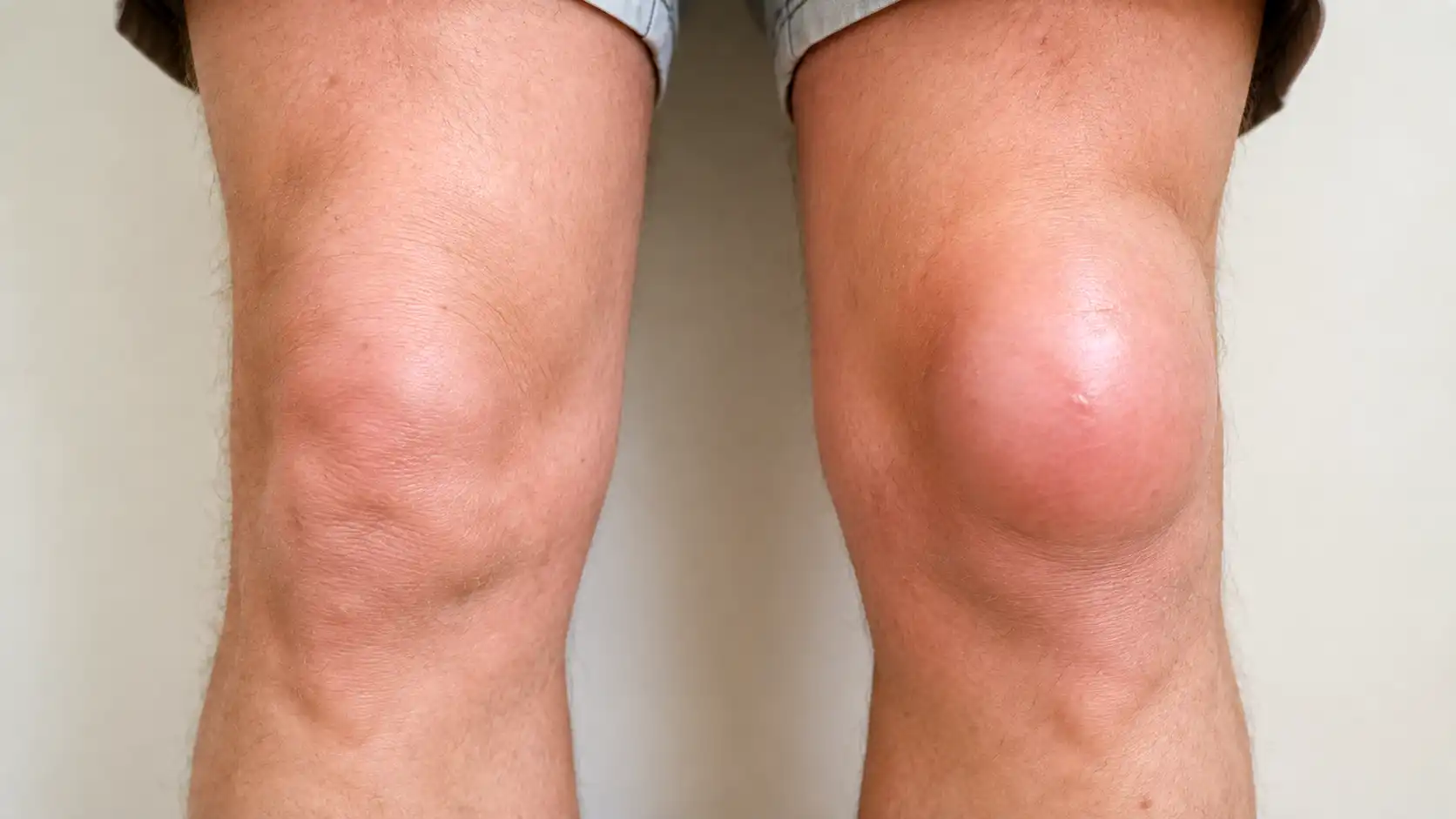
Visible deformity of the knee. What does a dislocated knee look like? In a full dislocation, the knee will often appear clearly out of shape. The normal straight line of the leg may look twisted, bent at an unusual angle, or misaligned. The kneecap area may bulge or appear displaced. This is one of the most obvious and immediate signs.
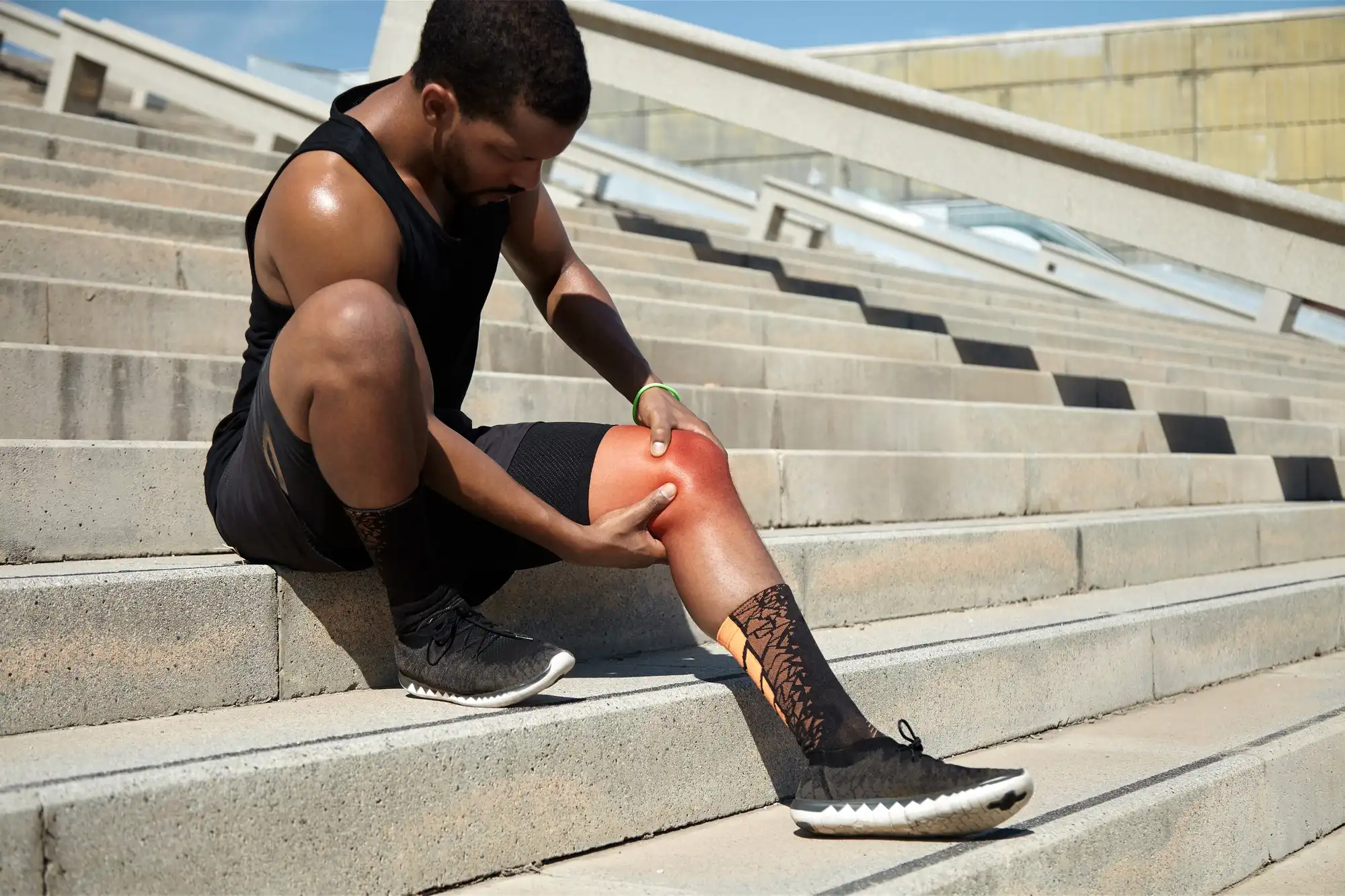
Severe pain around the joint. The pain associated with a knee dislocation is typically intense and immediate. It differs from the aching discomfort of an overuse injury. Patients often describe it as a deep, sharp pain that makes it impossible to move or straighten the knee.
Rapid and significant swelling. Swelling tends to develop quickly after a knee dislocation because blood vessels around the joint are damaged. Within the first hour, the knee can appear noticeably swollen compared to the unaffected side.
A popping sound in the knee after injury. Many patients report hearing or feeling a distinct pop at the moment of injury. This sound is associated with the tearing of ligaments or the displacement of the joint. While a popping sound in the knee does not always indicate a dislocation, when it occurs alongside swelling and instability it should be assessed without delay.
The knee feels unstable or like it may give way. Even if the joint has partially relocated, patients often describe a feeling that the knee is loose, unreliable, or about to give way. This sensation of the knee feeling unstable and painful is a consistent feature of significant ligament disruption.
Numbness, coldness, or changes in sensation below the knee. These symptoms may indicate that blood flow or nerve function has been affected. If the lower leg or foot feels cold, numb, or appears pale compared to the other leg, this requires immediate emergency assessment.
If you are experiencing any of these symptoms following a knee injury, we strongly recommend seeking urgent care. We can assess this quickly and help you understand what has happened and what needs to happen next.
What Causes a Knee Joint Dislocation?
Knee dislocations almost always result from significant force being applied to the joint. The most common causes include the following.
Road traffic accidents. A dashboard injury, where the knee strikes a hard surface during a collision, is one of the most frequent mechanisms of a true knee dislocation. The force involved in these incidents is often substantial enough to displace the tibia relative to the femur.
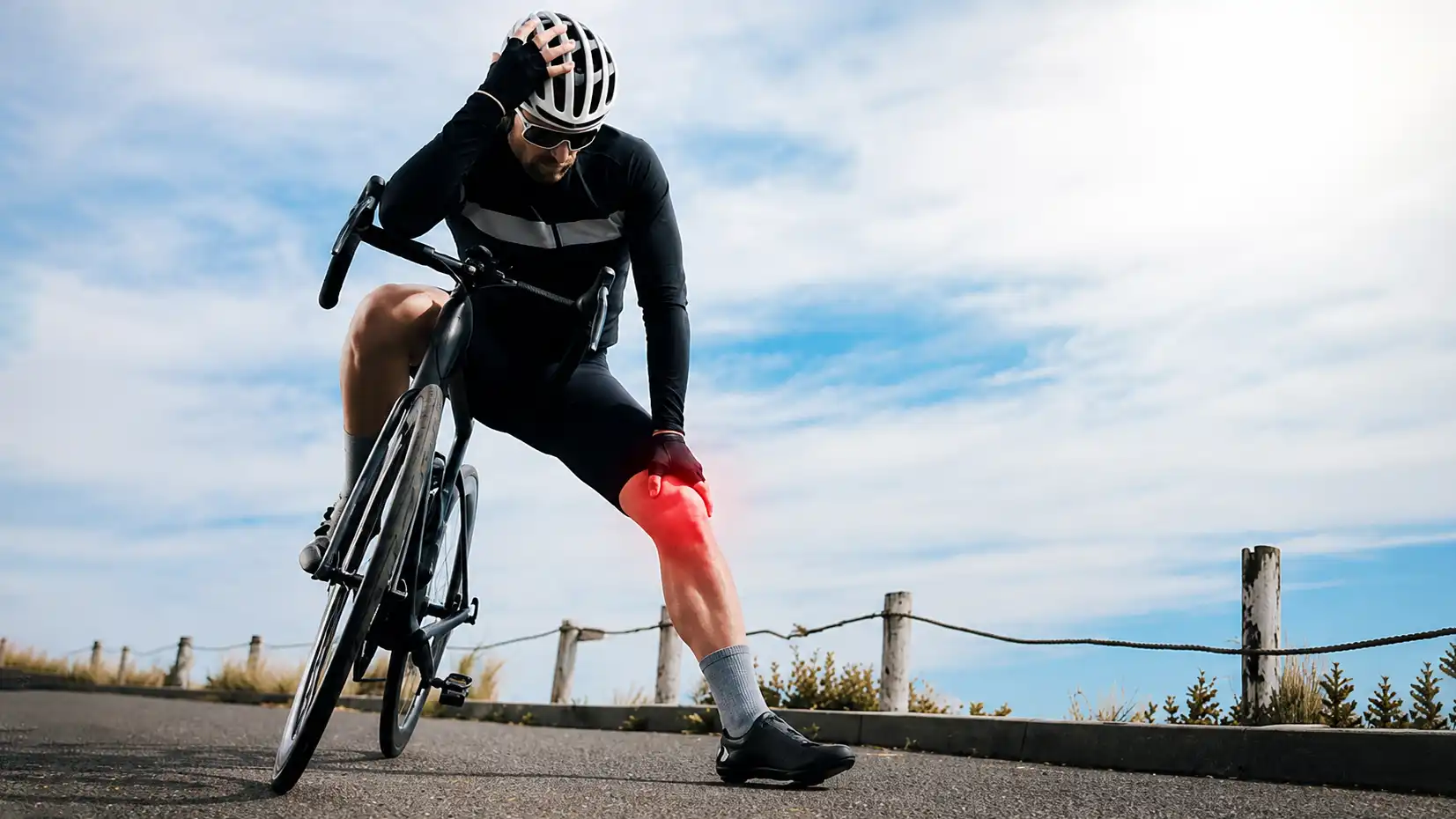
Sports injuries. High-impact contact sports, activities involving sudden changes of direction, or hard landings from jumps can result in a knee dislocation. Rugby, football, skiing, and martial arts are among the sports where this type of injury has been recorded.
Falls from a height. Landing heavily on a bent or extended knee from a fall can generate enough force to cause a full dislocation, particularly if the knee is in a vulnerable position at the point of impact.
What causes frequent knee dislocation?
Some individuals experience recurrent or lower-energy knee joint dislocations due to underlying factors such as ligament laxity, abnormal joint anatomy, or conditions such as Ehlers-Danlos syndrome that affect connective tissue stability. In these cases, the threshold for dislocation is significantly lower, and the injury can occur with everyday activities or minor missteps.
It is also worth noting that a knee joint dislocation is a different injury from a kneecap (patella) dislocation. A patella dislocation involves the kneecap sliding out of its groove on the front of the knee. This is a far more common injury and, while painful and distressing, does not carry the same risk of vascular or nerve damage as a true tibiofemoral dislocation.
Knee Dislocation vs Kneecap Dislocation: Understanding the Difference
Many patients arrive at a consultation believing they have dislocated their knee when they have in fact dislocated their kneecap. The distinction matters because the urgency, investigation, and treatment are quite different.
A true knee dislocation involves the femur and tibia losing their joint alignment. It is uncommon, caused by significant trauma, and carries a risk of vascular and nerve injury. It requires emergency assessment and often surgery.
A kneecap (patella) dislocation involves the kneecap slipping sideways out of the groove at the front of the knee. It is more common, particularly in younger people and women, and can sometimes occur with relatively minor twisting movements. While it requires prompt attention, it does not carry the same immediate vascular risk.
Both injuries can cause significant pain, swelling, and an inability to bear weight, which is why they are often confused. If you are unsure which type of injury you have sustained, we can carry out a thorough assessment and use imaging to give you a clear diagnosis.
How Is a Knee Dislocation Diagnosed?
When a patient presents with a suspected knee dislocation, the diagnostic process is thorough and typically urgent. At London Knee Care, we take the following approach.
A detailed clinical examination is carried out first, assessing the position and alignment of the joint, the degree of ligament instability, and the neurovascular status of the limb. Crucially, we check the circulation to the lower leg and assess for any signs of nerve involvement.
Imaging is then used to confirm the diagnosis and identify associated injuries. X-rays are taken to assess bone alignment and rule out fractures. An MRI scan provides detailed information about ligament, cartilage, and soft tissue damage. In some cases, a CT angiogram may be used to assess the condition of the popliteal artery if vascular injury is suspected.
This thorough approach ensures that no associated injury is missed and that the most appropriate treatment plan is put in place as early as possible.
Knee Dislocation Treatment: Surgery, Bracing, and Rehabilitation
Treatment for a knee dislocation depends on the severity of the injury, the structures damaged, and the individual patient’s circumstances. There is no single approach that suits everyone.
Joint reduction. The first step is to return the bones to their correct position, a process called reduction. This is usually performed under sedation or anaesthesia in an emergency setting to minimise discomfort and allow the muscles to relax.
Vascular repair. If the popliteal artery has been damaged, vascular surgery to restore blood flow is prioritised before any other treatment. This is a time-sensitive intervention.
Does knee dislocation require surgery? Not always, but it frequently does. When multiple ligaments have been torn, surgical reconstruction is often recommended to restore stability to the joint. Knee ligament surgery aims to repair or reconstruct the damaged structures so that the knee can function properly in the long term. In some cases, surgery is staged, with an initial period of bracing and swelling reduction before reconstruction is performed.
Knee dislocation brace. Whether or not surgery is required, a brace is typically used following reduction to support and protect the knee while the initial healing process begins. The brace holds the joint in a stable position and reduces the risk of re-dislocation during the early recovery phase. The duration of bracing depends on the severity of the injury and whether surgery has been performed.
Physiotherapy and rehabilitation. Structured rehabilitation is a critical part of recovery from a knee dislocation. This includes progressive exercises to restore range of motion, strengthen the muscles around the knee, and rebuild stability and confidence in the joint. Physiotherapy is usually started gradually once the joint is stable, and the programme is tailored to the individual’s progress and goals.
If your injury involves cartilage damage as well as ligament disruption, knee cartilage surgery may also be considered as part of your overall treatment plan.
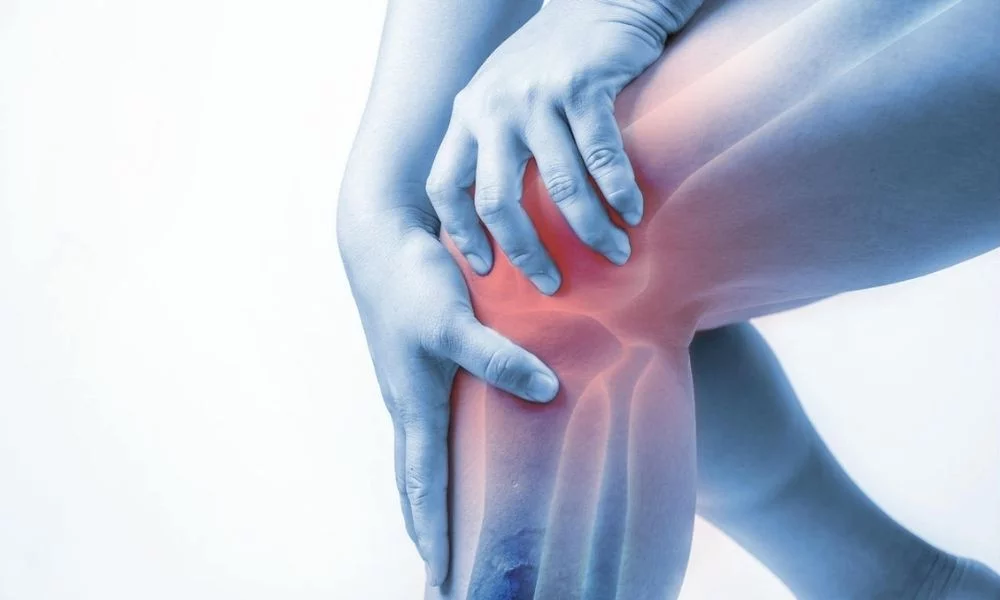
Knee Dislocation Recovery Time: What to Realistically Expect
Knee dislocation recovery time is one of the most common questions we hear, and the honest answer is that it varies considerably depending on the nature of the injury.
For a straightforward patella dislocation without significant associated damage, most patients are able to return to normal daily activities within six to eight weeks, with a return to sport typically possible after three to four months.
For a true tibiofemoral dislocation, recovery is a longer process. Most patients who undergo ligament reconstruction and a structured rehabilitation programme can expect recovery to take between nine and twelve months before returning to full activity. Some patients require adjustments to this timeline based on the complexity of their surgery and how their rehabilitation progresses.
How long on crutches after knee dislocation? This depends on the treatment received. Following reduction and bracing without surgery, crutches are typically used for two to six weeks while the joint stabilises. After surgical reconstruction, crutches may be required for six to twelve weeks, with weight-bearing gradually increased under the guidance of a physiotherapist.
Can you walk on a dislocated knee? In most cases, no. A true knee dislocation makes it extremely difficult or impossible to bear weight on the affected leg due to pain, instability, and the displacement of the joint. Even if some weight-bearing is possible following a partial or spontaneous relocation, this does not mean the injury is minor. Attempting to walk on an unreduced or unstable dislocation risks further damage to ligaments, blood vessels, and nerves.
Signs of a Broken Kneecap Compared to a Dislocation
Patients sometimes arrive wondering whether they have fractured their kneecap rather than dislocated it. Both a broken kneecap (patella fracture) and a kneecap dislocation can cause significant pain, visible swelling, bruising, and difficulty straightening the knee. The key differences are as follows.
A patella fracture typically results from a direct blow to the front of the knee, such as hitting a dashboard or falling onto a hard surface. The kneecap may feel fragmented, and the patient may be unable to perform a straight leg raise. There may be a visible indentation or irregularity along the surface of the kneecap.
A kneecap dislocation tends to result from a twisting movement rather than a direct impact. The kneecap visibly shifts to the side of the knee rather than appearing fractured or sunken.
Imaging is required to distinguish between these two injuries accurately. X-rays can confirm whether there is a fracture, while an MRI provides detail about soft tissue damage in either case.
How to Prevent Knee Dislocation and Reduce the Risk of Recurrence
For patients who have experienced a dislocation, or those with known joint laxity, reducing the risk of a recurrence is an important goal.
Strengthening the muscles around the knee, particularly the quadriceps and hamstrings, provides better dynamic support for the joint and reduces the load placed on the ligaments during movement. Regular targeted exercise under the guidance of a physiotherapist is the most effective strategy.
Wearing a supportive knee brace during higher-risk activities may be recommended for patients with a history of instability. This does not prevent all injuries but can provide an additional layer of protection during sport or demanding physical tasks.
Addressing any underlying causes of instability, such as abnormal joint anatomy, is also important. In some cases, kneecap stabilisation surgery may be recommended to correct the structural factors contributing to recurrent dislocations.
When to See a Specialist About Knee Instability and Pain
Not every knee injury presents as a clear emergency. Some patients experience ongoing knee instability, aching, or a sense that the joint is unreliable, without being certain of the original cause. If your knee feels loose and unstable, gives way during everyday activities, swells regularly without explanation, or has never felt right following a previous injury, these are all reasons to seek a specialist opinion.
We help you understand what this means and what can be done about it. A thorough assessment, combined with the right imaging, gives us the information needed to recommend a clear and personalised plan.
Seek Expert Knee Dislocation Assessment and Treatment at London Knee Care
A knee dislocation is not an injury to manage alone or to put off having assessed. Whether you have just sustained this type of injury, are living with ongoing instability following a past trauma, or are unsure whether what you experienced was a dislocation or something else, we are here to help.
At London Knee Care, every patient is assessed by Mr Raghbir Khakha, a consultant orthopaedic surgeon with over 15 years of specialist experience in complex knee conditions and joint reconstruction. Mr Khakha takes the time to understand your injury fully, explain your diagnosis clearly, and guide you through the treatment options that are right for your circumstances.
We can assess this quickly, provide the imaging needed to confirm your diagnosis, and discuss the full range of treatment options available to you, from conservative management through to surgical reconstruction and structured rehabilitation.
You can book an appointment with us online or by calling 020 7046 8008. Our team is available Monday to Friday, 9am to 8pm.
If you would like to find out more before booking, or have questions about the assessment process, please visit our Contact Us page and we will be happy to help you take the next step.
Frequently Asked Questions About Knee Dislocation
Can you walk on a dislocated knee?
In most cases, walking on a dislocated knee is not possible due to severe pain and joint instability. Even if some movement is possible after a partial or spontaneous relocation, the injury still requires urgent medical assessment to rule out ligament, vascular, or nerve damage.
How long is knee dislocation recovery?
Recovery varies depending on the severity of the injury and the treatment required. A patella dislocation without major damage typically takes six to eight weeks for daily activities and up to four months for sport. A true knee dislocation requiring ligament reconstruction generally takes nine to twelve months for a full return to activity.
How long on crutches after knee dislocation?
Most patients use crutches for between two and twelve weeks depending on whether surgery was required and how quickly weight-bearing progresses during rehabilitation.
Why does my knee feel loose and unstable?
A feeling of looseness or instability in the knee usually indicates significant ligament laxity or damage. This can be the result of a past injury that was not fully treated, or it may reflect an underlying structural issue. A specialist assessment is the most reliable way to identify the cause and recommend the appropriate management.
What happens when your knee pops?
A popping sound in the knee after injury often indicates a ligament tear or joint displacement. Not every knee pop is serious, but when it occurs alongside swelling, pain, and instability, it should be assessed by a specialist promptly.
Does knee dislocation require surgery?
Not always. Patella dislocations are often managed non-surgically with bracing and physiotherapy. However, true tibiofemoral dislocations involving multiple torn ligaments frequently require surgical reconstruction to restore stability and long-term function.
What causes frequent knee dislocation?
Recurrent dislocations may be caused by underlying ligament laxity, abnormal joint anatomy such as a shallow trochlear groove, or connective tissue conditions. Addressing these structural factors, through physiotherapy or in some cases surgery, is important to reduce the risk of further episodes.
Can a knee dislocate on its own?
In people with significant joint hypermobility or structural abnormalities, the knee can dislocate with relatively minor force or everyday movements. This is different from a traumatic dislocation and often reflects an underlying condition that warrants specialist evaluation.
How to prevent knee dislocation?
Strengthening the muscles around the knee, maintaining good lower limb alignment during sport and exercise, and wearing appropriate support during high-risk activities all contribute to reducing the likelihood of a dislocation. For those with a known history of instability, specialist input can identify and address the specific risk factors.
Signs of a broken kneecap compared to a dislocation?
A patella fracture typically results from direct impact and may cause a visible irregularity along the front of the knee. A kneecap dislocation usually results from a twisting movement and causes the kneecap to shift visibly to the side. Both require imaging to confirm the diagnosis accurately.