What Is ACL Surgery and What Does It Actually Involve?
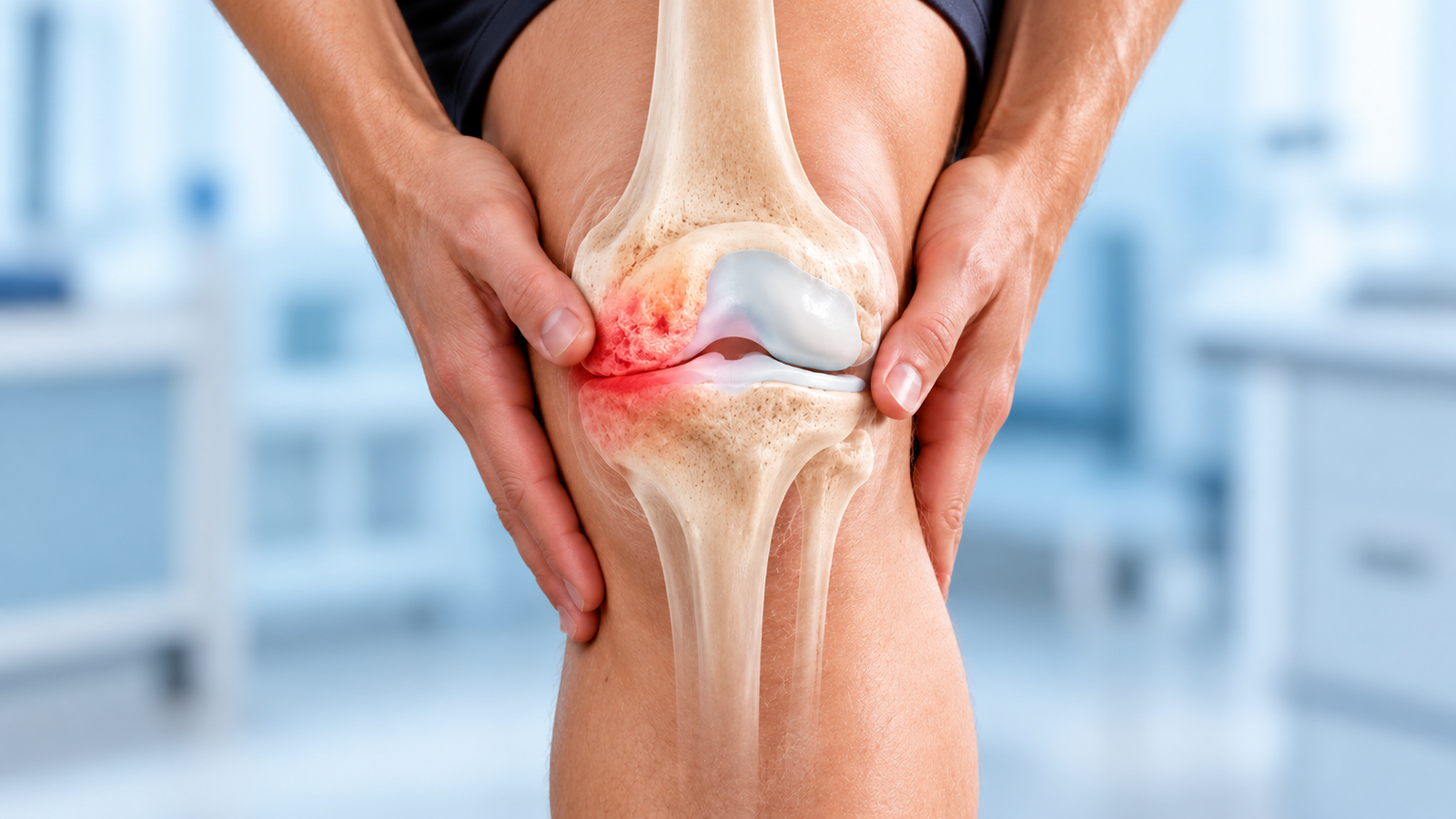
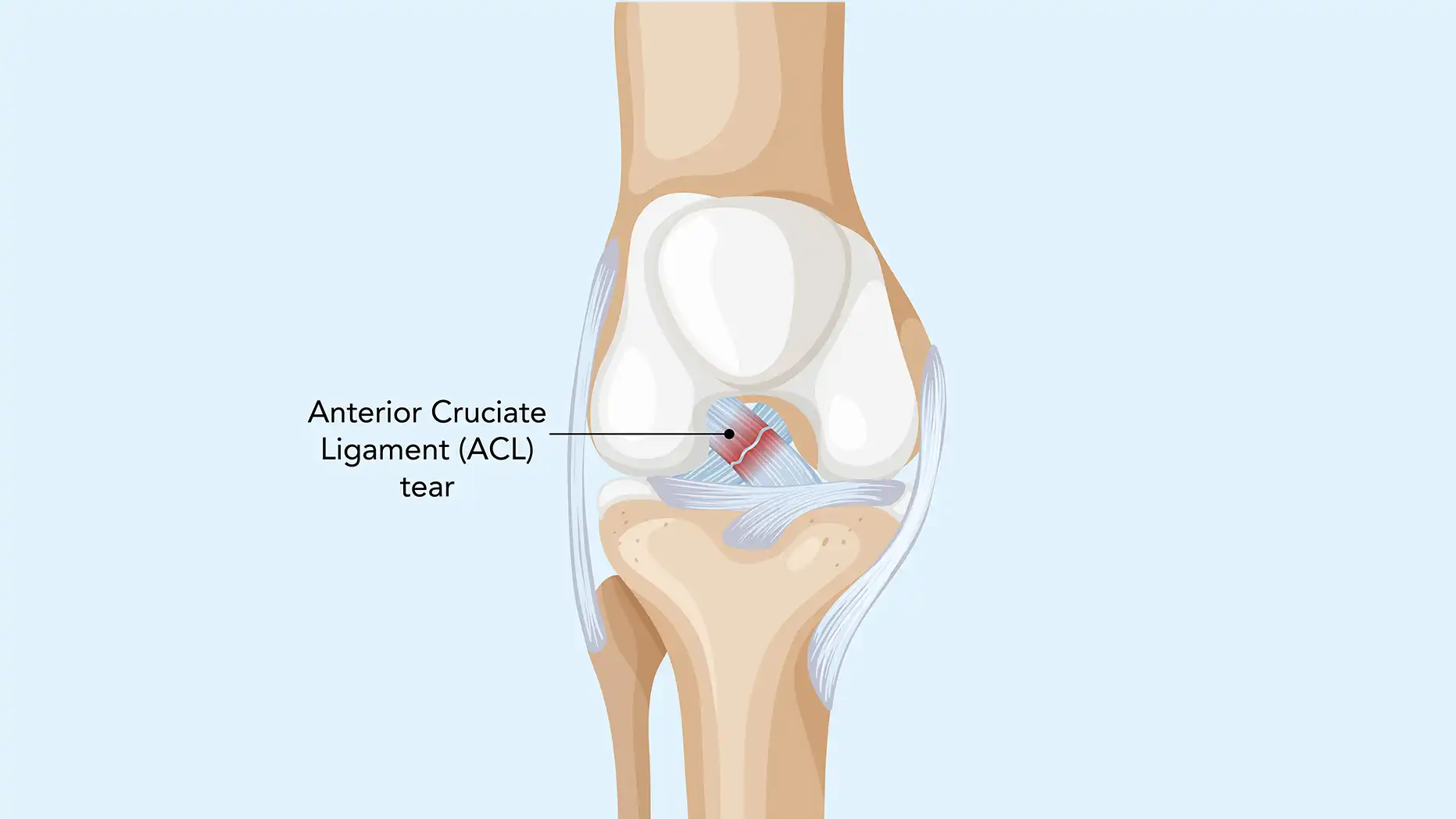
ACL surgery is used to restore stability in your knee after damage to the anterior cruciate ligament. This ligament is essential for controlling movement, especially when you twist, turn, or change direction. When it is torn, the knee often feels unstable and unreliable.
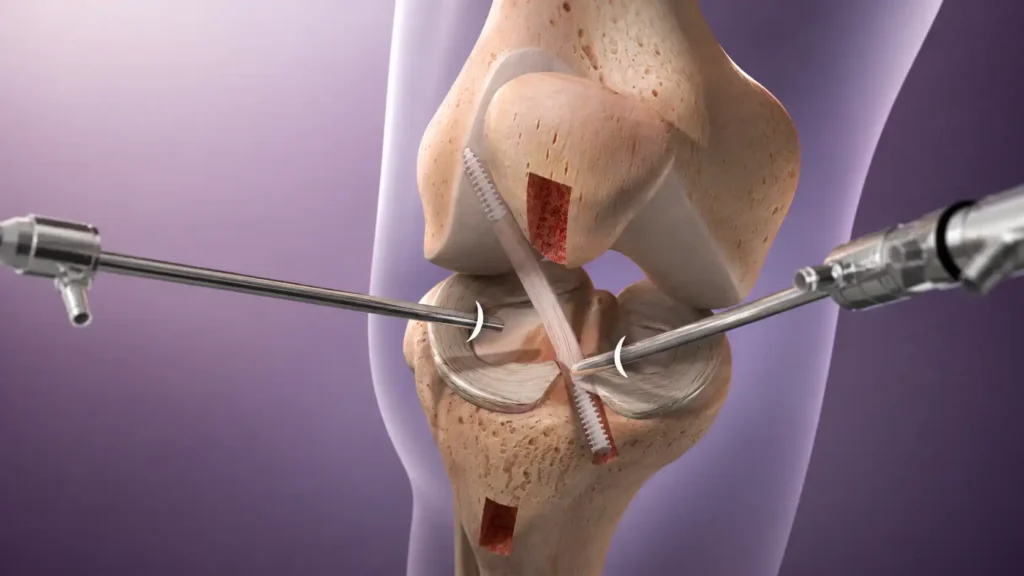
In most cases, acl surgery involves rebuilding the damaged ligament using a graft. This is known as ACL reconstruction surgery. We perform this using arthroscopic techniques, also called keyhole ACL surgery, which is a form of minimally invasive knee surgery. It allows us to treat the injury with precision while limiting disruption to surrounding tissues.
For most patients, ACL reconstruction is performed as a day-case procedure, meaning you are able to go home the same day.
What Is the ACL and Why Is It So Important?
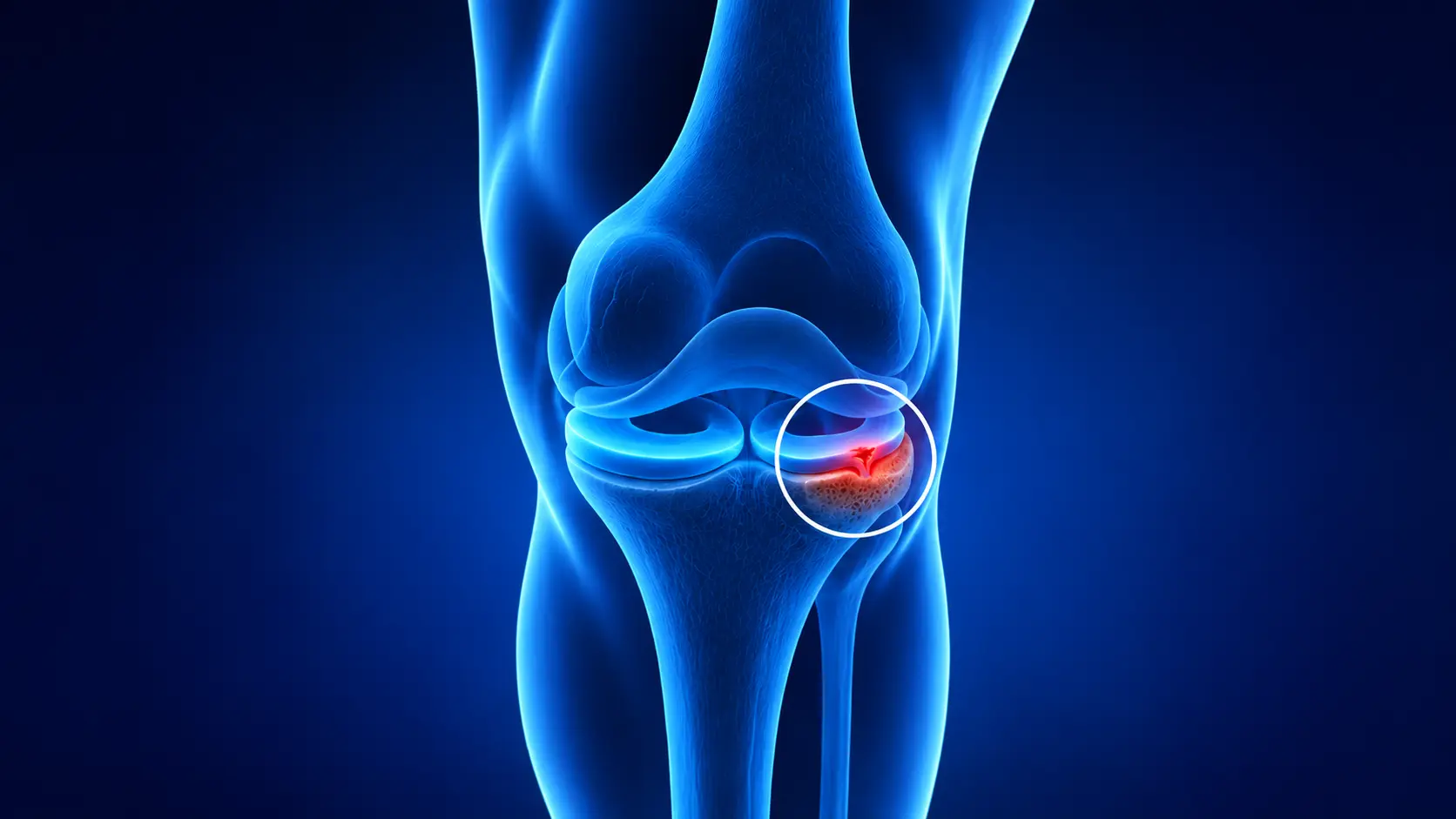
The ACL runs diagonally through the centre of the knee, connecting the thigh bone (femur) to the shin bone (tibia), and controls both forward movement and rotational stability of the knee.
Without a functioning ACL, your knee can give way during simple activities. This is why even everyday movements can become difficult after an injury.
How ACL Surgery Is Performed
During surgery, we replace the torn ligament with a graft. The choice of graft depends on your age, activity level, anatomy, and surgical history. Options include:
- Hamstring tendon autograft: Most commonly used; lower donor-site morbidity
- Patellar tendon autograft: Bone-to-bone healing; often preferred for high-demand athletes
- Quadriceps tendon autograft: Growing evidence base; increasingly used in primary and revision cases
- Allograft / donor tendon: Used in revision surgery or multi-ligament injuries where autograft tissue is unavailable
Our surgeon will discuss the most suitable option with you at consultation. Modern techniques allow us to carry out this procedure with accuracy and a structured recovery plan.
ACL Surgery: Additional Procedures
In some patients particularly younger, higher-demand athletes or those with significant rotational instability. ACL reconstruction may be combined with a procedure called lateral extra-articular tenodesis (LET). This additional step helps control rotational movement of the knee, reducing the risk of graft re-tear.
Mr Khakha assesses each patient individually to determine whether LET is appropriate alongside their reconstruction. This decision is based on clinical examination, MRI findings, and your activity goals.
Why Do So Many People End Up Needing ACL Surgery?
ACL injuries are common, especially in active people, but they can also happen during normal daily movements. The knee is vulnerable when it is placed under sudden stress.
Common Causes of ACL Ligament Injury Knee
Most injuries happen during movements such as:
- Sudden changes in direction
- Landing awkwardly from a jump
- Twisting while your foot is planted
- Direct impact to the knee
These movements can overload the ligament and lead to a tear.
Risk Factors That Increase ACL Ligament Damage
Some factors make ACL injuries more likely:
- Previous knee ligament injury
- Weak muscles around the knee
- Poor movement patterns
- Participation in high-impact sports
These risks help explain why injuries can occur even without major trauma.
Why Are ACL Injuries So Common?
ACL tears are among the most frequently seen knee injuries in both recreational and professional sport in the UK. They account for a significant proportion of sports-related knee surgery each year, with thousands of reconstructions performed annually across NHS and private settings.
Several factors explain why so many people end up needing ACL surgery:
- Participation in high-impact sports has increased significantly over the past two decades, including football, rugby, skiing, netball, and CrossFit.
- The ACL has a poor intrinsic blood supply, meaning it cannot heal on its own after a complete tear surgery is the only reliable way to restore full stability.
- Female athletes are two to eight times more likely to tear their ACL than male athletes performing the same sport, due to differences in anatomy, hormonal influence, and movement patterns.
- Returning to sport after a previous knee injury without adequate rehabilitation significantly increases re-injury risk.
Understanding these patterns helps us identify who is at greatest risk and how to plan surgery and rehabilitation to minimise the chance of a second injury.
Symptoms of Torn ACL You Should Never Ignore
Recognising the symptoms of torn ACL early helps you take the right steps quickly.
Early Torn ACL Symptoms After Injury
You may notice:
- A popping sensation in the knee
- Sudden pain
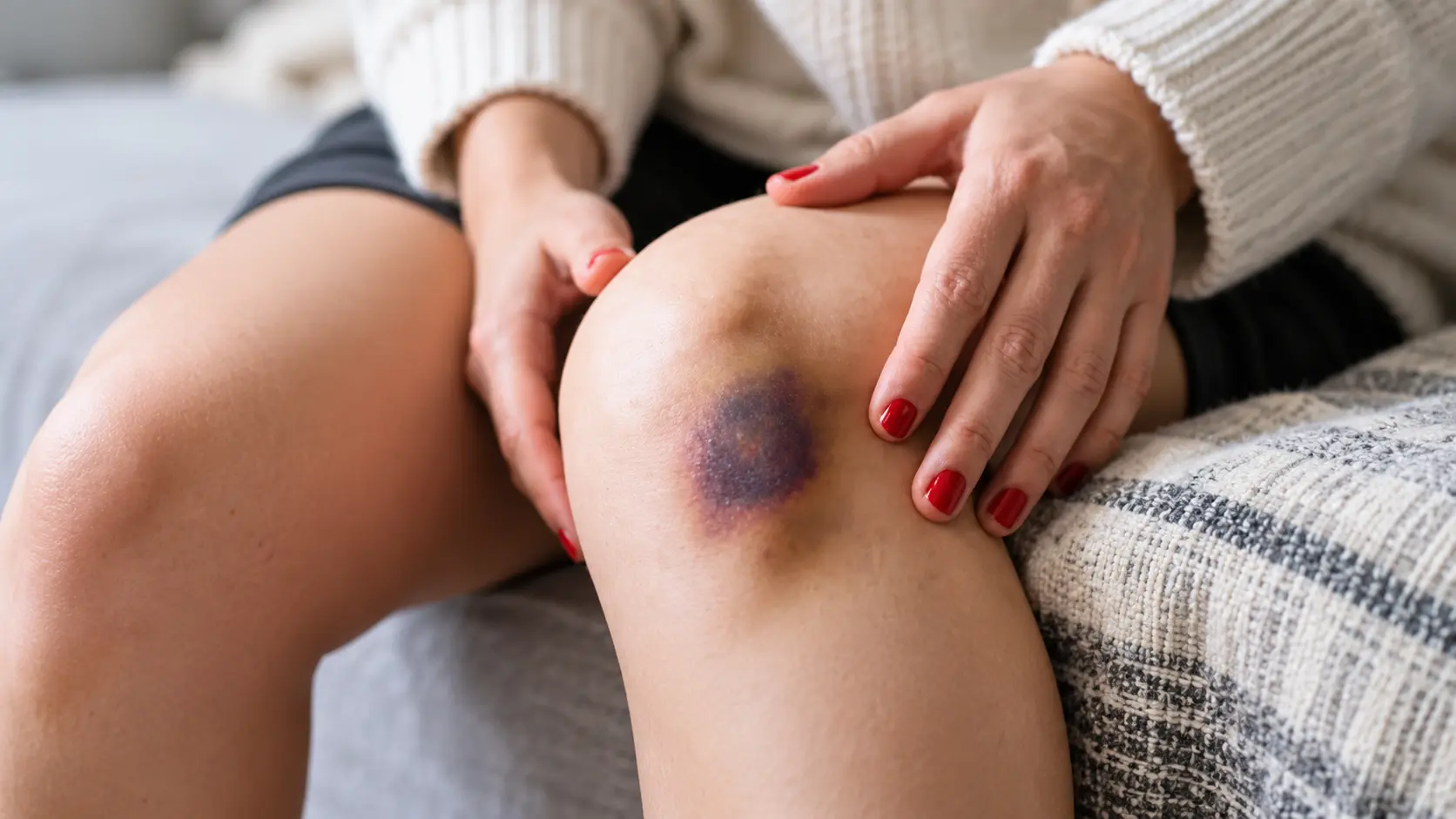
- Rapid swelling within a few hours, caused by bleeding inside the joint (haemarthrosis) this is expected after a significant ligament injury
These signs often indicate a significant ligament injury.
Ongoing Symptoms of Torn ACL
As time goes on, symptoms may include:
- The knee giving way
- Difficulty turning or pivoting
- Reduced confidence in movement
If these symptoms continue, it usually means the ligament is not functioning properly.
Partial ACL Tear vs Complete ACL Rupture – What’s the Difference?
Understanding the type of injury helps guide treatment.
What Is a Partial ACL Tear?
A partial ACL tear means the ligament is damaged but not fully torn. Some fibres remain intact, which may allow some stability.
In certain cases, this can be managed without surgery if your knee remains stable.
What Is a Complete ACL Rupture?
A complete ACL rupture means the ligament is fully torn and cannot support the knee. This often leads to ongoing instability.
In these cases, ACL reconstruction surgery is commonly recommended to restore function.
Which One Is More Likely to Need ACL Surgery?
Complete ruptures are more likely to require surgery. Partial tears may still need surgery if instability continues despite rehabilitation.
When Should You Worry About an ACL Ligament Injury?
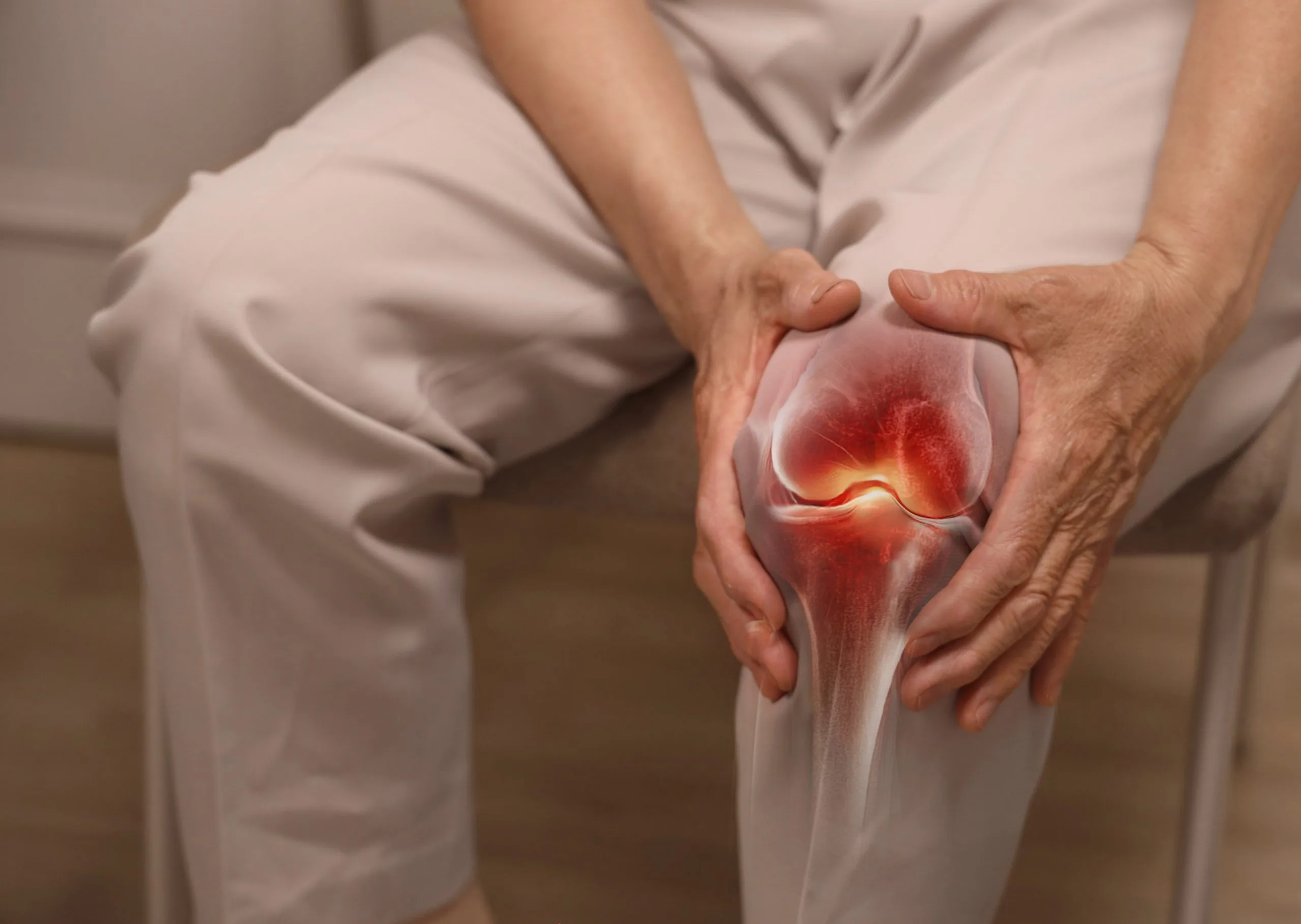
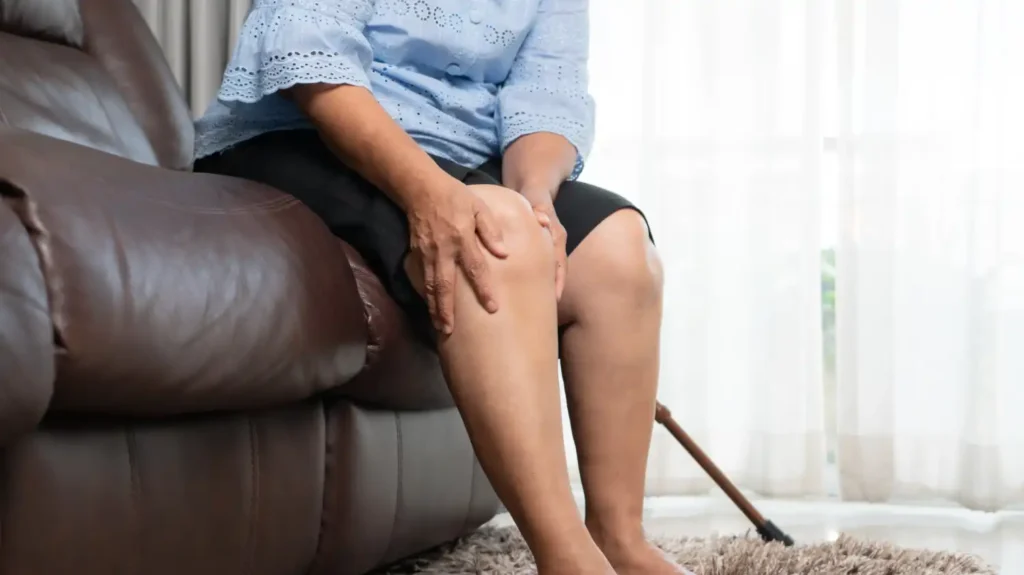
It is not always easy to know how serious a knee injury is. However, if your knee feels unstable or continues to give way, it should not be ignored.
If you are struggling with movement, avoiding certain activities, or feeling unsure about your knee, we can assess this quickly and help you understand what is happening. Early advice can prevent further damage and give you clarity on what to do next.
How ACL Injuries Are Diagnosed by a Knee Specialist
Getting the right diagnosis is the first step towards recovery. We focus on understanding both the injury and how it affects your daily life.
Clinical Assessment and Knee Stability Tests
We use specific clinical tests, including the Lachman test and pivot-shift test, to assess ACL integrity and rotational stability. This helps us identify whether the ACL is damaged and the extent of any instability.
Imaging Tests for ACL Ligament Damage
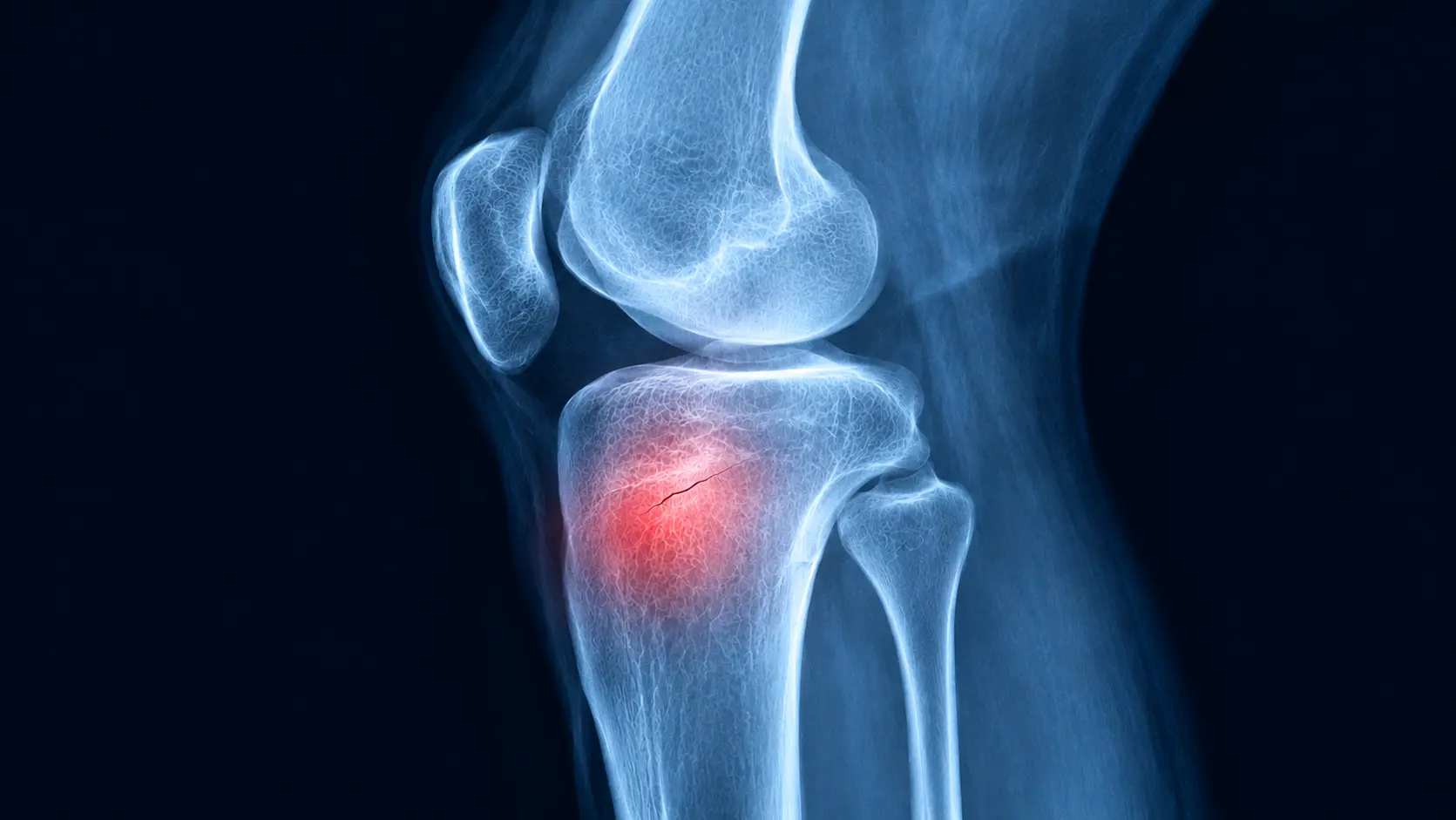
We may begin with an X-ray to exclude any bony injury, before confirming ligament damage with an MRI scan.
An MRI scan is usually used to confirm the diagnosis. It allows us to see the ligament clearly and check for any additional damage.
We explain the findings in simple terms so you know exactly what this means and what your options are.
ACL injuries do not always occur in isolation. During your assessment, we check for damage to other structures inside the knee, including the meniscus, posterior cruciate ligament (PCL), and collateral ligaments. If additional injuries are identified, your treatment plan will address these at the same time to achieve the best possible outcome.
ACL Tear Treatment Options – Do You Always Need Surgery?
Not every ACL injury requires surgery. The right approach depends on your symptoms and goals.
Non-Surgical Management for Partial ACL Tear
Some injuries can be managed without surgery using:
- Physiotherapy
- Strength and stability training
- Activity modification
This approach focuses on improving muscle support around the knee.
Preparing for ACL Surgery (Prehabilitation)
Before undergoing ACL reconstruction, we usually recommend a short course of prehabilitation a structured physiotherapy programme designed to prepare your knee for surgery. This typically takes three to six weeks and focuses on reducing swelling, restoring range of motion, and strengthening the muscles around the knee.
Research consistently shows that patients who complete prehab recover more effectively after surgery, with better early mobility and reduced risk of stiffness. We work closely with experienced physiotherapists to ensure you are in the best possible condition before your procedure.
Benefits of prehabilitation include:
- Reduces post-operative stiffness
- Improves early range of motion after surgery
- Supports faster return to activity
When ACL Reconstruction Surgery Is Recommended
We may recommend surgery if:
- Your knee feels unstable
- You want to return to sport
- Rehabilitation has not improved your symptoms
We guide you through these decisions so you can choose what is right for you.
Who Is Suitable for ACL Surgery?
Suitability depends on how the injury affects your life. If your knee limits your movement or confidence, surgery may be the right option.
We assess your lifestyle, activity level, and long-term goals before recommending treatment. This ensures the plan fits your needs.
Risks and Limitations of ACL Surgery You Should Know
ACL surgery is generally safe, but it is important to understand the risks. These can include infection, stiffness, graft-related issues, and deep vein thrombosis (DVT) — a recognised risk following any lower limb surgery. We take preventive measures to minimise this risk and will discuss these with you before your procedure. Recovery also requires time and commitment to rehabilitation.
We make sure you understand both the benefits and limitations before moving forward.
ACL Tear Recovery With Surgery – What to Expect
Recovery is gradual and structured.
Early Recovery Phase (0–6 Weeks)
We focus on reducing swelling and restoring movement. You will begin guided exercises early on.
Strength and Rehab Phase (6 Weeks to 6 Months)
Rehabilitation builds strength and stability. This stage is important for long-term success.
Return to Sport Timeline
Return to competitive sport typically takes 9 to 12 months. We base this decision on functional testing, not time alone, to reduce the risk of re-injury. We guide you through each stage so you feel confident and supported.
Returning to Work After ACL Surgery
When you are able to return to work depends on the nature of your job and how your recovery progresses. As a general guide:
- Desk-based or sedentary work: most patients return within one to two weeks, once pain and swelling are well controlled.
- Jobs involving light standing or walking: typically four to six weeks, with modified duties initially.
- Physically demanding or manual roles: usually six to twelve weeks, once strength and stability are sufficiently restored.
We provide a recovery plan tailored to your situation, including any documentation required by your employer.
When Should You Seek Medical Advice for ACL Surgery?
If your knee feels unstable, painful during twisting, or continues to give way, it is time to seek advice.
Early assessment for acl surgery helps prevent further damage and gives you a clear plan. If you are unsure what your symptoms mean, we can help you understand them and guide you on the next steps.
ACL Surgery London – Getting the Right Advice at the Right Time
Choosing the right specialist makes a real difference in how your recovery progresses.
At London Knee Care, we focus on clear diagnosis, structured treatment, and supporting you through every stage. Your care is led by Mr Raghbir Khakha, who specialises in knee ligament reconstruction and minimally invasive techniques.
We take the time to explain your condition, answer your questions, and help you feel confident about your treatment plan.
Book Your ACL Assessment at London Knee Care
If your knee feels unstable or you are worried about an ACL ligament injury, you do not have to manage it on your own. We can assess this quickly, identify the cause, and help you understand what this means for your recovery.
Our focus is on giving you a clear diagnosis, reassuring you about what is happening, and guiding you step by step so you know exactly what to do next. Whether you need reassurance, rehabilitation, or ACL reconstruction surgery, we help you move forward with confidence.
You can book an appointment with us or learn more about your options and contact us directly to get started.
Taking that first step often brings clarity and relief, and we are here to support you through it.
FAQs About ACL Surgery
How long does ACL surgery take?
The procedure usually takes one to two hours, depending on the complexity.
Is ACL surgery painful?
You may experience discomfort after surgery, but this is managed carefully as part of your recovery.
Is ACL surgery performed as a day case?
Yes. For most patients, ACL reconstruction at London Knee Care is performed as a day-case procedure, meaning you are able to go home on the same day. Your care team will confirm this at your pre-operative assessment.
What causes a torn ligament in knee?
Most injuries are caused by twisting movements, sudden stops, or impact. Weak muscles or previous injury can increase the risk.
How long does torn ligaments in knee take to heal?
Healing time varies from a few weeks to several months. If surgery is needed, recovery can take up to a year.
How to treat knee ligament injury?
Treatment depends on the injury. Mild cases may improve with physiotherapy, while more severe injuries may require surgery. We guide you through the most suitable option.
How to strengthen ACL ligament?
You cannot directly strengthen the ligament, but we help you strengthen the surrounding muscles to improve stability and support the knee.
Can ACL repair on its own?
A complete ACL tear does not heal on its own. Some partial tears may improve with rehabilitation if the knee is stable.
How common are ACL tears?
ACL tears are one of the most common knee ligament injuries, especially in sports involving twisting or sudden direction changes.
How long for ACL injury to heal?
Recovery varies. Non-surgical treatment may take a few months, while ACL surgery recovery typically takes 6 to 12 months with structured rehabilitation.
How to treat a torn ACL?
Treatment depends on severity and stability. Some injuries improve with rehabilitation, but if your knee remains unstable, we may recommend ACL reconstruction surgery. We help you choose the right approach based on your needs.
How do I know if I need ACL surgery?
If your knee feels unstable or limits your activity, we can assess this and guide you on the next steps.
When can I walk after ACL surgery?
Most patients begin walking with support shortly after surgery, depending on their recovery plan.