
If you have just been told you have a fractured kneecap, you are probably in pain, feeling anxious, and trying to make sense of what comes next. A broken kneecap is a significant injury, but the outlook with the right treatment is genuinely good for most patients. The key word in that sentence is treatment, because how well a kneecap fracture heals depends almost entirely on identifying the type of break correctly and managing it appropriately from the start.
A fractured kneecap, also called a patella break or patellar fracture, accounts for around one percent of all broken bones. It happens when the patella, the small bone sitting at the very front of your knee, is cracked, split, or shattered by a significant force. It is not a minor injury, and it deserves proper specialist assessment rather than a wait and see approach. But with the right care, most patients return to their normal activities within three to six months, and many recover fully without needing surgery at all.
This guide explains everything you need to know, from understanding what a fractured kneecap actually is and why the type of break matters, through to treatment, recovery timelines, and what to watch out for long term.
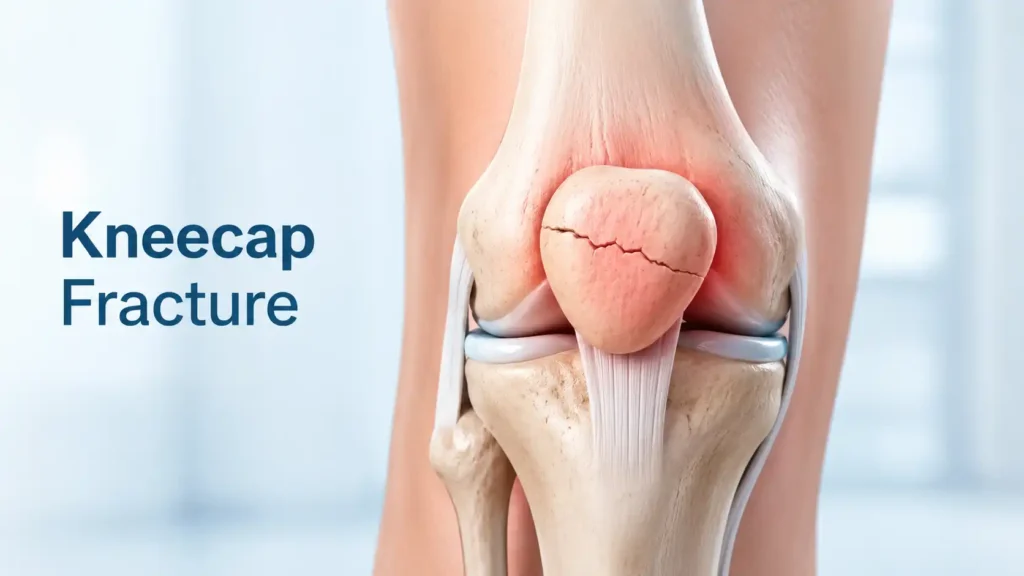
What a Fractured Kneecap Actually Is and Where the Patella Sits
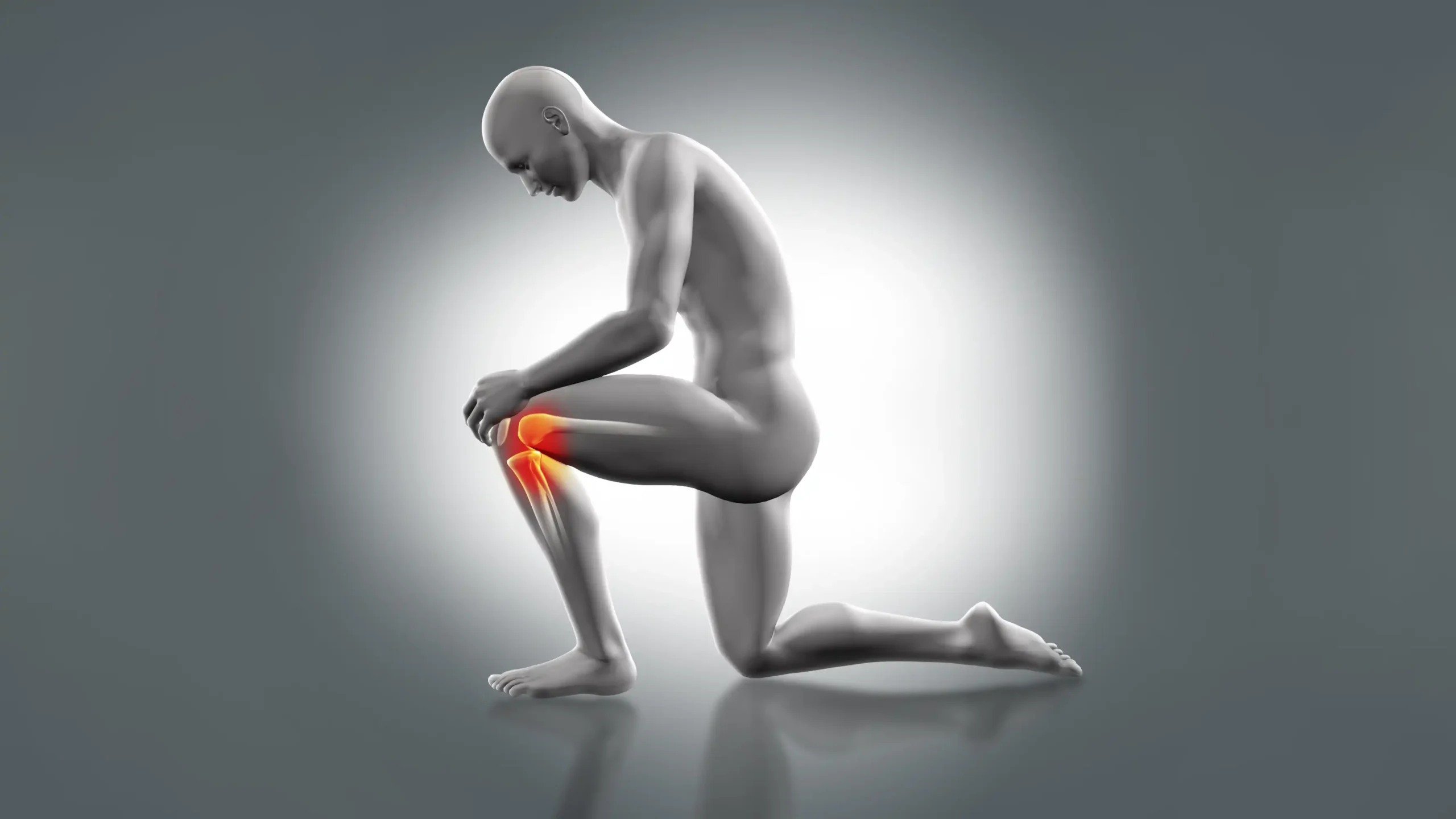
What is a fractured kneecap in simple terms? It is a break in the patella, the bone at the front of your knee that acts as a shield for the joint beneath it. Where is the patella exactly? It sits at the junction where your thigh bone and shin bone meet, embedded within the extensor mechanism of your leg. Above it, the quadriceps tendon connects it to the powerful thigh muscles. Below it, the patellar tendon connects it to the shin bone. This means the patella is not just a passive bone shield. It is an active mechanical component that allows your thigh muscles to straighten your knee efficiently. Without it functioning properly, straightening your leg becomes painful and difficult.
The underside of the patella is covered with smooth articular cartilage that allows it to glide across the thigh bone during bending and straightening. When the kneecap fractures, this cartilage surface can be disrupted alongside the bone itself, which is one of the reasons long-term joint changes can occur even after the bone has healed. This is not something to be alarmed about, but it is worth understanding because it explains why rehabilitation after a kneecap fracture is just as important as the initial treatment.
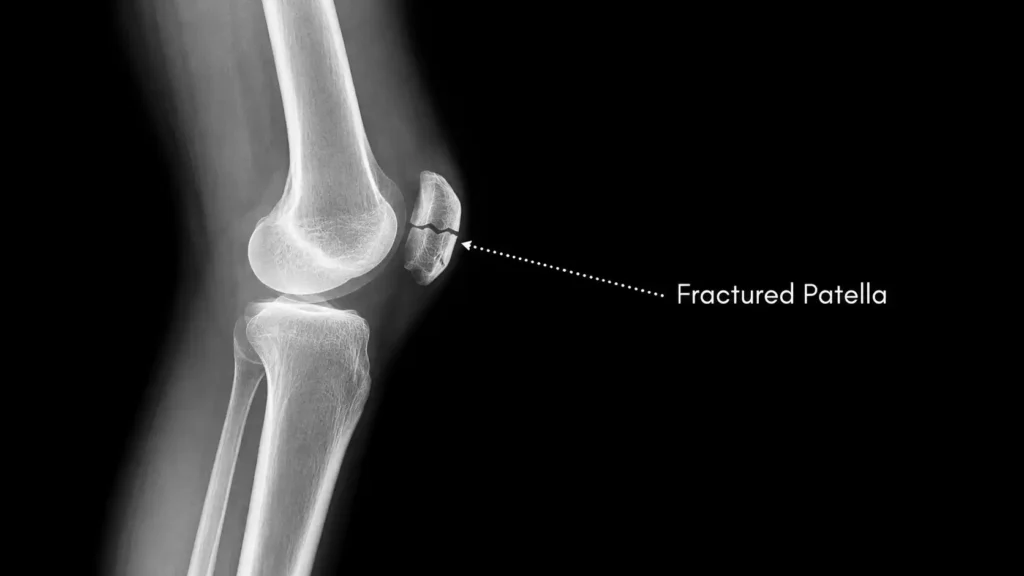
What Does a Patella Fracture Look Like on an X-Ray
A kneecap fracture x-ray is the first investigation arranged after this type of injury. On a standard X-ray taken from the side, a fractured kneecap shows as a visible gap, a crack line, or multiple fragments where the bone should appear continuous and intact. In displaced fractures, you can see the broken ends have moved apart from each other, sometimes dramatically. In stable fractures, the bone appears largely in position with only a thin line or small gap visible.
One important point your radiologist will check is whether what appears to be a fracture might actually be a bipartite patella, a normal anatomical variation where the kneecap never fully fused during development and exists in two separate bony parts. Because this condition often occurs in both knees, your doctor may X-ray your other knee for comparison. A bipartite patella does not need treatment and is not the same as a fracture, so this distinction matters.
The Four Types of Kneecap Fracture and Why the Type Determines Your Treatment
Not all kneecap fractures are the same, and the type of break you have is the single most important factor in determining whether you need surgery and how long recovery will take. Here is what each type means in plain language.
A stable fracture, also called an undisplaced fracture, means the broken pieces of bone have not moved out of position. The fracture line is present but the bone ends remain in contact or are separated by no more than one to two millimetres. This type generally heals well without surgery, managed with a cast or brace that keeps the knee straight while the bone mends. UK NHS guidance confirms that an undisplaced kneecap fracture typically heals within six weeks with conservative management.
A displaced fracture means the broken ends have separated and no longer line up correctly. The joint surface of the patella is often disrupted, which means surgery is usually needed to restore the bone to its correct position and allow the articular cartilage surface to heal properly. Leaving a displaced fracture without surgical treatment risks the bone healing in a misaligned position, which would permanently affect how the knee moves and significantly increases the long-term arthritis risk.
A comminuted fracture means the bone has shattered into three or more pieces. This is the most complex type and the treatment depends on where the fragments are and whether the pieces are large enough to be fixed back together. Fragments at the top or bottom of the kneecap that are too small to fix are removed, and the patellar tendon is reattached to the remaining bone. When multiple fragments exist at the centre, surgeons use wires and screws to reconstruct the kneecap as much as possible. Complete removal of the kneecap is a genuine last resort, only considered when reconstruction is simply not possible.
An open fracture is the most serious type. The bone breaks through the skin, which immediately creates a risk of infection in both the wound and the bone itself. Open kneecap fractures require urgent surgical treatment, usually the same day, to clean the wound thoroughly and stabilise the fracture before infection can take hold.
Broken Kneecap Symptoms and What You Typically Feel After the Injury
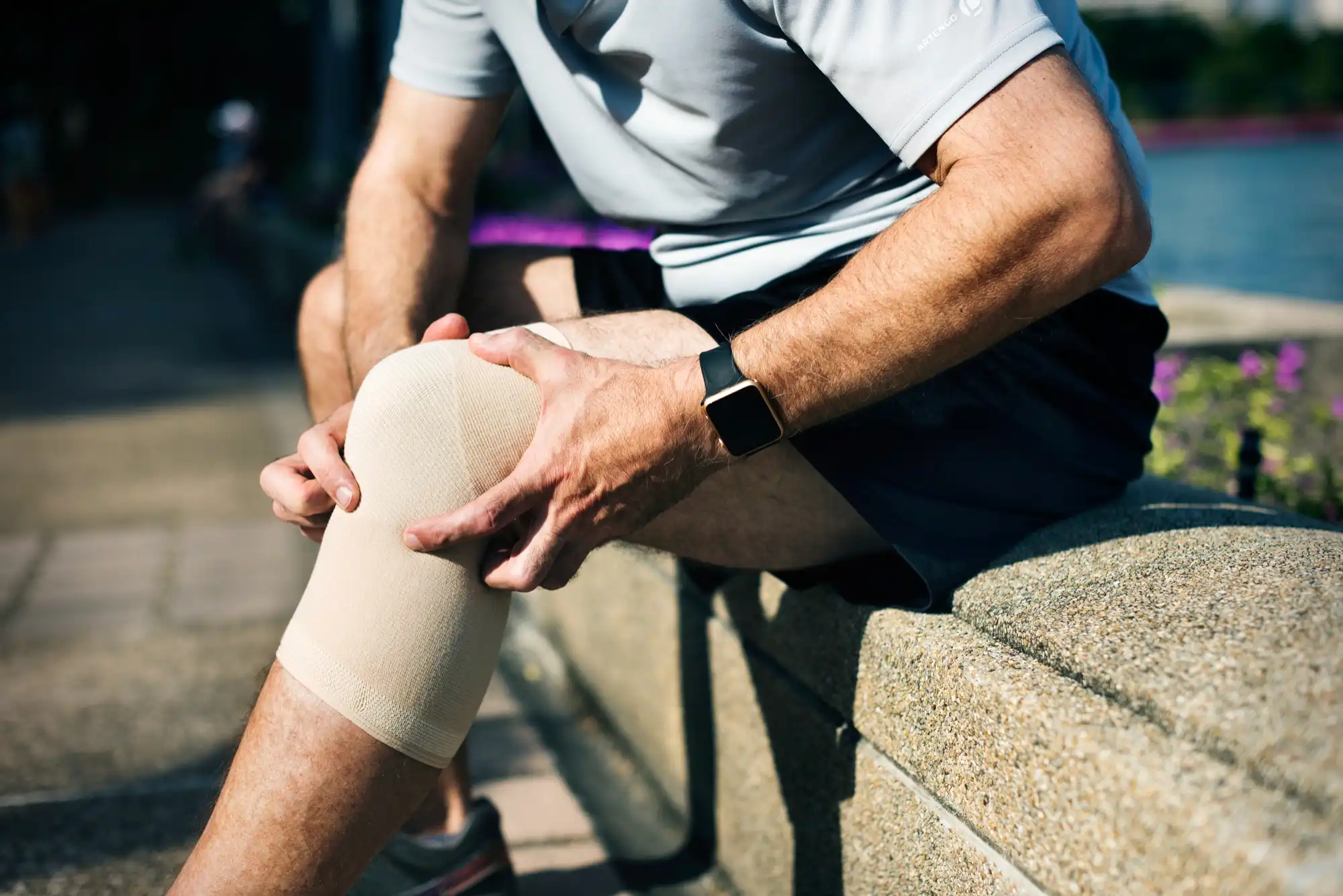
A broken kneecap produces a recognisable pattern of symptoms that in most cases leave little doubt that something significant has happened.
Common symptoms of a fractured kneecap include the following.
- Sharp, immediate pain at the front of the knee at the moment of injury
- Swelling that develops rapidly within the first hour or two, often making the knee look visibly larger
- Bruising across the front of the kneecap and surrounding area, which may spread over the following hours and days
- Inability to straighten the knee or perform a straight leg raise, since the extensor mechanism has been disrupted
- A palpable gap or step in the kneecap that can be felt through the skin in displaced fractures
- Inability to bear weight or walk normally immediately after the injury
- Blood collecting inside the joint, known as hemarthrosis, which causes painful, tense swelling inside the knee itself
If significant blood has collected inside your knee joint, the examining clinician may drain it using a needle to reduce your pain and make the examination easier. This is a straightforward procedure and does not affect how the fracture heals.
Is a patella fracture serious? Yes. A kneecap fracture is a significant injury that warrants prompt medical assessment. The good news is that with appropriate treatment the overall prognosis is positive, but managing it correctly from the start is essential to achieving that outcome.
What Causes a Kneecap Fracture and Who Is Most at Risk
Kneecap fractures are caused by significant force applied to the front of the knee. There are three main mechanisms.
The most common is a direct fall onto the knee, where the full impact of the fall concentrates on the patella. The harder the surface and the greater the force of the fall, the more likely the fracture is to be displaced or comminuted rather than stable. Elderly individuals with reduced bone density and athletes involved in contact sports are the groups most commonly affected.
A direct blow to the kneecap, such as the knee hitting a dashboard during a road traffic accident, is the second most common cause. The dashboard injury mechanism tends to produce comminuted or displaced fractures because the force is concentrated on a small area of the kneecap at speed.
The third mechanism is less well known but clinically important. A sudden, forceful contraction of the quadriceps, for example when someone loses their balance and their thigh muscles fire powerfully to try to prevent the fall, can pull the kneecap apart from within. This is an indirect fracture mechanism and typically produces a transverse fracture across the middle of the bone.
It is also worth noting that severe kneecap fractures can sometimes involve damage to the surrounding patellar tendon or quadriceps tendon. This is one of the reasons a thorough clinical assessment is essential after any significant knee injury rather than relying on imaging alone.
How We Diagnose a Kneecap Fracture Accurately
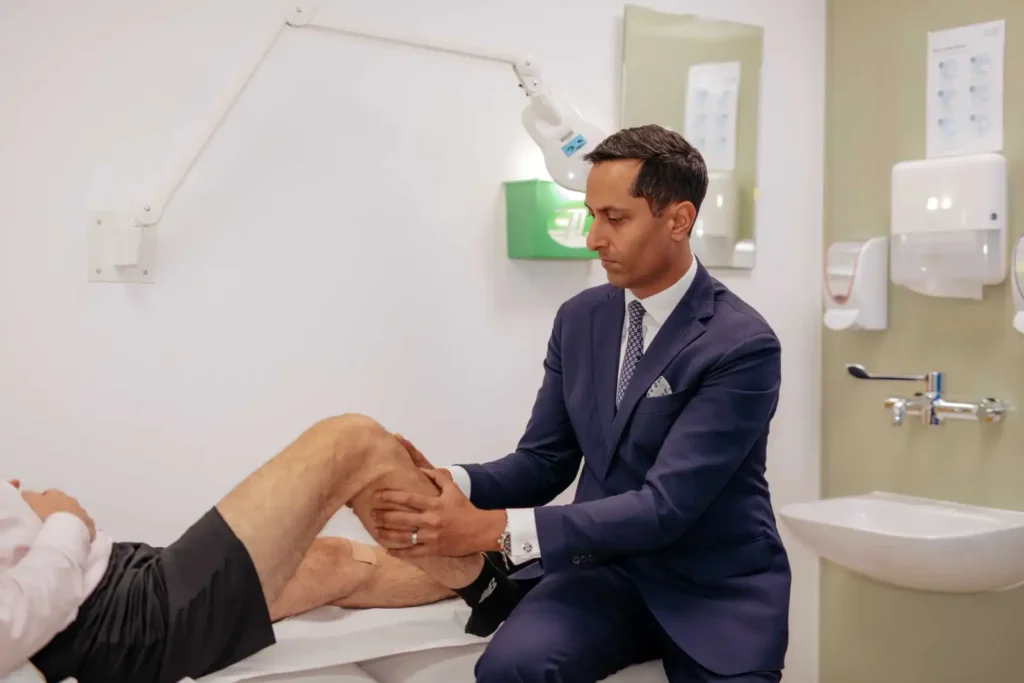
Diagnosing a kneecap fracture starts with a careful clinical examination. We look at the shape and alignment of the knee, feel for any gap or step in the patella, and assess whether you can perform a straight leg raise, which tests whether the extensor mechanism connecting your thigh muscles to your shin bone is still intact. If you can raise your straight leg against gravity, the extensor mechanism is at least partially functional, which is reassuring. If you cannot, this tells us the fracture has disrupted the mechanism significantly and surgery is more likely to be needed.
A kneecap fracture x-ray confirms the diagnosis and shows the type and degree of displacement. X-rays are taken from at least two angles to give a complete picture of the fracture pattern. Where we need more detailed information about the surrounding soft tissues, including the patellar tendon, quadriceps tendon, and articular cartilage, we may arrange an MRI scan to assess the full extent of the injury before finalising the treatment plan.

What Is the Treatment for a Broken Kneecap
Treatment for a broken kneecap depends entirely on the type of fracture, the degree of displacement, and whether the extensor mechanism remains functional. The right treatment for your specific fracture is always discussed with you in full before any decision is made.
For stable, undisplaced fractures where the bone ends are in good position and you can perform a straight leg raise, conservative management is the standard approach. This involves wearing a cast or hinged knee brace that holds the knee in a straight position while the bone heals. UK NHS guidance consistently confirms that undisplaced fractures take approximately six weeks to heal, though mild pain and swelling can persist for three to six months after that. Weight bearing as comfort allows is usually permitted from the start, and gentle exercise to maintain circulation and reduce the risk of DVT from immobilisation is encouraged throughout.
It is important to know that smoking significantly slows fracture healing and in severe cases can prevent the bone from healing altogether. If you smoke, stopping during your recovery period is one of the most meaningful things you can do to improve your outcome.
Kneecap Fracture Surgery and When It Becomes Necessary
Kneecap fracture surgery is recommended for displaced fractures, comminuted fractures with significant separation, and open fractures. A broken kneecap operation is needed when the bone ends are too far apart to heal in good position without surgical stabilisation, since the powerful pull of the quadriceps muscles on the upper patella fragment will continue to pull the pieces apart during healing without fixation.
The most commonly performed procedure for a transverse patella fracture is tension band wiring, a technique where stainless steel wires are arranged in a figure-of-eight configuration around the fracture site alongside screws or pins. The clever biomechanical principle behind this technique is that as you bend and straighten your knee, the quadriceps force compresses the fracture together rather than pulling it apart, actively promoting healing. This is why patients who have had tension band wiring are often permitted to begin controlled movement earlier than patients in casts.
For comminuted fractures where fragments can be repositioned, a patella broken surgery approach using a combination of screws, wires, and small plates holds the pieces together while healing occurs. For fragments too small to fix, partial removal with tendon reattachment, called a partial patellectomy, is performed as a day case or short inpatient procedure. Complete removal of the kneecap is only considered in the most severe, unreconstructable fractures and is genuinely rare. A broken kneecap operation of any type is followed immediately by a structured physiotherapy programme that begins as soon as the surgical repair is stable.
Does a patella fracture need surgery? Not always. Stable undisplaced fractures in which you can perform a straight leg raise do not. But the majority of kneecap fractures are displaced to some degree, which means surgery is recommended in more cases than not overall.
Kneecap Fracture Recovery and What to Expect Week by Week
Kneecap fracture recovery follows a predictable but individual pathway depending on fracture type and treatment. Here is a realistic guide to what most patients experience.
In the first two weeks following injury or surgery, pain and swelling are the dominant features. Pain management with over the counter medication, ice applied for 15 to 20 minutes wrapped in a cloth, elevation of the leg above hip height, and gentle ankle and calf exercises to reduce DVT risk are the priorities. Staying mobile within safe limits helps prevent the muscle wasting that sets in quickly when the knee is immobilised.
Between weeks two and six, the bone is actively healing. Patients in a cast or brace continue to bear weight as comfort allows. Those who have had surgery begin controlled range of movement exercises under physiotherapy guidance as soon as the repair is stable. The specific timeline varies depending on what was done surgically and your surgeon’s protocol.
Kneecap fracture recovery time from six weeks onward involves progressive physiotherapy to restore the quadriceps strength that is almost always significantly reduced after this injury. How long does a patella fracture take to heal in full? For most patients, return to normal daily activities takes three to four months. Return to sport or heavy manual work takes longer, typically four to six months, depending on the severity of the fracture and how well rehabilitation progresses.
Can You Walk With a Broken Kneecap and When Is It Safe
Can you walk with broken knee caps? The honest answer is that it varies by fracture type. With a stable undisplaced fracture and an intact extensor mechanism, walking with support as comfort allows is generally permitted and even encouraged from the first days after injury. With a displaced fracture requiring surgery, protected weight bearing typically resumes within a few days after the procedure, progressing under physiotherapy guidance.
Walking in a straight-leg brace or cast does feel awkward and effortful, but staying mobile rather than resting completely is important for circulation, bone healing, and preventing the significant muscle weakness that makes rehabilitation harder once the fracture has healed.
How to Protect Your Knee After a Kneecap Fracture and Reduce Long Term Risk
Kneecap fracture recovery does not end when the bone has healed. The long-term risk most patients ask about is arthritis. Up to 50 percent of patients report some degree of arthritic change in the knee around eight years after a patella fracture, particularly when the joint surface was damaged at the time of injury. This sounds concerning, but mild to moderate arthritis is far more common than severe arthritis in this group, and most patients do not develop symptoms significant enough to require further treatment.
The most effective things you can do to reduce the long-term risk are completing your physiotherapy programme fully rather than stopping when the initial pain settles, maintaining good quadriceps strength in the long term, and avoiding activities that involve repetitive deep knee bending or squatting if these cause significant discomfort. Maintaining a healthy body weight reduces the load on the joint, and regular low-impact activity such as cycling and swimming keeps the surrounding muscles strong without placing excessive stress on the kneecap itself.
Expert Kneecap Fracture Care at London Knee Care
If you have fractured your kneecap and want a clear, expert assessment of your options and a straightforward plan for what comes next, we are here to help.
We see patients with all types of kneecap fracture, from stable undisplaced breaks that need the right management to avoid complications, through to complex comminuted fractures requiring surgical reconstruction. Our approach begins with a thorough clinical assessment and the right imaging, followed by an honest conversation about which treatment approach is most appropriate for your specific fracture, your age, your activity level, and your goals.
Our clinic is led by Mr Raghbir Khakha, a consultant orthopaedic surgeon with over fifteen years of specialist experience in complex knee conditions including kneecap instability, sports injuries, and keyhole surgical procedures. He takes a careful, patient-focused approach to every case, explaining exactly what has happened and what the realistic treatment and recovery options are for your specific situation.
You can book your consultation directly online at a time that suits you.
To speak with our team,
London Knee Care
45 Queen Anne Street, London W1G 9JF
Call us on 0207 046 8008
Email us at rk@os.clinic
Or visit our contact page
Frequently Asked Questions
Is a kneecap fracture a serious injury?
Yes, a fractured kneecap is a significant injury that needs proper medical assessment and treatment. That said, the overall prognosis with appropriate care is good. Most patients with stable fractures recover fully within a few months, and even those requiring surgery generally return to their normal activities within three to six months with consistent rehabilitation.
Can a patella fracture heal on its own without treatment?
A stable undisplaced fracture can heal with conservative management including a cast or brace, without needing surgery. However, even these fractures need proper immobilisation and physiotherapy to heal correctly. Can a patella fracture heal itself without any medical treatment? No. Without appropriate immobilisation, the quadriceps pull on the upper fragment will cause displacement over time, leading to poor alignment, prolonged pain, and a much harder recovery.
Does a kneecap fracture always need surgery?
No. Stable undisplaced fractures where you can perform a straight leg raise are managed conservatively without surgery. Surgery is recommended for displaced, comminuted, and open fractures where the bone needs to be repositioned and held in place while it heals. The decision is always based on your specific fracture type and clinical examination findings.
How long does a patella fracture take to heal?
An undisplaced fracture typically heals within six weeks, though mild pain and swelling can persist for three to six months after that. Displaced fractures treated surgically take longer, with most patients returning to normal daily activities within three to four months and sport or heavy work within four to six months depending on recovery progress.
Can you walk with a broken kneecap?
With an undisplaced fracture and an intact extensor mechanism, weight bearing as comfort allows is usually permitted from the early days of treatment. With a displaced fracture requiring surgery, protected walking with crutches typically begins within a few days after the procedure. In either case, walking is encouraged rather than discouraged because it supports healing and prevents muscle wasting.
What does a patella fracture look like?
On X-ray, a kneecap fracture appears as a visible gap, crack line, or multiple fragments in the patella. In displaced fractures, the gap between the broken ends is clearly visible. Externally, the knee typically shows significant swelling, bruising across the front of the knee, and sometimes a visible or palpable gap in the kneecap in displaced fractures.
What is the long-term outlook after a kneecap fracture?
With correct treatment and thorough rehabilitation, most patients recover well. Up to 50 percent of patients report some degree of arthritic change after around eight years, particularly where the joint surface was disrupted at the time of fracture. However, mild to moderate arthritis is much more common than severe arthritis in this group, and many patients remain active and largely symptom-free long term. Completing rehabilitation fully and maintaining good quadriceps strength reduces the long-term risk meaningfully.