
Ski Injuries of the Knee
At London Knee Care, we provide specialist diagnosis and treatment for ski knee injuries and other winter sports trauma. These injuries range from ligament sprains to full ACL tears, MCL damage and cartilage injuries, often caused by falls, awkward landings or a ski binding that doesn’t release in time. Whether it happened on a dry slope at home or out on the mountain, a knee injury from skiing can end your season fast if it isn’t assessed properly.
Our consultants combine advanced imaging, minimally invasive techniques and personalised rehabilitation to restore strength, stability and confidence. From weekend skiers to competitive racers, we help every patient get back on the slopes safely.



When To Seek Immediate Care
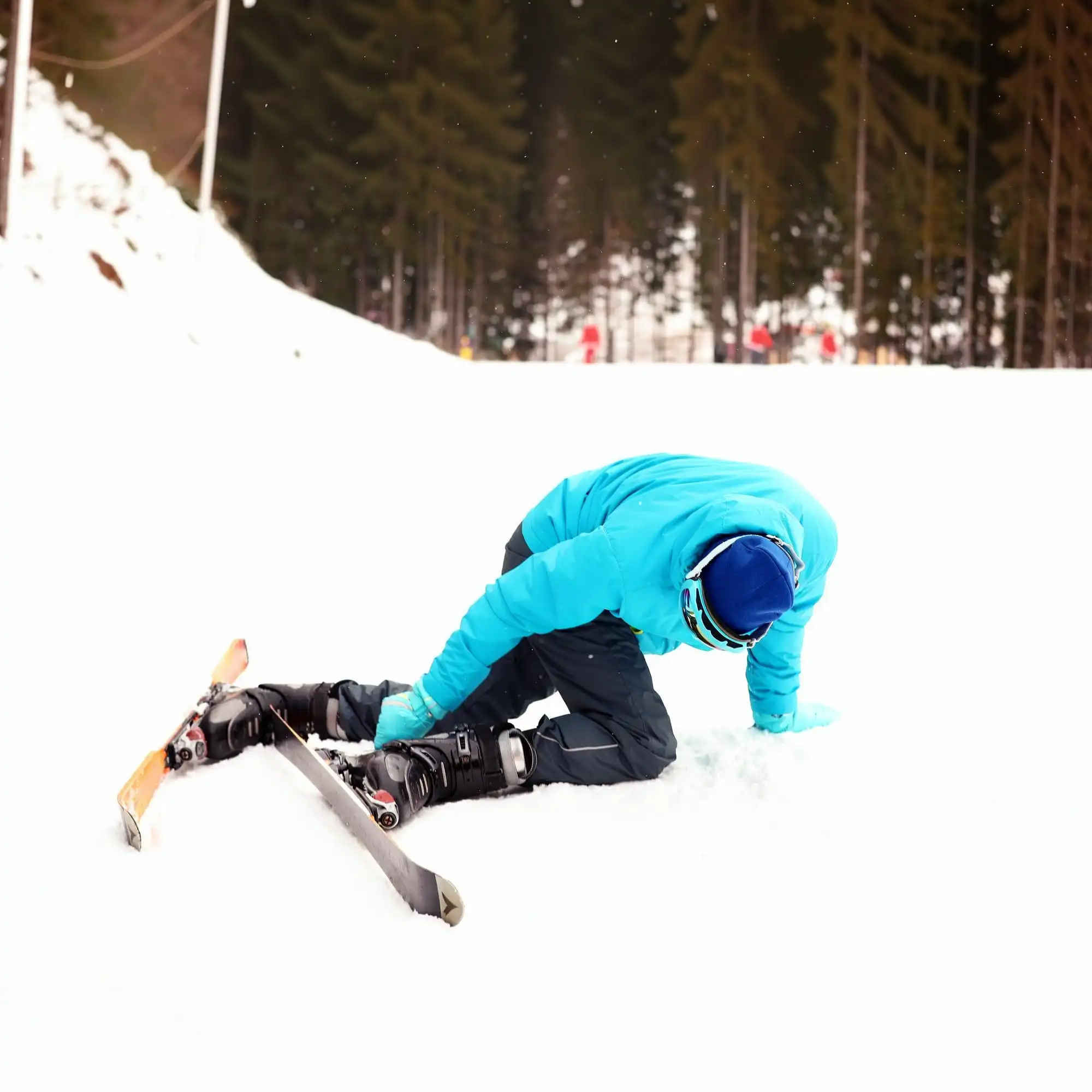
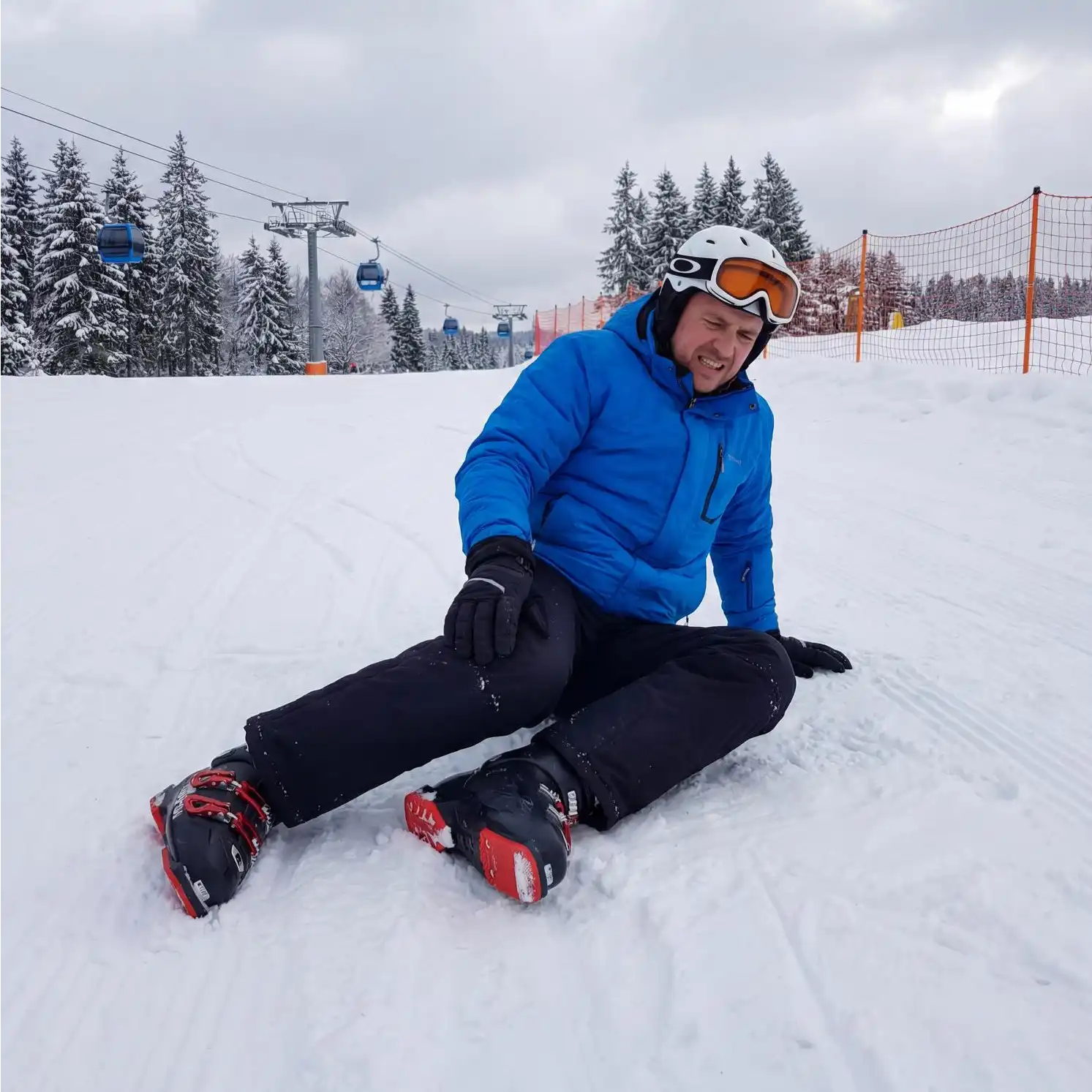
A pop during a fall followed by swelling within a few hours usually means the ACL. Pain on the inside of the knee, without a pop, but with swelling and trouble straightening the leg or even walking, points to the MCL instead. Either way, if you can’t put weight on it or the knee keeps giving way, don’t wait a few days to see how it settles.
Most ski knee injuries come from a backward twisting fall, when the binding doesn’t release in time. We check with MRI or ultrasound to know exactly what’s torn before agreeing on treatment.
How to Book Your Appointment
Step 1
Schedule Your Consultation
Book a consultation, seen within 24 hours, to discuss what happened on the slopes and how the knee is behaving now.
Step 2
Diagnostic Assessment
A same-day X-ray and MRI within 72 hours if needed confirm exactly what’s torn or strained.
Step 3
Personalised Treatment Plan
Your consultant walks you through the diagnosis and builds a recovery plan around your knee and your skiing goals.
Step 4
Surgery and Aftercare
Whether it’s physiotherapy or surgery, we support your rehabilitation and monitor progress until you’re ready to ski again.
Ski Injuries Assessment Package
A fast, structured path from consultation to treatment plan, with pricing agreed upfront.
Virtual Consultation (Within 24 hours)
£350
Same-Day X-Ray (At OS Clinic)
£255
MRI (If Needed) Within 72 hours
From £445 (unilateral)
From £725 (bilateral)
Treatment Plan / Follow-Up Consult
£250
One Knee
From £1,300
Full package, single-knee imaging
Both Knees
From £1,580
Full package, bilateral imaging
Prices shown are starting from and may vary based on individual assessment.
FAQs About Ski Injuries
What are the most common knee injuries from skiing?
ACL tears, MCL sprains and meniscus tears are the most frequent, usually from a twisting fall or a binding that doesn’t release in time.
Do all ski knee injuries need surgery?
No. Many MCL sprains heal with physiotherapy and bracing. ACL tears and significant meniscus damage are more likely to need surgical repair.
How can I tell if I’ve torn my ACL?
A pop at the time of the fall, followed by swelling within a few hours and a feeling that the knee might give way, are the classic signs.
How is an MCL injury different from an ACL injury?
An MCL injury causes pain on the inside of the knee and swelling but usually no pop. It also tends to come with more stiffness than instability.
Can I keep skiing on an injured knee?
It’s not worth the risk. Skiing on an unstable knee can turn a manageable sprain into a full tear or damage the cartilage further.
Will I be able to ski again after treatment?
Most patients return to skiing with the right rehabilitation. Timelines vary depending on the injury and whether surgery was needed.
It was a pleasure to have been seen by Mr Khakha. He was very courteous, professional , patient and kind. I had total confidence in his option and diagnosis.
Verified Patient

Get Back On The Slopes Safely
Expert Sports Surgeons
Fast Recovery
Long-Term Results