
Arthritis (Osteoarthritis)
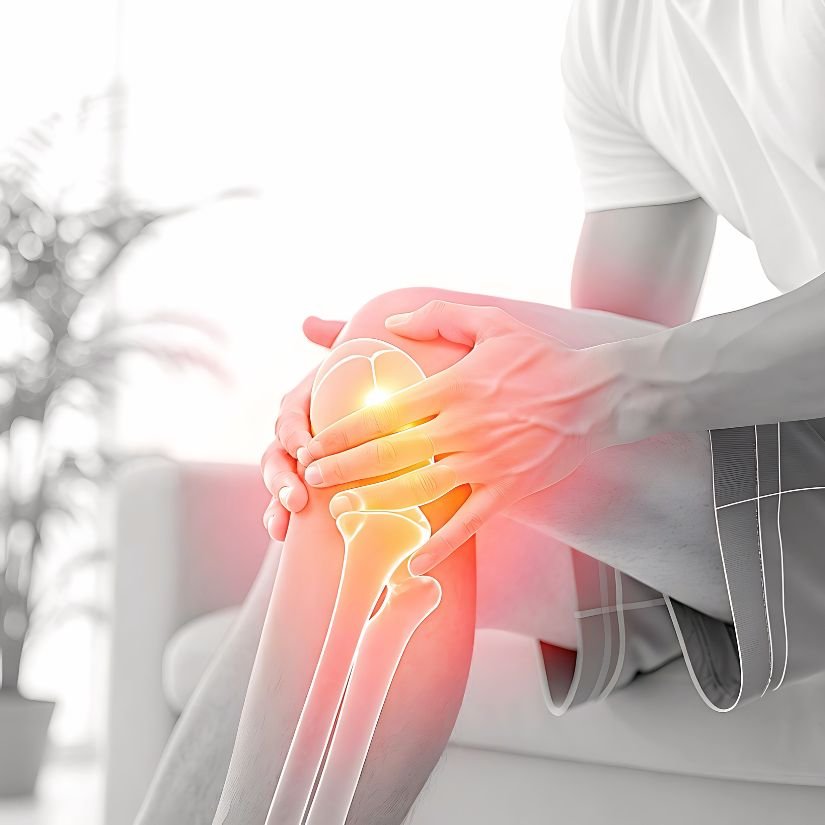
Arthritis (Osteoarthritis) is a degenerative condition where the protective cartilage gradually wears away, causing pain, stiffness, swelling, and reduced mobility. We use advanced imaging, targeted therapies, and where needed surgical options to relieve pain, improve function, and help you return to everyday activities with confidence.




Arthritis (Osteoarthritis) Assessment
You should consider a consultation if you’re experiencing ongoing knee pain, stiffness, or swelling that affects your daily routine. Osteoarthritis often begins gradually, showing signs like discomfort in the morning, swelling after walking or exercise, or a grinding sensation within the joint. Some patients notice difficulty climbing stairs, kneeling, or even walking short distances comfortably. When pain relief, physiotherapy, or lifestyle changes no longer help, it’s important to seek professional evaluation.
At London Knee Care, we use detailed imaging and clinical assessments to confirm the stage of arthritis and design a treatment plan tailored to your condition and lifestyle.
How to Book Your Appointment
Step 1
Schedule Your Consultation
Book with our knee specialist to discuss symptoms, goals, and medical history.
Step 2
Diagnostic Assessment
X-rays and, where needed, MRI are arranged to confirm osteoarthritis and its severity.
Step 3
Personalised Treatment Plan
We outline the best non-surgical or surgical options and agree a plan that fits your lifestyle.
Step 4
Surgery and Aftercare
Your care is delivered in leading London hospitals with structured rehabilitation and follow-ups.
FAQs About Knee Osteoarthritis
What Is Knee Osteoarthritis?
It is age- or activity-related cartilage wear that leads to pain, stiffness, and reduced movement in the knee joint.
Can Osteoarthritis Be Cured?
Cartilage wear cannot be reversed, but symptoms can be effectively managed with targeted non-surgical care; advanced cases may benefit from knee replacement.
Will I Need Surgery?
Not always. Many patients improve with physiotherapy, injections, and lifestyle changes. Surgery is considered when these measures no longer control symptoms.
How Long Is Recovery After Knee Replacement?
Most people resume light activities in 6–8 weeks, with continued improvement over 3–6 months.
Are Injections Safe?
When appropriately selected and image-guided, injections can safely reduce inflammation and pain; your consultant will advise on suitability and frequency.
What Can I Do Now To Help My Knee?
Low-impact exercise, quadriceps strengthening, weight management, and pacing activities often reduce symptoms while you await review.
From first seeing Mr Khakha it was evident that I was in the best hands. He described thoroughly the course of events and made sure I was kept abreast of developments.
Verified Patient

Don’t Let Knee Arthritis Limit Your Life.
Restore Movement
Relieve Pain
Live Comfortably