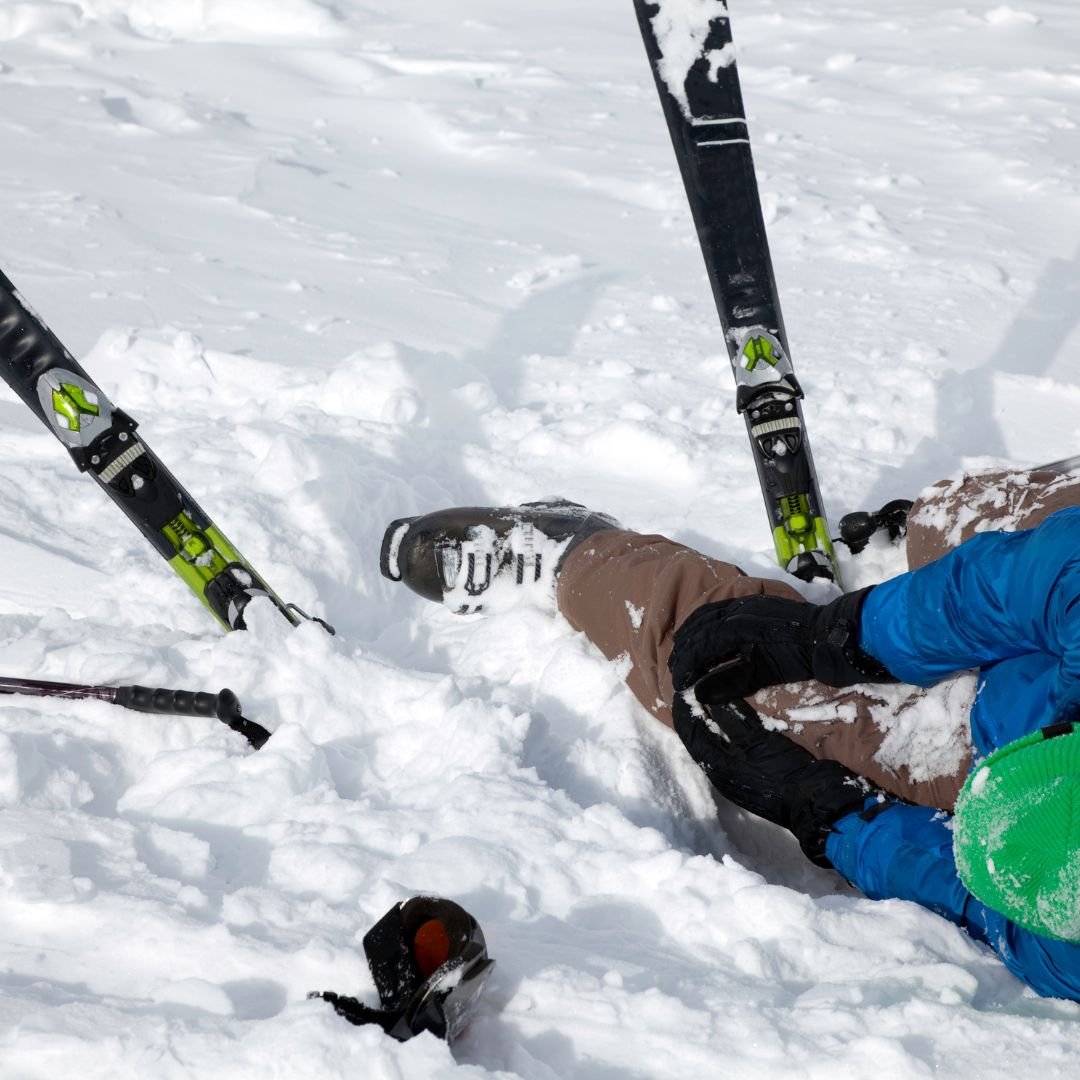
Get your knees ski-ready with this complete strengthening and conditioning guide.
Whether you’re heading to the Alps, the Dolomites, or a winter getaway closer to home, preparing your knees before ski season is essential for performance, confidence, and injury prevention. At London Knee Care, we see many avoidable injuries every winter that could often have been prevented with proper pre-ski conditioning.
This comprehensive guide explains how to build strength, mobility, and control so your knees stay stable on the slopes.
Why Knee Strength Matters for Skiing
Skiing demands:
- Strong quadriceps for control
- Powerful glutes for alignment
- Healthy hamstrings for joint stability
- Good balance for uneven terrain
- Strong core for posture and endurance
Weakness in any of these areas transfers force to the knee, increasing injury risk.
1. Build Strong Quadriceps
Your quads absorb impact during turns, landings, and carved movements.
Essential exercises:
- Wall sits (hold for 30–60 seconds)
- Front squats
- Step-downs
- Leg press or single-leg press
These build endurance and strength while mimicking skiing posture.
2. Strengthen Your Glutes for Control
The glutes stabilise your hips and prevent the knees from collapsing inward—a major cause of ACL injuries.
Effective glute exercises:
- Glute bridges
- Resistance band crab walks
- Romanian deadlifts
- Single-leg hip thrusts
Stronger glutes mean more controlled, safer turns.
3. Improve Hamstring Strength
Hamstrings protect the ACL by preventing the shin from sliding forward.
Try:
- Nordic curls
- Hamstring sliders
- Single-leg deadlifts
- Stability-ball curls
These exercises improve knee stability, especially during sudden stops.
4. Train Your Core
A strong core reduces knee strain by keeping your upper body aligned.
Include:
- Planks
- Russian twists
- Dead bugs
- Cable rotations
Core strength improves form and skiing efficiency.
5. Balance & Proprioception Training
Skiing requires constant adjustments to uneven snow and changing terrain.
Use:
- Single-leg stands
- Bosu ball training
- Lateral hops
- Agility drills
Better balance reduces falls and knee stress.
6. Improve Flexibility & Mobility
Tight muscles lead to poor mechanics and greater injury risk.
Stretch:
- Hip flexors
- Calves
- IT bands
- Glutes
- Hamstrings
Mobility work should be part of your daily routine leading up to your trip.
7. How Long Before Skiing Should You Train?
Ideally, begin conditioning 6–8 weeks before your ski holiday. Even 3–4 weeks of focused training makes a noticeable difference.
8. When to See a Knee Specialist Before Ski Season
You should seek professional assessment if you already have:
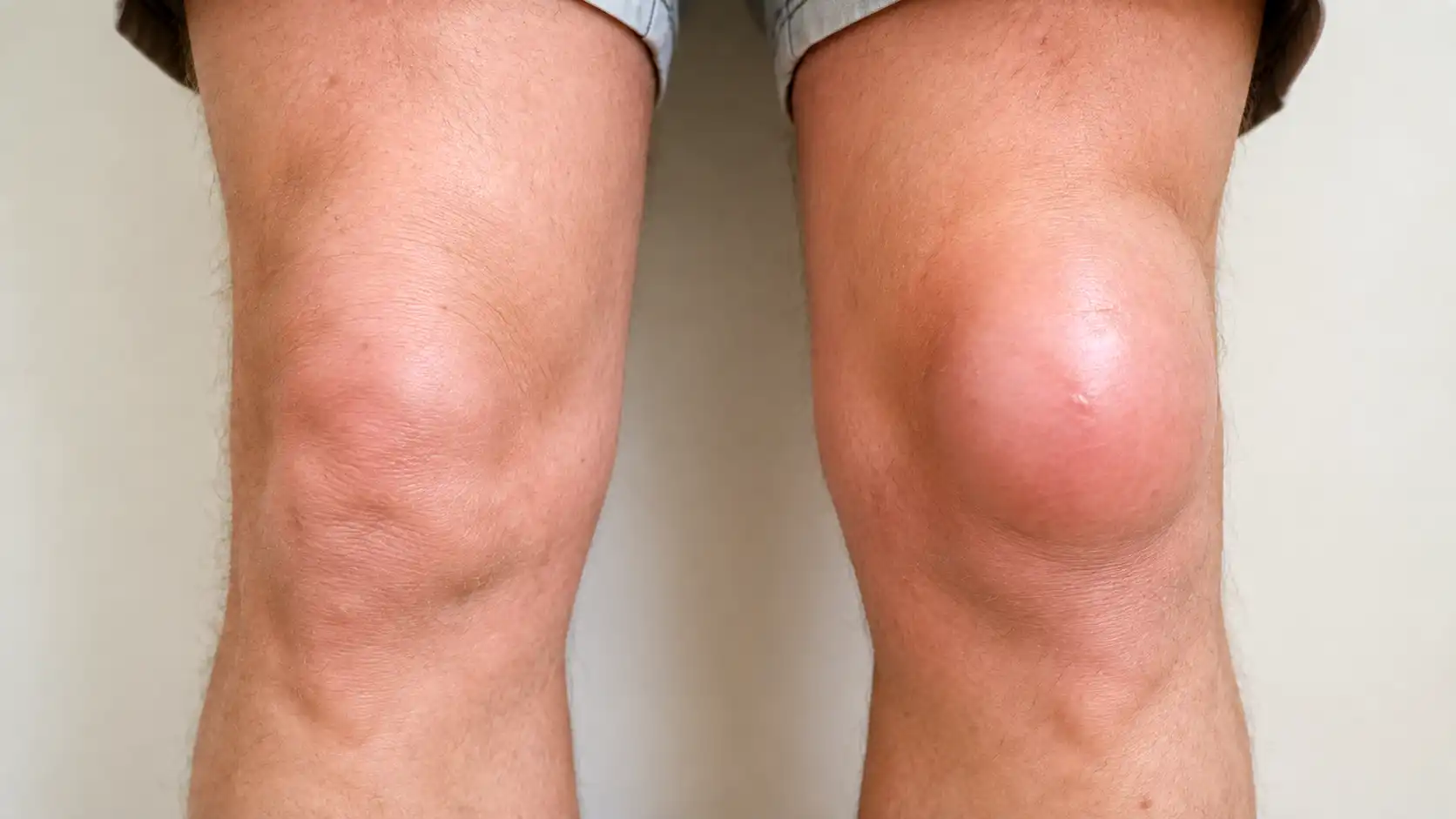
- Knee pain or swelling
- A history of ACL or meniscus injury
- Instability or giving-way
- Difficulty squatting or climbing stairs
A knee surgeon in London can diagnose issues early and recommend a customised strengthening plan.
Final Thoughts
Strong, stable knees are essential for enjoyable, safe skiing. Whether you’re a beginner or an advanced skier, conditioning your lower body reduces injury risk and boosts performance.
If you’re concerned about knee pain or want personalised guidance, London Knee Care offers expert assessment and tailored pre-ski strengthening programmes.
Train smart, prepare well, and enjoy every moment on the mountain.
FAQs
1. When should I start strengthening my knees before ski season?
Ideally 6–8 weeks before your trip to build enough strength and stability.
2. What muscles should I focus on for better knee protection?
Quadriceps, hamstrings, glutes, calves, and core.
3. Do I need equipment for pre-ski knee training?
Not necessarily, squats, lunges, and balance exercises can be done at home.
4. Are balance exercises important for skiing?
Yes. Skiing requires strong proprioception, and balance training reduces injury risk.
5. How often should I train for skiing?
3–4 times per week is ideal for strength and stability improvements.
6. Does cycling help strengthen knees for skiing?
Yes, it builds quadriceps and endurance without excessive impact.
7. What is the best warm-up on ski days?
Dynamic stretches like leg swings, hip rotations, and light squats.
8. Should people with previous knee injuries train differently?
Yes, you should get tailored exercises from a physiotherapist or knee specialist.