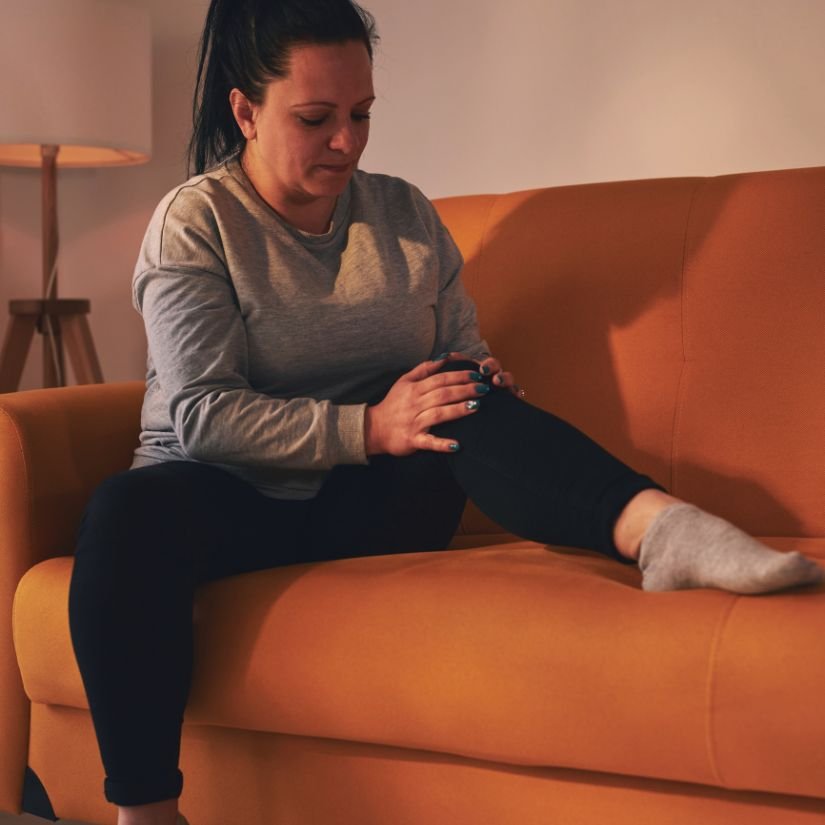
Discover the most common knee injuries caused by skiing, including ACL tears, MCL sprains, and meniscus damage. Learn when to see a knee surgeon in London for proper diagnosis and treatment.
Ski season brings excitement, adventure, and the unique thrill of racing down fresh snow. Unfortunately, it also brings a surge of knee injuries, some mild, others severe enough to require surgical expertise.
At London Knee Care, we regularly treat patients returning from skiing holidays with ACL tears, meniscus injuries, MCL sprains, and cartilage damage. Understanding how these injuries occur and when to seek help can make a significant difference to your recovery.
Why Knee Injuries Are So Common in Skiing
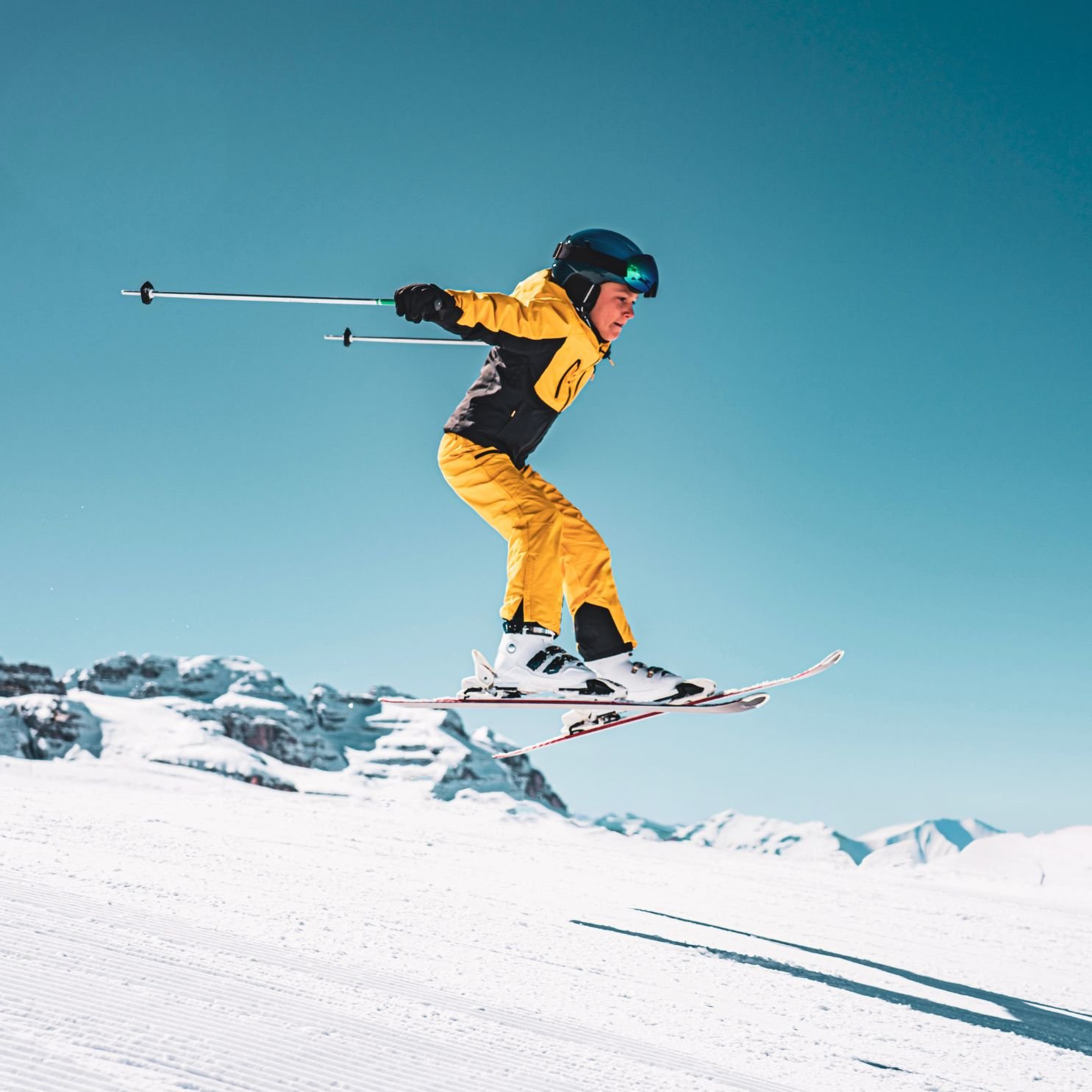
The knee is a complex hinge joint that absorbs huge amounts of force. Skiing places it under sudden twists, high-speed rotations, unstable surfaces, variable terrain, and the impact of falls. Even skilled skiers can experience injuries from one unexpected turn.
1. ACL Tears — The Most Serious Ski Injury
ACL (Anterior Cruciate Ligament) tears are among the most common and serious skiing injuries.
They often occur when:
- The ski twists outward during a fall
- The skier lands awkwardly after a jump
- The knee is forced into a sudden rotation
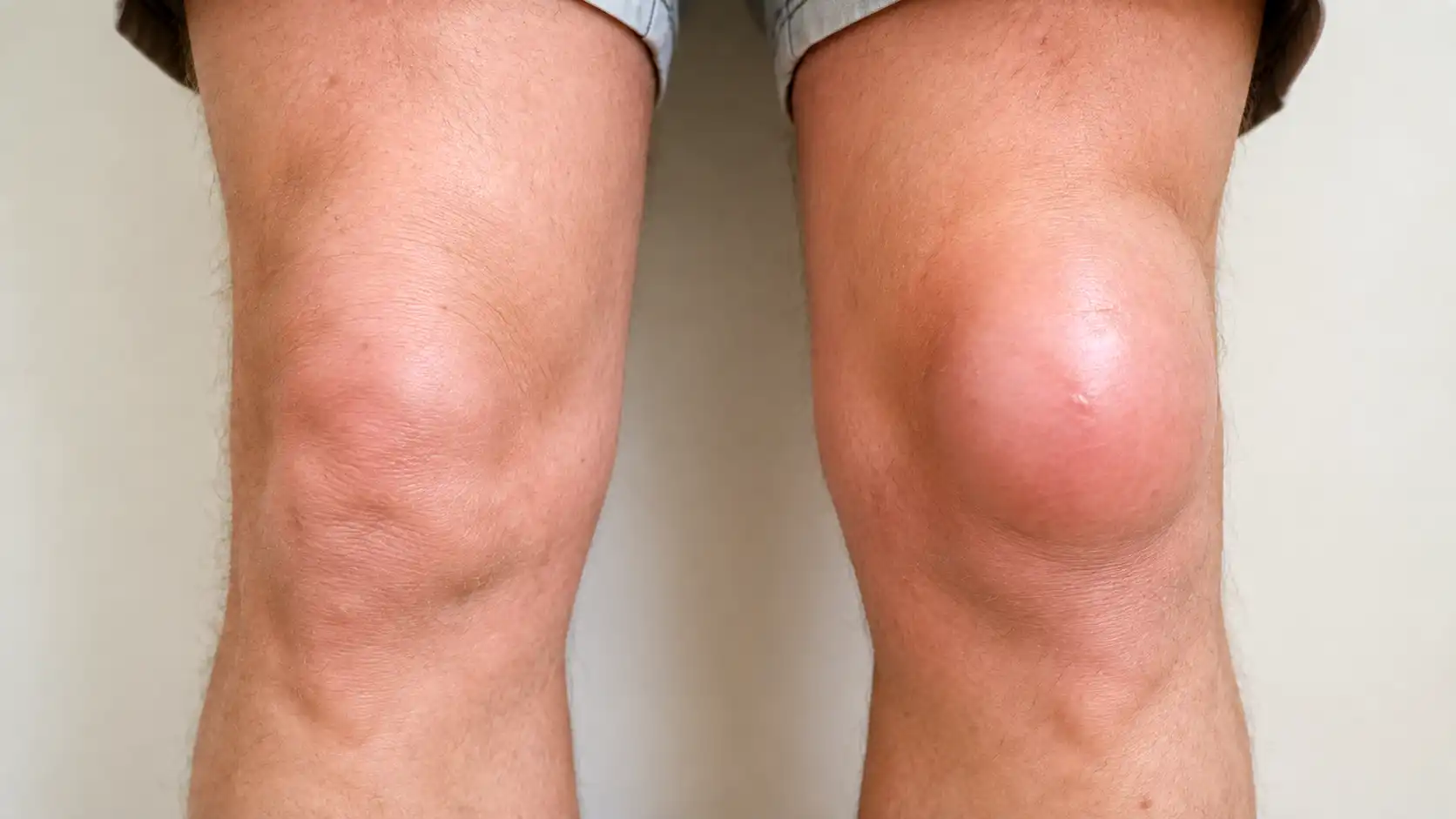
Symptoms include a popping sound, immediate swelling, instability, and difficulty bearing weight. Many ACL tears require surgical reconstruction, and early diagnosis is essential.If you experience these symptoms, it’s important to see a knee surgeon in London as soon as possible for assessment and MRI imaging.e.
2. MCL Sprains — Caused by the “Snow Plough” Position
Beginner skiers often rely on the snow-plough to control speed. This position places continuous stress on the MCL (Medial Collateral Ligament).
Types of MCL sprains:
- Grade 1: Mild ligament stretch
- Grade 2: Partial tear
- Grade 3: Full tear (often combined with ACL injury)
Treatment varies from bracing and physiotherapy to surgery in combined injuries.
3. Meniscus Tears — Twisting Injuries on the Slope
The meniscus is a curved piece of cartilage that cushions your knee. Sudden twists during skiing can cause painful tears.
Symptoms include:
- Locking or catching
- Sharp pain on rotation
- Swelling
- Reduced movement
Early assessment by a knee specialist helps prevent long-term damage and arthritis.
4. Patellar (Kneecap) Dislocation
A sudden sideways fall or inward collapse of the knee can dislocate the kneecap. This injury is extremely painful and often requires both immediate and long-term specialist treatment.y.
5. Cartilage Damage
High-impact crashes or repeated stress on steep terrain can damage the cartilage lining the joint. If untreated, this can progress to early arthritis, chronic swelling, or constant pain.
When Should You See a Knee Surgeon After a Ski Injury?
Seek urgent specialist help if you:
- Heard a pop during injury
- Experienced immediate swelling
- Cannot straighten the knee
- Feel instability or buckling
- Have difficulty weight-bearing
- Feel locking or catching
- Have pain increasing over 48 hours
At London Knee Care, we offer rapid appointments, advanced imaging, and expert treatment from Mr Raghbir Khakha, a leading knee surgeon in London, specialising in ski-related injuries.
How a Specialist Helps You Recover Faster
A knee expert will:
- Diagnose using clinical tests and MRI
- Assess severity and guide treatment
- Provide bracing, injections, or physiotherapy
- Offer surgical options when necessary
- Create personalised rehab plans
Early intervention leads to better outcomes and prevents chronic problems.
Final Thoughts
Skiing injuries vary in severity, but the knee is especially vulnerable. Whether you’re a beginner or a seasoned skier, understanding the risks and symptoms helps you recognise when to seek expert care. London Knee Care’s expert surgeon, Mr Raghbir Khakha is experienced in diagnosing and treating all knee injuries, ensuring you get back to your normal life, and the slopes, safely and confidently.
If you need assessment or treatment after a ski accident, our team is here to help.
FAQs
1. What are the most common knee injuries in skiing?
ACL tears, MCL sprains, meniscus tears, cartilage damage, and kneecap dislocation.
2. How do I know if I’ve torn my ACL while skiing?
You may hear a pop, feel immediate swelling, and notice your knee giving way or feeling unstable.
3. What should I do right after a ski knee injury?
Stop skiing, rest, ice the knee, keep it elevated, and seek medical assessment as soon as possible.
4. Can skiing cause long-term knee damage?
Yes, untreated injuries like meniscus or cartilage tears can lead to early arthritis and chronic pain.
5. Do all ski-related knee injuries need surgery?
No. Some MCL sprains and small meniscus tears heal with physiotherapy and bracing, but severe injuries may need surgical treatment.
6. When should I see a knee surgeon?
If you have swelling, instability, locking, a popping sound, or difficulty bearing weight, see a knee specialist promptly.
7. Why are knee injuries so common in skiing?
Because skiing involves twisting motions, rapid direction changes, and falls that place high stress on the knee joint.
8. Can beginners and experienced skiers get the same injuries?
Yes, beginners often injure the MCL, while advanced skiers are more prone to ACL and meniscus tears due to higher speeds.
9. How quickly should I get an MRI after a ski injury?
Within the first week is ideal, especially if symptoms are severe or worsening.