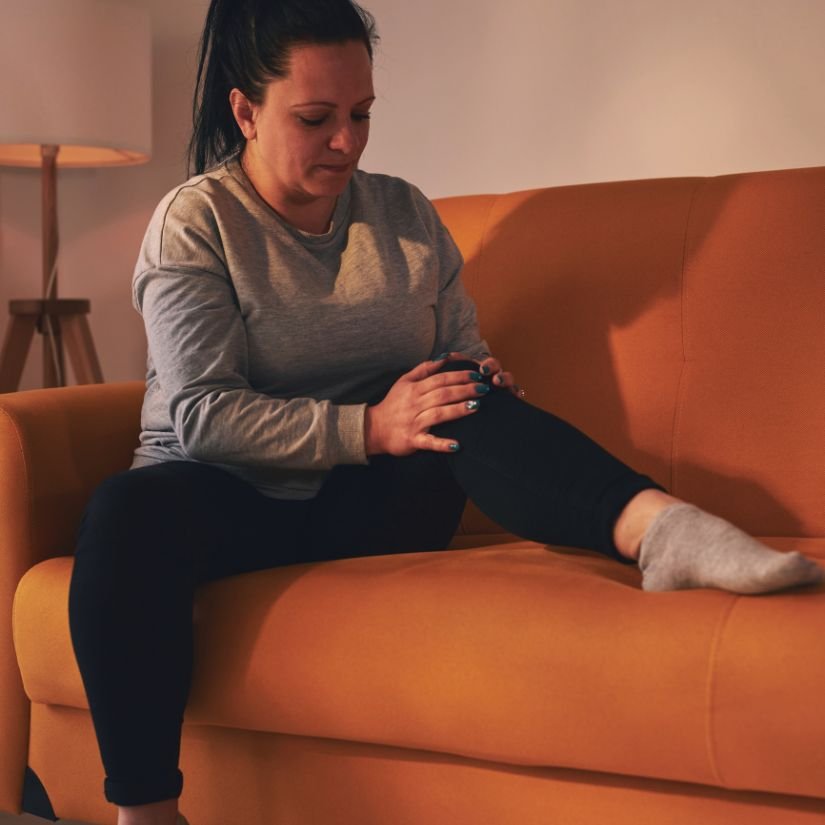
Learn about common sports-related knee injuries including ACL tears, meniscus injuries, and runner’s knee. Discover modern treatments and recovery options.
Introduction
Sports and physical activity offer immense health benefits, but they also place significant stress on the knees. From professional athletes to weekend runners, sports-related knee injuries are among the most common reasons people seek orthopaedic care.Understanding the type of injury, recognising symptoms early, and choosing the right treatment can dramatically improve recovery and prevent long-term joint damage.
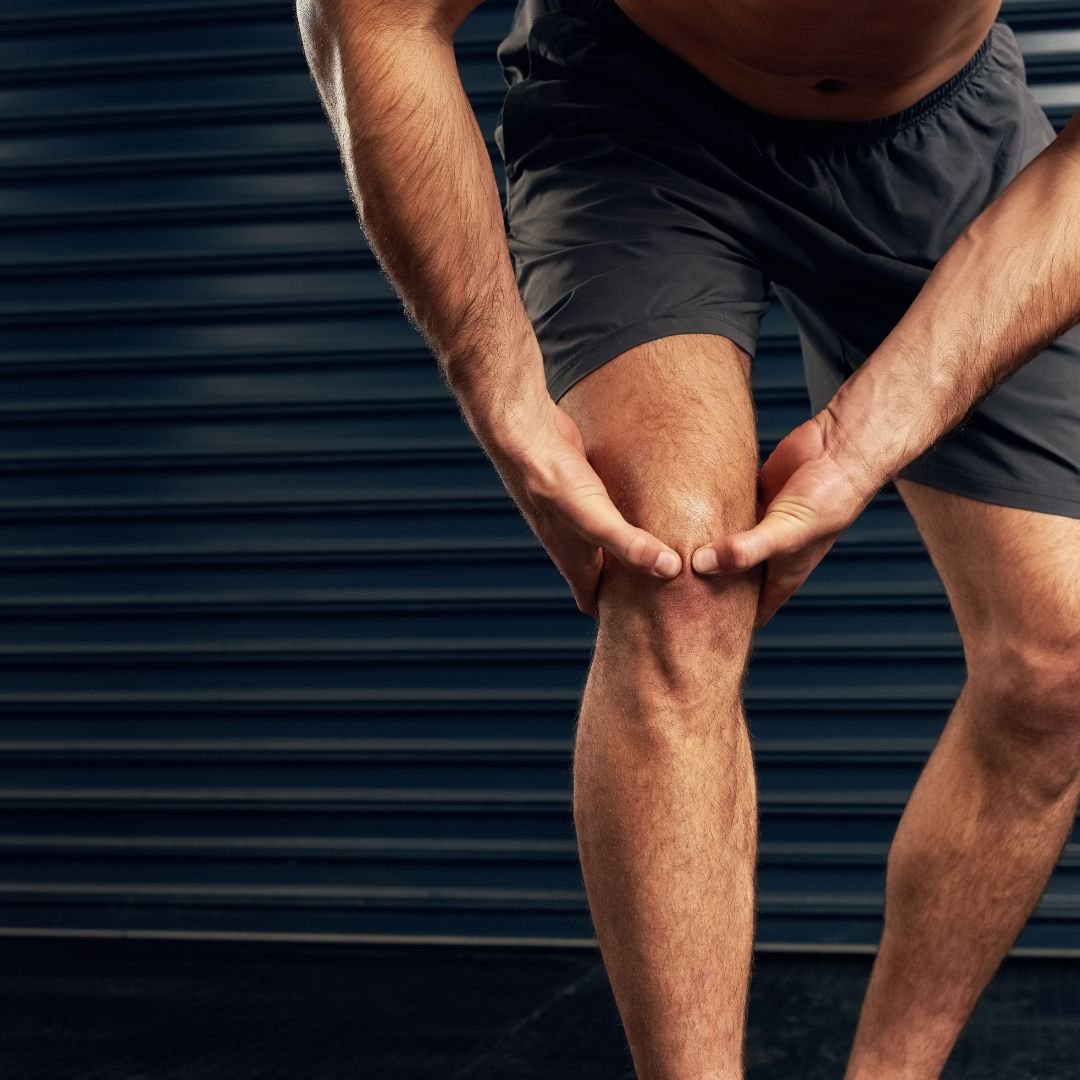
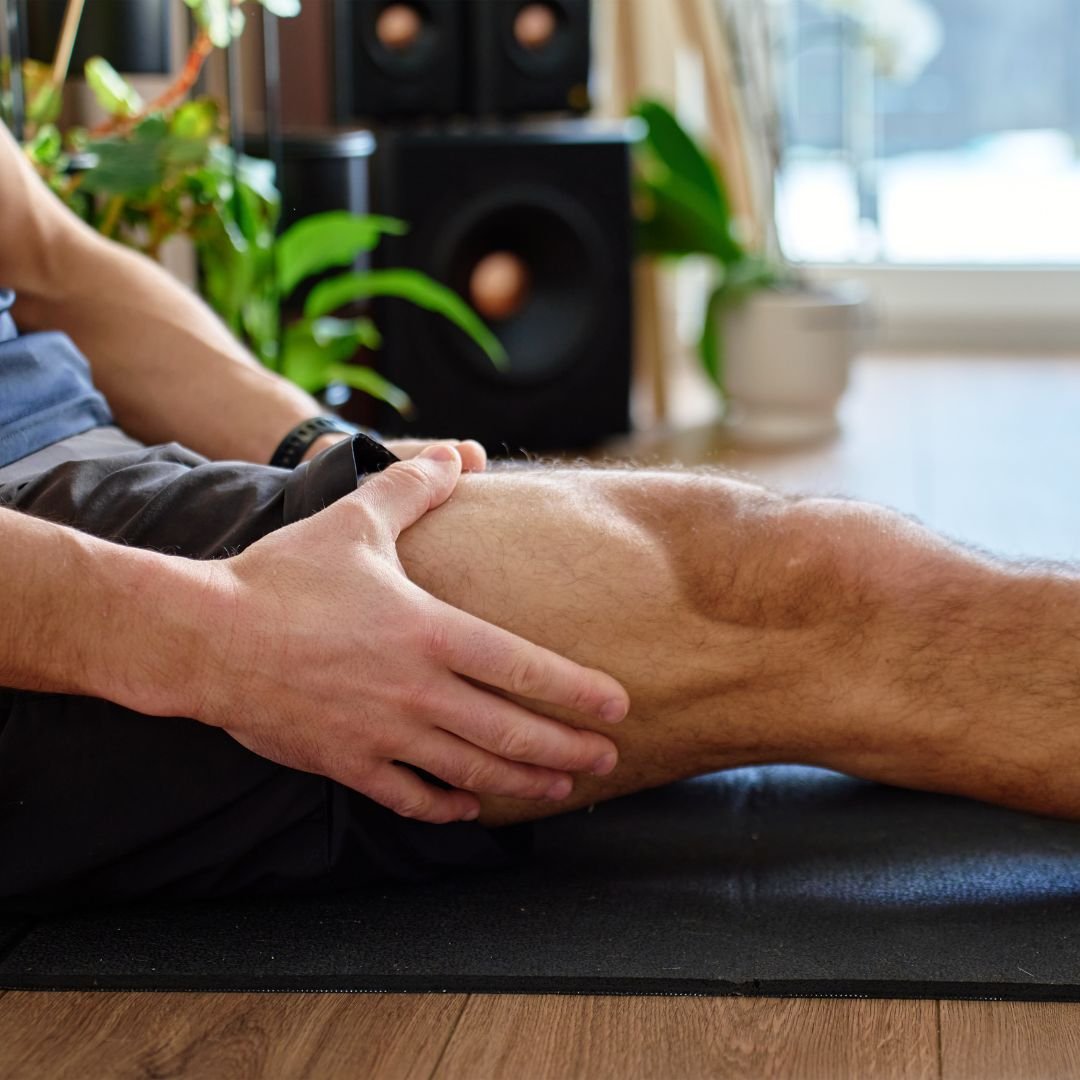
Why Is the Knee Vulnerable in Sports?
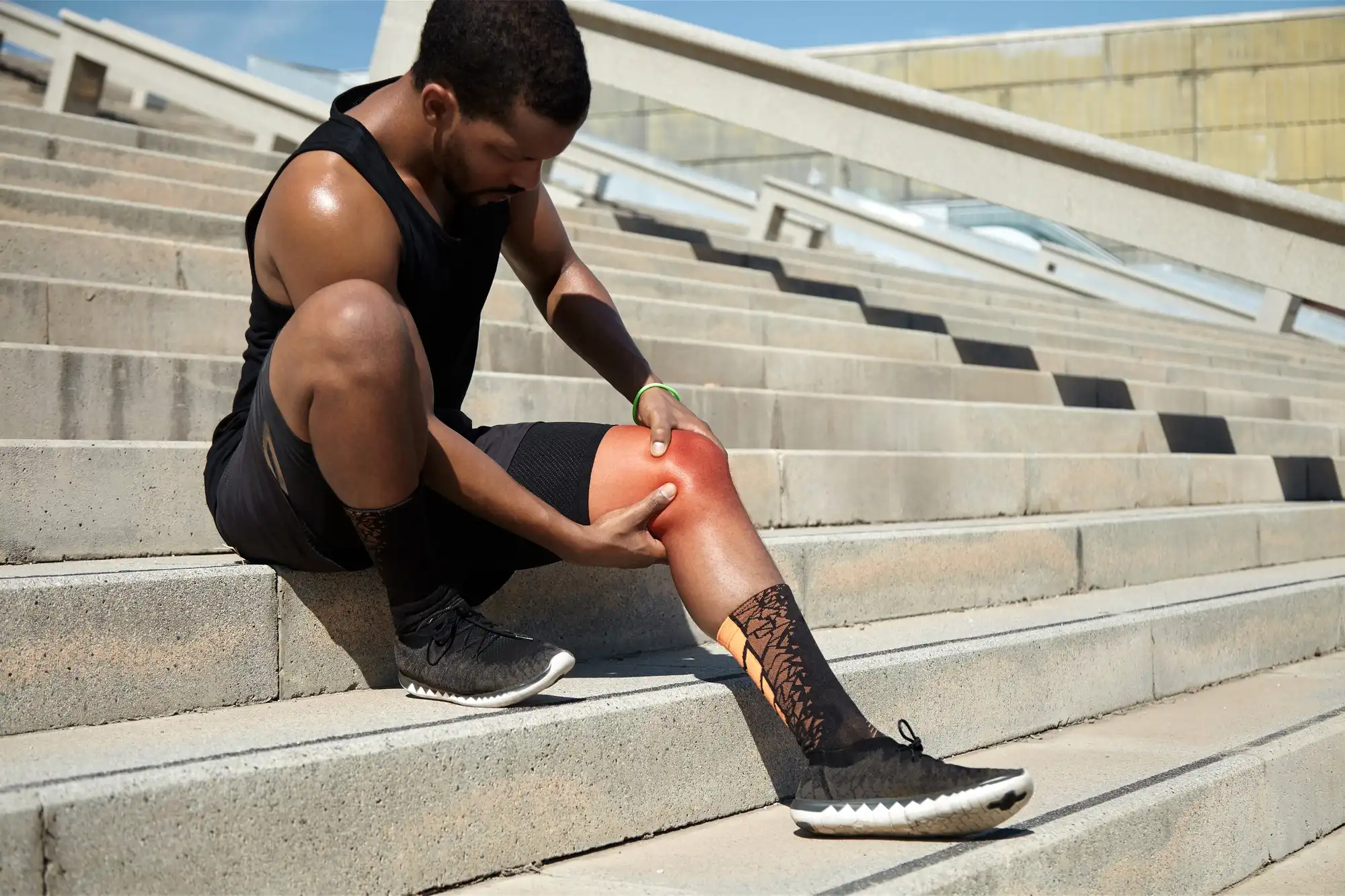
The knee is a complex joint that absorbs impact, supports body weight, and allows movement in multiple directions. Sports involving running, jumping, sudden stops, and twisting place high strain on ligaments, cartilage, and tendons.
Poor technique, muscle imbalance, inadequate warm-up, or overtraining significantly increase injury risk.
Most Common Sports-Related Knee Injuries
1. ACL (Anterior Cruciate Ligament) Injury
ACL tears often occur during sudden changes in direction, landing awkwardly, or pivoting, common in football, rugby, and skiing.
Symptoms include:
- A popping sensation
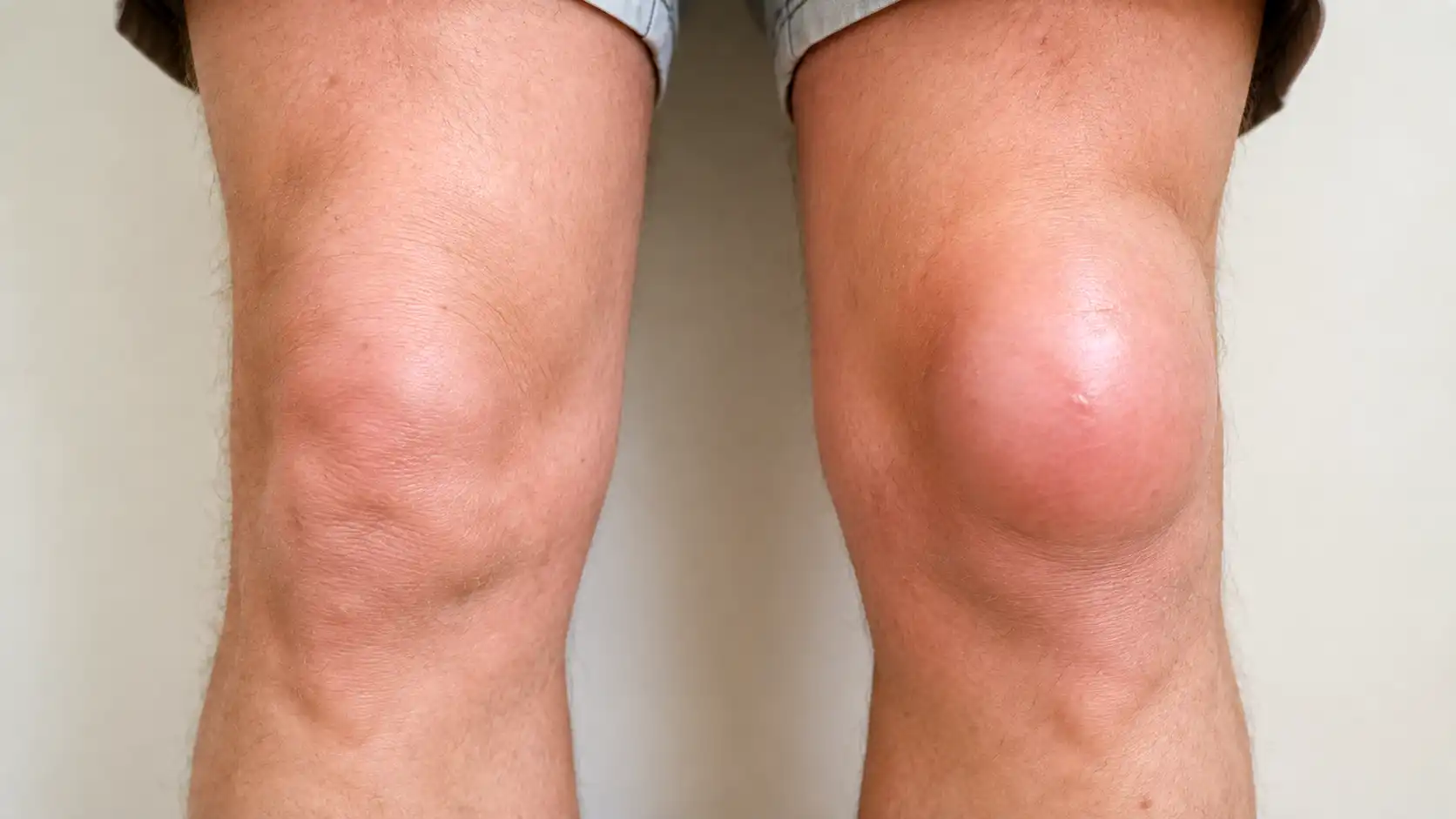
- Immediate swelling
- Knee instability
- Difficulty continuing activity
Treatment may involve structured rehabilitation or surgical reconstruction, depending on activity level and severity.
2. Meniscal Tear
The meniscus acts as a shock absorber between the thigh and shin bones. Twisting movements while the foot is planted can tear this cartilage.
Symptoms include:
- Locking or catching
- Pain during rotation
- Swelling after activity
Small tears may heal with physiotherapy, while larger or displaced tears may require minimally invasive surgery.
3. Runner’s Knee (Patellofemoral Pain Syndrome)
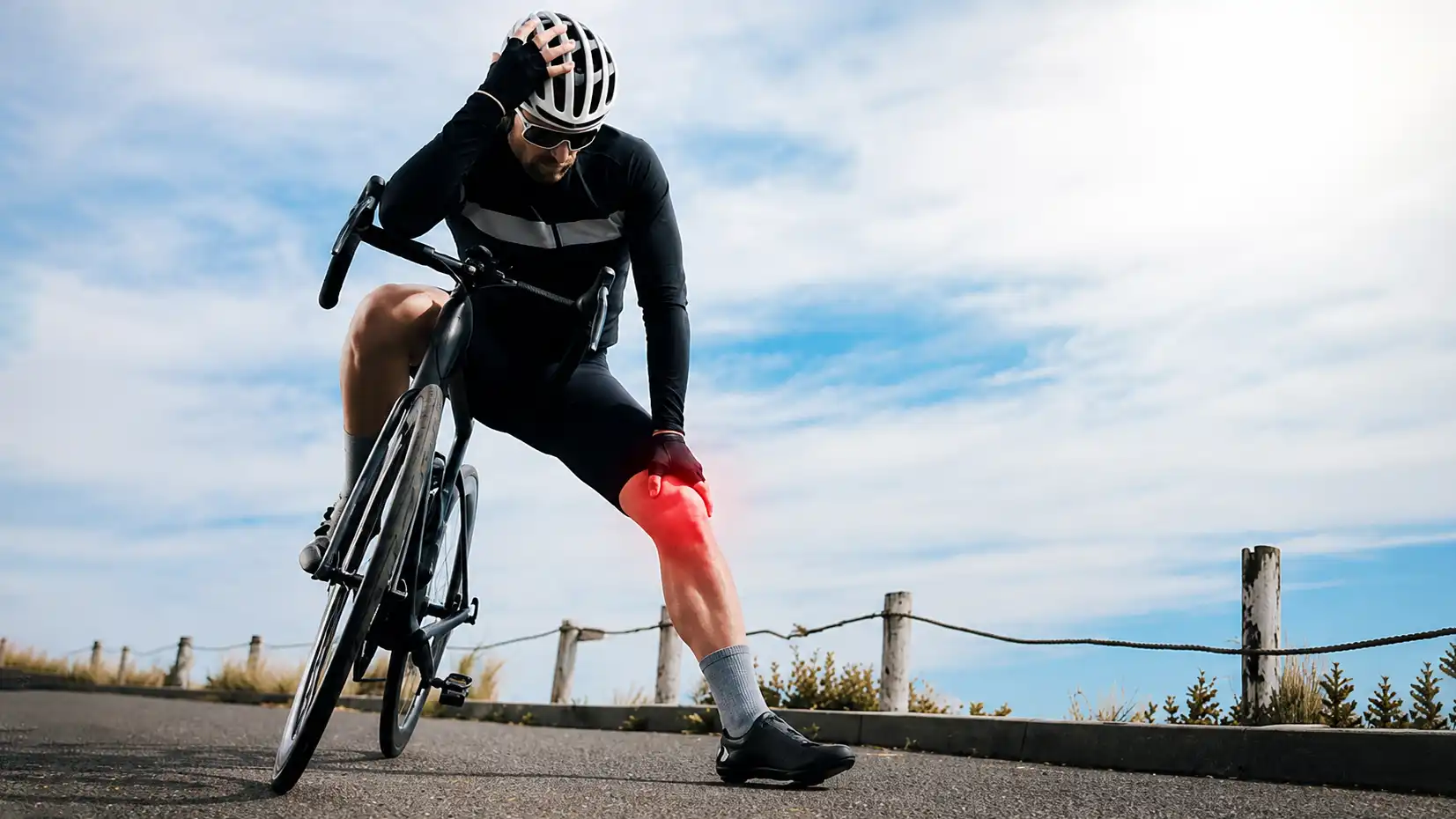
Common in runners and cyclists, this condition causes pain around or behind the kneecap.
Contributing factors:
- Overuse
- Poor footwear
- Muscle imbalance
- Biomechanical alignment issues
Treatment focuses on physiotherapy, strengthening, and activity modification.
4. Patellar Tendinitis (Jumper’s Knee)
Seen frequently in sports involving jumping, this injury results from repetitive strain on the patellar tendon.
Symptoms include:
- Pain below the kneecap
- Stiffness after exercise
- Pain worsening with activity
Early intervention can prevent chronic tendon degeneration.
Modern Diagnostic Tools in Sports Knee Injuries
Advances in imaging, including MRI scans and AI-assisted analysis, allow specialists to detect injuries early and assess severity accurately. Gait analysis and movement assessments help identify biomechanical contributors that may otherwise be missed.
Treatment Options for Sports Knee Injuries
Depending on the injury, treatment may include:
- Targeted physiotherapy
- Activity modification
- Bracing or taping
- Image-guided injections
- Arthroscopic (keyhole) surgery
Early treatment improves recovery time and reduces the risk of recurrent injury.
Recovery & Return to Sport
A structured rehabilitation plan is essential. Rushing back too soon increases re-injury risk. Specialists now use wearable technology and functional testing to ensure safe return to sport.
FAQs
1. What sport causes the most knee injuries?
Football, rugby, skiing, basketball, and running account for the highest number of knee injuries due to twisting and impact forces.
2. Can I continue playing sports with knee pain?
Playing through pain can worsen the injury. Persistent pain should be assessed by a knee specialist.
3. Do all ACL injuries need surgery?
No. Some ACL injuries can be managed with rehabilitation, depending on stability, lifestyle, and sporting demands.
4. How long does recovery take from a sports knee injury?
Recovery ranges from a few weeks for mild injuries to 6–12 months for ligament reconstruction.
5. Can physiotherapy prevent knee injuries?
Yes. Strengthening, flexibility, and movement training significantly reduce injury risk.