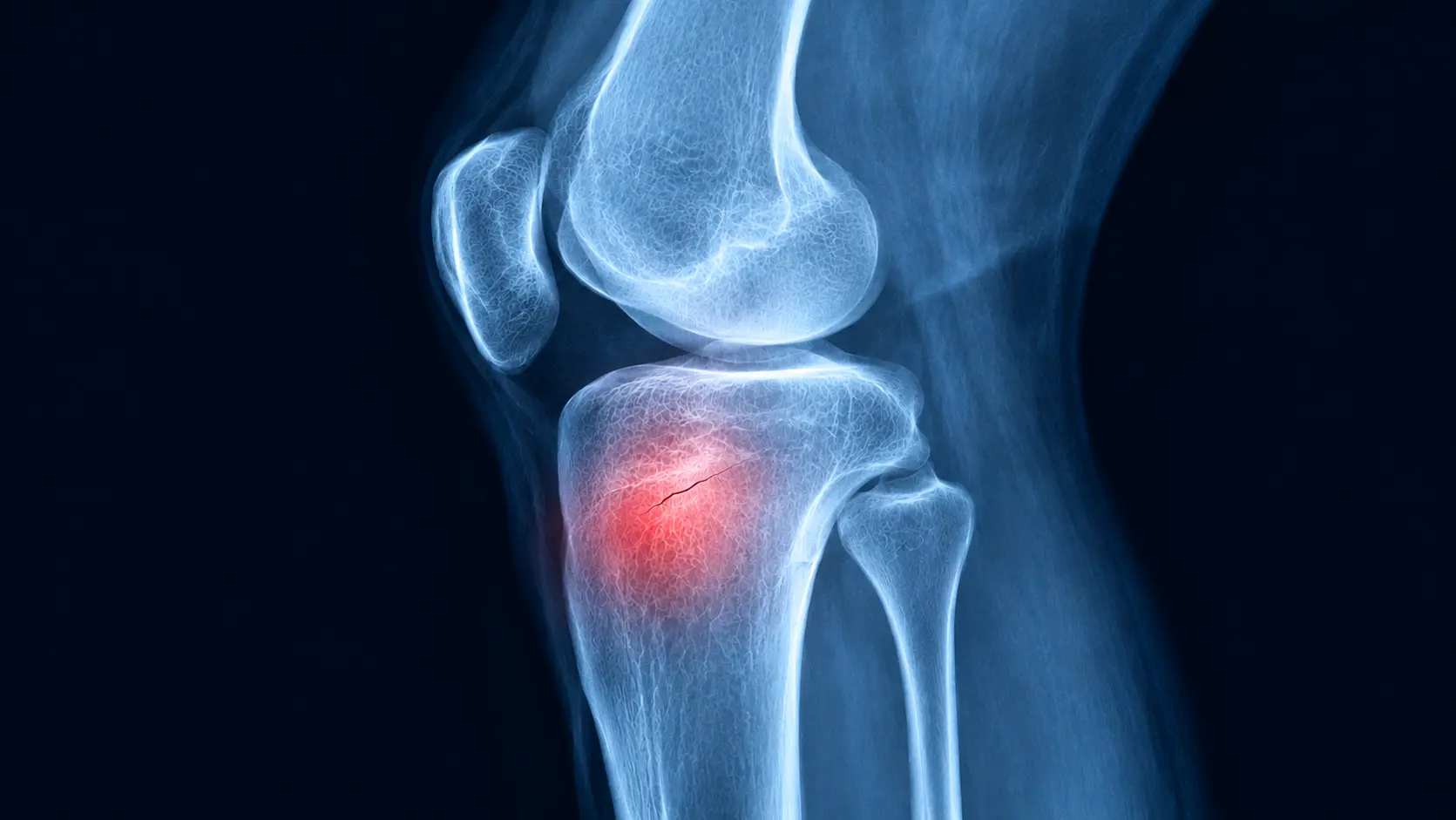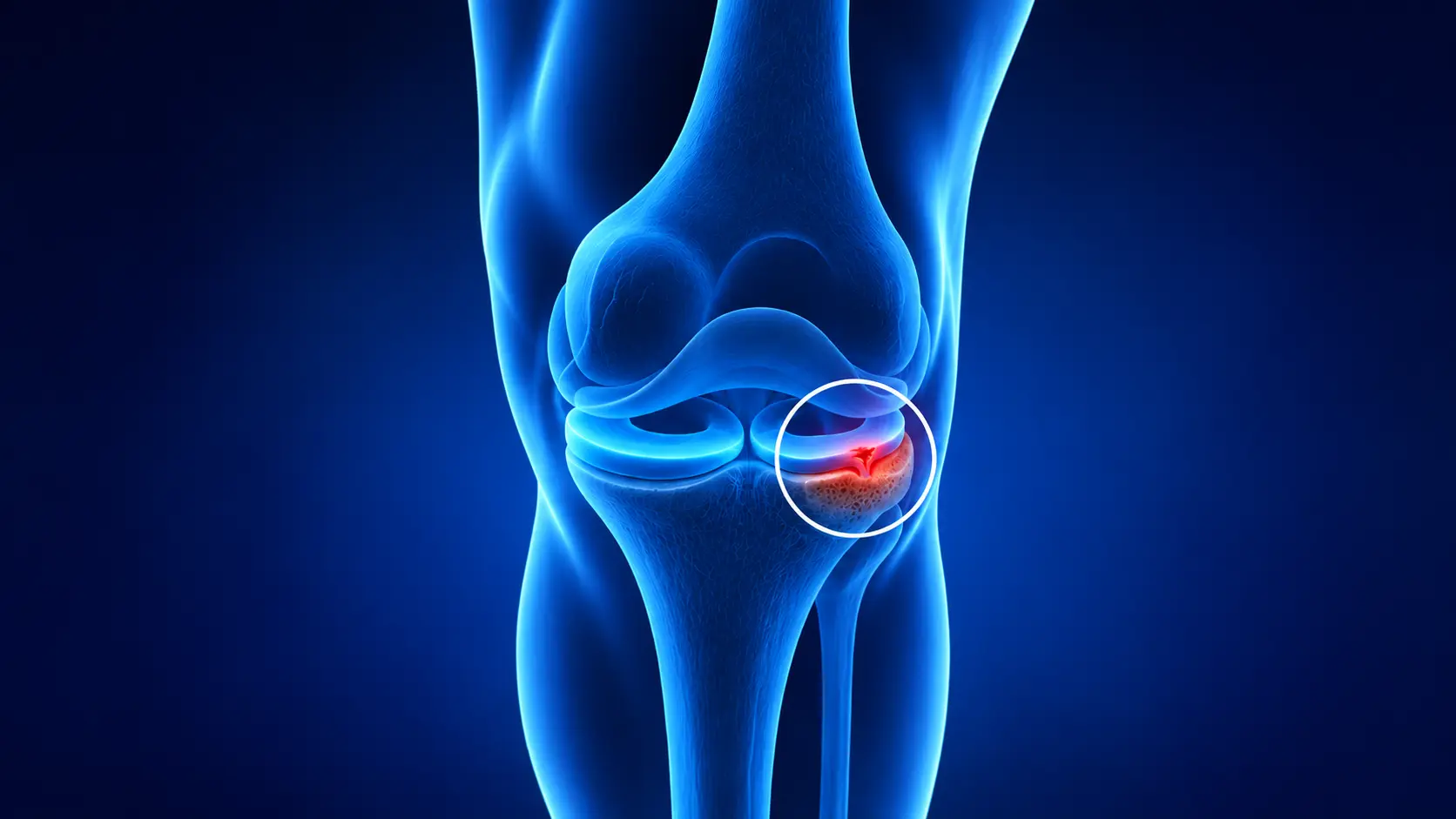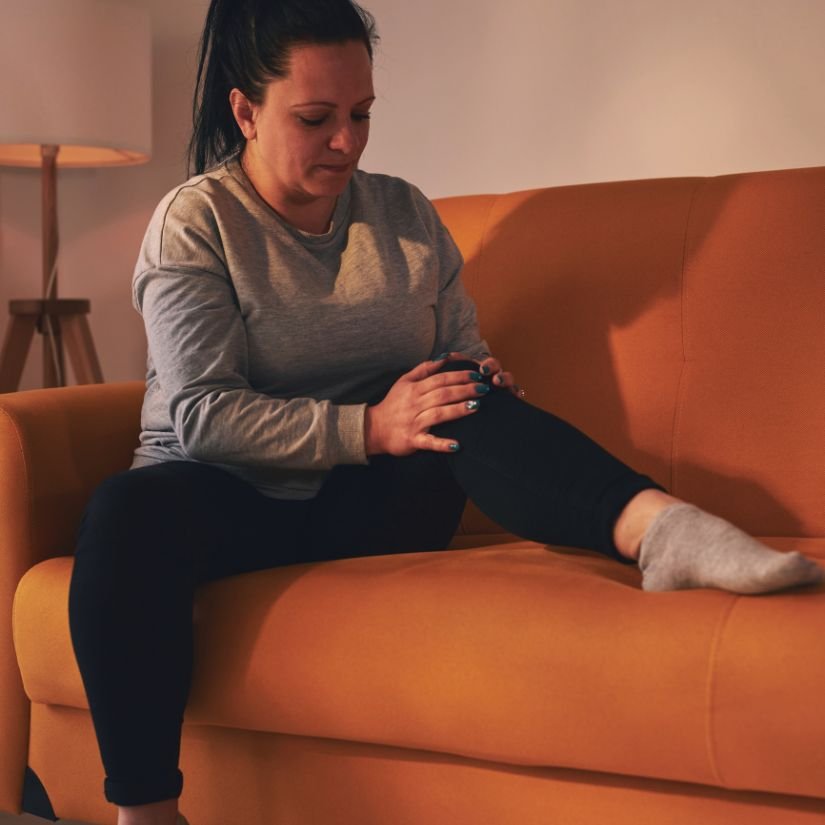
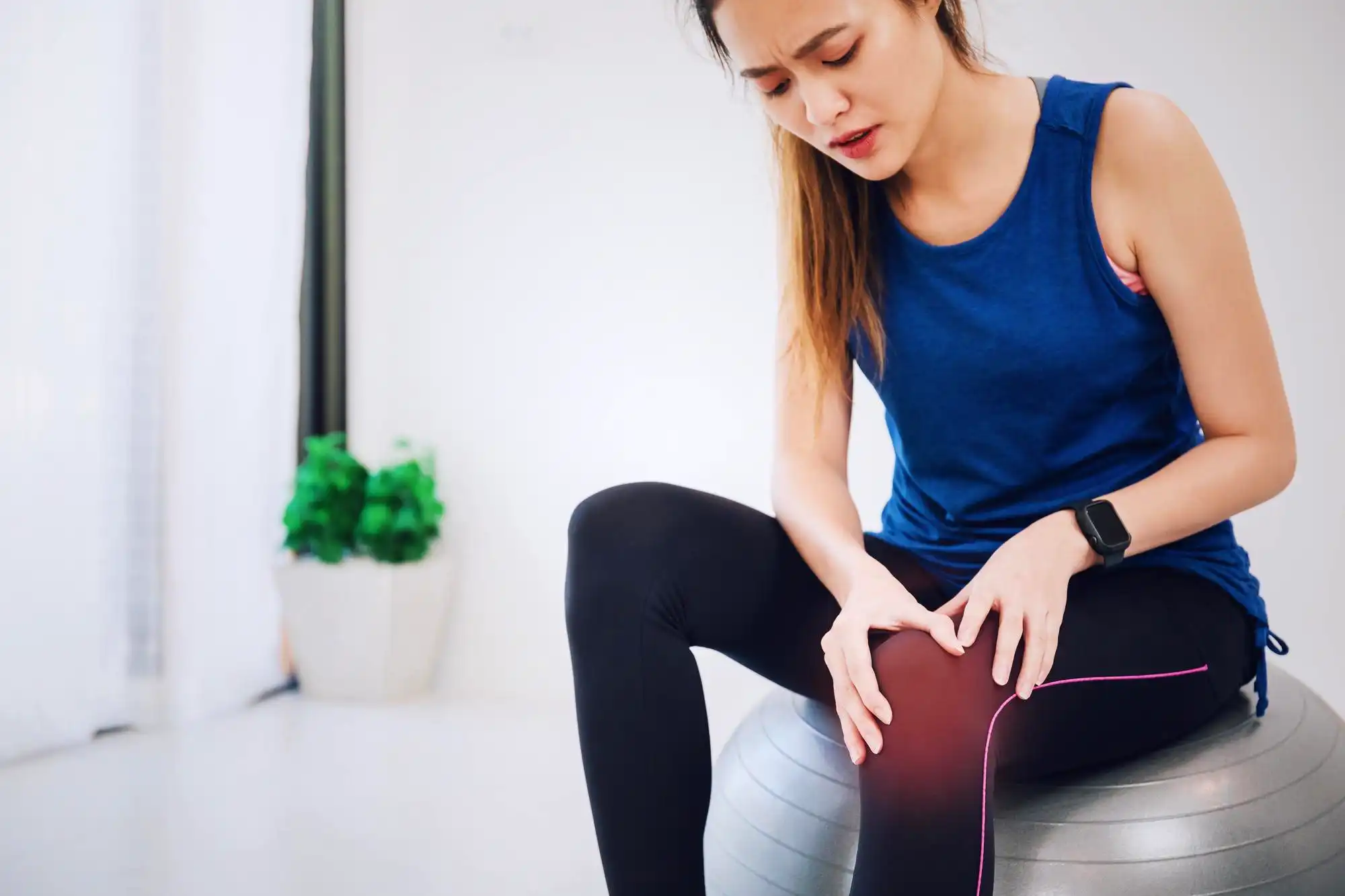
Knee pain is one of the most common reasons women visit a specialist in the UK. It affects teenage girls, active women in their twenties and thirties, and older women managing the effects of menopause and ageing. Yet despite how widespread it is, many women spend months putting up with discomfort before seeking help, often assuming it will settle on its own.
Understanding what causes knee pain in females is the first step toward getting the right care. Women experience knee pain differently to men, and the reasons behind it go beyond simple wear and tear. Anatomy, hormones, life stage, and activity levels all play a role. The good news is that most causes are very treatable when identified early and assessed by the right specialist.
This guide walks through the most common causes of knee pain in women at every age, what your symptoms might be telling you, and when it makes sense to seek professional advice.
Why Women Are More Prone to Knee Pain Than Men
It is not a coincidence that women make up a disproportionate number of knee pain patients. There are genuine biological and structural reasons why the female knee is under more stress than many people realise.
The Most Common Causes of Knee Pain in Women at a Glance
Before we look at each life stage in detail, it helps to understand the most common causes of knee pain in women overall. Osteoarthritis is the single most frequent diagnosis, particularly in women over 40. Patellofemoral pain syndrome, meniscal tears, ligament injuries and kneecap instability also appear regularly across all age groups. Hormonal changes, anatomical differences, and muscle imbalances run through almost every one of these conditions as underlying contributing factors. Understanding this gives important context before exploring how these causes shift at different points in a woman’s life.
How Female Anatomy Puts More Pressure on the Knee Joint
Women tend to have wider hips than men. This affects the angle between the hip and the knee, known as the Q-angle. A larger Q-angle means the thigh bone pulls the kneecap slightly outward, which places uneven pressure across the joint. Over time, this increased load can lead to pain, cartilage wear, and conditions such as kneecap instability.
The Effect of Oestrogen on Ligaments and Joint Stability
Oestrogen does more than regulate the reproductive cycle. It also plays a role in maintaining the strength and flexibility of ligaments around the knee. When oestrogen levels fluctuate or drop, as they do during puberty, pregnancy, and menopause, ligaments can become looser and less stable. This increases the risk of injury and contributes to the joint pain many women notice during hormonal transitions.
Why Muscle Strength Around the Knee Matters More Than Most Women Know
Women generally have less muscle mass around the quadriceps and hip stabilisers compared to men. These muscles act as shock absorbers and help keep the kneecap tracking correctly. When they are weak or imbalanced, the knee compensates in ways that gradually cause pain. This is one of the reasons why targeted strengthening is often a central part of treatment.
Why Ladies Get Knee Pain More Often Than Most People Expect
When patients ask us why ladies get knee pain at higher rates than men, the answer is rarely one single reason. It is a combination of a wider pelvis affecting joint alignment, oestrogen levels influencing ligament stability throughout life, lower average muscle mass around the knee, and a greater likelihood of developing osteoarthritis after menopause. These factors do not work in isolation. They interact with each other across a lifetime, which is why knee pain in women tends to present differently and sometimes more persistently than in male patients of the same age.
What Causes Knee Pain in Females at Every Stage of Life
Knee pain does not look the same at every age. The conditions most likely to affect a woman in her teens are quite different from those that develop in her forties or after menopause. Understanding which stage you are at can help make sense of your symptoms.
| Age Group | Most Common Causes |
| Teens | Osgood-Schlatter, patellofemoral pain, hypermobility |
| 20s and 30s | ACL injuries, meniscal tears, overuse injuries |
| 40s | Early osteoarthritis, perimenopause-related joint changes |
| 50s and beyond | Osteoarthritis, post-menopausal cartilage loss, kneecap instability |
Teenage Girls and Knee Pain During Growth
Growing pains around the knee are common in teenage girls, but they are not always harmless. Osgood-Schlatter disease, which causes pain and swelling just below the kneecap, is frequently seen in active adolescents. Patellofemoral pain syndrome is another common diagnosis at this age, particularly in girls involved in running, dance, or team sports.
When Knee Pain in a Teenager Needs More Than Rest
If a young girl’s knee pain is persistent, worsening, or affecting her ability to take part in physical activity, it should be assessed properly. Hypermobility, early kneecap instability, and cartilage conditions can all present in the teenage years and benefit from early specialist input rather than prolonged rest alone.
Knee Pain in Your Twenties and Thirties
Women in this age group are often physically active, and many knee problems during this period relate to sport, exercise, or overuse. ACL tears are significantly more common in female athletes than male athletes, largely due to differences in anatomy, muscle activation patterns, and the effect of hormones on ligament laxity. A torn ACL causes sudden, severe pain, swelling, and a feeling of instability in the knee.
Meniscal tears are also common in active women during this stage. These can occur from a sudden twist or squat, and often cause pain on the inner or outer side of the knee, alongside clicking or locking sensations.
Joint Pain in Women Under 30 Is Not Always Just a Sports Injury
Joint pain in women under 30 is sometimes dismissed as a minor sporting complaint, but it deserves proper attention. Conditions such as patellofemoral pain syndrome, hypermobility, early kneecap instability, and inflammatory arthritis can all develop in younger women. Some women in their twenties also begin to notice symptoms linked to connective tissue differences that were present from a younger age but only become problematic with increased activity or physical demand. If joint pain in this age group is persistent, recurrent, or accompanied by swelling, a specialist assessment is far more useful than waiting to see whether it improves on its own.
Why Female Athletes Face a Higher Risk of ACL Injury
The combination of a wider pelvis, greater ligament flexibility influenced by oestrogen, and biomechanical differences in landing and pivoting movements means women are two to eight times more likely to suffer an ACL injury than men in equivalent sports. This is not a reason to avoid activity, but it does highlight why strength training and movement quality matter for injury prevention.
Why Knee Pain Often Starts in Your Forties
Many women first notice persistent knee pain in their forties, and there are clear reasons for this. Cartilage begins to show signs of wear, and the hormonal changes of perimenopause reduce the protective effect of oestrogen on joint tissue. Osteoarthritis can begin to develop during this decade, often starting as stiffness in the morning or aching after activity.
This is also the age when many women ask why their knees hurt all the time, even without a specific injury. The answer is usually a combination of gradual cartilage changes, muscle imbalance, and the early effects of hormonal transition rather than a single identifiable cause.
Knee Pain in Women Over 50 and After Menopause
After menopause, the drop in oestrogen accelerates cartilage breakdown and reduces bone density. This makes osteoarthritis significantly more common in women over 50 than in men of the same age. Symptoms include deep aching pain, swelling, stiffness after sitting or sleeping, and reduced range of movement.
Knee Pain in Elderly Women and Why It Should Not Be Accepted as Inevitable
Knee pain in elderly women is extremely common, but it is not something that simply has to be endured. Many older women assume that significant knee pain is an unavoidable part of ageing and delay seeking help as a result. In reality, a range of effective treatments are available regardless of age, from physiotherapy and joint injections through to surgical options for those who are suitable candidates. Age alone does not disqualify anyone from treatment. What matters is an accurate diagnosis and an honest conversation about which options are most appropriate for each individual.
How Menopause Changes the Way Your Knees Feel
Many women are surprised to find that their knee symptoms worsen quite noticeably around the time of menopause. Oestrogen has a direct influence on cartilage health and inflammation levels within the joint. As levels fall, the joint loses some of its natural protection and becomes more vulnerable to the daily stresses placed on it. Recognising this connection helps explain why symptoms that were previously manageable can shift during this life stage.
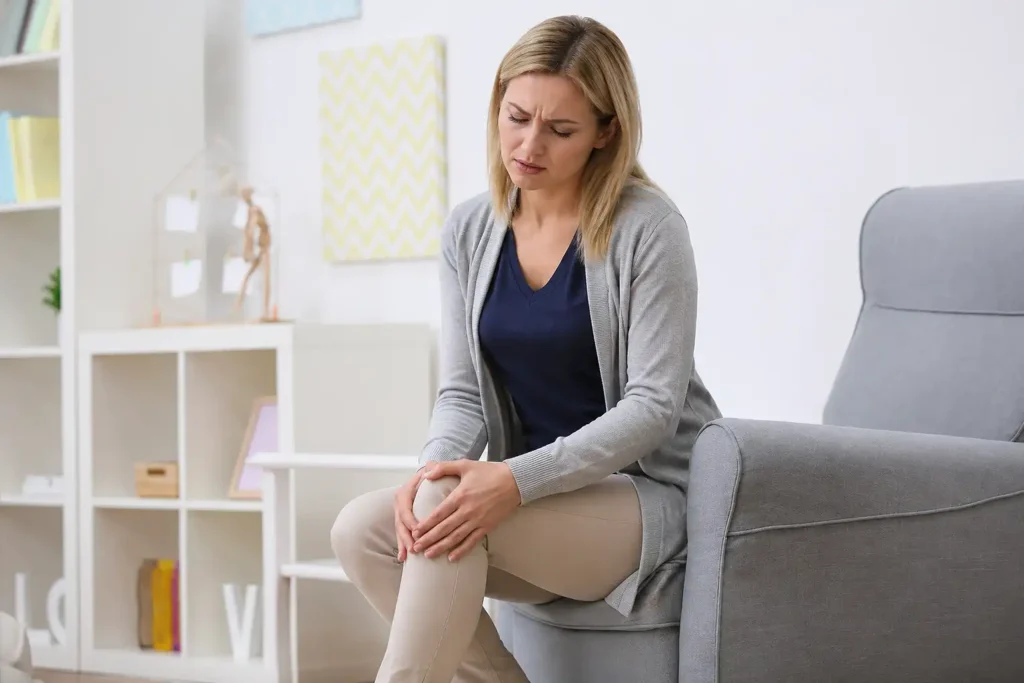
Common Conditions Behind Female Knee Pain
Knowing the name of the condition behind your knee pain matters because treatment varies significantly depending on the cause. Here are the conditions we most commonly diagnose and treat in women.
Osteoarthritis and Why It Affects Women More Severely
Osteoarthritis is the most common cause of knee pain in women over 40. It occurs when the cartilage that cushions the knee joint gradually wears away, leading to bone-on-bone friction, pain, swelling, and stiffness. Women not only develop osteoarthritis more frequently than men, but research consistently shows they experience greater pain and reduced function at equivalent stages of the condition.
Pain Around the Knee and Down the Leg
Pain that spreads around the kneecap or radiates into the upper leg is often linked to patellofemoral pain syndrome, sometimes called runner’s knee. It is particularly common in women due to the Q-angle differences described earlier. Symptoms typically worsen when climbing stairs, squatting, or sitting for extended periods. While it sounds straightforward, patellofemoral pain can significantly affect daily life and often requires a structured rehabilitation programme to resolve properly.
What Sharp Knee Pain Usually Means in Women
Sharp, sudden knee pain is often a sign of a mechanical problem inside the joint rather than general wear. A meniscal tear is one of the most frequent causes, producing a sharp catch, clicking, or a sensation of the knee giving way. Loose cartilage fragments or ligament injuries can produce similar symptoms. Sharp pain that comes on without warning and is accompanied by swelling warrants prompt specialist assessment.
Why Knee Pain at Night Is Worth Taking Seriously
Night pain is a symptom many women mention but often dismiss. Pain that disturbs sleep or is present at rest rather than only during activity can indicate inflammatory arthritis, advanced osteoarthritis, or referred pain from structures around the joint. If your knee regularly wakes you at night or aches without any particular trigger, it is worth discussing with a specialist rather than managing with painkillers alone.
Kneecap Instability and Recurrent Dislocation
Kneecap instability is more common in women and often begins in the teenage years or early adulthood. The kneecap slides out of its groove, either partially or fully, causing sudden pain, swelling, and a feeling that the knee is giving way. Some women experience this repeatedly before seeking help, not realising that effective treatments are available to stabilise the joint and prevent further episodes.
How Being Overweight Affects Knee Pain in Women
Carrying excess weight places a measurable increase in load across the knee joint with every step taken. Research suggests that for every extra kilogram of body weight, the knee experiences roughly four additional kilograms of force during walking. Over time, this accelerates cartilage breakdown and significantly increases the risk of developing osteoarthritis.
Beyond the mechanical load, excess body fat also promotes low-grade inflammation throughout the body, which directly affects joint health. This means the impact of weight on knee pain in women is both structural and biochemical. While weight management forms a useful part of a broader treatment plan, it is rarely sufficient on its own for women who are already experiencing significant knee pain. Addressing the joint condition directly, alongside lifestyle changes, tends to produce the most meaningful improvement.
How We Diagnose What Is Causing Your Knee Pain
Accurate diagnosis is the foundation of effective treatment. When you come to see us, we begin with a thorough clinical assessment — listening carefully to your symptoms, how they developed, and how they affect your daily life. We then examine how your knee moves, looking for specific patterns that point toward particular conditions.
For most women, we recommend an MRI scan to assess the soft tissues including cartilage, ligaments, and the meniscus. X-rays remain useful for evaluating bone alignment and joint spacing, particularly when osteoarthritis is suspected. Using both tools together gives us a precise picture of what is happening inside your knee, which allows us to plan a targeted and appropriate course of treatment rather than a general one.
Treatment Options That Work for Knee Pain in Women
Treatment depends entirely on the underlying cause and your personal goals. We always begin with the least invasive approach that is likely to produce a meaningful result.
For many women, physiotherapy and a structured strengthening programme provide genuine improvement, particularly for patellofemoral pain, early osteoarthritis, and tendon-related conditions. We work with specialist physiotherapists to ensure rehabilitation is tailored specifically to your diagnosis.
When conservative measures are not providing sufficient relief, we may recommend joint injections. Arthrosamid is a long-lasting hydrogel injection that has shown strong results for women with osteoarthritis-related knee pain, offering sustained relief without the repeated treatments required by traditional steroid injections.
For mechanical problems such as meniscal tears, loose bodies, or cartilage damage, keyhole surgery is often the most effective route. This minimally invasive procedure is performed through small incisions, typically as a day case, with most women returning to normal daily activities within a few weeks.
In cases of advanced osteoarthritis where other treatments have not provided adequate relief, knee replacement surgery may be the most appropriate long-term solution. We discuss each option openly, including realistic expectations for recovery, so you can make an informed decision about your care.
Specialist Knee Care for Women at London Knee Care
If you are experiencing knee pain and want a clear, honest answer about what is causing it and what can be done, we are here to help. At London Knee Care, we see women at every stage of life, from active young women dealing with sports injuries to older women managing the effects of osteoarthritis and menopause on their joints.
Our clinic is led by Mr Raghbir Khakha, a consultant orthopaedic surgeon with over 15 years of specialist experience and more than 5,000 procedures performed. He takes a joint preservation approach wherever possible, prioritising treatments that protect your natural knee for as long as possible before considering surgery.
We offer prompt appointments, thorough clinical assessments, and access to the full range of diagnostic imaging and treatment options available in London. Whether your knee pain has just started or has been affecting your life for years, we can help you understand what is happening and what your options are.To arrange a consultation, you can book your appointment at a time that suits you. If you would prefer to speak with our team first or have any questions before booking, please visit our contact page and we will get back to you promptly.
Frequently Asked Questions About Knee Pain in Women
Why do my knees hurt all the time even when I have not injured them?
Persistent knee pain without a clear injury is often linked to gradual cartilage wear, patellofemoral pain syndrome, or the early stages of osteoarthritis. Hormonal changes, particularly during perimenopause, can also contribute to ongoing joint discomfort. If the pain has been present for several weeks or is affecting your daily life, a specialist assessment will identify the cause and appropriate next steps.
Why am I getting sharp pains in my knee for no obvious reason?
Sharp knee pain that appears suddenly is often a sign of a mechanical issue inside the joint, such as a meniscal tear, a loose cartilage fragment, or kneecap instability. These conditions do not always follow a memorable injury. If the sharp pain is accompanied by swelling, clicking, or a feeling of the knee giving way, it is worth having it assessed rather than waiting to see if it settles.
Why does my knee feel like it has growing pains?
In teenage girls, this sensation is often related to Osgood-Schlatter disease or patellofemoral pain, both of which are linked to growth spurts and physical activity. In adult women, a deep aching or pressure-like feeling around the knee can be associated with cartilage changes or inflammation within the joint. Either way, it is not something to dismiss as purely normal.
Can being overweight cause knee pain in women?
Yes, excess weight increases the load placed on the knee joint significantly and accelerates cartilage breakdown over time. It also contributes to inflammation that affects joint health. However, weight alone is rarely the complete picture. Many women with knee pain have a specific underlying condition that also needs to be addressed directly alongside any lifestyle changes.
What causes knee pain at night in women?
Night pain is most commonly associated with inflammatory conditions such as rheumatoid arthritis, advanced osteoarthritis, or referred pain from structures around the knee. Pain that is present at rest or that regularly disrupts sleep is a meaningful symptom and should be discussed with a specialist rather than managed with painkillers over a long period.
How do I know if my knee pain is serious?
Signs that your knee pain warrants prompt attention include swelling that does not settle, pain that wakes you at night, a knee that locks or gives way, inability to bear weight comfortably, or symptoms that have persisted for more than a few weeks without improvement. If any of these apply, booking a specialist consultation sooner rather than later is the sensible approach.
Is knee pain in your twenties something to be concerned about?
Knee pain in younger women is not uncommon, but it should not be ignored. Conditions such as ACL injuries, meniscal tears, patellofemoral pain, and kneecap instability are all regularly seen in women in their twenties. Early assessment and appropriate treatment at this stage can prevent longer-term joint problems and get you back to the activities you enjoy more quickly.
Why do women get more knee problems than men?
Women have a wider pelvis, a larger Q-angle, and ligaments that are more influenced by hormonal fluctuations than men. These anatomical and hormonal differences mean the female knee is under different mechanical stresses and is more vulnerable to certain injuries and degenerative conditions. Understanding these differences is part of how we tailor treatment specifically for our female patients.