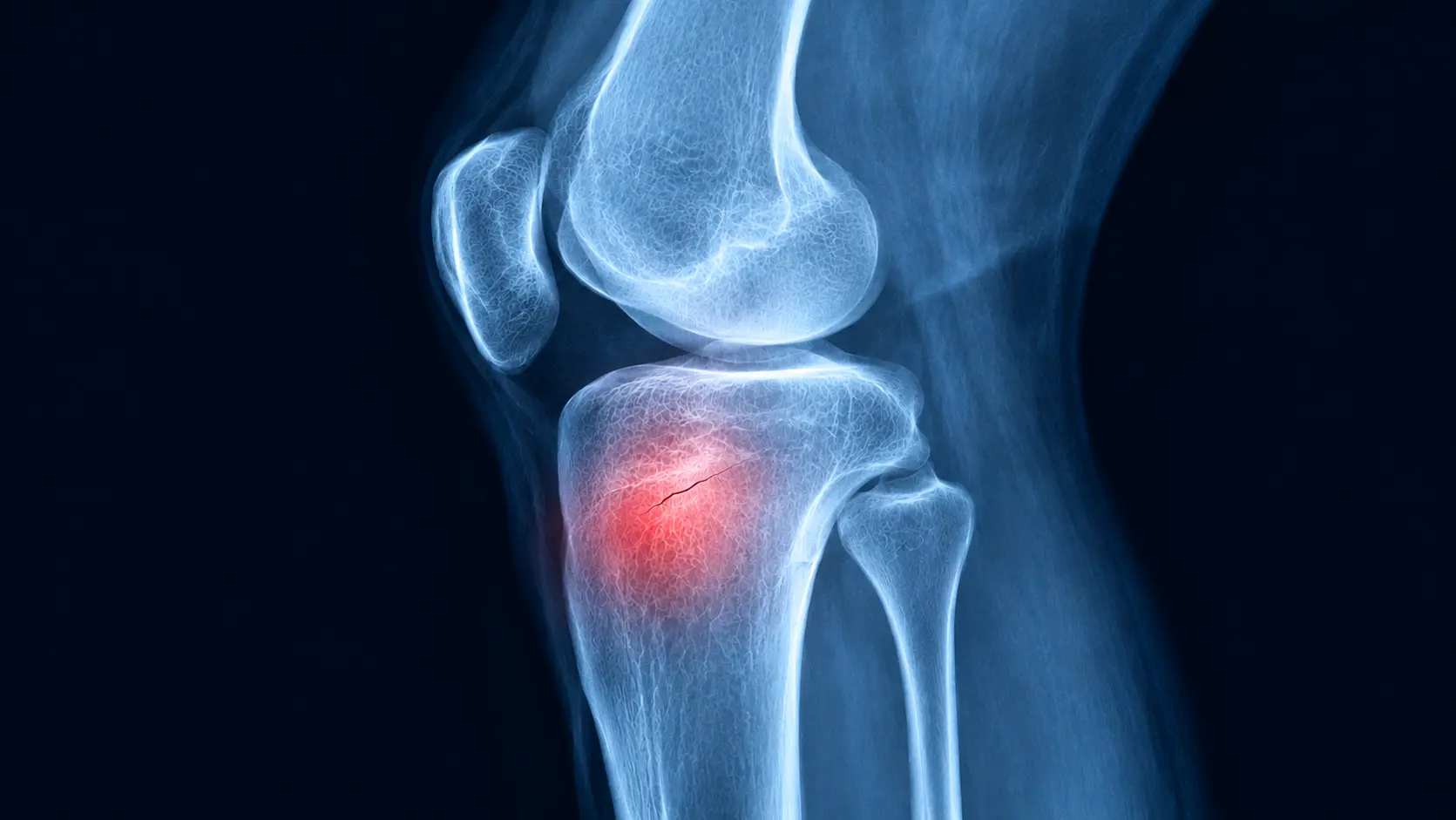
If you have been told you have early knee arthritis and are not yet ready for a knee replacement, high tibial osteotomy may be the option you have not yet heard about. It is a joint-preserving surgical procedure that corrects the alignment of the knee, shifting pressure away from the damaged area and onto the healthier part of the joint. For the right patient, HTO surgery can reduce pain significantly, restore function, and delay or avoid the need for a replacement altogether.
Many people searching for answers about knee pain in their forties or fifties assume their only real surgical option is a knee replacement. HTO osteotomy sits between conservative management and replacement, offering a middle path that preserves your natural knee while actively treating the underlying mechanical problem. This guide explains what the procedure involves, who it suits, what recovery looks like, and how to know whether it is worth exploring further.
What High Tibial Osteotomy Actually Is and Why It Is Performed
High tibial osteotomy is a surgical procedure that corrects the alignment of the knee joint by reshaping the tibia, the shin bone, just below the knee. The goal is to shift the weight-bearing load away from the arthritic, damaged side of the joint and redistribute it across the healthier cartilage on the opposite side. This reduces the pressure that is accelerating wear, which in turn reduces pain and slows the progression of arthritis.
How Knee Misalignment Leads to One-Sided Arthritis
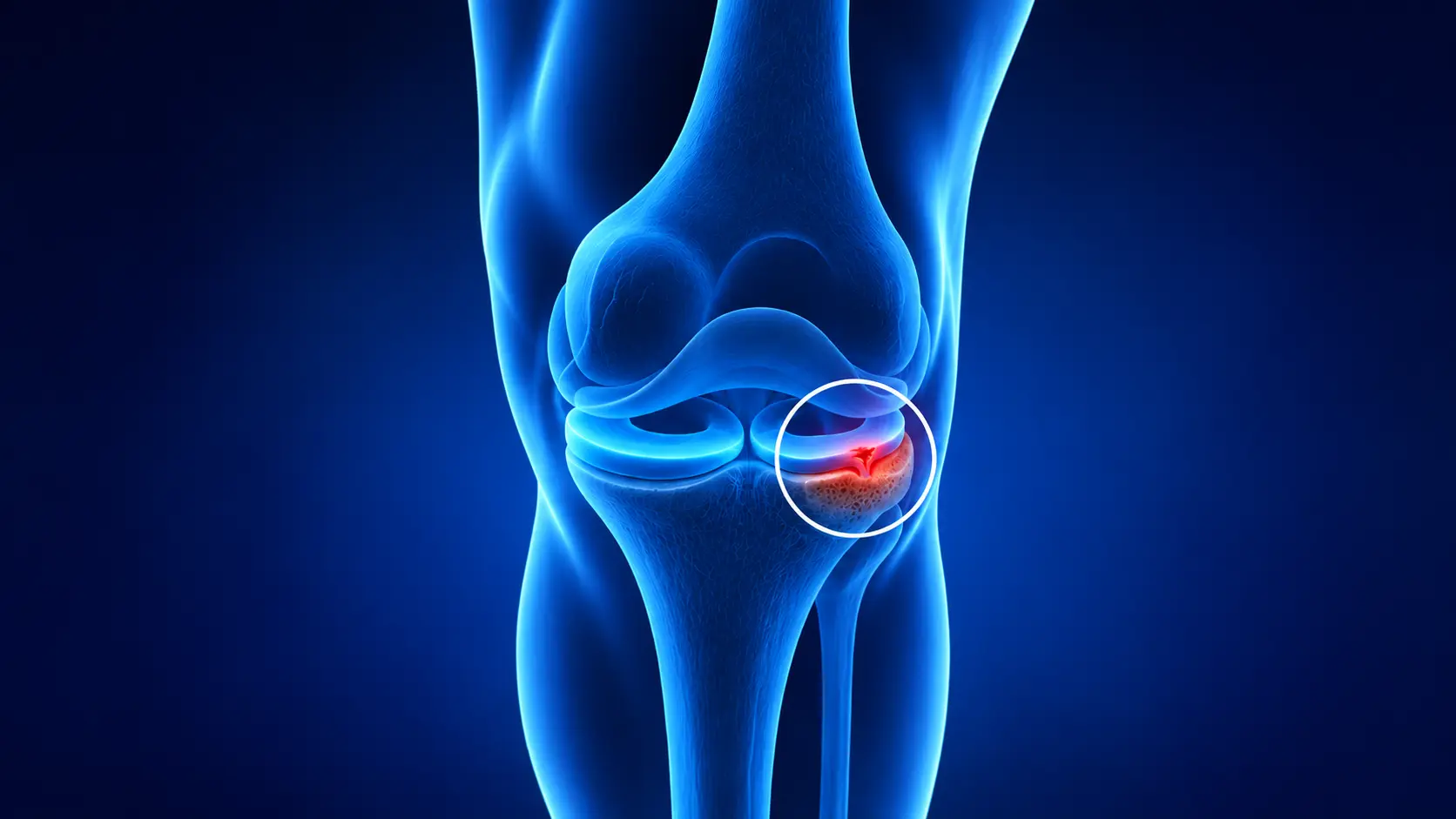
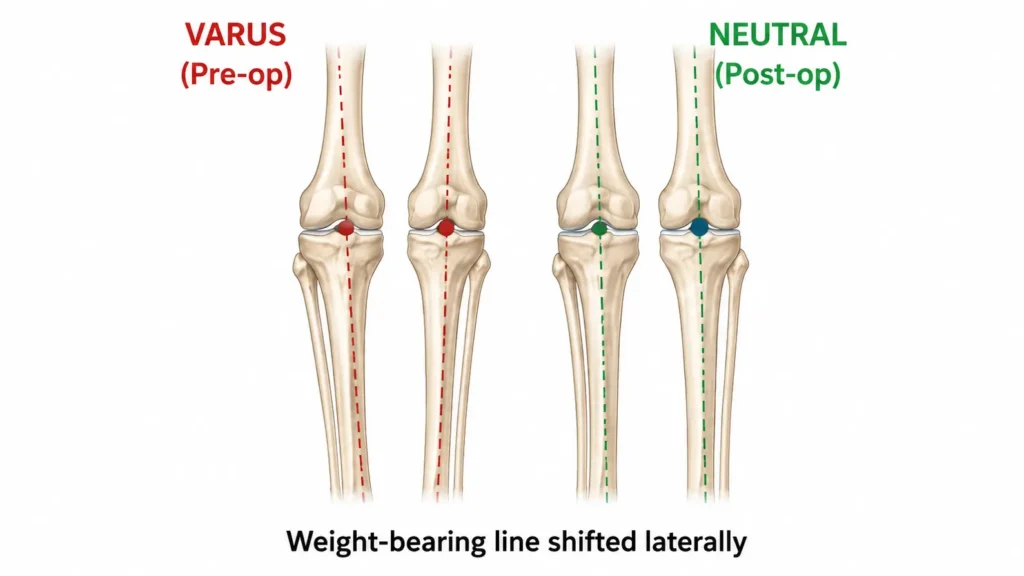
In a well-aligned knee, body weight passes evenly through the joint. When the leg has a varus, or bow-legged, alignment, a disproportionate amount of load travels through the inner, medial side of the knee with every step. Over time this uneven pressure breaks down the cartilage on that side far faster than normal, leading to medial compartment osteoarthritis. The result is inner knee pain that is typically worse on slopes, stairs, and during activity. The joint on the outer side often remains relatively healthy, which is precisely what makes osteotomy a viable option.
What Knee Alignment Correction Involves in Simple Terms
Knee alignment correction through high tibial osteotomy works by making a precise cut in the tibia and opening or closing a small wedge to change the angle of the bone. Once the correction is made and the bone is held in its new position with a plate, the mechanical axis of the leg shifts. Weight that was previously concentrating on the damaged inner compartment now passes more evenly, or slightly toward the outer side, giving the worn cartilage relief from the constant overload that was causing pain.
How HTO Surgery Differs From Other Knee Procedures
HTO surgery is fundamentally different from both knee replacement and cartilage repair surgery. It does not replace any part of the joint, and it does not attempt to directly repair damaged cartilage. Instead it changes the mechanical environment inside the knee so the remaining healthy tissue can function with less stress. Think of it as correcting the root cause rather than treating the symptom. For patients who still have good cartilage on one side of the knee and a reasonable range of movement, this approach can produce lasting functional improvement.
The Opening Wedge High Tibial Osteotomy Technique Explained
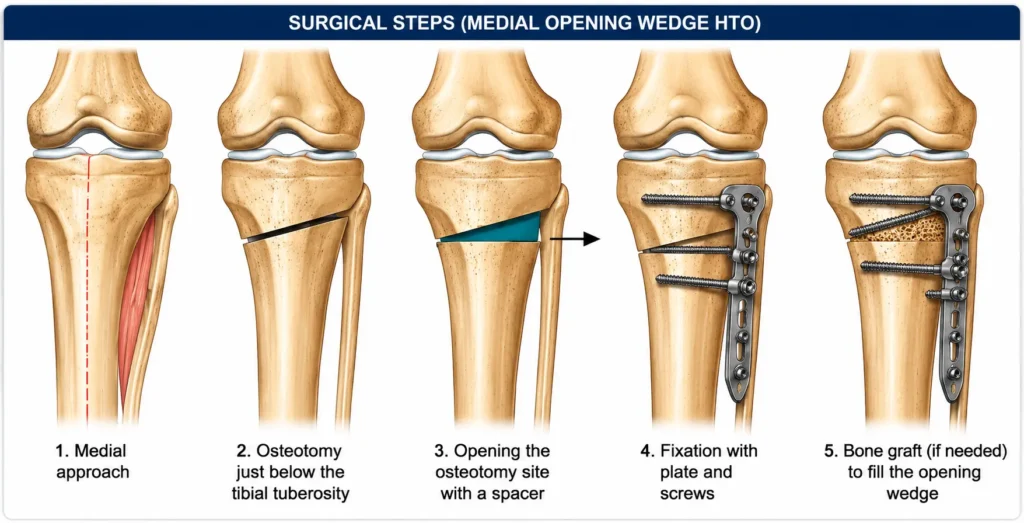
There are two main techniques used in high tibial osteotomy surgery: the opening wedge and the closing wedge. The opening wedge high tibial osteotomy is the more commonly performed technique today and the one most patients will be offered when treated at a specialist centre.
What Happens During the HTO Knee Procedure Step by Step
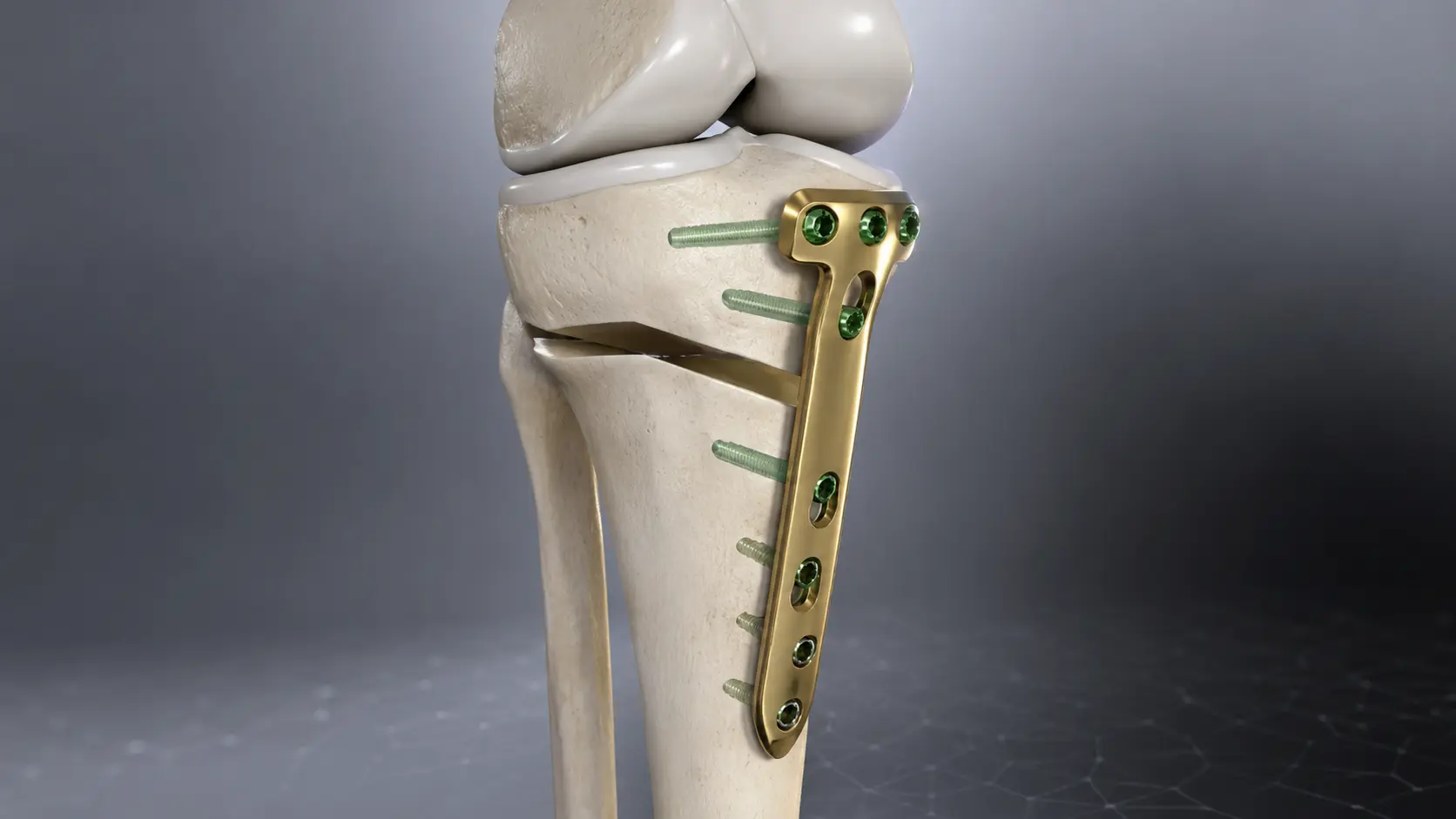
During the HTO knee procedure, you will be under general anaesthetic. The surgeon makes a small incision on the inner side of the knee and creates a precise cut partway through the tibia. The bone is then carefully opened to the calculated correction angle, creating a wedge-shaped gap. This gap is held open using a low-profile metal plate and screws, which stabilise the bone while it heals in its corrected position. The incision is then closed and the leg is dressed. Most patients go home the following day after a short hospital stay for monitoring and pain management.
Why the Opening Wedge Technique Is Commonly Used Today
The opening wedge high tibial osteotomy has become the preferred approach because it allows very precise control over the degree of correction. It does not require removing any bone, which preserves bone stock for any future procedures if needed. It is also more straightforward to plan accurately using modern imaging and patient-specific instrumentation, which Mr Raghbir Khakha uses as part of his surgical planning at London Knee Care.
What the Plate and Fixation Do After Surgery
The metal plate used in this osteotomy knee operation is not temporary scaffolding. It is a precisely engineered fixation device that holds the tibia securely in its corrected position while the bone heals across the wedge gap, a process that typically takes around six to twelve weeks. In most cases the plate remains in place permanently. In some patients, if the hardware causes irritation after full healing, it can be removed in a minor procedure. Our surgeon will discuss this with you based on your individual circumstances.
Who Is a Suitable Candidate for HTO Surgery
High tibial osteotomy produces its best results in a specific group of patients. Understanding whether you fit this profile is one of the most important parts of the assessment process, and something we take considerable time to evaluate at our London Knee Care clinic.
The Typical Patient Profile for High Tibial Osteotomy Surgery
The ideal candidate for high tibial osteotomy surgery is typically an active individual, usually between the ages of 35 and 60, who has medial compartment knee arthritis with a varus alignment. They have pain primarily on the inner side of the knee that worsens with activity, but they retain a reasonable range of movement and the outer compartment of their joint is largely preserved. They have usually already tried physiotherapy and other conservative measures without sufficient relief. Patients who are keen to remain physically active and want to delay or avoid knee replacement are often the most motivated and the most satisfied with the outcome.
Conditions That Make HTO the Right Option
HTO knee surgery is most commonly recommended for unicompartmental medial osteoarthritis combined with varus malalignment. It is also used in younger patients with early cartilage damage who are not yet candidates for replacement, and in those who have had previous meniscal surgery that has altered the load distribution in the knee. In some cases it is performed alongside cartilage repair procedures to create a more favourable mechanical environment for the repair to succeed.
When HTO Surgery Is Not Recommended
Osteotomy is not suitable for everyone. Patients with arthritis affecting all three compartments of the knee, those with a significantly limited range of movement, or those with inflammatory arthritis such as rheumatoid arthritis are generally not good candidates. Smoking impairs bone healing and increases complication risk, and a high BMI can affect both the accuracy of correction and the recovery process. We always discuss these factors openly during the assessment so that patients have a clear and realistic picture of whether this procedure is likely to work well for them.
High Tibial Osteotomy Versus Knee Replacement — Understanding the Difference
One of the most common questions we hear from patients considering this procedure is how it compares to a knee replacement. The two procedures serve different purposes and suit different patient profiles.
Why Younger Active Patients Are Often Not Ready for Knee Replacement
Knee replacements are highly effective but they are not designed for indefinite use. Most implants last between 15 and 20 years, after which a revision procedure may be needed. Revision surgery is more complex than the original procedure and outcomes are generally less predictable. For a patient in their forties or early fifties who is physically active, having a knee replacement now carries a real risk of needing revision surgery within their lifetime. Preserving the natural knee for as long as possible is a more sensible long-term strategy for this group.
What HTO Offers That Knee Replacement Does Not
High tibial osteotomy preserves your own knee joint entirely. Because no artificial components are implanted, there are no long-term restrictions on physical activity once recovery is complete. Many patients return to running, cycling, hiking, and sports after a successful HTO, activities that are generally discouraged after knee replacement. For active patients, this freedom is one of the most significant advantages of choosing osteotomy where it is appropriate.
Can You Still Have a Knee Replacement After Osteotomy
Yes, and this is an important point that reassures many patients. Choosing high tibial osteotomy does not close the door on knee replacement in the future. If arthritis continues to progress over the years and HTO no longer provides sufficient relief, a total knee replacement remains an option. The osteotomy essentially buys time, often a significant number of years, during which you can remain active and avoid the constraints that come with an artificial joint.
What to Expect During Recovery After High Tibial Osteotomy
Recovery after HTO surgery follows a structured pathway. Understanding what to expect at each stage helps patients prepare properly and approach rehabilitation with realistic expectations.
Is High Tibial Osteotomy a Painful Procedure to Recover From
It is honest to say that high tibial osteotomy involves a meaningful recovery period. The procedure involves cutting and repositioning bone, which is more significant than soft tissue surgery, and the first few weeks involve some discomfort. Most patients manage well with standard pain relief medication during this period. Swelling and stiffness around the knee are normal and gradually improve over the first four to six weeks. The discomfort is generally described as manageable rather than severe, and most patients feel the improvement in their knee mechanics makes the recovery period worthwhile.
A Week by Week Guide to HTO Recovery
Recovery progresses in clear stages and varies between individuals depending on healing rate, age, and rehabilitation commitment.
| Stage | Approximate Timeframe |
| Hospital discharge | 1 to 2 days after surgery |
| Walking with crutches | First 4 to 6 weeks |
| Full weight bearing | Around 6 weeks subject to imaging |
| Driving | 6 to 8 weeks depending on the operated leg |
| Office and desk work | 4 to 6 weeks |
| Light exercise and cycling | 3 to 4 months |
| Return to sport and high impact activity | 6 to 12 months |
These are general guides. Your recovery timeline will be confirmed by your surgeon based on how your bone is healing, confirmed through follow-up X-rays.
High Tibial Osteotomy Recovery in the UK — What Support Is Available
At London Knee Care, recovery after HTO surgery is supported through a structured rehabilitation programme. This includes physiotherapy referral, regular follow-up appointments, and imaging at key stages to confirm bone healing before progressing to the next phase of rehabilitation. Patients across the UK who are considering this procedure privately benefit from faster access to pre-operative assessment, surgical planning, and post-operative support compared to NHS waiting times, which can be a significant factor when living with daily pain.
How Successful Is High Tibial Osteotomy and How Long Does It Last
Understanding the realistic outcomes of this procedure is essential for making an informed decision. The evidence base for HTO is well established and the results for well-selected patients are encouraging.
What the Evidence Says About HTO Success Rates
The high tibial osteotomy success rate in appropriately selected patients is strong. Studies consistently report good to excellent results in the majority of patients at ten years, with many continuing to benefit beyond that point. The knee osteotomy success rate is influenced primarily by how precisely the correction is achieved and how well the patient adheres to rehabilitation. Patient satisfaction rates in published series are high, with most reporting meaningful reduction in pain and improvement in function compared to their pre-operative state.
How Long a Knee Osteotomy Typically Lasts
When patients ask how long does a knee osteotomy last, the honest answer is that it varies. For well-selected patients with accurate surgical correction, benefits commonly last between eight and fifteen years. Some patients do very well beyond this timeframe, while others may find that arthritis progresses more quickly due to factors such as BMI, activity level, or the initial severity of the condition. It is most accurately described as a procedure that extends the functional life of your natural knee rather than a permanent solution.
Factors That Influence How Well HTO Works for You
The accuracy of the bone correction is the single most important surgical factor. Beyond that, age at the time of surgery, BMI, how far the arthritis has progressed, and commitment to rehabilitation all influence outcomes meaningfully. Patients who are within a healthy weight range, non-smokers, and genuinely committed to structured physiotherapy tend to achieve the best results. These are factors that are worth addressing before surgery where possible.
Risks and Limitations to Understand Before Making Your Decision
As with any surgical procedure, high tibial osteotomy carries risks. We discuss all of these openly during your consultation so you can weigh them against the potential benefits with full information.
Common Side Effects in the Weeks After Surgery
Swelling, stiffness, and temporary discomfort around the knee and lower leg are expected in the weeks following surgery. Some patients notice numbness or sensitivity around the incision site as the surrounding nerves settle. These effects are a normal part of the healing process and typically resolve progressively over the first few months. Following the rehabilitation guidance carefully during this period helps manage these effects and supports a smoother recovery.
Less Common Complications and How They Are Managed
Less common but recognised complications include delayed bone healing, hardware irritation requiring plate removal, infection, and deep vein thrombosis. Blood thinning medication is routinely prescribed after surgery to reduce clot risk. Infection rates in elective orthopaedic surgery at specialist centres are low, and any signs of wound concern are acted on promptly. Nerve injury is rare but possible, and your surgeon will explain the specific risks relevant to your anatomy during your pre-operative discussion.
Why Patient Selection Makes Such a Difference to Outcomes
The risks and benefits of this procedure are not the same for every patient. HTO works best when performed in the right candidates, assessed thoroughly using the right imaging and clinical tests. This is why a detailed specialist assessment is not just a formality. It is the foundation on which a safe and well-planned procedure is built. Patients who are not suitable candidates are better served by an honest conversation about alternatives than by proceeding with a procedure that is unlikely to produce good results for their specific situation.

When You Should Seek Specialist Advice About HTO Surgery
Knowing when to move from researching to acting is not always straightforward. Here are the patterns that suggest a specialist assessment would be genuinely valuable.
Signs Your Knee Pain May Be Coming From One-Sided Arthritis
Pain concentrated on the inner side of the knee, worsening on slopes, uneven ground, or during prolonged walking, is a common presentation of medial compartment arthritis with varus alignment. If you also notice that your leg looks slightly bowed, or that the pain has gradually worsened over months rather than appearing suddenly, these are patterns worth discussing with a knee specialist. Early assessment means more treatment options are available and a better chance of a joint-preserving outcome.
Why Acting Before Arthritis Progresses Gives You More Options
High tibial osteotomy is most effective when arthritis is in the early to moderate stage and healthy cartilage still exists on the opposite side of the joint. If you wait until arthritis has spread throughout the knee, the procedure is no longer appropriate and replacement may become the only surgical option. This is not meant to create alarm, but it is an honest reason why having a proper assessment sooner rather than later is in your long-term interest.
Expert High Tibial Osteotomy Care at London Knee Care
If you are living with inner knee pain and want to understand whether high tibial osteotomy could be right for you, we are here to help you find a clear answer.
At London Knee Care, knee osteotomy is a core part of our joint preservation programme. We see patients who have been managing knee pain for months or years and want a specialist opinion on their options before committing to a knee replacement. Our approach begins with a thorough clinical assessment and appropriate imaging, followed by an honest discussion about whether HTO is suitable, what the realistic outcomes are, and what the recovery would look like for you specifically.
Our clinic is led by Mr Raghbir Khakha, a consultant orthopaedic surgeon with over 15 years of specialist experience and more than 5,000 procedures performed. Mr Khakha has a particular focus on joint preservation techniques and uses patient-specific surgical planning to achieve accurate corrections. He is recognised by patients and peers alike for combining technical precision with a straightforward, patient-focused approach to decision making. One verified patient described him as an excellent osteotomy surgeon for knee preservation, which reflects the standard of care we aim to deliver consistently.
Booking a consultation is simple and straightforward. You can arrange your appointment directly online at a time that suits you. If you would prefer to speak with our team before booking, or if you have existing scans you would like reviewed, please visit our contact page and we will respond promptly. We aim to see new patients quickly so that you are not left waiting for answers while managing daily pain.
Frequently Asked Questions About High Tibial Osteotomy
What is HTO osteotomy and who needs it?
HTO osteotomy is a surgical procedure that corrects the alignment of the knee by reshaping the tibia to shift load away from the arthritic inner compartment. It is most commonly recommended for active patients under 60 with medial compartment osteoarthritis and a varus, bow-legged, alignment who want to preserve their natural knee and delay or avoid replacement surgery.
What is the success rate of high tibial osteotomy?
The high tibial osteotomy success rate is well supported by clinical evidence. The majority of well-selected patients report good to excellent outcomes at ten years, with meaningful reduction in pain and improvement in knee function. Results are influenced by the accuracy of the surgical correction, patient age, BMI, and adherence to rehabilitation.
How long does recovery take after HTO surgery?
Most patients are walking with crutches within the first few days and progress to full weight bearing at around six weeks, subject to imaging confirming bone healing. A return to light exercise is typically possible from around three to four months, with return to sport and higher impact activities usually achieved between six and twelve months after surgery.
Is tibial osteotomy a painful procedure?
There is meaningful discomfort in the first few weeks following surgery, which is expected given that the procedure involves reshaping bone. Most patients manage comfortably with standard pain relief during this period. The discomfort reduces steadily as healing progresses and is generally well tolerated by patients who are prepared for the recovery commitment involved.
How long does a knee osteotomy last?
For well-selected patients with accurate surgical correction, a knee osteotomy typically provides significant benefit for between eight and fifteen years. Some patients do well beyond this timeframe. The longevity depends on individual factors including age, BMI, activity level, and how the arthritis progresses over time.
Can I still have a knee replacement after osteotomy?
Yes. High tibial osteotomy does not prevent knee replacement in the future. If arthritis continues to progress and the osteotomy no longer provides adequate relief, total knee replacement remains a valid option. The procedure is best understood as buying meaningful time with your natural knee rather than a permanent solution.
How much does knee osteotomy surgery cost in the UK?
The cost of osteotomy knee surgery in the UK varies depending on the clinic, the complexity of the procedure, and whether physiotherapy and follow-up care are included. We recommend contacting our team directly through our contact page for accurate information about consultation and treatment costs at London Knee Care.
What is the difference between HTO surgery and a knee replacement?
HTO knee surgery preserves your natural knee joint by correcting alignment to reduce pain and slow arthritis progression. A knee replacement removes the damaged joint surfaces and replaces them with artificial components. HTO is suited to younger, active patients with one-sided arthritis, while knee replacement is generally reserved for more advanced, widespread arthritis where joint preservation is no longer viable.
What does the opening wedge technique involve?
The opening wedge high tibial osteotomy involves making a precise cut in the tibia and carefully opening a wedge-shaped gap to the planned correction angle. This gap is held in place with a metal plate and screws while the bone heals. It is the most commonly used technique today because it allows precise correction without removing bone, which preserves options for any future procedures that may be needed.