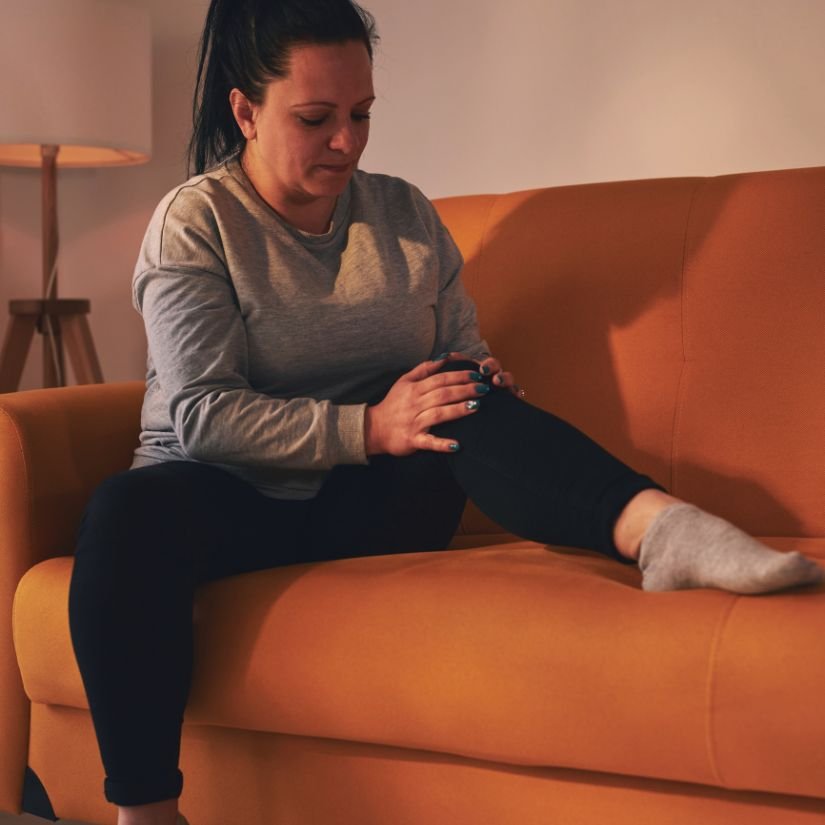
That moment when your kneecap shifts out of place is one most people never forget. There is usually a pop, a wave of pain, and a split second where your leg simply does not feel like your own. If this has happened to you, or to your child, or to someone you coach or train, you are probably looking for straight answers right now rather than vague reassurance.
We treat kneecap dislocation regularly at our clinic, and we know how disorienting it feels in those first few hours. This guide walks you through exactly what happens during a dislocation, why it occurs, what you should do immediately afterwards, and what your treatment and recovery will realistically look like.
What Happens When Your Kneecap Dislocates
Your kneecap, known medically as the patella, normally sits and glides within a groove at the front of your knee called the trochlear groove. When you bend and straighten your leg, it tracks smoothly up and down this groove, held in place by a network of ligaments and tendons.
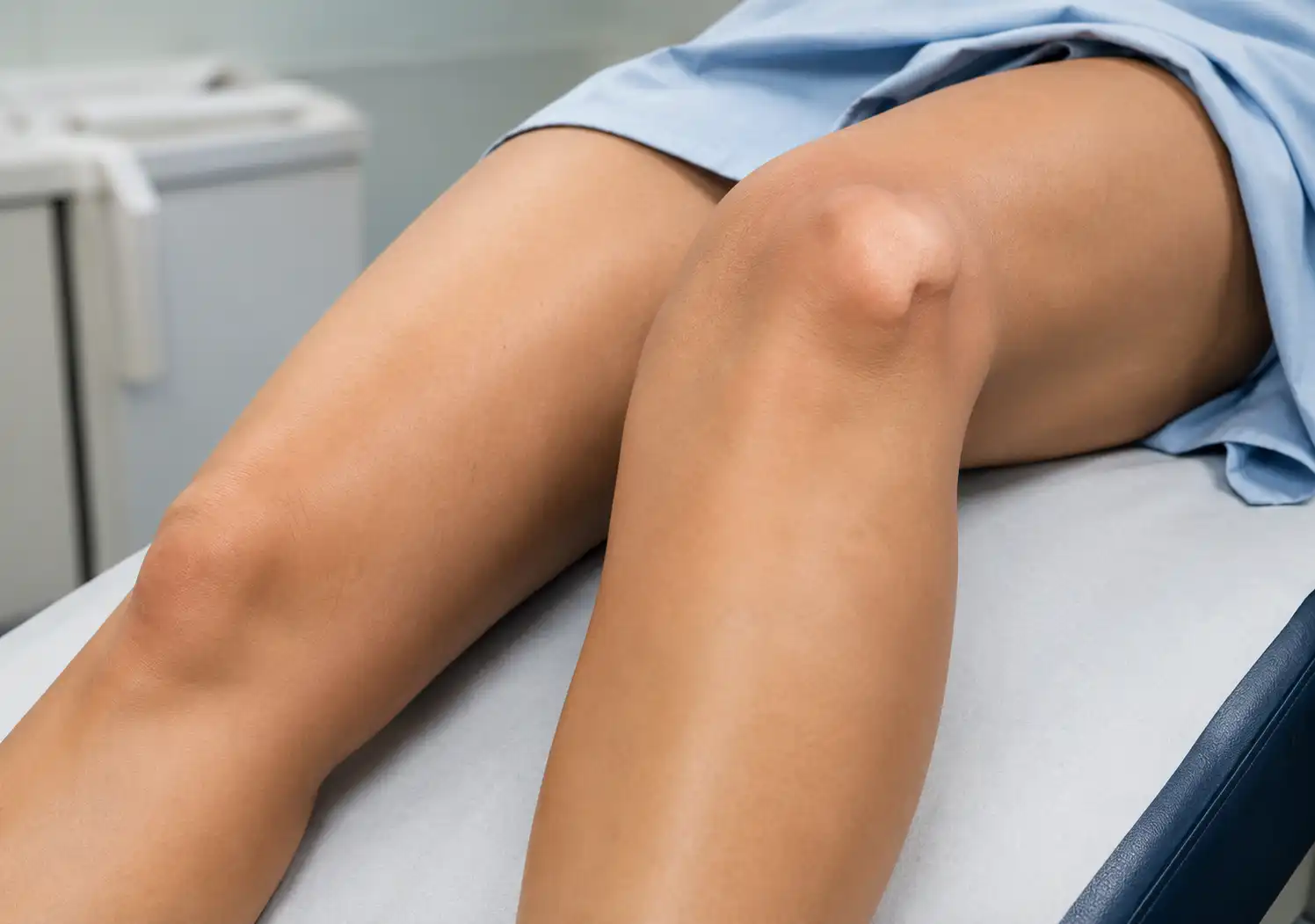
A dislocation happens when the kneecap is forced out of this groove entirely. In the vast majority of cases it slips towards the outside of your knee, which is why we often refer to lateral patella dislocation. Once it is out, your knee locks. You cannot bend or straighten it properly, and the ligaments holding the kneecap in place are usually stretched or torn in the process.
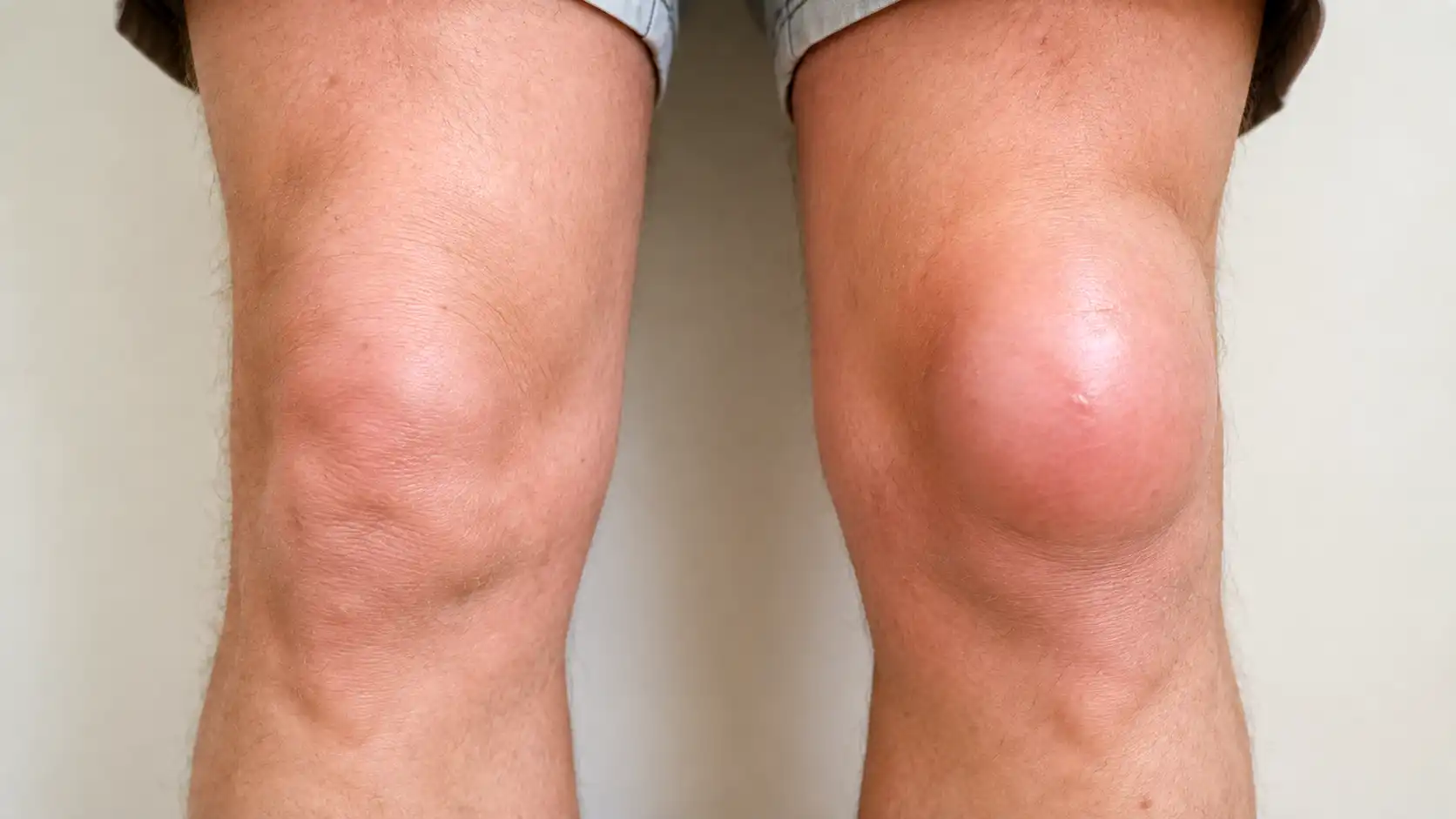
If you are asking yourself “is my kneecap dislocated,” the signs are rarely subtle. You will likely have heard or felt a pop, your knee may visibly look out of shape, and you will not be able to put weight through it comfortably.
Kneecap Dislocation Versus a True Knee Joint Dislocation
This is worth clarifying properly because the two terms get mixed up online, and the difference matters a great deal.
A kneecap dislocation, or patella dislocation, involves only the kneecap moving out of its groove. This is what we are covering in this guide, and while it is painful, it is a manageable injury with a good outlook in most cases.
A true knee joint dislocation is a completely different and far more serious injury. It involves the thigh bone and shin bone separating from each other, rather than just the kneecap moving. This type of injury usually results from significant trauma such as a car accident or a heavy fall from height, and it can damage blood vessels and nerves around the knee. If you have experienced a high impact injury and your whole knee looks deformed rather than just your kneecap, please go straight to A&E rather than waiting for a routine appointment.
For everything else in this guide, we are talking specifically about kneecap dislocation, which is what most people mean when searching for this topic.
What Causes Kneecap Dislocation
There are two broad reasons your kneecap might dislocate, and understanding which one applies to you tells us a lot about your likely recovery and risk of it happening again.
The first is traumatic dislocation. This happens when a significant force, often during sport, knocks the kneecap out of its groove in an otherwise normally shaped knee. A heavy tackle, a fall onto a bent knee, or a hard collision can all do this. The good news with this type is that because the underlying anatomy is normal, a traumatic dislocation rarely happens again once it has healed properly.
The second is atraumatic dislocation, and this is more common than people expect. Here, the kneecap dislocates with relatively little force because of an underlying difference in how your knee is built. The most frequent cause is trochlear dysplasia, where the groove the kneecap should sit in is shallow or has not developed properly. Other contributing factors include a high riding kneecap, known as patella alta, and generally loose ligaments throughout your joints. This type tends to show up in the mid to late teens and often becomes a recurring issue.
Patella Dislocation Lateral Movement and Why It Happens This Way
You might wonder why the kneecap almost always shifts outward rather than inward. The answer lies in the natural alignment of your leg. Your thigh bone and shin bone meet at a slight angle, and the pull of your thigh muscles, particularly the quadriceps, naturally draws the kneecap outward. Under normal circumstances, the shape of your trochlear groove and the strength of your inner knee ligaments keep this pull in check. When that balance is disrupted, either by force or by an anatomical predisposition, the kneecap follows the path of least resistance, which is laterally.
Why Kneecap Dislocation Is So Common in Teenagers
If your teenager has just dislocated their kneecap, you are far from alone in dealing with this. Growing bodies go through a period where ligaments are naturally looser and bones are still developing their final shape, including the trochlear groove. This combination, along with higher activity levels in sport and dance, makes the teenage years a particularly common time for this injury to first appear.
Why Does Knee Dislocation Happen More Than Once
This is one of the questions we hear most often, and it is an important one. If your first dislocation was traumatic and your knee anatomy is otherwise normal, your chance of it happening again is relatively low. However, if there is an underlying structural reason behind your dislocation, such as trochlear dysplasia, research suggests that as many as a third to almost half of people will experience a further dislocation at some point. The chance of kneecap dislocating again rises further with each subsequent episode, which is exactly why we take recurring dislocations so seriously when we see them in clinic.
Kneecap Dislocation Symptoms to Recognise
Knowing what to look for helps you act quickly and confidently rather than panicking in the moment.
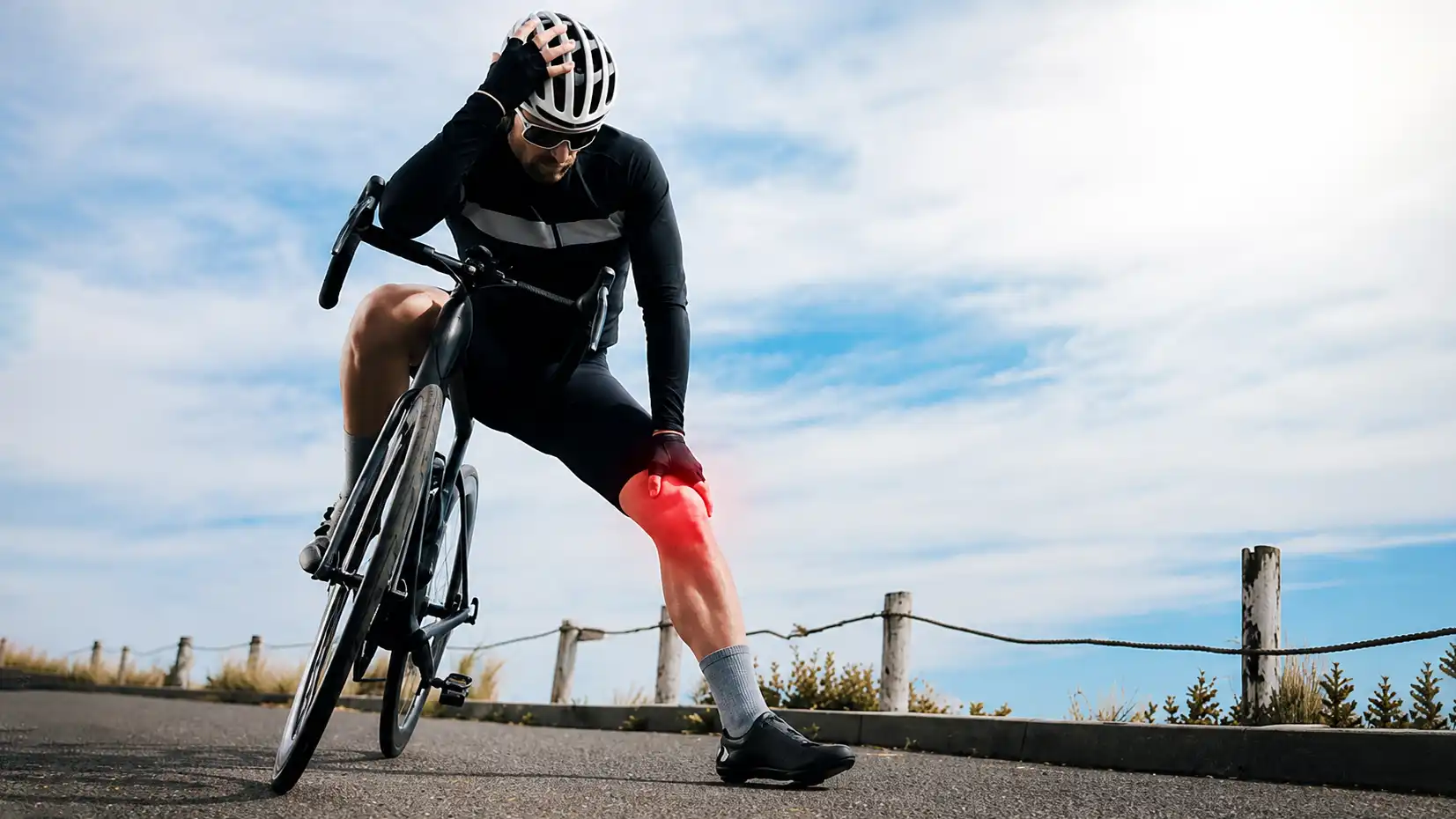
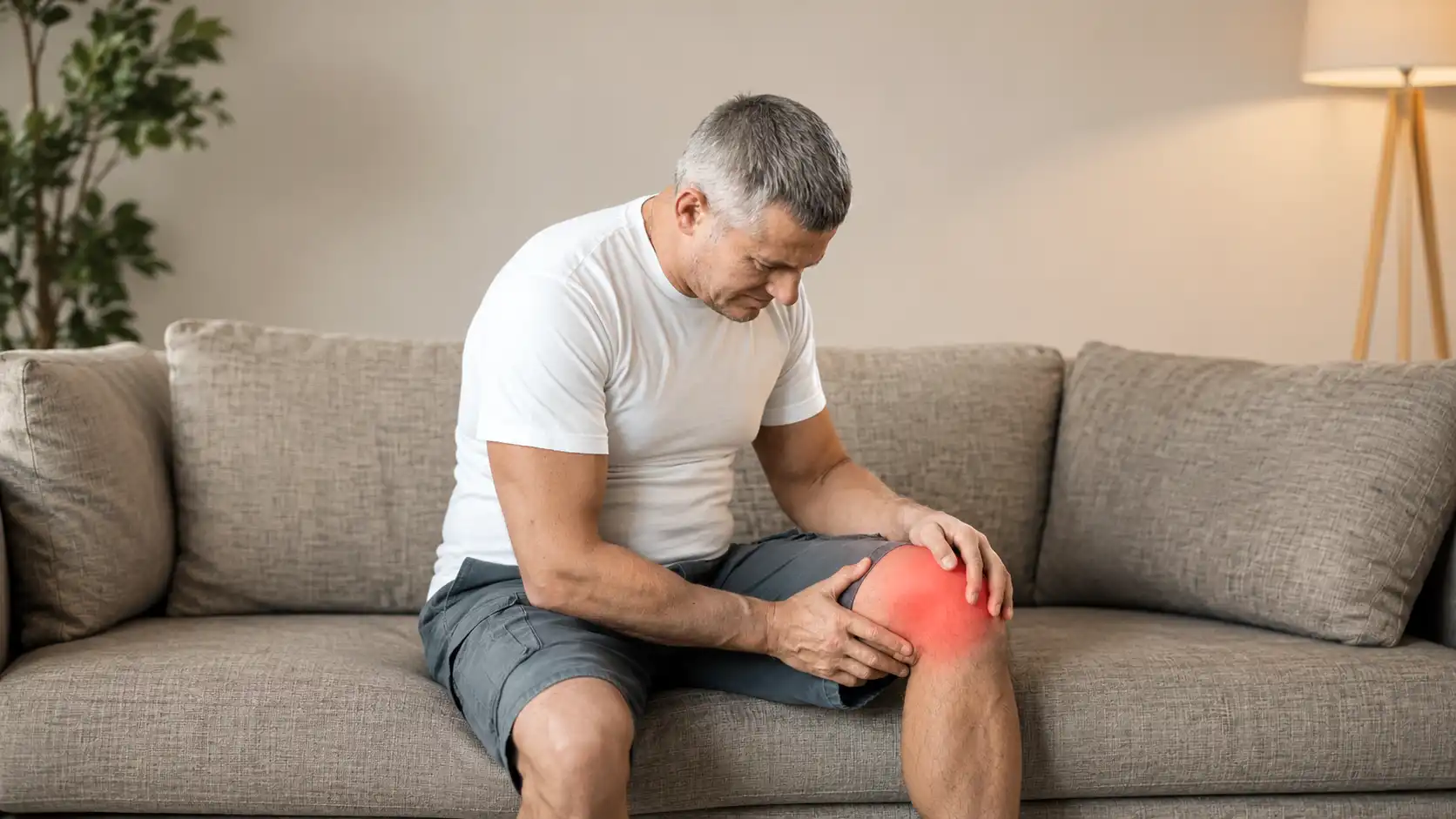
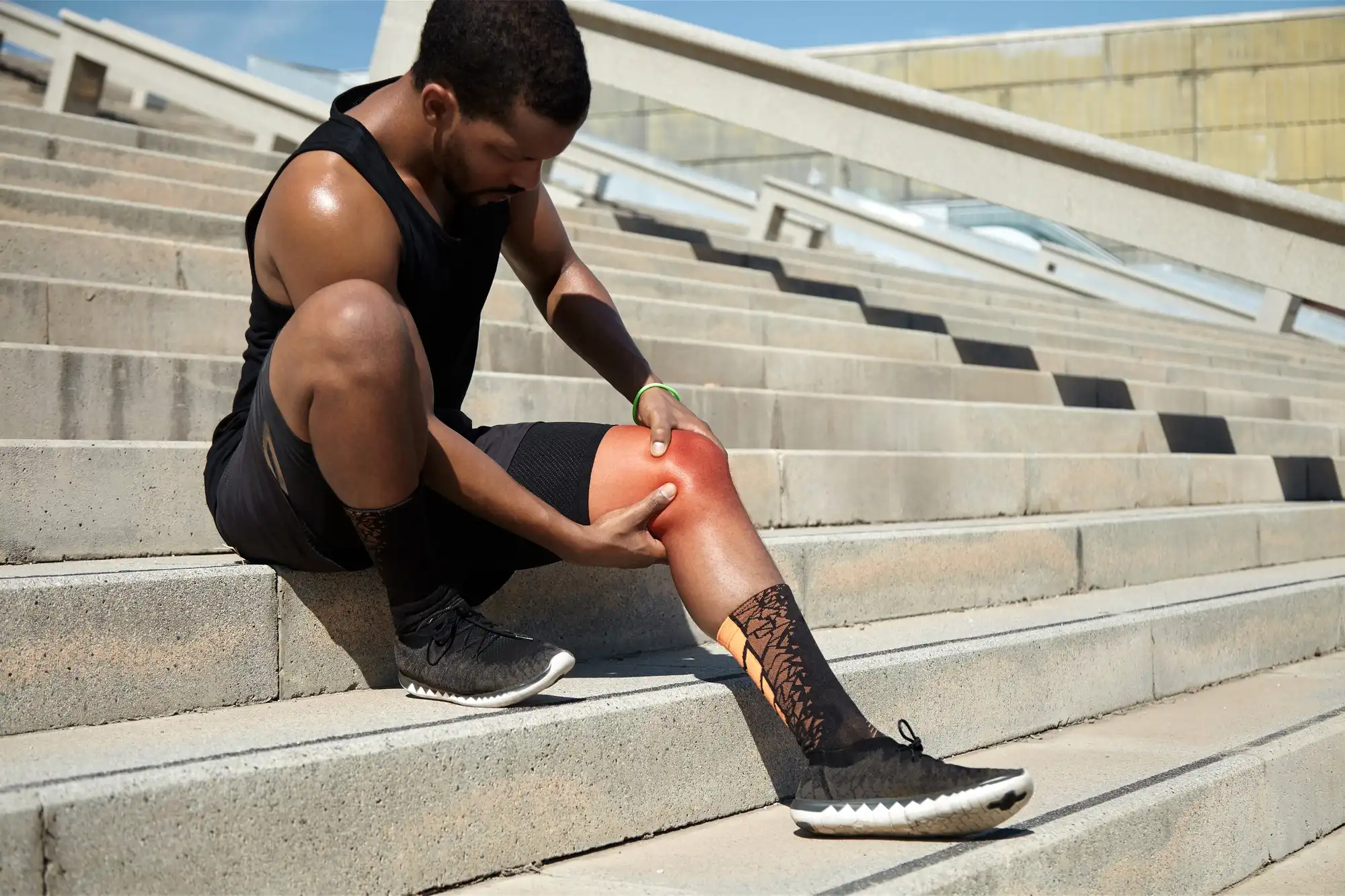
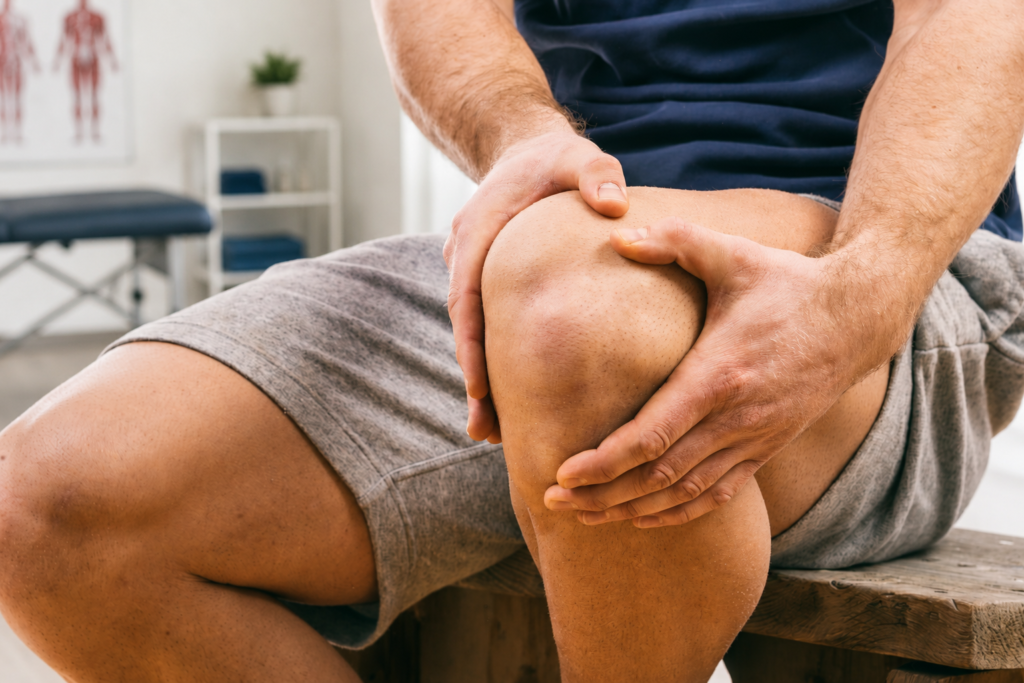
The most immediate kneecap dislocation symptoms include intense pain at the front of the knee, a visible change in the shape of your knee, and an inability to straighten or bend your leg. Many people describe a sensation of the kneecap giving way just before it pops out, almost like the knee buckled beneath them.
Knee swelling after dislocation is universal and usually develops quickly, sometimes within minutes. This is your body’s natural response to the ligament damage that occurs as the kneecap forces its way out of the groove. Bruising often follows over the next day or two.
Patellar dislocation symptoms can also include a kneecap slipping sensation that happens repeatedly in those with an underlying instability, even outside of a full dislocation. This subluxation feeling, where the kneecap partially shifts but does not fully come out, is a useful warning sign that should not be ignored.
In terms of kneecap dislocation pain level, most people describe it as severe in the moment of dislocation itself, easing somewhat once the kneecap has relocated, whether that happens on its own or with help. The ache and tenderness that follows tends to settle gradually over the following days with proper rest and care.
What to Do Immediately After a Kneecap Dislocation
The first few minutes after a dislocation matter, so here is exactly what to do after kneecap dislocation happens to you or someone you are with.
Stay as still as possible and avoid trying to force your leg straight. In many cases, the kneecap will pop back into place on its own, particularly if the leg is gently and slowly extended. If this happens, you will often feel an immediate easing of the intense pain, even though the knee will remain sore and swollen.
If the kneecap has not relocated itself and your knee remains visibly out of shape, do not attempt to forcefully manipulate it back into position yourself. Get to your nearest A&E department, where a clinician can perform what is called a reduction safely, gently guiding the kneecap back into its groove, sometimes with the help of pain relief or a mild sedative.
Once the kneecap is back in place, whether by itself or with medical help, first aid for dislocated kneecap follows the same principles as most acute joint injuries. Rest the leg, apply an ice pack wrapped in a towel for fifteen to twenty minutes at a time, and keep your leg elevated above hip height where possible to help bring the swelling down. Over the counter pain relief and anti-inflammatory medication can help in these early days, provided you have no medical reason to avoid them.
This is genuinely one of those situations where seeking proper assessment afterwards matters, even if your knee feels like it has settled. A kneecap dislocation emergency in the truest sense is rare, but you should always be seen by a healthcare professional afterwards to check for any associated damage to the cartilage, bone, or ligaments that might not be obvious straight away.
How We Diagnose Kneecap Dislocation
When you come to see us after a kneecap dislocation, we start with a thorough conversation about exactly how the injury happened and a careful physical examination of your knee. There is a specific test called the apprehension test that helps us confirm a dislocation, where gentle pressure on the kneecap towards the outside of the knee produces a feeling of unease or instability if the joint is genuinely affected.
We will usually arrange a kneecap dislocation x-ray straight away to rule out any associated fracture, which can sometimes occur at the moment of dislocation. If your symptoms persist beyond the initial recovery period, or if we are considering surgery, a kneecap dislocation MRI gives us a much more detailed picture of the soft tissues, including the ligaments, cartilage, and the shape of your trochlear groove.
One thing worth knowing is how is kneecap dislocation diagnosed when the presentation is less obvious. Occasionally a kneecap dislocation vs ACL injury question comes up, because both injuries can result from a similar twisting movement and can both cause significant swelling. A careful clinical examination, supported by imaging where needed, allows us to tell the two apart reliably.
Kneecap Dislocation Treatment Options
Kneecap dislocation treatment depends heavily on whether this is your first episode, whether there is an underlying structural cause, and how your knee is healing in the weeks that follow.
For most first time dislocations without significant additional damage, we begin with a non surgical approach. This typically involves a short period of rest, sometimes supported by a kneecap dislocation brace to keep the joint stable while the stretched ligaments heal. Physiotherapy after kneecap dislocation plays an enormous role here, focusing on rebuilding strength in your thigh muscles, particularly the inner quadriceps muscle that helps guide your kneecap correctly within its groove.
Kneecap Dislocation Surgery and When It Is Needed
Surgery is not usually the first step straight after an acute dislocation, but it becomes a genuine consideration if you experience repeated dislocations, if there is significant damage to the cartilage or bone, or if imaging reveals a structural cause that makes recurrence highly likely.
The most common procedure we perform is MPFL reconstruction. The medial patellofemoral ligament provides up to sixty percent of the stability that keeps your kneecap from sliding outward, and once it has been torn in a dislocation, it rarely heals well enough on its own to prevent further episodes. We reconstruct this ligament using keyhole surgery, taking a hamstring tendon graft to recreate a strong, stable structure on the inner side of your knee.
In cases where the trochlear groove itself has failed to develop properly, we may discuss trochleoplasty, a more specialised procedure that reshapes the groove to give your kneecap a proper channel to track within. This is a more involved operation reserved for specific cases of significant trochlear dysplasia, and we will always talk you through whether this applies to your particular knee.
Kneecap Dislocation Recovery Time and What to Expect
Patella dislocation recovery time varies depending on your individual injury, but there are useful general timeframes we can share based on what we see in clinic and what the wider clinical evidence shows.
For a straightforward first time dislocation without surgery, most people return to normal daily activities within six to eight weeks. Returning to sport and higher impact activity typically takes a little longer, often around three to four months, since the muscles and ligaments around your knee need time to rebuild full strength and confidence.
How long does kneecap dislocation take to heal if surgery has been needed is naturally a longer process. Following MPFL reconstruction, you are looking at a more gradual return to full activity, generally over four to six months, with physiotherapy guiding you through each stage.
Kneecap dislocation recovery without surgery still requires real commitment on your part. Skipping physiotherapy or rushing back into sport too soon is one of the most common reasons recovery stalls or symptoms persist. Returning to sport after kneecap dislocation should always be a gradual, supervised process rather than an all or nothing return to your previous level.
What Causes Frequent Knee Dislocation and Recurrence
If your kneecap keeps dislocating, it is a sign that something structural is making your knee more vulnerable than most, and it deserves proper investigation rather than repeated trips to urgent care.
What causes frequent knee dislocation usually comes back to the same anatomical factors we mentioned earlier, trochlear dysplasia, a high riding kneecap, or generally loose ligaments throughout your body. Each dislocation also tends to stretch the surrounding tissues a little further, which is part of why recurrent kneecap dislocation becomes more likely the more times it happens.
We understand how frustrating and limiting this can feel, particularly if you are active or play sport regularly. The encouraging part is that once we identify exactly what is driving the recurrence through proper imaging, we can usually offer a clear path forward, whether that is targeted physiotherapy and bracing or one of the surgical options we discussed above.
Expert Kneecap Dislocation Care at London Knee Care
If you have dislocated your kneecap, whether for the first time or for the fifth, we want you to feel confident that you are being properly assessed and guided towards the right treatment for your specific knee.
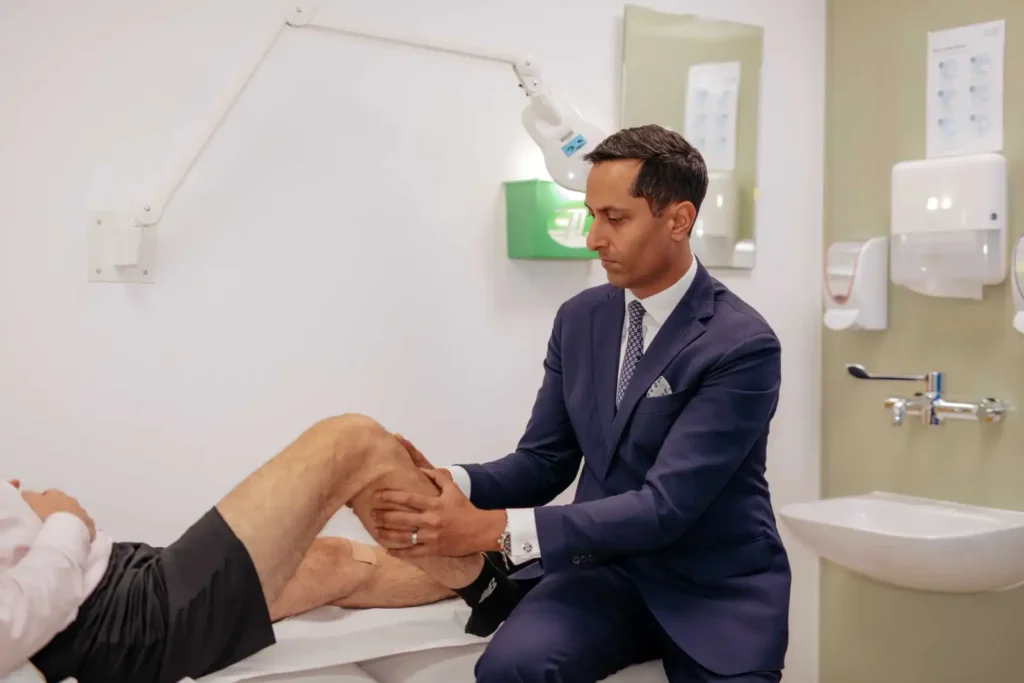
We see patients across London for kneecap dislocation treatment, from teenagers experiencing their first episode through to adults dealing with long standing instability. Mr Raghbir Khakha leads our London Knee Care clinic with over fifteen years of specialist experience, and we take real pride in explaining exactly what is happening in your knee and what your realistic options are, without rushing you towards surgery unless it is genuinely the right step for you.
As your private knee specialist in London, we offer prompt assessment, the right imaging at the right time, and a treatment plan built around your specific anatomy and lifestyle. You can book your consultation directly through our online booking page, or get in touch with our team through our contact page if you would like to discuss your symptoms first.
Frequently Asked Questions About Kneecap Dislocation
Is my kneecap dislocated?
If your knee suddenly looked out of shape, you heard or felt a pop, and you cannot bend or straighten your leg properly, it is highly likely your kneecap has dislocated. The pain is usually intense and sudden. If you are unsure, treat it as a dislocation and seek medical assessment promptly rather than waiting to see if it settles.
Can a dislocated kneecap heal on its own?
The kneecap itself will often relocate back into its groove on its own, particularly with gentle straightening of the leg. However, healing of the stretched or torn ligaments around the kneecap still needs proper rest, support, and usually physiotherapy. Healing fully without any guidance increases your risk of ongoing instability.
Is a dislocated kneecap serious?
A first time kneecap dislocation in an otherwise healthy knee usually has a good outlook with appropriate care. That said, it should always be taken seriously enough to get a proper assessment, since associated damage to cartilage, bone, or ligaments is not always obvious without an examination and sometimes imaging.
Does a dislocated kneecap need surgery?
Most first time dislocations are managed successfully without surgery, through rest, bracing, and physiotherapy. Surgery becomes a more relevant option if you experience repeated dislocations, significant cartilage or bone damage, or if imaging shows an underlying structural cause that makes future dislocations likely.
How common is kneecap dislocation?
Kneecap dislocation is one of the more common knee injuries we see, particularly in teenagers and young athletes. It is especially frequent in sports involving sudden pivoting or twisting movements, such as football, netball, and dance.
Can you walk with a dislocated kneecap?
While the kneecap remains out of place, walking is usually not possible because the knee locks and cannot bend or straighten normally. Once the kneecap has relocated, whether by itself or with help, walking becomes possible again, though it will likely be painful and you may need crutches in the first few days.
What happens if a dislocated kneecap is not treated?
Leaving a kneecap dislocation unassessed can mean missing associated damage to your cartilage, ligaments, or bone, which may affect your long term knee health. Without proper rehabilitation, your knee is also more likely to feel unstable going forward and more prone to dislocating again.