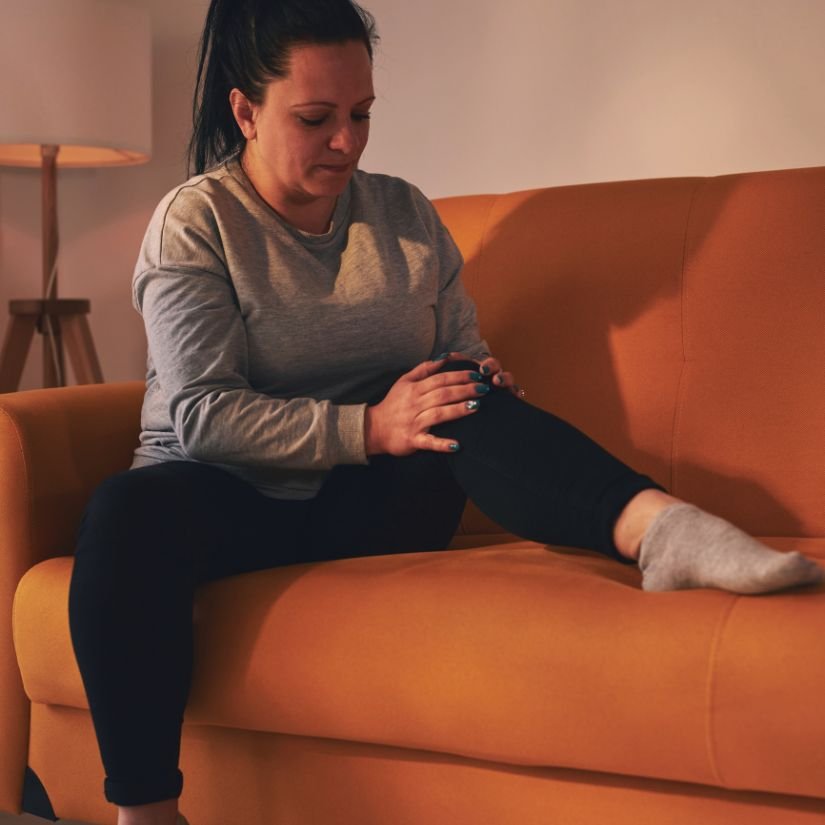
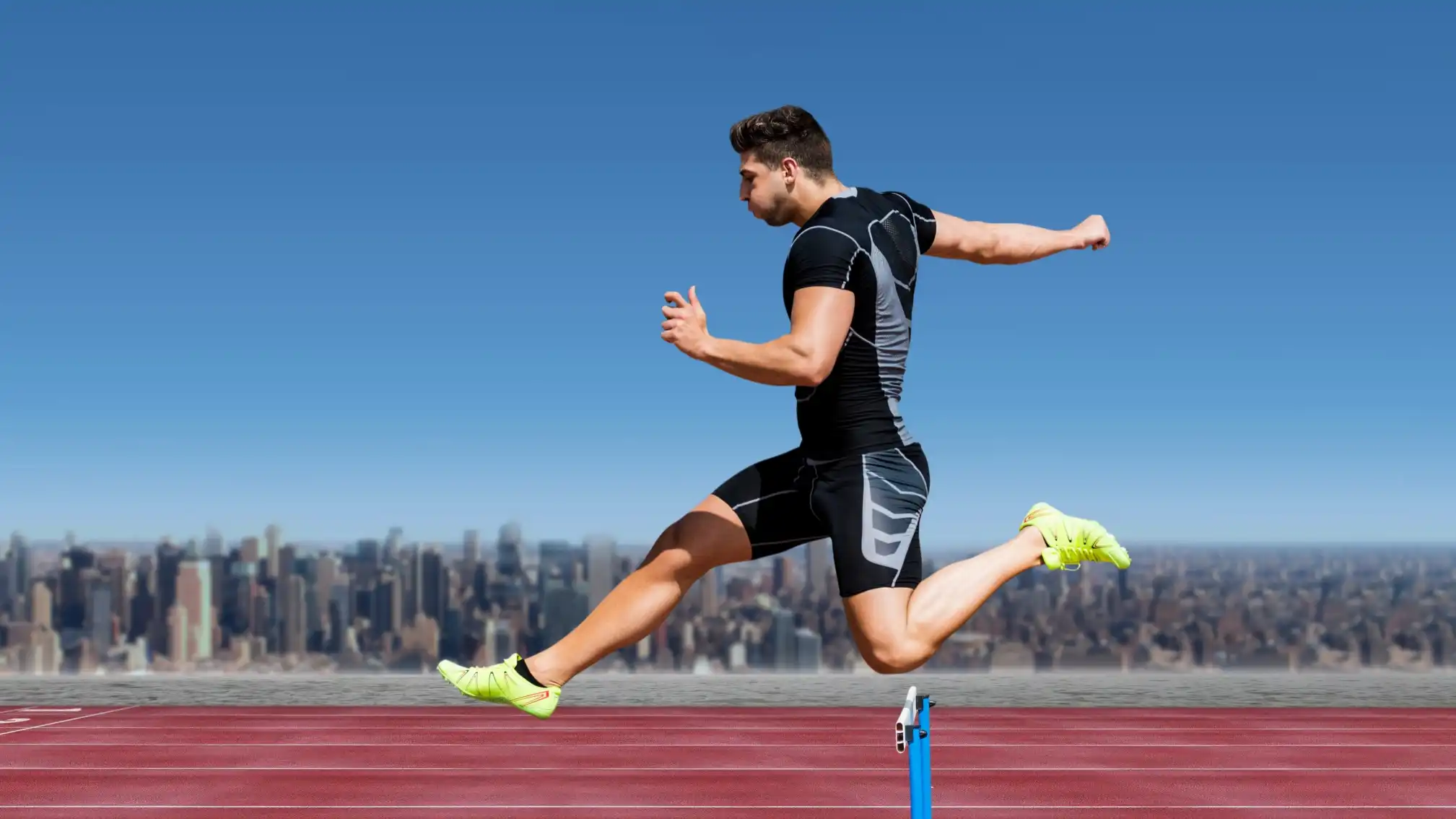
You are mid-season, training is going well, and then a dull ache starts creeping in just below your kneecap. At first it is easy to brush off. You warm up, it eases, and you carry on. But over the following weeks it gets harder to ignore. By the time it is stopping you from training properly, you are already weeks or months into the problem without realising it.
This is how jumper’s knee works. Also known as patellar tendinopathy, it is one of the most common overuse injuries in sport, and it has an almost uncanny ability to develop quietly during the periods when athletes are training hardest and performing best. Patellar tendinitis, as it is sometimes called by patients and GPs, affects the patellar tendon, the thick band of tissue that runs from the bottom of your kneecap down to your shin bone. When this tendon is repeatedly overloaded without enough recovery time, the tissue begins to break down, and the pain that follows can sideline athletes for weeks, months, or longer if it is not properly managed.
This guide explains what jumper’s knee actually is, why it develops, what the symptoms feel like, and what genuinely works to treat and prevent it.
What Is Jumper’s Knee and Why Does It Affect Athletes
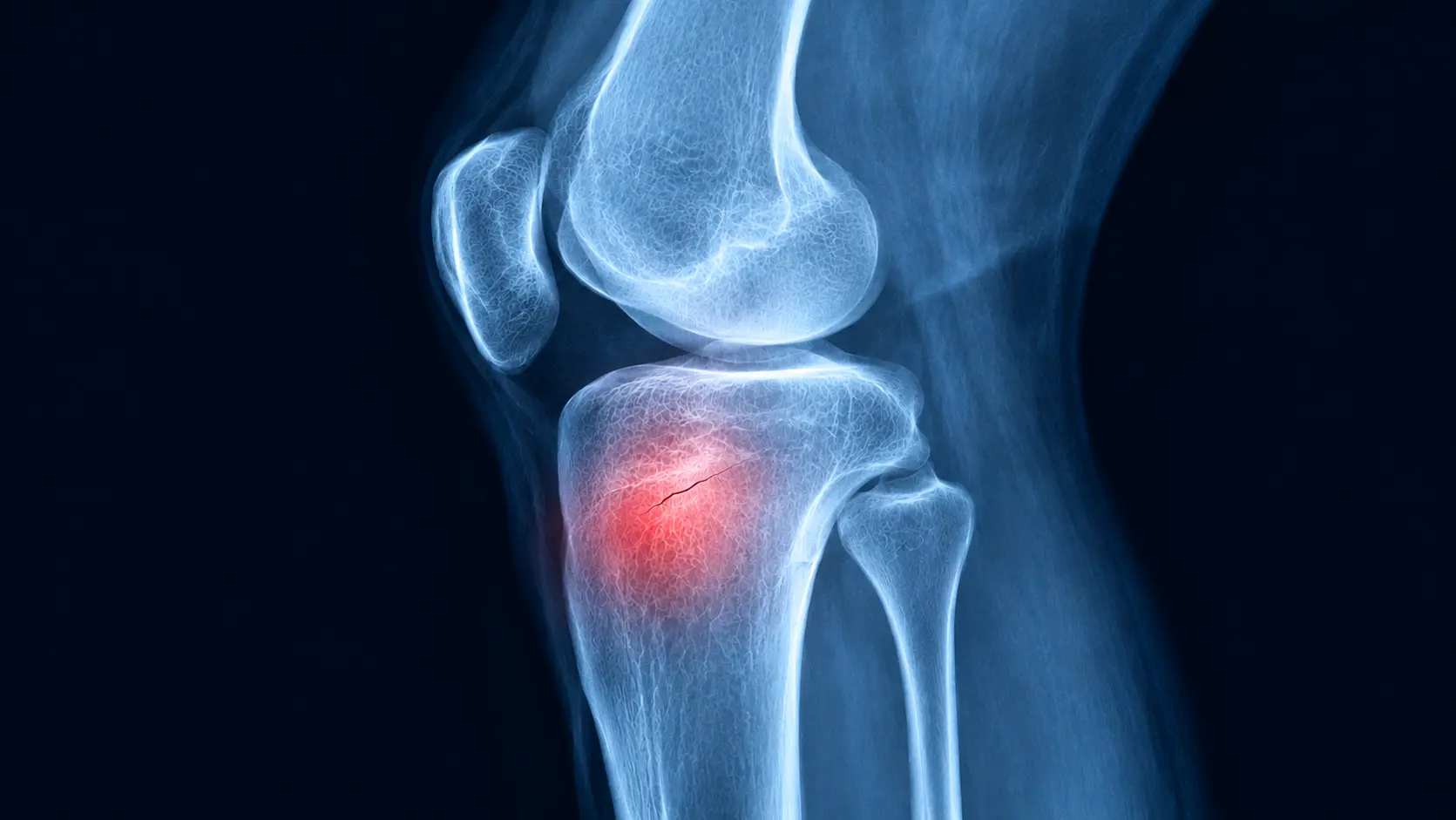
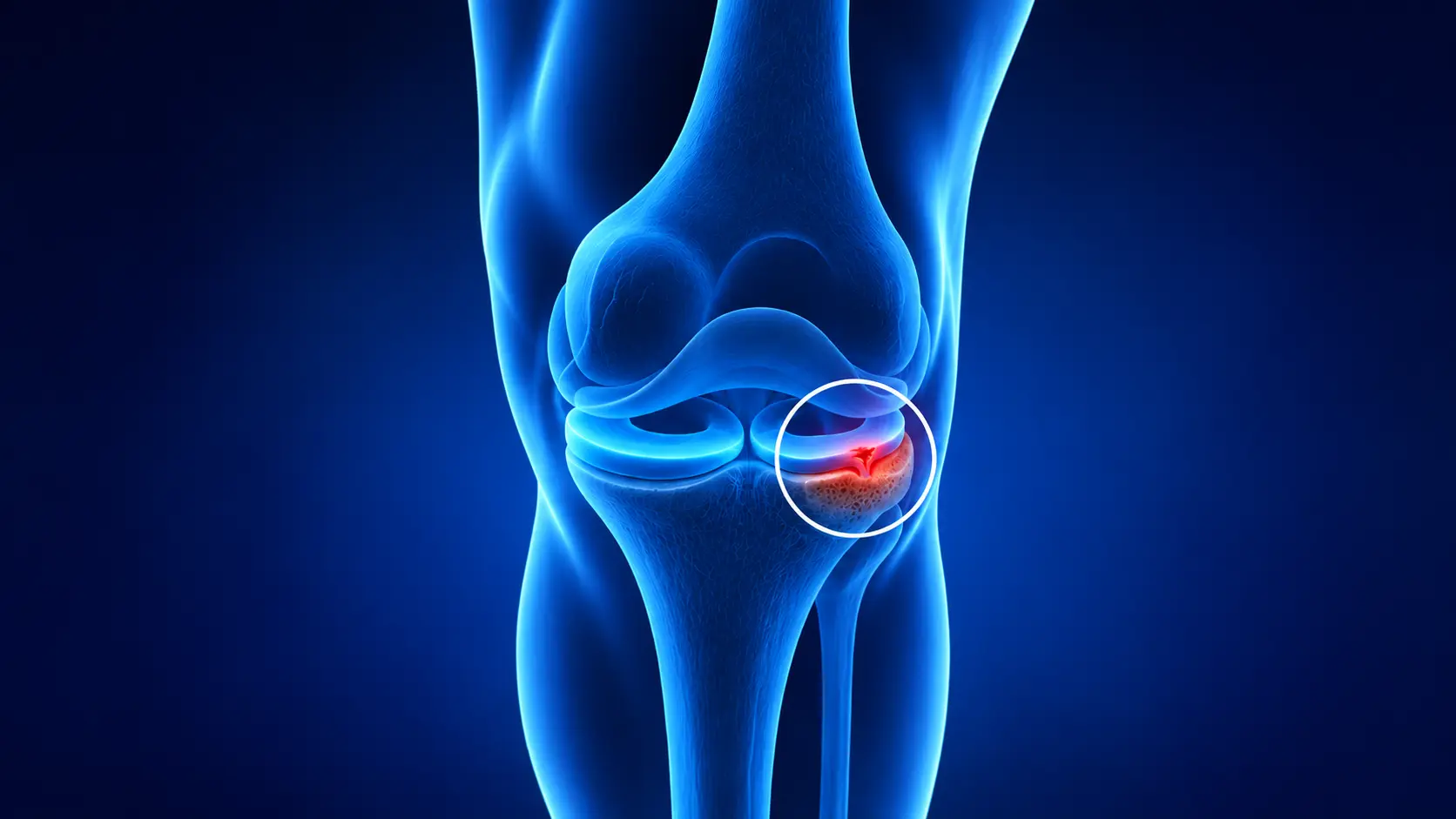
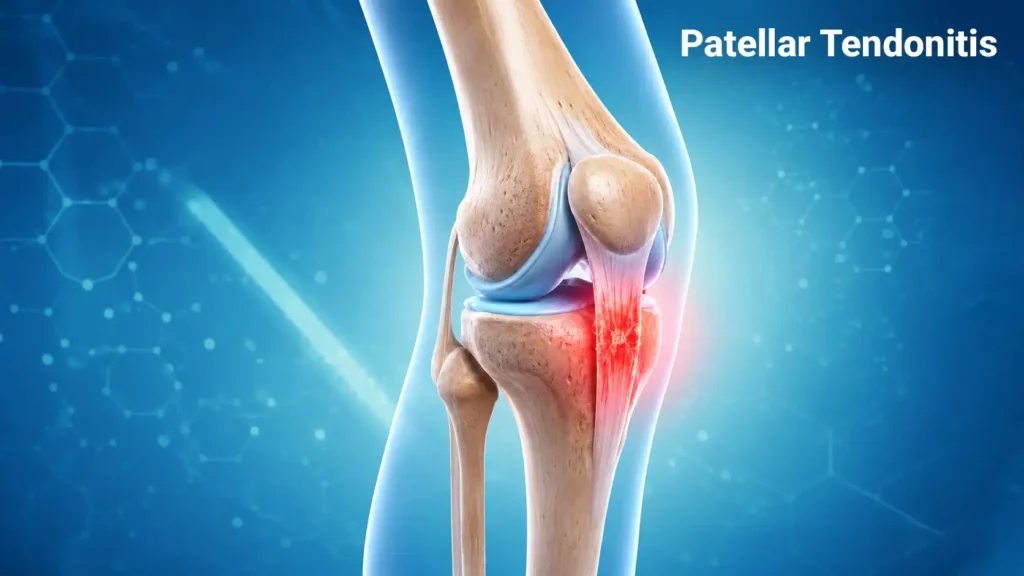
Jumper’s knee is the common name for patellar tendinopathy, a condition where the patellar tendon becomes painful and degenerates due to repeated overloading. The patellar tendon is located just below your kneecap, running from the bottom of the patella to the top of the tibia. It is part of the extensor mechanism of the knee, working together with your quadriceps muscles to straighten your leg when you run, jump, kick, or squat.
What is the patellar tendon doing exactly? Every time you jump, land, sprint, or change direction, the patellar tendon absorbs and transmits enormous forces. In jumping sports, these forces can reach several times your body weight with each landing. The tendon is designed to handle this load, but when training volume or intensity increases faster than the tendon can adapt, the tissue begins to accumulate small areas of damage that do not fully heal between sessions. Over time this leads to a condition called tendinopathy, where the tendon’s structure becomes disorganised and painful under load.
Jumper’s knee is also known as patellar tendinitis in older terminology, though tendinopathy is the more accurate modern term. The distinction matters because tendinitis implies inflammation, while tendinopathy better reflects the degenerative changes in the tendon tissue that are actually happening in most cases. Understanding this changes the treatment approach, since strategies aimed purely at reducing inflammation often miss the real problem.
What Does Patellar Tendonitis Feel Like
Recognising jumper’s knee symptoms early is one of the most important things an athlete can do. The condition tends to develop gradually rather than appearing suddenly after a single incident, which is part of why it is so easy to dismiss in the early stages.
The most distinctive symptom is pain below the kneecap, specifically at the point where the patellar tendon attaches to the bottom of the patella. This is a very specific, well-localised pain that most patients can point to with one finger rather than describing a general aching across the whole knee. Tenderness below the kneecap when you press directly on this spot is one of the clearest signs that the patellar tendon is involved.
Common symptoms of jumper’s knee include the following.
- A dull ache or sharp pain just below the kneecap during or after sport
- Pain under the kneecap when jumping, landing, squatting, or sprinting
- Knee stiffness in the morning or after sitting for long periods
- Pain when climbing stairs or walking downhill
- Aching front of knee that eases with warm up but returns after activity
- Tenderness below the kneecap when pressed directly on the tendon
One summary point here is that symptoms that ease completely with warm up but return after training are a hallmark of early patellar tendinopathy and should not be taken as a sign that the problem is minor or resolving on its own.
Knee pain during sport that is getting progressively worse with each session, or that is now present even during rest and daily activity, suggests the tendon is under more significant stress and warrants prompt specialist assessment rather than continued training through it.
Jumper’s Knee Causes and Why It Happens
Understanding why does jumper’s knee happen helps explain why it is so common among athletes who are otherwise fit, well-conditioned, and careful about their training.
The most common cause is a sudden increase in training load. When the volume, intensity, or frequency of jumping or running increases faster than the tendon can adapt, the tissue accumulates micro-damage with each session. This is particularly common at the start of a new season, during pre-season training camps, or when an athlete returns from a break and tries to quickly rebuild their previous fitness. What causes the patellar tendon to hurt in these situations is essentially the mismatch between what the tendon is being asked to do and what it is currently capable of tolerating.
Jumping sports create the highest risk because of the repetitive eccentric loading placed on the patellar tendon during landing. Knee pain in basketball, volleyball, and athletics involving jumping events accounts for a disproportionate share of patellar tendinopathy cases worldwide. Training on hard surfaces, inadequate warm up and cool down routines, and muscle weakness or tightness in the quadriceps and hip flexors can all increase the stress placed on the tendon with each jump or landing.
Common causes of jumper’s knee include the following.
- A sudden spike in training volume or intensity without adequate recovery
- Repetitive jumping or landing on hard surfaces over weeks or months
- Weak or tight quadriceps muscles placing more load through the tendon
- Poor landing mechanics distributing force unevenly through the knee
- Returning to full training too quickly after a break or illness
- Playing multiple sports or training sessions in quick succession without rest
Getting the training load right is central to both treating and preventing this condition, which is why physiotherapy for jumper’s knee focuses on structured load management rather than simply telling athletes to rest.
How Serious Is Jumper’s Knee
Jumper’s knee exists on a spectrum from mild and easily managed to severe and genuinely disruptive to an athlete’s career. Understanding where your symptoms sit on that spectrum is one of the first things we assess.
In mild jumper’s knee, symptoms only appear during or just after sport and resolve quickly with rest. The tendon is irritated but still functioning adequately. At this stage, adjusting training load and beginning a strengthening programme is usually enough to resolve the problem completely.
In more moderate cases, pain starts to appear during warm up, may not fully settle between sessions, and begins to interfere with performance. At this stage, more structured intervention is needed.
Severe patellar tendinopathy involves pain during daily activities, not just sport, significant functional limitation, and sometimes structural changes visible on imaging. Chronic jumper’s knee that has been present for many months without proper treatment can be more challenging to resolve and may require a longer rehabilitation period or specialist interventions beyond physiotherapy alone.
The key point is that the earlier jumper’s knee is assessed and treated properly, the better the outcome. Continuing to train through progressive tendon pain without addressing it typically moves the condition from mild to moderate or severe over time.
How We Diagnose Jumper’s Knee
Diagnosing jumper’s knee starts with a thorough conversation about your training history, how and when the pain started, and exactly where it is located. The specific location of tenderness below the kneecap, combined with the pattern of symptoms during activity, points strongly toward patellar tendinopathy in most athletic patients.
We use a clinical test called the Royal London Hospital test as part of our assessment. This involves locating the tender point on the patellar tendon with your knee straight, then repeating the pressure with your knee bent to around ninety degrees. In patellar tendinopathy, the tenderness typically reduces significantly when the knee is bent because the quadriceps tension changes how the deep fibres of the tendon respond to pressure. This test has good clinical accuracy and helps distinguish jumper’s knee from other causes of pain at the front of the knee.
For imaging, a patellar tendon ultrasound is often the first choice. It is quick, accessible, and shows real-time images of the tendon structure, allowing us to see areas of thickening, disorganisation, or increased blood flow that confirm the diagnosis. A patellar tendinopathy MRI may be arranged in cases where the diagnosis is unclear, where the symptoms are not responding as expected, or where we want a more detailed view of the surrounding structures before planning treatment.
How to Fix Jumper’s Knee
This is the question most athletes arrive with, and the honest answer is that fixing jumper’s knee takes a structured, patient approach rather than a quick solution. How to fix jumper’s knee depends on how long it has been present, how severe it is, and how well your training load can be modified during recovery. How to treat jumper’s knee is not simply a matter of rest. In fact, complete rest often makes the tendon less capable of tolerating load over time rather than better.
The foundation of jumper’s knee treatment is a progressive loading programme, specifically eccentric exercises for jumper’s knee. Eccentric exercises involve loading the tendon as the muscle lengthens, which is the most effective stimulus for tendon tissue remodelling and recovery. A wall squat, where you slowly lower into a bent-knee position while holding a static position, is a classic example. These exercises are performed at a controlled, specific load and progressed gradually over weeks as the tendon adapts.
Physiotherapy for jumper’s knee goes beyond exercise alone. A good physiotherapist will assess your movement patterns, identify any contributing muscle weaknesses or tightness, and modify your training load to allow recovery without complete deconditioning. This combination of targeted exercise, load management, and technique correction is the most evidence-based approach to patellar tendinopathy treatment and produces good outcomes for the majority of patients.
Jumper’s Knee Tape and Bracing
Jumper’s knee tape is a useful short-term tool for managing symptoms during activity. Patellar tendon straps or infrapatellar braces apply gentle pressure just below the kneecap, which can alter the way forces are distributed through the tendon during loading and reduce pain during sport. Taping and bracing do not treat the underlying problem, but they can allow an athlete to continue modified training while the rehabilitation programme takes effect. We can advise you on the right type of support for your specific presentation during your consultation.
Shockwave Therapy and PRP for Jumper’s Knee
When a structured physiotherapy programme has not produced sufficient improvement after an adequate period of consistent rehabilitation, we may consider additional treatment options. Shockwave therapy for jumper’s knee uses high energy sound waves delivered to the tendon to stimulate tissue repair and reduce pain. It is a non-invasive outpatient procedure with a growing body of evidence supporting its use in chronic patellar tendinopathy.
PRP injection for jumper’s knee involves taking a small sample of your own blood, concentrating the platelet-rich plasma, and injecting it directly into the affected area of the tendon under ultrasound guidance. Platelets contain growth factors that may support tissue healing in tendons that have not responded to other treatments. PRP is considered in selected cases where conservative management has plateaued and surgery is not yet indicated.
Jumper’s Knee Surgery and When It Is Needed
Jumper’s knee surgery is not the first or even second line of treatment for the vast majority of patients. Surgery for patellar tendinopathy is reserved for cases where a properly supervised rehabilitation programme, lasting at least three to six months, has failed to produce adequate improvement. Does jumper’s knee need surgery in most cases? No. The majority of patients, even those with chronic or severe symptoms, respond well to non-surgical management when it is structured and consistent.
When surgery is considered, the most common procedure involves removing the degenerated area of tendon tissue and stimulating the remaining healthy tendon to heal. This is performed using keyhole surgical techniques wherever possible. Patellar tendon surgery requires a careful post-operative rehabilitation programme to consolidate the results, and recovery timelines are longer than for non-surgical treatment. We always discuss the realistic expectations, risks, and benefits of surgery openly before any decision is made.

How Long Does Jumper’s Knee Last and What Recovery Looks Like
How long does jumper’s knee last is one of the most common and most honest questions athletes ask, and the answer depends significantly on how long the problem has been present before treatment begins and how consistently the rehabilitation programme is followed.
For mild to moderate jumper’s knee caught early and managed well, meaningful improvement is typically seen within six to twelve weeks of beginning a structured loading programme. Return to sport after jumper’s knee at this stage is gradual, moving through modified training before returning to full competition load. Jumping sport athletes generally need a longer return to sport pathway than those in non-jumping disciplines because the tendon needs to be specifically prepared for the high loads of their activity.
For more chronic or severe cases, how long does patellar tendonitis take to heal is a longer and less predictable answer. Some patients with longstanding tendinopathy take six months or more to reach full training capacity. This is not a reason to avoid treatment, quite the opposite, but it is a reason to begin treatment sooner rather than waiting to see if things improve on their own.
Can jumper’s knee heal on its own? Mild cases sometimes settle with a reduction in training load alone, but the underlying tendon changes rarely resolve without a proper loading programme. Without addressing the root cause and rebuilding tendon capacity progressively, symptoms tend to return as soon as training intensity increases again. A well-designed jumper’s knee rehab programme is the most reliable path to lasting recovery rather than simply resting and hoping the pain goes away.
How to Prevent Jumper’s Knee From Coming Back
Once you have recovered from jumper’s knee, preventing it from recurring is just as important as the initial treatment. The tendon that has been through patellar tendinopathy is more vulnerable to overload in the future if the conditions that caused it in the first place are not addressed.
Load management is the single most important preventive factor. Sudden spikes in training volume or intensity are the most common trigger for tendon problems in athletes. Increasing training load gradually, with adequate rest and recovery built into the programme, gives the tendon time to adapt rather than accumulate damage. This is particularly important during pre-season, after a break from training, and when adding new types of training such as plyometrics or court sports to your programme.
Knee strengthening for athletes, specifically the quadriceps and hip muscles, reduces the load placed on the patellar tendon during jumping and landing. Athletes who maintain good lower limb strength through the off-season and build it progressively during pre-season are consistently less likely to develop tendon problems than those who try to rapidly rebuild strength after a break. Warming up properly before jumping sessions, cooling down afterwards, and not training through pain that is worsening session by session are practical habits that make a meaningful difference over a long career.
Expert Jumper’s Knee Care at London Knee Care
If jumper’s knee is stopping you from training, competing, or doing the activities you love, we want you to know that effective treatment is available and that most athletes do recover fully with the right approach.
As a jumper’s knee specialist London athletes trust for prompt, expert assessment, we see patients at all stages of this condition, from early symptoms that have not yet significantly disrupted training, through to chronic cases that have not responded to previous treatment elsewhere. We take the time to understand your sport, your training load, and your goals before planning treatment, because a return to sport programme for a professional volleyball player looks very different from one for a recreational runner.
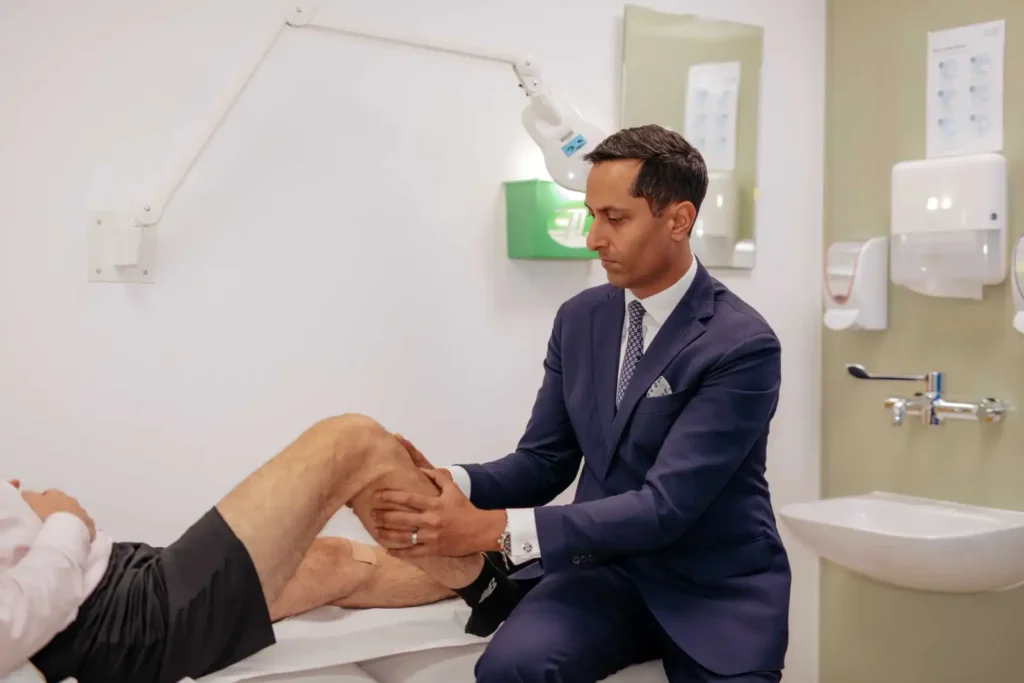
Our clinic is led by Mr Raghbir Khakha, a consultant orthopaedic surgeon with over fifteen years of specialist experience in knee conditions including knee tendon injuries, sports knee surgery, and complex knee reconstruction. We offer thorough clinical assessment, appropriate imaging, and access to the full range of treatment options from structured physiotherapy through to shockwave therapy, PRP, and surgical intervention for the small number of patients who need it.
You can book your consultation directly online at a time that suits you. If you would prefer to speak with our team before booking, please contact us and we will help you find the right next step for your knee.
Frequently Asked Questions About Jumper’s Knee
What is the most common cause of patellar tendonitis?
The most common cause is a sudden increase in training load that the patellar tendon cannot adapt to quickly enough. This is particularly common at the start of a new season, during intensive training blocks, or when returning from a period of reduced activity. Repetitive jumping and landing on hard surfaces without adequate recovery between sessions is the most frequent pattern we see.
Does jumper’s knee need surgery?
In most cases, no. The majority of patients with jumper’s knee recover well with a properly structured physiotherapy and loading programme. Surgery is only considered when a supervised rehabilitation programme lasting at least three to six months has not produced sufficient improvement. Even then, non-surgical options such as shockwave therapy or PRP injections are usually explored before surgery is discussed.
How long does jumper’s knee take to heal?
Mild to moderate cases managed early typically show meaningful improvement within six to twelve weeks. More severe or long-standing cases can take six months or longer to reach full training capacity. Consistency with the rehabilitation programme is the single biggest factor influencing how quickly recovery progresses.
Is jumper’s knee serious?
Jumper’s knee is a significant injury that can genuinely disrupt training and competition if left unmanaged, but it is not dangerous or irreversible in the way a structural injury like a ligament tear can be. The earlier it is assessed and treated, the more straightforward the recovery tends to be. Ignoring symptoms and continuing to train through worsening pain is the most reliable way to turn a manageable problem into a prolonged one.
Can you play sport with jumper’s knee?
In the very early stages with mild symptoms, modified training is often possible under the guidance of a physiotherapist, with load carefully managed to avoid aggravating the tendon further. Training through significant or worsening pain is not advisable and typically prolongs recovery. The right approach depends on the severity of your symptoms and is best decided with specialist input rather than guesswork.
Does jumper’s knee go away on its own?
Mild cases may settle with a reduction in training load, but the underlying tendon changes rarely resolve completely without a structured loading programme. Symptoms that improve with rest but return every time training picks up again are a sign that the tendon has not actually recovered and needs proper rehabilitation rather than repeated rest cycles.
How do I know if I have jumper’s knee?
The most telling sign is well-localised pain or tenderness directly below your kneecap, specifically at the top of the patellar tendon, that is worse during or after jumping, running, or squatting. If pressing firmly on this spot reproduces your pain and the discomfort eases with rest but returns with activity, jumper’s knee is a likely explanation. A clinical assessment and, where needed, an ultrasound scan will confirm the diagnosis.
Is jumper’s knee the same as runner’s knee?
No, they are distinct conditions. Jumper’s knee refers specifically to patellar tendinopathy, where the patellar tendon below the kneecap is the source of pain. Runner’s knee, or patellofemoral pain syndrome, involves pain behind or around the kneecap caused by how the kneecap tracks in its groove rather than a tendon problem. Both conditions cause pain at the front of the knee but they have different causes, different clinical tests, and different treatment approaches.
What happens if jumper’s knee is left untreated?
Without proper treatment, the tendon continues to accumulate damage with each training session, and the condition typically progresses from mild to moderate to severe. Chronic jumper’s knee that has been present for many months becomes significantly harder to treat than the same condition caught early. In rare cases, a severely degenerated patellar tendon can rupture, which is a serious injury requiring surgical repair and a lengthy recovery.
Can jumper’s knee cause permanent damage?
For the vast majority of patients who receive appropriate treatment, jumper’s knee does not cause permanent damage. The tendon has a good capacity to remodel and recover with the right loading programme. Long-term problems are most likely in patients who train through significant symptoms for extended periods without seeking help, leading to more severe and established tendon degeneration that is harder to fully reverse.