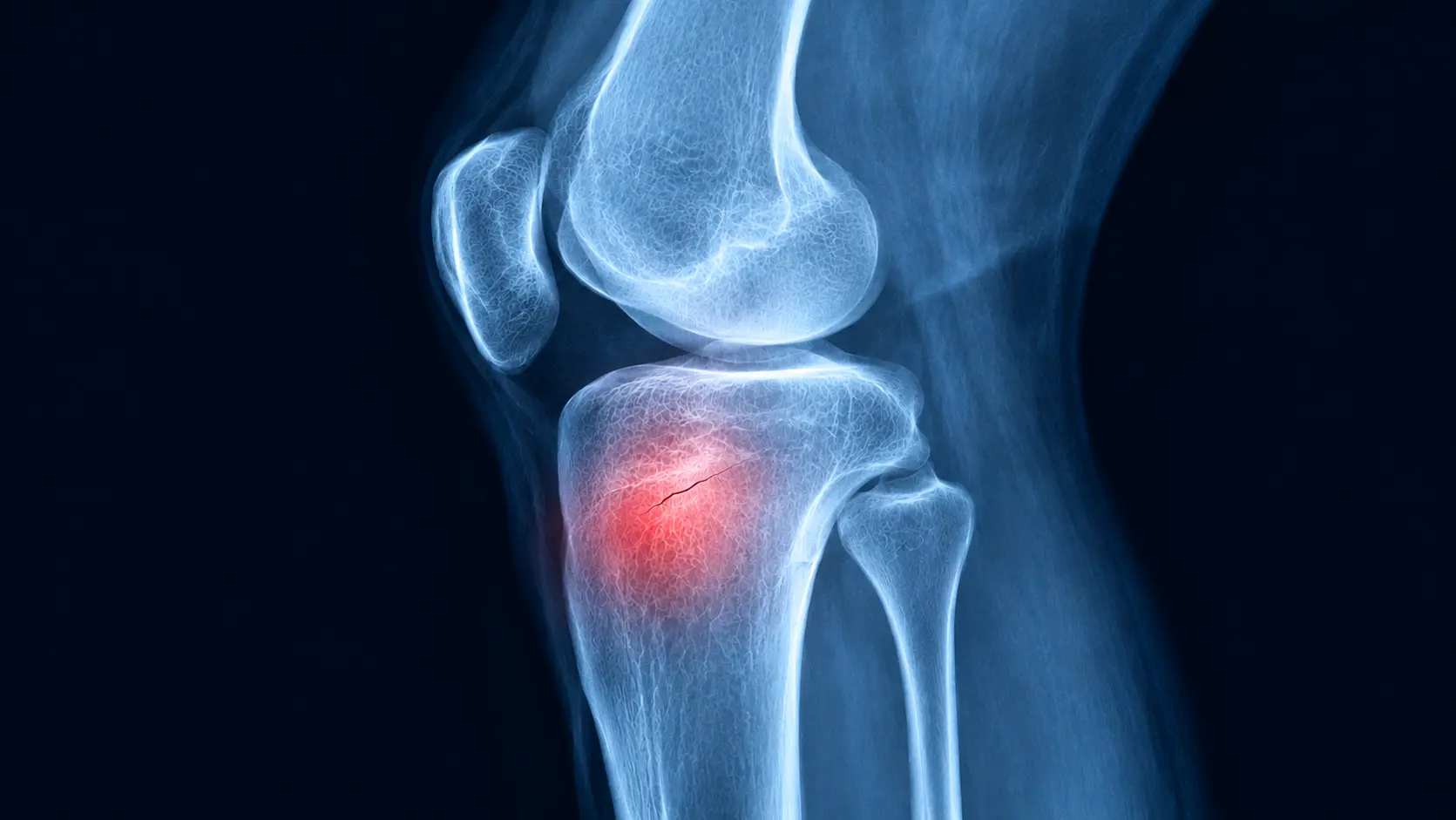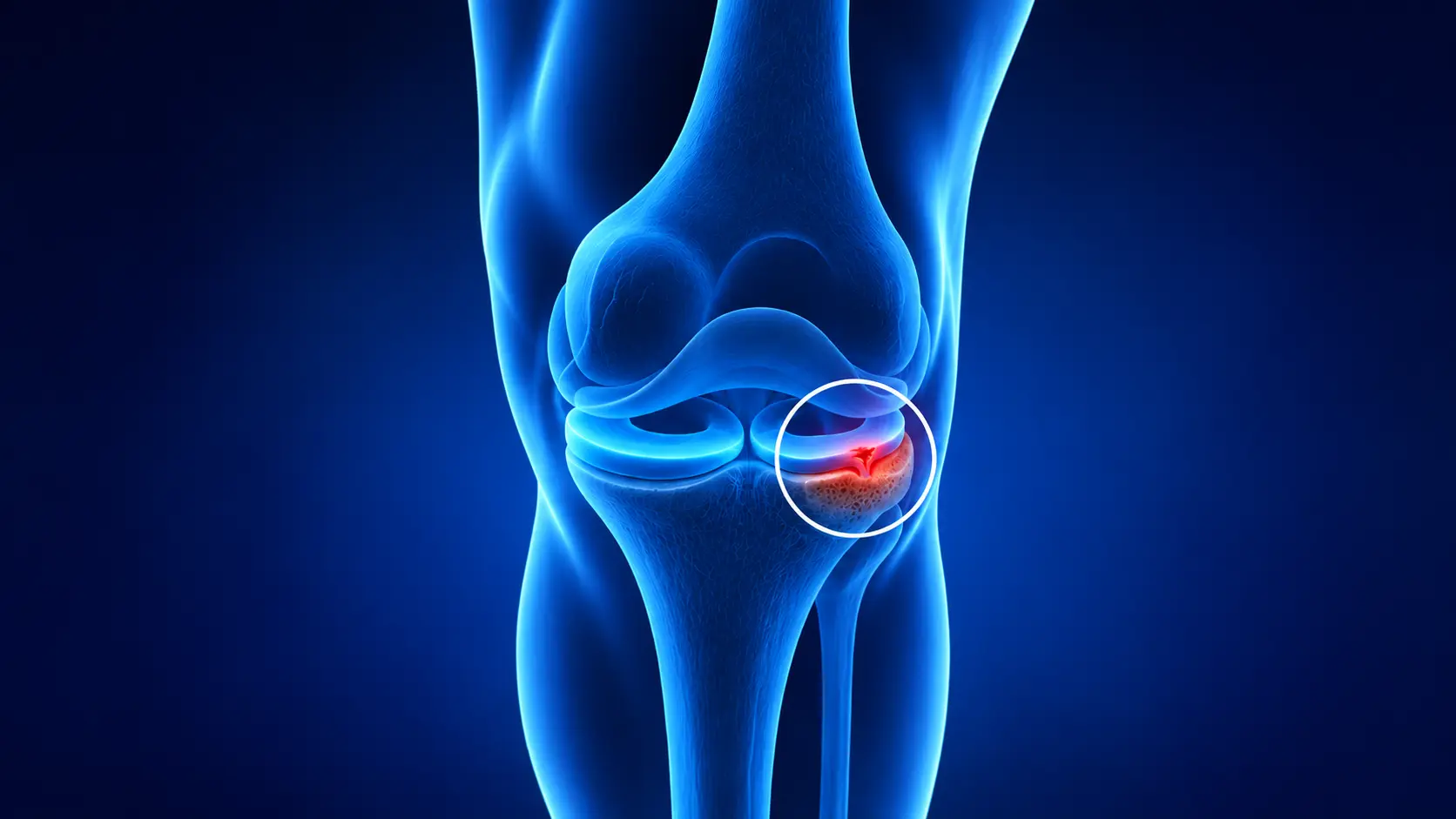
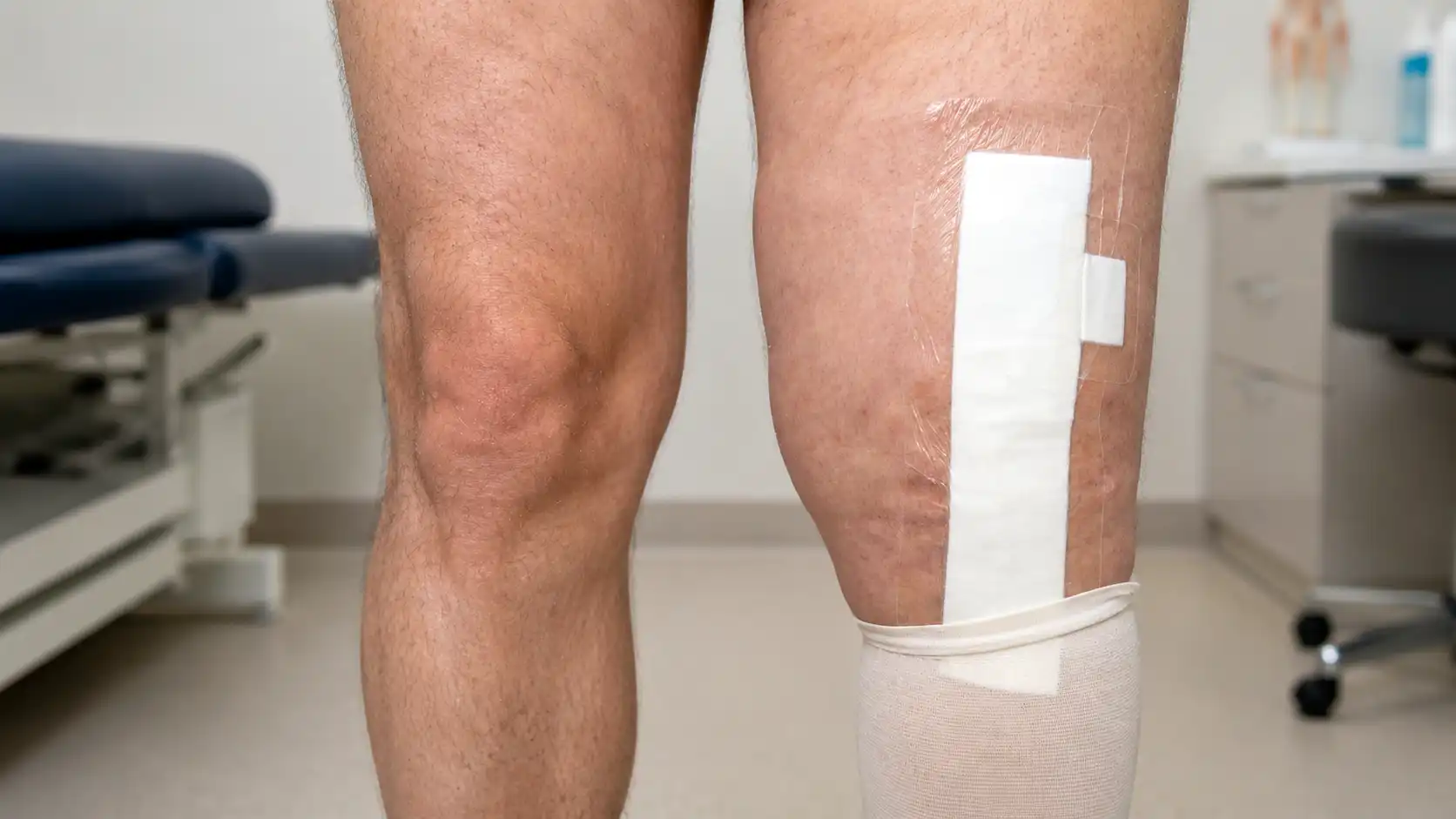
If you have recently had knee replacement surgery and you are noticing swelling in your knee, ankle, or lower leg, please know that this is one of the most common questions we hear from our patients. Swelling after total knee surgery can feel alarming, especially in the first few weeks, but for most people it is simply part of how the body heals. That said, there are certain signs worth paying closer attention to, and we want to walk you through exactly what is normal, what to watch for, and when it makes sense to get in touch with us.
In this guide, we will cover how much swelling is typical, where it tends to spread, what warmth and redness might mean, and how to tell the difference between ordinary healing and something that needs a specialist’s opinion. Our aim is to give you clear, honest information so you can feel confident during your recovery rather than anxious about every change you notice.
Swelling After Knee Replacement Surgery — What’s Actually Normal
Swelling after knee replacement surgery happens because your body is responding to what is, essentially, a controlled surgical injury. During the operation, tissue, bone, and blood vessels are all disturbed, and your body reacts the way it would to any trauma, by sending fluid and white blood cells to the area to begin repairing it. This is a natural and expected part of recovery, not a sign that something has gone wrong.
Most of our patients notice swelling peaks within the first few days after surgery and then gradually eases over the following weeks. However, it is worth setting realistic expectations here. Mild swelling can genuinely persist for several months, and in some cases, patients notice small amounts of puffiness around the knee for up to a year as the deeper tissues continue to settle. A helpful way many NHS physiotherapy teams frame recovery is that by three months you should feel fair, by six months good, and by twelve months right. We find this framework useful because it removes the pressure of expecting a fully “normal” knee within just a few weeks.
Knee Swelling After Total Knee Replacement in the Early Weeks
In the first two weeks, knee swelling after total knee replacement is usually at its most noticeable. You may find your knee looks visibly larger than before surgery, and it might feel tight or warm to the touch. This is generally accompanied by some bruising, which can look more dramatic than it actually is, sometimes tracking down towards the ankle due to gravity.
By weeks three to six, most patients start to see a gradual reduction, particularly as mobility improves and you begin walking more consistently. Around the three month mark, many people report the swelling has noticeably calmed down, although it is common for a small amount to remain, especially by the end of a long day or after being on your feet.
Inflammation After Total Knee Replacement — Why It Happens
Inflammation after total knee replacement is closely linked to swelling, but they are not quite the same thing. Inflammation refers to your body’s biological response, the widening of blood vessels and release of healing chemicals that allow immune cells to reach the surgical site. Swelling is often the visible result of that process. Understanding this distinction can help make sense of why your knee might feel warm and look puffy at the same time, particularly in the early stages of healing.
Edema After Total Knee Replacement Explained
You may also see the term oedema (often spelled edema) used by your medical team. This simply refers to the build up of fluid in the tissue surrounding your knee. It happens because reduced movement in the days after surgery makes it harder for fluid to circulate normally, and scar tissue forming during healing can temporarily block some of the lymphatic drainage that would usually clear it. Staying as mobile as your recovery plan allows, along with elevating your leg, are two of the most effective ways we recommend for managing this.
Ankle Swelling After Total Knee Replacement — Should You Be Concerned
One of the questions we get asked most often is whether ankle swelling after total knee replacement is something to worry about. In most cases, it is not. Fluid naturally follows gravity, so if you have been sitting or standing for a while, it is common for swelling to travel down from the knee into the ankle and foot. The NHS specifically advises against standing for long periods after knee replacement surgery for this exact reason, as it can encourage fluid to pool lower in the leg.
We would generally expect ankle swelling to ease when you elevate your leg above heart height for a period, or after a night’s rest. If it does not improve with elevation, or if it appears suddenly and significantly in one leg only, that is worth mentioning to us, as it can occasionally be linked to circulation issues that benefit from a closer look.
Lower Leg Swelling After Knee Replacement Surgery
Lower leg swelling after knee replacement surgery often goes hand in hand with ankle swelling, since fluid tends to move as a continuous pattern down the limb rather than staying isolated to one area. This is typically part of the same healing process we have already described, and it usually responds well to gentle movement, compression, and elevation.
Thigh Swelling After Knee Replacement Surgery
Thigh swelling after knee replacement surgery is also common, particularly in the first couple of weeks, since surgical trauma and bruising can extend upward as well as downward from the knee. If you notice your thigh feels firm, warm, or increasingly tender rather than simply looking a little larger, we would want to know about that, as it is one of the details we consider when thinking about circulation health.
Severe Swelling After Knee Replacement Surgery — Where to Draw the Line
While a certain amount of swelling is expected, severe swelling after knee replacement surgery is a different matter and deserves closer attention. We describe swelling as more concerning when it is accompanied by:
- A sudden and noticeable increase rather than a gradual change
- Swelling that affects only one leg significantly more than the other, beyond the operated knee itself
- Skin that appears unusually tight, shiny, or stretched
- Pain that feels disproportionate to your recovery stage, particularly if it is getting worse rather than better
None of these signs automatically mean something serious is happening, but they are the kind of changes we would always rather assess directly than have you guess about at home.
Warm Knee After Knee Replacement — Normal Healing or Warning Sign
A warm knee after knee replacement is something almost every patient experiences to some degree, since increased blood flow to the healing area naturally raises the local skin temperature. On its own, warmth is rarely a cause for concern, particularly in the first few weeks.
Where it becomes more relevant is when warmth appears alongside other changes. If your knee feels notably hotter than the rest of your leg, and this is combined with increasing redness, swelling that is getting worse rather than better, or a general feeling of being unwell, these together can point towards infection rather than ordinary healing.
Signs of Infection After Knee Replacement You Shouldn’t Ignore
Signs of infection after knee replacement are something we take seriously, even though infection itself is relatively uncommon following this type of surgery. The difference between normal healing and a possible infection often comes down to the combination of symptoms rather than any single one on its own.
Normal healing typically involves mild warmth, some swelling, and gradual improvement week by week. A possible infection, on the other hand, tends to involve a fever or flu-like symptoms, spreading redness around the wound itself, discharge or an unpleasant smell from the incision, and pain that is increasing rather than settling. If you notice this pattern, we would want you to contact us promptly so we can assess the wound properly rather than waiting to see if it improves on its own.
When Should You Worry About Swelling After Total Knee Surgery
We understand that after reading all of this, you might still be unsure whether your own experience falls into the “normal” category or not. As a general guide, we would encourage you to monitor swelling at home when it is gradual, symmetrical with your general recovery pattern, and improves with rest and elevation. We would ask you to contact our team when swelling increases suddenly, affects one leg noticeably more than the other, or comes with warmth, redness, or fever. And we would always recommend urgent same day assessment if you experience severe calf pain, breathlessness, or chest pain, as these can occasionally indicate a blood clot that has moved towards the lungs.
If at any point you feel unsure, we would always rather you reach out to us and ask than sit with that worry alone.
Why Seeing a Knee Specialist Early Can Prevent Bigger Problems
Booking a knee specialist consultation early, rather than waiting to see if symptoms settle on their own, gives us the chance to catch small issues before they become larger ones. Many complications after knee replacement, when they do occur, respond far better to prompt treatment. This is one of the reasons we encourage patients not to feel like they are overreacting by asking us to check something that is troubling them.
How We Support Your Recovery After Knee Surgery
Recovery from knee replacement surgery is rarely a completely straight line, and we know how unsettling it can feel when something about your healing doesn’t match what you expected. Led by Mr Raghbir Khakha, our approach focuses on giving you clear, honest guidance at every stage, not just during the operation itself but throughout the months that follow. You can learn more about Mr Raghbir Khakha’s background and experience here, including his approach to joint preservation and knee surgery more broadly.
If you are currently recovering from knee replacement surgery and something doesn’t feel quite right, or you simply want reassurance about your progress, we would encourage you to get in touch with our team so we can talk through what you are experiencing and, if needed, arrange a review.
Frequently Asked Questions
How Long Does the Swelling Last After a Knee Replacement?
Swelling is usually most noticeable in the first two to three weeks, then gradually improves over the following months. Mild swelling can persist for three to six months, and in some cases longer, as the deeper tissues continue to heal.
Is It Normal to Have Swelling After Knee Surgery?
Yes, some swelling is a normal and expected part of recovery after knee surgery. It results from your body’s natural healing response and typically improves with time, movement, and elevation.
What Causes Swelling After Knee Surgery?
Swelling occurs because surgery disturbs tissue, bone, and blood vessels, prompting your body to send fluid and healing cells to the area. Reduced mobility in the early days can also cause fluid to build up temporarily.
How Much Swelling Is Normal After Total Knee Replacement?
A degree of visible puffiness around the knee, calf, and ankle is considered normal, particularly in the early weeks. Swelling that is gradually reducing, rather than worsening, is generally a reassuring sign.
Signs of Infection After Knee Surgery?
Possible signs include fever, spreading redness around the wound, discharge or odour from the incision, and pain that is increasing rather than settling. These symptoms together warrant a prompt check with your medical team.
What Causes Infection After Knee Replacement?
Infection can occur if bacteria enter the wound during or after surgery, which is why wound care and hygiene are emphasised throughout recovery. It is uncommon but is taken seriously when suspected.
Signs of Blood Clot After Knee Replacement?
Signs can include swelling in one leg that is noticeably worse than the other, calf pain or throbbing, warmth, and skin that appears darker or discoloured. Breathlessness or chest pain requires urgent medical attention.
In Summary
Swelling after total knee surgery is something almost every patient experiences, and for the vast majority, it is simply a sign that your body is doing exactly what it should to heal. Knowing the general pattern of recovery, along with the specific signs that suggest something needs a closer look, can make a real difference to how confident you feel during this period.
If you have any concerns about your recovery, however small they might seem, we would always rather hear from you. You can reach our team directly through our contact us page to arrange a conversation or a follow up appointment with Mr Raghbir Khakha and our wider team.