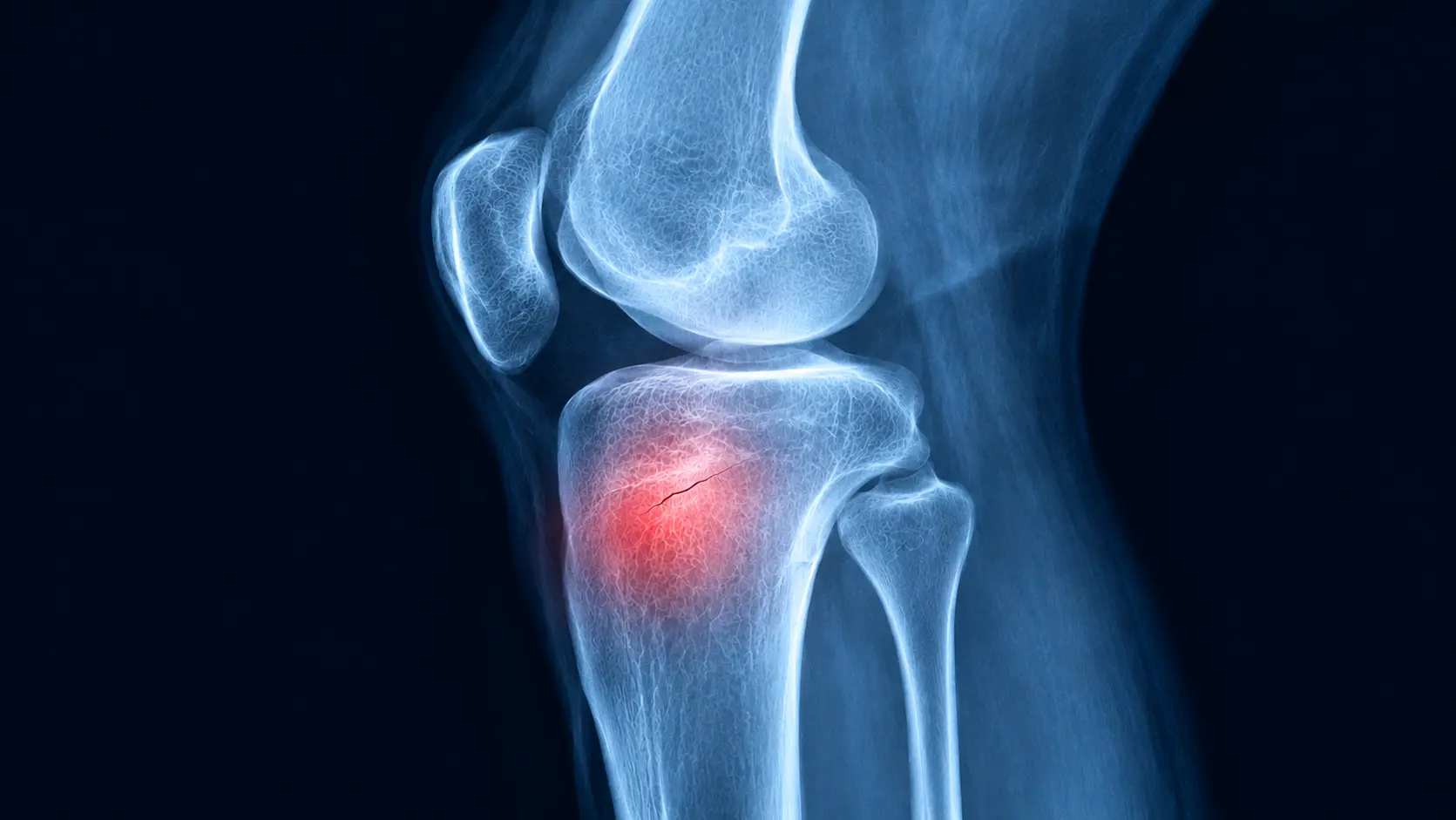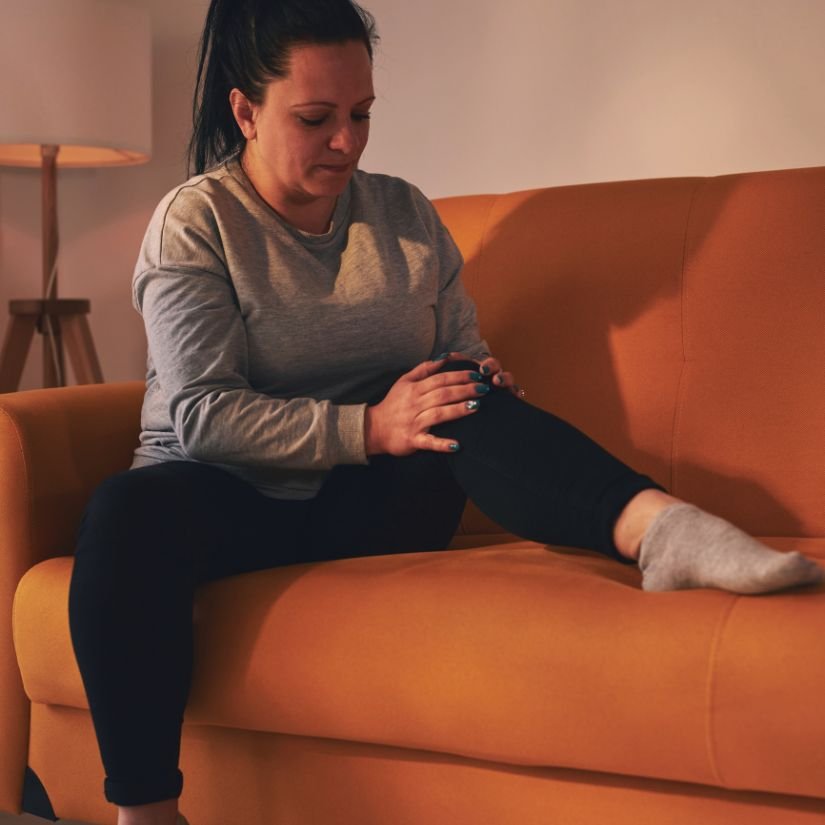
If you have just hurt the outside of your knee during sport, a fall, or a collision, one of the first things you probably want to know is how serious it is. Pain on the outer side of the knee, swelling, bruising, and a feeling that the joint is not quite right are all signals that something has happened to the structures on that side of the knee. In many cases, the culprit is damage to the lateral collateral ligament, more commonly known as LCL damage.
The good news is that most LCL damage responds well to the right treatment, particularly when it is assessed and managed early. Unlike some other knee ligament injuries, the lateral collateral ligament has a reasonable capacity to heal without surgery in the majority of cases. What makes the difference is catching it at the right time, understanding how severe the damage is, and following the right rehabilitation pathway from the start.
This guide explains what the lateral collateral ligament is, how LCL damage happens, what the symptoms look like, how it is graded and diagnosed, and what your treatment and recovery options are.
What the Lateral Collateral Ligament Is and Why It Matters
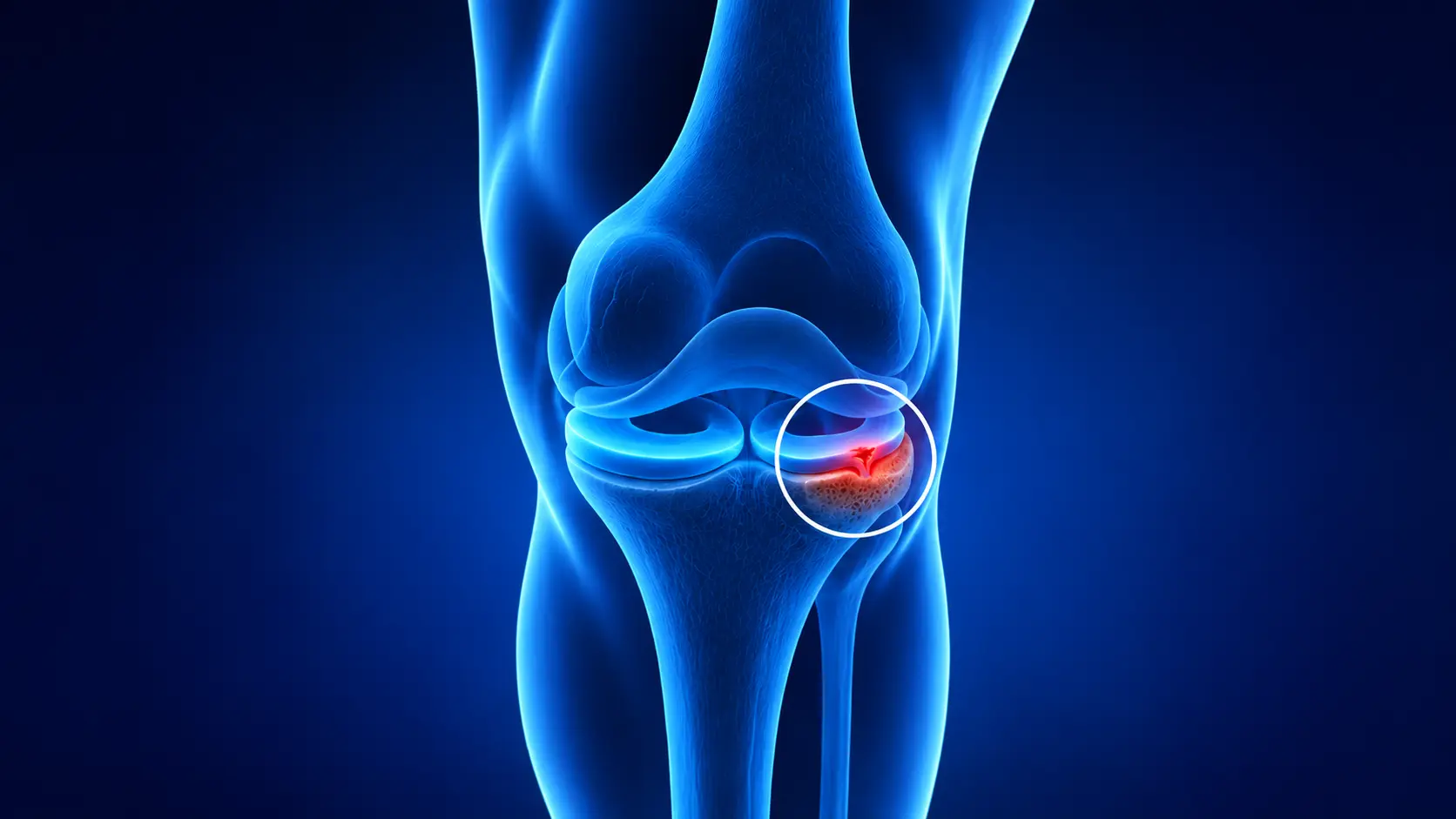
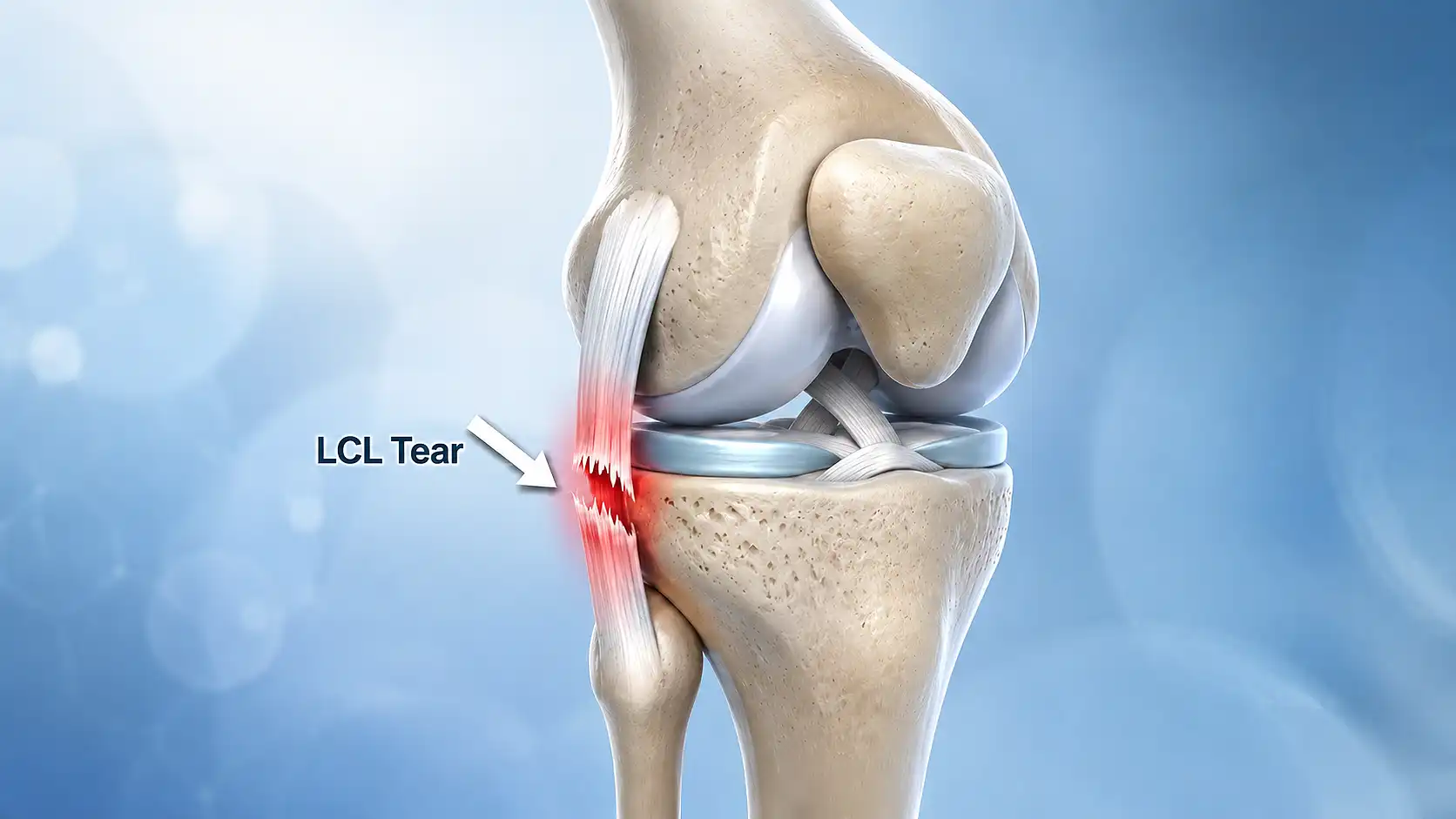
Your knee is held together by four main ligaments. Two sit on the sides of the joint and two cross over each other deep inside it. The lateral collateral ligament is the ligament on the outer side of your knee. It runs from the bottom of your thigh bone down to the top of the smaller bone in your lower leg called the fibula. This is why it is sometimes called the fibular collateral ligament.
The LCL’s main job is to stop the knee from bending outward beyond its normal range. It provides stability on the outer side of the joint and works alongside the other ligaments to keep the knee moving in a controlled, predictable way. When you plant your foot and twist, change direction, or take a blow to the inside of your leg, the LCL is one of the structures under the most stress.
Understanding where the LCL is located helps make sense of why lateral knee injury produces the particular pattern of symptoms it does, which tends to be very different from the inner knee pain of an MCL injury or the deep instability of an ACL tear.
How LCL Damage Actually Happens
LCL injury causes almost always involve a force that pushes the knee outward or bends it in a direction it is not designed to move. The most common scenario is a direct blow to the inside of the knee, which forces the outside of the joint to open up and overstretches the LCL. This is a common mechanism in contact sports such as football, rugby, and basketball.
A varus stress knee injury is the technical term for this type of force. Varus simply means the knee is being pushed outward relative to the rest of the leg, placing maximum load on the outer structures. Hyperextension knee injury, where the knee straightens beyond its normal limit, can also damage the LCL, often alongside other structures in the posterolateral corner of the knee.
It is worth knowing that damage to the lateral collateral ligament rarely happens completely in isolation. Isolated lateral collateral ligament injuries account for only around 2 percent of all knee injuries, while injuries involving the LCL alongside other structures account for 7 to 16 percent of all knee injuries. This means that when we assess an LCL injury, we always check carefully for involvement of the ACL, PCL, or the posterolateral corner structures, since a combined injury changes the treatment pathway significantly.
Common causes of LCL damage include the following.
- A direct blow to the inner side of the knee during contact sport
- A forceful twist or pivot with the foot planted on the ground
- Hyperextension of the knee beyond its normal range
- A fall or collision that forces the knee sideways
- High impact trauma such as a road accident
Any of these mechanisms can produce LCL damage ranging from a mild stretch to a complete tear, and understanding how the injury happened helps us assess the likely severity before imaging is arranged.
LCL Tear Symptoms and What to Look Out For
Recognising LCL tear symptoms early helps you make the right decision about how quickly to seek assessment. Torn LCL symptoms can vary quite a bit depending on how severe the damage is, but there are consistent patterns that point toward this particular injury.
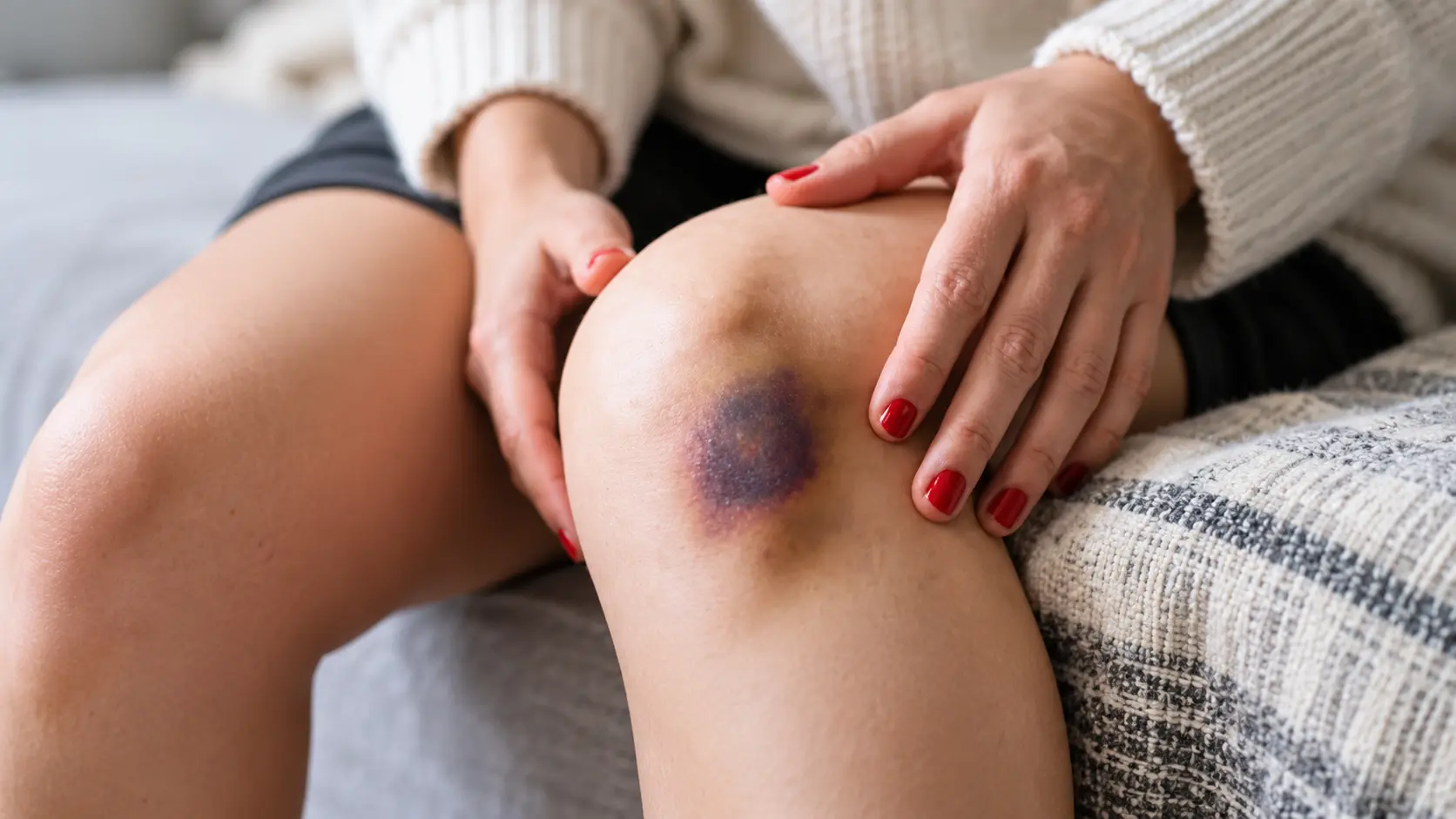
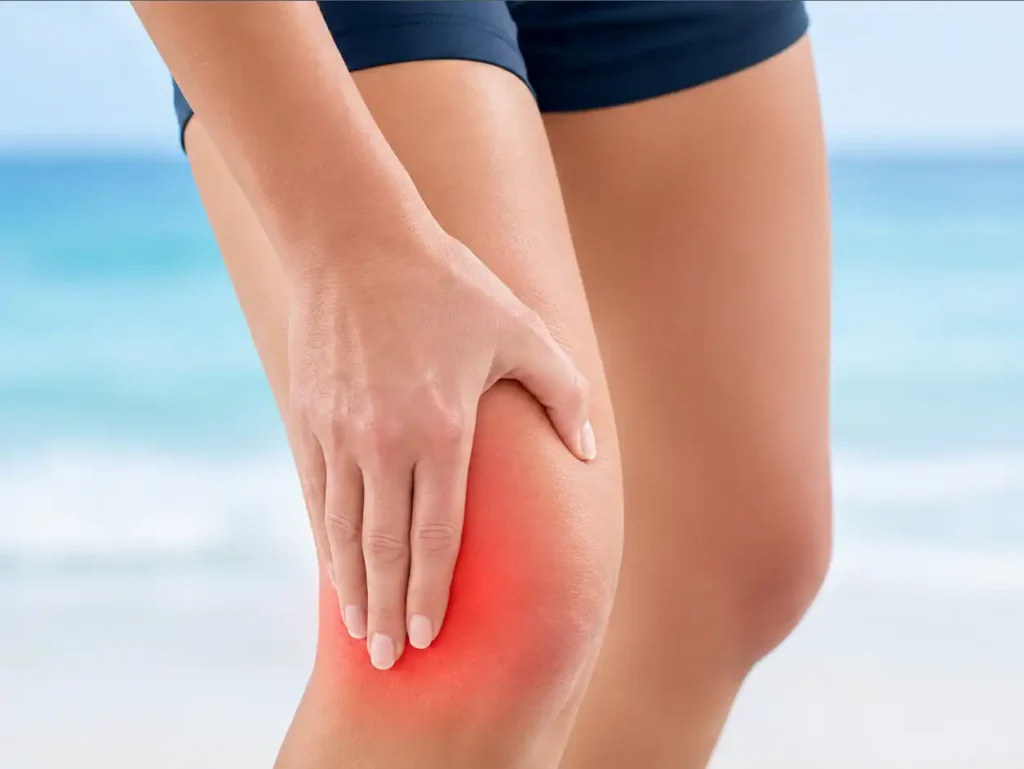
The most immediate sign of LCL damage is pain on the outside of the knee. LCL pain tends to be felt along the outer edge of the joint rather than deep inside it or across the front of the knee. Swelling and bruising on the outer side typically follow within the first few hours, and the area is usually tender to touch directly over the ligament.
Common LCL tear symptoms include the following.
- Pain on the outer side of the knee that came on suddenly during activity
- Swelling and bruising along the outer knee within hours of the injury
- A feeling that the knee is unstable or about to give way on uneven ground
- Difficulty bearing full weight through the leg immediately after injury
- Stiffness when trying to bend or straighten the knee fully
- Numbness or tingling down the outer lower leg in more significant injuries
If you notice numbness or tingling alongside your knee pain, this is worth mentioning to your specialist promptly, since it can occasionally indicate that the peroneal nerve, which runs close to the LCL, has been affected by the injury.
Understanding LCL Tear Grades and What Each One Means
Not all LCL damage is the same, and the grade of injury makes a significant difference to both your treatment and your recovery timeline. LCL tear grades are divided into three categories of severity.
A grade 1 LCL injury means the ligament has been stretched but the fibres are mostly intact. The knee remains stable and you will likely feel discomfort and mild swelling but should be able to bear weight. Return to full sport is typically within a few weeks for a grade 1 injury.
A grade 2 LCL injury means a partial tear has occurred. A meaningful proportion of the ligament fibres have been damaged, and you will have more significant pain, swelling, and some degree of instability. Return to sport for a grade 2 injury is typically around four to six weeks.
A grade 3 LCL injury means the ligament has torn completely. This is the most severe category and usually produces significant instability, difficulty walking, and considerable pain and swelling. Recovery from a grade 3 injury may take eight to twelve weeks, and surgery may be recommended, particularly if other structures in the knee have also been damaged.
Understanding which grade applies to your injury is one of the key reasons why early assessment matters. A grade 1 injury managed well from the start heals predictably. A grade 3 injury left without proper diagnosis and treatment can lead to lasting instability and a higher risk of further damage to the joint.
Is It Just the LCL or Is Something Else Involved
This is one of the most important questions we ask when we assess an LCL injury, and it is something patients often do not think to ask themselves.
LCL vs ACL injury can be difficult to distinguish purely from symptoms alone, since both can produce instability, swelling, and pain following a twisting or impact mechanism. The difference tends to lie in the direction of instability. ACL injuries typically produce a feeling of the knee giving way during forward pivoting or cutting movements, while LCL damage tends to produce instability in sideways or rotational loading. That said, the two injuries can and do occur together, and a combined LCL and ACL tear is a more complex situation that changes both the surgical and rehabilitation planning considerably.
Posterolateral corner injury is another important consideration. The posterolateral corner is a group of structures at the back and outer side of the knee that work closely with the LCL. When significant force damages the LCL, these structures can be involved too, and missing this can lead to failed treatment outcomes even after the LCL itself has healed. This is one of the reasons a specialist assessment with appropriate imaging is essential rather than simply resting a suspected LCL injury at home.
How We Test and Diagnose LCL Damage
The LCL injury test most commonly used in a clinical setting is called the varus stress test. This involves your surgeon gently applying pressure to the outer side of the knee while the leg is in a specific position, feeling for any abnormal opening or looseness in the joint that indicates ligament damage. It is a straightforward examination technique that most patients find uncomfortable but not severely painful.
How is LCL injury diagnosed beyond the physical examination? We will usually arrange imaging to confirm the diagnosis and check for involvement of surrounding structures. An LCL injury MRI gives us the clearest picture of the ligament itself, including whether it has been stretched, partially torn, or completely ruptured, and allows us to check the posterolateral corner, ACL, PCL, and meniscus at the same time. An X-ray may also be arranged to rule out any associated fracture, particularly around the fibular head where the LCL attaches.
Getting the diagnosis right at this stage sets the entire treatment and recovery pathway. Missing a combined injury at the initial assessment is one of the most common reasons LCL damage does not heal as well as expected.
LCL Treatment Options and What Is Right for You
LCL treatment depends on the grade of your injury, whether other structures are involved, and what your activity goals are. For the majority of patients with grade 1 and grade 2 injuries, non-surgical management produces excellent outcomes when it is managed properly from the start.
Initial treatment follows a straightforward approach focused on controlling pain and swelling while protecting the healing ligament. Rest from the activity that caused the injury, ice applied for fifteen to twenty minutes at a time, compression bandaging, and keeping the leg elevated all help in the first few days. An LCL knee brace is often recommended during this period to limit sideways movement of the knee while the ligament heals, and crutches may be needed temporarily if bearing weight is uncomfortable.
Physiotherapy for LCL injury is the cornerstone of recovery for most patients. A structured rehabilitation programme focuses on reducing swelling, restoring range of movement, and rebuilding strength in the muscles around the knee and hip. The hip stabilisers and quadriceps play an important role in protecting the outer side of the knee during movement, and specific strengthening work for these muscle groups is an essential part of LCL sprain treatment rather than just resting the knee and hoping it recovers on its own.
When LCL Surgery Becomes Necessary
LCL surgery is not needed for the majority of LCL injuries, but there are clear situations where it becomes the right option. If the damage to the LCL is of a higher degree, surgery may be required to directly repair the damage or to reconstruct the ligament itself. In many cases, surgery to the LCL is essential when other structures in the knee have been damaged at the same time, such as a PCL injury or multiple ligament injuries.
When surgery is needed, the timing of the injury matters significantly. If the injury occurred within a few weeks and the ligament tear is from the upper or lower attachment, surgical repair can fix the injury. If the injury occurred longer than three weeks prior or the ligament is torn in the middle, then a surgical reconstruction is needed to stabilise the knee.
Knee ligament surgery for LCL reconstruction involves replacing the torn ligament with a graft, usually taken from your own hamstring tendon. This is performed using keyhole surgical techniques wherever possible, with small incisions and a camera guiding the procedure. Most patients go home the same day or the following morning and begin physiotherapy shortly after surgery to protect and consolidate the repair.
What Recovery From LCL Damage Looks Like
LCL injury recovery time varies depending on the grade of your injury and whether surgery was needed. For grade 1 injuries managed with physiotherapy and bracing, most patients return to normal daily activities within three to four weeks and to sport within six to eight weeks. Grade 2 injuries typically take eight to twelve weeks for a full return to sport with consistent rehabilitation.
For grade 3 injuries requiring surgery, recovery is naturally a longer process. Most patients can resume light activities within six to eight weeks after LCL reconstruction, but full recovery may take six months or more. Return to sport after LCL injury at this level is gradual and guided by your physiotherapist through progressive loading and sport-specific rehabilitation milestones rather than a fixed calendar date.
The key message across all grades is that doing the rehabilitation properly matters as much as the initial treatment. LCL recovery without surgery relies on the surrounding muscles compensating well for the ligament while it heals, which only happens if the strengthening programme is followed consistently. Cutting rehabilitation short is one of the most common reasons patients experience lingering instability after what should have been a straightforward recovery.
When You Should Not Wait to Get Your Knee Assessed
Some knee injuries are safe to monitor at home for a day or two before booking an appointment. LCL damage is worth assessing promptly rather than waiting, particularly if any of the following apply to you.
You should seek specialist assessment if your outer knee pain has not improved within a few days of the initial injury, if your knee feels genuinely unstable during walking or light activity, if you heard or felt a pop at the time of injury, or if significant swelling developed rapidly after the incident. Any numbness or tingling down the outer lower leg alongside knee pain also warrants prompt assessment given the proximity of the peroneal nerve to the LCL.
The earlier we can assess the grade of your knee ligament injury and check for involvement of the surrounding structures, the more treatment options are available and the more predictable your recovery is likely to be.
Expert LCL Damage Care at London Knee Care
If you have damaged the outside of your knee and want a clear answer on what has happened and what your options are, we are here to help. As an LCL injury specialist London patients can access promptly, we offer thorough clinical assessment, the right imaging when needed, and a treatment plan built around your specific injury, lifestyle, and goals.
We see patients with all grades of lateral collateral ligament damage, from mild sprains that need a structured rehabilitation plan to complex combined injuries requiring surgical reconstruction. Our approach is always to assess the whole picture, not just the LCL in isolation, so that nothing gets missed and your recovery is built on an accurate, complete diagnosis.
Our clinic is led by Mr Raghbir Khakha, a consultant orthopaedic surgeon with over fifteen years of specialist experience in knee ligament injuries, sports knee surgery, and complex knee reconstruction. He takes a direct, patient-focused approach to every assessment, explaining clearly what has happened in your knee and what your realistic treatment and recovery options are.
You can book your consultation directly online at a time that suits you. If you would prefer to speak with our team first before booking, please contact us and we will help you work out the most appropriate next step for your knee.
Frequently Asked Questions About LCL Damage
Can the lateral collateral ligament heal itself?
For grade 1 and grade 2 injuries, yes, the LCL has a reasonable capacity to heal without surgery when managed properly with rest, bracing, and physiotherapy. Grade 3 complete tears have a more limited ability to heal on their own and often require surgical reconstruction, particularly when other structures in the knee are also involved. Early assessment tells you which category your injury falls into.
Can you walk with LCL damage?
For grade 1 injuries, walking is usually possible fairly soon after the injury, though the knee may feel tender and slightly unstable. Grade 2 injuries often require crutches for a period to protect the healing ligament. Grade 3 tears typically make normal weight bearing difficult and uncomfortable until the injury has been properly assessed and treated.
How serious is LCL damage?
Most LCL injuries are manageable and heal well with appropriate care. The seriousness depends on the grade and whether other structures are also damaged. An isolated grade 1 or 2 injury is generally not a long-term concern if treated properly from the start. A grade 3 tear combined with ACL or posterolateral corner involvement is a more significant injury that usually requires surgical treatment for a full return to sport.
How long does LCL damage take to heal?
Healing time varies by grade. Grade 1 injuries typically resolve within three to four weeks. Grade 2 injuries take around eight to twelve weeks. Grade 3 tears requiring surgery can take six months or more for a full return to sport. These timelines assume consistent rehabilitation rather than passive rest alone.
What happens if LCL damage is left untreated?
Leaving LCL damage without proper assessment and treatment can lead to persistent instability on the outer side of the knee, which places increased stress on other structures over time. This can accelerate cartilage wear, increase the risk of meniscus tears, and make the knee progressively less reliable during activity. A grade 3 tear left untreated is particularly likely to cause ongoing problems.
Do I need surgery for LCL damage?
Most patients with grade 1 or grade 2 LCL damage do not need surgery. Physiotherapy and bracing produce good outcomes for the majority of isolated LCL injuries. Surgery becomes relevant for grade 3 complete tears, combined ligament injuries, or cases where conservative treatment has not restored adequate stability. This decision is always made based on your specific injury, imaging findings, and activity goals.
Can you play sport with LCL damage?
Returning to sport with an unassessed or untreated LCL injury is not advisable. Playing through outer knee pain and instability risks worsening the original injury and potentially damaging other structures in the knee at the same time. Once the injury has been properly assessed, graded, and treated, a guided return to sport programme gives you the safest and fastest route back to your activity.