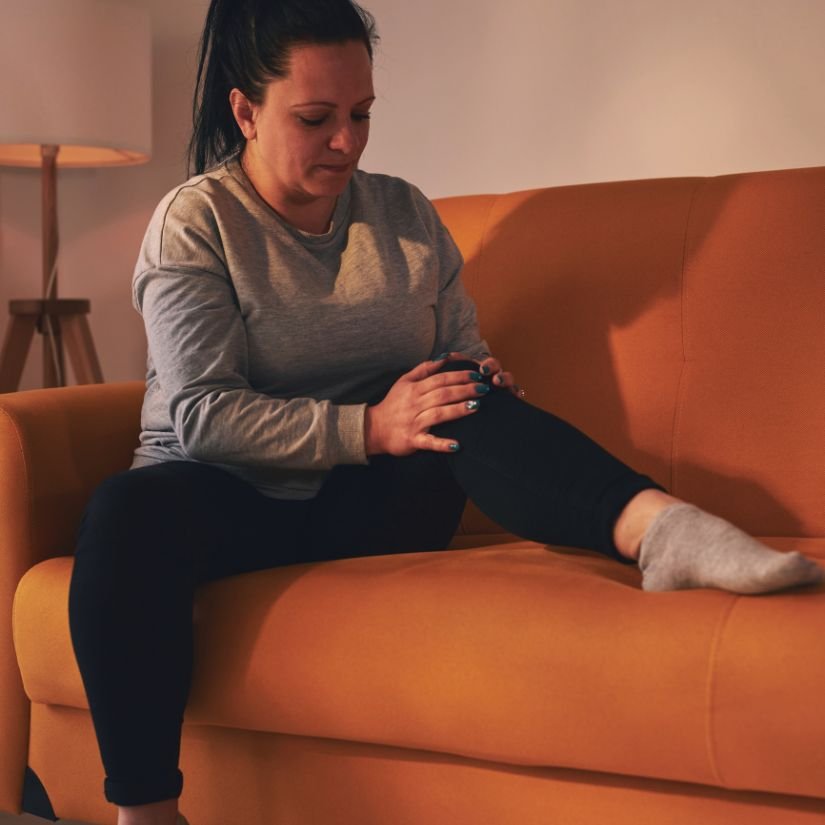
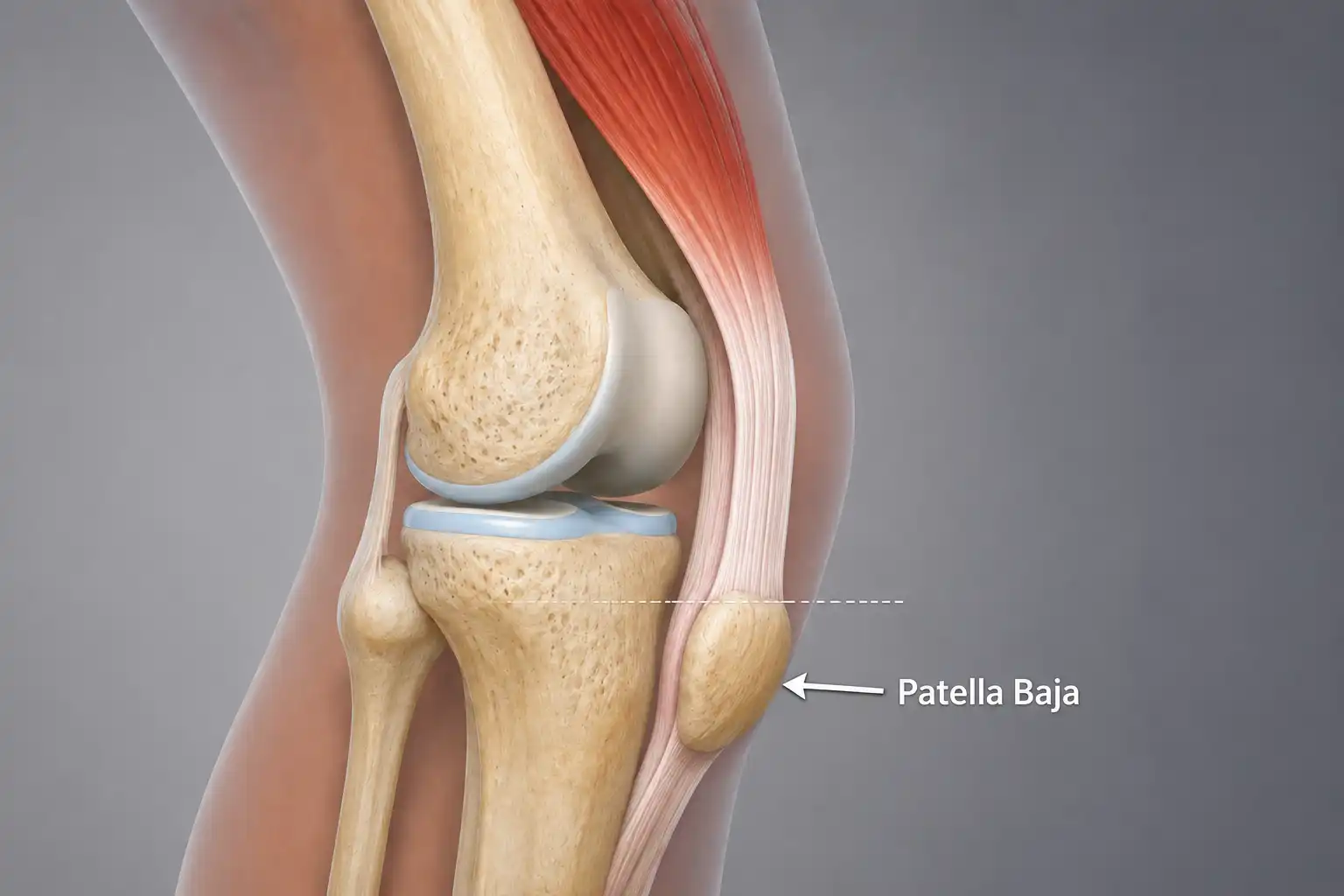
Being told you have patella baja can feel confusing, particularly if you have never heard the term before and your consultant did not have much time to explain it fully. You are probably trying to understand what it actually means, why it has happened, and whether it can be fixed. This guide answers all of those questions in plain, straightforward language so you can feel more informed and less anxious about what comes next.
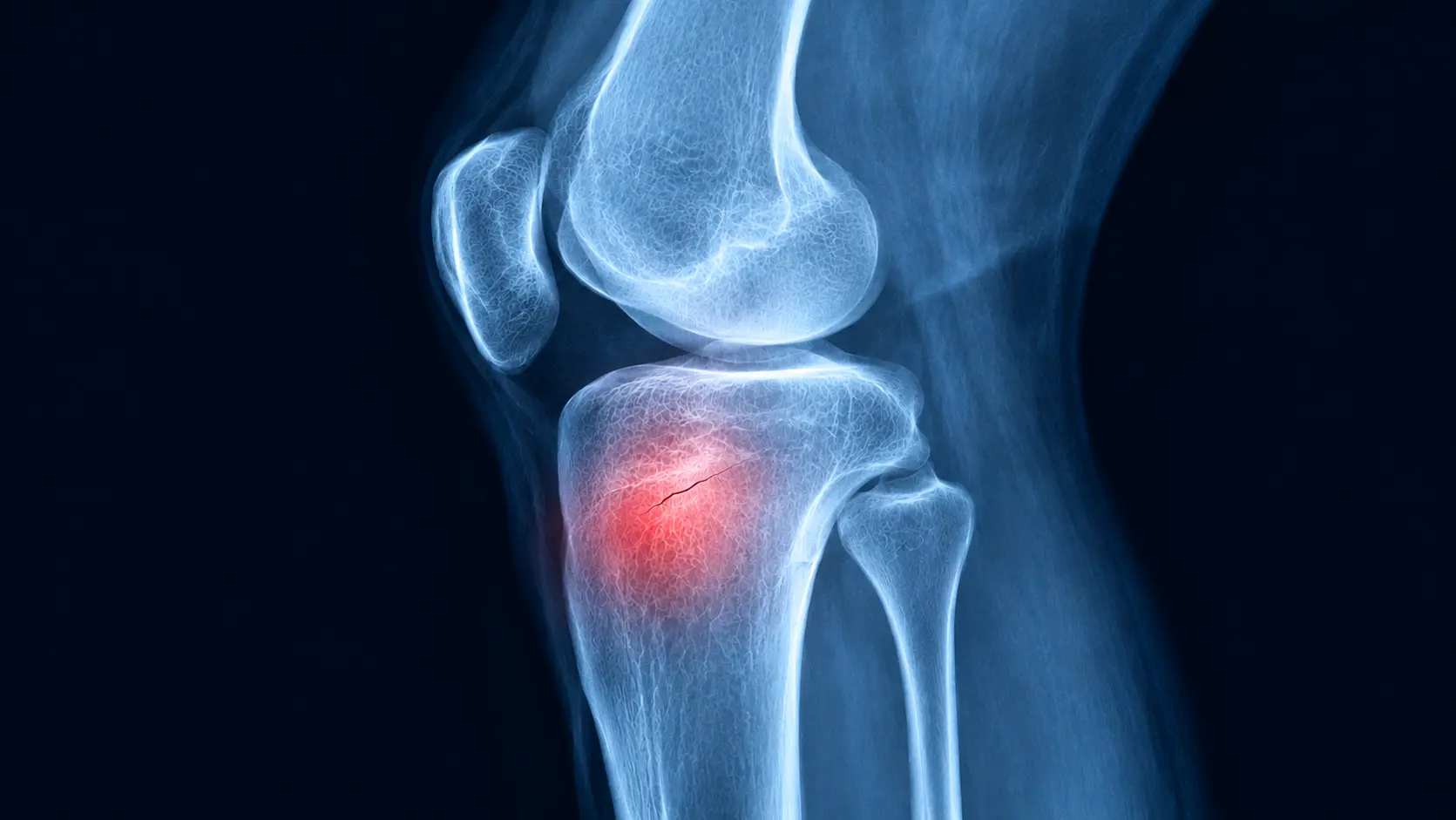
Patella baja, also known as patella infera, simply means your kneecap is sitting too low in your knee joint. In a healthy knee, the kneecap sits at a specific height in the groove at the front of the thigh bone and glides smoothly up and down when you bend and straighten your leg. When the kneecap sits lower than it should, this normal movement becomes disrupted, and the joint has to work much harder to function properly. The result is pain, stiffness, and a knee that does not move the way it used to.
What Does Patella Baja Mean and Why Does It Matter
Patella baja meaning in practical terms is a kneecap that has dropped below its correct position in the knee joint. The patella baja definition sounds simple, but the consequences for your knee function are significant.
Your kneecap, known medically as the patella, is the largest sesamoid bone in the body. Understanding the purpose of the patella helps explain why its position matters so much. It acts as a fulcrum, a pivoting point, that dramatically increases the efficiency of your quadriceps muscle when you straighten your leg. Without the kneecap in the right position, your thigh muscles have to work far harder to perform the same movement, which is why patients with patella baja often notice unusual fatigue in their leg and a sense that extension feels weak or effortful.
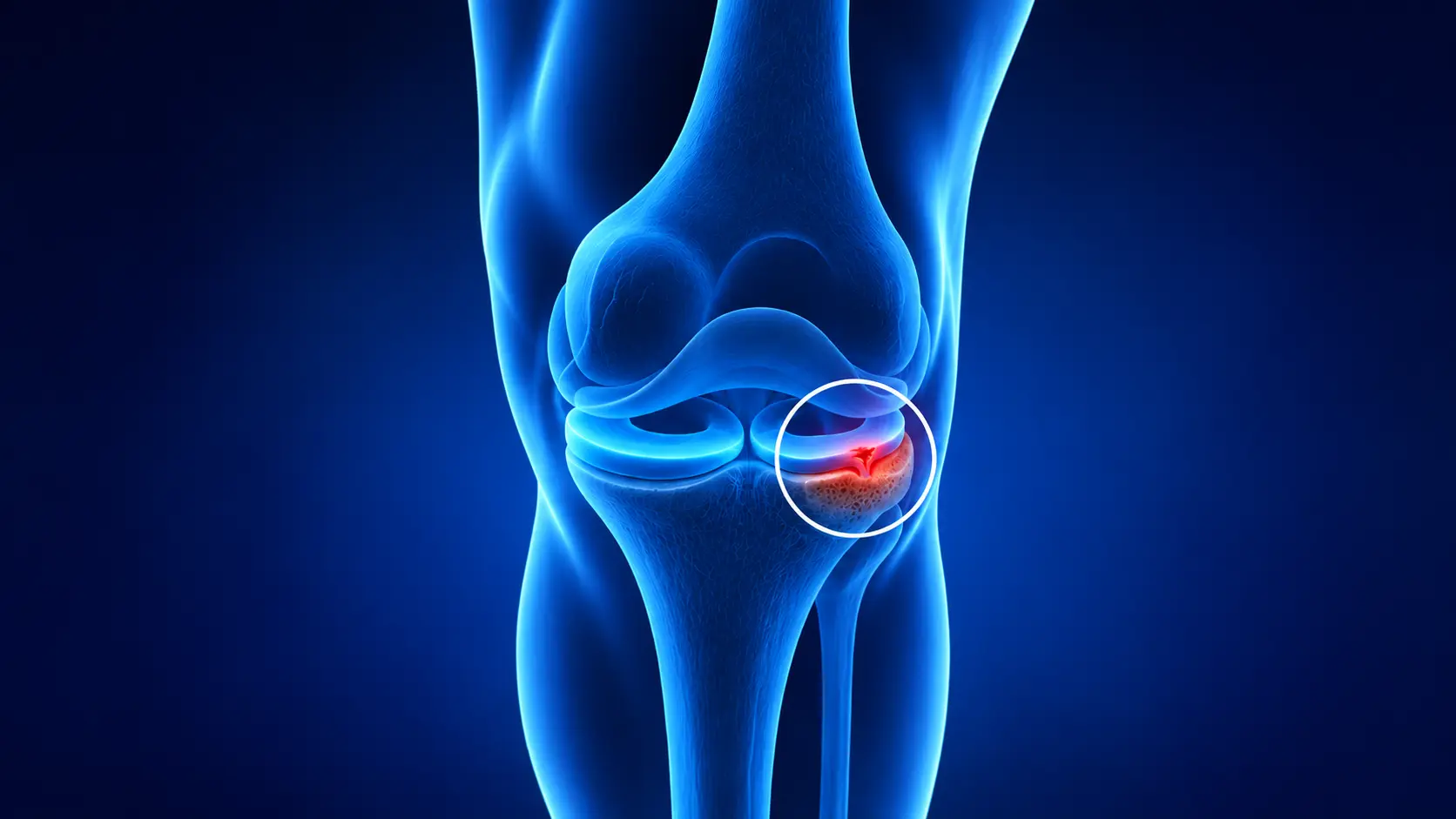
When the kneecap sits too low, it engages the groove of the thigh bone earlier than it should during bending. This premature engagement changes the contact forces inside the joint, placing abnormal pressure on the cartilage behind the kneecap and altering how the knee tracks during movement. Over time, this abnormal loading can cause cartilage wear, stiffness, and further functional decline, which is why understanding and addressing patella baja promptly matters.
Patella Alta and Baja and the Difference Between the Two
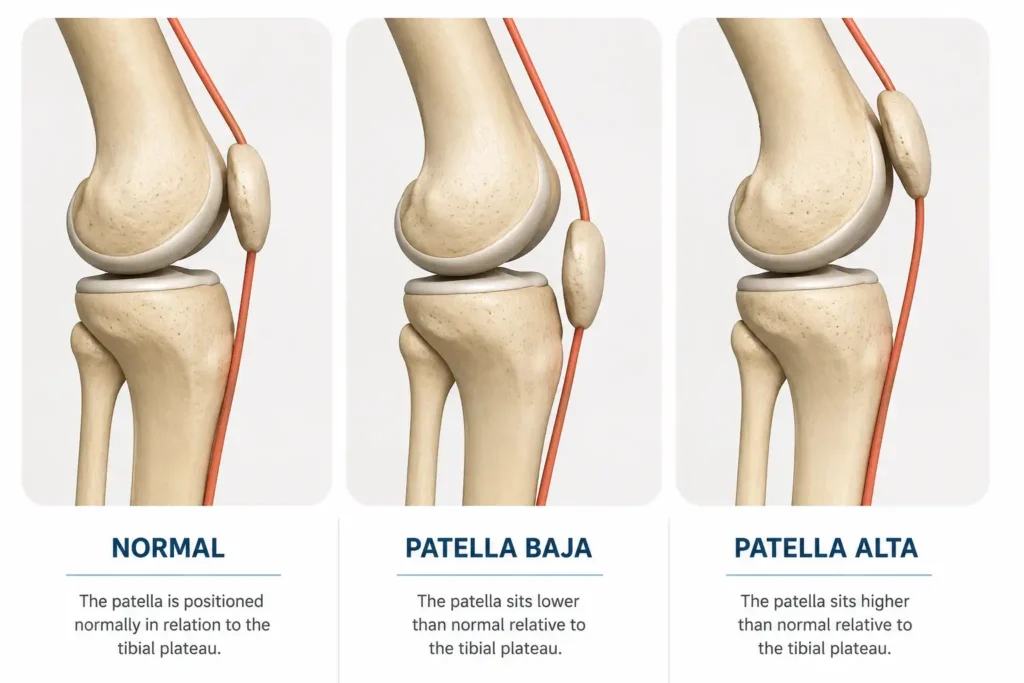
It helps to understand that kneecap height exists on a spectrum. Patella alta means the kneecap sits too high. Patella baja means it sits too low. Both conditions affect how the kneecap tracks in its groove and can cause pain and functional problems, but they do so in different ways and require different treatment approaches. If you have been told you have patella baja, you are dealing specifically with a low-lying kneecap rather than a high one, and the causes, consequences, and treatment options discussed in this guide apply specifically to your situation.
True Patella Baja Versus Pseudo Patella Baja
One of the most important things to understand after a patella baja diagnosis is which type you have, because this changes the treatment pathway significantly.
True patella baja means the patellar tendon, the thick tendon that connects the bottom of your kneecap to your shin bone, has actually become shortened or scarred. The kneecap is genuinely sitting lower because the tendon holding it is physically too short or too tight. This is the most common form and usually develops as a result of scar tissue formation following knee surgery or injury.
Pseudo patella baja is different. In this case the patellar tendon length is actually normal, but the kneecap appears to sit low because the joint line inside the knee has been raised, most commonly as a result of how a knee replacement implant has been positioned. The patella has not moved downward, the joint has effectively moved upward relative to it. Pseudo patella baja requires a completely different approach to treatment from true patella baja, which is why getting the diagnosis right matters so much.
Infrapatellar contracture syndrome is a closely related condition where dense scar tissue forms in the fat pad beneath the kneecap, pulling the patella downward and contributing to true patella baja. It is often seen alongside arthrofibrosis, where excessive scar tissue restricts the whole knee joint, and it can make both diagnosis and treatment more complex.
What Causes Patella Baja
In the vast majority of cases, patella baja is acquired rather than something you are born with. It develops when the patellar tendon or surrounding tissues heal in a shortened or scarred state after surgery or injury.
The most common causes include the following.
- Proximal tibial osteotomy including high tibial osteotomy, which is one of the most frequently cited surgical causes of true patella baja
- ACL reconstruction surgery, particularly when a patellar tendon graft is used, since this directly involves the tendon and increases the risk of infrapatellar scarring
- Knee replacement surgery, which can cause either true or pseudo patella baja depending on how the implant affects the joint line position
- Arthrofibrosis, where excessive scar tissue forms throughout the knee and tethers the patella in a low position as the joint stiffens progressively
- Knee fractures involving the patella, tibial plateau, or surrounding structures, where the healing process leads to tendon shortening
- Prolonged immobilisation after any knee surgery or injury, since extended periods of rest without movement encourage soft tissue contracture and adhesion formation
The underlying thread connecting most of these causes is the same. When the tissues around the patellar tendon are disrupted and then heal without adequate early movement, scar tissue forms and the tendon gradually contracts. The longer this goes unaddressed, the more established the low kneecap position becomes.
Mild Patella Baja and What It Means
Not every case of patella baja is equally severe. Mild patella baja means the kneecap is sitting slightly lower than normal but has not yet caused significant structural changes or severe functional limitation. What is mild patella baja in practical terms? It is a low kneecap position that is causing symptoms such as stiffness and anterior knee pain, but where the tissues have not yet become densely fibrotic or permanently contracted. Mild cases have the best response to physiotherapy and conservative treatment, which is why catching patella baja early makes a meaningful difference to outcomes.
Patella Baja Symptoms to Recognise
Patella baja symptoms can vary depending on severity and how long the condition has been present. The most consistent feature is a knee that simply does not move or feel the way it should, particularly after surgery or injury that was expected to improve with time.
Common symptoms include the following.
- Restricted knee flexion, where bending the knee beyond a certain point becomes painful or physically blocked
- Anterior knee pain, felt at the front of the knee particularly during bending, squatting, or stair climbing
- Knee stiffness that does not improve in the way expected during recovery
- Difficulty bending the knee fully, even during gentle physiotherapy exercises
- A grinding or crunching sensation known as crepitus during knee movement
- Knee pain when climbing stairs or rising from a chair that goes beyond normal post-surgical discomfort
- A sense of weakness or heaviness in the leg when trying to fully straighten it
- Fatigue in the thigh muscles more quickly than expected during everyday activities
If your knee recovery has stalled and several of these symptoms apply to you, particularly if you have had recent knee surgery, patella baja is worth raising with your specialist as a possible explanation for why progress has stopped.
Patella Baja Measurement and How We Confirm the Diagnosis
Confirming patella baja requires imaging rather than clinical examination alone, since the low kneecap position can be subtle and is not always obvious on inspection.
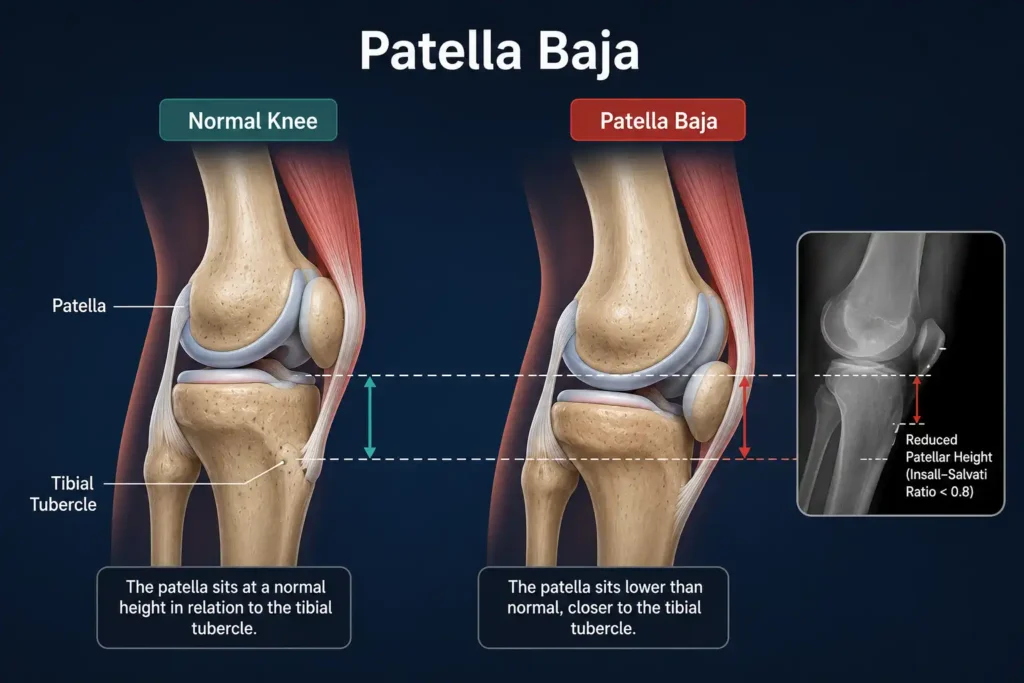
A patella baja X-ray taken from the side of the knee at a specific angle of flexion is the standard first investigation. From this image, we measure the relationship between the patellar tendon length and the kneecap itself using standardised indices. The most commonly used is the Insall-Salvati ratio, which compares the length of the patellar tendon to the length of the kneecap. A ratio below 0.8 confirms patella baja. The Blackburne-Peel ratio and Caton-Deschamps index are also used, with values below 0.5 and 0.6 respectively indicating a low kneecap position.
How to measure patella baja accurately requires these specific radiographic calculations rather than a subjective impression. This is important because it also helps distinguish true patella baja from pseudo patella baja, since different indices are sensitive to different aspects of the tendon and joint line relationship.
A patella baja MRI is arranged when we need more detailed information about the soft tissues, particularly to assess the extent of patellar tendon scarring, fat pad fibrosis, and any cartilage damage that may have developed as a result of the abnormal kneecap position. The MRI guides surgical planning in more complex cases.
How to Fix Patella Baja and What Treatment Involves
How to fix patella baja depends on how severe it is, how long it has been present, and whether the tissues are still in a phase where they can respond to conservative management or have become too scarred and contracted for physiotherapy alone to resolve.
For mild or early patella baja where the tissues have not yet become densely fibrotic, patella baja physiotherapy is the starting point. This focuses on restoring patellar mobility through specific manual techniques to improve superior movement of the kneecap, stretching of the patellar tendon and infrapatellar tissues, and progressive quadriceps strengthening. The goal of conservative management is to address the restricted soft tissue before permanent shortening becomes established. This approach works best when it begins early, before the window for reversibility has closed.
When physiotherapy has not produced sufficient improvement, or when the patella baja is already well established, a patella baja operation is needed. The choice of surgical procedure depends on whether the patella baja is true or pseudo.
Patella Baja Operation and Surgical Options
For true patella baja caused by patellar tendon shortening, the most commonly performed procedure is tibial tubercle proximalization, where the bony attachment point of the patellar tendon on the shin bone is surgically moved higher up the tibia. This effectively raises the entire kneecap complex to its correct height and restores the normal lever arm of the quadriceps mechanism.
For severe cases where the tendon itself has contracted significantly, patellar tendon lengthening may be needed alongside or instead of tibial tubercle repositioning. This is a more complex procedure that may involve graft material to extend the tendon to the correct functional length.
Anterior interval release is a keyhole surgical procedure that targets the scarred fat pad and anterior interval tissues responsible for tethering the kneecap downward. It is often used as an earlier intervention for infrapatellar contracture syndrome before full blown patella baja has become fixed, and can produce meaningful improvement when performed at the right stage.
For pseudo patella baja following knee replacement, the approach is different entirely. Rather than operating on the tendon, the focus is on correcting the joint line relationship if revision surgery is being considered, or managing symptoms conservatively if the functional impact is manageable. The distinction between true and pseudo baja is critical here because operating on a normal tendon in a pseudo baja case will not help and may make things worse.
Living With Patella Baja and What Recovery Looks Like
Patella baja recovery time varies significantly depending on whether treatment is conservative or surgical and how established the condition was at the time of intervention. For mild cases managed with physiotherapy alone, improvement may be seen over weeks to a few months with consistent effort. For surgical cases, recovery is measured in months rather than weeks, with a structured rehabilitation programme beginning shortly after the procedure to prevent scar tissue from reforming.
Can patella baja be fixed? For many patients, yes, particularly those who are diagnosed and treated before the condition becomes chronic. The patella baja prognosis for early and mild cases treated promptly is encouraging. For more chronic or severe cases, especially those occurring in a knee that has already had multiple procedures or significant arthrofibrosis, complete reversal is more difficult and outcomes are less predictable. We always give you an honest picture of what is realistically achievable for your specific knee rather than promising outcomes we cannot guarantee.
Does patella baja get worse over time if left untreated? Yes. The scar tissue and soft tissue contracture that drive patella baja tend to mature and become denser and less responsive to treatment the longer the condition persists. Acting on a new diagnosis sooner rather than later preserves more treatment options.
Is Patella Baja a Disability
For some patients, patella baja significantly affects their ability to walk, climb stairs, work, and carry out normal daily activities. In that sense, it can genuinely function as a disability in practical terms, affecting quality of life in ways that extend well beyond the knee itself.
Whether patella baja qualifies as a disability for formal legal or benefits purposes in the UK depends on how significantly and how persistently it affects your ability to carry out day-to-day activities. We are not in a position to make that determination on your behalf, but we can provide thorough clinical documentation of your diagnosis, functional limitations, and treatment history, which may support any formal assessment or application you need to make.
Expert Patella Baja Care at London Knee Care
If you have just been diagnosed with patella baja and are not sure what it means or what your options are, we are here to give you clear, honest answers and a straightforward plan for what comes next.
As a patella baja specialist London patients can access promptly, we see patients who have been struggling with a stiff, painful knee after surgery and finally have a name for what has been happening. We take the time to assess your knee thoroughly, review your imaging, explain the distinction between true and pseudo patella baja in your specific case, and discuss all available treatment options openly before any decision is made.
Our clinic is led by Mr Raghbir Khakha, a consultant orthopaedic surgeon with over fifteen years of specialist experience in complex knee conditions including patella baja, arthrofibrosis, knee replacement, and keyhole surgery. He takes a careful, patient-focused approach to every case and gives you honest information about what your knee needs and what the realistic expectations are for your recovery.
You can book your consultation directly online at a time that suits you. If you would prefer to speak with our team first, please contact us and we will help you work out the most appropriate next step.
Frequently Asked Questions
What does patella baja mean?
Patella baja means your kneecap is sitting lower than its normal position in the knee joint. This disrupts the way the knee moves and places abnormal stress on the joint, causing pain, stiffness, and reduced function. It can develop after knee surgery, injury, or prolonged immobilisation, and in rare cases is present from birth.
What is patella baja and alta?
Patella alta means the kneecap sits too high. Patella baja means it sits too low. Both conditions affect how the kneecap tracks in the groove of the thigh bone during movement, but they have different causes, different symptoms, and require different treatment approaches. If you have been diagnosed with patella baja, your kneecap is in a low position rather than a high one.
How common is patella baja?
Patella baja is not rare, particularly in patients who have had knee surgery. Research suggests it occurs in a meaningful proportion of patients following proximal tibial osteotomy and ACL reconstruction, and can occur after total knee replacement as either true or pseudo baja. It is often underdiagnosed because its symptoms can be mistaken for slow or difficult post-surgical recovery.
Is patella baja serious?
Yes, it is a significant condition that should not be left without proper assessment and management. If the underlying problem is not addressed, the scar tissue and contracture driving the low kneecap position tend to worsen over time, making the condition progressively harder to treat and leading to further cartilage damage and functional decline.
Can patella baja be reversed?
For mild and early cases, yes, physiotherapy can restore normal kneecap position and function before the soft tissue changes become permanent. For more established cases, surgical intervention can improve the position significantly, though outcomes in chronic or complex cases are less predictable. The earlier the condition is identified and treated, the better the chances of a meaningful and lasting recovery.
Can you walk with patella baja?
Most patients with patella baja can walk, though the knee often feels stiff, heavy, or unreliable during normal daily activities. Stairs, inclines, and rising from a chair tend to be the most difficult movements. The ability to walk does not mean the condition is mild or that it will resolve without treatment, and persistent walking difficulty that has not improved since surgery should prompt specialist assessment.
What happens if patella baja is left untreated?
Without treatment, the scar tissue and tendon contracture causing patella baja typically progress, making the condition harder to treat and the functional limitation more pronounced. Cartilage behind the kneecap can be progressively damaged by the abnormal contact forces, and in severe untreated cases the condition can become very difficult to meaningfully reverse. Early assessment and intervention give the best outcome.