Being told you have a PCL injury can feel overwhelming, especially if you have never heard of the posterior cruciate ligament before. You might be in pain, unsure whether you need surgery, and wondering how long this is going to affect your life. The honest answer is that most PCL injuries recover well, and the majority of patients do not need surgery to get back to their normal activities.
A torn PCL or PCL sprain means the posterior cruciate ligament, one of the four major ligaments inside your knee, has been stretched, partially torn, or completely ruptured. The PCL is the strongest ligament in your knee, roughly twice as thick and strong as the ACL, which is why it takes a significant force to injure it. This also means that when it is injured, other structures in the knee are sometimes affected at the same time. Understanding exactly what has happened, how severe the damage is, and what your options are is the first step toward a clear recovery plan.
This guide walks you through everything that comes next, from understanding your diagnosis and grading, through to treatment, recovery timelines, and when specialist care makes the biggest difference.
What the PCL Actually Does and Why Its Location Matters
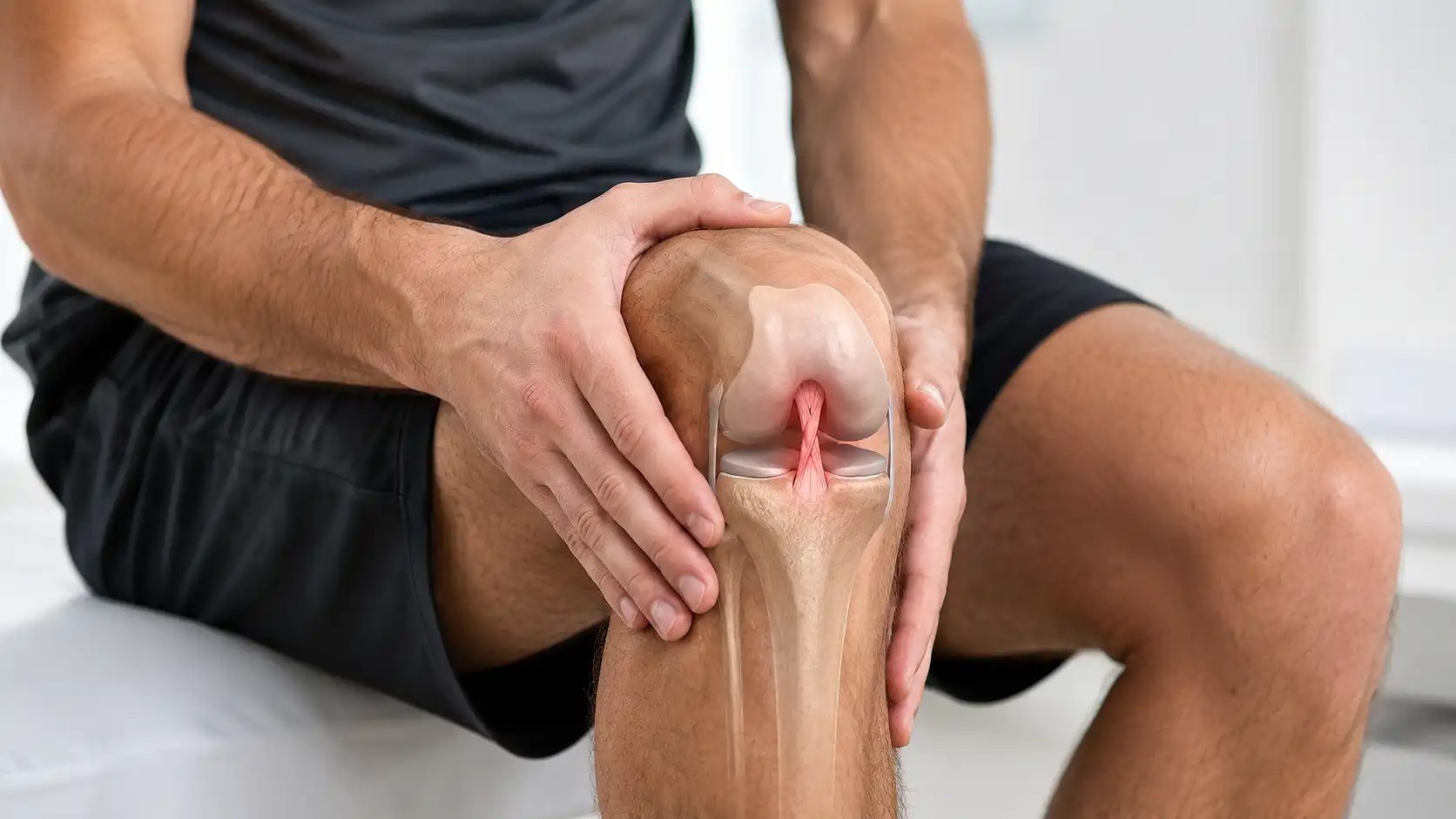
Your posterior cruciate ligament runs diagonally from the back of your thigh bone down to the back of your shin bone, sitting deep inside the knee joint. It crosses behind the ACL, and together the two ligaments form an X shape that controls forward and backward movement of the knee. The PCL’s primary job is to stop your shin bone from sliding too far backward under your thigh bone during movement.
Because the PCL sits at the back of the knee, PCL injury pain typically feels different from an ACL tear. Rather than the sharp front-of-knee instability that characterises an ACL injury, a PCL injury tends to produce pain and swelling at the back of the knee, sometimes with a more gradual onset of symptoms over the hours and days following the injury.
How the PCL and ACL Work Together to Keep Your Knee Stable
The PCL and ACL are both cruciate ligaments, named after the Latin word for cross, because they cross each other inside the joint. The ACL prevents your shin bone from moving too far forward, while the PCL prevents it from moving too far backward. Together they provide the rotational and translational stability your knee needs during walking, running, pivoting, and going downstairs. When the PCL is damaged, this balance is disrupted, and the knee has to rely more heavily on the surrounding muscles and other structures to compensate.
PCL Injury Symptoms and Where the Pain Usually Shows Up
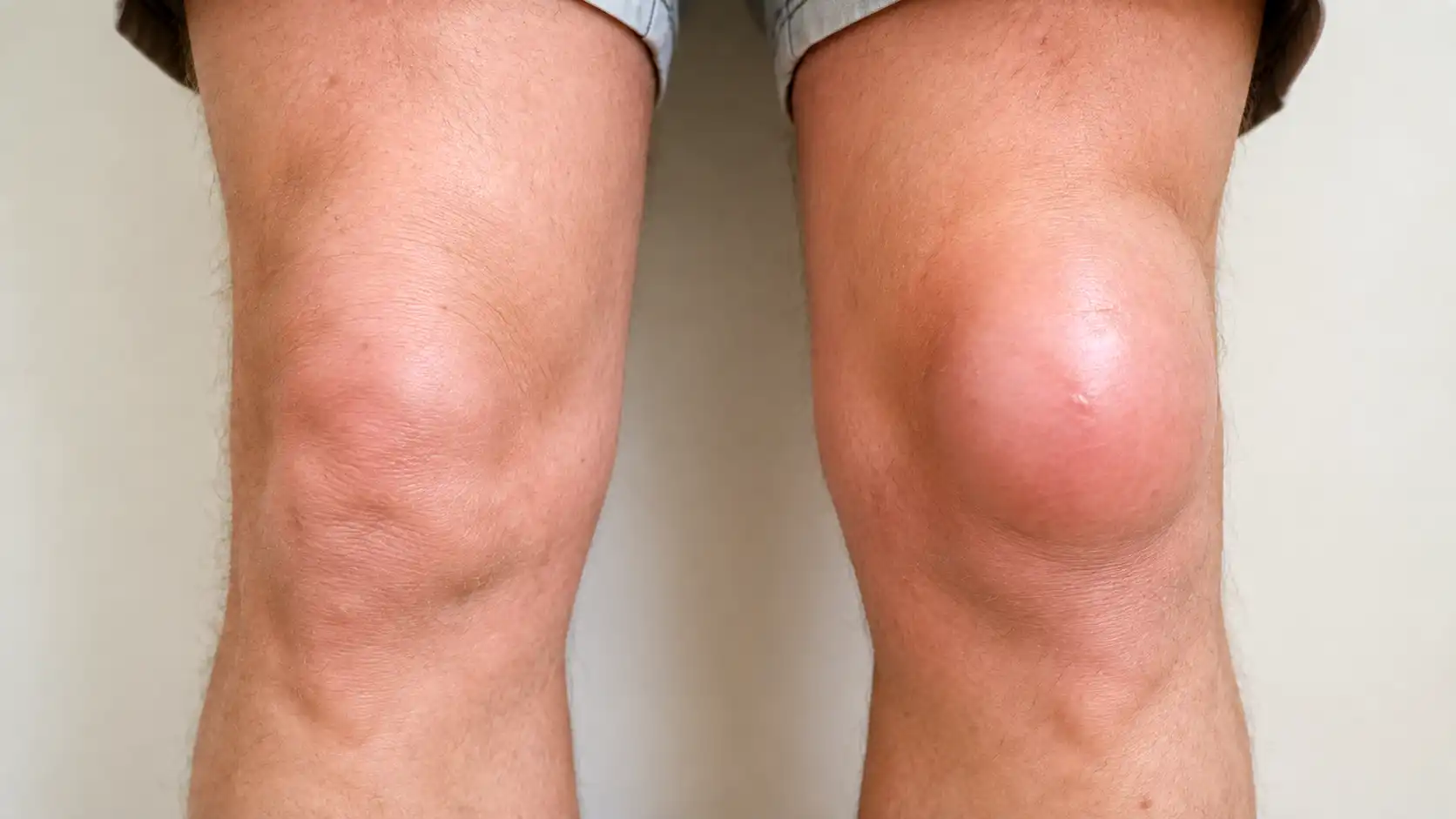
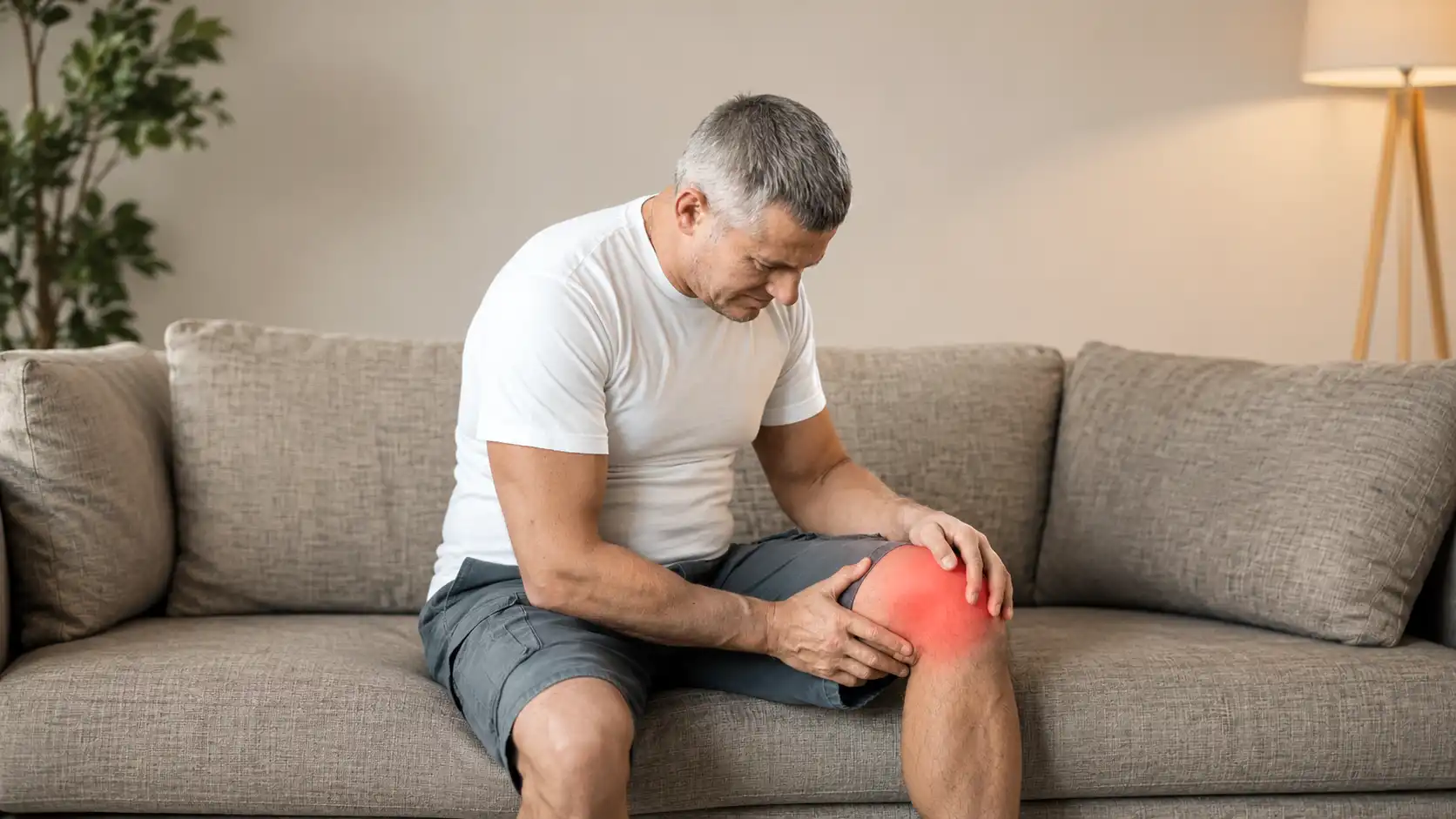
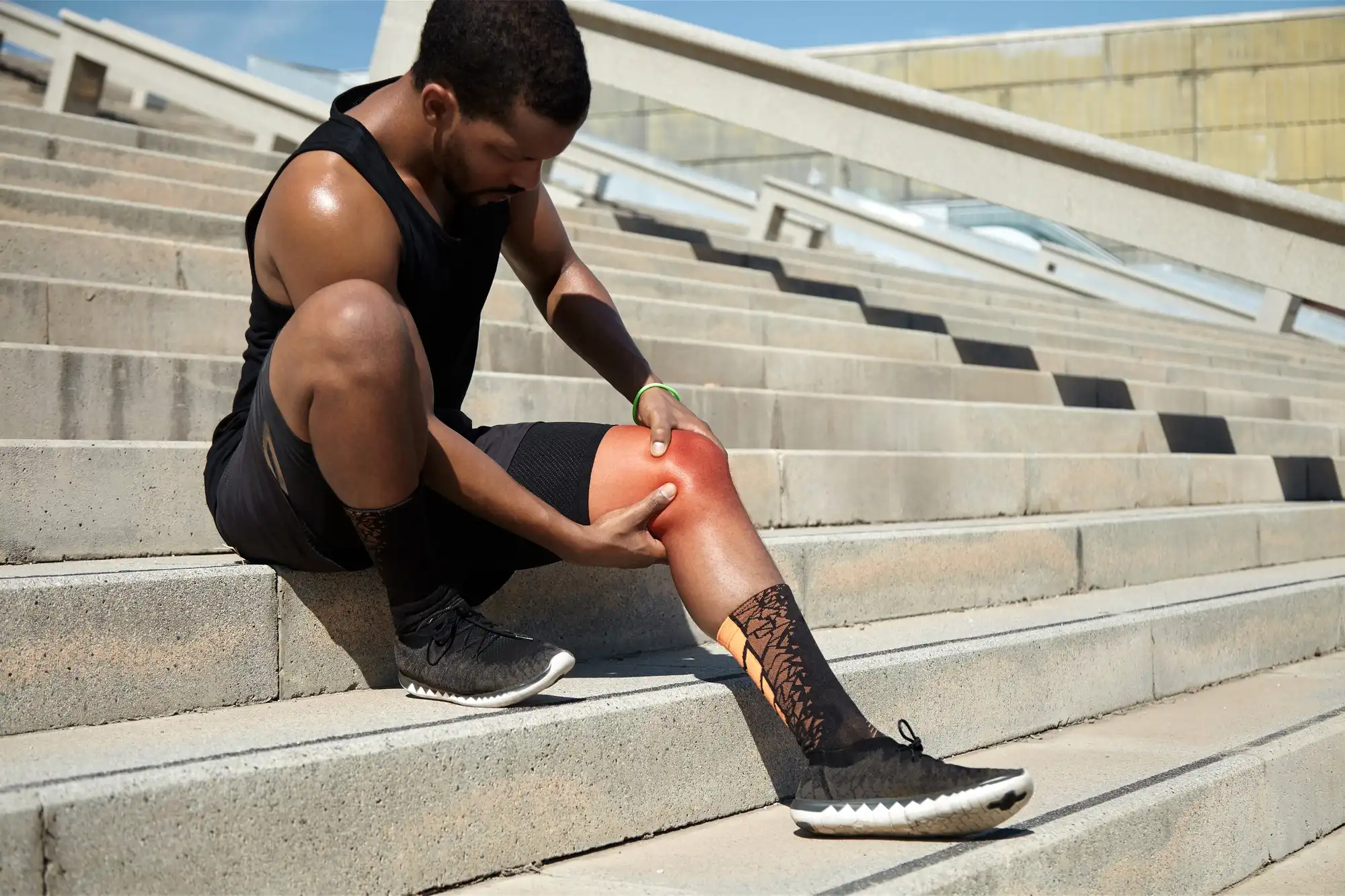
PCL injury symptoms can be surprisingly subtle at first, particularly compared to an ACL tear. This is one of the reasons PCL injuries sometimes go undiagnosed for longer than they should. What does a PCL strain feel like? Most patients describe a dull, deep aching pain at the back of the knee that may not feel particularly dramatic in the immediate aftermath of the injury, only to worsen significantly over the following hours and days as swelling builds.
PCL tear signs and symptoms include the following.
- Pain at the back of the knee that develops or worsens over time rather than being immediately severe
- Knee swelling that typically appears within a few hours of the injury
- PCL tear swelling location concentrated at the back and sides of the knee rather than just the front
- A feeling of knee instability or looseness, particularly when putting weight through the leg
- Difficulty walking or walking with a noticeable limp
- Pain going downstairs or downhill, which is a particularly characteristic feature of PCL injury
- The knee giving way during weight-bearing activities
- Stiffness and reduced ability to bend or straighten the knee fully
Can you walk with a PCL injury? In many cases, yes. This is actually one of the most confusing aspects of this injury. Because the PCL is so strong, even a significant tear can leave some patients able to walk with mild discomfort immediately after the injury. This does not mean the injury is minor, and it is one of the main reasons PCL injuries are underestimated and undertreated. PCL sprain symptoms in particular can feel manageable enough to dismiss initially, only to cause persistent problems if left without proper assessment and management.
What Causes a PCL Injury and Who Is Most at Risk
PCL injury causes almost always involve a significant force applied to the front of the knee while it is in a bent position. The PCL is robust enough that minor twists and falls simply do not generate enough force to damage it. It takes a meaningful impact to stretch or tear this ligament.
Common causes of PCL injury include the following.
- A direct blow to the front of the knee when it is bent, the most classic mechanism
- Falling onto a bent knee with the foot pointing downward, common in sport
- Hyperextension of the knee beyond its normal range during sporting activity
- A dashboard injury where the bent knee impacts the car interior during a road traffic accident
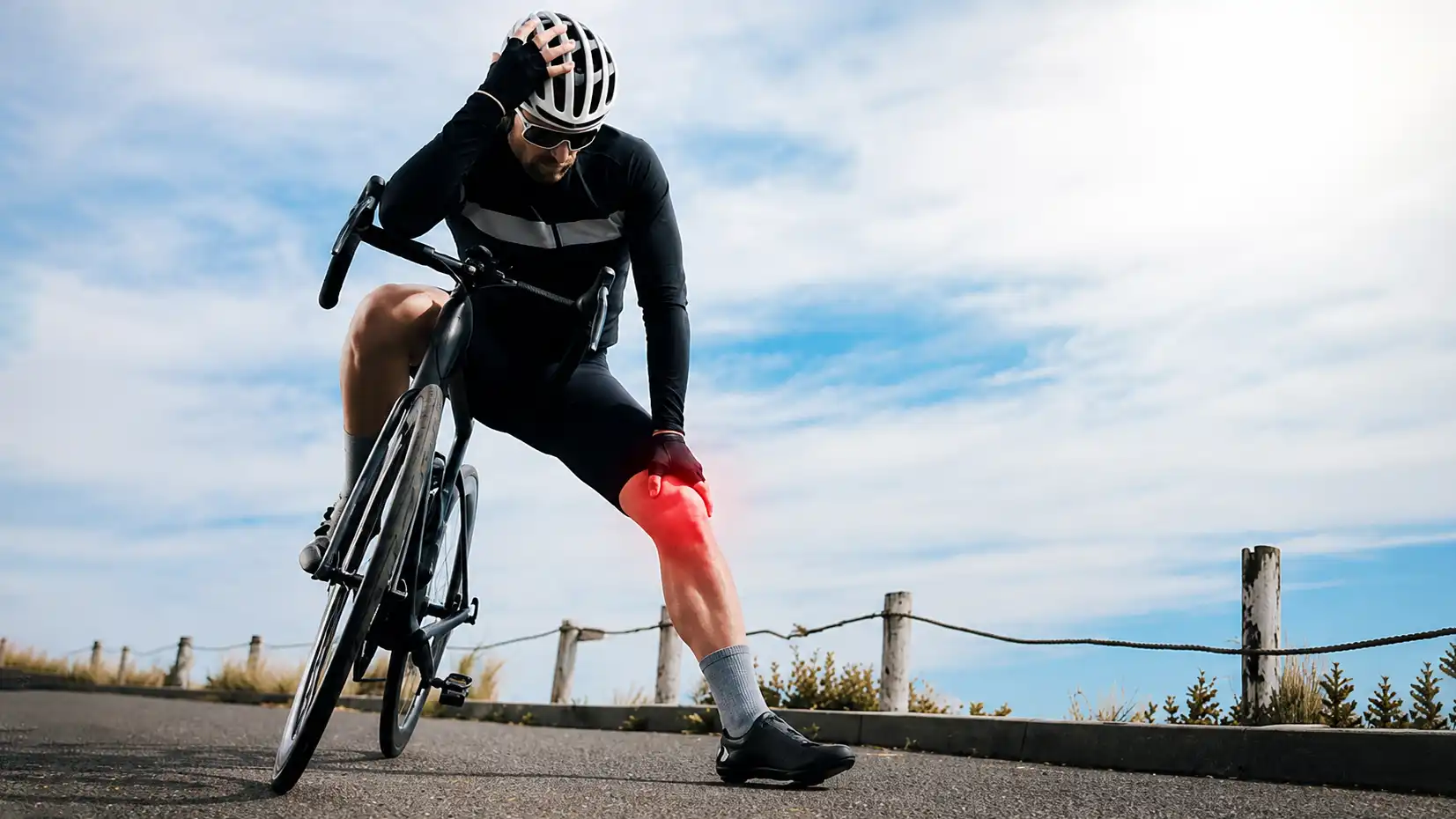
- High impact sports collisions in football, rugby, skiing, and basketball
Why Dashboard Accidents and Sporting Collisions Are the Most Common Causes
Dashboard knee injury PCL is one of the most frequently cited mechanisms in clinical literature. When the knee hits the dashboard during a road traffic accident, the shin bone is forced rapidly backward while the knee is bent, placing enormous stress on the PCL. PCL injury in football and PCL injury in skiing occur through similar mechanisms, where a direct blow to the lower leg or a high-energy collision forces the tibia into that same backward direction. It is worth noting that because these mechanisms generate significant force, other knee structures are often involved alongside the PCL, including the ACL, MCL, and meniscus.
Understanding Your PCL Injury Grade and What It Means for You
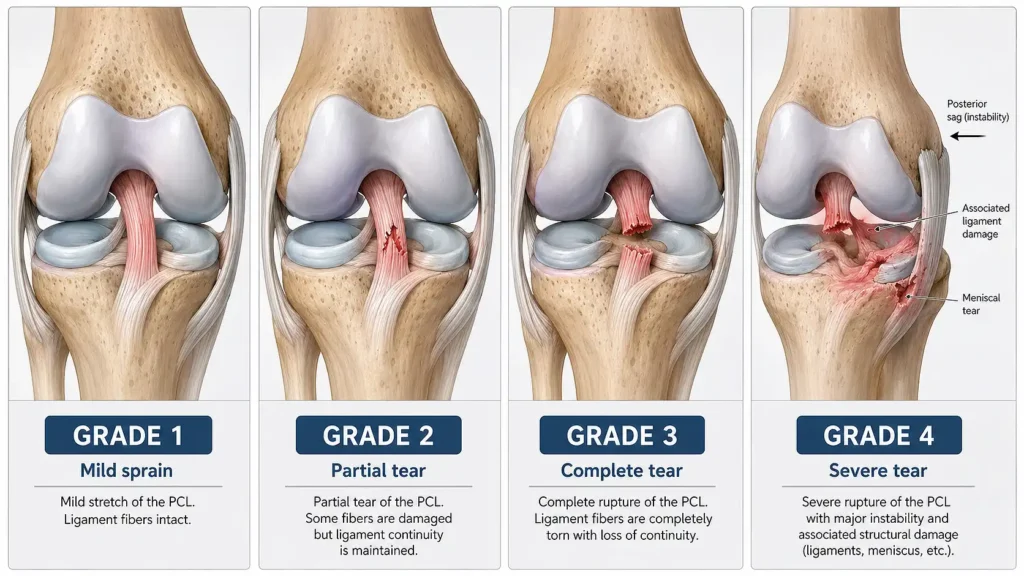
PCL injury grades tell us how much of the ligament has been damaged and how unstable the knee has become as a result. Understanding your grade is essential because it directly determines whether surgery is likely to be needed and how long recovery will take.
Grade 1 PCL injury means the ligament has been stretched but remains largely intact. The knee feels stable and symptoms are relatively mild. Most grade 1 injuries respond very well to conservative management.
Grade 2 PCL injury means a partial PCL tear has occurred. The ligament is damaged but not completely ruptured. Some looseness is present in the knee, but the joint retains a degree of stability. Grade 2 injuries generally also respond well to conservative treatment with physiotherapy & bracing, though recovery takes longer than grade 1.
Grade 3 PCL injury means the ligament has been completely torn. The knee is notably unstable, and surgery is more likely to be recommended, particularly for active patients or those with associated injuries to other knee structures.
Grade 4 PCL injury means the PCL is completely torn and at least one other major knee ligament has also been damaged. This is the most complex category, almost always requiring surgical reconstruction, and recovery is the longest and most involved of all the grades.
Can a partial PCL tear heal? Yes, grade 1 and 2 injuries, which are partial tears, have a meaningful capacity to heal with the right conservative management. The ligament’s blood supply in the region most commonly affected supports natural healing when the knee is properly protected and progressively rehabilitated.
How We Test and Diagnose a PCL Injury Accurately
Diagnosing a PCL injury starts with a thorough clinical history and physical examination. We will ask you exactly how the injury happened, what you felt at the moment of impact, and how your symptoms have changed since.
The PCL injury test most commonly used is the posterior drawer test. This involves your consultant gently pushing the shin bone backward while your knee is bent at 90 degrees to feel for abnormal backward movement that indicates the PCL is not restraining the tibia effectively. The posterior sag sign is another important clinical test, where the examiner observes the shin from the side with your knee bent. In a positive test, the shin appears to drop backward under gravity compared to the unaffected leg. These tests have high sensitivity and specificity for PCL injury when performed by an experienced clinician.
A PCL tear MRI is essential for confirming the diagnosis, grading the injury precisely, and identifying any associated damage to the meniscus, articular cartilage, or other ligaments. A PCL injury X-ray is arranged to rule out any associated bony avulsion fracture, where the ligament pulls a small fragment of bone away from its attachment point, which can sometimes occur with high-energy PCL injuries and changes the surgical approach.
PCL Injury vs ACL Injury and the Key Differences Worth Knowing
PCL vs ACL injury is one of the most common comparisons patients make when they receive a PCL diagnosis, often because ACL injuries are far more widely discussed in sport and media.
The key differences come down to mechanism, symptoms, and treatment. ACL injuries typically occur from a non-contact twisting mechanism, produce an immediate pop and rapid swelling, and cause instability primarily during pivoting and cutting movements. PCL vs ACL injury presentations differ significantly because PCL injury tends to follow a direct impact mechanism, produces a more gradual onset of pain and swelling, and causes instability more noticeable during downhill walking and going downstairs than during rotational movements.
Is a PCL injury worse than an ACL injury? Not necessarily. While grade 3 and 4 PCL injuries can be more complex surgically, the majority of PCL injuries are less severe and heal without surgery. Outcomes from PCL reconstruction are generally slightly less predictable than ACL reconstruction, but most patients with isolated PCL injuries, regardless of grade, achieve good functional outcomes with appropriate treatment.
Treatment for Your PCL Tear and What the Options Really Are
Treatment for PCL tear depends on the grade of injury, whether other structures are involved, and your activity goals. Most isolated PCL injuries, meaning those without significant damage to other knee structures, are managed successfully without surgery.
Managing a PCL Sprain Without Surgery
For grade 1 and most grade 2 PCL sprain presentations, conservative management is the first-line approach and produces good results in the majority of patients. The initial management follows the POLICE method, which stands for Protection, Optimal Loading, Ice, Compression, and Elevation. This approach encourages early, controlled movement rather than complete rest, which has been shown to produce better outcomes for ligament healing than prolonged immobilisation.
A PCL knee brace is often recommended during the early recovery phase to protect the healing ligament from backward stress during weight-bearing activities. Physiotherapy for PCL injury begins as soon as pain allows and focuses specifically on quadriceps strengthening, since strong quadriceps muscles actively reduce the backward sag of the tibia and compensate effectively for a healing or healed PCL. Can a PCL tear heal without surgery? For grade 1 and 2 injuries, yes, the evidence is genuinely encouraging, and long-term follow-up studies have shown good functional outcomes in patients who complete a properly structured rehabilitation programme.
How to Tape a PCL Injury and What It Actually Achieves
How to tape a PCL injury involves applying kinesiology tape or rigid sports tape to support the posterior structures of the knee and provide proprioceptive feedback during movement. Taping is not a substitute for physiotherapy or bracing but can provide additional confidence and mild mechanical support during the rehabilitation period, particularly during return to activity. A physiotherapist experienced in knee ligament injuries can show you the most appropriate taping technique for your specific injury pattern.
When PCL Reconstruction Surgery Becomes the Right Choice
Surgery is generally considered for grade 3 and 4 PCL injuries, particularly in active patients who want to return to sport, those with significant instability affecting daily life, and cases involving combined ligament injuries. PCL reconstruction surgery involves replacing the torn ligament using a graft, most commonly from the hamstring tendon, and is performed using keyhole surgical techniques wherever possible. PCL surgery recovery is a significant commitment, with a graduated return to sport taking nine months to a year in most cases, and psychological readiness is as important as physical recovery in achieving a successful outcome.
How Long a PCL Injury Takes to Heal and What to Expect
Posterior cruciate ligament injury healing time varies considerably depending on the grade of injury and whether surgery was needed. For grade 1 PCL sprain, most patients see meaningful improvement within six to eight weeks with consistent physiotherapy and return to sport is typically possible within eight to twelve weeks. Grade 2 injuries take longer, generally twelve to sixteen weeks for a full return to activity.
Recovery time for PCL injury following grade 3 reconstruction is substantially longer. Most patients regain everyday function within three to four months, but return to sport after PCL injury should not be rushed before nine to twelve months post-surgery, based on current evidence showing significantly reduced re-injury rates when return-to-sport criteria are fully met before resuming competitive activity.
PCL tear prognosis for isolated injuries managed appropriately is generally good. However, PCL injury long term effects can include a modestly increased risk of developing knee osteoarthritis over time, particularly in patients with higher-grade injuries or those with associated cartilage damage. This risk is meaningfully reduced by completing a thorough rehabilitation programme, maintaining good quadriceps strength long-term, and seeking prompt treatment rather than leaving the injury unmanaged.
How to Reduce the Risk of PCL Injury and Prevent Recurrence
PCL injury prevention focuses on the same principles as most knee ligament injury prevention, building strength, improving movement quality, and being aware of high-risk mechanisms in sport and daily life. Knee strengthening to prevent PCL injury centres on the quadriceps and hamstrings, since strong posterior chain muscles actively protect the PCL during high-impact activities. Dynamic warm-up routines before sport, appropriate protective equipment in contact sports, and good technique when landing and decelerating all contribute meaningfully to reducing PCL injury risk.
Getting the Right Help for Your PCL Injury at London Knee Care
If you have been diagnosed with a PCL injury and want a clear, expert assessment of your options, we are here to help you move forward with confidence rather than uncertainty.
As a knee ligament injury specialist, we see patients with all grades of PCL injury, from mild sprains that need a structured rehabilitation plan through to complex combined ligament injuries requiring surgical reconstruction. We take the time to understand your specific injury, your lifestyle, and your goals before recommending a treatment pathway, because the right approach for a recreational walker is very different from the right approach for a competitive athlete.
Our clinic is led by Mr Raghbir Khakha, a consultant orthopaedic surgeon with over fifteen years of specialist experience in knee ligament surgery, sports knee injuries, and complex knee reconstruction. He takes a direct, patient-focused approach to every consultation, explaining your findings clearly and giving you honest, realistic advice about what your knee needs and what recovery will realistically involve.
You can book your consultation directly online at a time that suits you. If you would prefer to speak with our team before booking, please contact us and we will help you work out the most appropriate next step for your knee.
Frequently Asked Questions
Is a PCL injury serious and do I need to act quickly?
A PCL injury is a significant knee injury that deserves proper assessment rather than a wait and see approach. While most grade 1 and 2 injuries do not require surgery, leaving a PCL injury without diagnosis and appropriate management increases the risk of ongoing instability and long-term joint damage. The sooner you are assessed, the clearer your recovery pathway will be.
Can a torn PCL heal on its own without surgery?
For grade 1 and grade 2 injuries, yes. The PCL has a reasonable healing capacity when the knee is properly protected and progressively rehabilitated. Long-term studies show good functional outcomes for most patients with isolated partial PCL tears who complete a structured physiotherapy programme. Grade 3 complete tears are less likely to heal fully without surgical reconstruction, particularly in active patients.
Can you bend your knee with a torn PCL?
Most patients can bend their knee to some degree after a PCL injury, even a complete tear, though it may be painful and restricted in the early days following injury. The ability to bend the knee does not indicate that the injury is minor. It is the stability and function of the knee during weight-bearing activities that are most affected by PCL damage.
How common are PCL injuries compared to other knee ligament tears?
PCL injuries make up less than 20 percent of all knee ligament injuries. The PCL is roughly twice as strong as the ACL, which means it takes a significantly greater force to injure. Because of this, PCL injuries are far less common than ACL injuries and are more frequently associated with high-energy trauma such as road traffic accidents and high-impact sports collisions.
What happens if a PCL injury is left without treatment?
An unmanaged PCL injury can lead to chronic knee instability, progressive cartilage wear, and an increased risk of developing knee osteoarthritis over time. Patients who do not complete rehabilitation often develop ongoing pain going downstairs and difficulty with activities requiring knee control. Early, appropriate management significantly reduces these long-term risks.
Can you sprain your PCL or is it always a tear?
Yes, you can sprain your PCL. A grade 1 PCL injury is technically a sprain, meaning the ligament fibres have been stretched and mildly damaged but the ligament remains intact. PCL sprain vs tear is a distinction based on how many fibres have been damaged and how much instability has resulted. Sprains generally heal well with conservative management without any surgical intervention.
What does the posterior drawer test involve?
The posterior drawer test is the most widely used clinical examination for diagnosing PCL injury. Your surgeon gently applies a backward force to your shin bone while your knee is bent at 90 degrees to assess how much the tibia moves backward. Excessive backward translation compared to the uninjured knee indicates PCL damage. The test has a reported sensitivity of around 90 percent and specificity of 99 percent when performed by an experienced clinician.
Is a PCL injury worse than an ACL injury?
Neither is inherently worse than the other. They are different injuries with different mechanisms, symptoms, and treatment pathways. Most isolated PCL injuries are actually managed without surgery and have good outcomes. ACL injuries more commonly require surgical reconstruction for active patients wanting to return to sport. The severity depends on the grade of the specific injury and whether other knee structures are involved rather than which ligament is affected.