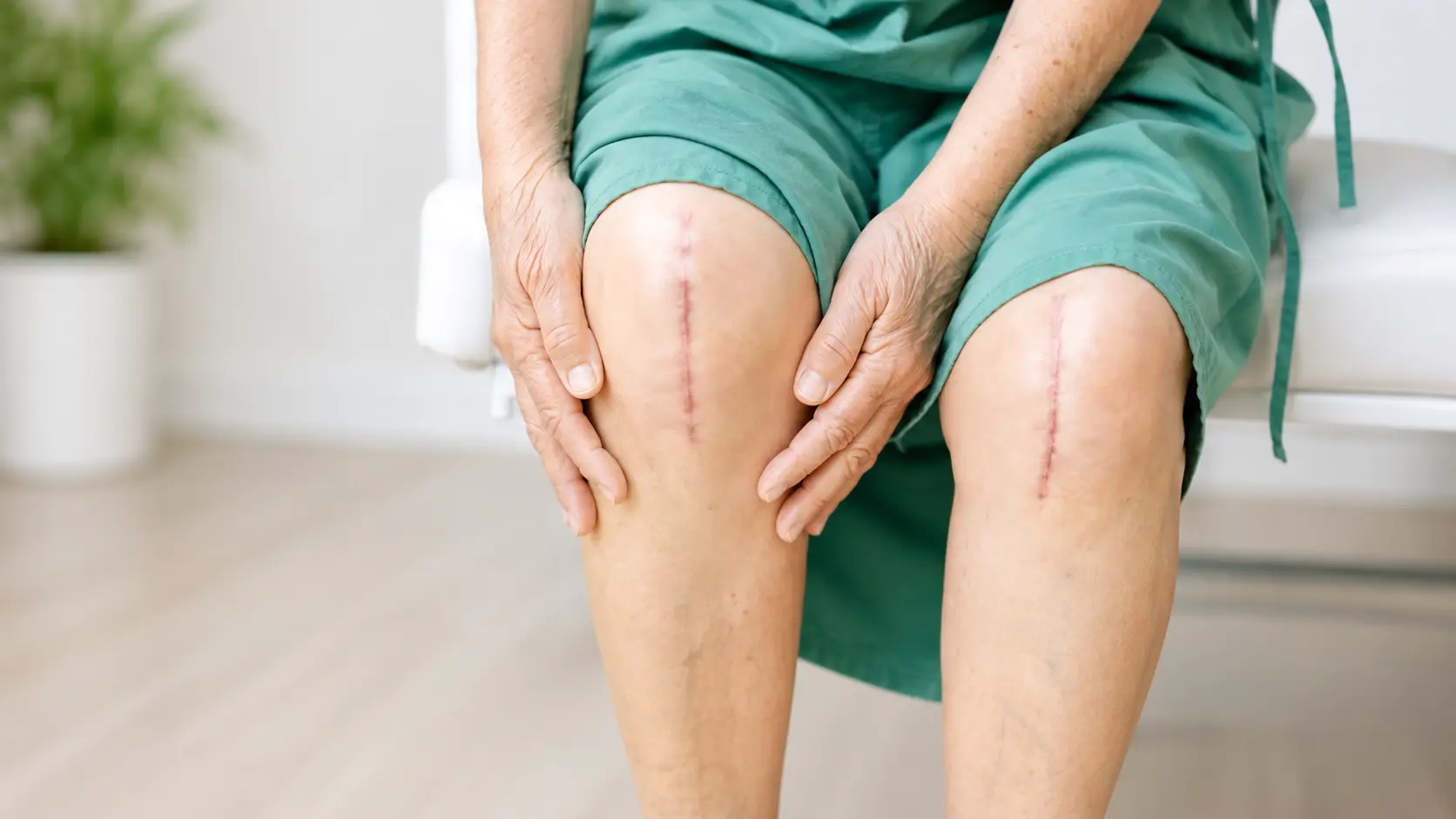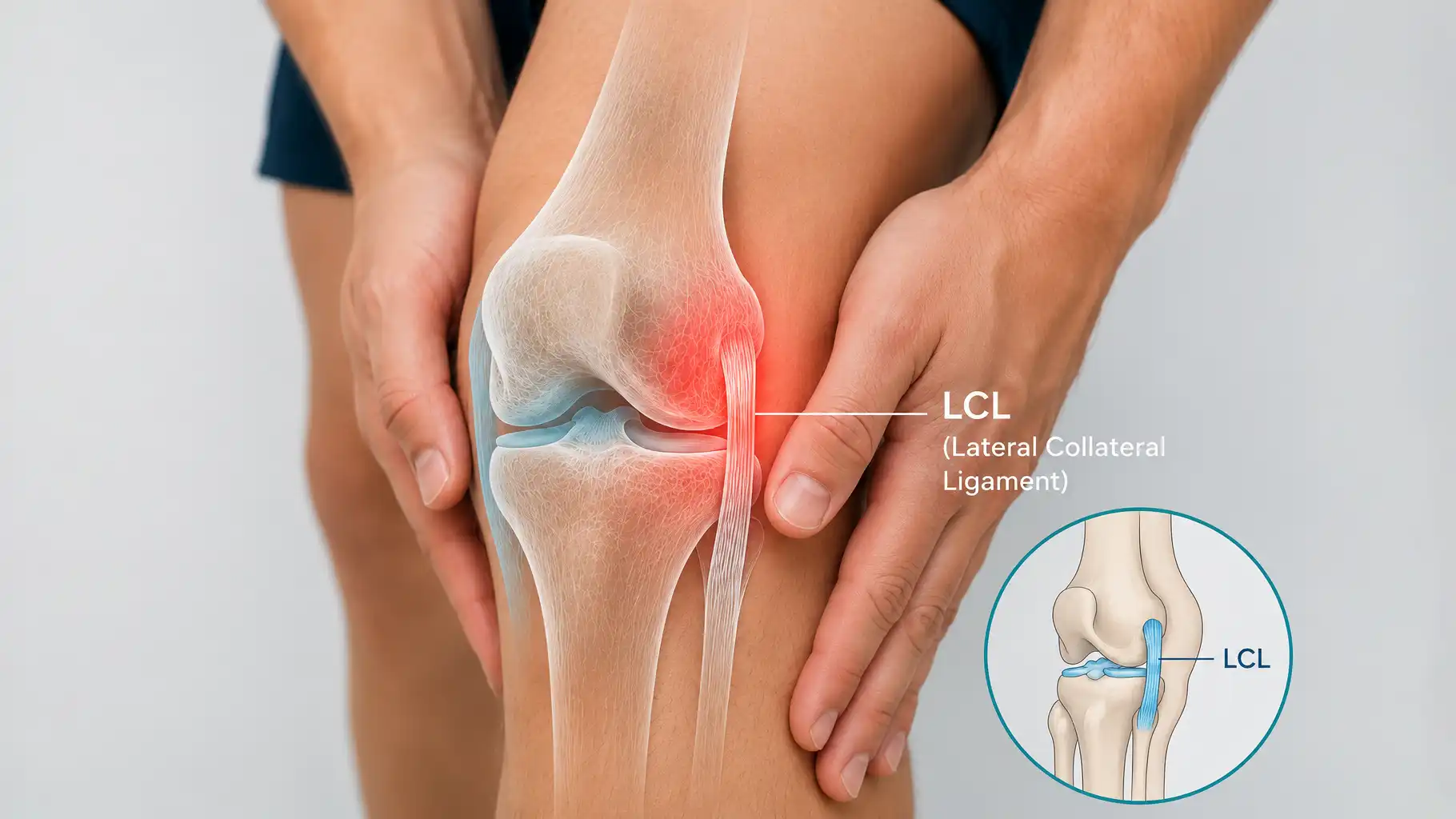
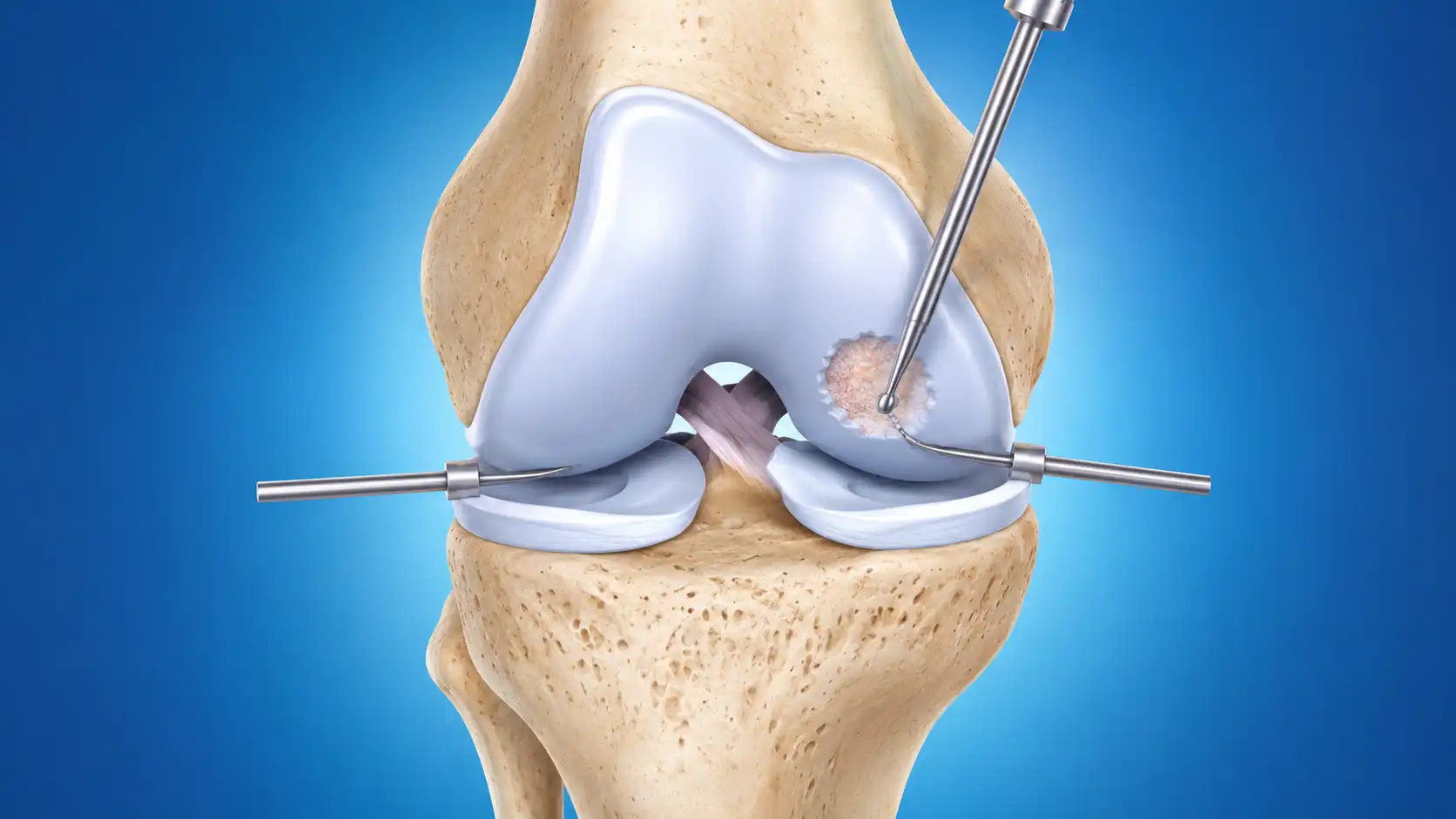
Knee surgery for cartilage damage is often presented as a straightforward fix, but the honest picture is more nuanced than that. Whether you’re researching cartilage repair knee surgery for yourself or a family member, or trying to understand cartilage damage knee surgery options after a recent diagnosis, you deserve a clear answer about what knee cartilage repair procedures can and can’t do, not just reassurance. This guide walks through the real evidence behind cartilage surgery, what actually happens during recovery, and whether it genuinely delivers the pain relief you’re hoping for.
Does the Knee Cartilage Regenerate
Does the knee cartilage regenerate on its own? No, and understanding why matters. Articular cartilage, the smooth tissue covering the ends of your bones, has no blood supply and no nerves. Without blood flow, the body’s usual healing process, which relies on cells travelling to an injury site, simply can’t reach damaged cartilage. Once a cartilage defect forms, it typically persists for life unless treated. This is precisely why surgical techniques exist, not to help cartilage heal itself, but to actively rebuild or replace what’s missing. Articular cartilage knee damage can affect different parts of the knee joint surface, including the femoral cartilage covering the thigh bone, or the patellofemoral cartilage behind the kneecap, and where the damage sits often influences which treatment makes sense.
What Causes Knee Cartilage Damage
Knee cartilage wear and tear builds up gradually over years, particularly with repetitive loading or early arthritis. Traumatic cartilage injury knee cases happen differently, usually from a sudden twisting injury, a direct blow, or a sports collision. Sports injury cartilage damage is common in activities involving pivoting or landing awkwardly, and cartilage damage frequently occurs alongside meniscus or ligament tears rather than in isolation. Early arthritis cartilage damage is another common pathway, where gradual thinning of the joint surface over years eventually produces the same kind of symptoms as a single traumatic injury.
Is My Knee Cartilage Damaged
Is my knee cartilage damaged? Common knee cartilage damage symptoms include the following.
- Knee pain from cartilage loss that’s worse with activity and eases with rest.
- Knee stiffness cartilage damage causes, particularly noticeable first thing in the morning or after sitting for a while.
- Knee locking cartilage fragments can trigger during movement, where the joint briefly catches or feels stuck.
- Knee grinding cartilage damage often produces during bending, sometimes felt as much as heard.
Not every ache means cartilage damage, but a combination of these symptoms, particularly following an injury, is worth having assessed.
How Is Knee Cartilage Damage Diagnosed
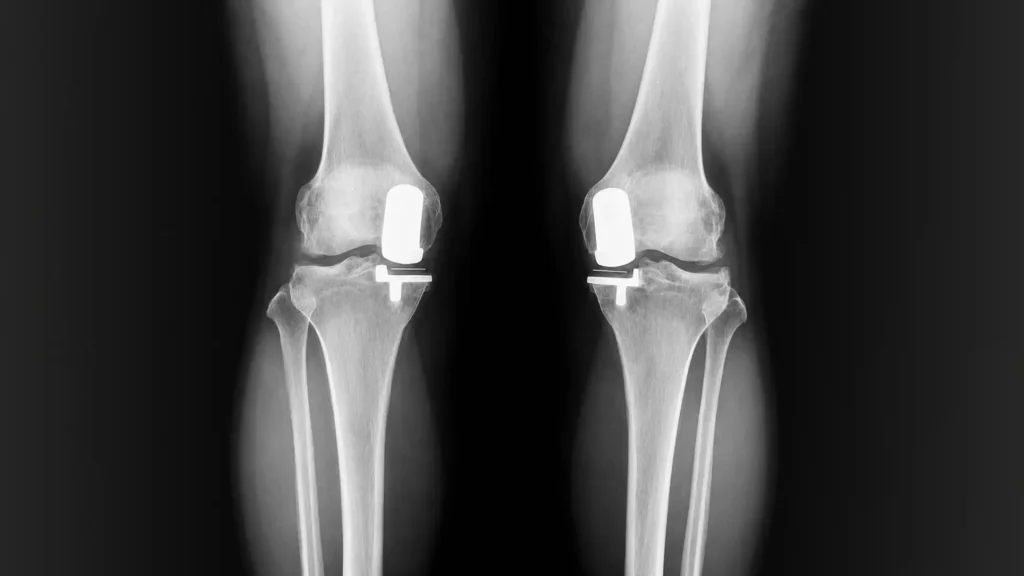
Knee cartilage damage diagnosis starts with a physical examination and a detailed history of your symptoms and any injury. Because hyaline cartilage contains no calcium, it doesn’t show up on a standard X-ray, which is why mri for cartilage damage is the main tool used to actually see the extent of the problem. Knee arthroscopy diagnosis, a keyhole procedure, sometimes confirms findings directly and can treat certain issues in the same sitting. Cartilage damage grading, from small surface changes to full-thickness loss down to bone, helps determine which treatment path makes sense.
Is Meniscus the Same as Cartilage
No, and this distinction genuinely matters when choosing treatment. Meniscus cartilage is a thick, C-shaped shock absorber sitting between your thigh bone and shin bone, made of tough fibrocartilage. Articular cartilage is a completely different, thinner tissue that lines the ends of your bones to let them glide smoothly. A torn meniscus is treated with meniscal surgery, while damaged articular cartilage needs a different approach altogether, which is why knee articular cartilage surgery and meniscal repair are two distinct procedures rather than interchangeable terms.
Treatment for Knee Cartilage Injury
Treatment for knee cartilage injury doesn’t always start with surgery. Non surgical cartilage treatment, including physiotherapy, activity modification, and weight management, is often tried first for milder cases, particularly where symptoms are manageable. Knee cartilage loss treatment decisions ultimately come down to how much the damage is affecting your daily life and long-term joint health, not simply how the scan looks. When is cartilage surgery needed? Generally once non-surgical measures have failed to control symptoms, or when the defect is significant enough that delaying treatment risks further joint damage.
Cartilage Defect Knee Surgery Options
Cartilage defect knee surgery isn’t one single procedure. The right option depends on the size of the defect, your age, activity level, and whether the bone beneath the cartilage is also affected.
- Microfracture, for smaller defects in less active patients, producing less durable fibrocartilage.
- Autologous chondrocyte implantation, for larger single defects in younger patients, producing more durable hyaline-like cartilage.
- Osteochondral grafting, for larger defects involving the bone beneath the cartilage, using your own tissue or a donor graft.
- Chondroplasty or debridement, for smoothing rough cartilage and easing mechanical symptoms without rebuilding lost tissue.
Microfracture Knee Surgery
Microfracture knee surgery uses small punctures in the exposed bone to trigger a healing response, encouraging new tissue to form. This tissue is fibrocartilage, not the original hyaline cartilage, so it’s less durable and works best for smaller lesions in less active patients. Previous microfracture can also make future cartilage restoration less effective, so it’s generally reserved carefully.
Growing Cartilage Knee Surgery
Growing cartilage knee surgery refers to autologous chondrocyte implantation, where your own cartilage cells are harvested, grown in a laboratory for several weeks, then implanted into the defect. This produces more durable, hyaline-like cartilage and suits younger patients with larger, single defects, though it requires two separate procedures spaced weeks apart.
Can Knee Cartilage Be Replaced
Can knee cartilage be replaced entirely? For larger defects involving the underlying bone, osteochondral graft knee procedures, a form of cartilage transplant knee surgery, move a plug of healthy cartilage and bone from elsewhere in the joint, or from a donor when your own tissue isn’t sufficient. These grafts provide genuine hyaline cartilage rather than the fibrocartilage produced by microfracture.
Removal of Knee Cartilage Surgery
Removal of knee cartilage surgery, sometimes called chondroplasty or debridement, smooths rough or frayed cartilage edges using keyhole cartilage surgery techniques. This doesn’t rebuild lost cartilage, but it can reduce mechanical symptoms like catching or grinding, and recovery is typically much quicker than restorative procedures.
Can You Repair Cartilage in Your Knee
Can you repair cartilage in your knee, or can you fix knee cartilage once it’s damaged? Yes, in many cases, though “repair” here means rebuilding a functional joint surface rather than restoring the cartilage to its exact original state. Most cartilage restoration procedures produce either fibrocartilage, which is softer and less hard wearing than the original tissue, or genuine hyaline cartilage in the case of grafts and chondrocyte implantation, which behaves much more like what you started with.
Can you repair damaged knee cartilage successfully? That depends heavily on the size and location of the defect, your age, and your activity goals, which is why a proper assessment matters more than a generic answer.
Recovery Time for Knee Cartilage Surgery
Recovery time for knee cartilage surgery, or knee cartilage surgery recovery time more precisely, varies considerably by procedure. Simple chondroplasty often allows recovery within around six weeks. Restorative procedures like osteochondral grafts and chondrocyte implantation typically take six to nine months for full knee cartilage surgery recovery, with weight bearing introduced gradually depending on where the defect sits in the joint. Physiotherapy after cartilage surgery is essential throughout, and knee cartilage surgery rehabilitation generally starts with gentle range of motion work before progressing to strengthening. Return to sport after cartilage surgery, particularly high-impact activity, is often not considered safe until nine to twelve months, once the new tissue has properly matured.
Knee cartilage surgery cost varies significantly depending on which procedure is required, whether additional issues like meniscus damage need addressing at the same time, and your individual circumstances. Rather than quoting a generic figure that may not reflect your situation, we always provide a clear, personalised cost breakdown once we understand exactly what your knee needs.
Does Knee Surgery for Cartilage Guarantee Pain Relief
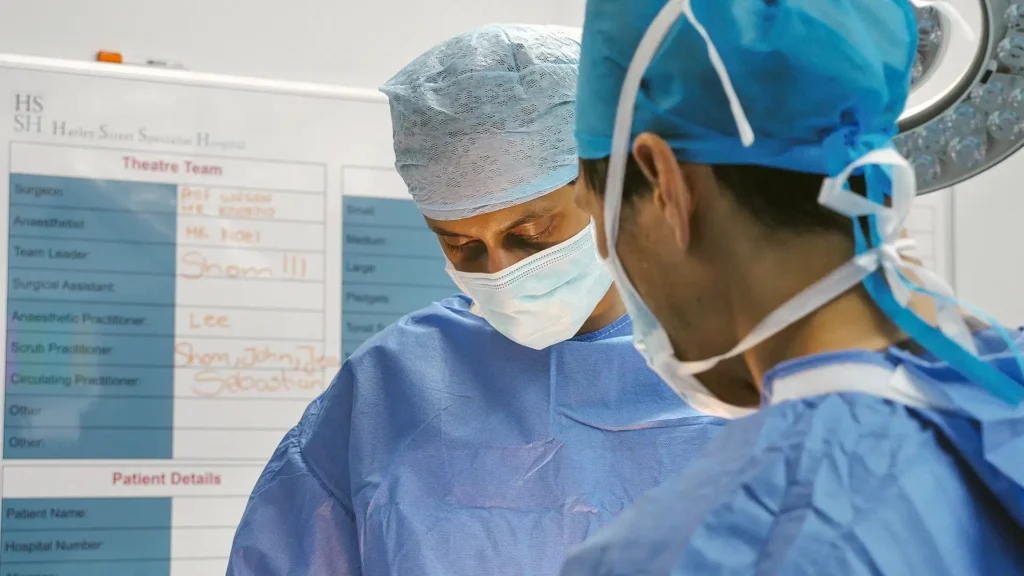
Does knee surgery for cartilage guarantee pain relief? No, and we think it’s important to be honest about that rather than overselling what surgery can do. Cartilage surgery success rate figures are genuinely encouraging, one long-term study found around 86 percent of patients satisfied with chondrocyte implantation results after five to seven years, and osteochondral graft procedures show return to sport rates between 80 and 88 percent. But outcomes are not universal. Larger lesions, age over 45, higher body weight, and previous knee surgery are all linked to less predictable results. Pain scores typically improve significantly, but “significant improvement” is not the same promise as complete, guaranteed relief for every patient.
This is why patient selection matters so much in cartilage surgery. Younger patients with a single, well-defined area of damage and otherwise healthy, well-aligned knees tend to do considerably better than those with widespread wear across multiple areas of the joint. If your cartilage damage is really part of a broader arthritic process rather than a single defect, cartilage restoration surgery is unlikely to be the right answer, and other treatments aimed at managing arthritis may serve you better. Being told surgery isn’t your best option isn’t a failure on your part, it’s simply honest guidance based on what the evidence actually supports for your specific knee.
When Should You Seek Help for Knee Cartilage Damage
If you’re dealing with persistent knee pain from cartilage loss, catching, locking, or swelling that isn’t settling with rest, it’s worth having this properly assessed rather than waiting. We’ve written in more detail about how cartilage damage tends to worsen when ignored in our guide to articular knee cartilage damage, which is worth reading alongside this piece if you’re still working out what’s actually going on.
Expert Cartilage Care at London Knee Care
If you’re looking into knee cartilage surgeon london options, we provide thorough assessment before recommending any treatment, led personally by Mr Khakha, who has been in consultant practice since 2017 with a particular focus on joint preservation and cartilage repair. As a cartilage repair clinic london patients trust for honest guidance, we’ll always explain your realistic options, including their limitations, rather than pushing you towards surgery unnecessarily. For private knee cartilage surgery london patients considering meniscal involvement too, we also offer dedicated meniscal surgery when the meniscus is affected alongside cartilage damage.
You can read more about our clinic and book directly through our booking page.
London Knee Care
45 Queen Anne Street, London W1G 9JF
Call us on 0207 046 8008
Email us at rk@os.clinic
Or visit our contact page
Frequently Asked Questions
How Successful Is Knee Cartilage Surgery?
Success varies by procedure and patient factors, but published outcomes are genuinely encouraging, with satisfaction rates around 86 percent for chondrocyte implantation and return to sport rates of 80 to 88 percent for osteochondral grafts at mid to long term follow up.
How Long Does Cartilage Surgery Take to Heal?
Simple procedures like chondroplasty recover in around six weeks. Restorative procedures such as grafts or chondrocyte implantation typically take six to nine months for full healing, with high-impact activity often delayed until nine to twelve months.
Can Cartilage Damage Heal Without Surgery?
Cartilage itself cannot heal on its own due to its lack of blood supply, though mild symptoms sometimes improve with physiotherapy, activity changes, and weight management, particularly for smaller areas of damage.
Is Knee Cartilage Surgery Worth It?
For the right candidate, with appropriately sized damage and realistic expectations, the evidence generally supports meaningful improvement. It’s not guaranteed for everyone, which is exactly why a proper assessment matters before deciding. If you’d like to talk through your specific situation, our team is just a call away on 0207 046 8008.