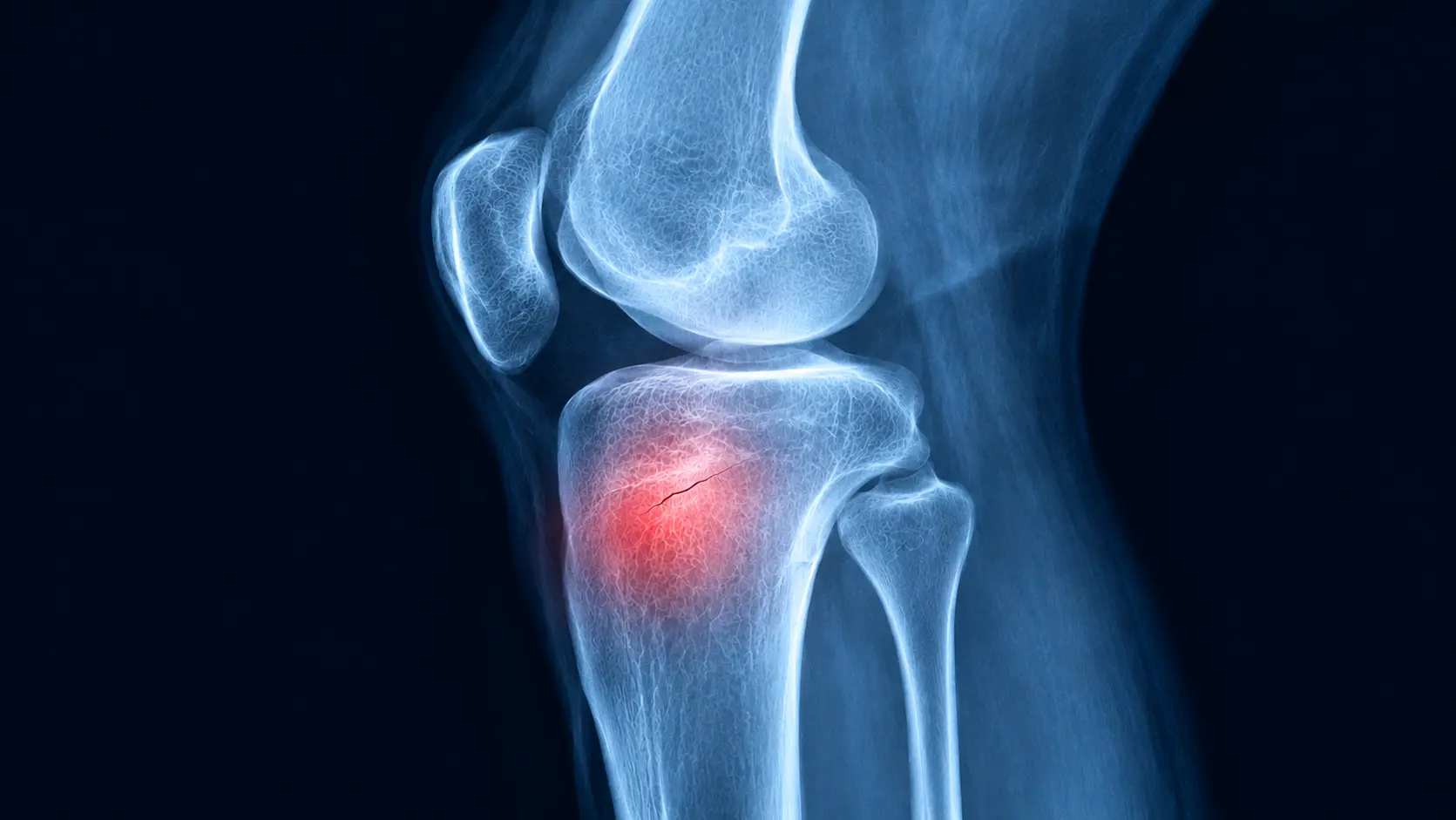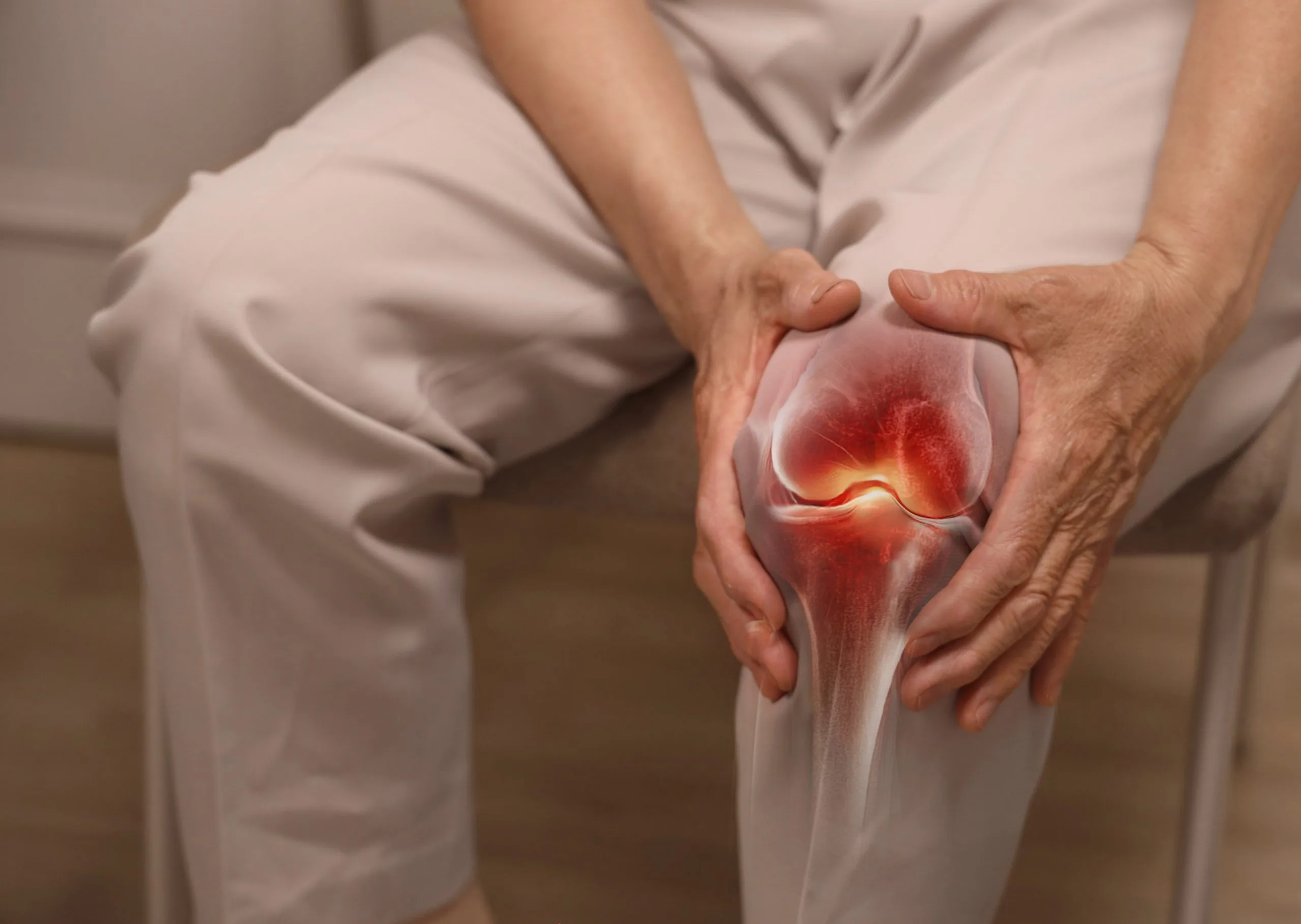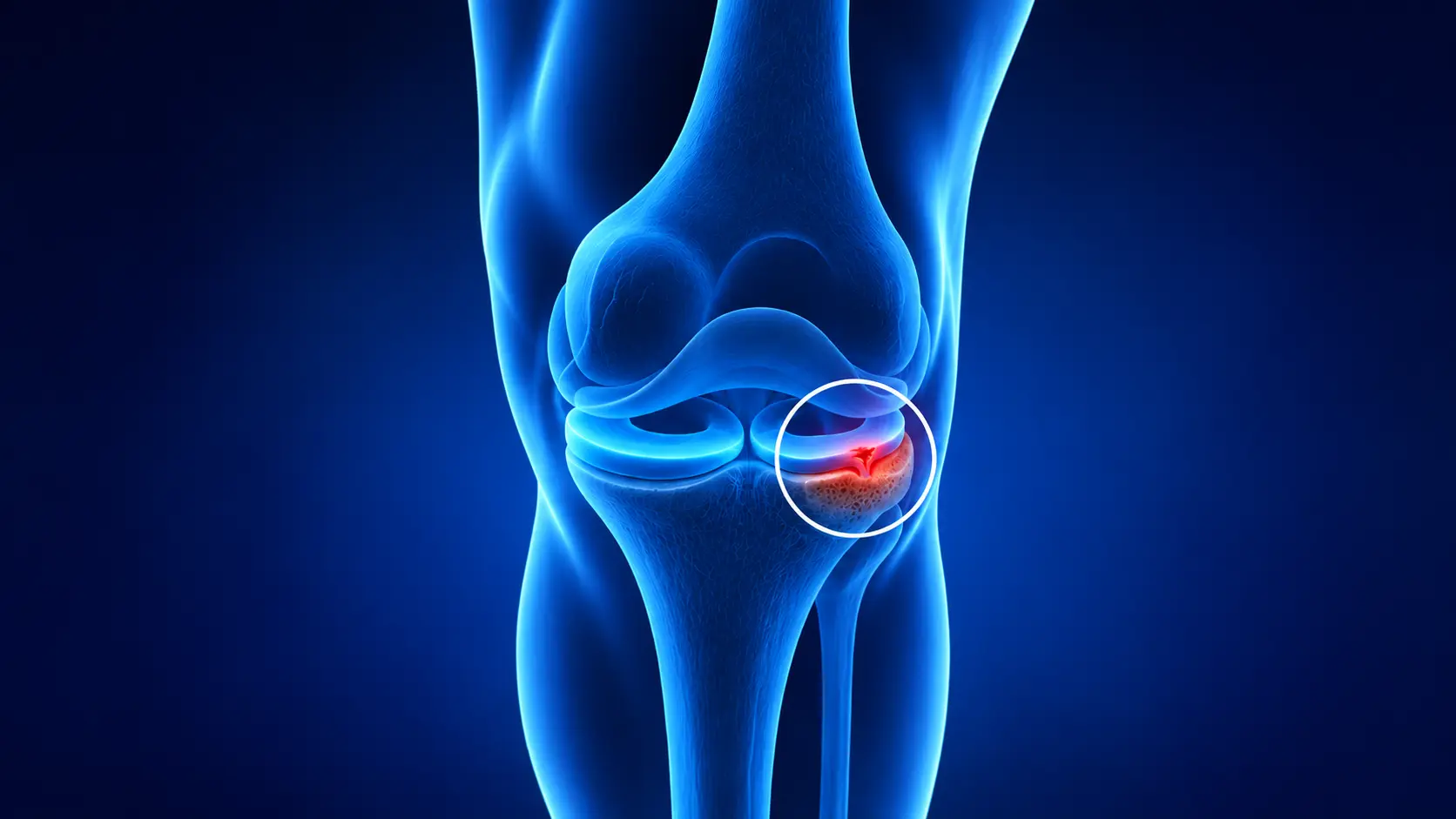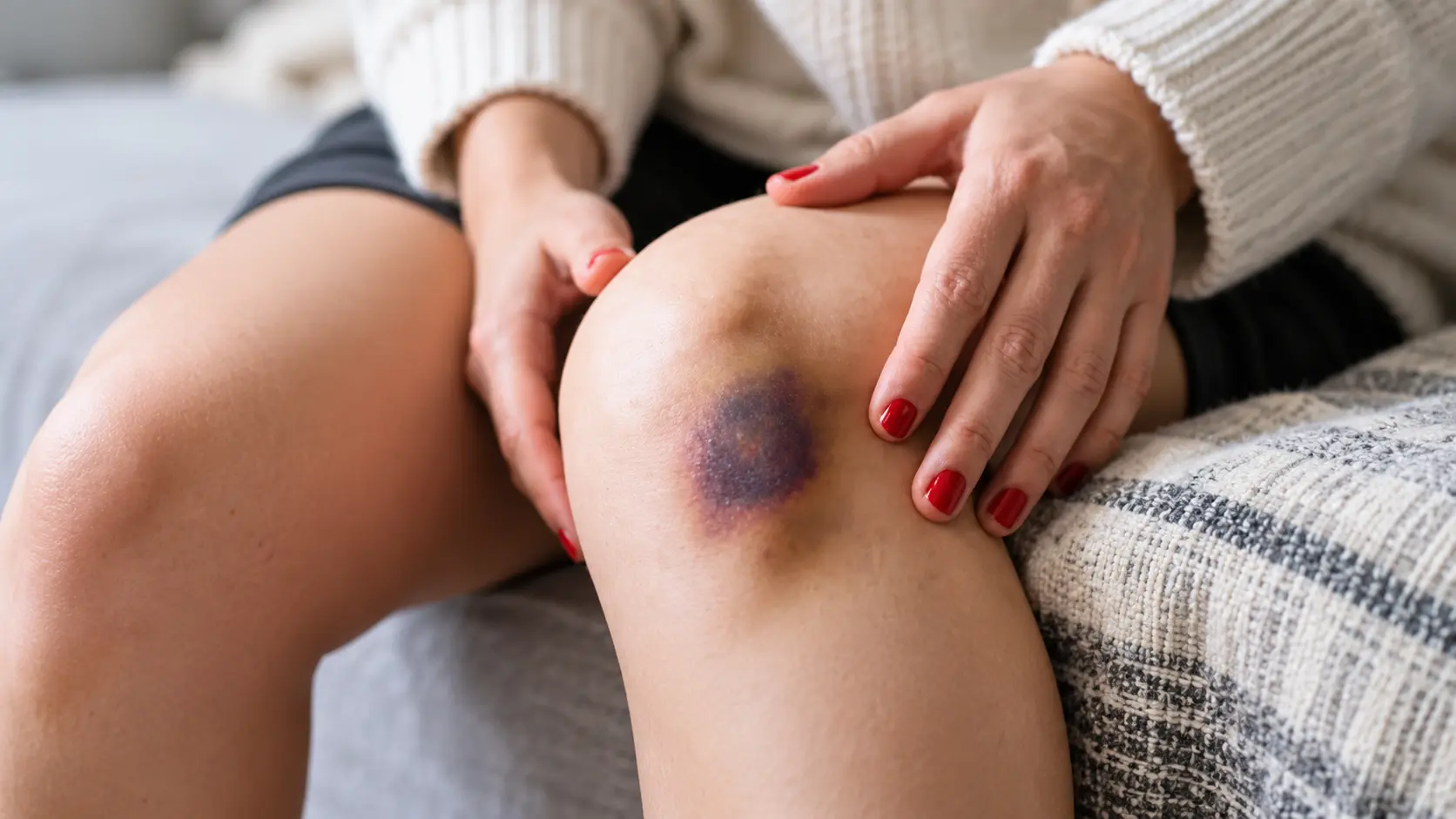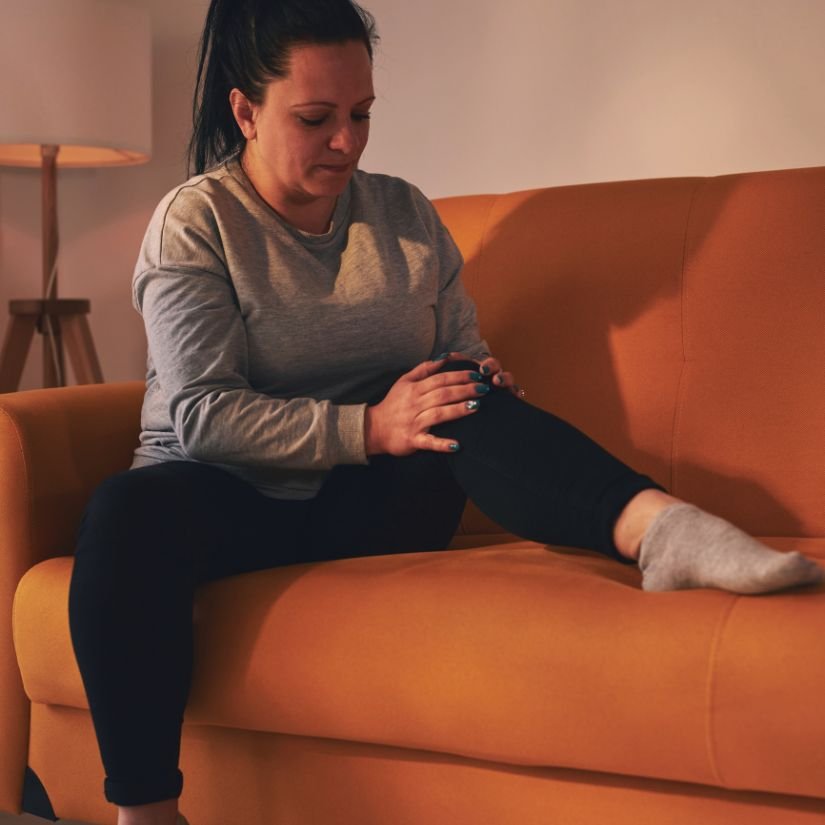
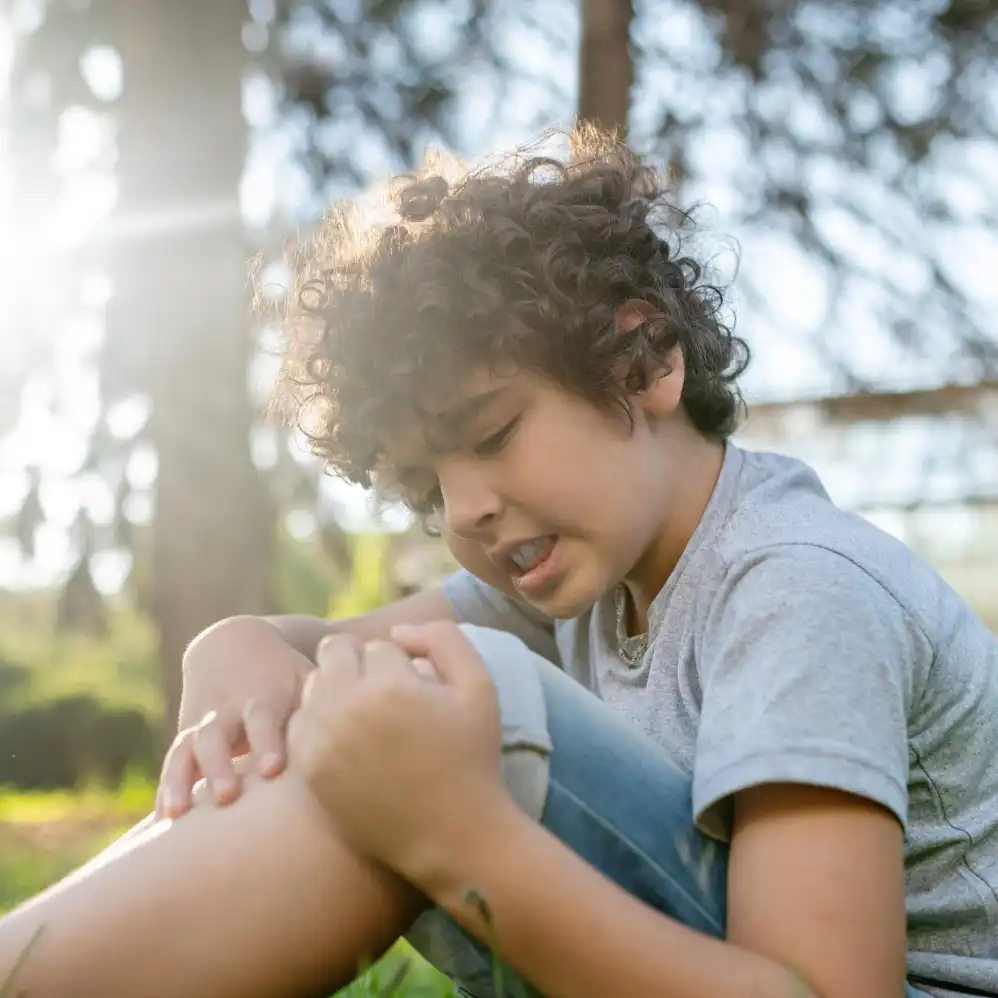
A child falls, gets up, and continues playing. It may seem minor. Many parents assume it is just a bruise. But sometimes, that pain may point to a children’s knee injury.
We often see a child with knee injury who keeps moving despite discomfort. The issue is not just the fall, but what may be happening inside the knee. Early understanding helps avoid delays in recovery.
Knee injuries are quite common in children, especially those who are active in sports or play regularly. These injuries often involve the ligaments and can range from mild sprains to more serious tears. A sprain occurs when the ligament is stretched or partially damaged, whereas a tear means the ligament is completely ruptured. Understanding the difference is important because it helps determine the right treatment and recovery approach.
What Is a Children’s Knee Injury and How It Happens
A children’s knee injury involves damage to ligaments, cartilage, or soft tissue within the knee. These injuries are part of broader injuries of knee joint and can range from mild sprains to complete tears.
In children, the knee is still developing. Growth plates are more vulnerable. This means even a mild-looking injury can affect movement or healing if not assessed properly.
Common Causes and Types of Children’s Knee Injury
Everyday Causes Parents Often Overlook
Most knee injuries in children occur during normal daily activities such as falls at home or school, sudden twisting movements while playing, participation in sports like football or knee injuries in running and even from repetitive strain due to overuse. Although these incidents may seem simple or minor at first, they can sometimes lead to deeper problems within the knee joint if not properly managed.
Knee injuries typically happen during activities that involve sudden movements. For example, an ACL injury may occur when the knee collapses inward during play or sports. Meniscus injuries are often caused by twisting motions, especially when the foot is firmly planted on the ground. Additionally, hyperextension when the knee bends backward beyond its normal range can lead to damage in ligaments, tendons, or cartilage.
Types of Knee Joint Injuries Seen in Children
There are several common knee injuries in children that we assess.
- Ligament injuries such as ACL or MCL strain
- Patellar instability or kneecap movement issues
- Soft tissue injuries affecting muscles or tendons
- Growth plate injuries in younger children
These are all forms of injuries of knee joint and need proper evaluation.
Children’s Knee Injury Symptoms
Early Symptoms Parents Usually Notice
Symptoms of knee injuries in children often begin subtly, with pain around the knee, mild swelling, and limping or reduced activity. Although these symptoms may improve over time, they should still be carefully monitored to ensure the injury does not worsen or lead to more serious problems.
When a knee injury occurs, initial care is crucial. The commonly recommended approach is the R.I.C.E method: rest, ice, compression, and elevation. This helps reduce pain and swelling in the early stages. However, if a child continues to experience pain, swelling, or difficulty walking for more than one to two weeks, it is important to seek medical evaluation.
While some ligament injuries, such as those affecting the medial or lateral collateral ligaments, can heal naturally, more serious injuries like ACL or PCL tears may require surgical intervention to restore proper knee stability.
Symptoms That Should Raise Concern
Some signs suggest a more serious problem.
- Knee giving way or instability
- Locking or clicking sensation
- Difficulty bending or straightening
- Trouble bearing weight
These symptoms often require medical assessment.
When Should You Worry About a Children’s Knee Injury
A simple bruise improves within a few days. A children’s knee injury may not. Recovery varies depending on how severe the injury is. Mild sprains often improve within a few weeks with proper rest and rehabilitation. On the other hand, more serious injuries may require a longer recovery period and can affect a child’s ability to return to sports or physical activities. In some cases, significant knee injuries may also lead to long-term concerns, including persistent pain or early joint problems later in life. You should pay closer attention if:
- Pain lasts more than a few days
- Swelling does not reduce
- Your child avoids walking or activity
- The knee feels unstable
If you are unsure what to do with a knee injury, we can assess this quickly and guide you clearly.
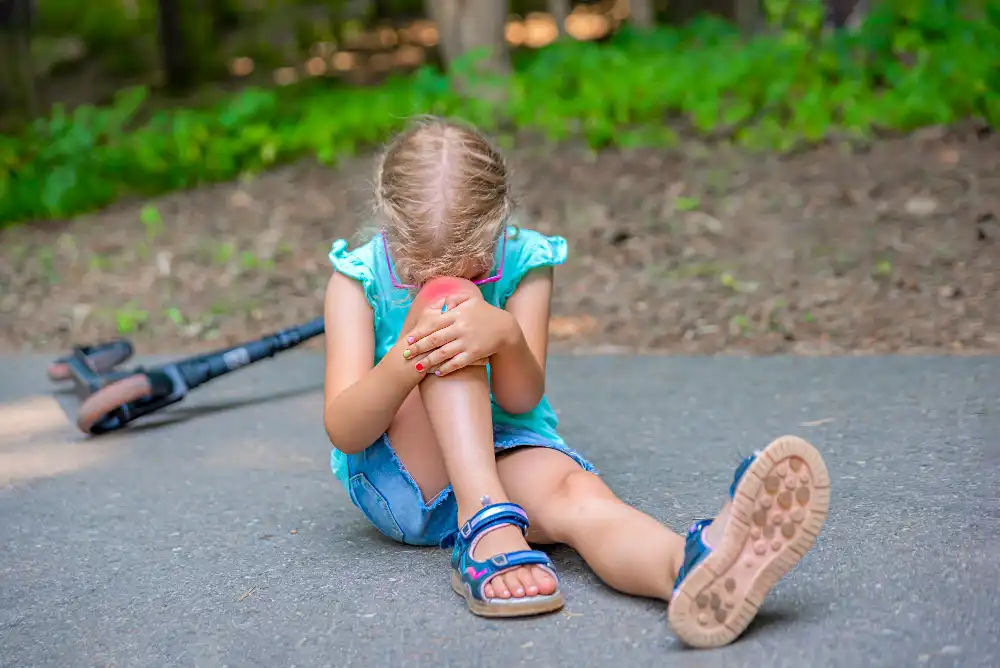
Red Flag Symptoms in a Children’s Knee Injury
Some symptoms need urgent medical attention. These are called red flags. They may point to a serious condition rather than a simple children’s knee injury. You should seek medical care urgently if your child has
- Fever with knee pain may suggest an infection inside the joint. This needs urgent medical attention and should not be delayed.
- Severe swelling straight after injury can indicate bleeding within the knee or a major ligament injury. Rapid swelling is a sign that the injury may be more serious.
- If your child is unable to bear weight on the leg, this may point to a fracture or significant internal damage. Difficulty standing or walking should always be assessed.
- Pain at night or pain at rest that does not improve may indicate a more serious underlying condition rather than a simple children’s knee injury.
These signs should not be ignored. Early medical assessment helps prevent complications and ensures the right treatment is started quickly.
Age-Specific Conditions That Can Be Mistaken for a Children’s Knee Injury
Not all knee pain in children is caused by a children’s knee injury. Some conditions are linked to growth and development. These can look similar but need different care.
Osgood-Schlatter disease
This causes pain just below the kneecap. It is common in active children during growth spurts. Pain often worsens with running, jumping, or kneeling.
Patellofemoral pain syndrome
This leads to pain at the front of the knee. It is often linked to overuse or poor movement patterns. Pain may increase when climbing stairs or sitting for long periods.
Growing pains
These usually affect both legs and often occur at night. There is no swelling or injury. The pain tends to settle by morning.
Juvenile arthritis
This can cause ongoing joint pain, swelling, and stiffness. Symptoms may be worse in the morning and improve with movement.
How We Assess a Child’s Knee Injury
When you visit us, we begin with a detailed assessment. We ask how the injury happened and examine the knee carefully. We examine movement, stability, and pain areas. If needed, we arrange imaging to identify what are some possible knee injuries affecting your child. If needed, we may arrange imaging such as:
- X-ray to check bones
- MRI to assess ligaments and cartilage
Treatment Options for Children’s Knee Injury in London
How to Treat Minor Knee Injury Safely for Children
Most children recover well without surgery. We guide you through safe and effective options.
- Rest and activity adjustment
- Ice and swelling control
- Physiotherapy as part of recovery
- Strengthening exercises
When More Advanced Care May Be Needed
Some knee injuries in children require closer attention, particularly severe ligament injuries, ongoing instability, or structural damage to the joint. In such cases, careful evaluation is important, and appropriate next steps should be taken, with clear guidance on treatment options and management.
Can Minor Knee Injuries Heal on Their Own
Some minor injuries improve with rest. However, it is not always easy to tell what is minor.
Children often continue activity despite pain. This can delay healing. A proper assessment helps avoid long-term issues and gives peace of mind.
Warning Signs You Should Not Ignore in a Children’s Knee Injury
Certain symptoms need prompt attention.
- Knee locking or catching
- Sudden swelling after activity
- Persistent limping
- Pain returning during sports
If you notice these, it is best not to wait.
When Should You Seek Medical Consultation
If symptoms continue or worsen, it is important to act early. You should consider a consultation if:
- Pain does not improve within a few days
- Swelling persists
- Your child avoids walking or sports
- The knee feels unstable
We can assess this quickly and guide you on what to do next, so you are not left guessing.
When a Children’s Knee Injury May Need Surgery
Most cases improve without surgery, but some children’s knee injury conditions need specialist treatment. Children Knee Surgery may be considered for complete ligament tears such as ACL or PCL, severe meniscus damage, or injuries causing ongoing instability.
We assess your child’s age, growth stage, and activity level before recommending any procedure. The aim is to restore knee stability while protecting developing structures. Recovery involves guided rehabilitation to help your child return safely to normal activity and sport.
Knee specialists in London
If you are searching for knee specialists in london, it is important to choose a team that focuses on accurate diagnosis and clear treatment. We understand how important it is for your child to return to normal activity safely. Our approach is simple, clear, and focused on recovery.
Book a Consultation with London Knee Care Clinic
If you are worried about your child’s knee, the next step is simple. You do not need to wait and see if it improves on its own. At London Knee Care Clinic, we help you understand exactly what is happening. We assess your child’s knee carefully and explain the findings in a way that is easy to follow. We focus on:
- Fast access to assessment
- Clear diagnosis without confusion
- Reassurance for you and your child
- A structured plan for recovery
If you are unsure, it is better to check early. We can assess your child quickly and give you clear answers. You can book an appointment with us today and know exactly what to do next.
If you are unsure, it is always better to check early. We are here to help you make the right decision with confidence. To get started, you can visit our contact page and reach out to us directly. You can also book an appointment online at a time that suits you.
Frequently Asked Questions About Children’s Knee Injury
What Is a Children’s Knee Injury?
A children’s knee injury is damage to ligaments, cartilage, or soft tissue in the knee. It can occur due to sports, falls, or repeated strain and may range from mild sprains to serious tears.
Can a child walk with a torn ligament?
Yes, some children can still walk with a ligament injury. However, walking does not mean the injury is mild. Ligament damage can still affect knee stability and may worsen without proper care. A medical assessment is important to confirm the severity.
Will a growth plate injury affect my child’s height?
Growth plate injuries can affect bone development if not treated early. In some cases, this may impact the shape or length of the bone. Early diagnosis and proper treatment help reduce the risk of long-term problems.
Can children return to sports after a children’s knee injury?
Most children can return to sports after recovery. This depends on healing, strength, and knee stability. Returning too early can increase the risk of re-injury. A structured rehabilitation plan helps ensure a safe return.
How long does a children’s knee injury take to heal?
Recovery time varies based on the type of injury. Mild injuries may heal in a few weeks. More serious injuries can take several weeks or months, especially if rehabilitation is needed.
How do I know if my child’s knee injury is serious?
Signs of a more serious injury include swelling, instability, locking, or difficulty walking. Pain that does not improve after a few days should be checked by a specialist.
Do all children’s knee injuries need a scan?
Not every injury requires imaging. X-rays are used if a fracture or growth plate injury is suspected. MRI scans are used for ligament or cartilage damage. The decision depends on symptoms and examination findings.
Can a children’s knee injury heal on its own
Some mild injuries improve with rest. However, ongoing symptoms should be checked to avoid complications.
What should I do if my child hurts their knee
Start with rest and ice. If symptoms continue, you can book an appointment with us so we can assess the children’s knee injury properly.