A knee ligament injury LCL doesn’t always announce itself the way people expect. While ligaments in knee injury cases often bring dramatic swelling and an obvious pop, an LCL knee injury can sometimes feel like nothing more than a mild ache on the outside of your knee, right up until the moment your foot starts to feel strange. That strange sensation, numbness or tingling running down towards your foot, is one of the most overlooked warning signs, and it’s a reason this ligament deserves more attention than it usually gets.
This guide explains what a lateral collateral ligament injury involves, why it’s sometimes linked to nerve problems, and what helps recovery, based on current evidence.
What Is Lateral Collateral Ligament Injury
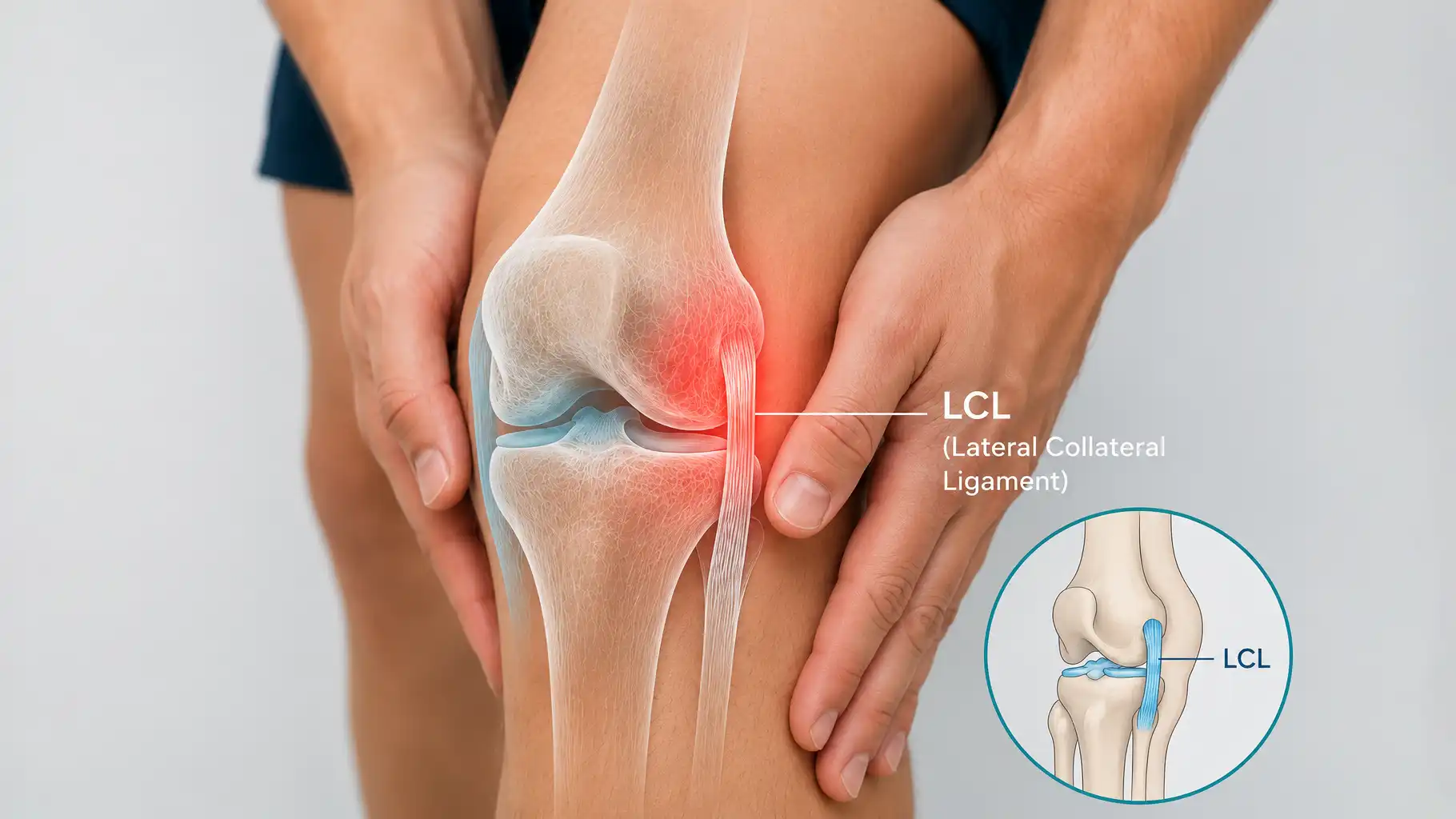
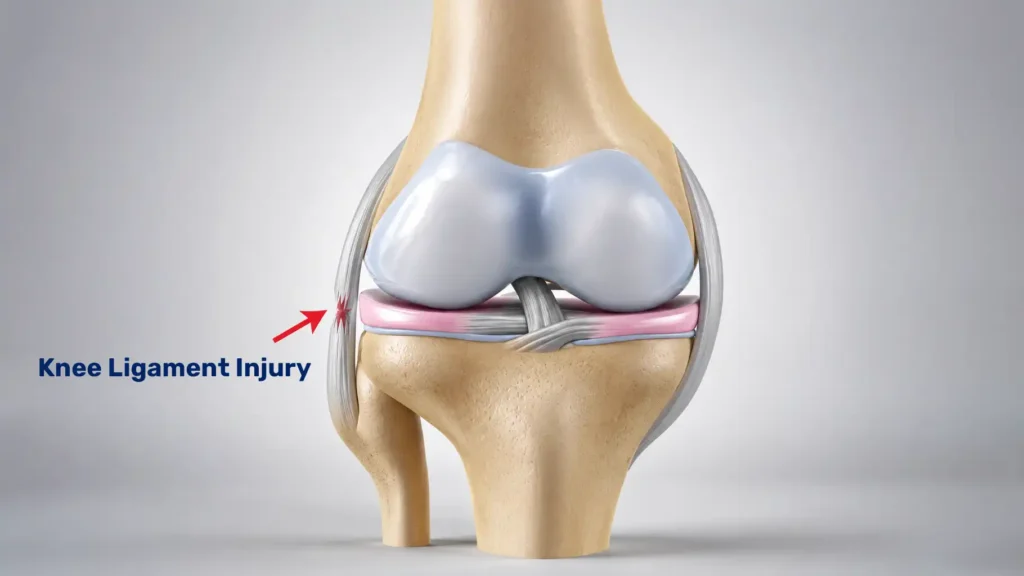
The lateral collateral ligament, also called the fibular collateral ligament, is one of four main ligaments that keep your knee stable. It runs down the outer side of your knee, connecting your thigh bone to the smaller bone in your lower leg near an area surgeons call the fibular head. Alongside the posterolateral corner of the knee, a group of structures at the outer back of the joint, your outer knee ligament works to stop your knee wobbling too far sideways or rotating awkwardly when you plant your foot. These posterolateral corner knee structures work closely with the LCL to resist rotation and keep the joint stable during sudden changes of direction.
What Is an LCL Tear
What is an LCL tear, exactly? An LCL tear knee injury is a stretching or tearing injury to this ligament, ranging from a mild sprain to a complete rupture. A lateral collateral ligament sprain knee injury is generally the mildest form of this damage, where the fibres stretch but don’t fully tear.
Surgeons typically grade these injuries in three stages. Lcl sprain grade 1 describes a mild stretch affecting less than a tenth of the ligament’s fibres, usually settling within two to four weeks. Lcl sprain grade 2 involves a partial LCL tear, where a larger portion of fibres are damaged and the knee often needs a hinged brace and several weeks of guided rehabilitation. Lcl tear grade 3 means a complete LCL tear, and because this ligament doesn’t heal as reliably as some others once fully torn, this level of injury sometimes needs surgical repair, particularly when it happens alongside other damage.
How each grade of LCL injury usually differs:
- Grade 1: A mild stretch with minimal fibre damage, generally settling within two to four weeks with rest and support.
- Grade 2: A partial LCL tear affecting a larger share of the fibres, often needing a brace and eight to twelve weeks of structured rehabilitation.
- Grade 3: A complete LCL tear, which can take three months or longer to recover from and sometimes requires surgery, especially as part of a combined acl LCL injury or wider multiligament knee injury.
Symptoms of a Knee Ligament Injury LCL
LCL injury symptoms usually centre on the outer side of your knee. You might notice outer knee pain that’s worse when you put weight through your leg, along with bruising and swelling in the days that follow. Many people describe knee instability outer side sensations, as though the knee might buckle sideways, and some notice knee giving way outer knee episodes specifically when walking on uneven ground or turning quickly.
One symptom people often miss is anything affecting the foot itself. Because the common peroneal nerve travels so closely past the outer knee, a knee ligament injury LCL can sometimes bring numbness after knee injury, particularly across the top of the foot, or even foot drop after knee injury in more severe cases, where lifting the front of the foot becomes difficult. Tingling in foot after knee injury is another sign worth mentioning to whoever assesses you, since it points towards the nerve rather than the ligament alone.
How Do You Know if You Tore Your LCL
How do you know if you tore your LCL rather than simply bruised it? Persistent instability, pain that doesn’t ease after a few days of rest, or any numbness in your foot are all signs that this needs a proper assessment rather than guesswork.
Can You Bend Your Knee With a Torn LCL
Often yes, particularly with milder injuries, though bending and straightening may feel unstable or uncomfortable rather than impossible. Struggling to fully straighten or bend the knee at all can suggest additional damage, such as a meniscal tear or swelling within the joint itself.
What Happens if You Tear Your Lateral Collateral Ligament
What happens if you tear your lateral collateral ligament depends heavily on how much of the ligament is affected and whether other structures were involved at the same time. A mild sprain often heals well with simple measures, but a complete tear, especially one involving the posterolateral corner or another ligament such as the ACL, tends to need more structured treatment to restore full stability.
Causes of a Knee Ligament Injury LCL
LCL injury causes almost always involve some form of force pushing the knee outward or twisting it beyond its normal range. A direct blow to inner knee tissue, the kind that happens during a tackle in football or rugby, is one of the most common triggers, since it pushes the outer knee structures apart. A twisting knee injury, especially one where the foot stays planted while the body rotates, can also stretch or tear the ligament. Sports injury LCL cases are common in football, rugby, skiing and any activity involving sudden changes of direction.
An injury to the lateral collateral ligament usually happens in isolation only when the force involved is relatively mild. Higher energy trauma, such as a car accident or a bad fall, more often causes a knee dislocation LCL injury, where several ligaments are damaged together.

The Nerve Damage Connection With LCL Injuries
Not every knee ligament injury LCL case involves the nerves nearby, but when the injury is more significant, particularly one affecting the posterolateral corner, peroneal nerve damage knee complications become a real and recognised possibility. The common peroneal nerve runs close to the outer knee and fibular head, which leaves it vulnerable whenever this area is badly stretched or struck.
Foot drop knee injury symptoms, where lifting the front of the foot becomes difficult, happen when this nerve is stretched or compressed. Nerve damage after LCL injury doesn’t necessarily mean permanent harm. Many nerve stretch injuries recover on their own over several months, though more severe injuries occasionally need specialist input. Common peroneal nerve knee involvement is far more likely with higher grade injuries and combined ligament damage than with a simple, isolated sprain, so this isn’t something that should worry you unnecessarily if your injury is mild.
How Is a Knee Ligament Injury LCL Diagnosed
LCL injury diagnosis starts with a physical examination, including a varus stress test knee assessment, where your specialist gently pushes on the inside of your knee to check how much the outer side opens up. This helps establish whether the injury is a mild sprain or something more significant.
For anything beyond a mild injury, a plain X-ray usually rules out a fracture first, and mri for LCL injury is often arranged afterwards to look at the ligament itself along with the surrounding structures. Posterolateral corner injury diagnosis in particular relies heavily on MRI, since this area involves several small structures that are difficult to assess by examination alone. Peroneal nerve injury knee assessment, including checking sensation and movement in your foot and ankle, is a routine part of this process whenever the injury looks more severe.
How to Treat LCL Knee Injury
LCL injury treatment, or how to treat LCL knee injury more specifically, depends heavily on the grade and whether other structures are involved. Mild sprains usually respond well to protecting the knee in the first few days, gradually loading it again, using ice for short periods, gentle compression and elevation when resting, alongside avoiding heat, alcohol, running and massage in the early stages, since these can slow healing or mask symptoms that need watching.
How to treat LCL knee pain from a moderate injury often means a period in a hinged LCL brace alongside physiotherapy for LCL injury, focused on rebuilding strength and control around the knee. Non surgical LCL treatment is successful for most grade 1 and grade 2 injuries, and research shows most people treated this way return to their previous activity level within a few months.
Typical treatment options for a knee ligament injury LCL include:
- Protection, gradual loading, ice, compression and elevation in the first few days after injury.
- A hinged knee brace to support the ligament while it heals, particularly for grade 2 and grade 3 injuries.
- Physiotherapy for LCL injury to restore strength, movement and stability.
- LCL reconstruction surgery for complete tears, especially where the posterolateral corner or another ligament is also damaged.
Recovery Time for a Knee Ligament Injury LCL
LCL injury recovery time, or ligament knee injury recovery time more broadly, varies enormously depending on severity. A mild LCL sprain recovery time is often as little as two to four weeks. Lateral collateral ligament sprain recovery time for a moderate, partial tear tends to run from eight to twelve weeks, particularly once bracing and physiotherapy are properly under way.
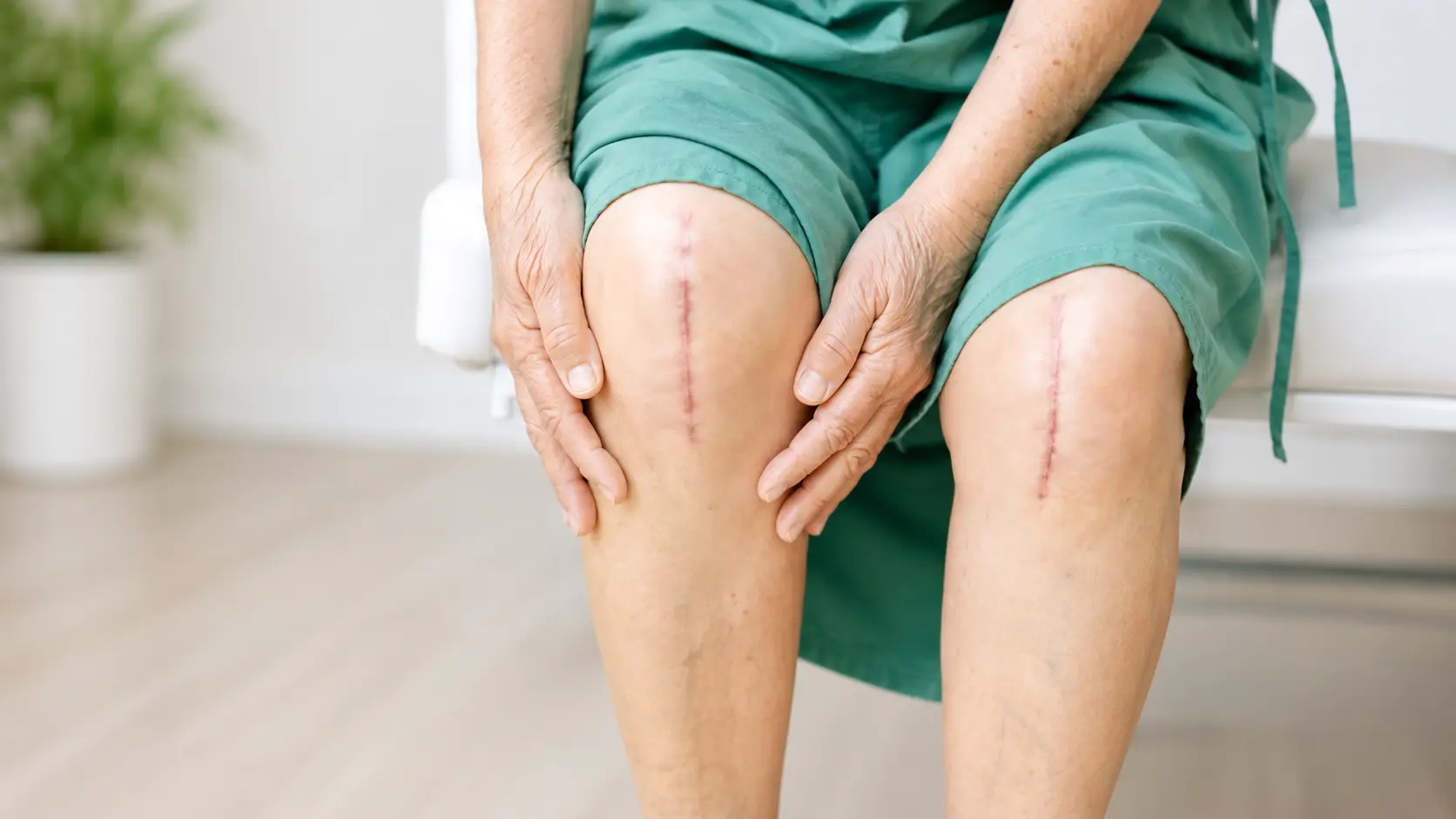
Lateral collateral ligament injury how long to heal is one of the most common questions we hear, and the honest answer is that it depends on your specific grade and whether other ligaments were involved. LCL surgery recovery, where reconstruction has been necessary, generally takes around four months before you can put full weight through the knee again, with continued rehabilitation afterwards. Return to sport after LCL injury is realistic for most people following a mild or moderate sprain, though a full, structured return typically depends on regaining strength and confidence rather than simply waiting out a calendar timeline. LCL rehabilitation exercises, guided by a physiotherapist, are central to getting back to your previous activity level safely.
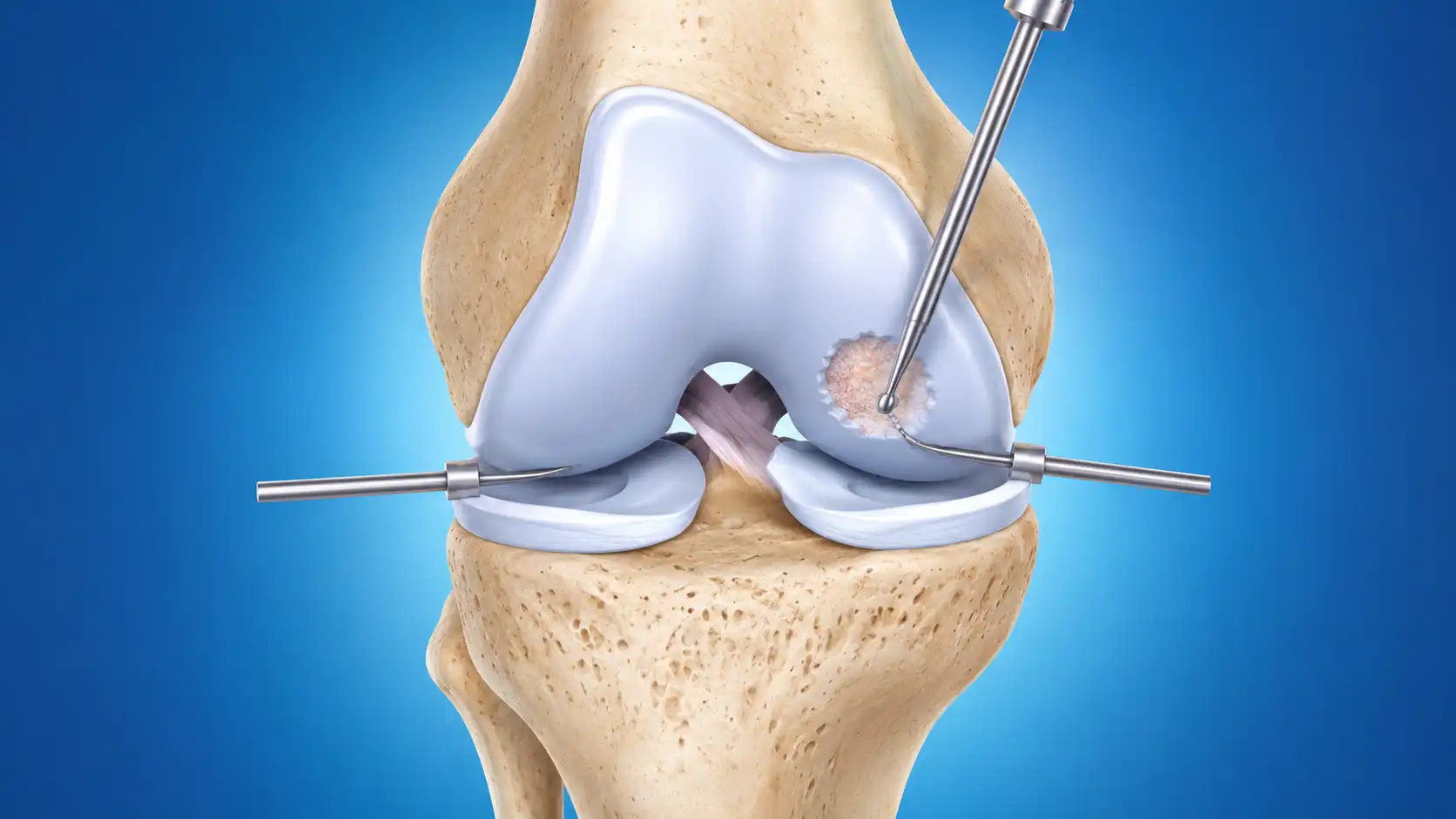
Knee ligament surgery hospital stay for an LCL reconstruction is usually short, often a day case or an overnight stay, though this depends on whether other procedures are carried out at the same time. Knee ligament damage repair and knee ligament damage surgery are terms patients often use interchangeably, though repair generally refers to stitching the ligament’s own tissue back together, while reconstruction uses a graft to rebuild it when the original tissue can’t be repaired directly.
When Should You Seek Medical Advice for a Knee Ligament Injury LCL
Not every knee twist needs an emergency visit, but certain signs mean you shouldn’t wait. Seek same-day medical advice if you have significant swelling, cannot bear weight at all, feel your knee giving way repeatedly, or notice any numbness, tingling or weakness in your foot, since this last group of symptoms can point towards nerve involvement that benefits from earlier assessment. According to Bupa’s patient guidance, significant knee injuries are usually best assessed promptly with an examination and imaging, rather than left to settle on their own.
Expert Care for a Knee Ligament Injury LCL at London Knee Care
If you’ve been searching for a knee ligament specialist london option you can trust, we provide thorough assessment and treatment at our LCL injury clinic london patients rely on, led personally by Mr Khakha. As a private knee surgeon london patients and referring GPs regularly recommend, he has been in consultant practice since 2017, with particular expertise in ligament injuries, multiligament reconstruction and complex knee trauma.
Whether you need reassurance about a mild sprain or knee ligament surgery london options for a more significant tear, we always begin with a proper assessment before recommending treatment. You can read more about our clinic and book directly through our booking page.
London Knee Care
45 Queen Anne Street, London W1G 9JF
Call us on 0207 046 8008
Email us at rk@os.clinic
Or visit our contact page
Frequently Asked Questions
Can LCL Injury Cause Nerve Damage?
Yes, though usually only with more significant injuries. Because the common peroneal nerve passes so close to the outer knee, higher grade LCL injuries and those affecting the posterolateral corner occasionally involve some nerve stretching, which can cause numbness or weakness in the foot.
How Serious Is an LCL Injury?
This depends entirely on the grade. A mild sprain is rarely serious and settles within weeks, while a complete tear, particularly one involving other ligaments, needs proper specialist assessment and a more structured recovery plan.
Do All LCL Injuries Need Surgery?
No. Most grade 1 and grade 2 injuries recover well with bracing and physiotherapy alone. Surgery is generally reserved for complete tears or injuries involving several structures at once.
Can LCL Tear Heal Without Surgery?
Often, yes, particularly for mild to moderate injuries. A structured rehabilitation programme with appropriate bracing allows many people to regain full stability without an operation.
How Long Does LCL Injury Take to Heal?
Recovery ranges from two to four weeks for a mild sprain up to several months for a complete tear or surgical reconstruction. If you’re unsure which category your injury falls into, our team is just a call away on 02070468008.