
Kneecap (Patella) Dislocation
At London Knee Care, we specialise in diagnosing and treating kneecap (patella) dislocation, a condition where the kneecap slips out of its normal groove at the front of the knee. This often happens due to a sudden twist, direct impact, or an underlying alignment problem. A dislocation can cause immediate pain, swelling, and difficulty straightening or walking on the affected leg.
We work together to provide precise diagnosis, advanced imaging, and tailored treatment — from non-surgical care to stabilisation surgery — ensuring safe recovery and long-term knee stability.



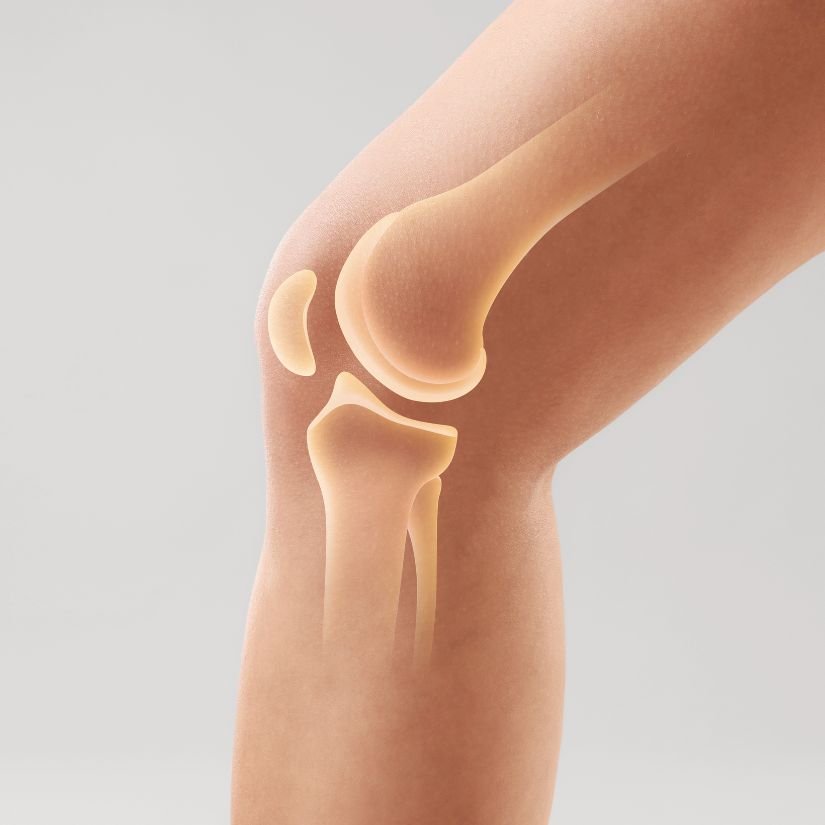
Kneecap (Patella) Dislocation Care
You should seek prompt medical attention if your kneecap shifts out of place, you feel sudden pain at the front of the knee, or you notice visible deformity and swelling. Recurrent dislocations or ongoing instability after an initial episode also require specialist evaluation.
At London Knee Care, we use physical examination and imaging (MRI or X-ray) to confirm the diagnosis, identify ligament damage, and assess whether surgical stabilisation may be needed to prevent future episodes.
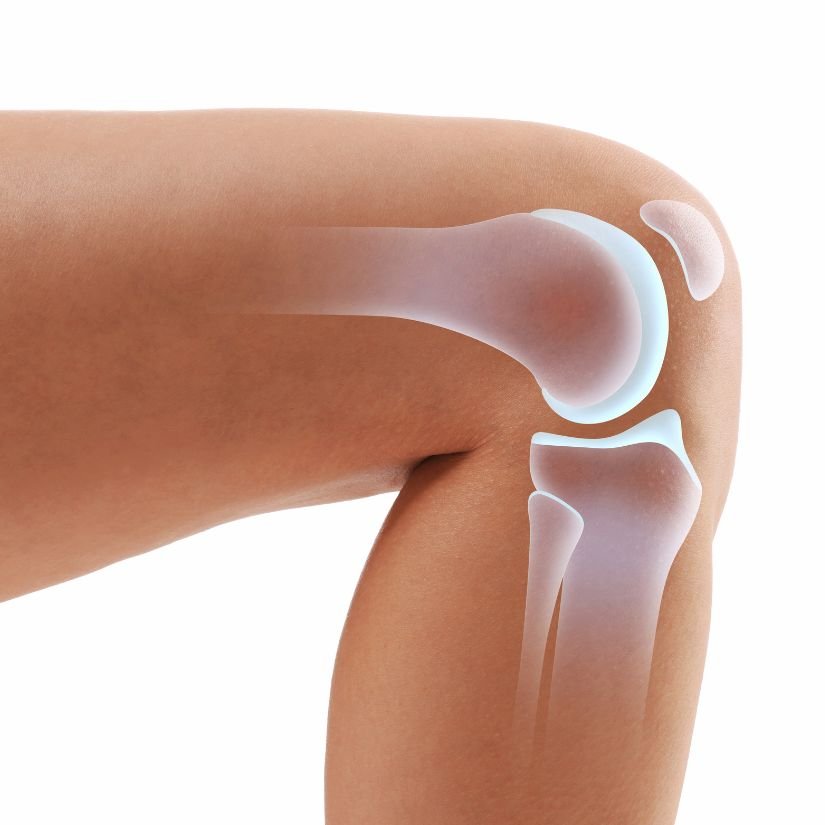
How to Book Your Appointment
Step 1
Schedule Your Consultation
Book an appointment with our knee specialist to discuss your symptoms and any previous dislocations.
Step 2
Diagnostic Assessment
We arrange advanced imaging to identify ligament injury or bone misalignment.
Step 3
Personalised Treatment Plan
Your consultant explains the findings and recommends the most suitable treatment approach.
Step 4
Surgery and Aftercare
Whether managed conservatively or surgically, we provide full rehabilitation support and ongoing care.
FAQs About Kneecap (Patella) Dislocation
What should I do immediately after my kneecap dislocates?
Do not try to force it back yourself. Keep the leg still, apply ice, and seek immediate medical attention.
Is surgery always required for kneecap dislocation?
Not always. First-time dislocations are often treated non-surgically, but recurrent instability may require surgical stabilisation.
How long does recovery take?
Recovery typically takes 6–12 weeks, depending on whether surgery was performed and the extent of ligament injury.
Can the kneecap dislocate again?
Yes, recurrence is possible — especially if the underlying cause is not addressed. Strengthening and alignment correction help reduce the risk.
Is kneecap dislocation painful?
Yes, it can cause sharp pain, swelling, and visible deformity, which improves with early treatment.
Why choose London Knee Care?
We offer precise diagnosis, world-class surgical expertise, and comprehensive rehabilitation to prevent recurrence and ensure long-term stability.
Clearly a doctor in the know. Professional friendly and welcoming. I would highly recommend for a swift service and top team.
Verified Patient
TopDoctors

Restore Stability. Relieve Pain.
Expert Surgeon
Personalised Care
Long-Term Results