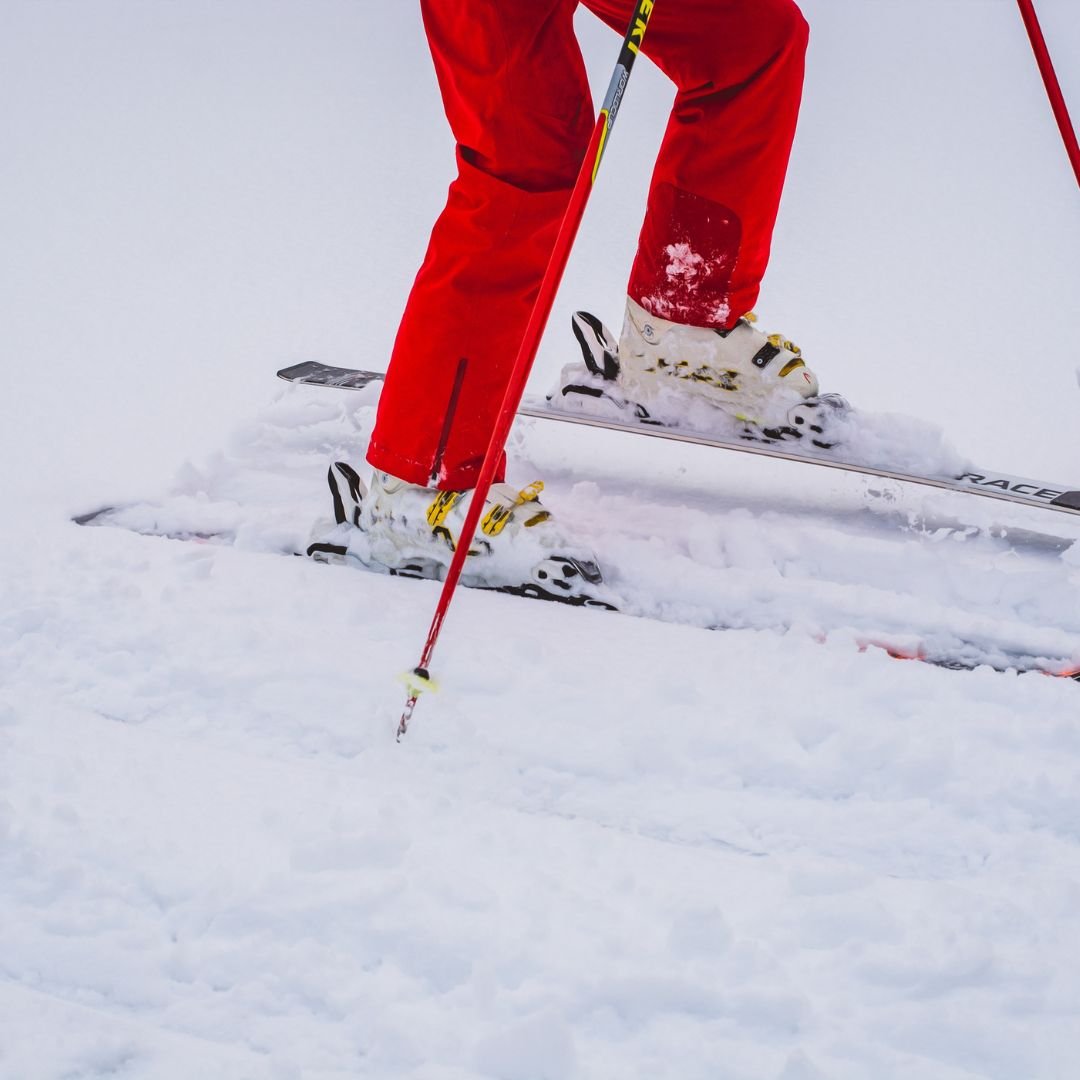
Winter sports can strain the knee joint. Learn about common winter sports knee injuries, symptoms, treatment options, and when to see a knee surgeon in London.
Introduction
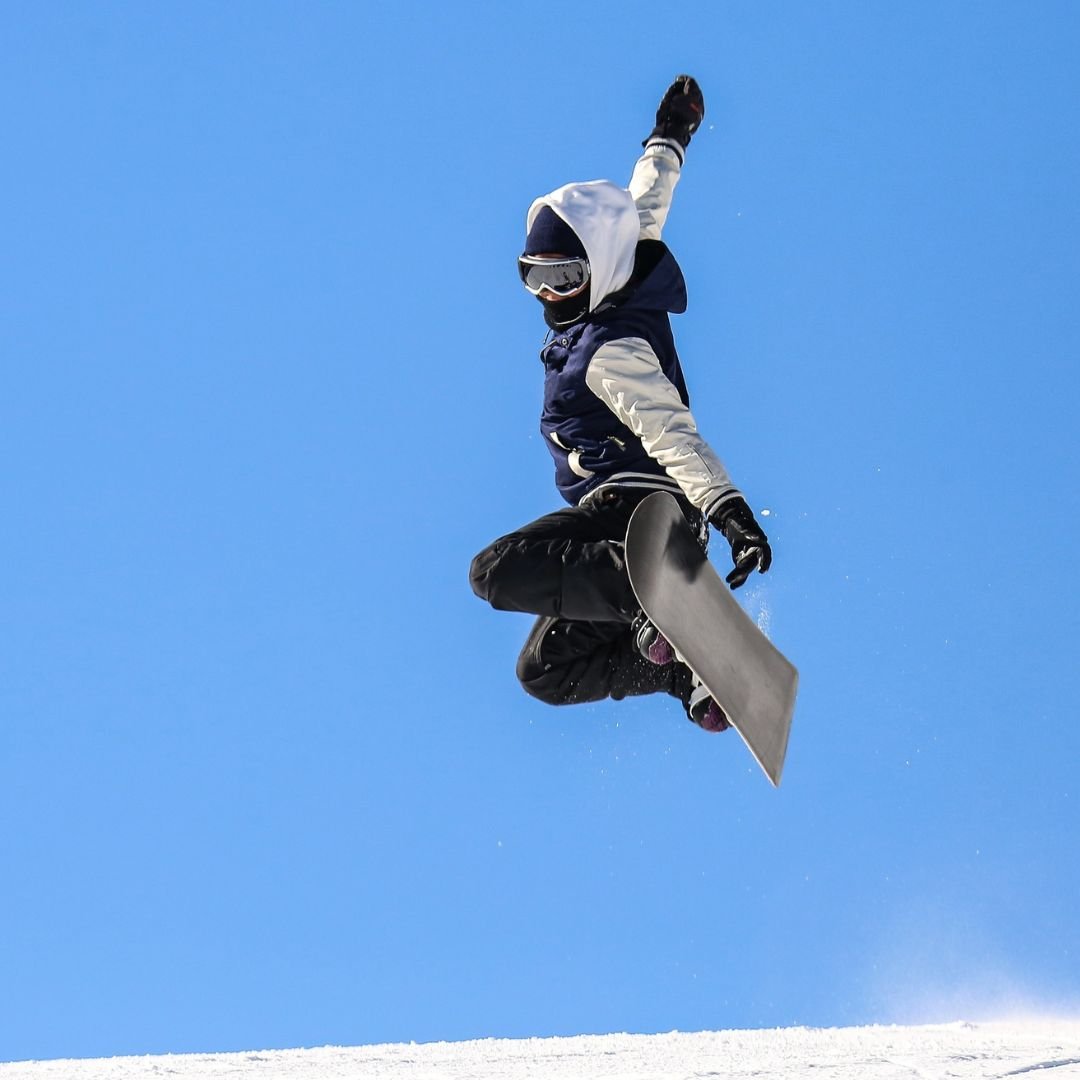
Winter sports such as skiing, snowboarding, ice skating, and even cold-weather running place unique demands on the knee joint. Sudden twists, slippery surfaces, and reduced muscle flexibility significantly increase the risk of injury.
Each winter, knee specialists see a rise in sports-related knee injuries, many of which require expert assessment by a knee surgeon in London to prevent long-term damage.
Why Does Winter Sports Increase Knee Injury Risk?
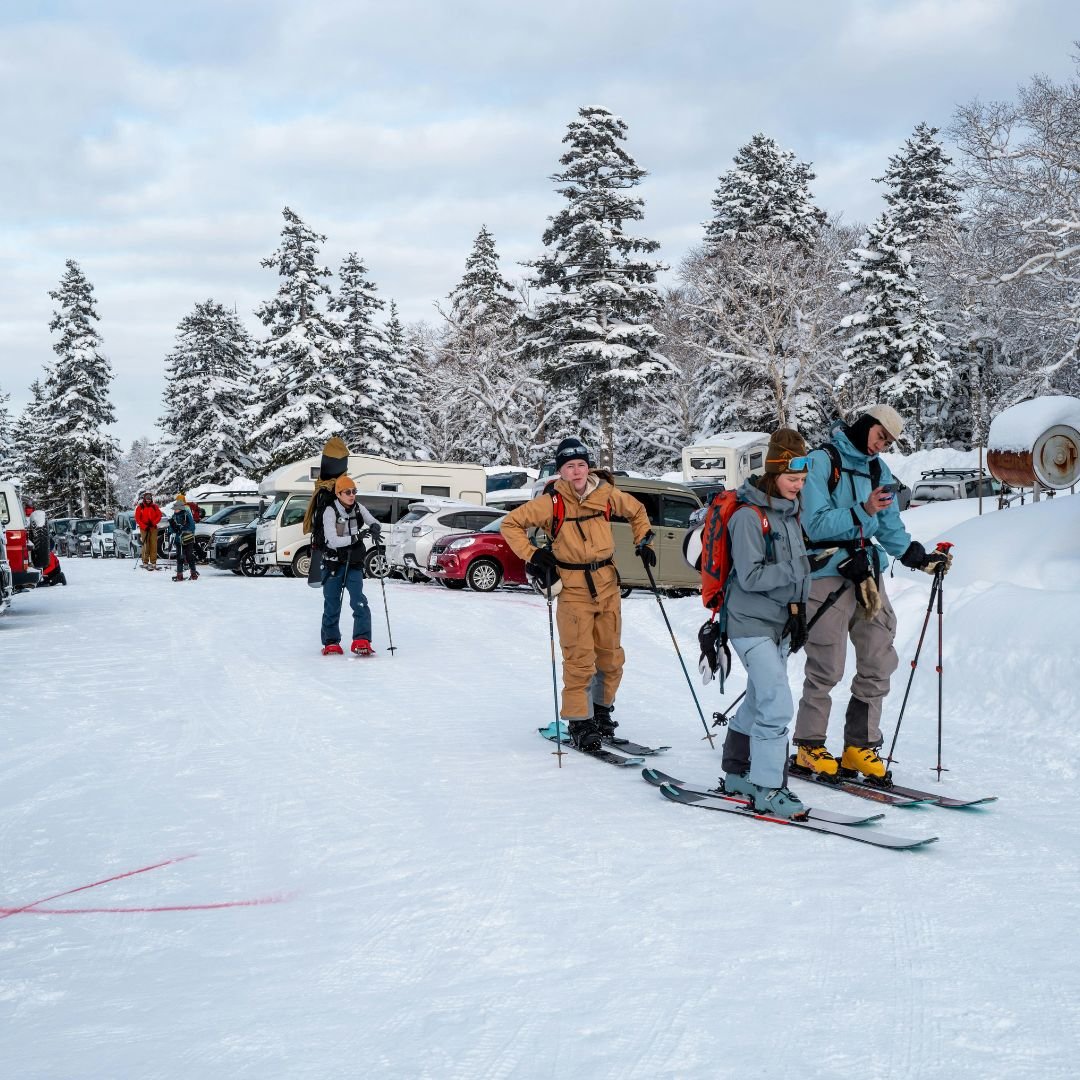
Cold temperatures reduce muscle elasticity and reaction time, making joints more vulnerable. Add uneven terrain, speed, and rotational forces, and the knee becomes particularly exposed.
Common risk factors include:
- Inadequate warm-up
- Poor equipment fit (ski boots, bindings)
- Fatigue
- Reduced balance on icy surfaces
Common Winter Sports Knee Injuries
1. ACL Injuries
ACL tears are one of the most common skiing and snowboarding injuries. Sudden twisting or falling with the ski fixed can overload the ligament.
Symptoms:
- Immediate swelling
- Instability
- Difficulty weight-bearing
ACL injuries often require specialist evaluation, particularly in active individuals.
2. Meniscal Tears
Rotational forces during turns or awkward landings can tear the meniscus.
Symptoms:
- Locking or catching
- Pain when twisting
- Swelling after activity
Early diagnosis helps avoid worsening cartilage damage.
3. MCL (Medial Collateral Ligament) Injuries
Side-impact falls commonly strain or tear the MCL or LCL.
Symptoms:
- Inner knee pain
- Swelling
- Pain when changing direction
Most MCL injuries heal well with structured rehabilitation.
4. Patellar Injuries
Falls on ice can directly injure the kneecap, causing bruising, cartilage damage, or instability.
Diagnosis by a Knee Specialist
A knee surgeon in London will assess:
- Mechanism of injury
- Knee stability
- Range of motion
- Swelling patterns
Imaging such as MRI scans is often used to confirm ligament or cartilage damage and guide treatment planning.
Treatment Options for Winter Sports Knee Injuries
Treatment depends on injury severity and activity goals and may include:
- Targeted physiotherapy
- Bracing and activity modification
- Image-guided injections
- Arthroscopic (keyhole) surgery
- Ligament reconstruction when required
Early specialist assessment improves recovery outcomes and reduces time away from sport.
Recovery & Return to Sport
Rehabilitation focuses on:
- Strength restoration
- Balance and proprioception
- Gradual return-to-sport testing
Rushing recovery increases re-injury risk, particularly in winter conditions.
FAQs
1. What is the most common knee injury in skiing?
ACL injuries are the most common knee injury associated with skiing.
2. Should I see a knee surgeon after a winter sports injury?
Yes, especially if there is swelling, instability, or pain lasting more than a few days.
3. Can winter knee injuries heal without surgery?
Many injuries heal with physiotherapy, but some ligament or cartilage injuries require surgical input.
4. How soon should I get an MRI after an injury?
If swelling and instability persist beyond 7–10 days, imaging is often recommended.
5. Can I prevent winter sports knee injuries?
Proper warm-up, strength training, and equipment fitting significantly reduce injury risk.