Discover how overuse knee injuries develop in athletes, common conditions, early warning signs, and how to prevent long-term damage.
Introduction
Not all sports injuries happen suddenly. Many develop gradually due to repetitive stress and inadequate recovery. Overuse knee injuries are increasingly common among runners, gym-goers, and endurance athletes, especially those training without sufficient rest. Recognising early warning signs is key to preventing chronic pain and long-term joint damage.
What Are Overuse Knee Injuries?
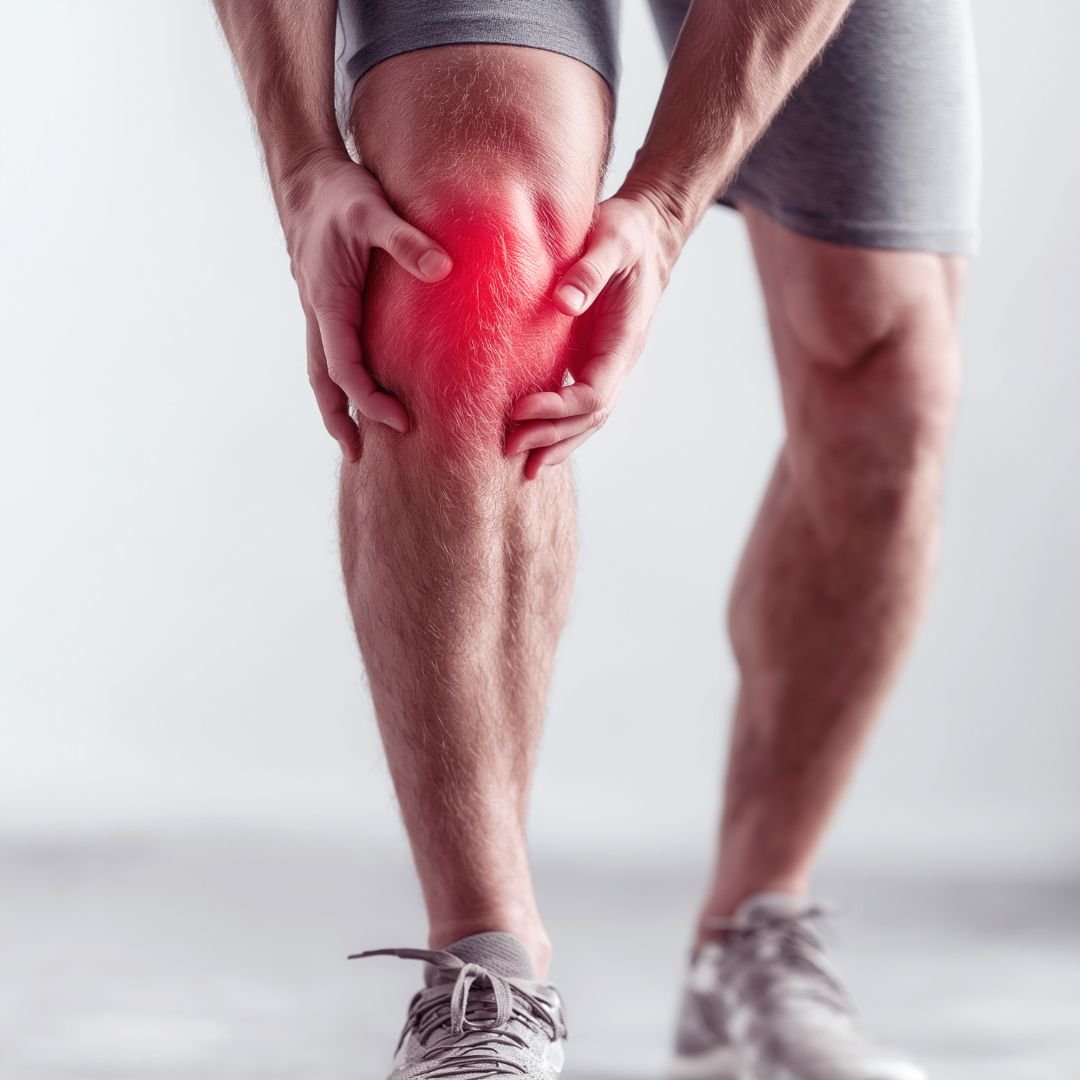
Overuse injuries occur when repetitive movement overwhelms the body’s ability to repair itself. Micro-damage accumulates in tendons, cartilage, or bone, eventually leading to pain and dysfunction. Unlike acute injuries, overuse injuries often start subtly and worsen over time.
Common Overuse Knee Conditions
1. Patellofemoral Pain Syndrome
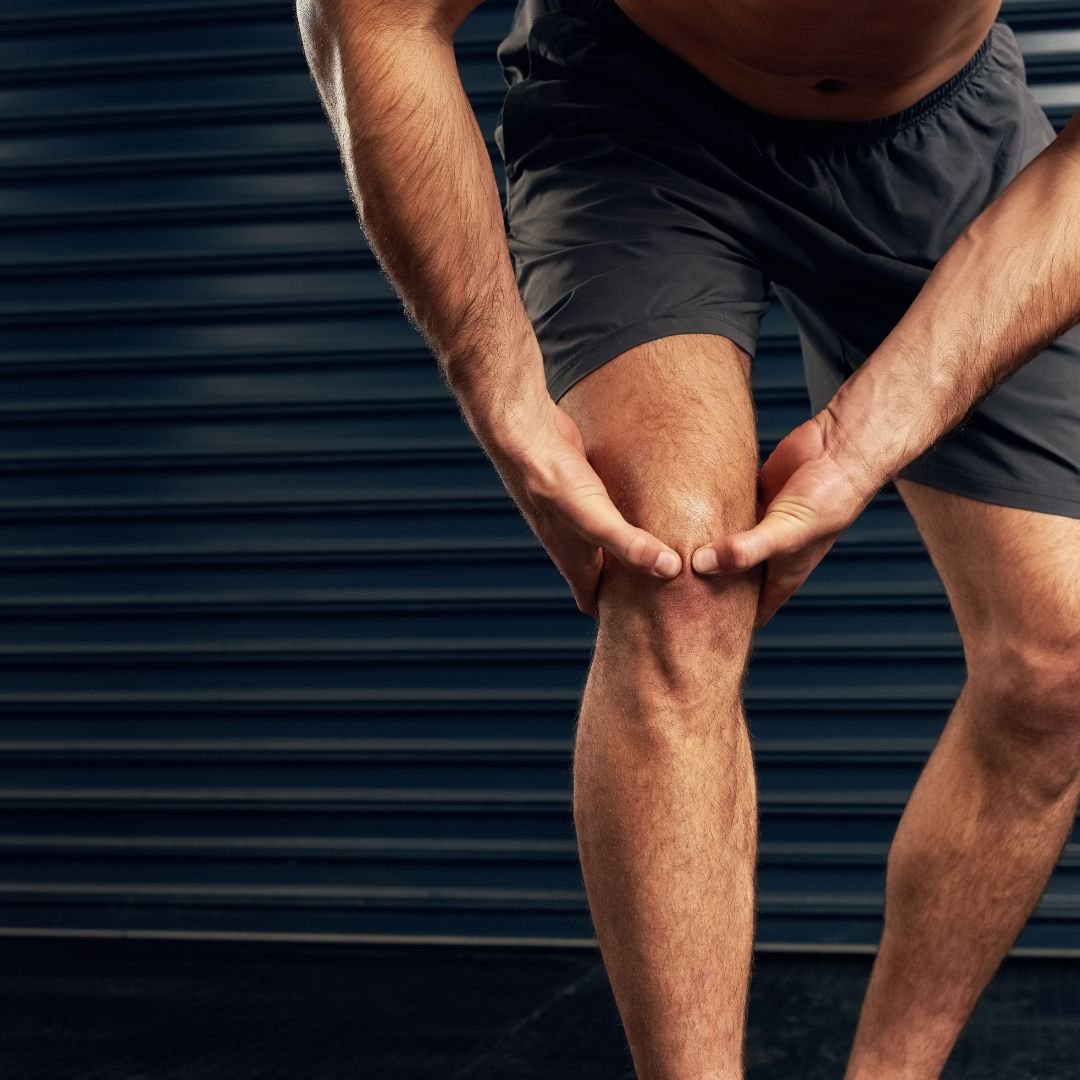
Often caused by repetitive knee bending combined with poor biomechanics, this condition presents as aching pain around the kneecap.
2. Iliotibial (IT) Band Syndrome
Common in long-distance runners, IT band syndrome causes pain on the outer side of the knee due to friction during repetitive movement.
3. Patellar Tendinopathy
Repeated jumping or heavy loading leads to tendon degeneration rather than inflammation, making early management critical.
4. Stress-Related Cartilage Damage
Ongoing overload can accelerate cartilage wear, increasing the risk of early osteoarthritis.
Warning Signs Not to Ignore
- Pain that worsens with activity
- Stiffness after exercise
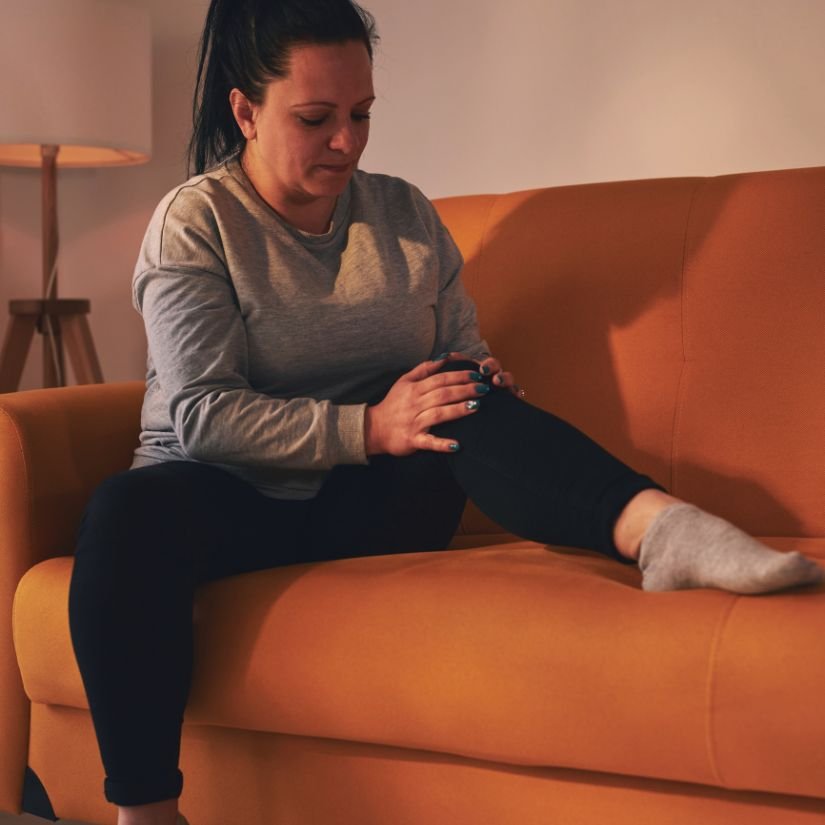
- Swelling or tenderness
- Reduced performance
- Pain that persists despite rest
Ignoring these symptoms can convert a manageable issue into a chronic condition.
Diagnosis & Assessment
Specialists assess overuse injuries using:
- Clinical examination
- Imaging (MRI or ultrasound)
- Gait and movement analysis
- Training load review
Modern assessment focuses on why the injury occurred, not just where it hurts.
Treatment & Recovery
Treatment often includes:
- Load management
- Physiotherapy
- Strength and mobility training
- Shockwave therapy or injections (when appropriate)
Surgery is rarely required when early intervention occurs.
Prevention Strategies for Athletes
- Gradual training progression
- Proper footwear
- Strength training
- Adequate rest and recovery
- Early assessment of persistent pain
Prevention is always easier than recovery.
FAQs
1. What is the most common overuse knee injury?
Patellofemoral pain syndrome is one of the most common overuse knee injuries, particularly in runners.
2. Can overuse injuries heal without stopping exercise?
Often yes, but training must be modified. Complete rest is not always necessary, but load reduction is essential.
3. How long do overuse knee injuries take to heal?
Recovery typically takes weeks to months, depending on severity and adherence to treatment.
4. Are overuse injuries permanent?
No. With early diagnosis and proper management, most athletes recover fully.
5. When should I see a knee specialist?
If knee pain lasts longer than 2–3 weeks or worsens with activity, specialist assessment is recommended.