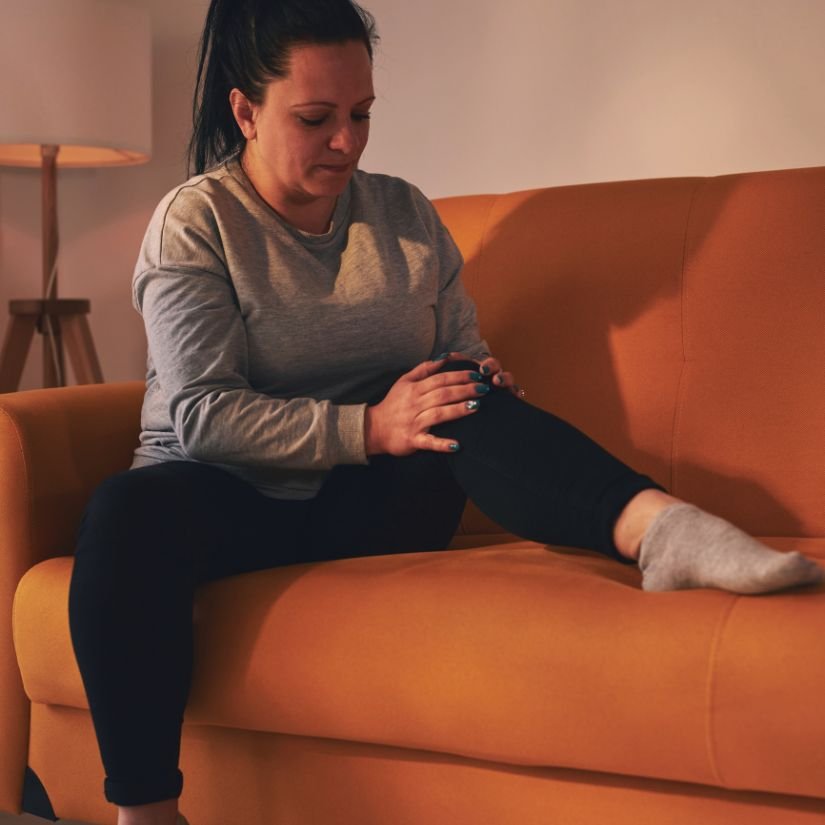
Prepare for ski season safely with expert advice from a leading knee surgeon in London. Learn how to prevent ACL tears, strengthen your knees, and avoid common skiing injuries.
As ski season approaches, slopes across Europe begin filling with keen skiers eager to make the most of winter. But with skiing comes one of the highest rates of lower-limb injuries, particularly to the knee.
At London Knee Care, many of the patients we see during and after ski season are dealing with ligament tears, cartilage injuries, or chronic knee pain triggered by winter sports. Preparing your knees ahead of time is one of the most effective ways to prevent injuries and ensure a safe, enjoyable season on the snow.
This guide is written to help you understand how to protect your knees, strengthen them for skiing, and recognise warning signs early. If you’re searching for a knee surgeon in London, or want tailored advice before your trip, we are here to help.
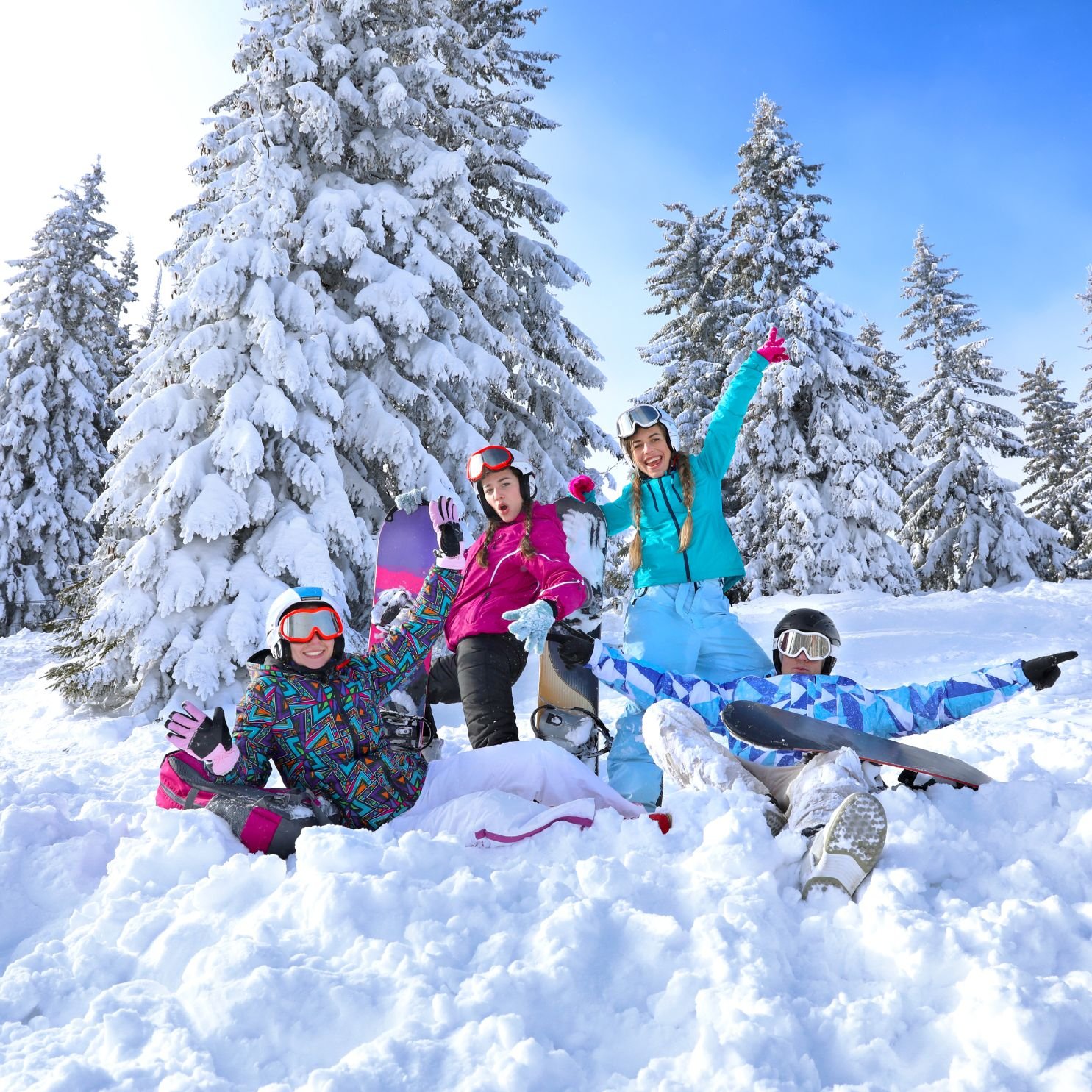
Why Skiing Puts Stress on Your Knees
Skiing involves speed, twists, sudden stops, and varying terrain, all of which place significant force on the knee joint. The most common skiing-related knee injuries include:
- ACL tears
- MCL strains
- Meniscus tears
- Patellar dislocation
- Cartilage damage
These can occur due to falls, improper posture, poor equipment fit, or simply fatigue late in the day.
Understanding the risk helps you prepare your body and avoid the kind of injury that could cut your holiday short, or lead to months of rehabilitation.
1. Strengthen the Knee Before You Ski
Building muscle strength around your knee is the most important preventive measure. Strong quadriceps, hamstrings, glutes, and calves help stabilise the knee joint and absorb force.
Key pre-ski exercises that knee surgeons recommend include:
- Wall sits
- Hamstring bridges
- Step-downs
- Single-leg balance work
- Mini band lateral walks
- Core strengthening
Ideally, begin training 6–8 weeks before your ski trip for maximum benefit. If you experience knee pain during training, consider a consultation with a knee specialist in London to assess underlying issues.
2. Improve Your Mobility and Alignment
A stiff joint is more prone to injury. Incorporate mobility exercises such as:
- Hip flexor stretches
- Ankle mobility drills
- Hamstring and calf stretches
- Foam rolling for IT bands and quads
Good alignment reduces the load on your knee and improves skiing technique.
3. Check Your Ski Equipment, Especially Your Boots
Poorly fitted boots or incorrect ski binding settings are a major cause of ACL injuries.
Make sure:
- Your bindings are adjusted to your skill level and weight.
- Your boots support your ankle without restricting your movement.
- You replace old or worn equipment.
If in doubt, ask a ski shop professional for a boot and binding check before your first day on the slope.
4. Don’t Ignore Knee Pain Before Your Trip
Any clicking, swelling, locking, giving-way, or sharp pain should be assessed before you travel. Early diagnosis can prevent a minor issue from becoming a serious injury during skiing.
At London Knee Care, our specialists provide:
- Detailed clinical assessment
- On-site MRI scans
- Personalised injury-prevention plans
- Pre-ski rehabilitation programmes
Whether you need reassurance or treatment, seeing a knee surgeon in London before ski season gives you clarity and confidence.
5. Warm Up Properly on the Slopes
Jumping straight onto a cold slope is one of the quickest ways to injure your knee.
Warm up with:
- Light jogging or high-knees
- Dynamic stretches
- A few slow, controlled runs to activate your muscles
This reduces stiffness and primes your body for skiing.
6. Know When to Stop
Most ski injuries happen late in the day when muscles are tired. If your legs start shaking or you feel your form slipping, it’s time to take a break. Fatigue limits control, reaction time, and knee stability.
When Should You See a Knee Specialist After a Ski Injury?
If you experience:
- Sudden swelling
- Instability or giving-way
- A popping sensation
- Locking of the knee
- Pain that worsens over 24–48 hours
You should be assessed immediately. Early diagnosis reduces long-term damage and speeds recovery.
London Knee Care’s surgeon, Mr Raghbir Khakha is an expert in managing ski-related ACL, meniscus, and ligament injuries, providing rapid access to imaging, treatment, and advanced knee surgery in London.
Final Thoughts
Skiing is exhilarating, but it demands preparation. Strengthening your knees, choosing the right equipment, and listening to your body can dramatically reduce the risk of injury. If you need expert assessment before your ski holiday, or specialist care after an injury, the team at London Knee Care is here to help.
Prepare well, ski safely, and enjoy the slopes with confidence.
FAQs
1. How can I prepare my knees for ski season?
Preparing your knees for ski season involves a combination of strengthening exercises, flexibility training, and proper warm-ups. Focus on building quadriceps, hamstring, and glute strength while improving balance and core stability. A knee specialist can also assess your joint health to identify any risks before you hit the slopes.
2. What are the most common knee injuries in skiing?
The most common skiing-related knee injuries include ACL tears, MCL sprains, meniscus injuries, and patellar dislocations. These typically occur due to sudden twists, falls, or collisions on the slopes. Early assessment by a knee surgeon in London ensures fast diagnosis and treatment.
3. How do I know if my knee pain needs to be assessed by a specialist?
If you experience persistent swelling, instability, locking, clicking, or pain that does not improve within a few days, you should see a knee specialist. Sudden knee pain following a fall or twist should be assessed immediately to rule out ligament damage.
4. What knee exercises help prevent ski injuries?
Strengthening exercises such as squats, lunges, step-downs, hamstring curls, wall sits, and glute bridges are effective for supporting the knee joint. Balance drills, core strengthening, and flexibility work also reduce injury risk.
5. Is skiing safe if I have had previous knee surgery?
Yes, many people safely return to skiing after knee surgery, but it must be done under the guidance of your surgeon and physiotherapist. You may need a structured rehabilitation plan, strengthening routine, and sometimes a custom-fit knee brace for additional support.
6. Can a knee surgeon help me improve performance on the slopes?
Absolutely. A knee surgeon can assess how well your knee joint functions, address underlying biomechanical issues, and guide you on targeted strengthening and injury-prevention strategies. This can help you ski more confidently and efficiently.
7. Should I wear a knee brace while skiing?
A knee brace can provide added stability, especially for skiers with previous ACL or ligament injuries. However, it should not replace strengthening exercises. A knee specialist can advise whether you need a brace and which type is most suitable.
8. What should I do if I injure my knee while skiing?
Stop skiing immediately, apply ice, elevate your leg, and avoid putting weight on the injured knee. Seek medical evaluation as soon as possible. An early diagnosis from a knee surgeon in London ensures prompt treatment and reduces long-term complications.
9. How can I prevent knee pain after skiing?
Warm up before skiing, cool down afterwards, keep your muscles strong and flexible, and use correct ski techniques. Hydration and rest are also essential. If pain persists, a specialist evaluation helps identify any underlying issues.
10. Where can I see a knee surgeon in London for skiing-related injuries?
You can book an appointment with an expert knee surgeon in London through London Knee Care, which offers specialist assessment, diagnosis, and treatment for all ski-related injuries.