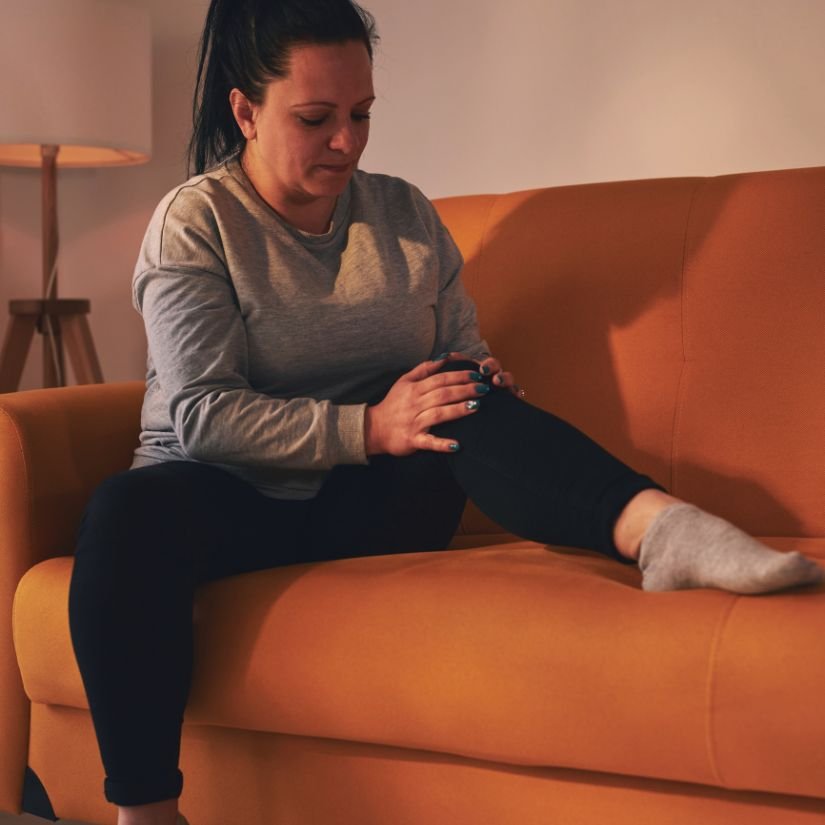
Hurt your knee while skiing? Learn the step-by-step recovery process.
Even the most experienced skiers can suffer injuries on the slopes. Whether it’s a sudden twist, a bad landing, or a fall on ice, the knee is particularly vulnerable during skiing. If you injure your knee while skiing, knowing the right steps to take can significantly affect your recovery.
This guide outlines what to do immediately, what symptoms to watch for, and when you should see a knee surgeon in London for expert assessment and treatment.
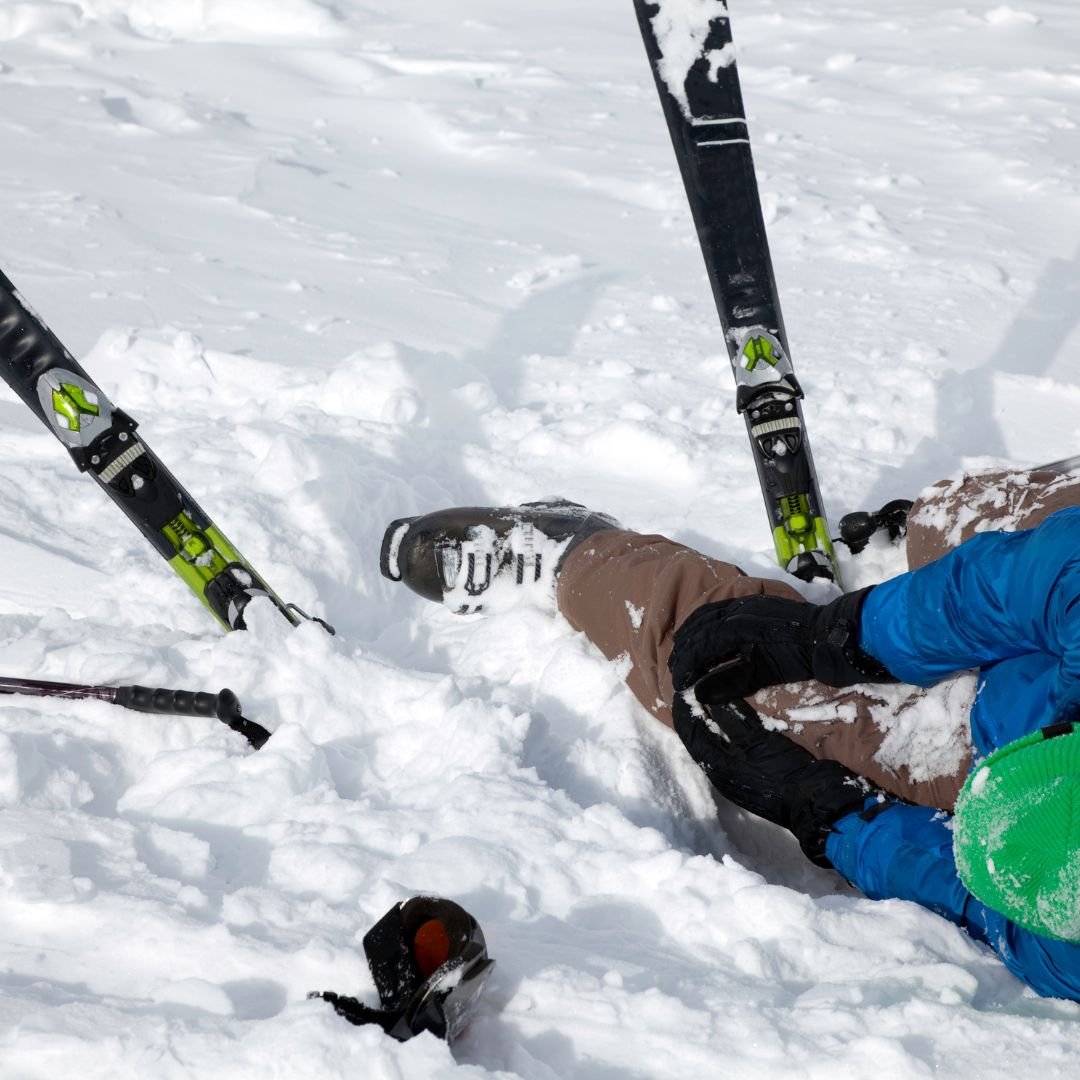
1. Stop Skiing Immediately
If you feel a pop, sudden pain, or instability, do not continue skiing. Further activity can worsen the injury and increase recovery time.
2. Apply RICE (Rest, Ice, Compression, Elevation)
Within the first 24–48 hours, follow this method to reduce swelling and pain:
- Rest — Avoid weight-bearing
- Ice — Apply ice packs for 15–20 minutes
- Compression — Use a bandage or knee support
- Elevation — Keep the leg raised to reduce swelling
This early care helps calm inflammation.
3. Look for Red-Flag Symptoms
You should seek urgent specialist assessment if you experience:
- A popping sensation during injury
- Rapid swelling within minutes
- Instability or giving-way
- Inability to straighten the knee
- Severe pain with twisting or weight-bearing
- Locking or catching sensations
These may indicate an ACL tear, meniscus injury, MCL sprain, or patellar dislocation.
4. Book an MRI Promptly
An accurate diagnosis is the most important step in effective treatment. At London Knee Care, our Expert knee surgeon, Mr Raghbir Khakha will arrange rapid MRI imaging to identify ligament, cartilage, or tendon injuries early.
Early diagnosis means:
- Faster treatment
- Better long-term recovery
- Prevention of chronic joint damage
5. Follow a Structured Rehab Plan
Most knee injuries require physiotherapy tailored to the type and severity of the injury.
Rehabilitation may include:
- Strengthening exercises
- Balance and proprioception training
- Swelling management
- Gait retraining
- Sport-specific conditioning
A customised rehab plan helps you return to normal activities, and skiing, safely.
6. When Is Knee Surgery Needed?
Surgery may be recommended if you have:
- A full ACL tear
- A displaced meniscus tear
- Recurrent kneecap dislocation
- Severe cartilage damage
- Instability that affects walking or exercise
London Knee Care specialises in minimally invasive arthroscopic surgery, designed to reduce pain, accelerate healing, and restore function.
7. How Long Does Recovery Take?
Recovery varies depending on the injury:
- MCL sprain: 4–8 weeks
- Meniscus tear: 6–12 weeks (longer if surgery needed)
- ACL tear (with surgery): 6–12 months
- Patellar dislocation: 3–6 months
Seeing a specialist early helps determine the most efficient recovery path.
8. Returning to Skiing After Injury
Before getting back on the slopes, you should be able to:
- Squat pain-free
- Run without discomfort
- Jump and land with control
- Perform lateral movements confidently
- Pass functional ski-readiness tests
Your knee surgeon or physiotherapist will guide you through these milestones.
Final Thoughts
Skiing injuries can be frustrating, but with the right steps,early treatment, accurate diagnosis, and expert rehabilitation, you can make a full recovery.
If you have returned from a ski holiday with knee pain or instability, our knee specialist at London Knee Care is here to help. With expert assessment, advanced imaging, and tailored treatment, we support you through every stage of recovery.
Your knee health is our priority. so you can get back to the activities you love.
FAQs
1. What should I do immediately after a knee injury on the slopes?
Stop skiing, apply ice, elevate the leg, and avoid putting weight on it.
2. How do I know if my ski injury is serious?
Severe swelling, instability, a popping sound, or inability to straighten the knee are red flags.
3. Should I get an MRI after a ski injury?
If symptoms persist or if ligament/meniscus damage is suspected, yes.
4. How soon should I see a knee specialist?
Within 24–72 hours if pain, swelling, or instability continues.
5. Can I ski again the same day if the pain improves?
No, skiing on an injured knee can worsen the damage.
6. What is the best early treatment?
Rest, Ice, Compression, Elevation (RICE), and avoiding high-impact movement.
7. Do all knee injuries require surgery?
No, many mild sprains or meniscus tears heal with physiotherapy and rest.
8. When can I safely return to skiing?
Only after full strength, stability, mobility, and clearance from a knee specialist.