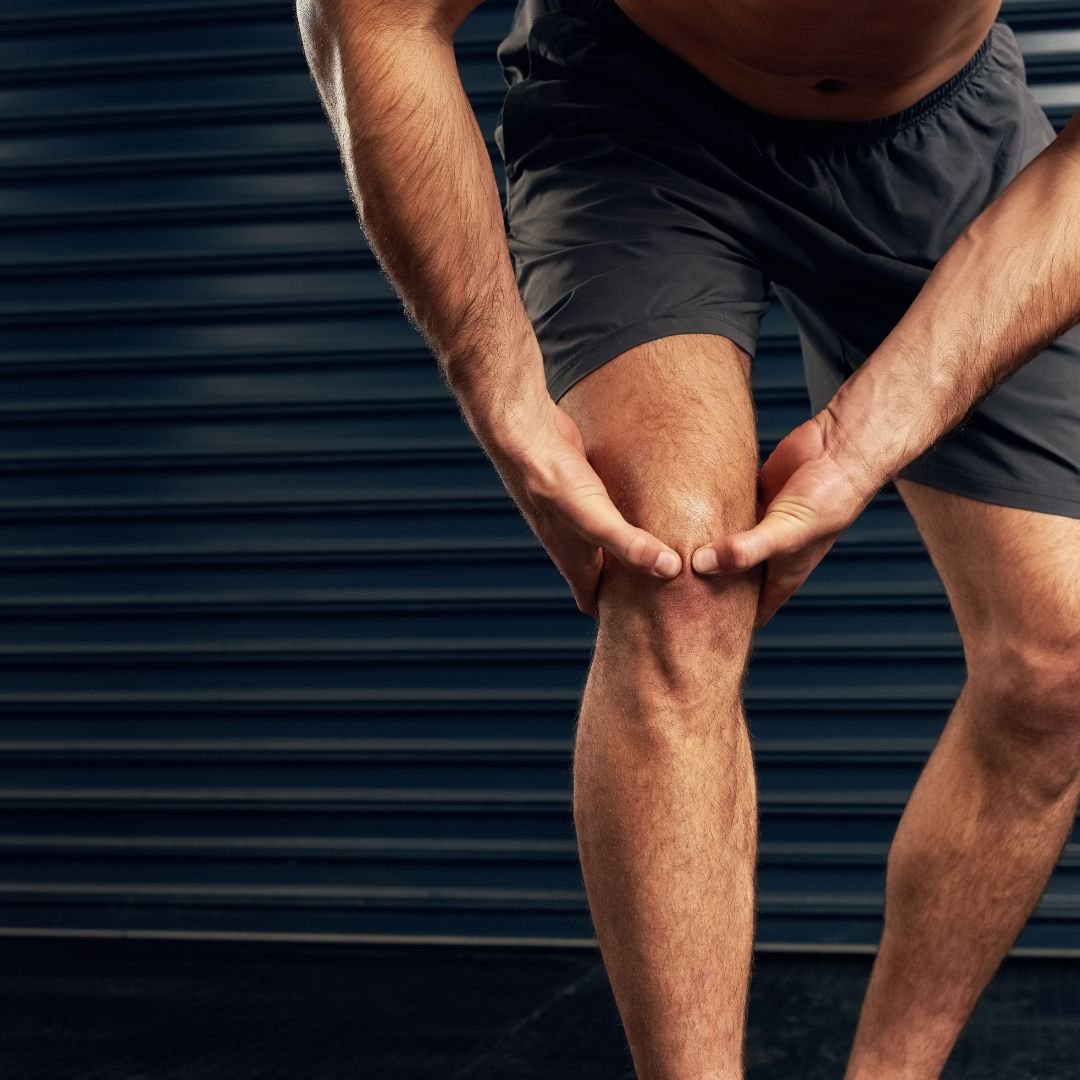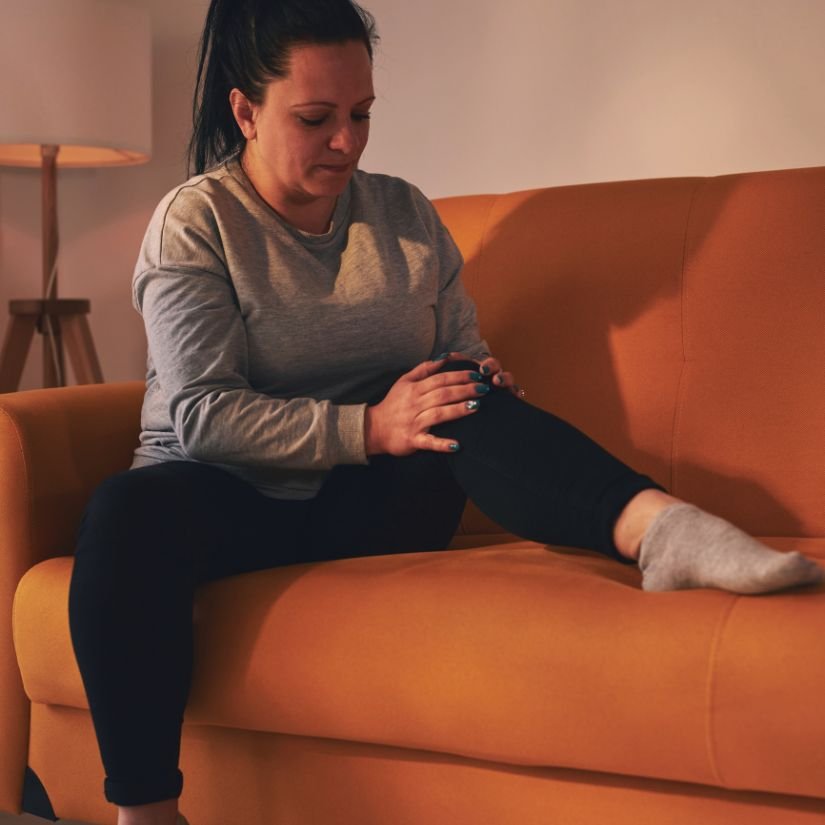
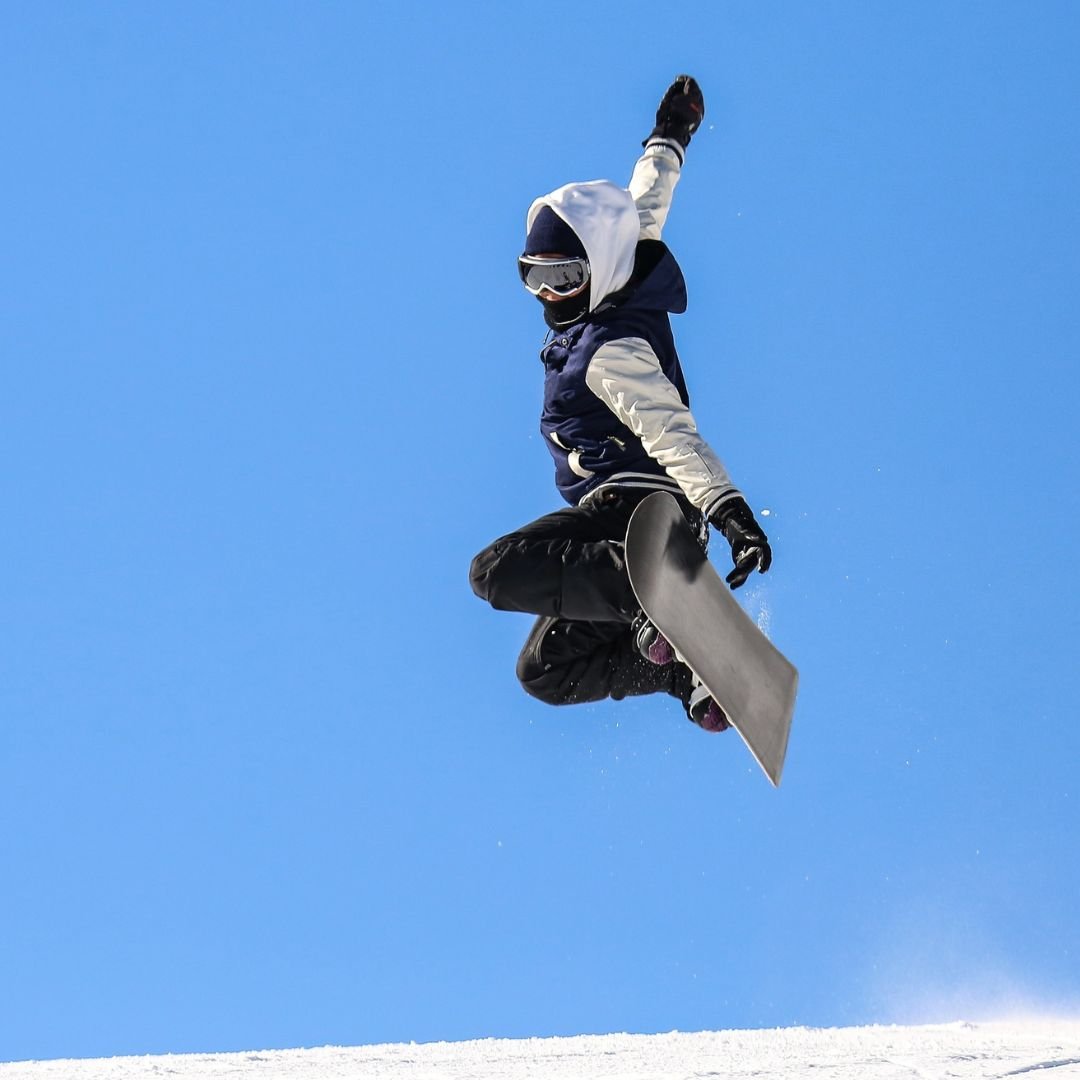
Skiing and snowboarding can cause serious knee injuries. Learn symptoms, treatment options, and expert advice from a knee surgeon in London.
Introduction
Skiing and snowboarding are exhilarating winter sports, but they also account for a high number of knee injuries every year. The knee absorbs rotational forces, sudden stops, and awkward falls, making it particularly vulnerable on the slopes. Seeking early advice from a knee surgeon in London can make the difference between a smooth recovery and long-term knee problems.
Why the Knee Takes the Impact
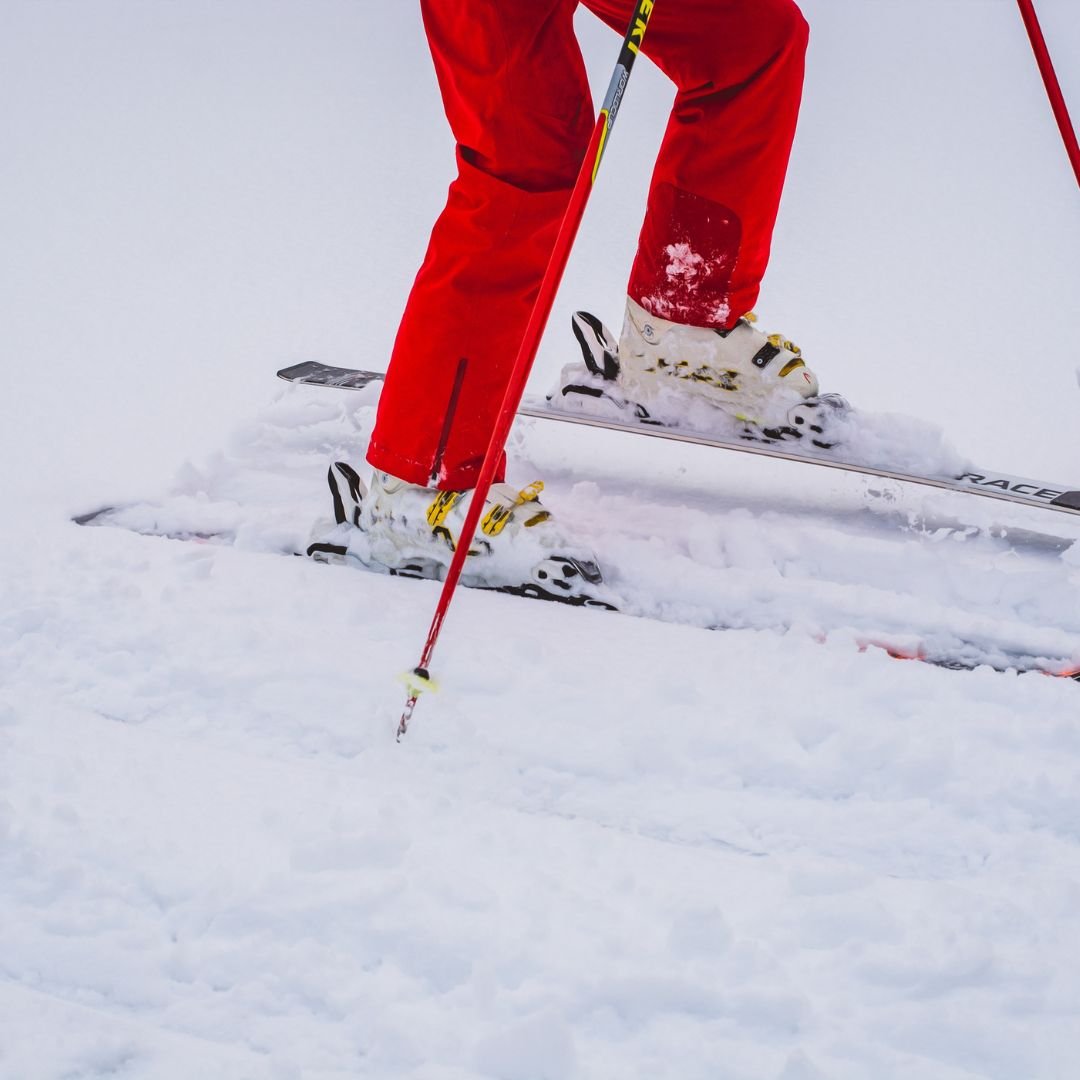
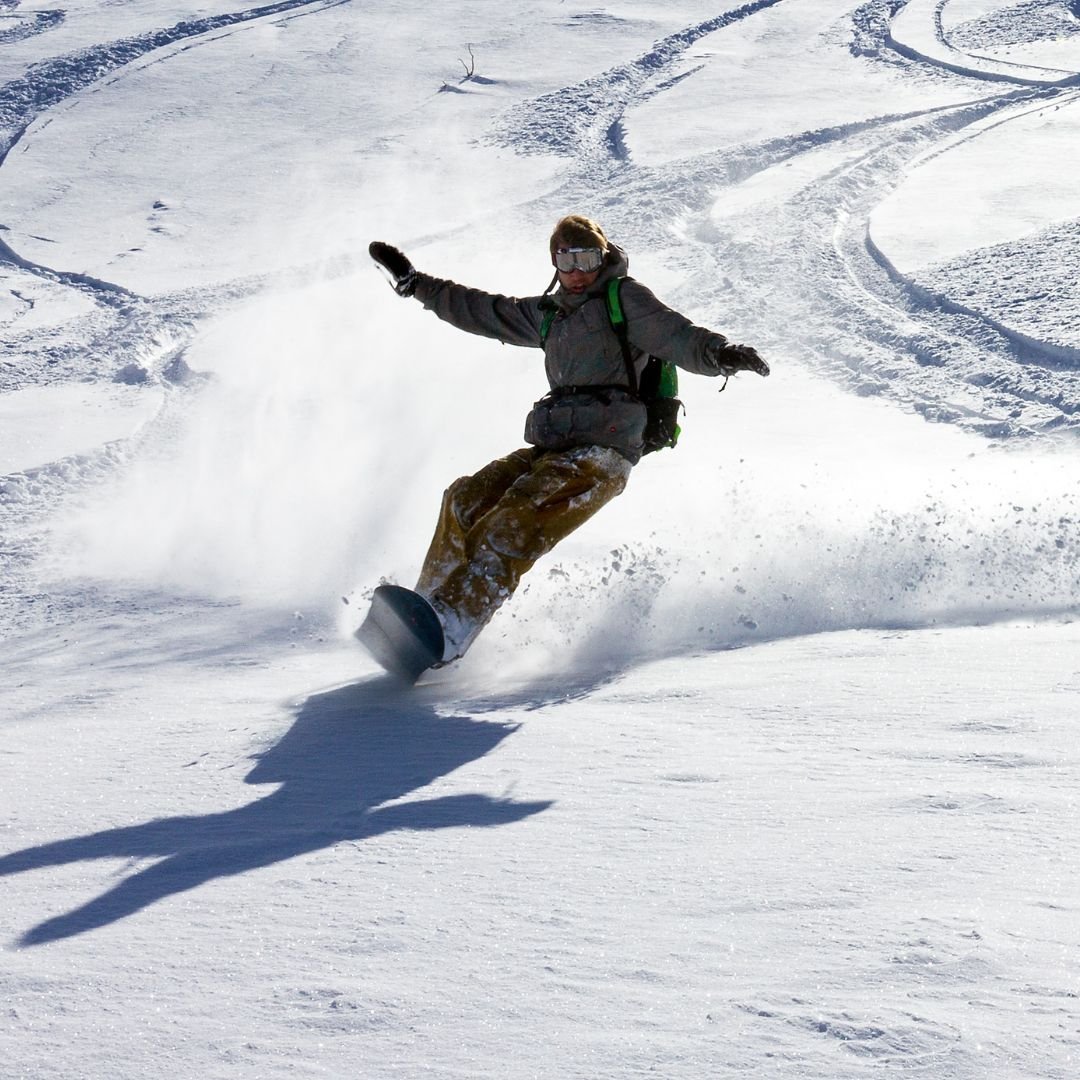
Ski bindings fix the foot in place, transferring rotational forces directly to the knee during falls or sudden turns. Snowboarders experience similar stress during jumps and landings. Poor snow conditions and fatigue further increase injury risk.
Most Common Ski & Snowboard Knee Injuries
1. ACL Rupture
Often occurs during twisting falls or backward landings.
- Audible pop
- Immediate swelling
- Feeling of giving way
ACL injuries frequently require specialist care to restore knee stability.
2. Meniscus Tears
Sudden twisting movements can damage the cartilage that cushions the knee joint.
Symptoms include:
- Pain during rotation
- Locking
- Delayed swelling
3. Collateral Ligament Injuries
Side-impact falls commonly strain or tear the MCL or LCL.
4. Cartilage Damage
High-impact landings can damage joint cartilage, increasing future osteoarthritis risk if untreated.
Assessment by a Knee Surgeon in London
A specialist knee assessment includes:
- Detailed injury history
- Physical examination
- MRI or X-ray imaging
This allows precise diagnosis and personalised treatment planning.
Treatment Options
Depending on injury type:
- Physiotherapy for mild to moderate injuries
- Bracing for ligament protection
- Injections to reduce inflammation
- Arthroscopic surgery for cartilage or meniscus damage
- Ligament reconstruction for unstable knees
Early intervention improves long-term joint health.
Rehabilitation & Return to Slopes
Recovery programmes focus on:
- Strength
- Balance
- Neuromuscular control
Specialists often use functional testing before clearing patients to return to skiing or snowboarding.
Preventing Ski & Snowboard Knee Injuries
- Pre-season strength training
- Proper ski binding adjustment
- Adequate warm-up
- Avoid skiing while fatigued
Prevention is particularly important for recreational skiers returning after long breaks.
FAQs
- Do all ski-related knee injuries need surgery?
No. Many injuries recover with rehabilitation, but instability may require surgical treatment. - How long is recovery after ACL surgery?
Return to sport typically takes 9–12 months. - Can I ski again after a knee injury?
Yes, with proper treatment and rehabilitation, most patients return safely to skiing. - Should I see a knee surgeon immediately after injury?
Early assessment is recommended if swelling, instability, or severe pain is present. - Are knee braces useful for winter sports?
In some cases, braces provide added support during recovery or return to sport.