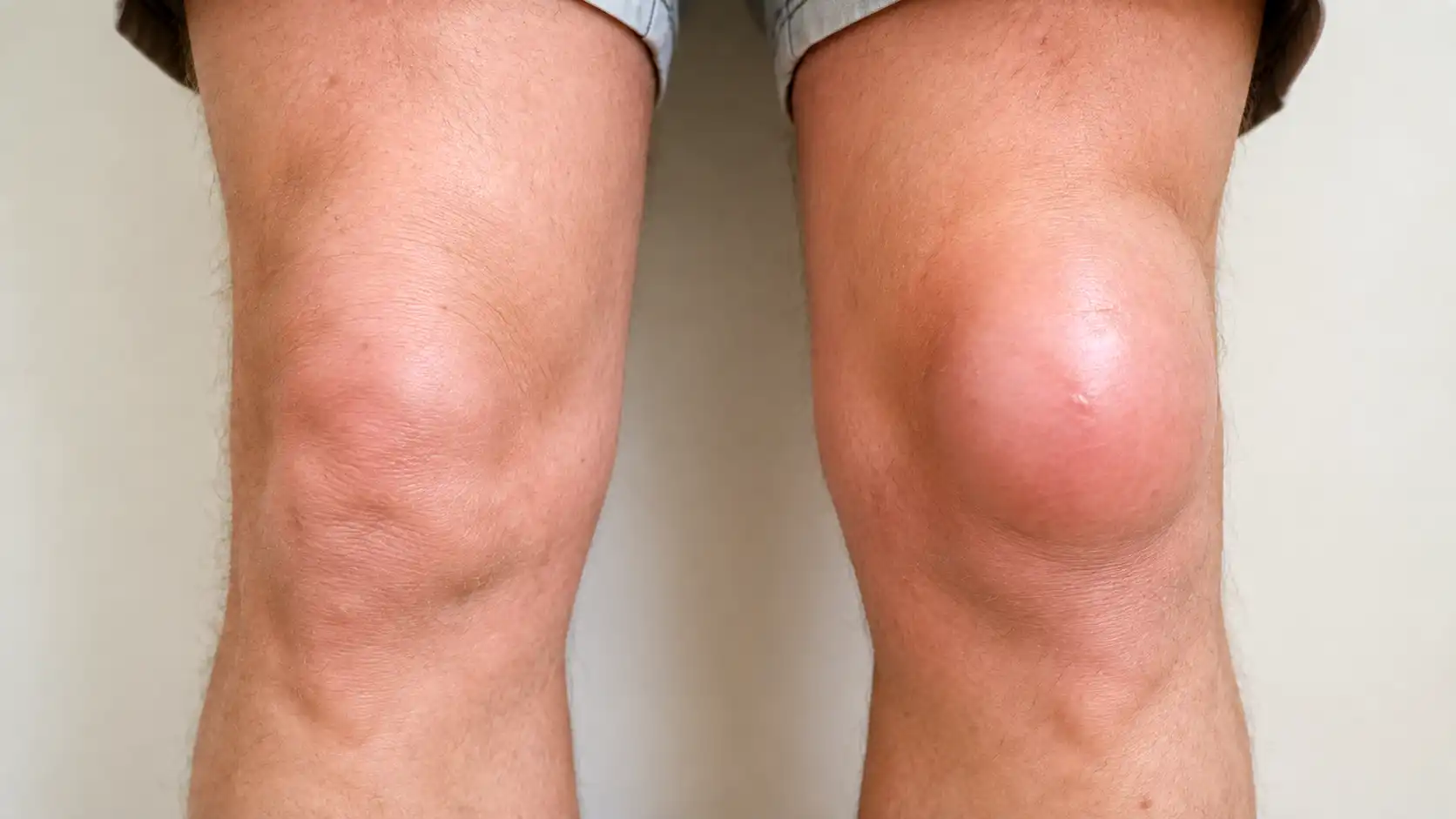
Knee pain that does not settle can affect your daily routine more than you expect. Walking, climbing stairs, or even sitting for long periods can become uncomfortable. Many people try rest, pain relief, or physiotherapy, yet the symptoms often return.
If you are dealing with ongoing discomfort, you may be looking for a longer-term solution. This is where arthrosamid injection is often considered as part of a more structured treatment plan.
What Is Arthrosamid Injection and How It Works Inside the Knee
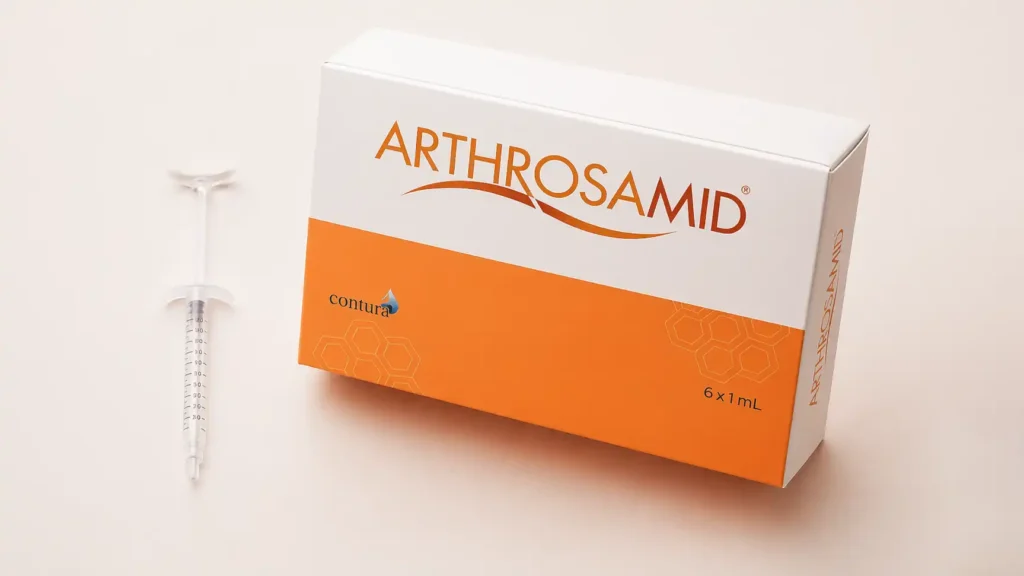
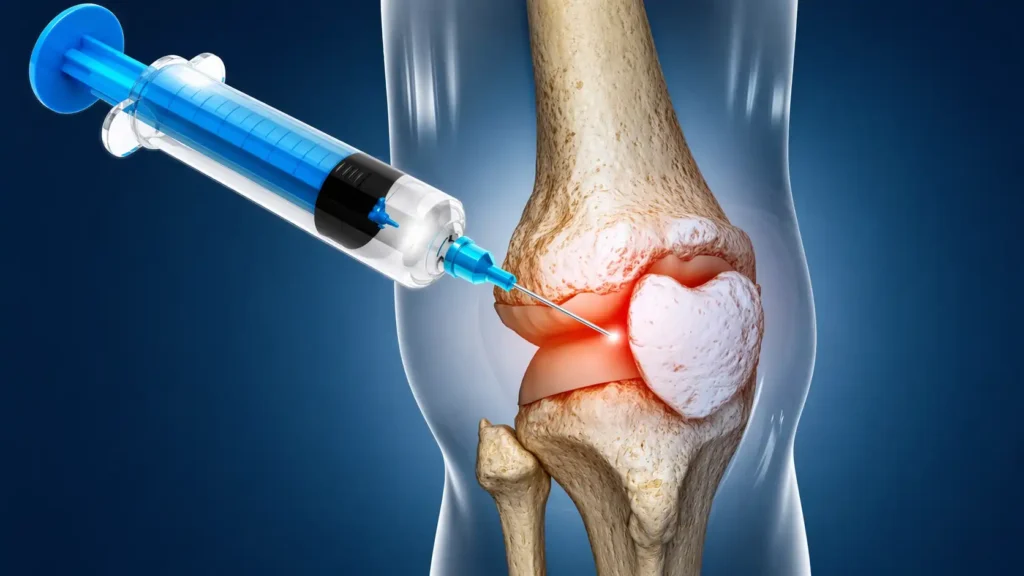
Arthrosamid injection is a non-surgical treatment used for knee osteoarthritis. It involves a soft hydrogel that is injected into the joint to improve cushioning and reduce friction during movement. It is non-biodegradable and permanent — the body does not break it down, which is why it is classified as an implant rather than a standard injection. This is what allows it to provide longer-lasting results compared to other knee injections.
In knee osteoarthritis, the synovial tissue lining the joint becomes inflamed. This inflammation triggers a cycle where the joint degrades further over time. More inflammation leads to more cartilage damage. Arthrosamid integrates permanently into this synovial lining, improving its elasticity and helping to interrupt this cycle. This is fundamentally different from injections that simply add lubrication.
Unlike traditional injections, this approach focuses on how the joint moves, not just inflammation.
Why Arthrosamid Injection Is Different From Other Injections
Many injections aim to reduce pain for a short period. Steroid injections reduce inflammation, while hyaluronic acid improves lubrication temporarily.
Arthrosamid injection works differently. It integrates with the synovial lining to improve cushioning and reduce mechanical stress within the joint, which may help provide longer-lasting improvement.
How This Hydrogel Supports Joint Movement
Once injected, the hydrogel blends with the synovial tissue. This helps:
- Reduce friction in the joint
- Improve shock absorption
- Support smoother movement
This can make everyday activities feel more manageable over time.
Arthrosamid Injections for Knee Osteoarthritis Explained
Arthrosamid injections are used for patients with knee osteoarthritis, a condition where the cartilage gradually wears down. This leads to pain, stiffness, and reduced mobility.
We often see patients who have tried other treatments but still experience symptoms. In such cases, arthrosamid injection may be considered as part of a non-surgical plan to manage the condition. This treatment is increasingly used in UK specialist clinics for managing knee osteoarthritis as part of a non-surgical care pathway.
What Causes Knee Osteoarthritis and Ongoing Pain
Knee osteoarthritis usually develops over time and often involves several contributing factors.
Common Causes
- Age-related joint wear
- Previous injuries
- Increased body weight
- Repetitive stress on the knee
These factors increase pressure on the joint, leading to gradual damage.
Why Pain Keeps Returning
Many treatments only address symptoms for a short time. As the joint continues to change, the discomfort can return. This is why some patients start exploring options that focus on longer-term joint support.
Symptoms That May Mean You Need Knee Injection Treatment
You may notice symptoms that affect how you move and function daily.
- Stiffness, especially in the morning
- Pain when walking or climbing stairs
- Swelling around the knee
- Clicking or grinding sensation
These signs often suggest that the joint needs more targeted treatment rather than simple pain relief.
When Knee Pain Should Not Be Ignored
Knee pain that continues for weeks or starts limiting your movement should not be overlooked. If you find that your daily activities are affected or sleep is disturbed, it is important to understand the cause.
At this stage, we can assess your knee quickly and help you understand what is happening inside the joint. Early evaluation allows us to guide you on the next steps before the condition progresses further.
How We Diagnose Knee Joint Problems Accurately
A clear diagnosis is essential before deciding on any treatment.
Clinical Assessment
We begin by discussing your symptoms, activity level, and medical history. We also assess how your knee moves and responds to pressure.
Imaging Tests
If needed, we arrange imaging to confirm the diagnosis:
- X-rays to assess joint wear
- MRI scans for detailed soft tissue evaluation
This helps us decide whether treatments like arthrosamid injection are suitable for you.
Arthrosamid Knee Injections Compared to Other Treatments
There are several treatment options available for knee pain, and each has a different role.
- Steroid injections offer short-term relief
- Hyaluronic acid injections provide temporary lubrication
- Surgery may be considered in advanced cases
Arthrosamid knee injections sit between these options. They provide a non-surgical approach while aiming to support the joint over a longer period. This can be helpful if you are not ready for surgery but need more than temporary relief.
Knee Injections for Arthritis and Where Arthrosamid Fits
Knee injections for arthritis are often used when symptoms persist despite physiotherapy or medication.
Arthrosamid injection fits into this pathway as an option that focuses on improving joint mechanics. We consider it when other treatments have not provided lasting benefit or when you want to explore non-surgical options.
Who Is Suitable for Arthrosamid Injection
Not every treatment suits every patient, so careful assessment is important.
Ideal Candidates
- Mild to moderate knee osteoarthritis
- Persistent symptoms despite conservative care
- Patients wanting to delay surgery
Who May Not Benefit
- Advanced joint damage
- Severe structural changes in the knee
- Active joint infection
- Severe inflammatory arthritis
- Allergy to components
- Very advanced bone-on-bone OA
- BMI over 35
- Autoimmune conditions such as multiple sclerosis, Addison’s disease or coeliac disease
We guide you through suitability during your consultation so you can make an informed decision.
Benefits of Arthrosamid Injection for Knee Pain
Patients often consider this treatment because of its longer-term approach.
- Designed to provide sustained symptom relief
- Single injection procedure
- Minimally invasive
- May improve mobility over time
While the majority of patients experience meaningful improvement, clinical evidence suggests that approximately 10% of patients may not respond to the injection. We discuss this honestly during your consultation so you can make a fully informed decision.
Arthrosamid Side Effects and Safety You Should Know
Most side effects are mild and temporary, but it is important to understand all potential risks before treatment.
Common and expected effects include:
- Mild swelling around the knee
- Temporary discomfort after the injection
- A feeling of stiffness or pressure in the joint
Less common risks include:
- Injection flare, where pain and swelling increase temporarily after the procedure
- Infection, which is rare but can occur with any joint injection
- Local irritation or sensitivity at the injection site
Injection flare usually settles within a few days and can be managed with rest and simple pain relief.
Infection is uncommon, but it is important to seek medical advice if you notice increasing pain, redness, warmth, or fever after the injection. We take every precaution to reduce risk by using sterile techniques and ultrasound guidance during the procedure.
We also review your progress after treatment to ensure the injection is working as expected. If symptoms persist or change, we reassess your knee and adjust your care plan if needed.
What Happens During and After Arthrosamid Injection
Knowing what to expect can make the process easier.
During Procedure
The procedure is performed in a clinical setting and usually takes around 20 to 30 minutes.
As Arthrosamid is classified as a permanent implant rather than a temporary injection, patients are asked to take a single dose of oral antibiotics 1–2 hours before the procedure to reduce the risk of infection.
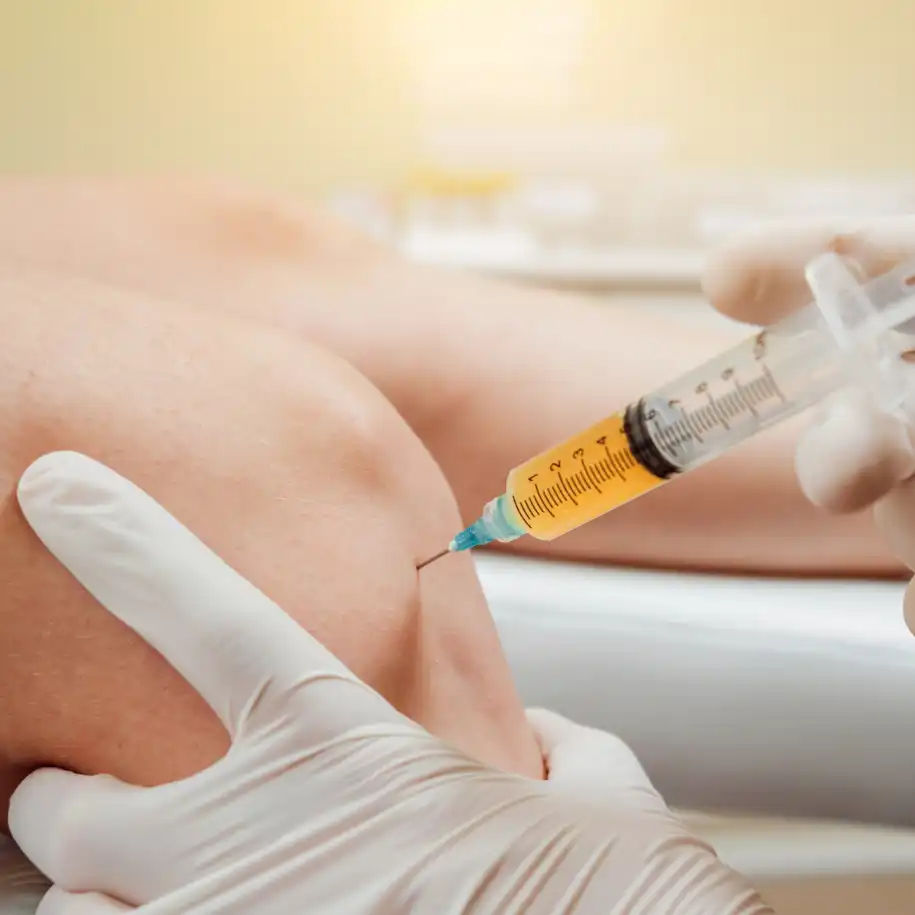
We begin by cleaning the area and applying a local anaesthetic to keep you comfortable during the injection. Using ultrasound guidance, we place the arthrosamid injection precisely into the knee joint. This ensures accurate delivery and reduces the risk of complications.
Most patients tolerate the procedure well and can leave shortly after it is completed.
Recovery Timeline
After the injection, you may notice mild soreness or a feeling of pressure in the knee. This usually settles within a few days.
For the first 24 to 48 hours, we advise:
- Avoid high-impact activities such as running or heavy exercise
- Limit prolonged standing or excessive walking
- Keep movements gentle and controlled
You can return to normal daily activities gradually after this period.
Some patients notice a degree of pain relief within the first 24 hours, though this varies. The most meaningful and sustained improvement typically builds over 4–12 weeks, with maximum benefit often seen at 4–6 months.
Improvement is not immediate. Most patients begin to notice changes over several weeks (4–12 weeks), with continued progress over time as the joint adapts. We provide clear aftercare guidance so you know how to protect your knee and support recovery.
Aftercare and Follow-Up
We monitor your progress after the injection to ensure the treatment is working as expected. If needed, we adjust your care plan to support better long-term results. This may include physiotherapy, strength work, or activity guidance to protect the joint.
Book Your Consultation With London Knee Care
If you are dealing with ongoing knee pain, the most helpful next step is a clear and accurate assessment. We take the time to understand your symptoms, explain what is happening inside your knee, and guide you on the right treatment path.
If arthrosamid injection is suitable, we will explain how it works, what results you can expect, and how we support you through recovery. If it is not the right option, we will advise you honestly on better alternatives. You do not need to wait or continue guessing what the issue might be. We can assess this quickly and help you move forward with confidence.
To get started, you can contact us or book your appointment with our knee specialist. We make the process simple, clear, and focused on getting you the right care without delay. We are here to help you understand your knee pain clearly and take the next step towards better movement and comfort.
Frequently Asked Questions About Arthrosamid Injection
How long does arthrosamid injection last?
It is designed to provide long-term support within the joint, with benefits that may last for an extended period depending on individual factors. Clinical studies show symptom improvement lasting up to 4 years, with a 2025 study presenting data suggesting benefits may extend to 5 years after a single injection. Results vary by individual.
Is arthrosamid injection safe?
It has been clinically studied and is considered safe when performed by an experienced specialist.
What is Arthrosamid injection cost in the UK?
As a general guide, Arthrosamid injection in the UK typically costs between £1,500 and £3,000 per knee in private clinics. This usually includes your consultation, ultrasound guidance, the injection itself and follow-up care. We provide a clear breakdown during your consultation so there are no surprises.
Do injections work for knee arthritis?
Yes, injections can help manage knee arthritis symptoms by reducing pain and improving movement. The effect depends on the type of injection. Some provide short-term relief, while others like arthrosamid injection aim to support the joint over a longer period. We assess your condition to recommend the most suitable option.
What do they inject in knees for Arthritis?
Different substances are used depending on the treatment approach:
- Steroids to reduce inflammation
- Hyaluronic acid to improve lubrication
- Hydrogel such as arthrosamid injection for longer-term joint support
Each option works differently, so choosing the right one depends on your diagnosis.
How often can you get knee injections for Arthritis?
The frequency depends on the type of injection. Steroid injections are usually limited due to their short-term nature. Other treatments may have different timelines. Arthrosamid injection is typically a single treatment designed for long-term effect. We guide you on safe and appropriate timing based on your condition.
Gel injections for knee Arthritis what should you know?
Gel injections, often called hyaluronic acid injections, aim to improve joint lubrication. They may help reduce stiffness and improve movement for a period of time.
However, results can vary, and relief is often temporary. This is why some patients consider alternatives like arthrosamid injection for longer-lasting support.
Are Arthrosamid injections for knee osteoarthritis different from other injections?
Yes, arthrosamid injections for knee osteoarthritis work differently. Instead of acting as a temporary solution, they integrate with the joint tissue and support cushioning inside the knee.
This makes them a suitable option for patients looking for a non-surgical approach with longer-term benefits.
What is the best non surgical treatment for knee osteoarthritis?
There is no single treatment that suits everyone. The best option depends on the severity of your condition and your lifestyle.
Common non surgical treatment for knee osteoarthritis includes:
- Physiotherapy
- Weight management
- Pain relief medication
- Injection treatments such as arthrosamid
We help you understand which option is most appropriate for your specific case.