A Twisting Knee Injury Can Change Everything, But it Does Not Have To
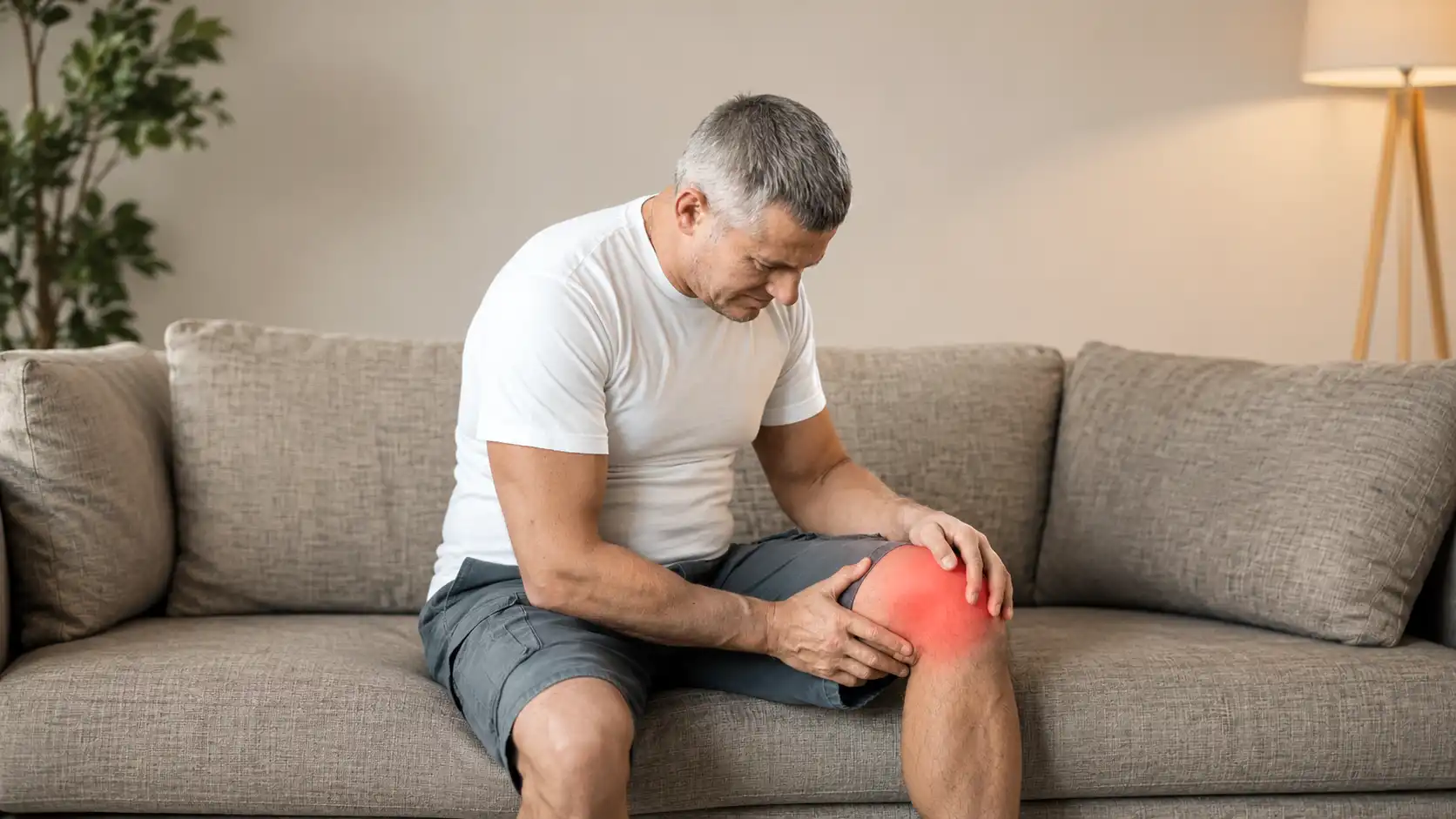
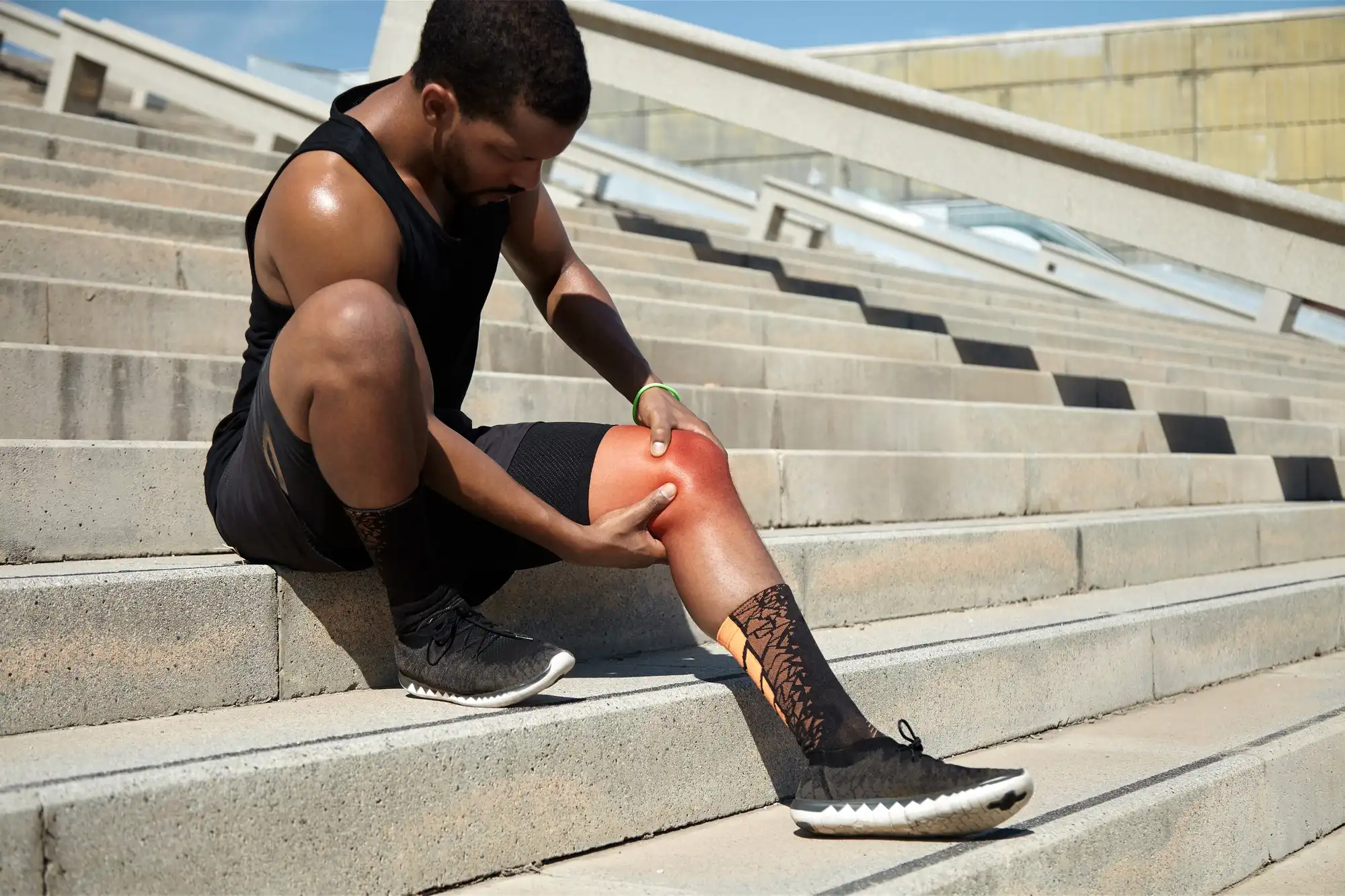
You twist your knee, feel a sharp pain, and within hours it starts to swell. Many people try to wait it out, hoping it will settle. But when a ligament is involved, waiting can leave you unsure about what is really going on.
We see this often. You are not just dealing with pain, you are dealing with uncertainty. The key is getting clarity early. With the right assessment, your knee joint ligament tear treatment plan can often be decided in a single appointment. That means less guessing and more confidence about what to do next.
What is a Knee Ligament Tear and Why it Needs Early Attention
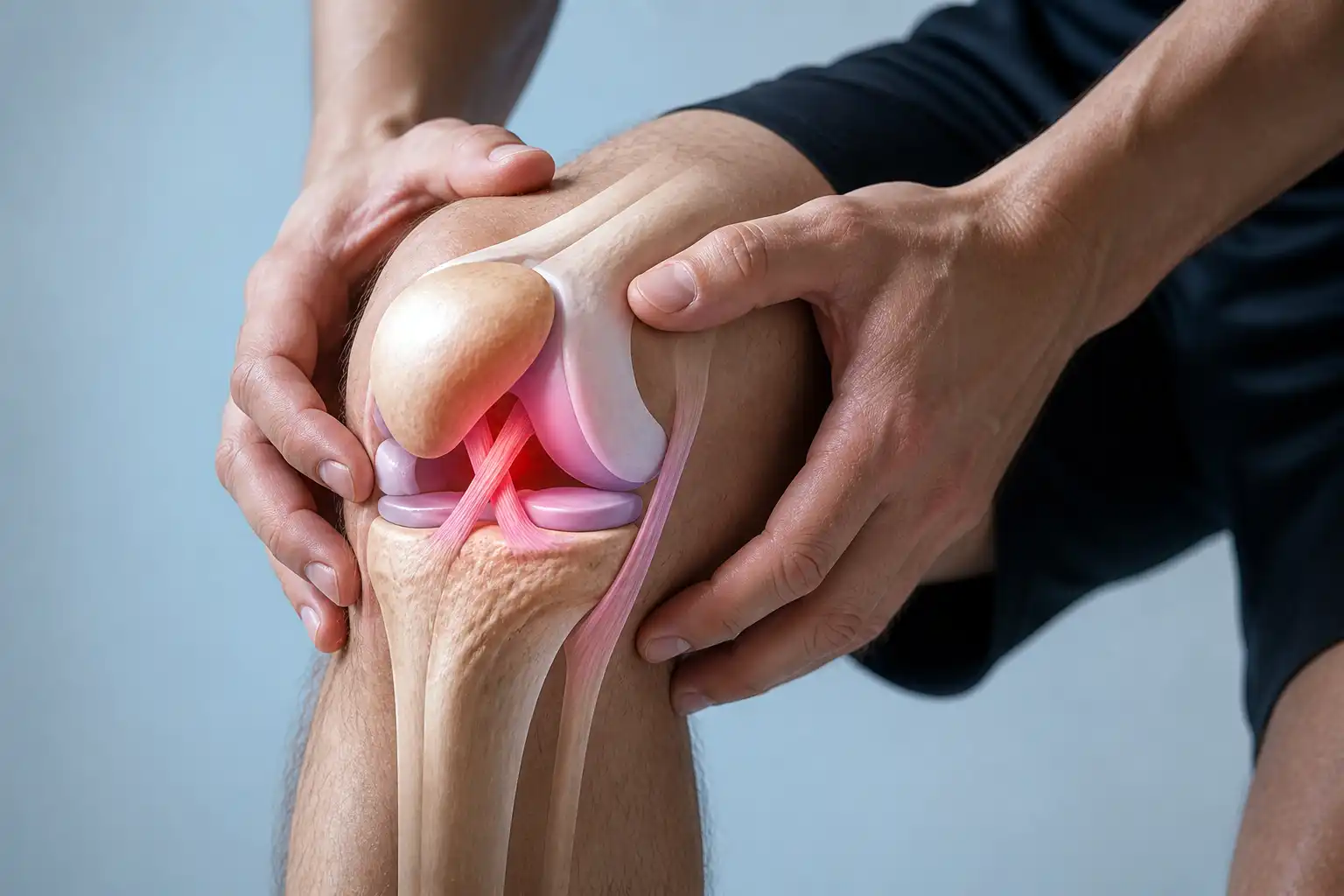
A knee ligament tear affects the structures that keep your knee stable. When one of these ligaments is stretched or torn, the joint may feel weak, unstable, or painful during movement.
The Four Main Ligaments in the Knee
Your knee relies on four key ligaments:
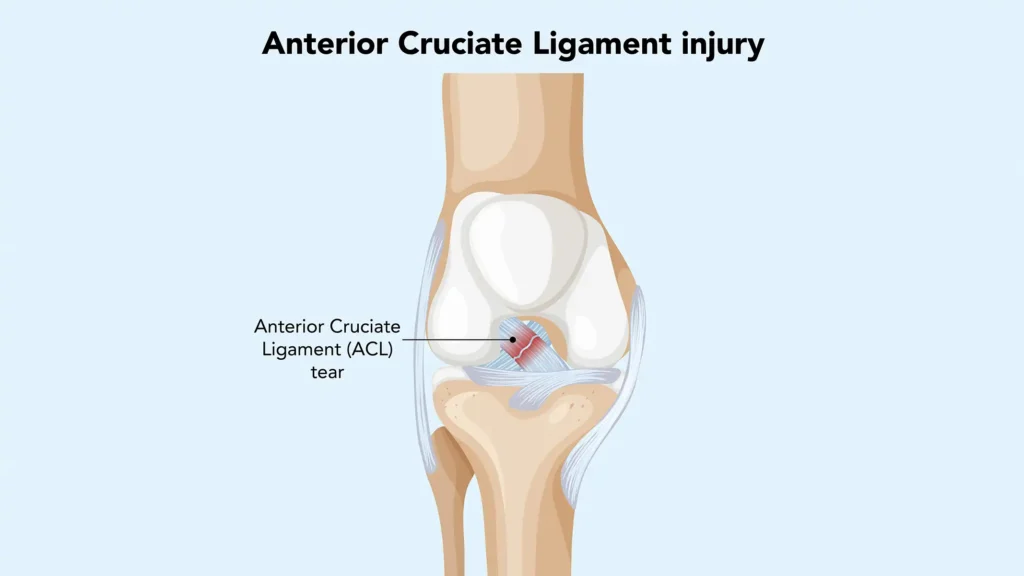
- ACL (Anterior Cruciate Ligament): runs diagonally through the centre of the knee and controls forward movement and rotational stability. The ACL is the most commonly torn knee ligament, particularly in football, skiing, and basketball.
- PCL (Posterior Cruciate Ligament): Also runs through the centre of the knee and prevents the shin bone from sliding backwards. PCL injuries typically result from a direct blow to the front of the knee, such as in a road traffic accident or contact sport.
- MCL (Medial Collateral Ligament): Runs along the inner side of the knee and resists inward (valgus) forces. MCL injuries often occur from a direct blow to the outer knee and frequently respond well to non-surgical rehabilitation.
- LCL (Lateral Collateral Ligament): Runs along the outer side of the knee and resists outward (varus) forces. LCL injuries are less common but may occur in contact sports or high-energy trauma.
Note: Some injuries involve more than one ligament simultaneously. Mr Khakha has specialist expertise in complex, multi-ligament knee injuries.
What Happens During a Knee Injury Ligament Tear
Ligament injuries are graded based on severity:
- Grade 1: Ligament sprain. Collagen fibres are stressed but the structural integrity of the ligament is maintained.
- Grade 2: Partial tear. A proportion of fibres are disrupted, causing some functional laxity.
- Grade 3: Complete rupture. The ligament is fully torn, resulting in significant joint instability. Some Grade 3 injuries involve more than one ligament — particularly in high-energy trauma or contact sports. London Knee Care manages complex multi-ligament cases.
The grade of injury directly affects how we approach your treatment.
Common Causes of Knee Ligament Injuries You Should Not Ignore
A ligament injury does not always come from a major accident. It can happen during routine movement.
Sudden Twisting or Pivoting Movements
A common trigger is knee pain after twisting injury. This happens when your foot stays planted while your body turns, placing stress on the ligaments.
Sports and High-Impact Activities
Sports that involve quick direction changes, such as football or running, increase the risk of ligament damage.
Everyday Movements That Can Still Cause Injury
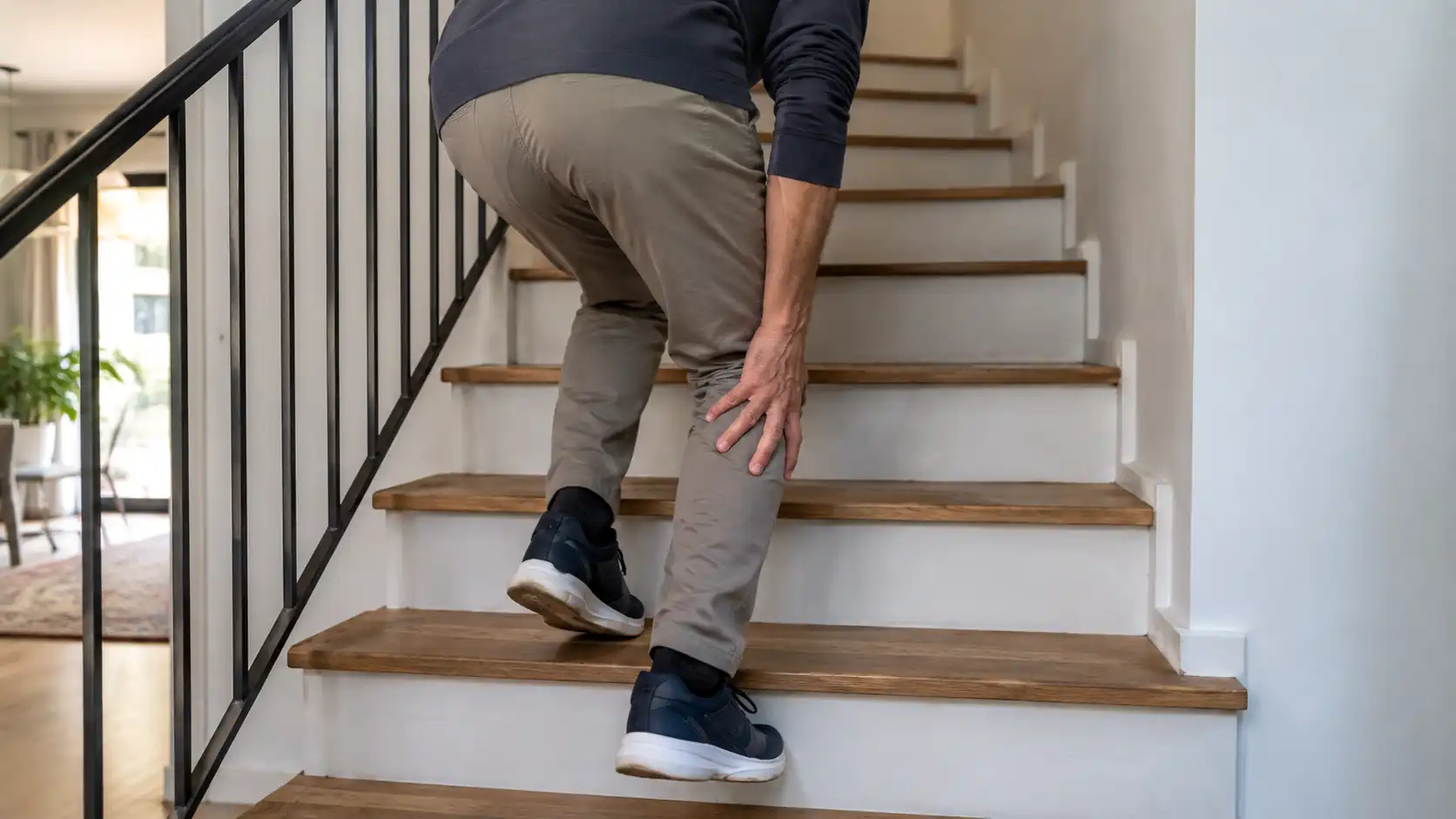
Even stepping awkwardly or losing balance can lead to a ligament injury. It often catches people off guard.
Torn Ligament Symptoms in Knee Patients Often Miss Early
Early symptoms are not always obvious. Many people continue daily activities without realising the extent of the injury.
Early Knee Ligament Injury Signs
You may notice:
- Mild discomfort or stiffness
- A feeling that the knee is unstable
- Difficulty putting full weight on the leg
These early torn ligament symptoms in knee cases are often underestimated.
More Serious Symptoms That Suggest Structural Damage
As the injury progresses, symptoms become clearer:
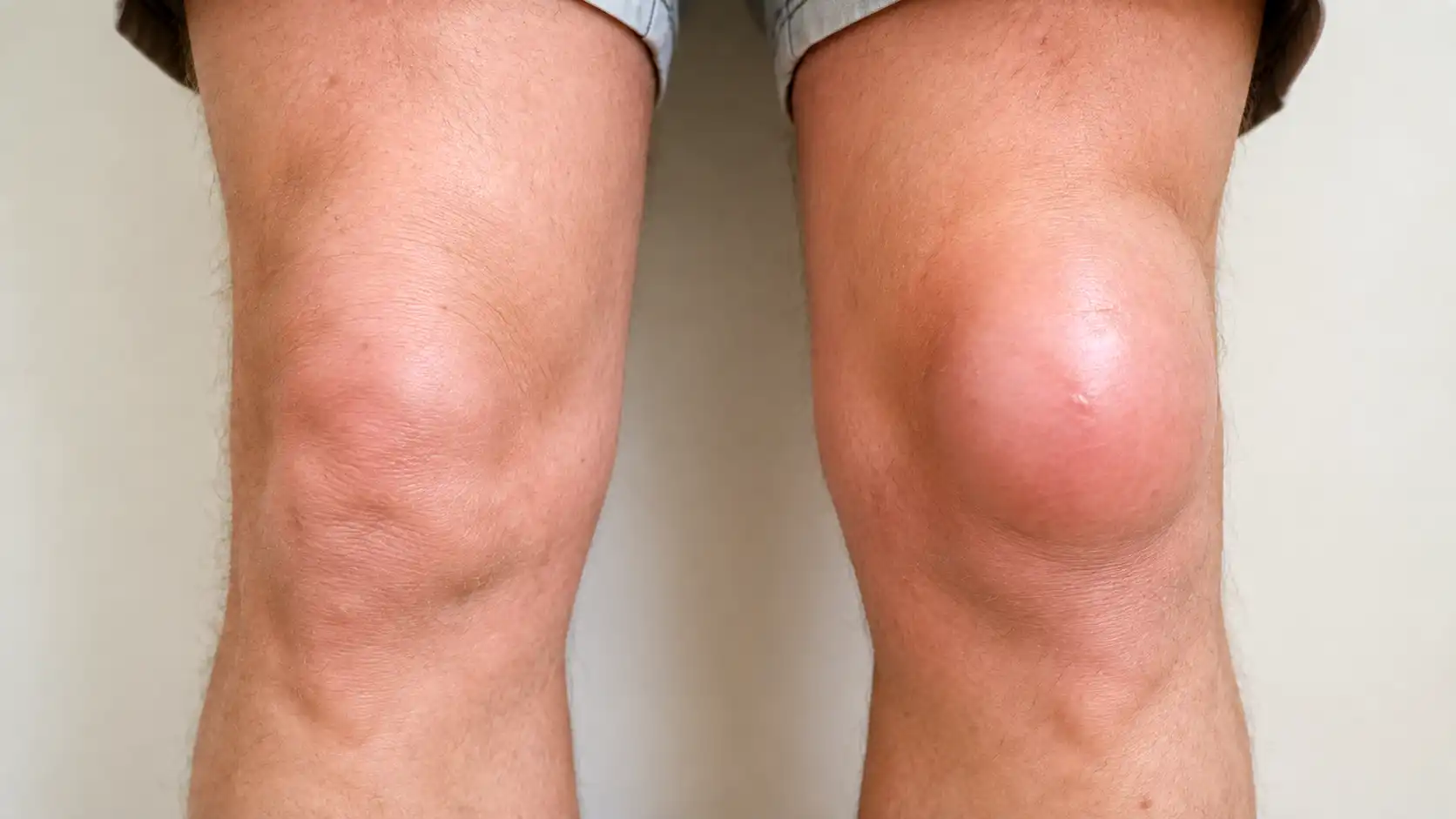
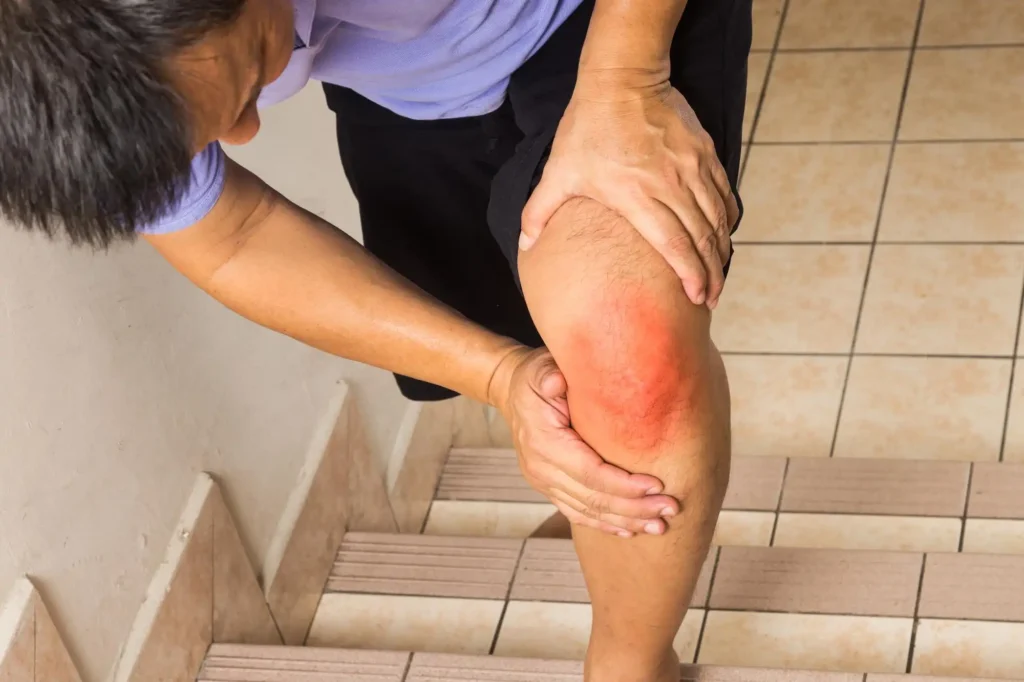
- Knee swelling that does not resolve within 48 hours
- A feeling of the knee giving way or buckling during movement
- Pain that worsens with activity or weight-bearing
These signs suggest the ligament may be more significantly affected.
LCL Damage and Other Specific Injury Pattern
LCL (Lateral Collateral Ligament) injuries cause pain on the outer side of the knee, often with a sense of the knee buckling outward. LCL injuries may occur during sports involving rapid changes of direction or contact. LCL content has been integrated into the ligament descriptions above for clarity.
When to See a Knee Specialist for a Possible Ligament Tear
It is not always easy to know when to get help. But certain signs should not be ignored.
Signs You Should Not Wait
You should consider an assessment if you have:
- Knee swelling that does not settle
- A feeling of the knee giving way
- Pain that continues beyond a few days
These symptoms suggest your knee needs proper evaluation.
Why Early Assessment Matters in Knee Joint Ligament Tear Treatment
Early assessment helps you understand exactly what is going on. We can assess this quickly, identify the cause, and explain what it means for your recovery. This avoids delays and helps you move forward with the right plan.
How We Diagnose a Knee Ligament Tear in One Appointment
When you come to us, our focus is simple. We aim to give you a clear diagnosis and next steps without unnecessary waiting.
What Happens During Your Knee Specialist Consultation London
We start by listening. We ask about how the injury happened, your symptoms, and how it is affecting your movement. This gives us important clinical context.
Clinical Examination by a Specialist in Knee Problems
You will be assessed by Mr Raghbir Khakha. We perform specific tests to check ligament stability and identify which structure may be affected. In complex cases where imaging alone is insufficient, arthroscopy (keyhole surgery) may also be used as part of the diagnostic process.
Knee Ligament Diagnosis Appointment Explained
By the end of your visit, we guide you clearly on what is happening and what to do next. You leave with answers, not uncertainty.
How Your Treatment Plan Can Be Confirmed in a Single Appointment
Many patients come to us expecting to wait weeks for answers. In most cases, that is not how we work.
When you attend your first appointment at London Knee Care, Mr Raghbir Khakha carries out a comprehensive clinical assessment on the same day. This includes a detailed history of how your injury occurred, a hands-on examination of your knee to test ligament stability, and where clinically needed same-day MRI or imaging arranged at a leading London facility.
By the end of that appointment, most patients leave with a confirmed diagnosis, a clear explanation of which ligament is involved and to what degree, and a personalised treatment plan covering both non-surgical and surgical options.
You will not be left waiting. You will not need multiple appointments before a decision is made. That is the value of seeing a dedicated specialist from the outset.
- Straightforward cases such as Grade 1 sprains or isolated MCL injuries can be managed with a structured physiotherapy plan starting immediately.
- More complex injuries, including ACL ruptures or multi-ligament trauma, may require a surgical discussion. Even in these cases, the consultation will give you all the information you need to make an informed decision about your next steps.
Knee Joint Ligament Tear Treatment Options Explained Clearly
Treatment depends on your injury, your lifestyle, and your goals. Not every ligament tear needs surgery.
Non-Surgical Treatment Options
Many injuries can be managed with:
- Physiotherapy to restore strength and movement
- Structured rehabilitation programmes
- London Knee Care coordinates a structured, supervised rehabilitation pathway with partner physiotherapists, in line with NICE guidance (NG226) on musculoskeletal rehabilitation.
- Bracing may be recommended for specific injury types particularly MCL injuries or during early post-surgical recovery. It is not a standalone treatment for complete ligament tears.
These options aim to stabilise the knee and reduce symptoms.
Arthroscopic ligament reconstruction — what surgery involves
For complete ligament ruptures most commonly ACL tears or where the knee remains unstable after rehabilitation, surgical reconstruction is often the most effective long-term solution.
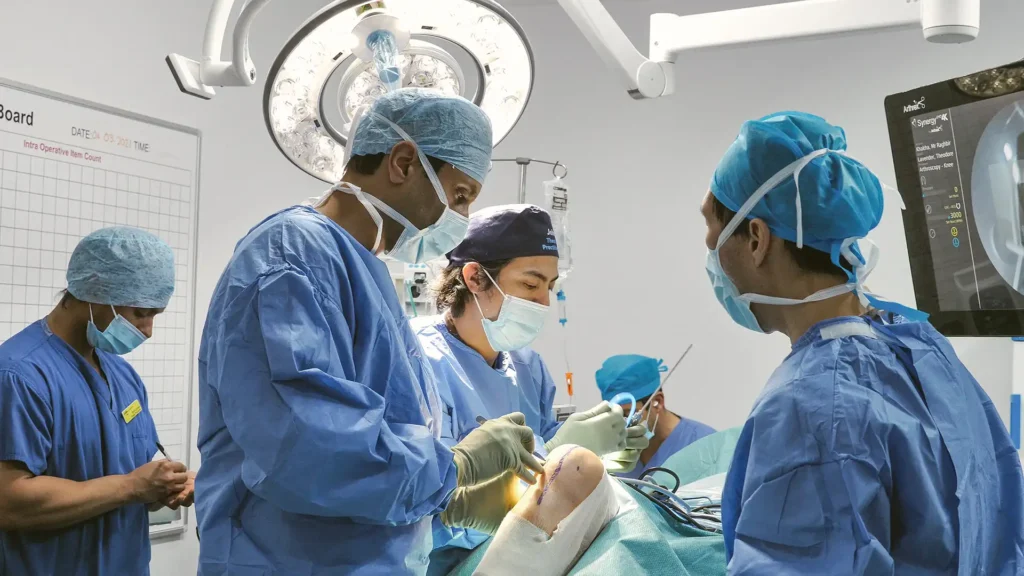
At London Knee Care, knee ligament surgery is performed arthroscopically (through small keyhole incisions). This minimally invasive approach reduces post-operative pain, minimises scarring, and accelerates recovery compared to open surgery.
During ACL reconstruction, the torn ligament is replaced with a graft — most often taken from the patient’s own hamstring tendons or patellar tendon. Mr Khakha will advise on the most appropriate graft choice based on your injury, activity level, and personal preferences.
PCL reconstruction and multi-ligament procedures are also performed where clinically indicated.
Most patients are discharged the same day and begin guided physiotherapy within the first weeks of recovery.
Surgery is recommended when:
- The ligament is completely ruptured (Grade 3)
- The knee remains functionally unstable despite rehabilitation
- The patient wishes to return to sport or high-demand physical activity
- Multiple ligaments are involved
Treatment Based on Severity of Tear
- Partial ligament tear knee may respond well to rehabilitation
- Complete ligament rupture knee may require surgical input
We guide you through the options so you can make an informed decision.
Which Treatment Is Right for You
Every knee injury is different. Your treatment plan should reflect your individual needs.
Factors That Influence Your Treatment Plan
We consider:
- Your age and activity level
- The ligament involved
- The severity of the tear
These factors help us recommend the most suitable approach.
Can a Torn Ligament Heal Without Surgery
MCL and LCL injuries often respond well to structured physiotherapy and rehabilitation, particularly in Grade 1 and Grade 2 cases. ACL tears, especially complete ruptures, have a limited capacity to heal without surgical reconstruction due to the ligament’s poor blood supply. Your treatment plan will be determined by which ligament is injured, the severity of the tear, and your activity goals.
When Surgery Becomes the Best Option
If your knee continues to feel unstable or limits your activity, surgery may provide a more reliable outcome.
Risks of Delaying Knee Ligament Injury Treatment
Delaying assessment can make recovery more difficult. What feels manageable at first can become more complex over time.
Ongoing Instability and Repeat Injury
An unstable knee is more likely to give way, increasing the risk of further damage.
Long-Term Joint Damage
Repeated instability can affect cartilage and other structures, which may lead to longer-term issues.
Recovery After Knee Ligament Tear Treatment
Recovery is a gradual process, but having a clear plan makes it more manageable.
Recovery Timeline by Injury Severity
- Grade 1: Typically 6 to 12 weeks with physiotherapy
- Grade 2: 3 to 6 months depending on stability
- Grade 3 / surgical reconstruction: 6 to 9 months with guided rehabilitation
Each recovery plan is guided by your progress.
Returning to Normal Activity and Sport
We guide you step by step. The focus is on rebuilding strength, stability, and confidence before returning to full activity.
When Should You Seek Medical Advice for Knee Joint Ligament Tear Treatment
If your knee does not feel right, it is worth getting it checked.
Do Not Ignore These Symptoms
- Knee pain after twisting injury
- Knee swelling
- Instability or giving way
These signs often indicate a ligament problem.
Early Consultation Leads to Better Outcomes
We can assess this quickly and help you understand what this means for your recovery. Early advice helps you avoid uncertainty and move forward with confidence.
Why Patients Choose Us for Knee Ligament Assessment and Treatment
Mr Raghbir Khakha is a fellowship-trained Consultant Orthopaedic Surgeon and NHS Consultant at Guy’s and St Thomas’ Hospital, with over 15 years of specialist knee experience. He is internationally recognised for his work in arthroscopic ligament reconstruction and knee joint preservation.
We understand that a knee injury can feel uncertain and frustrating. Our focus is to give you clarity from the start. When you see us at London Knee Care, we assess your knee thoroughly and explain your diagnosis in simple terms. You will know what the problem is, what your options are, and what to expect next. Our approach is built around clear communication, timely access, and guiding you step by step through your recovery.
Book Your Knee Specialist Appointment and Get Clear Answers Today
If your knee pain is affecting how you move or feel day to day, you do not need to manage it alone. We can assess this quickly, identify the cause, and help you understand what this means for your recovery. Our goal is to give you a clear diagnosis and guide you on the next steps so you feel confident about your treatment.
You can book an appointment with us or visit our contact us page.
Frequently Asked Questions About Knee Ligament Injuries
What is ACL tear recovery with surgery like?
ACL tear recovery with surgery takes time and guided rehabilitation. After surgery, we help you focus on reducing swelling and restoring movement first. Strength and stability are then built step by step. Most people return to daily activity within a few months, while returning to sport may take longer depending on progress.
How long does a torn ACL take to heal?
How long does a torn ACL take to heal depends on the severity of the injury and your treatment plan. With structured rehabilitation, recovery may take several months. If surgery is required, full recovery often takes around 6 to 9 months. We guide you through each stage so you understand your progress clearly.
Can you bend your knee with a torn LCL?
Can you bend your knee with a torn LCL, in many cases you can, but it may feel unstable or uncomfortable. Being able to bend your knee does not mean the ligament is fully intact. If you notice instability or ongoing symptoms, we can assess this and explain what it means.
What is the treatment for torn ligaments in the knee?
Treatment for torn ligaments in the knee depends on the type and severity of the injury. We may recommend physiotherapy, guided rehabilitation, or in some cases surgery. Our focus is to help you regain stability, reduce pain, and return to your normal activity level.
How long does knee ligaments take to heal?
How long does knee ligaments take to heal varies depending on the grade of injury. Mild injuries may improve within a few weeks, while partial tears can take longer. More severe injuries may require extended recovery. We monitor your progress and adjust your treatment to support healing.
Can torn knee ligaments heal on their own?
Can torn knee ligaments heal on their own depends on how severe the tear is. Some mild and partial tears can improve with the right rehabilitation. Complete tears often need further medical input. We assess your knee and guide you on the most appropriate treatment.
Do I need a GP referral to see Mr Khakha?
No. You can book directly with London Knee Care as a self-referral. However, if your insurer requires a GP referral letter, we can advise on this during booking.
Will I need an MRI scan at my first appointment?
Not always. Mr Khakha will assess your knee clinically first. If imaging is needed to confirm the diagnosis, we can arrange an MRI at a leading London facility — often on the same day or shortly after your consultation.
Do all ACL tears require surgery?
Not necessarily. Partial ACL tears and injuries in less active patients may respond to structured rehabilitation. However, complete ACL ruptures especially in patients wishing to return to sport typically achieve better long-term stability with surgical reconstruction.
How soon can I expect to return to sport after ACL reconstruction?
Most patients return to sport between 6 and 9 months following surgery, subject to meeting rehabilitation milestones. Mr Khakha and our physiotherapy partners will guide you through a structured return-to-sport programme.