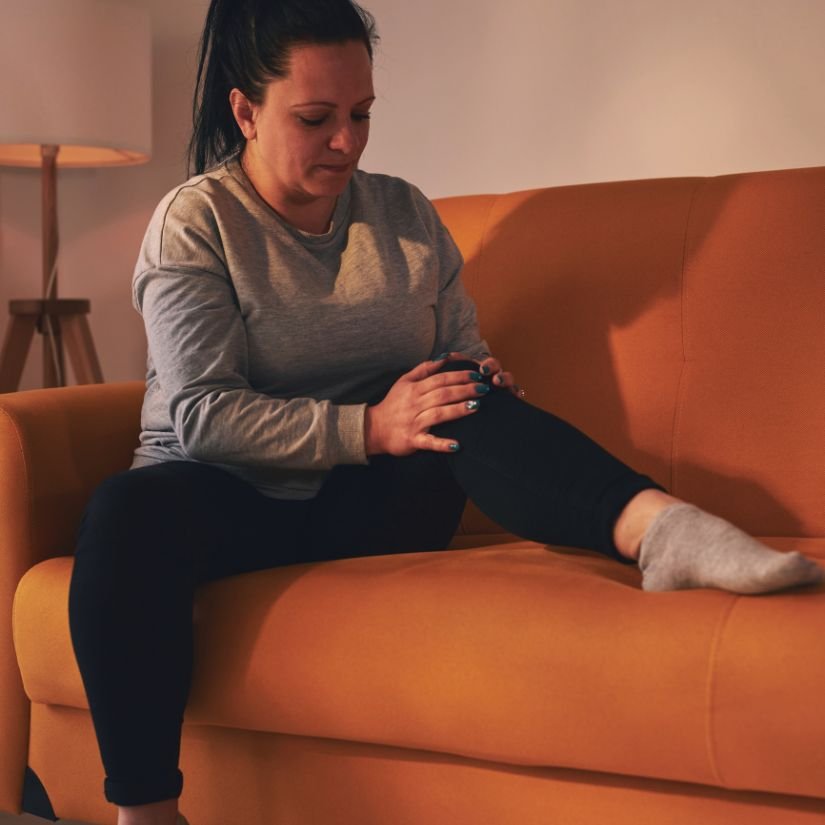
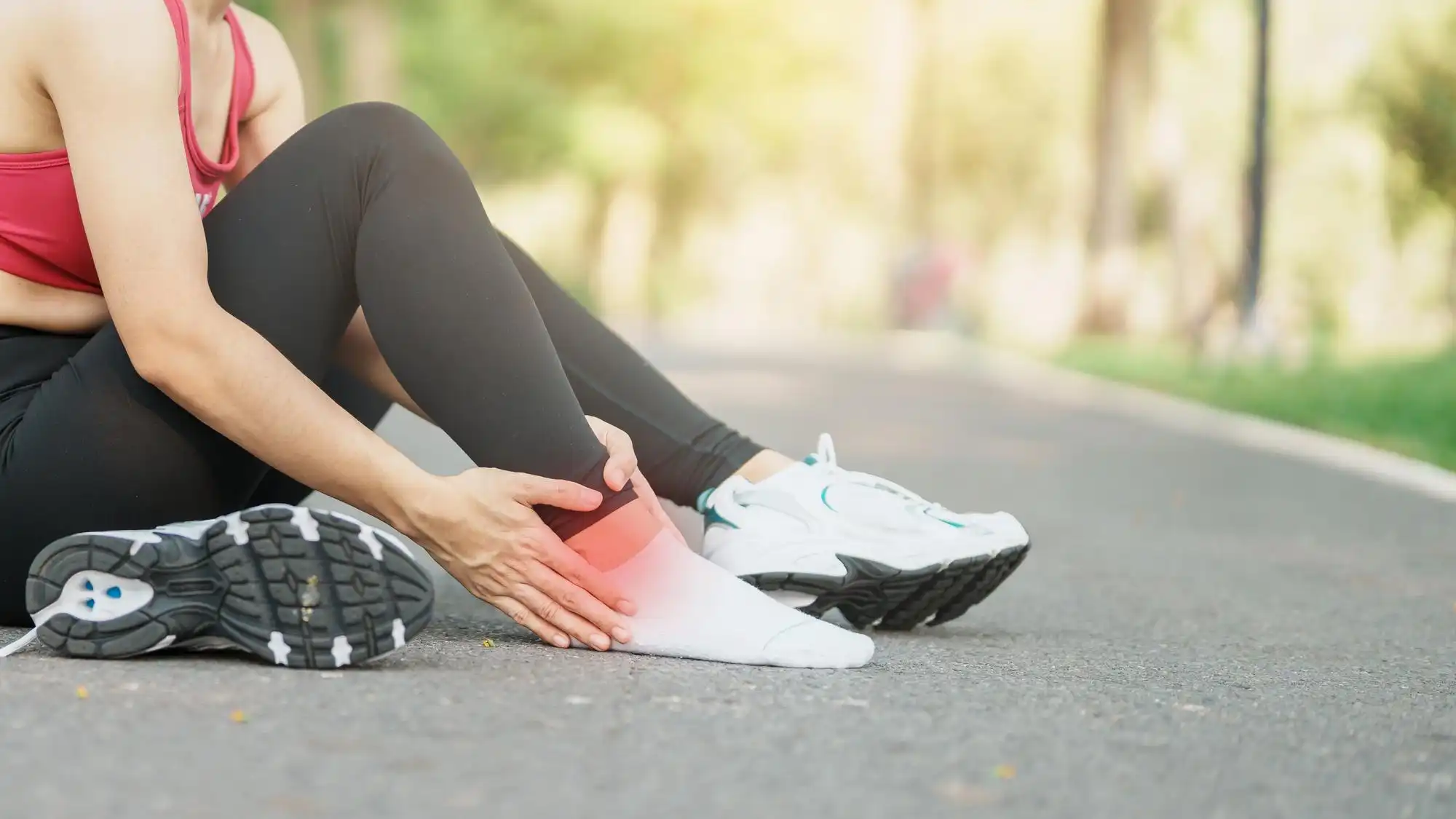
Are Your Shoes Causing Knee Injuries in Running?
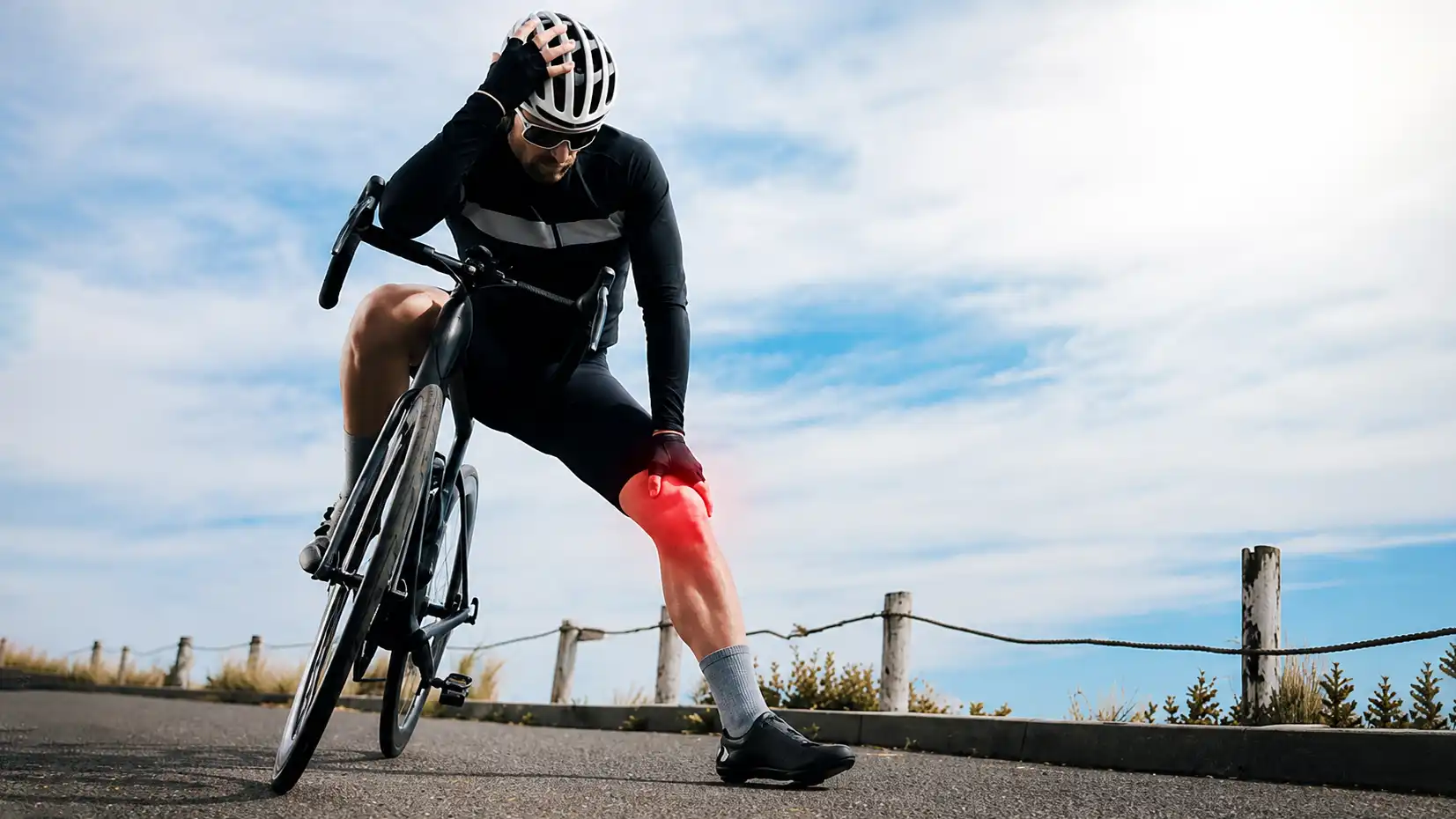
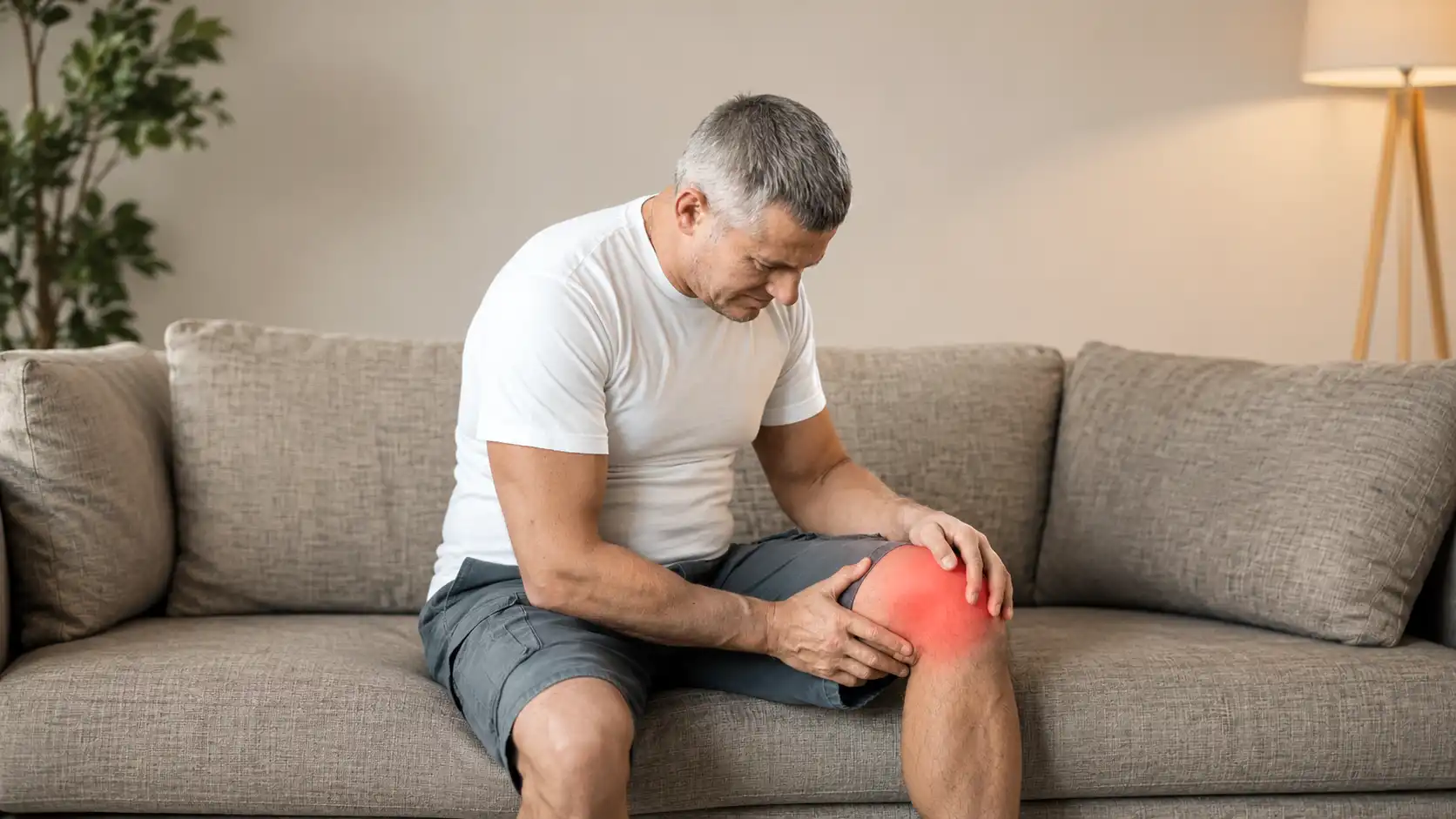
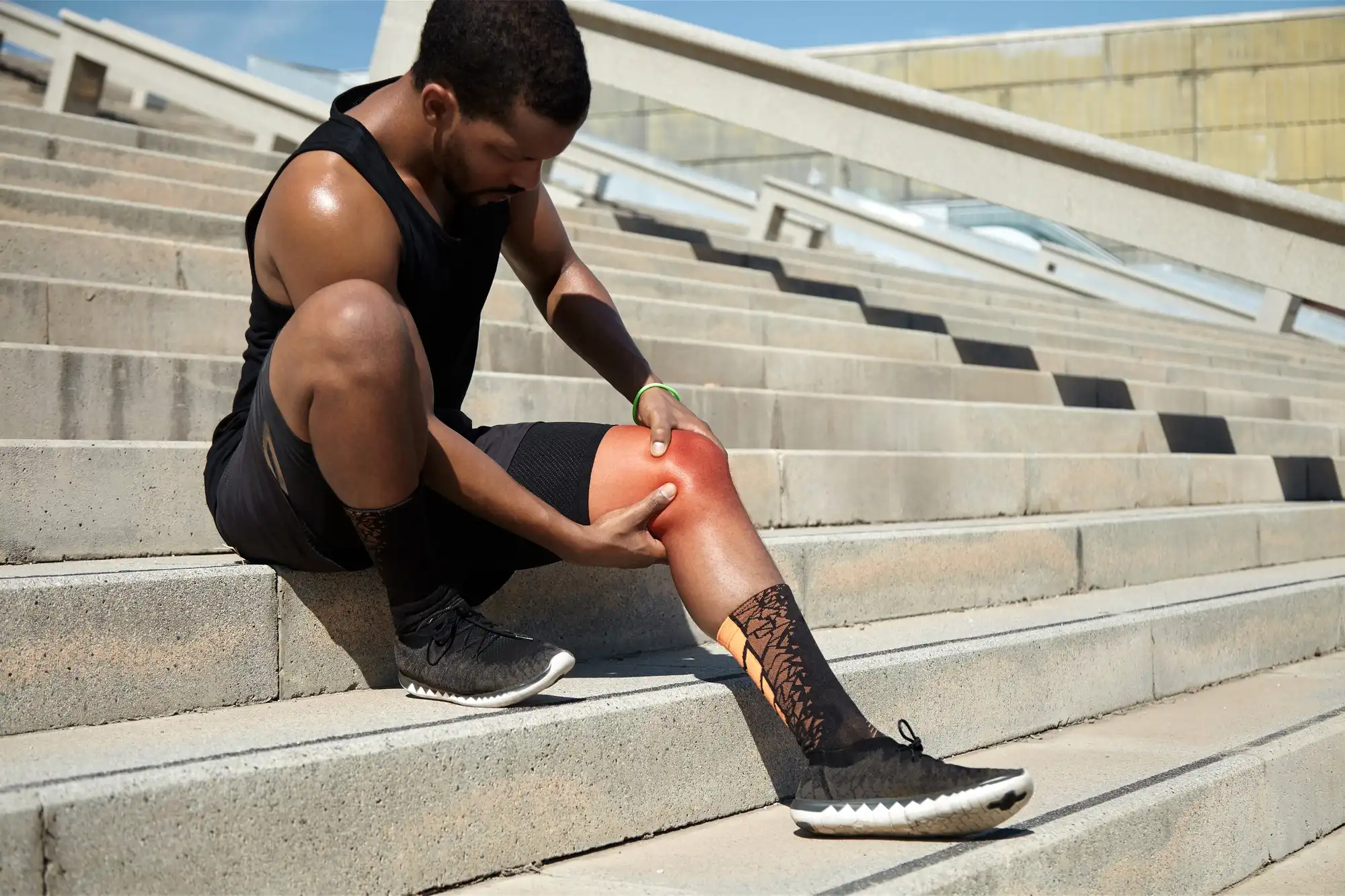
When you think about knee pain while running, your shoes may not be the first thing you blame. In many cases, footwear plays a direct role in knee injuries in running, especially when support or cushioning is not right for your foot type.
Running places repeated load through your knee joint, and if your shoes do not absorb that load properly, stress builds over time. We often see runners who train well but develop pain simply because their footwear does not match their movement. The key is identifying the cause early so we can guide you towards a safe recovery.
Why Your Running Shoes Can Lead to Knee Injuries in Running
Your running shoes affect how force travels through your body. If the shoe does not support your foot correctly, your knee takes more strain than it should. This often leads to gradual discomfort that becomes noticeable during or after runs.
How footwear affects knee alignment and impact loading
Each step creates force that moves from the ground to your knee. If your shoes do not provide proper support, your knee alignment can shift slightly, increasing pressure on specific areas of the joint. Over time, this can lead to irritation and pain.
The link between worn-out shoes and knee stress
Running shoes lose their cushioning long before they look worn. As shock absorption decreases, your knee absorbs more impact. This is a common reason we see runners develop pain without a clear injury event.
How to choose the right running shoe for your knee
Not all running shoes are created equal, and the wrong choice can quietly increase your injury risk over weeks or months. Key factors to consider include:
- Shoe category: Neutral shoes suit runners with a neutral gait; stability shoes are designed for those who overpronate. Motion-control shoes provide the most support for significant overpronation. Selecting the wrong category can alter how load is distributed through the knee.
- Drop height: Stack height (the difference between heel and forefoot cushioning) affects how your foot strikes the ground. A sudden switch to a very low-drop shoe can increase strain on the Achilles and patellofemoral joint. Any transition should be gradual.
- When to replace: Most running shoes lose meaningful midsole cushioning after 400 to 500 miles, even if the upper still looks presentable. Visible compression lines in the midsole are a reliable sign that it is time to replace them.
- The limits of shoes alone: A new pair of shoes will not resolve pain caused by underlying biomechanical issues, muscle weakness, or structural knee problems. If discomfort persists after a shoe change, a clinical assessment is important.
What Causes Runner’s Knee and Common Running Knee Injuries
Understanding what causes runner’s knee helps you prevent and manage symptoms early. Most running injuries develop gradually rather than suddenly.
What causes runner’s knee and other overuse injuries
- Repetitive stress from running
- Weak hip and thigh muscles
- Poor running mechanics
- Inappropriate footwear
These factors often work together, which is why a proper assessment is important.
Common Running Knee Injuries Including Runner’s Knee Patellofemoral Pain
There are several common running knee injuries, and each presents differently depending on the structure involved. In cases where patellar tracking is a persistent structural issue, Mr Khakha may consider kneecap stabilisation as part of a longer-term management plan.
Runner’s knee patellofemoral pain and front knee pain running
This is one of the most common causes of knee pain in runners. It affects the front of the knee and often worsens with stairs or prolonged sitting. In cases where patellar tracking is a persistent structural issue, Mr Khakha may consider kneecap (patella) stabilisation as part of a longer-term management plan.
Iliotibial band syndrome running and how to fix iliotibial band syndrome
This condition causes pain on the outer side of the knee, now understood to result from compression of the IT band against the lateral femoral epicondyle, often linked to hip abductor weakness and altered movement patterns rather than simple friction alone. Management focuses on reducing load, improving hip and gluteal strength, and correcting movement patterns.
Patellar tendinopathy running and tendon overload
This affects the tendon below the kneecap and typically develops through cumulative overload often a combination of increased training volume or intensity, hard surfaces, and insufficient recovery time. Pain may be felt during or after running.
Meniscus tear from running and inner knee pain
A meniscus tear can occur with twisting movements and may cause locking, catching, or swelling. It often presents as pain on the inside of the knee. At London Knee Care, this may be addressed through Knee ligament surgery / Meniscal surgery depending on the severity and your clinical assessment.
ACL injury running and knee instability
True ACL rupture in road runners is uncommon. However, a sensation of instability or giving way should always be assessed by a specialist, as it can also indicate meniscal or patellofemoral involvement rather than an ACL injury. Where ACL reconstruction is required, Mr Khakha offers knee ligament surgery through London Knee Care.
Running injuries behind knee and back of knee pain after running
Pain behind the knee can be caused by muscle strain, tendon irritation, or fluid build-up. If this persists, it should be assessed to rule out underlying issues.
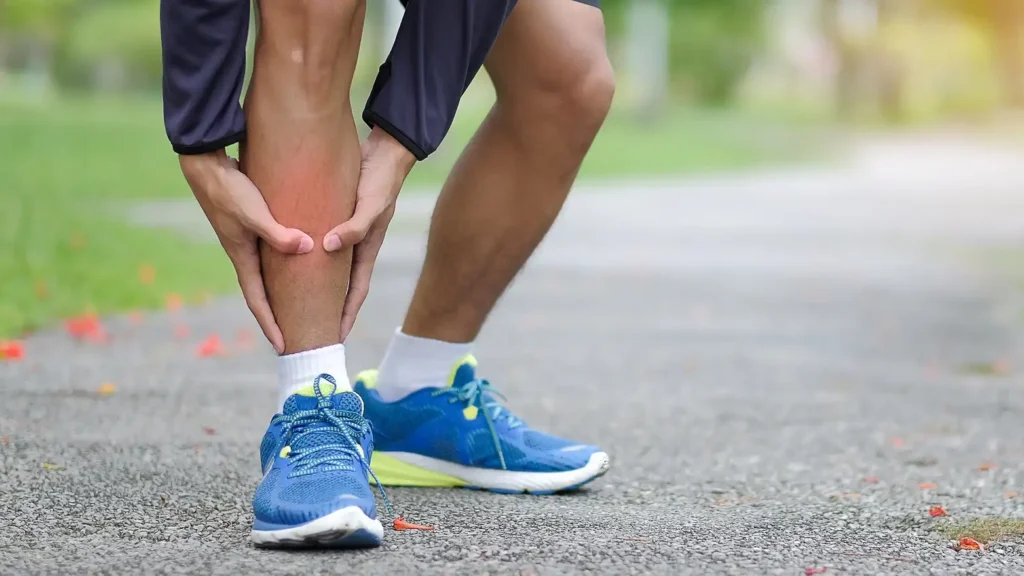
Running Knee Pain Symptoms You Should Not Ignore
Symptoms often begin gradually and can be easy to dismiss. Recognising them early helps prevent more serious problems.
Early signs of runner’s knee and knee strain
- Knee stiffness after long run
- Mild discomfort during activity
- Pain when climbing stairs
These are early indicators that the knee is under stress.
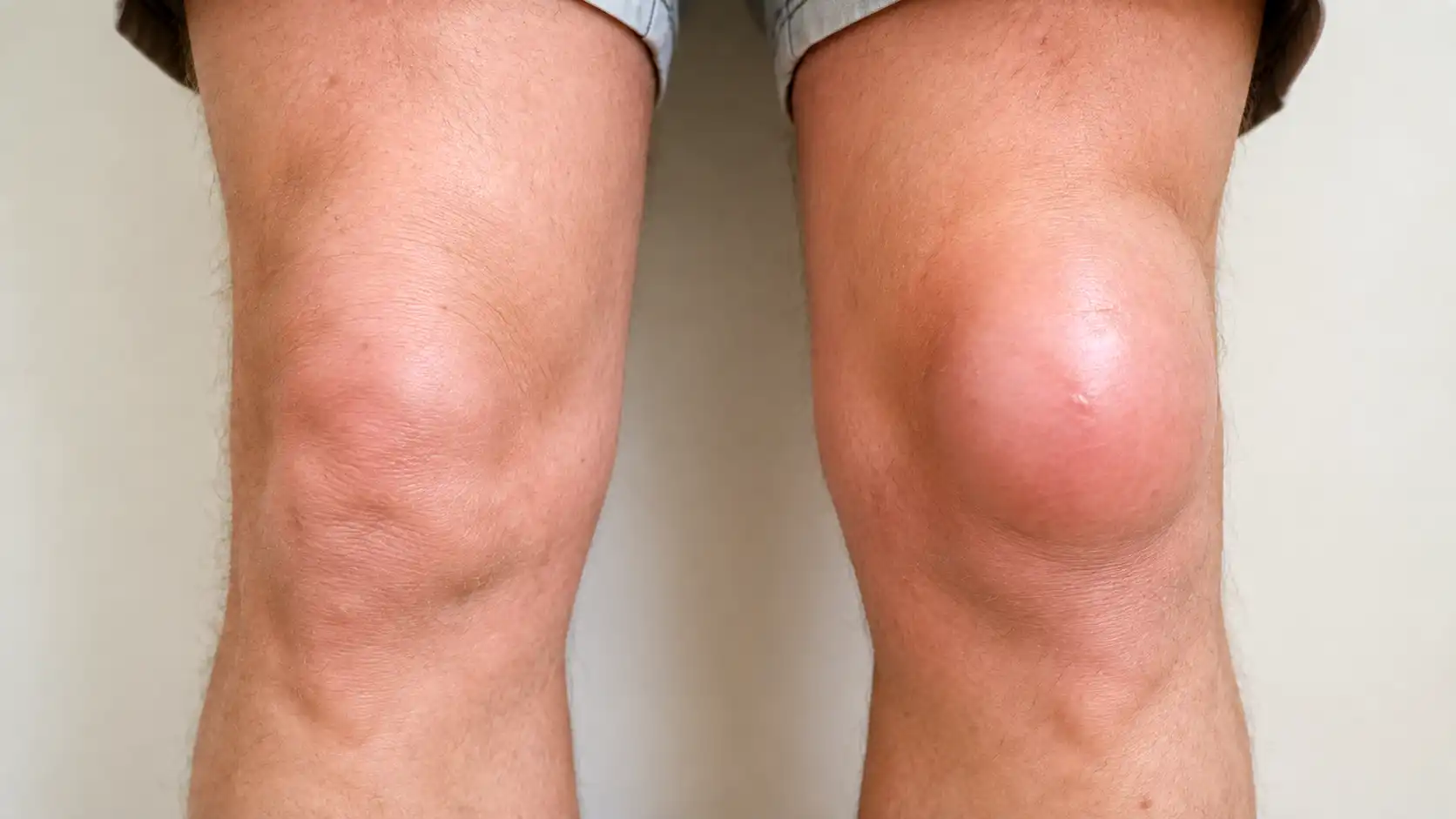
Progressive symptoms including knee swelling after running
- Sharp knee pain while jogging
- Knee swelling after running
- Knee pain worse after sitting
If symptoms progress, it is important to act early rather than continuing to run through pain.
When Should You Worry About Knee Pain When Running?
Not all knee pain is serious, but some symptoms require attention. Knowing when to act can prevent longer recovery.
Quick comparison: normal vs concerning knee pain
| Often manageable | Needs assessment |
| Mild soreness after running | Pain lasting more than 1–2 weeks |
| Pain that improves with rest | Knee swelling after running |
| No swelling | Locking or instability |
| Giving way or buckling of the knee | |
| Pain that does not improve after a shoe change or rest |
If you are unsure, we can assess this quickly and help you understand what is causing your symptoms.
Running Knee Pain Diagnosis at London Knee Care
A clear running knee pain diagnosis is essential for effective treatment. Many conditions feel similar but require different approaches.
How we assess knee injuries in runners
We review your running history, symptoms, and movement patterns. We also assess strength, alignment, and joint stability to identify the cause of pain.
Running gait and biomechanical assessment
For runners, understanding how you move is as important as imaging. A biomechanical assessment evaluates your running posture, foot strike pattern, hip control, and limb alignment helping us identify the mechanical drivers behind your knee pain. This informs both your rehabilitation plan and any footwear or orthotics advice we provide. Gait-related factors are a commonly overlooked cause of persistent running injuries, and addressing them early can significantly shorten recovery time.
Imaging and advanced diagnostics when needed
We may use MRI or ultrasound to assess soft tissues if required. This allows us to confirm the diagnosis and guide treatment decisions.
Why accurate diagnosis matters
Without the right diagnosis, treatment may not address the root cause. We help you understand what is happening and guide you on the best next steps.
How to Fix Iliotibial Band Syndrome and Treat Other Running Knee Injuries
Most running-related knee injuries can be managed without surgery when addressed early.
Non-surgical treatment options
- Targeted physiotherapy with emphasis on hip abductor and gluteal strengthening, which evidence shows is the most effective intervention for both ITBS and patellofemoral pain in runners
- Adjustments to running load
- Footwear review and, where clinically indicated, semi-custom or custom orthotic insoles to improve load distribution and reduce knee stress during running
These approaches aim to reduce stress on the knee and support recovery.

Non-surgical injection options for runners with early joint changes
Some runners present with knee pain that has a component of early cartilage degeneration or joint inflammation alongside a mechanical running injury. In these cases, Mr Khakha may discuss injection therapy as part of a broader management plan. This may include:
- Corticosteroid injections for acute inflammatory conditions where short-term pain relief supports rehabilitation
- Arthrosamid® a single-injection hydrogel treatment that integrates into the joint to provide cushioning and reduce pain, suitable for runners with early osteoarthritis who wish to remain active and delay or avoid surgery. All Arthrosamid® procedures at London Knee Care are performed under ultrasound guidance by Mr Khakha.
Each option is discussed in full during your consultation. Injection therapy is always considered alongside not instead of rehabilitation.
Specialist treatment we provide for running injuries
- Personalised rehabilitation plans
- Strength and movement correction
- Injection treatments where appropriate
Where conservative measures are insufficient, Mr Raghbir Khakha may recommend ultrasound-guided injection therapy. This may include corticosteroid injections for acute inflammatory conditions, or Arthrosamid® for runners with co-existing early osteoarthritis. Each option is discussed in full during your consultation.
Specialist surgical treatment at London Knee Care
Personalised rehabilitation plans, strength and movement correction, and where appropriate, surgical intervention including knee keyhole surgery (arthroscopy), meniscal surgery, knee ligament surgery, and kneecap stabilisation are all available at London Knee Care under the care of Mr Khakha.
Who Should Seek Specialist Help for Knee Injuries in Running?
Some runners recover with simple changes, while others need more structured care. If symptoms persist or keep returning, it is important to understand why.
When specialist care is helpful
- Ongoing pain despite rest
- Recurrent injuries
- Reduced ability to run
- Pain that has not resolved after changing footwear or modifying training
- Swelling, locking, or giving way of the knee
We help you understand the cause and guide you on the safest way forward.
Risks of Ignoring Knee Injuries in Running
Ignoring symptoms can lead to longer-term issues. Early treatment is always more effective.
What can happen if untreated
- Chronic pain that limits daily activity as well as sport
- Reduced mobility and joint stiffness
- Increased risk of more significant injury
- Progression of early cartilage wear, which is more difficult to manage once established
Addressing the issue early gives you the best outcome.
Recovery Time and Returning to Running Safely
Recovery depends on the condition and how early it is managed.
Typical recovery timelines
Mild conditions may settle within weeks, while more persistent injuries can take months. Early intervention improves recovery time.
Safe return to running
Gradual progression, strength training, and correct footwear are key. We guide you through this process so you can return safely.
When Should You Seek Medical Advice for Knee Injuries in Running
If your symptoms continue or worsen, it is important to get them assessed. Early diagnosis helps prevent further complications.
You should consider seeing us if:
- Pain lasts more than 1–2 weeks
- Knee swelling after running
- Instability or giving way
- Pain affecting daily activity
We can assess your knee, explain what is happening, and guide you on the next steps clearly.
FAQs About Knee Injuries in Running
Do runners have more knee problems?
Runners do not necessarily have more knee problems. With proper training and recovery, running can support joint health. Issues usually arise when load increases too quickly or when biomechanics are not optimal.
What are stretches for knee pain in runners?
Stretching can help reduce tension and improve movement. Common areas to focus on include the quadriceps, hamstrings, calves, and IT band. These should be done gently and consistently.
How long does runner’s knee take to heal?
Recovery varies depending on severity. Mild cases may improve in a few weeks, while more persistent symptoms may take several months with structured rehabilitation.
Can running damage your knees?
Running itself is not harmful when done correctly. Problems develop when there is overuse, poor technique, or unsuitable footwear.
Why does the side of my knee hurt after running?
Outer knee pain is often linked to iliotibial band syndrome. This occurs when the IT band becomes tight and places stress on the knee.
Why does the back of my knee hurt after running?
Pain behind the knee may relate to muscle strain, tendon irritation, or fluid build-up. Persistent symptoms should be assessed.
How to prevent knee pain when running?
Preventing knee pain involves gradual training progression, proper footwear, and improving strength and movement control.
Why does the inside of my knee hurt after running?
Inner knee pain may be linked to meniscus irritation or ligament strain. Proper assessment helps identify the exact cause.
Book a Knee Assessment with Us at London Knee Care
If your knee pain is affecting your running, you do not have to manage it alone. We can assess this quickly, identify the cause, and help you understand what it means for your recovery. Our focus is on giving you a clear diagnosis, reassuring you about what is happening, and guiding you step by step so you know exactly what to do next.
You can book an appointment with us or reach out via our contact page if you would prefer to speak with our team first. We keep the process simple so you can get clarity without delay.
Mr Raghbir Khakha is recognised by all major UK private health insurers. If you have private medical insurance, we will assist you with pre-authorisation so your consultation and any treatment can be arranged smoothly.
If you are self-funding, we offer clear and transparent pricing at the time of booking, with no hidden costs. If you would like to discuss your symptoms or understand the next steps before booking, you can call us on 0207 046 8008, Monday to Friday, 9am to 8pm.
Taking this step early helps you avoid longer recovery and gives you a clear plan to return to running with confidence.