If you have been told your knees are hypermobile, double jointed, or just unusually flexible, you might have mixed feelings about what that actually means. For some people, hypermobility of the knee is something they have lived with since childhood without much thought. For others, it is the explanation behind years of unexplained knee pain, repeated injuries, a knee that gives way without warning, or a kneecap that keeps popping out of place.
Hypermobility knee joint problems affect more people than most realise. The knee is one of the most commonly affected joints in people with generalised joint hypermobility, and the consequences can range from mild discomfort to significant instability that interferes with daily life, sport, and work. A loose knee joint, a double jointed leg that bends further than it should, or hypermobile joints causing knee pain are not things you simply have to accept and manage alone.
The good news, and the point of this guide, is that hypermobility of the knee is very manageable with the right approach. Most people with hypermobile knee pain go on to live active, full lives once they understand what is happening and get the right support in place.
What Is Hypermobility of the Knee
Joint hypermobility means your joints can move beyond their normal range of motion. In the knee, this means the joint can bend, straighten, or rotate further than a typical knee would. For many people this is harmless and may even be an advantage in activities like gymnastics, dance, or yoga. But for others, particularly when the knee moves beyond its normal range repeatedly over years, the surrounding ligaments, tendons, and cartilage can struggle to cope with the extra demand placed on them.
Hypermobility of the knee is not a single, fixed condition. It exists on a spectrum from mild, where the knee is simply more flexible than average, through to more significant presentations where instability, pain, and recurrent injury become part of daily life. Hypermobility syndrome in knees is more common in women, in younger people, and in individuals of Asian and Afro-Caribbean descent. It tends to improve naturally with age as soft tissues become less elastic over time.
Hypermobile Knees vs Normal Knees
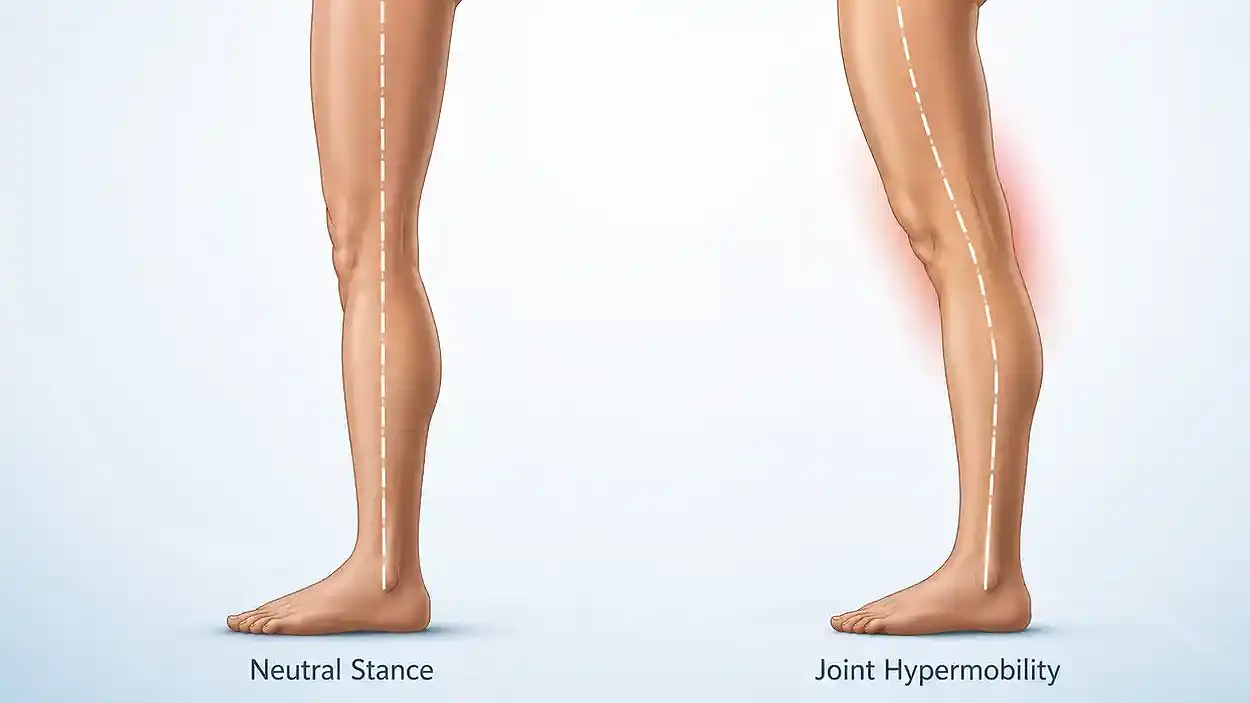
The difference between a hypermobile knee and a normal one comes down to how far the joint moves and how well it is controlled during that movement. A normal knee straightens to around 180 degrees. A hypermobile knee often straightens beyond this, a position called hyperextension, where the knee bows backward slightly when standing or walking. When you look at a double jointed knee from the side during standing, the leg may appear to curve gently backward rather than remaining straight.
The problem is not the extra range itself. It is that ligaments in a hypermobile knee are looser and less able to act as a firm brake on movement. This means the muscles around the knee have to work much harder to compensate, which leads to fatigue, pain, and over time a higher risk of injury.
What Is a Hyperextended Knee
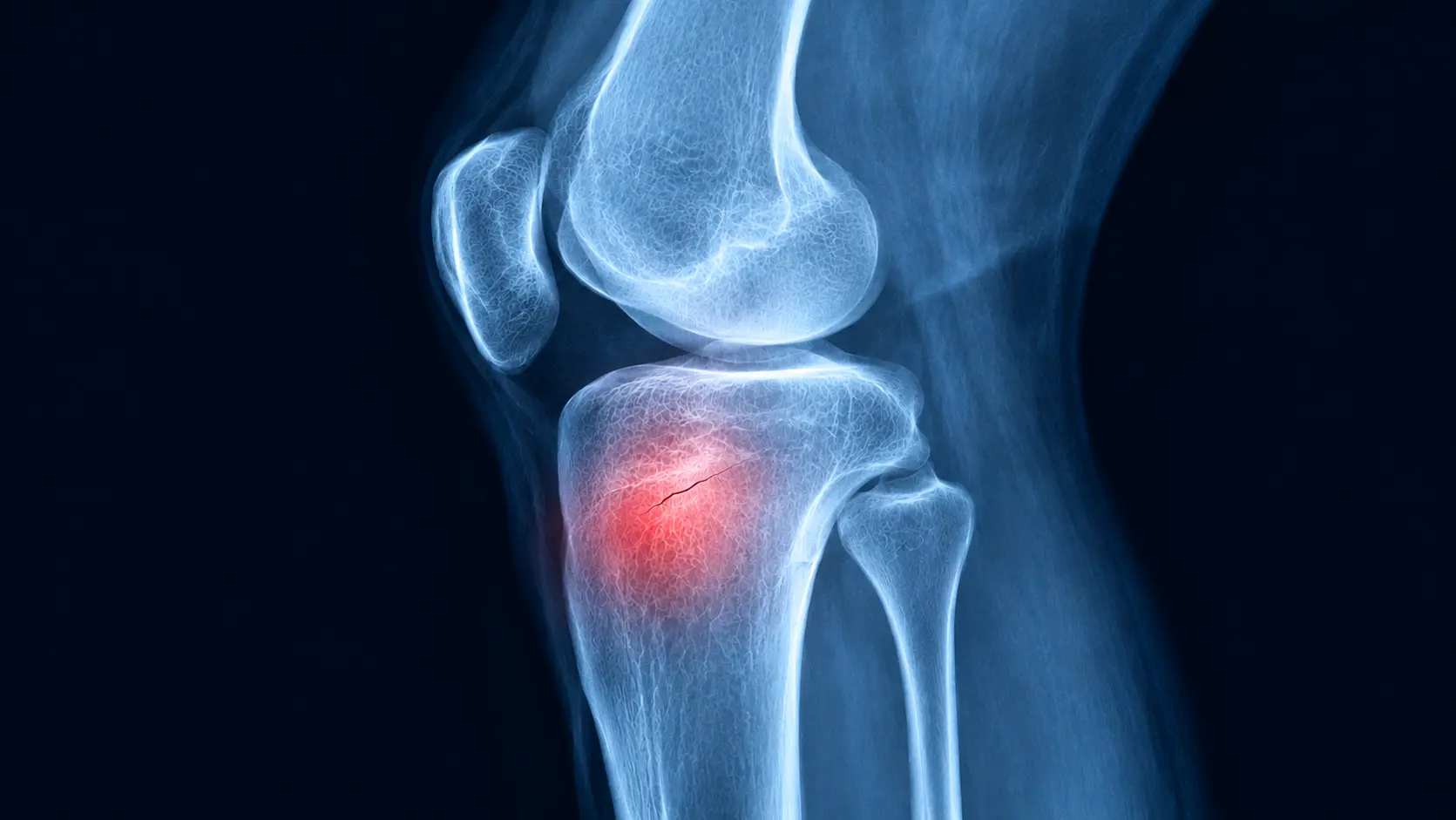
A hyperextended knee is one that straightens beyond the normal limit, bending backward at the joint rather than stopping at a neutral straight position. For people with hypermobility of the knee, this can happen naturally during everyday activities like standing, walking downstairs, or straightening the leg after sitting. What’s a hyperextended knee in practical terms? It is a knee that locks back into an over-straightened position that places stress on the posterior structures of the joint, including the ligaments, capsule, and cartilage at the back of the knee.
What Causes Hypermobility of the Knee
The most fundamental cause of hypermobility in the knee is a difference in the way the body produces collagen, the protein that makes up ligaments, tendons, and other connective tissues. In hypermobile individuals, collagen tends to be more elastic than usual, which means the structures that are supposed to limit joint movement stretch more easily and provide less firm control.
Hyperextended knee from birth is common in hypermobile individuals because this collagen difference is largely inherited. If one or both parents are hypermobile, there is a meaningful chance their children will be too. This is why hypermobility often runs through families and why patients frequently tell us that their mother, sibling, or child shares similar joint symptoms.
Hyperextended knee causes beyond genetics include the natural looseness that comes with youth, since children and teenagers tend to have more joint flexibility than adults. Hormonal factors also play a role, particularly in women, where oestrogen can influence ligament laxity and may explain why symptoms sometimes worsen around hormonal transitions like puberty, pregnancy, or menopause.
In a smaller number of patients, hypermobility of the knee is associated with a recognised underlying condition. Joint hypermobility syndrome is the term used when hypermobility causes symptoms but no specific genetic condition is identified. Hypermobility spectrum disorder is a newer, broader diagnostic term. In rarer cases, hypermobility is a feature of Ehlers-Danlos syndrome, a group of inherited connective tissue disorders that affect collagen production more significantly. Generalised joint hypermobility as part of these conditions tends to be more severe and may need input from a rheumatologist or genetics team alongside orthopaedic care.
Why Does Hypermobility Cause Pain
This is one of the most important questions patients ask, particularly those who have been told their knees are hypermobile but have struggled to get a clear explanation of why that translates into daily pain.
Why does hypermobility cause pain in the knee? The answer usually comes down to one of two things, or a combination of both. First, the muscles around the knee have to work much harder than normal to stabilise a joint that the ligaments are not supporting adequately. This leads to muscle fatigue, tension, and a deep aching pain that is often worse after prolonged standing, walking, or activity. Second, the knee joint surfaces are exposed to abnormal loading patterns when the joint moves beyond its normal range repeatedly. Over time this can cause irritation, inflammation, and wear in the cartilage, meniscus, and other structures inside the joint.
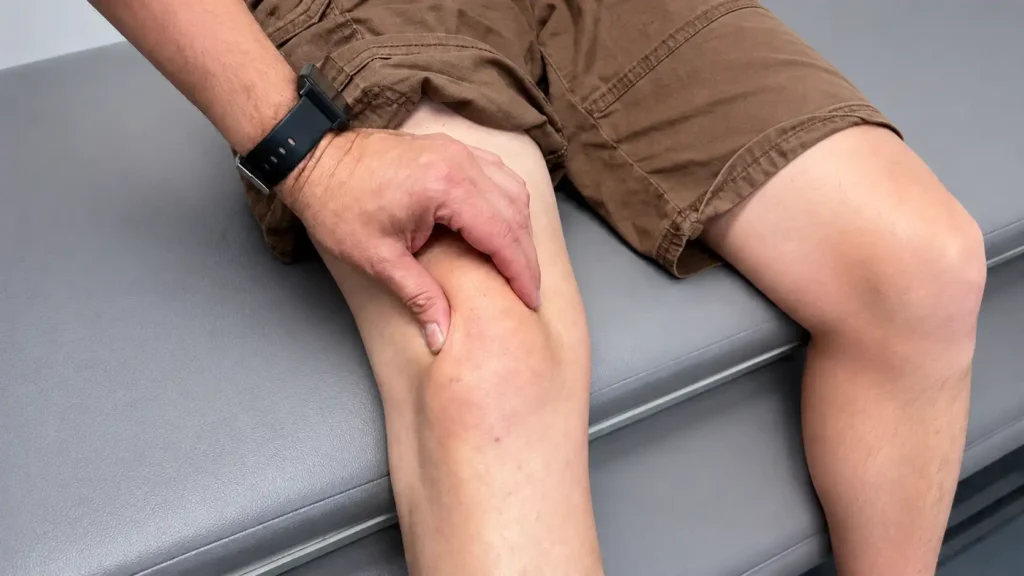
Hypermobile Joints Knee Pain and Symptoms to Recognise
Recognising hypermobility knee symptoms early helps you make sense of what has been happening in your knee and seek the right help rather than continuing to manage symptoms in isolation without a clear diagnosis.
The most common symptoms include the following.
- Knee pain with hypermobility that is worse after activity, prolonged standing, or walking on uneven ground
- Knee instability from hypermobility, where the joint feels unreliable or threatens to give way
- Knee giving way unexpectedly during walking, going downstairs, or changing direction
- Hypermobility knee popping, clicking, or snapping sensations during movement
- Knee swelling from hypermobility, particularly after activity or a minor twist
- Pain behind or around the kneecap during activity, stairs, or sitting for long periods
- Hypermobile knee pain when walking that eases with rest but returns with activity
- Knee pain in teenagers linked to hypermobility, often dismissed as growing pains but actually related to joint instability and muscle fatigue
- A sensation that the knee feels loose, unstable, or not quite in the right position
If several of these patterns apply to you, particularly if they have been present since childhood or run in your family, hypermobility of the knee is a very likely explanation worth discussing with a specialist.
How Hypermobility of the Knee Leads to Serious Knee Problems
One of the most important things to understand about hypermobility knee joint problems is that they do not always stay mild. Without proper management, the loose ligaments and abnormal joint loading associated with hypermobility can lead to a range of more significant knee conditions over time.
Hypermobility knee dislocation is one of the most common serious consequences. The same ligament looseness that allows the knee to move beyond its normal range also makes the kneecap easier to displace. Kneecap dislocation with hypermobility tends to happen with less force than in non-hypermobile individuals, meaning even a minor twist or sideways movement can cause the kneecap to slip out of its groove. Recurrent kneecap dislocation is particularly common in hypermobile teenagers and young adults and is one of the most frequent reasons we see patients from this group in our clinic.
Patellar instability from hypermobility, where the kneecap repeatedly subluxes or dislocates, can cause progressive damage to the cartilage on the back of the kneecap and in the groove it tracks within. Over time this can lead to knee cartilage damage that is more difficult to manage than the instability itself.
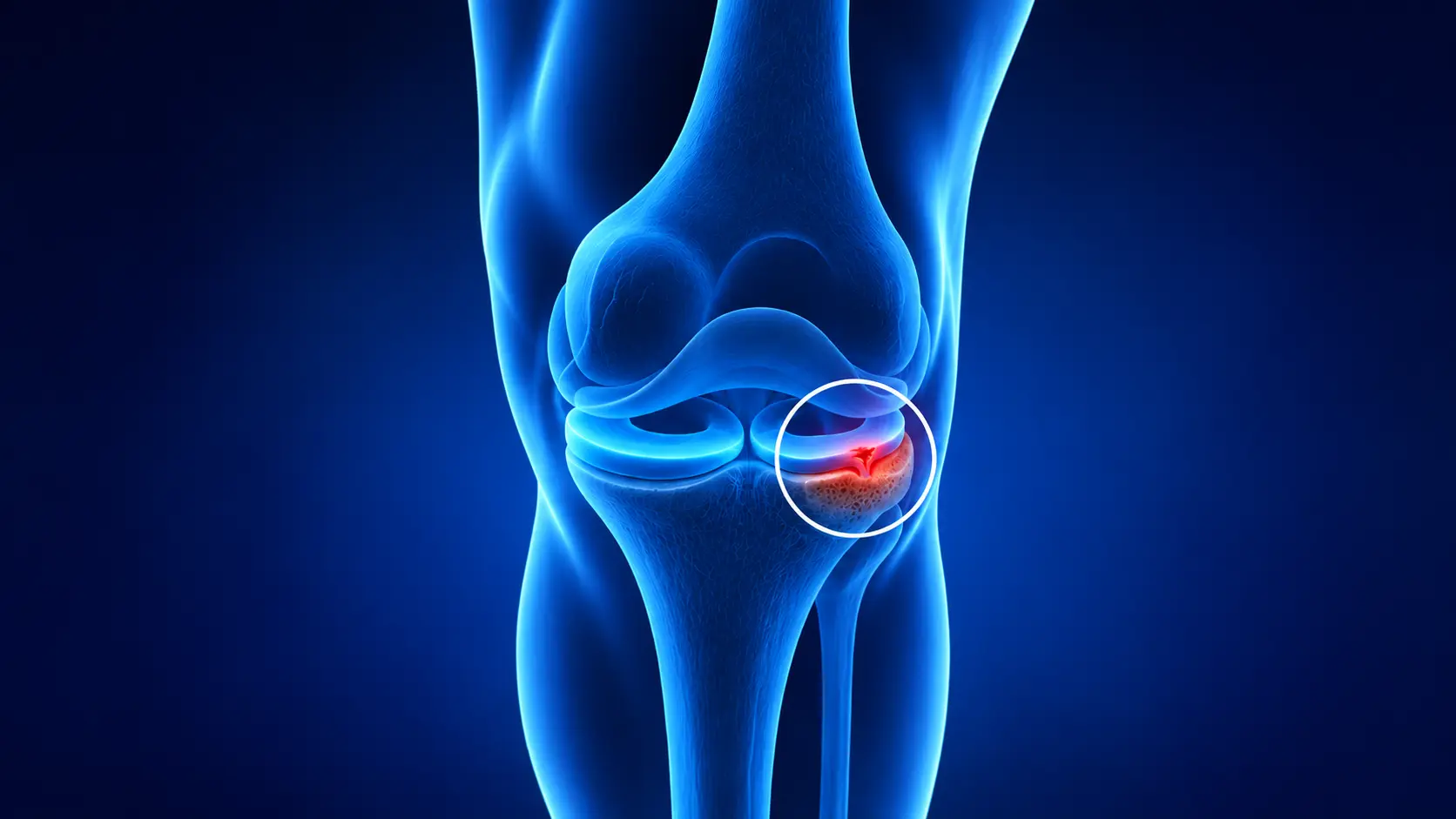
ACL injury with hypermobility is also more common than in the general population. The looser ligament environment means the knee is less protected during the high-demand movements of sport, and the ACL can be placed under greater stress during activities that a non-hypermobile knee would handle safely. Similarly, meniscal tears can occur more easily in hypermobile knees because the joint surfaces are not as well controlled during movement, placing the cartilage at greater risk of being pinched or torn.
Hyperextended Knee Test and How We Diagnose Hypermobility
Diagnosing hypermobility of the knee starts with a thorough clinical assessment. We begin by asking about your symptoms, how long they have been present, whether they run in your family, and how they affect your daily life and activity.
The most widely used clinical tool for assessing generalised joint hypermobility is the Beighton score test. This involves a series of simple movements including bending the little finger backward beyond 90 degrees, bending the thumb back to touch the forearm, hyperextending the elbows and knees, and placing the palms flat on the floor with knees straight. Each movement scores one point, with a maximum of nine. A score of four or more alongside joint pain is generally considered indicative of hypermobility syndrome.
The hyperextended knee test component of the Beighton assessment specifically looks at whether the knee extends beyond 10 degrees beyond neutral when standing. This is one of the clearest and most reliable signs of knee hypermobility and something we assess carefully during your examination.
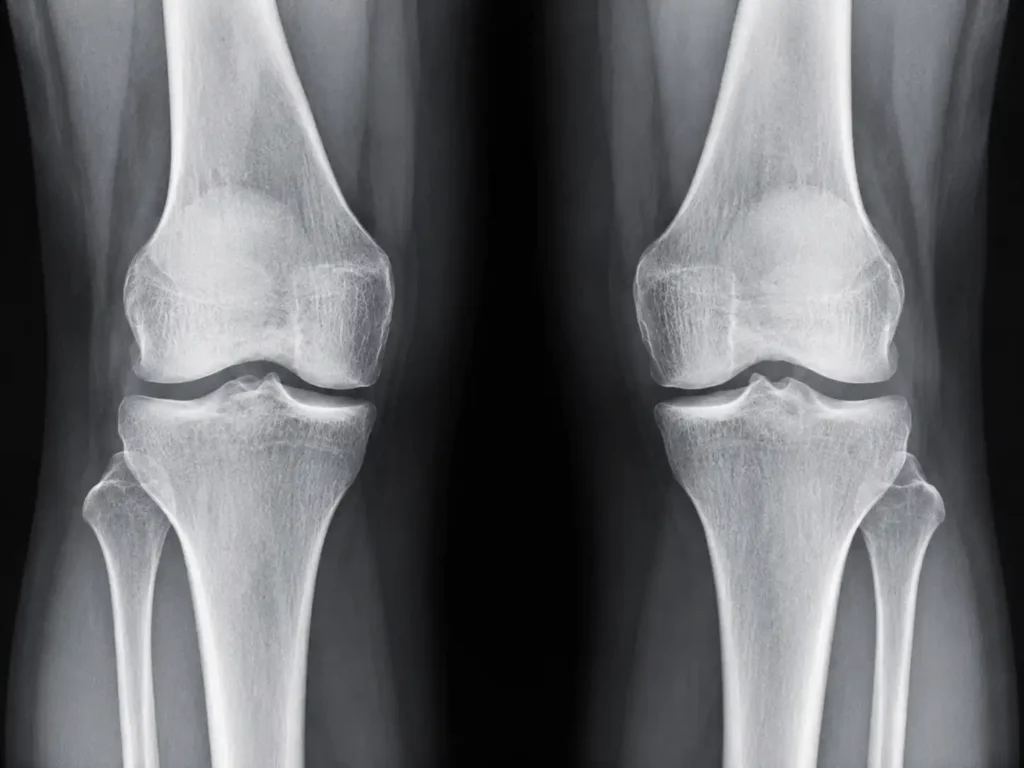
For more detailed investigation, a hypermobility knee MRI may be arranged, particularly if we want to assess the ligaments, cartilage, and other soft tissue structures to identify any associated damage that may be contributing to your symptoms. X-rays may also be used to assess bone alignment and joint spacing.
How to Fix Hypermobile Knees
How to fix hypermobile knees is not about making the joint less flexible, since that is not something treatment can reverse. What it is about is building enough strength, stability, and control around the knee to compensate for what the ligaments are not providing. Loose knee joint treatment is fundamentally a rehabilitation challenge, and for the majority of patients it is a very achievable one.
How to help hypermobility in knees starts with physiotherapy for hypermobile knees. This is the cornerstone of treatment for almost every patient with this condition. A physiotherapist experienced in hypermobility understands that standard exercise programmes are not always appropriate, since some exercises can actually increase instability if they push the knee into its hypermobile range. The goal is to build strength and neuromuscular control, training the muscles to switch on quickly and accurately to protect the joint during movement.
Managing hypermobility knee pain alongside physiotherapy may involve activity modification, pacing strategies, and pain relief where needed. Anti-inflammatory medication can help during flare-ups, and some patients benefit from joint injections to settle significant inflammation before engaging fully with rehabilitation.
How to Strengthen Hypermobile Knees
How to strengthen hypermobile knees safely requires a specific approach. Standard squats, lunges, and leg press exercises are useful but need to be modified to avoid pushing the knee into hyperextension during the movement. Exercises that focus on VMO activation, the inner part of the quadriceps muscle that helps control kneecap tracking, are particularly important. Hip strengthening exercises are equally valuable since strong hip muscles reduce the rotational stress placed on the knee during walking and activity.
How to help hypermobility in knees through exercise also involves proprioception training, exercises that improve the knee’s sense of where it is in space and how to react quickly to unexpected movements. Balance board exercises, single leg standing, and controlled stepping activities all contribute to this. Hypermobility knee exercises should be progressed gradually under physiotherapy guidance rather than independently at full intensity from the start.
KT Tape and Bracing for Hypermobile Knees
KT tape for hypermobile knees is a practical short-term tool that can provide some additional proprioceptive feedback and mild support during activity. Hyperextended knee taping techniques aim to discourage the knee from moving into its hypermobile range during sport or daily activities, giving the surrounding muscles a sensory cue to activate more reliably. It is not a substitute for strengthening but can be a useful adjunct, particularly during the early stages of rehabilitation when muscle control is still being developed.
A knee brace for hypermobility serves a similar purpose for patients who need more consistent support, particularly during higher impact activities or sport. Functional braces that limit hyperextension can be particularly helpful for patients whose main problem is the knee bowing backward during standing or walking.
Surgery for Hypermobile Knees and When It Is Needed
Surgery is not the first line of treatment for hypermobility of the knee, but it becomes relevant when a specific structural problem has developed that cannot be adequately managed conservatively. The most common surgical scenario in hypermobile patients is recurrent kneecap dislocation that has not been controlled by physiotherapy and bracing. In these cases, MPFL reconstruction is often recommended. This procedure reconstructs the medial patellofemoral ligament, the primary structure that prevents the kneecap from slipping outward, using a hamstring tendon graft to restore stability to the joint.
Surgery for hypermobile knee in cases of meniscal tears, cartilage damage, or ACL injury follows the same principles as in non-hypermobile patients, though the surgical planning needs to account for the underlying ligament laxity to achieve the best possible outcome. We always discuss the realistic expectations of any surgical procedure openly before a decision is made, since surgery addresses the consequence of hypermobility rather than the underlying condition itself.
Hypermobility and Knee Replacement
For patients with long-standing hypermobility of the knee, a natural question is whether the extra joint loading and repeated injury over the years will eventually lead to arthritis and knee replacement. The honest answer is that hypermobility does carry a higher lifetime risk of developing knee osteoarthritis, particularly in patients who have experienced repeated ligament injuries, cartilage damage, or recurrent kneecap dislocation over many years.
When knee replacement does become necessary in a hypermobile patient, the surgical planning is somewhat more complex than in a standard case. The ligament laxity that characterises hypermobility means that achieving the right balance and stability of the replacement joint requires careful intraoperative assessment. The question of hypermobility and knee replacement outcomes is an area where specialist surgeon experience matters significantly.
It is worth clarifying one important distinction here. A loose feeling in the knee after knee replacement surgery is a different clinical situation from hypermobility-related looseness. If you have had a knee replacement and are experiencing new looseness or instability, this should be assessed as a potential implant-related issue rather than attributed to hypermobility, and your surgeon should be notified promptly.
Living With Hypermobility of the Knee
Living with a hypermobile knee is not about restriction. It is about understanding your joint well enough to stay active safely, manage flare-ups efficiently, and build the kind of physical resilience that reduces your vulnerability to injury over time.
Can joint hypermobility get worse? In terms of the underlying ligament laxity, hypermobility tends to improve naturally with age as tissues become less elastic. However, the consequences of years of unmanaged hypermobility, such as cartilage wear, recurrent dislocation, and muscle weakness, can worsen if not addressed. This is why early intervention and a well-structured management plan makes a meaningful difference to long-term outcomes.
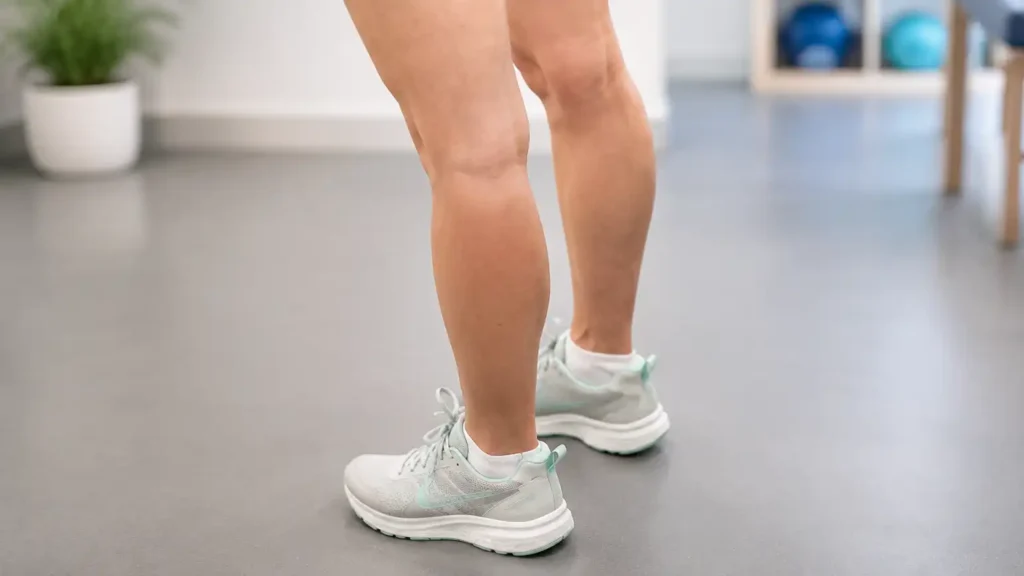
How to stabilise a hypermobile knee in daily life involves a combination of consistent exercise, sensible activity choices, and good postural awareness. Standing with the knee softly bent rather than locked back into hyperextension, building core and hip strength alongside knee-specific exercises, and avoiding prolonged static positions that allow the joint to sag into its hypermobile range all contribute to keeping the knee comfortable and stable day to day.
How to protect hypermobile knees during activity means warming up properly before exercise, wearing appropriate supportive footwear, and progressing training loads gradually rather than making sudden increases that the joint has not had time to adapt to.
Expert Hypermobility Knee Care at London Knee Care
If hypermobility of the knee is causing you pain, instability, or repeated injuries that are affecting your quality of life, we can help you understand exactly what is happening and what can be done about it.
As a hypermobility knee specialist London patients can access promptly, we see patients at all stages of this condition, from teenagers experiencing their first episodes of kneecap instability through to adults who have been managing chronic pain and giving way for years without a clear plan. We take the time to assess your knee thoroughly, explain the specific factors driving your symptoms, and build a treatment plan that fits your lifestyle and goals.
Our clinic is led by Mr Raghbir Khakha, a consultant orthopaedic surgeon with over fifteen years of specialist experience in knee conditions including kneecap instability, ligament reconstruction, cartilage surgery, and complex knee problems related to hypermobility. He takes a careful, patient-focused approach to every case, giving you honest information about your options and realistic expectations about what treatment can achieve.
You can book your consultation directly online at a time that suits you. If you would prefer to speak with our team first before booking, please contact us and we will help you decide on the most appropriate next step for your knee.
Frequently Asked Questions
Is hypermobility of the knee serious?
For many people it is a manageable condition that responds well to physiotherapy and lifestyle adjustments. For others, particularly those with significant instability, recurrent kneecap dislocation, or associated cartilage damage, it can be a genuinely limiting condition that benefits from specialist assessment and treatment. The seriousness depends on how far the symptoms have developed and how well the joint is being supported through strengthening and rehabilitation.
Can hypermobile knees be fixed?
The underlying ligament laxity cannot be reversed, but the consequences of it, pain, instability, and recurrent injury, can be very significantly improved with the right treatment. Most patients with hypermobile knees go on to live active, largely symptom-free lives with appropriate physiotherapy, exercise, and where needed, surgical intervention for specific structural problems.
Can joint hypermobility get worse?
The underlying laxity tends to improve naturally with age. However, without proper management, the secondary problems that develop from years of abnormal joint loading, such as cartilage damage, muscle weakness, and recurrent dislocation, can worsen over time. This is why addressing hypermobility of the knee proactively rather than waiting for significant problems to develop gives the best long term outcome.
Does hypermobility get worse with age?
The joint laxity itself generally improves with age as connective tissues become less elastic. Many patients notice their flexibility naturally reduces through adulthood. However, the cumulative effect of years of abnormal loading on the knee can lead to earlier onset of wear-related changes, which is why protecting the joint through strength training and appropriate management throughout life matters.
Can you exercise with hypermobile knees?
Yes, and exercise is actually one of the most important parts of managing hypermobile knees. The key is choosing exercises that build strength and control without pushing the knee into its hypermobile range. Low impact activities such as cycling, swimming, and controlled resistance training tend to work well. High impact activities are generally safe once adequate strength and neuromuscular control have been established through a supervised programme.
Why does my hypermobile knee hurt?
Pain in a hypermobile knee most commonly comes from two sources. The muscles around the knee work harder than normal to compensate for loose ligaments, which causes fatigue and aching pain, particularly after activity. Additionally, the abnormal movement patterns associated with hypermobility can irritate the joint surfaces, meniscus, and soft tissues over time. Both sources of pain are addressable through targeted physiotherapy and strengthening.
Is hypermobility hereditary?
Yes, in most cases. Hypermobility tends to run in families because the collagen differences that cause it are largely genetic. If you are hypermobile, there is a meaningful chance that one or both of your parents are too, and that your children may inherit the same trait. Knowing this can be useful for identifying symptoms early in younger family members and ensuring they get appropriate support before significant problems develop.
Can hypermobility cause arthritis in the knee?
Over the long term, the abnormal loading patterns and higher injury rate associated with hypermobility do increase the risk of developing knee osteoarthritis earlier than the general population. This is not inevitable, and the risk is significantly reduced by maintaining good muscle strength around the knee, avoiding repeated significant injuries, and managing the condition proactively throughout life.
What exercises should I avoid with hypermobile knees?
Exercises that encourage or rely on the knee locking back into full hyperextension should be avoided or modified. This includes straight leg exercises where the knee is allowed to bow backward, deep squats that push into hypermobile range without adequate muscle control, and high impact plyometric activities before adequate strength has been established. A physiotherapist experienced in hypermobility can advise you specifically on which movements to modify and how to progress safely.