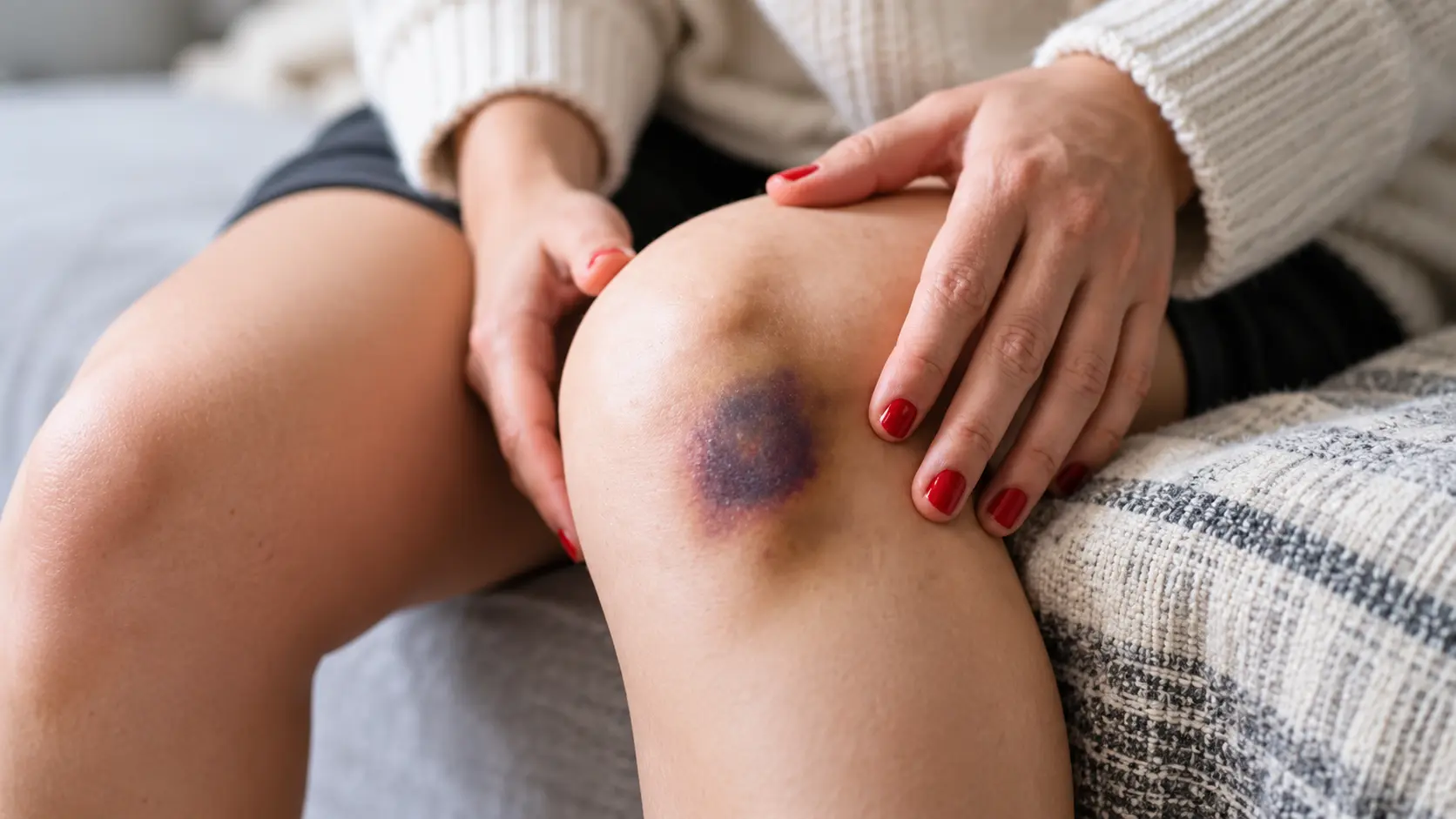
You twist your knee on a run, take a knock during a game, or land badly on the stairs. The knee swells and aches deep inside, yet the X-ray shows nothing is broken. Then your MRI report arrives and mentions a bone bruise in knee, or perhaps “bone marrow oedema”. It is natural to wonder what that really means.
The short answer is reassuring. Most people with a bone bruise in knee recover well and have no lasting problems, although healing is slower than most expect. It usually takes weeks, and sometimes a few months. What deserves your attention is what else happened to the knee at the same moment, because a bone bruise often sits alongside a ligament, cartilage or meniscus injury. Below, we explain how serious a bone bruise is, how to tell it from a fracture, what recovery looks like and when you should see a knee specialist.
What Is a Bone Bruise in Knee?
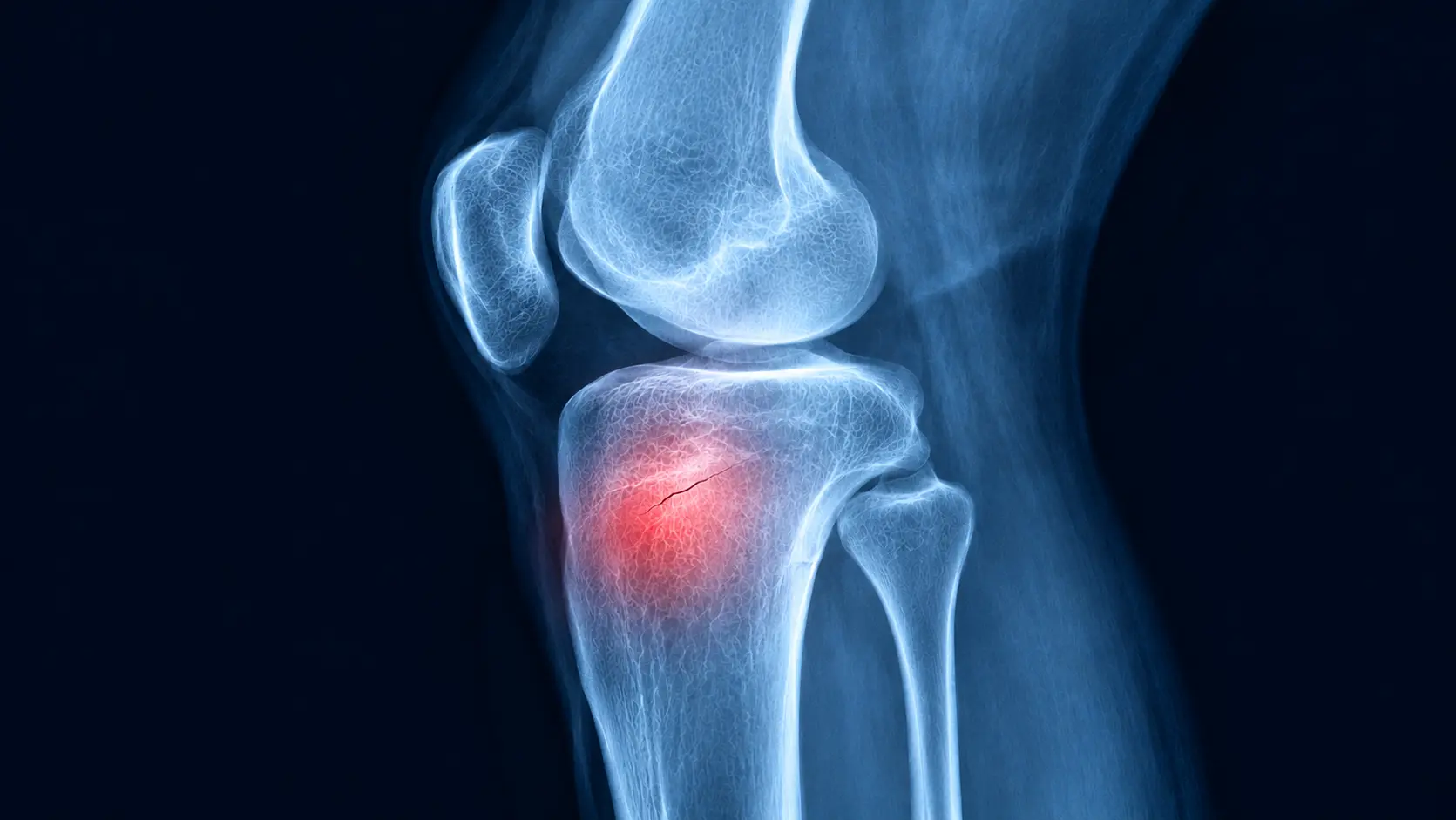
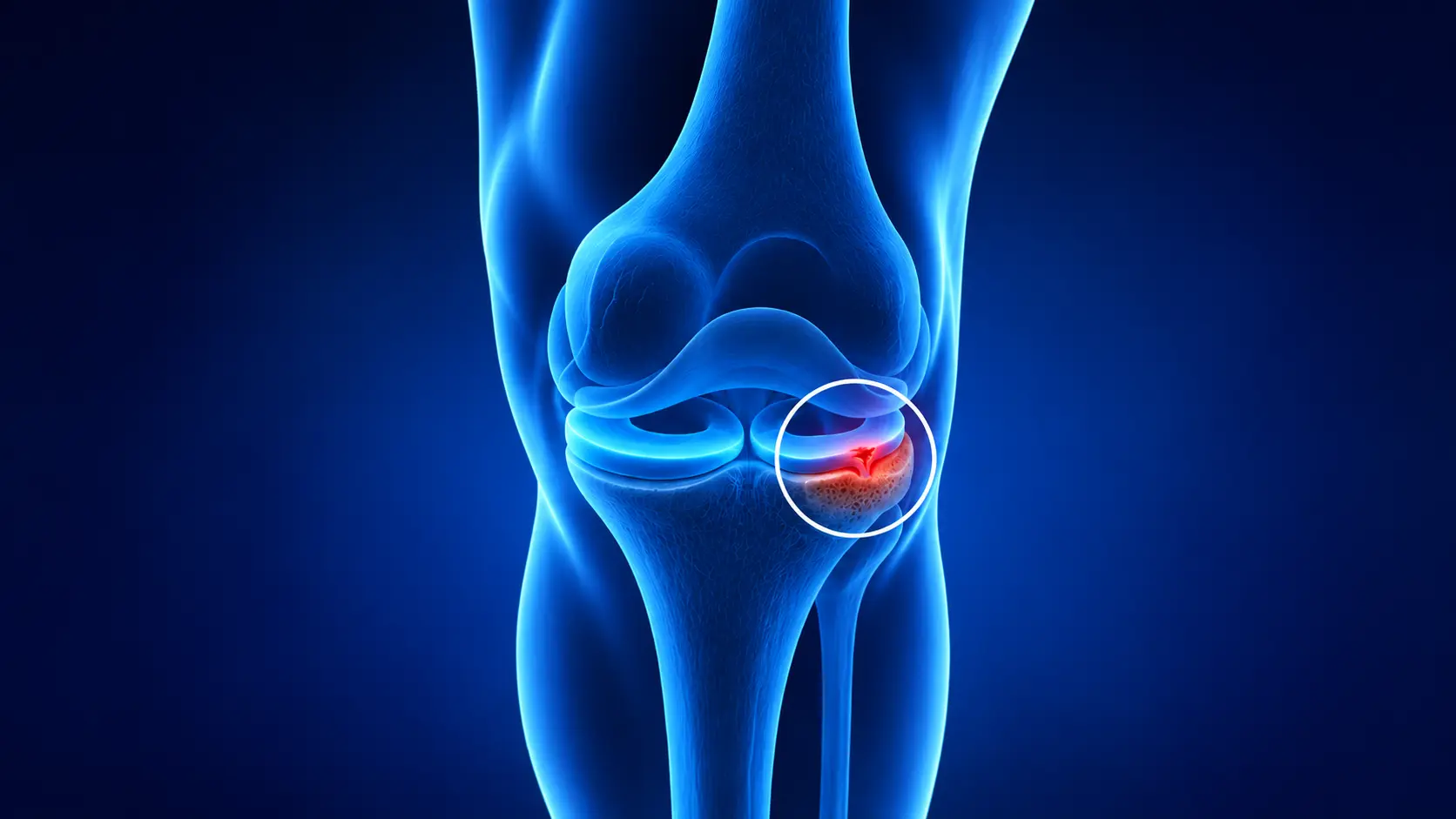
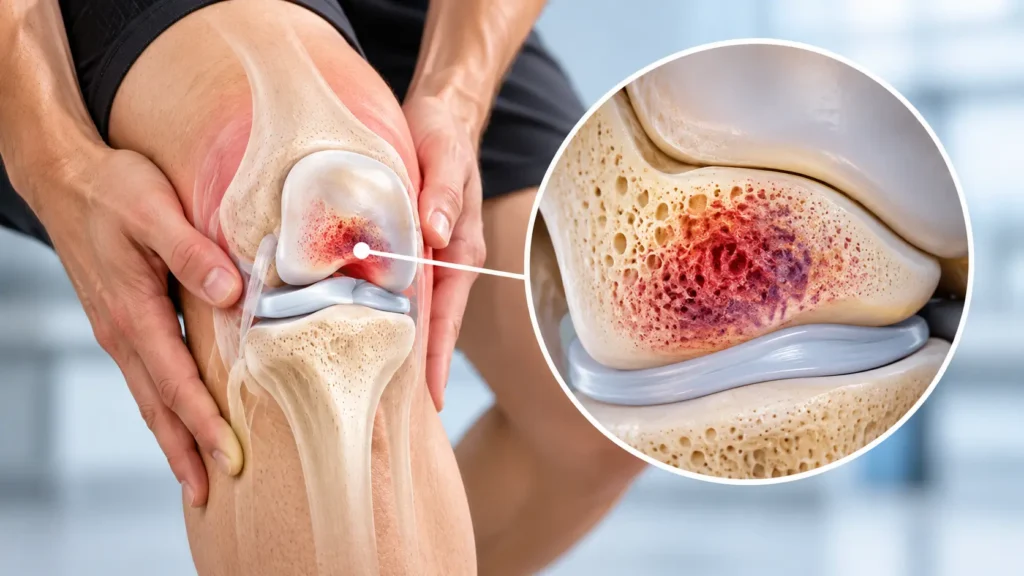
A bone bruise in knee is an injury inside the bone, caused by a knock, a fall or a twisting force. The outer layer of the bone stays intact, but tiny cracks, bleeding and fluid buildup appear in the spongy bone beneath. It is more serious than a bruise on the skin and less serious than a fracture.
Think of it as the bone’s version of a bruise. When a bruise forms on your skin, small blood vessels are damaged and the area turns sore and tender. In a bone bruise, the same thing happens deeper down, which is why the pain tends to feel heavier and last longer.
Knee Bone Contusion and Bone Marrow Oedema Explained
You may see several names for the same problem. Knee bone contusion and bone bruise mean the same thing. Bone marrow oedema is the term radiologists often use on an MRI report, because the scan picks up extra fluid in the bone marrow. Oedema can have other causes, such as overuse or arthritis, but after a recent injury it usually points to a bruise.
How Serious Is a Bone Bruise in the Knee?
On its own, a bone bruise in the knee is not usually dangerous. The bone is not broken, surgery is rarely needed, and most bruises settle with time and sensible activity. What makes it feel serious is the pain, which can be sharper and last longer than an ordinary bruise, and the way it can keep you away from sport and daily routines for a while.
The bigger question is what caused it. A bone bruise tells us how much force went through the knee, and where it sits can hint at which structures were hurt. In one MRI study of 109 patients with knee injuries, nearly 95% of those with a classic “pivot shift” bruise pattern also had an ACL injury. So the bruise is rarely the whole story.
Here is a quick way to think about it.
| Usually reassuring | Needs prompt assessment |
| Pain eases a little each week | Pain or swelling is getting worse |
| You can put weight on the leg | You cannot bear weight |
| The knee bends and straightens close to normal | The knee locks, catches or gives way |
| Swelling settles with rest | The knee feels unstable |
| Skin colour and feeling in the foot are normal | The foot is numb, pale or cold |
Can a Bone Bruise in the Knee Cause Permanent Damage?
In most cases, no. Most people recover well with no lasting problems. That said, doctors do not yet fully understand the long-term effect of some bruises, particularly where the cartilage has also been injured or a tiny fracture sits alongside the bruise. That uncertainty is a good reason to get a proper assessment rather than assume everything is fine.
Bone Bruise Symptoms and What They Feel Like
Bone bruise symptoms can look a lot like a sprain or other soft tissue injury, which is part of why they are easy to miss. The pain is usually the main clue.
What Does a Bone Bruise in the Knee Feel Like?
Most people describe a deep, aching pain that seems to come from inside the joint rather than from the skin. Common signs include:
- Deep pain in or around the knee that is worse than a normal bruise
- Tenderness when you press on the bone
- Swelling or a puffy-looking knee
- Stiffness and trouble fully bending or straightening
- Pain that increases with weight, stairs or kneeling
- Skin bruising, which may or may not appear
The pain often carries on long after any colour on the skin has faded, which can be worrying if you expected it to clear in a week.
What Does a Bruised Knee Look Like?
If bruising does show, it may look blue, purple or black on lighter skin, and dark purple or brown on darker skin. Over days, it can change colour and spread. A bone bruise can also leave no mark at all, so a normal-looking knee does not rule one out. Swelling is often the first thing you notice, and it tells you more than colour does.
Knee Pain and Swelling After an Injury
Swelling comes from knee inflammation after injury, and the timing matters. Swelling that rises quickly in the first few hours can mean bleeding inside the joint, which is more often linked to ligament injuries. Swelling that builds slowly over a day or two is more typical of a bruise or irritated joint lining. Either way, a knee that stays swollen for more than a couple of weeks is worth having checked.
How to Tell the Difference Between a Bruised Knee and a Fracture?
Why Symptoms Alone Cannot Confirm a Fracture
This is the honest answer: it is hard, even for doctors, without imaging. Both injuries can cause pain, swelling and tenderness, and a severe bruise and a hairline fracture can look very similar from the outside. The key difference is inside the bone. In a bruise, the outer layer stays intact. In a fracture, it is broken.
Warning Signs of a Possible Fracture
Pain alone does not settle the question, but these signs make a fracture more likely and need urgent attention:
- You cannot put any weight on the leg after the injury
- The knee or leg looks misshapen or sits at an odd angle
- The pain is severe and sharp over one spot on the bone
- You heard or felt a crack at the moment of injury
- The foot below the knee is numb, tingling, pale or cold
- Bone has broken through the skin, so get in touch with us straight away
X-Rays Detect Bone Bruises?
An X-ray is good at showing a broken bone, but it usually misses a bone bruise. An MRI scan is the test most likely to show one clearly. It can also reveal the pattern of the bruise, which helps us work out which ligaments, menisci or cartilage may have been injured at the same time.
Not everyone with a suspected bone bruise needs an MRI. We usually recommend one when pain, swelling or instability continues, or when the way you hurt the knee suggests another injury.
Is Your Bone Bruise in Knee Hiding Another Injury?
Often, yes, and this is the part patients rarely hear about. A bone bruise in knee commonly appears alongside other damage, such as:
- An ACL tear, especially after a twisting or landing injury
- A meniscal tear
- Cartilage damage on the joint surface
- A kneecap dislocation, which often injures the supporting ligament on the inside of the kneecap
- Collateral ligament injuries after a sideways force
The reason this matters is simple. The bruise heals on its own, but a torn ligament or damaged cartilage may not. Studies of knee bruises show that people with an isolated bruise tend to do better than those with other injuries inside the knee, and recovery is slower when something else is involved.
If your MRI mentions bone bruising and you are not sure what else it found, we can go through the report with you and explain what it means for your recovery. You can read more about torn ACL symptoms, meniscus tears and other types of knee joint injury on our blog.
Knee Bone Bruise Recovery Time
How Long Does a Bone Bruise in the Knee Take to Heal?
A bone bruise in the knee usually takes several weeks to a few months to heal. Mild bruises often settle in around one to two months, while larger ones, or those that come with other injuries, can take three months or longer.
Research gives us a useful picture. In a small early study, bone bruises often looked no better on MRI during the first six weeks, and most had started to resolve by about three months. Wider medical literature describes healing times from six weeks to as long as two years for some adults. Symptoms often improve before the scan looks normal, so how you feel is a better guide to progress than the MRI alone.
Factors That Affect Healing Time
Knee contusion recovery is not the same for everyone. Three things have the biggest effect.
The first is whether anything else is injured. A bruise with a torn ligament or meniscus heals more slowly and may need its own treatment. The second is existing arthritis. In one MRI study, bruises took roughly twice as long to heal in knees with osteoarthritis. The third is how the injury happened. In a study of young athletes, those who hurt their knee without contact took longer to recover than those who took a direct blow, with averages of about 100 days compared with about 66.
Bone Bruise in Knee Treatment
Treatment for a bone bruise is usually non-surgical. The aim is to calm the pain and swelling, protect the bone while it heals, and bring your strength and movement back gradually.
Home Care for a Knee Bone Bruise
For a mild injury, these steps are a sensible starting point:
- Rest the knee from activities that make the pain worse, rather than stopping all movement
- Ice wrapped in a towel for around 20 minutes at a time, several times a day
- Compression with a light, soft bandage that is not tight
- Elevation with the leg raised when you sit or lie down
- Pain relief that suits you, and we can advise what is safe if you take other medicines
- Gentle movement within comfort, so the knee does not stiffen
Walking With a Knee Bone Bruise
Often you can, as long as the pain is manageable. Your pain is the best guide. If walking is comfortable enough, short gentle walks are fine. If you are limping badly, crutches or a knee brace can take pressure off, and we may suggest them.
One small study found that weight-bearing did not change how the bruise healed on MRI. That does not mean you should push through pain. If you cannot put weight on the leg at all, or you are still limping after a few days, that is a reason to have the knee examined.
How to Heal a Bone Bruise in the Knee Faster?
There is no shortcut, and anything promising one should be treated with caution. What does help is avoiding setbacks. Do not push back into running, jumping or twisting sport while the bone is still sore, because a bruise that is stressed again will take longer. Eat a balanced diet with enough protein, calcium and vitamin D, sleep well, and avoid smoking, which slows bone healing.
Physiotherapy is often the biggest help. A good programme reduces stiffness, rebuilds the muscles that protect the knee and guides a safe return to activity.
Treatment When Other Knee Injuries Are Present
When the scan and examination show another injury, treatment depends on what that injury is. Many such injuries are managed without surgery, and an operation is only discussed when it is needed. At London Knee Care, the options we can talk through include:
- Knee ligament surgery for injuries such as a torn ACL
- Meniscal surgery for tears that will not settle
- Knee cartilage surgery for damaged joint surfaces
- Kneecap stabilisation after dislocations
We will always explain the benefits and the limits of each option, so you can decide what is right for you.
Sports-Related Knee Injuries and Returning to Play
If you play sport, a bone bruise can feel like an unfair interruption. The risk is returning too early. A bruised bone that is loaded before it is ready can stay painful for longer, and in a knee with an undiagnosed ligament problem, going back too soon can cause further damage.
A sensible return usually means the swelling has settled, you have full movement, your leg strength is close to the other side, and you can walk, jog and change direction without pain. Running and pivoting sports come last. If you are training through a long season, a knee that keeps flaring up may be dealing with more than a bruise, since common sports-related knee injuries often involve several structures at once, and knee sports injuries and trauma are usually easier to manage when they are assessed early.
When to Seek Medical Advice for a Bone Bruise in Knee?
Symptoms That Need Urgent Medical Attention
You should start to worry when your knee is not settling the way a bruise should. That is the point where we want to see you, because a bone bruise that lingers often means something else is going on inside the joint. You can book a knee specialist consultation with us if:
- Pain is not improving after two to four weeks
- Swelling keeps coming back or does not settle
- The knee locks, catches or gives way
- You cannot fully straighten or bend the knee
- Your MRI mentions a bone bruise alongside a ligament, meniscus or cartilage injury
- You are an athlete who needs a clear and safe return plan
If any of these sound familiar, we can assess this quickly and help you understand what is happening inside your knee.
Book a Bone Bruise Assessment at London Knee Care
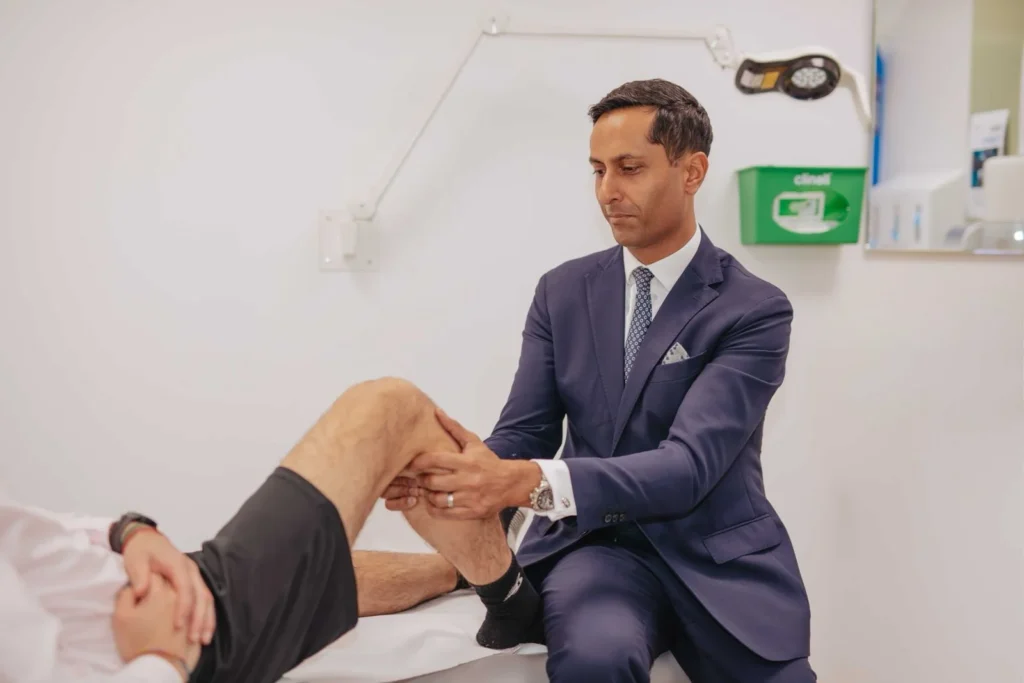
Mr Raghbir Khakha is a Consultant Orthopaedic and Specialist Knee Surgeon at London Knee Care in London. He is fellowship-trained in knee and trauma surgery, with a particular focus on sports injuries and joint preservation. Assessment and treatment planning at London Knee Care are led by him personally.
A bone bruise in knee can feel confusing, especially when you have an MRI report full of unfamiliar terms. We are here to make it clear. At London Knee Care, we take the time to explain what is causing your symptoms, what the scan really shows and what you can realistically expect from recovery.
We review your scan, examine the knee and check for any ligament, meniscus or cartilage injury that a bone bruise can hide. Where treatment is needed, we guide you through your options step by step. Where it is not, we give you a clear recovery plan so you can return to the things you enjoy with confidence.
If your injury is recent, our Acute Knee Clinic offers assessment every Saturday at the Cromwell Hospital from November. To arrange an appointment, contact us and we will guide you on the next steps. You do not need to wait for the pain to become unbearable. Early answers usually mean a calmer, more confident recovery. If the knee locks, you cannot put weight on the leg, or the foot turns numb, pale or cold, get in touch with us the same day.
45 Queen Anne Street, London W1G 9JF
Phone: 0207 046 8008
Email: rk@os.clinic
Frequently Asked Questions About Bone Bruise in Knee
Can a Bone Bruise Be Seen on an X-Ray?
Usually not. An X-ray shows broken bones well, but a bone bruise typically only appears on an MRI scan.
What Is the Fastest Way to Recover From a Knee Bone Bruise?
There is no quick fix. The best approach is to protect the knee early, keep it moving within comfort, follow a physiotherapy plan and return to sport gradually. Rushing back is the most common way to slow recovery.
Do I Need an MRI for a Bone Bruise?
Not always. We recommend one when pain or swelling continues, when the knee feels unstable, or when the injury suggests a ligament or cartilage problem.
Can I Exercise With a Bone Bruise in My Knee?
Gentle movement and low-impact activity are usually fine if they do not increase your pain. Avoid running, jumping and twisting sports until the knee is settled and you have been advised it is safe.
Is a Bone Bruise in the Knee the Same as a Bruised Knee?
Not quite. A bruised knee can mean damage to the skin and soft tissue only. A bone bruise is an injury inside the bone, so it tends to hurt more and take longer to settle.
This is general information and not a substitute for a personal assessment. If you are dealing with a bone bruise in knee and want clear answers, please get in touch with us and we will help you plan the next step.