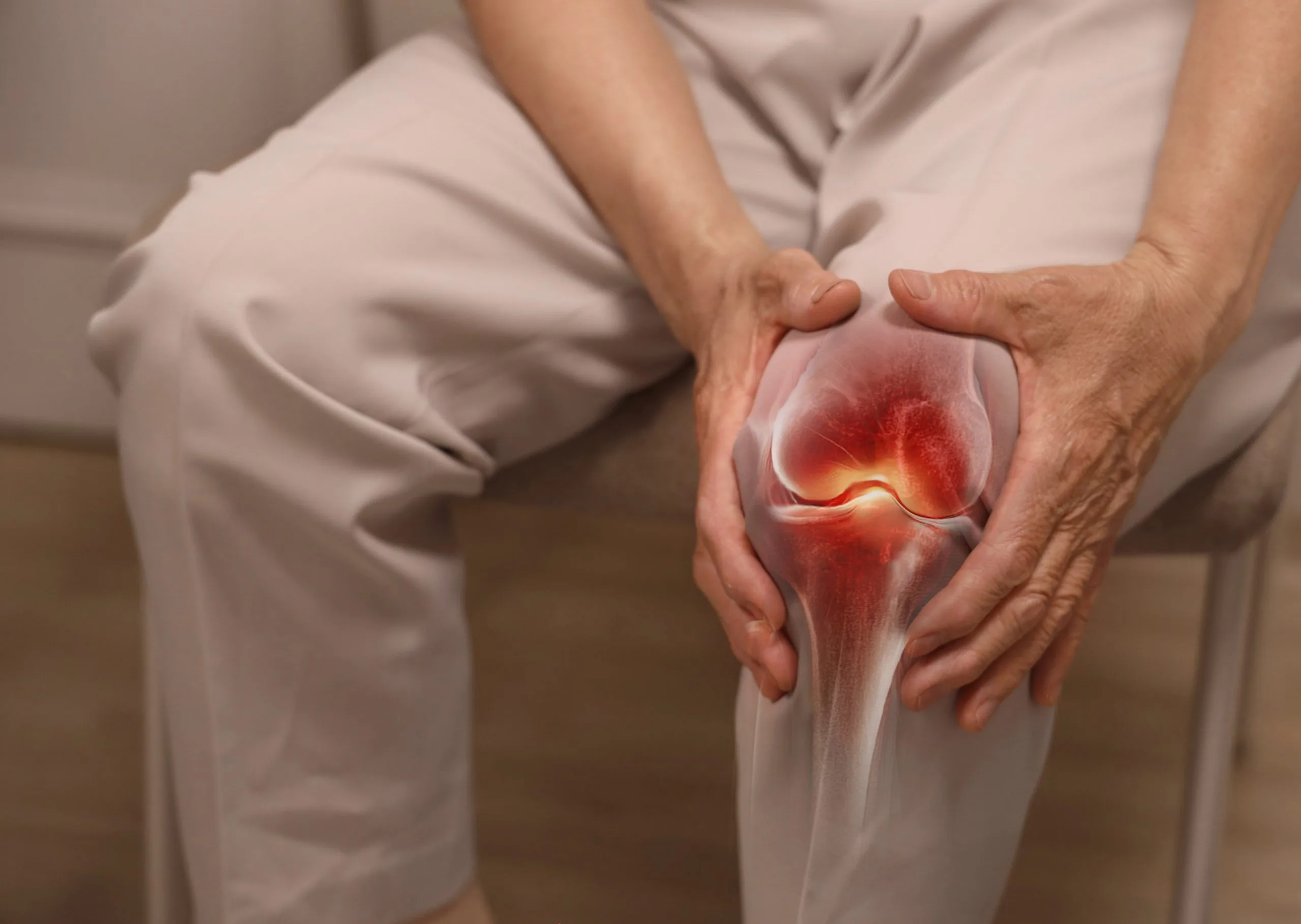
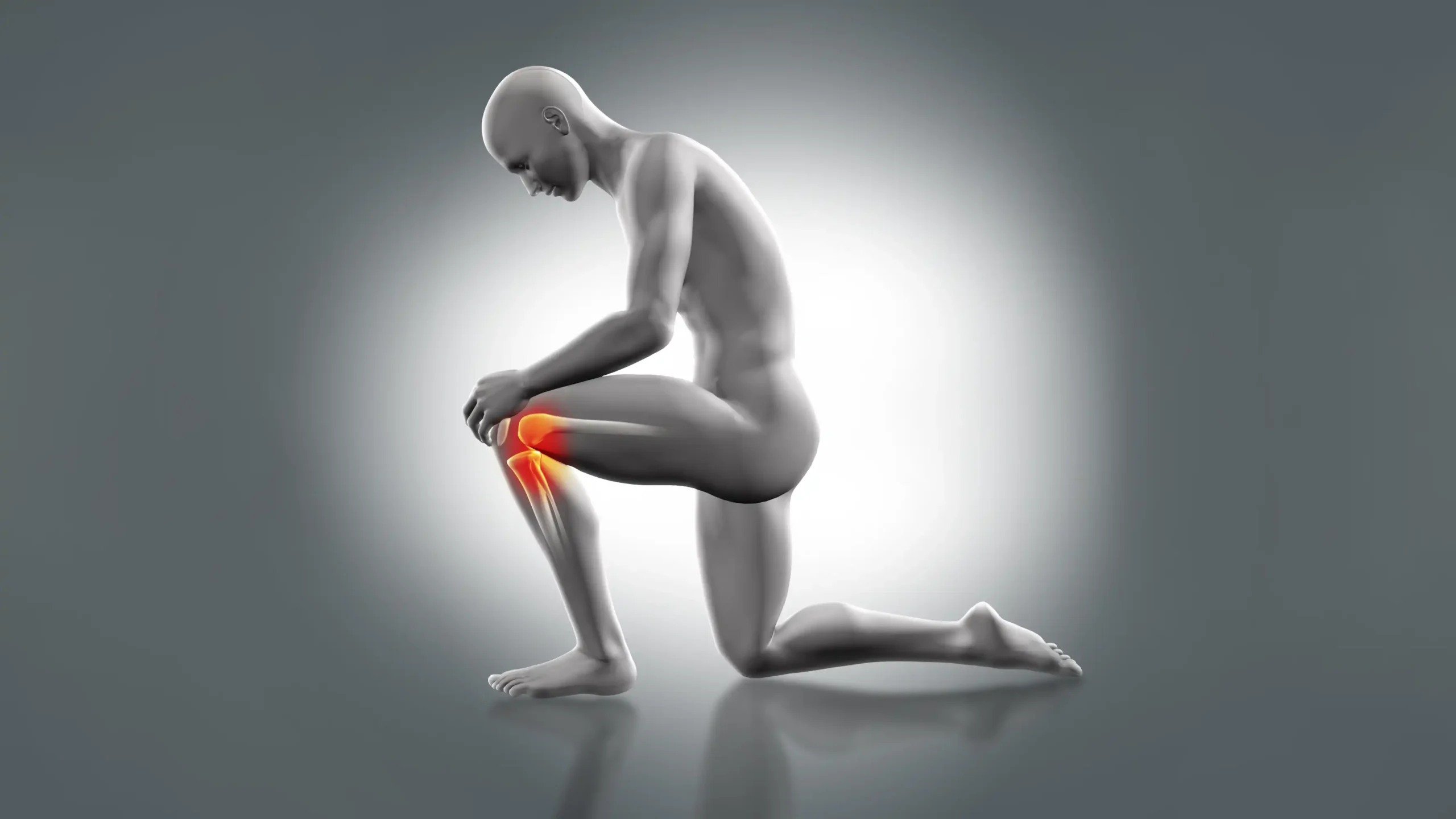
A knee painful to bend often feels like something you should just push through, especially if it started gradually rather than after an obvious injury. The honest answer is that it can sometimes be an early warning sign, though not every case points to something serious. If your knee hurts when i bend it consistently, rather than occasionally, that pattern is worth paying attention to rather than dismissing. This kind of painful knee flexion is one of the most common reasons people book a knee assessment, and noticing your specific pattern of knee hurts when bending symptoms early can genuinely make a difference to how quickly things improve.
This guide walks through why bending specifically seems to trigger pain, what the location of your pain can tell you, and when it’s time to have it properly assessed rather than waiting to see if it settles on its own.
Why Does My Knee Hurt to Bend
Why does my knee hurt to bend more than during other movements? Bending, whether you’re kneeling, squatting or climbing stairs, dramatically increases the pressure running through your kneecap and the cartilage behind it. Painful to bend my knee is one of the most common complaints we hear, because flexion loads the joint far more heavily than standing or walking on a flat surface.
Understanding basic knee flexion mechanics helps explain why. As your knee bends further, the contact pressure between your kneecap and thigh bone increases substantially, which is why symptoms are often barely noticeable when standing but become obvious on stairs, in a deep squat, or getting up from a low chair. This commonly points towards irritation of the cartilage behind the kneecap, a meniscal tear, or general wear affecting the joint surface, though these are not the only possibilities and only a proper examination can confirm which structure is actually involved. The specific pattern of your pain, including exactly where it hurts and what else triggers it, usually narrows things down considerably before you even reach a specialist.
Where Does It Hurt When You Bend Your Knee
The exact location of your discomfort is one of the most useful clues available, and it’s worth paying close attention to before your appointment.
Back of Knee Hurts to Bend
If the back of knee hurts to bend rather than the front, the likely causes are different from the ones affecting the kneecap itself. A Baker’s cyst, a fluid filled swelling behind the knee, often becomes more noticeable and uncomfortable with bending. Hamstring tendon irritation and, less commonly, issues affecting the popliteal area behind the joint can also produce this pattern. This location tends to point away from the kneecap and cartilage causes that dominate front-of-knee pain, so it’s worth mentioning specifically when you describe your symptoms. If swelling behind the knee comes with calf swelling, redness, warmth or any breathlessness, seek urgent medical attention straightaway, since these can occasionally signal a blood clot rather than a simple cyst.
Top of Knee Hurts to Bend
When the top of knee hurts to bend, just above the kneecap, this often relates to the quadriceps tendon, which attaches the large thigh muscle to the top of the patella. Overuse from repetitive bending, jumping or kneeling can irritate this tendon and cause pain that’s noticeably worse during flexion, and can develop gradually over weeks of increased activity rather than from a single incident.
Front and Inner Knee Pain When Bending
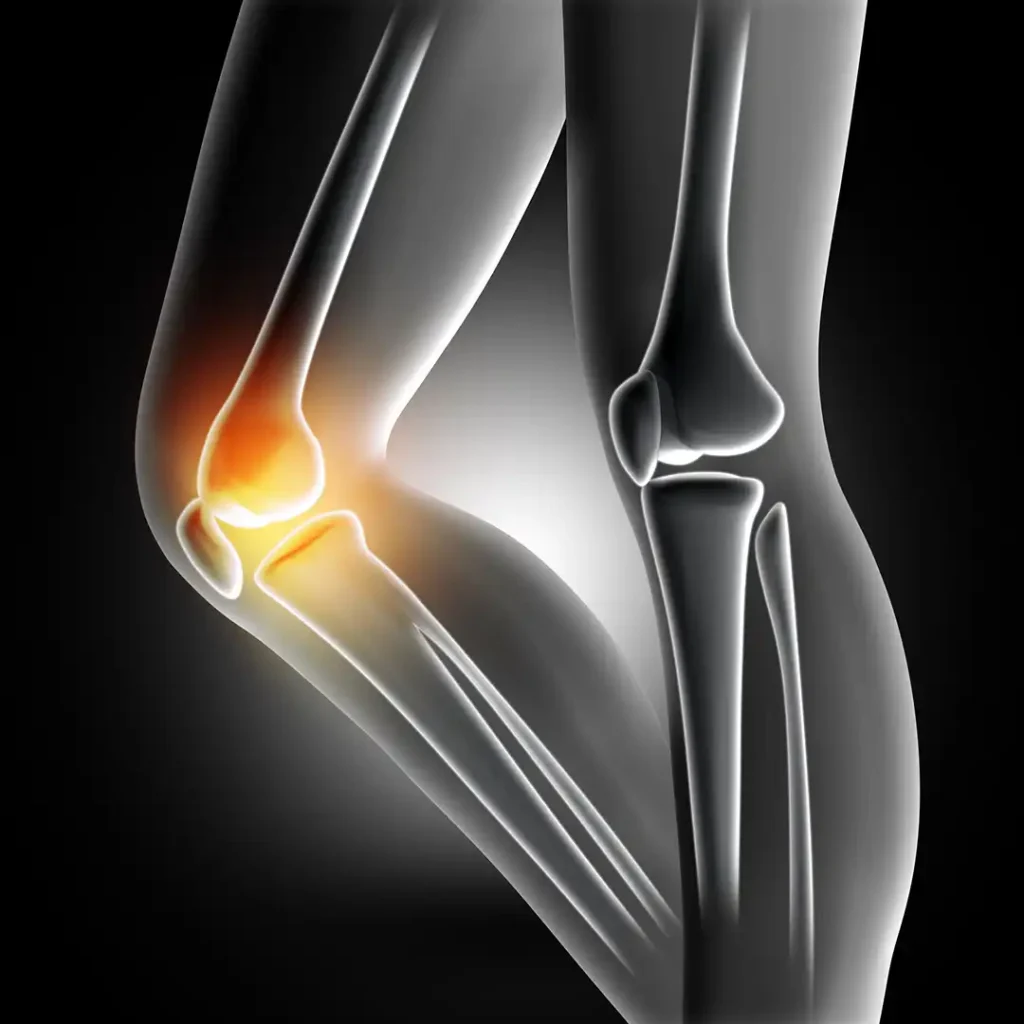
Pain at the front or inner side of the knee during bending most often relates to the patellofemoral joint, where the kneecap tracks along a groove in the thigh bone. Poor kneecap tracking can cause uneven pressure and irritation across the joint surface. Problems with the meniscus knee joint structures, the cartilage cushions between the bones, also commonly cause inner or outer joint line pain that’s worse with flexion, particularly when twisting is involved as well as bending.
What Causes Knee Pain When Bending
There are several common causes of knee pain when bending, and understanding which applies to you shapes what treatment actually helps.
- A meniscal tear knee bend injury, often from twisting while the knee is flexed.
- Patellofemoral pain syndrome, where the kneecap doesn’t track smoothly along its groove.
- Knee cartilage damage bending aggravates, sometimes linked to early osteoarthritis.
- Knee bursitis pain bending worsens, particularly with kneeling or direct pressure.
- Arthritis knee pain bending is a very common pattern in people over 50.
- A knee ligament injury bending can affect, especially after a twisting or pivoting movement.
A history where you fell on knee hurts to bend afterwards is different from gradual onset pain, since it points toward an acute cause such as a fracture, ligament sprain or cartilage injury that needs prompt imaging. The same applies if your knee hurts to bend after fall specifically, rather than pain that built up slowly over weeks or months. Similarly, pain bending knee after running often reflects overuse patellofemoral pain rather than a structural tear, though both need proper assessment to tell apart with any real confidence.
Other Ways This Pain Shows Up
Knee pain when bending rarely stays confined to one single movement or moment. Many patients also notice knee pain going up stairs, knee pain squatting, or discomfort during knee pain bending kneeling specifically, since all three positions load the joint in a similar way. Some describe knee clicking when bending or a grinding sensation, while others notice knee swelling when bending that settles again with rest overnight. A small number describe sharp pain bending knee suddenly during a specific movement, such as knee pain when bending leg backwards during a hamstring stretch, or knee pain bending straightening that affects both directions of movement rather than just one.
If you can bend knee but hurts to walk instead, that’s a slightly different pattern worth mentioning to your specialist, since it may point towards a different structure being affected than pain that’s specifically worse on flexion alone.
How Is Knee Pain When Bending Diagnosed
Knee pain when bending diagnosis usually starts with a straightforward physical examination, checking your range of movement, stability, swelling and exactly where the pain is triggered during flexion. We’ll also ask about your activity levels, any recent injuries, and whether the pain has been building gradually or appeared suddenly. This is often followed by a plain X-ray to check the joint space and rule out fracture or arthritis. Depending on what we find, a knee MRI for bending pain may then follow to look at the meniscus, cartilage and ligaments in more detail, particularly if symptoms haven’t settled with simple measures or if there are signs of a more significant injury such as locking or instability.
When Should You Seek Help for a Knee Painful to Bend
Not every knee pain bending kneeling episode needs a specialist referral straightaway. Mild discomfort that improves with rest and simple painkillers over a week or two is common and often settles on its own without further intervention. According to NHS guidance, you should get urgent advice if your knee is very painful, cannot bear weight, has changed shape, or locks, gives way or clicks painfully.
Knee pain bending red flags that warrant prompt assessment include the following.
- Sudden, very painful to bend knee sensation after a specific injury.
- A knee that locks, gives way or clicks painfully rather than smoothly.
- Noticeable swelling, warmth or redness around the joint, especially alongside a fever or feeling generally unwell, which can indicate infection and needs same-day medical attention.
- Knee pain bending won’t go away after two to three weeks of rest.
If your knee pain bending getting worse rather than improving, or if what causes knee not to bend at all becomes a genuine concern rather than simple stiffness, it’s worth having this properly assessed. Similarly, if you’re asking why does it hurt so much to bend my knee that daily activities are affected, don’t wait to see if it resolves alone, since earlier assessment generally means simpler treatment.
Treatment Options for Knee Pain When Bending
Treatment for knee pain when bending depends entirely on the underlying cause, and there’s no single approach that suits every patient. For milder, overuse related pain, physiotherapy knee pain bending programmes focused on strengthening the muscles around the kneecap often make a significant difference within a few weeks. Knee pain bending exercises that build up the quadriceps and hip muscles can improve how the kneecap tracks, while a knee brace for bending pain can offer additional support during activity, sport or long periods on your feet.
Where the cause is a meniscal tear, our meniscal surgery approach uses keyhole techniques to repair or trim the damaged tissue, depending on the type and location of the tear. Cartilage related pain may benefit from knee keyhole surgery for a clearer diagnosis and, where appropriate, direct treatment during the same procedure. Ligament related pain is assessed on its own merits, since some settle well with physiotherapy while others need surgical reconstruction to restore full stability.
Expert Care for Knee Pain at London Knee Care
If you’ve been searching for a knee specialist London bending pain issue like yours needs, we’re here to help. We provide thorough assessment at our knee pain clinic London patients trust, led personally by Mr Khakha, who has been in consultant practice since 2017 and has developed particular expertise in meniscal tears, ligament injuries, cartilage damage and osteoarthritis of the knee.
We always begin with a proper assessment before recommending any treatment, because knowing exactly what’s causing your pain matters more than guessing based on symptoms alone. You can read more about our clinic and book directly through our booking page.
London Knee Care
45 Queen Anne Street, London W1G 9JF
Call us on 0207 046 8008
Email us at rk@os.clinic
Or visit our contact page
Frequently Asked Questions
Why does my knee hurt when I bend it and is knee pain when bending serious?
Not always. Mild, occasional discomfort is common and often settles with rest. It becomes more concerning if your knee hurts to bend it consistently, doesn’t improve within a few weeks, or comes with swelling, locking or instability.
Can knee pain when bending go away on its own?
Sometimes, particularly with mild overuse related pain that responds to rest and reduced activity. Sore knee painful to bend sensations from a single hard training session often settle within days, but persistent or worsening pain needs proper assessment rather than being ignored.
What causes knee pain only when bending?
This pattern usually points towards the patellofemoral joint or meniscus, since these structures come under far more load during flexion than during standing or walking. Why does my right knee hurt when I bend it specifically, rather than both knees, may simply reflect which side has taken more strain recently from sport, work or daily habits.
Should I worry about knee pain when bending?
Occasional mild discomfort rarely needs urgent concern. However, if you’re unsure, it’s always better to have it checked properly than to guess and risk things worsening. If you’d like to talk it through, our team is just a call away on 0207 046 8008.