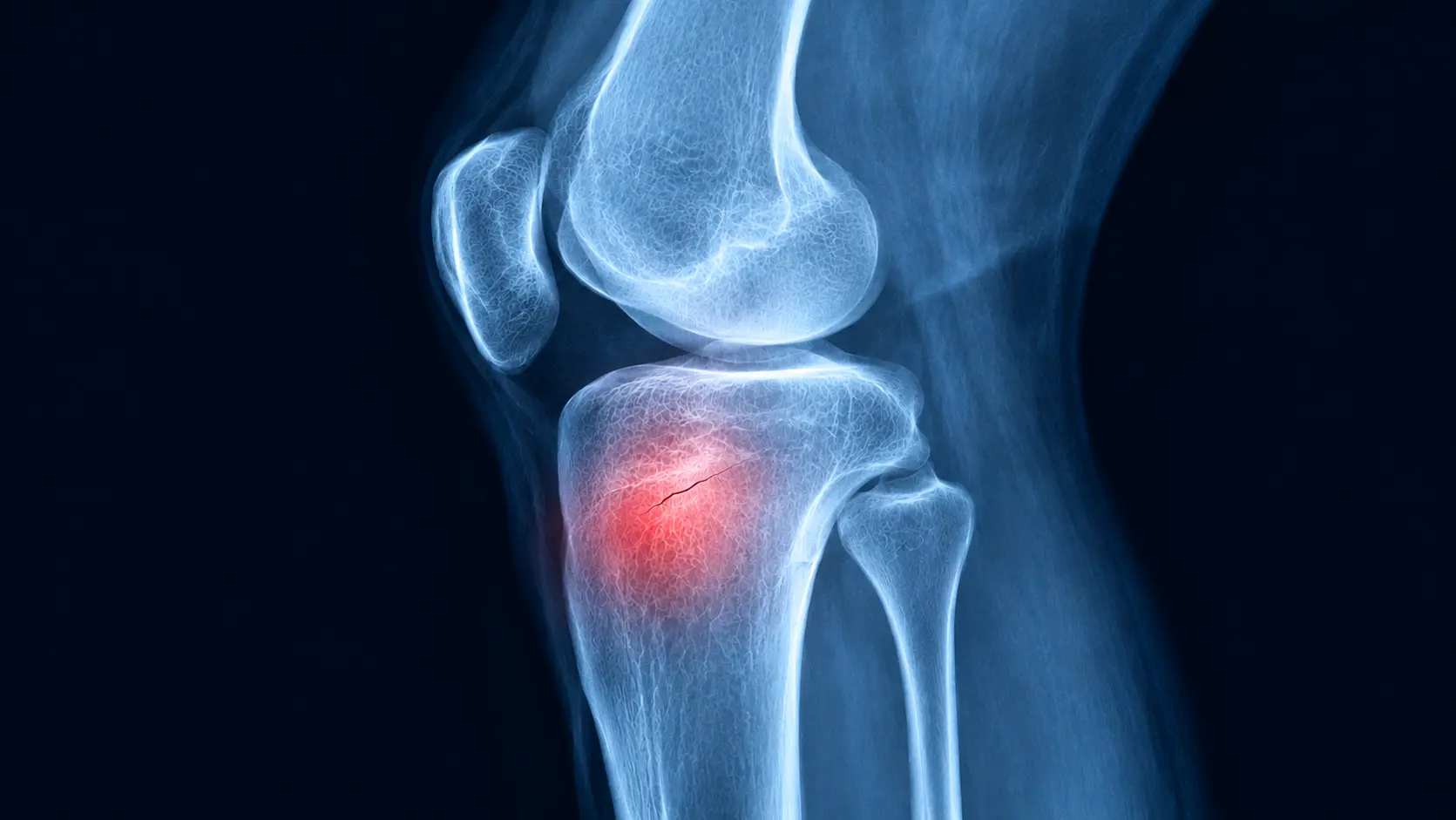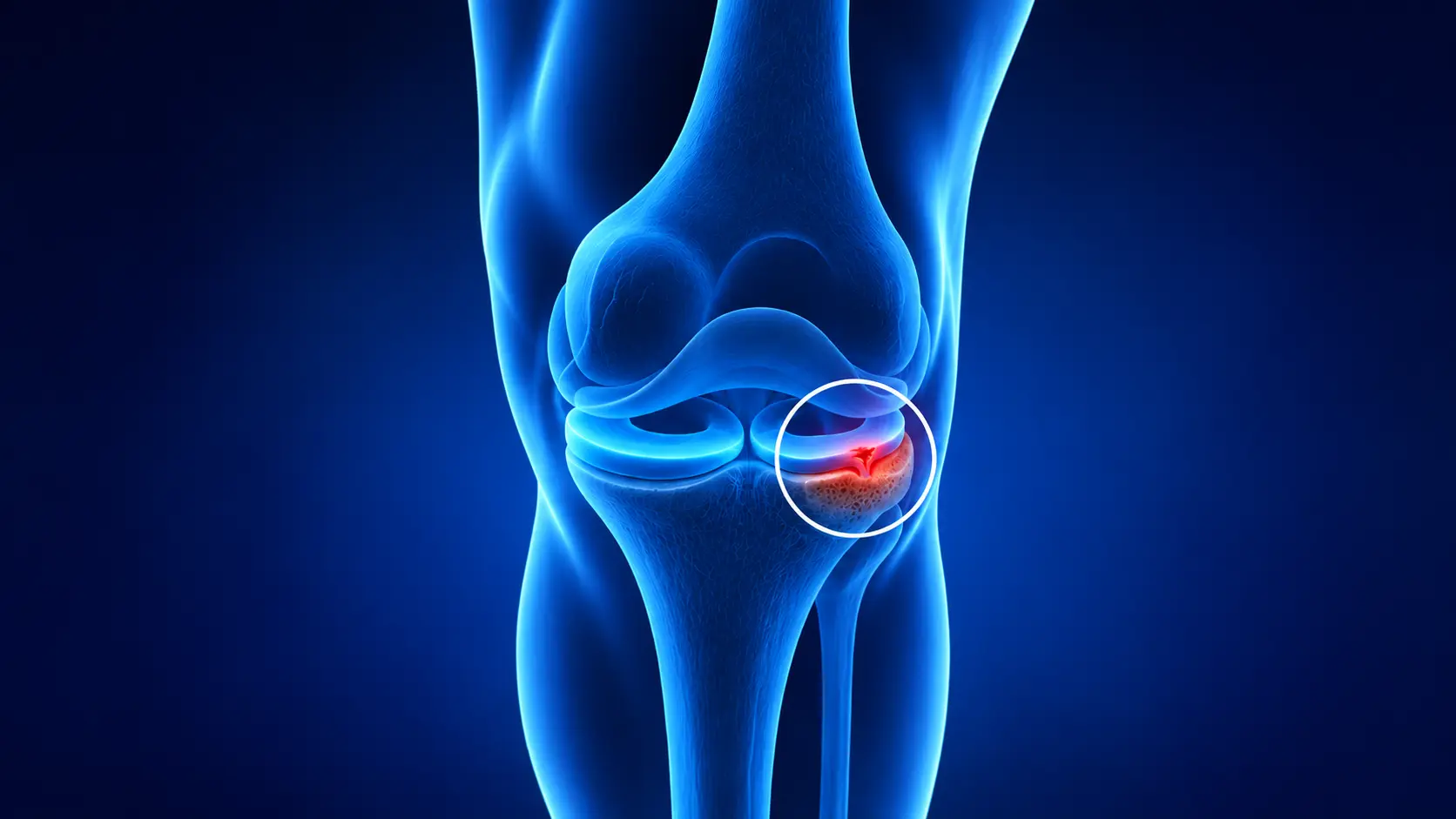
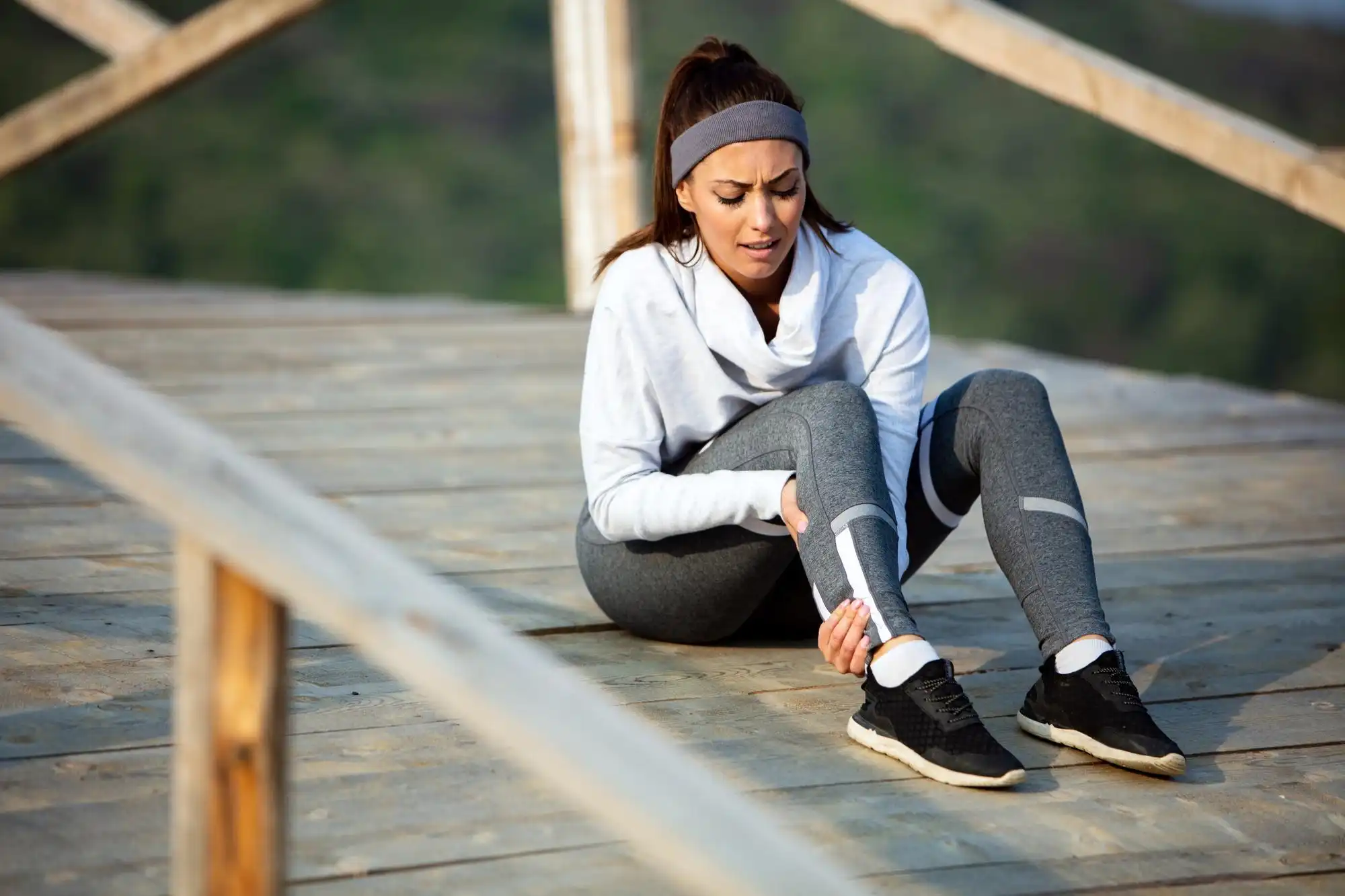
Your knee hurts after running, but by the time you’re back at your desk or getting ready for bed, it barely bothers you at all. This pattern confuses a lot of runners, because it doesn’t match the mental image of a dramatic sports injury. A knee ache after running that fades within a few hours is genuinely common, and a knee sore after running once in a while doesn’t automatically mean something serious is wrong, though it’s worth understanding rather than simply shrugging off.
This guide explains why your knee hurts after running specifically, what the exact location of your pain can tell you, and when it’s worth having properly checked.
Why My Knee Hurts After Running
Why my knee hurts after running more than during the run itself usually comes down to inflammation and load related irritation building up during activity, then becoming more noticeable once you stop moving and your attention shifts back to your body. A sore knee after running is one of the most common complaints among both new and experienced runners, and it’s rarely a sign of a dramatic, sudden injury. In many cases this falls under the umbrella of patellofemoral pain syndrome, sometimes simply called an overuse knee injury running related, or repetitive strain knee running patterns build up gradually rather than happening all at once.
Why Does My Knee Hurt After Running but Not During
Why does my knee hurt after running but not during is a pattern that genuinely puzzles people, but there’s a straightforward explanation. While you’re running, movement and adrenaline can mask minor irritation, and swelling hasn’t had time to build up yet. Afterwards, as you rest, mild inflammation in tissues like the patellofemoral joint or surrounding tendons becomes easier to notice, particularly once you stop distracting your body with movement.
Knee Hurts When Running But Not Walking
Knee hurts when running but not walking is a different pattern worth mentioning separately, since it usually points towards a structure that’s specifically loaded by running’s repetitive impact, such as the iliotibial band or patellar tendon, rather than general joint irritation that would also bother you during simple walking.
Where Does It Hurt
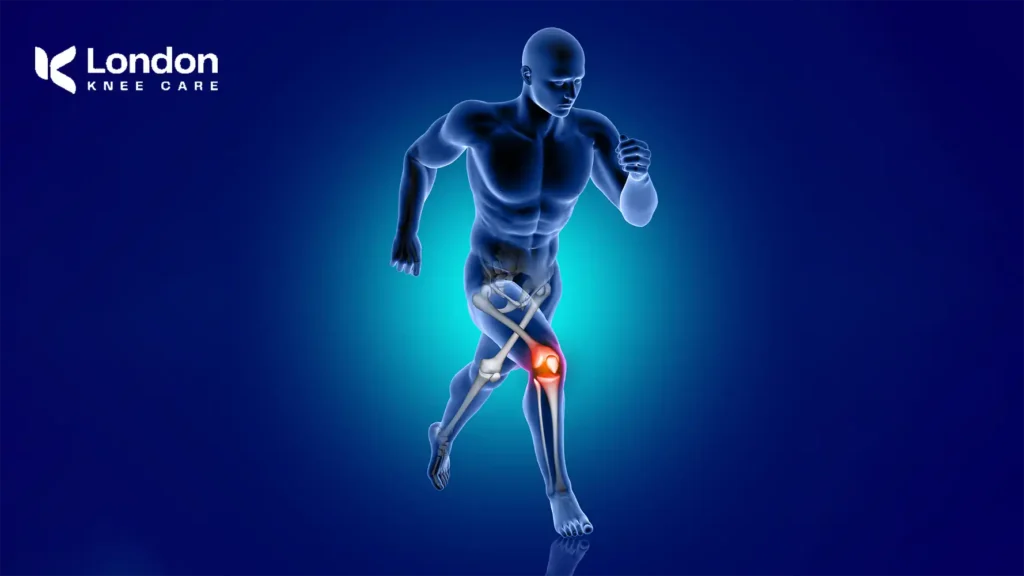
The exact location of your pain narrows things down considerably, and it’s one of the most useful details you can give a specialist.
Side of Knee Hurts After Running
Side of knee hurts after running is most often iliotibial band syndrome, caused by repeated friction of the iliotibial band, a long band of tissue running down the outer thigh, over the outside of the knee. It’s particularly associated with downhill running, running the same direction repeatedly on a track, and weakness in the hip abductor muscles that normally help stabilise your stride.
Back of Knee Hurts After Running
Back of knee hurts after running can stem from several different structures. Hamstring tendinopathy, irritation where the hamstring tendons attach behind the knee, is common with overuse or poor running mechanics. A popliteus strain, affecting a small muscle behind the knee that helps with stability, can also cause pain here, particularly after downhill running or quick changes of direction. Less commonly, a Baker’s cyst or referred pain from the meniscus knee cartilage can also show up at the back of the joint.
Inside Knee Hurts After Running
Inside knee hurts after running is frequently pes anserine bursitis, inflammation of a small fluid filled sac roughly two to three inches below the inner joint line, where several tendons meet. Why does the inside of my knee hurt after running specifically, rather than more generally, often comes down to worn running shoes, uneven surfaces, or subtle technique issues placing repeated stress on this exact spot.
Above Knee Hurts After Running
Above knee hurts after running usually relates to the quadriceps tendon, which connects your thigh muscle to your kneecap. Repetitive loading from running, particularly if you’ve increased distance or hills quickly, can irritate this tendon and cause pain that’s noticeably worse just above the joint itself.
Under Knee Hurts After Running
Under knee hurts after running often involves the patellar tendon, sitting just below the kneecap. This overlaps with a condition we’ve covered in detail in our guide to jumper’s knee, so if this sounds like your pattern, that’s worth reading alongside this guide. Poor kneecap tracking within the patellofemoral joint can also contribute to discomfort in this general area.
Knee Pain After Running Beginner Causes
Knee pain after running beginner cases are extremely common. Knee injuries account for roughly a quarter of all running related injuries, and the true cause is rarely running itself, it’s usually training load increasing faster than your body has had time to adapt. Weak hips, glutes and quadriceps often mean your kneecap tracks less smoothly than it should, placing uneven stress on the joint with every stride.
A practical example of safe progression looks like increasing your weekly distance from, say, fifteen to around sixteen and a half miles, rather than jumping straight to twenty, giving your tendons, cartilage and muscles time to genuinely adapt rather than simply coping under increasing strain.
Why Does My Knee Hurt After Running Long Distance
Why does my knee hurt after running long distance, when shorter runs feel fine, usually reflects cumulative load rather than a single cause. A knee hurts after long run pattern, or knee pain after long run more generally, often means the distance itself, rather than your running technique, is currently outpacing what your knee is conditioned to handle comfortably.
Is It Normal for Knee to Hurt After Running
Mild, short lived discomfort that settles within a few hours is common, particularly after a harder or longer session than usual. It becomes more of a concern if the pain lingers for days, worsens over time, or comes with swelling, locking or instability.
How Is Knee Pain After Running Diagnosed
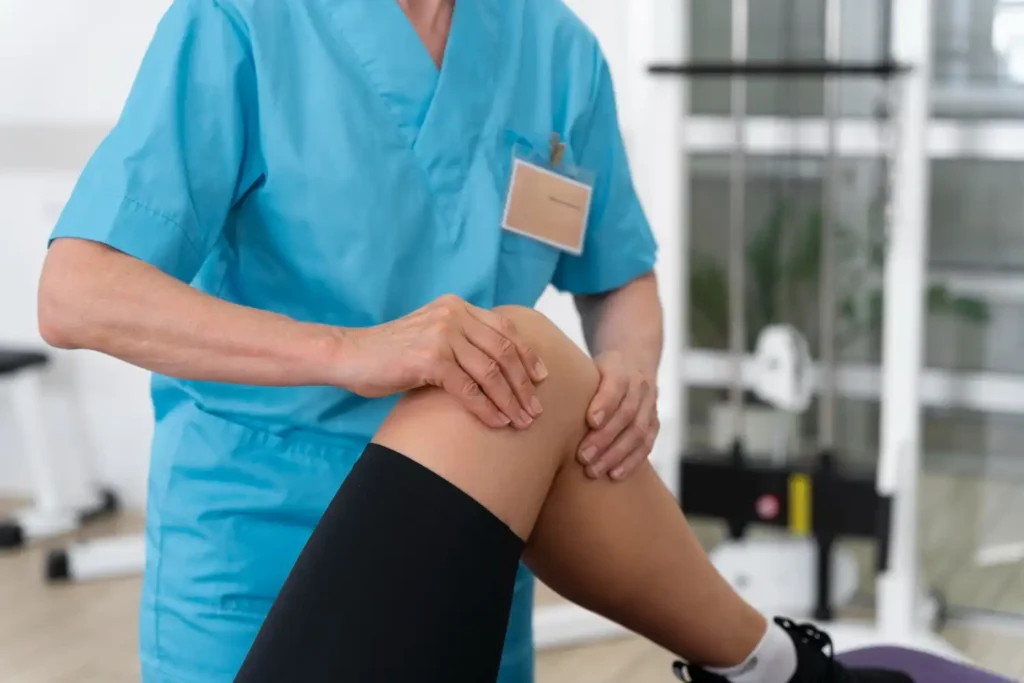
Knee pain after running diagnosis usually draws on a combination of the following, rather than any single test in isolation.
- A detailed history and physical examination, checking your range of movement, tenderness, and exactly where and when your pain occurs.
- Gait analysis knee pain assessments, particularly useful for runners since they reveal biomechanical patterns, such as overstriding or poor kneecap tracking, that aren’t always obvious from a standard exam.
- An mri for runner’s knee, not usually needed for straightforward cases, but arranged if symptoms persist despite treatment or there are signs of a more significant structural issue.
- A physio assessment knee running specialists carry out, often including strength testing for the hips and glutes, watching you walk or run on the spot, checking how your kneecap moves as you bend and straighten your knee, and asking detailed questions about your training history, footwear and any recent changes to distance or terrain.
How to Fix Sore Knees From Running
How to fix sore knees from running depends on the specific cause, but a few principles apply broadly across most running related knee pain. Knee pain after running treatment almost always works best when it addresses the underlying contributor rather than simply masking discomfort with painkillers.
Sore Knee After Running Treatment
Sore knee after running treatment typically starts with short term rest from running, ice for up to twenty minutes at a time, and avoiding activities that clearly aggravate the pain. Complete rest isn’t always necessary though, walking and gentle cross training are usually fine unless they clearly worsen your symptoms. Knee pain after running recovery time for mild, overuse related pain is often just a week or two, though this varies depending on the specific structure involved and how quickly you adjust your training in response.
How to Help Knee Pain After Running
How to help knee pain after running longer term usually means addressing the underlying cause rather than just managing symptoms. Runner’s knee treatment and physiotherapy for knee pain running both tend to focus on rebuilding strength in the hips and quadriceps, alongside knee strengthening exercises runners can do at home, such as step-ups, glute bridges and controlled squats. Consistency matters more than intensity here, a few short sessions each week, done properly, tend to produce better results than occasional, more demanding workouts that leave you too sore to keep up the routine.
Knee Pain After Running Stretches
Knee pain after running stretches, particularly for the quadriceps, hamstrings and calves, can help address tightness that contributes to poor movement patterns, though stretching alone rarely resolves the problem without addressing strength as well. Return to running after knee pain should generally be gradual, and how long does runner’s knee take to heal varies, but most mild cases improve significantly within a few weeks of consistent rest and ice knee running care combined with targeted exercise.
How to Prevent Knee Pain After Running
How to prevent knee pain after running comes down mostly to how you manage your training, rather than avoiding running altogether.
- Increase your weekly distance by around ten percent at a time, rather than jumping up suddenly, to give your knees time to adapt.
- Replace worn running shoes knee pain often traces back to, most shoes need replacing after roughly 300 to 500 miles.
- Mix in softer surfaces where possible, since running on hard surfaces knee pain can build up gradually over time.
- Build hip and glute strength, since weak hips knee pain running is one of the most consistent findings in runners with ongoing symptoms, and this also helps with running technique knee pain more broadly.
- Add cross training with cycling or swimming once or twice a week to maintain fitness while reducing repetitive impact on your knees.
- Manage your weight gradually and sensibly, since carrying excess weight increases the load travelling through the joint with every step.
If you’re new to running, NHS guidance recommends building up gradually using a structured plan, warming up properly beforehand, and choosing supportive shoes fitted at a proper running shop rather than guessing your size.
When Should You Seek Help for Knee Pain After Running
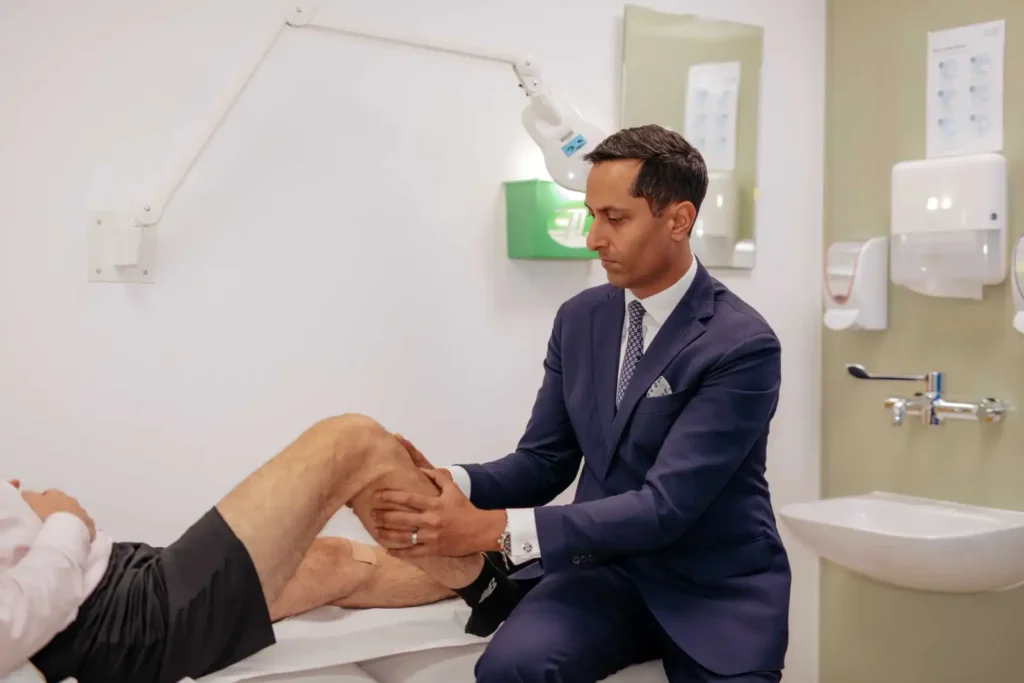
Most cases of a knee hurts after running pattern settle with simple home care, but certain signs mean it’s time for a proper assessment.
According to NHS guidance, you should see a GP straight away if your pain is severe or your knee is swollen. Beyond that, a few specific signs are worth booking an assessment for rather than continuing to push through.
- Milder pain that hasn’t improved after a week of rest.
- Knee swelling after running that’s significant rather than mild puffiness.
- Knee clicking after running combined with pain, rather than a painless click.
- Sharp knee pain after running rather than a dull, general ache.
- Knee stiffness after running that doesn’t ease within a day or two.
Expert Care for Runners at London Knee Care
If you’ve been searching for a knee specialist for runners london trusts, we provide thorough assessment at our running injury clinic london patients rely on, led personally by Mr Khakha. As a sports knee doctor london runners regularly seek out for knee running injuries, he has been in consultant practice since 2017, with particular expertise in the athletic knee and sports related injuries.
We always begin with a proper assessment before recommending treatment, so you understand exactly what’s causing your pain rather than guessing. You can read more about our clinic and book directly through our booking page.
London Knee Care
45 Queen Anne Street, London W1G 9JF
Call us on 0207 046 8008
Email us at rk@os.clinic
Or visit our contact page
Frequently Asked Questions
Is It Normal for My Knee to Hurt After Running?
Mild, short lived discomfort is common, particularly after a harder session than usual. It’s worth having checked if it lingers for more than a week, worsens, or comes with swelling or instability.
Should I Stop Running if My Knee Hurts?
Yes, at least temporarily. Continuing to run through knee pain can turn a minor, easily treated irritation into a more persistent problem, so a short break while you assess the cause is usually the safer choice.
Can Running Damage Your Knees Permanently?
For most people, no. Running related knee pain is usually down to training load, technique or muscle weakness rather than lasting joint damage, and it generally responds well to appropriate rest and rehabilitation.
How Do I Stop My Knee Hurting After Running?
Addressing the specific cause, whether that’s training load, footwear, technique or hip and quad strength, tends to work far better than simply resting and hoping it resolves on its own. If you’re not sure what’s driving your symptoms, our team is just a call away on 0207 046 8008.