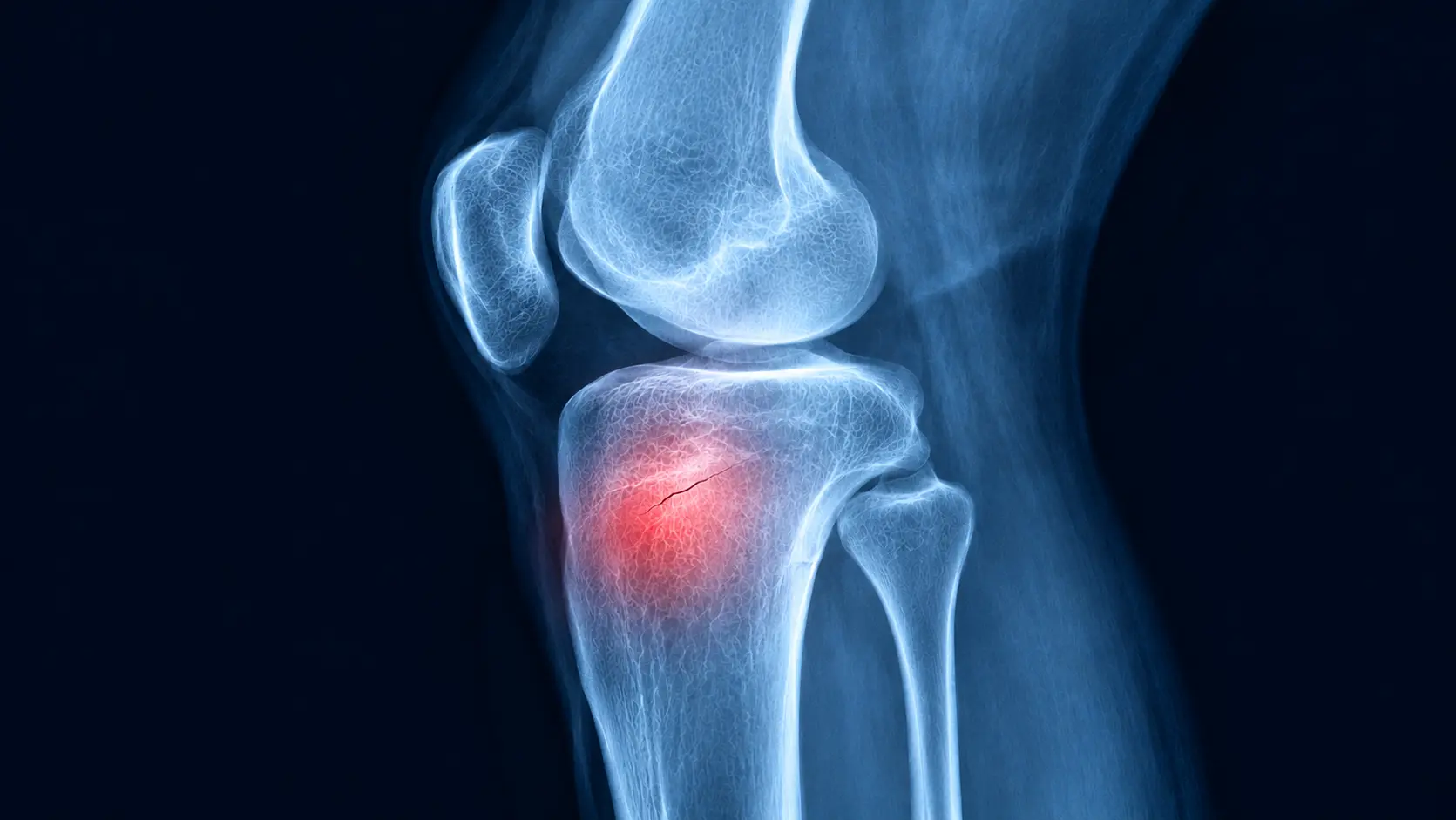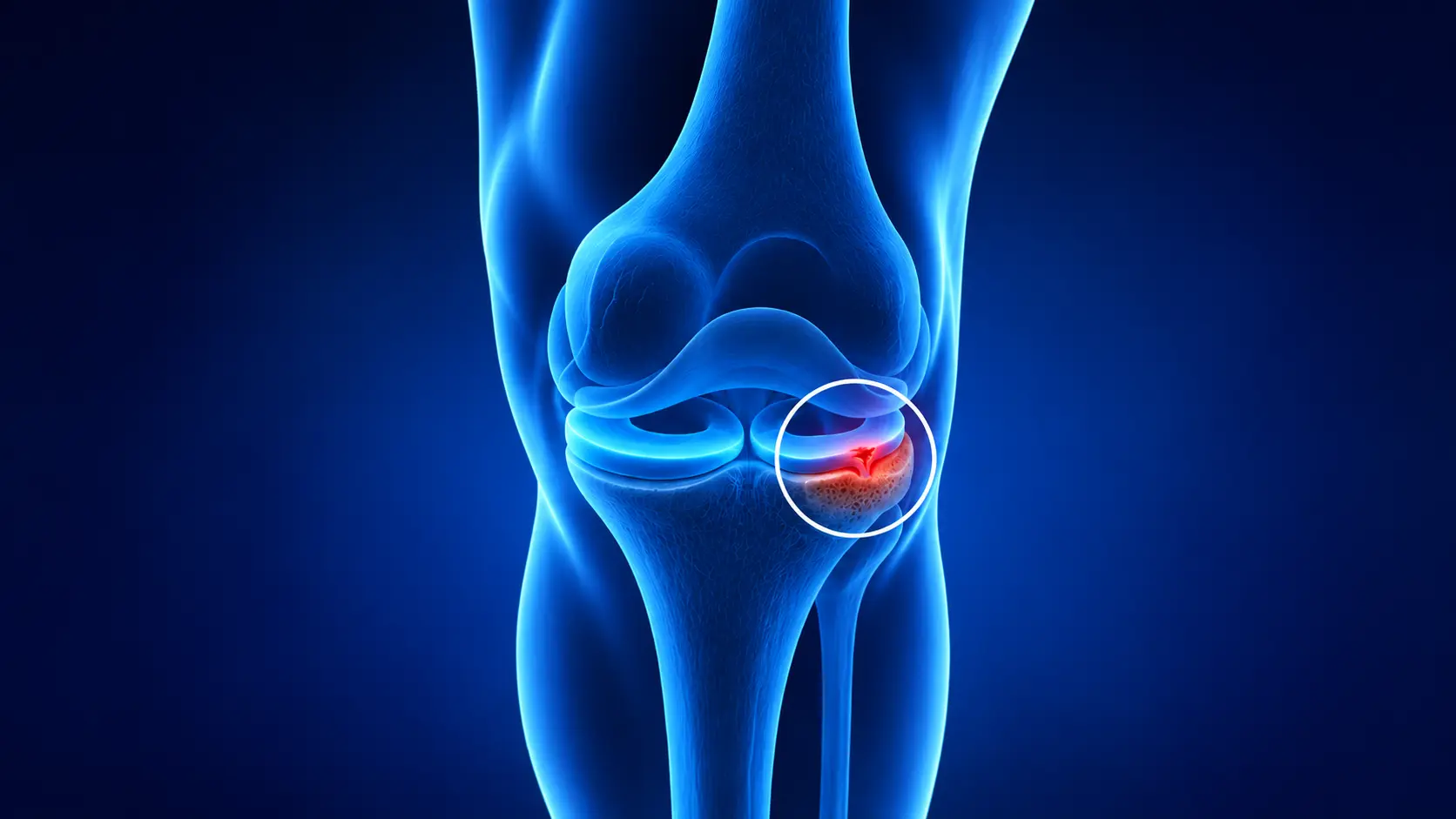
If you are in your forties or fifties with arthritis in one knee, you may already have heard the phrase “too young for a knee replacement”. It can feel like being told to put up with the pain for another ten years. In reality, being under 60 often opens up more options, not fewer. The knee osteotomy vs knee replacement question is one of the most important decisions a younger person with knee arthritis can make, and it is rarely a simple one.
At London Knee Care, we perform both operations. Mr Raghbir Khakha has carried out more than 500 knee osteotomies and also performs partial and total knee replacements, so our advice is not tied to one procedure. In this guide, we explain how we actually make the decision with you, what the evidence says for people under 60, and how recovery and long-term results compare.
What Is a Knee Osteotomy?
A knee osteotomy is a joint-preserving operation that realigns the leg by reshaping the shinbone (tibia) or thighbone (femur) near the knee. Shifting your weight away from the worn side of the joint onto healthier cartilage can reduce pain and delay, or sometimes avoid, a knee replacement.
The most common type is a high tibial osteotomy, used for bow legs with wear on the inner side of the knee. A distal femoral osteotomy, performed just above the knee, is used for knock knees with wear on the outer side. In both, the bone is held in its new position with a plate and screws while it heals. You can read more about how we perform knee osteotomy at London Knee Care.
What Is a Knee Replacement?
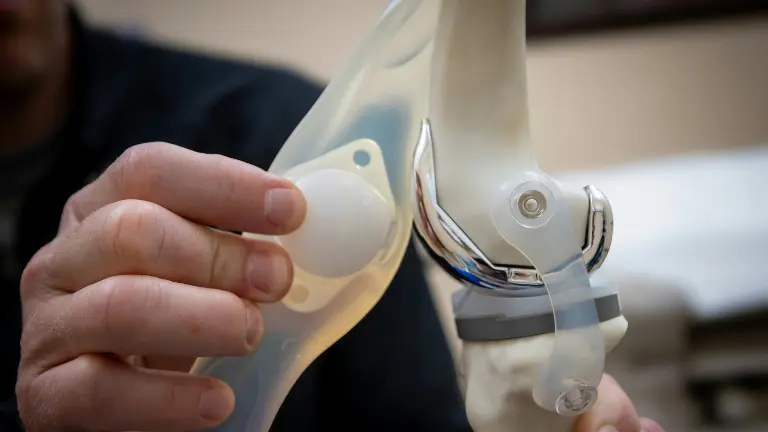
A knee replacement removes the damaged joint surfaces and replaces them with metal and plastic components. A total knee replacement resurfaces the whole joint. A partial (unicompartmental) knee replacement resurfaces only the worn compartment, usually the inner side, and keeps the healthy parts and ligaments of the knee. Our page on knee replacement surgery explains both in more detail.
Why Being Under 60 Changes the Conversation?
Knee replacement is a well-established and highly effective operation, and for many people in their late sixties and beyond it is the clear choice. The picture changes when you are considering a knee replacement under 60, because the implant has to last for more years, often under heavier use.
How Long Knee Replacements Usually Last?
A large analysis of joint registry data published in The Lancet in 2019 found that around 82% of total knee replacements and around 70% of partial knee replacements were still in place 25 years after surgery. Those are reassuring numbers. However, most people in that data were older at the time of surgery and placed lower demands on their knees.
How We Decide Between Knee Osteotomy or Knee Replacement?
When you come to see us, the question is never which operation we prefer. We work through a set of specific questions about your knee and your life, and the answers usually point clearly in one direction. Here is how we think about each one.
Where in the Knee Your Arthritis Sits?
Your knee has three compartments, the inner (medial) side, the outer (lateral) side and the joint behind the kneecap (patellofemoral). Osteotomy works best when wear is mainly in one compartment, most often the inner side, and the other two are in reasonable health. If arthritis has spread across the whole knee, there is no healthy cartilage to shift weight onto, and a total knee replacement is usually the more reliable choice.
How Your Leg Is Aligned?
Alignment is often what tips the balance. Many people with inner-side arthritis are slightly bow-legged, which concentrates load on the worn part of the joint. People with outer-side wear are often knock-kneed. We measure this precisely on full-length standing X-rays of both legs and work out whether the deformity comes from the tibia, the femur or both.
If the shape of the bone is driving the wear, correcting it treats the cause of the overload while keeping your own joint. If you have noticed your legs bowing over time, our guide to bow legs as an adult explains more.
How Much Cartilage You Have Left?
Osteotomy tends to work best for mild to moderate arthritis, where some cartilage remains on the worn side. Where the joint is bone on bone, results are more variable, although some studies show good outcomes in carefully selected younger patients. When the worn compartment is severely damaged, a partial or total knee replacement is often the more predictable route to pain relief.
Whether Your Ligaments and Movement Are Healthy?
For an osteotomy, we want a knee that bends and straightens well. A knee that cannot fully straighten, or that bends very little, is less likely to do well. Ligament damage is not always a barrier, because in some cases an osteotomy can be combined with ligament reconstruction to improve stability as well as alignment. This is an area where specialist experience really matters.
Your Weight, General Health and Smoking
Body weight affects both operations, but bone healing after an osteotomy is particularly sensitive to it. The ESSKA consensus notes higher complication rates when body mass index (BMI) is above 30. Smoking slows bone healing and raises the risk of the bone not uniting, so we strongly encourage stopping before surgery. Neither is an automatic no, but both are part of an honest conversation about risk.
What You Want Your Knee to Do Next?
This is often the deciding factor. If you want to keep hiking, play tennis, ski or work in a physical job, an osteotomy keeps your own joint, and once the bone has healed and your strength is back, most surgeons do not set formal limits on activity. A systematic review in the Journal of Bone and Joint Surgery found that around 87% of patients returned to sport after a high tibial osteotomy, and around 79% returned at the same level or higher.
Knee replacements, by contrast, are best suited to walking, cycling, swimming, golf and similar lower-impact activities. If comfortable everyday walking is your main goal, that difference may matter far less to you.
Comparing Knee Osteotomy vs Knee Replacement
In short, an osteotomy suits younger, active people with one-sided wear and malalignment, while a knee replacement gives more predictable pain relief for advanced or widespread arthritis. Here is how they compare on the points our patients ask about most. Timings are typical and vary from person to person.
Start with what each operation actually does. An osteotomy realigns the leg to take load off worn cartilage and keeps your own joint fully intact. A partial knee replacement resurfaces only the worn compartment and keeps the rest of the knee, while a total knee replacement resurfaces the whole joint.
Each one also tends to suit a different person. Osteotomy is most often a good fit for active people aged around 40 to 60 with wear on one side and a bow-legged or knock-kneed alignment. Partial replacement suits one-sided wear where the ligaments are healthy, and total replacement is usually the better option when arthritis has spread across the knee or the wear is severe.
The early weeks feel quite different. After an osteotomy, weight through the leg is sometimes limited for the first few weeks while the bone heals, and most people use walking aids for around six weeks. After a partial or total knee replacement, you can usually put full weight on the leg from the first day, with walking aids for a few weeks after a partial replacement and often up to about six weeks after a total.
Sport and pain relief are where the trade-off sits. Impact sport is often possible once an osteotomy has healed, whereas lower-impact activities are advised after either type of replacement. Pain relief after an osteotomy is good but less predictable, while partial and total replacements both give generally reliable relief.
Where Partial Knee Replacement Fits for Under 60s?
For many people under 60 with wear on the inner side of the knee, the real choice is not osteotomy against total replacement. It is osteotomy vs partial knee replacement. NICE guidance (NG157) recommends that people with arthritis limited to the inner compartment are offered a choice between partial and total knee replacement, and we add osteotomy to that conversation where alignment and activity goals make it relevant.
Studies comparing the two show that both work well in the right patient, with different strengths. A 2023 meta-analysis linked partial replacement with less pain after surgery and fewer complications, while osteotomy gave a better range of movement. A more recent analysis that grouped patients by age and activity found that people under 60 with high activity levels gained more functional benefit from osteotomy, while those over 60 with lower demands had better pain relief from a partial replacement.
The difference shows most clearly in sport. In one comparison of active patients, 62% of those who had an osteotomy were taking part in impact activities two years later, compared with 28% after a partial replacement. Partial replacement, on the other hand, often allows a quicker early recovery and very reliable pain relief, which suits people who mainly want comfortable walking. We talk you through both rather than defaulting to one.
Osteotomy Recovery vs Knee Replacement Recovery
Recovery is where the two operations feel most different, especially in the first few weeks.
The First Six Weeks
After an osteotomy, the cut bone needs about six weeks to heal enough to take full weight. Depending on the technique and the size of the correction, you may be asked to limit the weight through your leg at first and use crutches throughout this period. Physiotherapy starts straight away to keep the knee moving and the muscles working.
After a knee replacement, most people stand and walk with help on the day of surgery or the next day and can usually put full weight through the leg. Swelling, stiffness and discomfort are normal and settle gradually, and regular exercises are essential to regain bend.
Work, Driving and Everyday Life
Many people return to desk-based work within a couple of months of either operation, sometimes sooner, while physical jobs usually need longer. You should only drive once you can safely perform an emergency stop and are off strong painkillers, and it is worth checking with your insurer first. Most people keep improving for several months, and full recovery from either operation can take six months to a year.
Getting Back to Sport
This is where osteotomy has the clearest advantage. Once the bone has healed and your strength has returned, many people go back to activities such as hiking, cycling, tennis or skiing, and some return to running. Building back up to higher-impact sport is gradual and usually takes several months. After a knee replacement, we generally recommend lower-impact activities such as walking, cycling, swimming and golf to help the implant last.
Normal Recovery Signs vs Warning Signs
It can be hard to know what is normal after knee surgery, so here is a simple guide. If you are ever unsure, please contact us.
Some things are a normal part of healing. Swelling and warmth around the knee that slowly improve over the weeks are expected, as are bruising down the shin or calf, stiffness first thing in the morning and aching after exercise or a busy day. A numb patch of skin beside the scar and occasional clicking sensations are also common and usually nothing to worry about.
Other signs need checking promptly. Please contact us if redness, heat or pain starts to increase after it had been settling, if the wound leaks fluid or pus or starts to open, or if you develop a fever, chills or feel generally unwell. Pain, tenderness or swelling in the calf can signal a blood clot and should be checked quickly, and sudden severe pain or a feeling that the knee or bone has given way also needs urgent review.
Risks to Weigh Up with Each Procedure
All surgery carries some risk. Serious complications are uncommon, and we go through your individual risks in detail before you make any decision.
Possible Risks of a Knee Osteotomy
- Delayed healing or non-union of the bone, which is more likely in smokers and people with a higher BMI
- Irritation from the plate or screws, sometimes needing a second, smaller operation to remove them
- Under-correction or over-correction of the alignment
- Infection of the wound or deeper tissues
- Blood clots in the leg or lungs
- Changes to the height of the kneecap or the mechanics of the knee
- Rarely, injury to nearby nerves or blood vessels
Possible Risks of a Knee Replacement
- Infection around the implant, which may need further surgery
- Ongoing stiffness or reduced bend
- Persistent pain or discomfort despite a well-placed implant
- Blood clots in the leg or lungs
- Wear or loosening of the implant over time, which may lead to revision
- Rarely, instability, fracture, or injury to nerves or blood vessels
Can You Have a Knee Replacement After an Osteotomy?
Yes. An osteotomy does not close the door on a replacement. If your arthritis progresses years later, a partial or total knee replacement remains an option. For many younger patients, the aim of an osteotomy is to reach an age where a replacement is more likely to last the rest of their life.
The research on this is broadly reassuring. A meta-analysis found that people who had a knee replacement after an osteotomy had similar 10-year implant survival and knee scores to those having a first-time replacement. The operation did take longer, infection rates were higher and knee bend was slightly less in that group, and some other analyses have reported a higher risk of revision. We plan every osteotomy with a possible future replacement in mind, keeping the correction within careful limits so that any later operation is as straightforward as possible.
How long an osteotomy lasts also varies. Published studies commonly report that between about 80% and over 95% of osteotomies are still working 10 years later, with more people going on to a replacement after that. One long-term study found that being under 50 and a healthy weight were linked with longer-lasting results.
When Should You Seek Advice About Knee Osteotomy vs Knee Replacement?
You do not need to wait until your knee is at its worst. Osteotomy is often most effective before arthritis becomes advanced, so an early specialist opinion can keep more of your options open. It is worth booking a consultation if:
- Knee pain is limiting your work, exercise or sleep despite physiotherapy, weight management and pain relief
- You have been told you have arthritis on one side of the knee
- You have been told you are too young for a knee replacement and want to know what else is possible
- You notice your legs bowing or knocking more than they used to
- Injections helped for a while but the benefit is wearing off
- You would like a second opinion before agreeing to a knee replacement
We can assess this quickly and help you understand what your scans really mean. If you would like a specialist view, you can book an appointment with us, or contact us if you would like to ask a question first.
Please seek urgent medical help if your knee suddenly becomes hot, red and swollen with a fever, or if you cannot put weight on it after an injury.
What Happens at Your Consultation with Us?
Your first appointment is with Mr Raghbir Khakha, a consultant orthopaedic knee surgeon at Guy’s and St Thomas’ NHS Foundation Trust. He takes time to understand your symptoms, your work and the activities that matter to you, then examines your knee carefully, including its alignment, movement and stability.
The Scans and Measurements We Use
Accurate planning starts with the right images. Depending on your knee, we may arrange:
- Full-length standing X-rays of both legs, to measure alignment and plan any correction precisely
- Standing knee X-rays, to see how much joint space remains in each compartment
- An MRI scan, to look at the cartilage, menisci and ligaments
- Occasionally, a keyhole camera assessment (arthroscopy) to check the cartilage directly
We then sit down with you, go through the images together and explain which options are realistic for your knee and why. If an operation is not the right step yet, we will tell you, and we will guide you on the next steps, whether that is physiotherapy, injections or simply monitoring.
Talk Through Your Options with London Knee Care
Deciding between knee osteotomy vs knee replacement is a big step, and you deserve advice based on your knee rather than an age cut-off. At London Knee Care, your care is led by Mr Raghbir Khakha, who performs osteotomy as well as partial and total knee replacement, so we can assess this quickly and guide you towards the option that suits you best.
You can book an appointment with us online or call our team on 0207 046 8008. If you would like to ask a question first, please visit our contact us page.
Questions People Ask Before Their Appointment
How Long Does a Knee Osteotomy Last?
Results vary, but published studies commonly report that most osteotomies are still working at 10 years. For many people, an osteotomy delays the need for a knee replacement by 10 to 15 years, and some never need one.
What Is the Best Age for a Knee Osteotomy?
Osteotomy is most commonly performed between about 40 and 60, but there is no strict cut-off. Overall health, activity level, weight and the pattern of arthritis matter more than age alone, so some people in their sixties are good candidates.
Is an Osteotomy More Painful Than a Knee Replacement?
Pain after surgery varies more from person to person than by operation. The early recovery after an osteotomy can feel more demanding because of crutches and protected weight bearing while the bone heals, and some studies report less early pain after partial knee replacement than after osteotomy. We plan your pain relief carefully after both operations.
Can I Run After a Knee Osteotomy?
Many people do return to running once the bone has fully healed and their strength and control are back, usually after several months of rehabilitation. Whether running is sensible in the long term depends on the condition of the rest of your knee, which we will discuss with you.