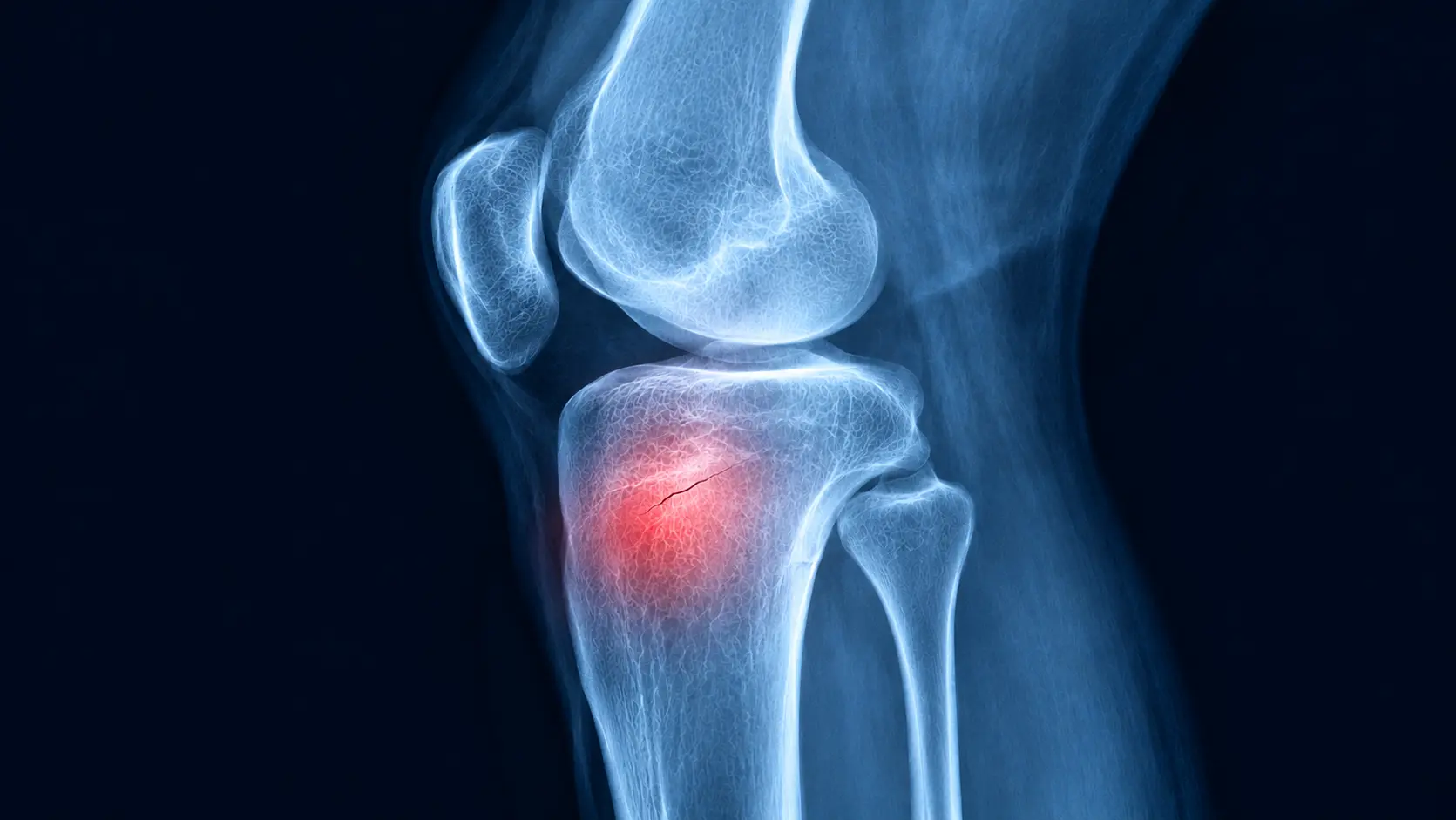
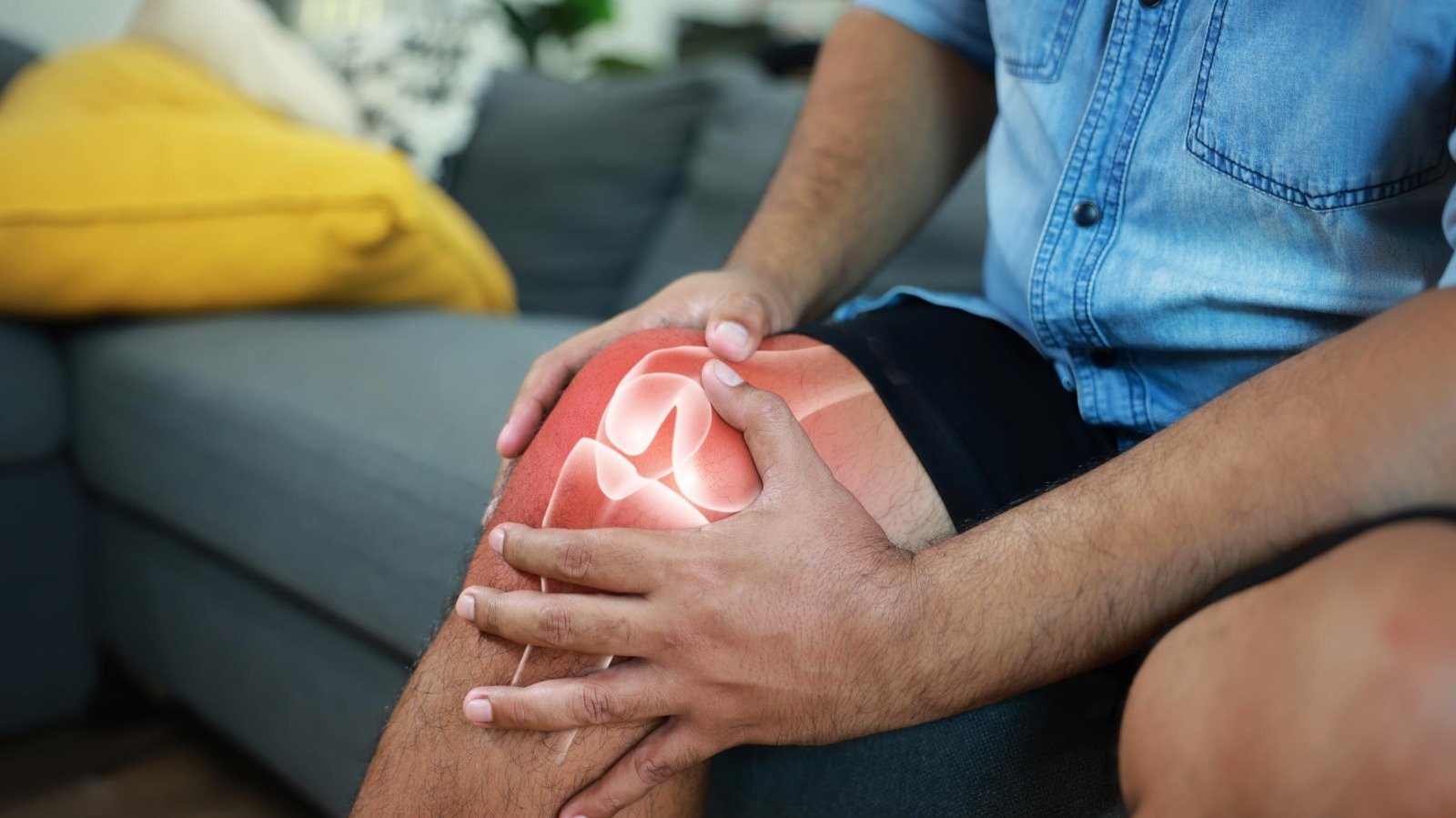
The most common torn meniscus symptoms are pain at one spot along the inner or outer joint line, swelling that builds over a day or so, catching or locking, and a knee that feels unreliable. A strain is usually vaguer and improves steadily within one to two weeks. If your knee locks, gives way or is not improving, get it examined.
You twisted your knee on the football pitch, stepped awkwardly off a kerb, or stood up from the sofa and felt something catch. A day or two later the knee is sore, a little puffy and not quite right. Many people in this position search for torn meniscus symptoms, wondering whether they have a serious injury or something that will settle.
The honest answer is that a meniscus tear can look very different from one person to the next. According to the NHS, a meniscus tear is often not serious and can improve on its own, with physiotherapy sometimes recommended. Some tears, however, cause locking or instability and need specialist care. This guide explains what the meniscus does, which signs point towards a tear, two gentle checks you can do at home, and when to have your knee assessed by a knee specialist in London.
Understanding the Knee and the Meniscus
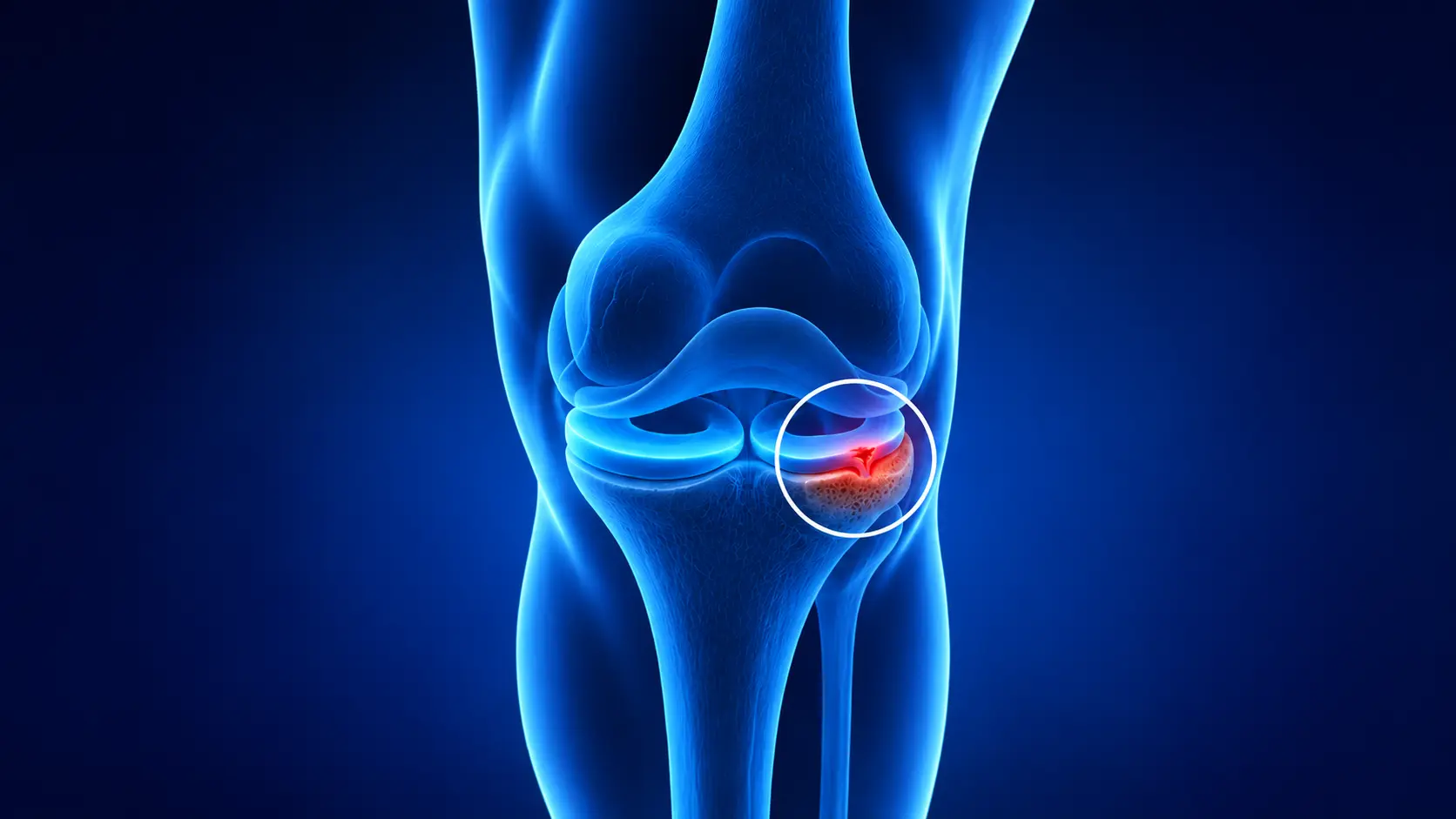
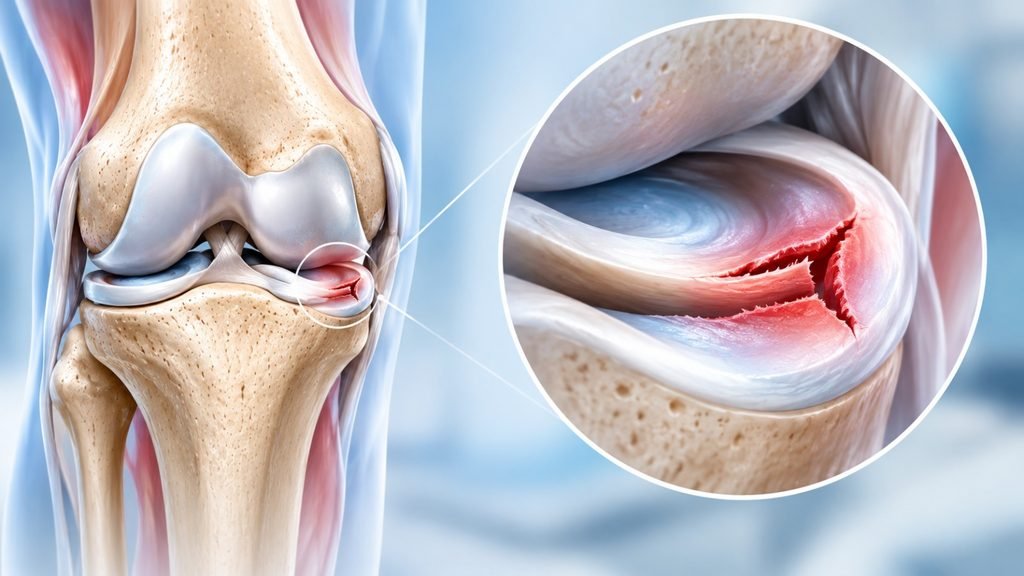
The menisci are two C-shaped pieces of tough, rubbery cartilage that sit between the thigh bone (femur) and shin bone (tibia). One lies on the inner side of the knee (the medial meniscus) and one on the outer side (the lateral meniscus). They spread your body weight across the joint, cushion each step and help the knee feel steady when you turn.
Because they take so much load, they are among the most commonly injured structures in the knee. For a wider look at how tears happen, see our guide to common causes of meniscus tear knee injuries in sports and everyday activities.
What Is a Torn Meniscus?
A torn meniscus is a rip or split in the cartilage cushion of the knee. It can happen suddenly during a twisting injury, or build up gradually as the cartilage becomes thinner and more fragile with age. Our page on meniscal tears in the knee covers the condition in more depth.
Meniscus Tear Symptoms
There are five main signs. Not everyone has all five, and one sign alone does not mean you have a tear, but together they build a recognisable picture:
- Pain at one spot along the inner or outer joint line, often worse with twisting or deep bending
- Swelling and stiffness that build over hours or a day or two
- Catching, clicking or, in some cases, true locking
- A feeling that the knee is unstable or might give way
- Difficulty squatting, kneeling or fully straightening the knee
It is also worth knowing that some tears cause no symptoms at all, and that swelling can be slow to appear. Mayo Clinic notes it can take 24 hours or more for pain and swelling to begin, especially with a small tear.
Knee Pain That Is Localised and Activity-Related
Meniscus pain tends to sit at a specific spot along the joint line, the line you can feel across the inner or outer side of the knee when it is bent. Inner-side pain points towards the medial meniscus, outer-side pain towards the lateral meniscus. It often worsens with twisting, pivoting, deep bending or stairs, and eases with rest. A general ache all around the kneecap is less typical and may have another cause.
Swelling and a Stiff, Tight Knee
Swelling usually builds over several hours to a day or two rather than immediately. The knee may look puffy, feel tight and be hard to bend or straighten fully. Stiffness is often worst first thing in the morning or after sitting.
Locking, Clicking or Catching
A torn piece of cartilage can move into the wrong place inside the joint, causing a catch, a click or, sometimes, true locking, where the knee gets stuck and will not fully straighten. Clicking alone is very common and often harmless. It matters more when it comes with pain, swelling or a sense that something is blocking movement.
A Knee That Feels Unstable
Some people describe the knee as wobbly, especially when changing direction or coming downstairs. A tear can cause this, but giving way can also point to a ligament problem, which is one reason a proper examination matters. Our guide to why your knee gives way on stairs or standing up explains the other causes.
Difficulty Squatting, Kneeling or Fully Bending
Deep bending squeezes the back of the menisci, so this is often where a tear shows itself. You may feel sharp pain when you squat to pick something up, kneel to garden or sit cross-legged, and some people cannot straighten the knee completely, which can cause a slight limp.
Minor Strain or Possible Meniscus Tear
This table is a guide only and cannot replace an assessment.
| Feature | More likely a minor strain | More likely a meniscus tear |
| Pain location | Vague, around the whole knee | Pinpoint along the inner or outer joint line |
| Triggered by | General overuse | A twist, a pivot or a deep squat |
| Swelling | Mild, settles within days | Returns after activity and lingers |
| Movement | Slightly tight but moves freely | Catching, locking or a block to straightening |
| Stability | Feels steady | Feels unreliable or gives way |
| Progress | Improves steadily over 1 to 2 weeks | Does not improve, or keeps flaring up |
Two Gentle Home Checks
These checks cannot diagnose a tear. They simply help you notice patterns worth mentioning to a specialist. Go slowly, stop if anything hurts sharply, and do not force the knee. If your knee is locked, very swollen or will not take your weight, skip them and seek assessment instead.
The Joint-Line Press
Sit with your knee bent to about 90 degrees and your foot flat on the floor. With your fingertips, find the soft groove on the inner side of the knee just below the kneecap. Press lightly and slide along it, then repeat on the outer side. A clearly tender spot, compared with the other knee, is a common feature of a meniscus problem. Widespread general soreness is less specific.
The Comfortable Squat Limit
Holding a worktop for support, lower into a partial squat only as far as is comfortable. Note where pain, catching or tightness begins and compare it with the other knee. Do not bounce or twist at the bottom, as this can aggravate a tear. If a deep squat is painful or the knee no longer bends as far as before, make a note to share with your clinician.
Torn Meniscus from Injury or from Wear
Tears fall into two broad groups, and the symptoms can feel quite different.
Sudden Injury Tears
These are more common in younger, active people and usually follow a twist with the foot planted, as in football, rugby, netball or skiing. You may feel or hear a pop, and the knee often becomes painful and swollen within a day. Locking is more likely with this type.
Wear-Related (Degenerative) Tears
With age, the meniscus becomes more brittle and can tear with very little force, such as rising from a low chair or kneeling. Symptoms are often milder and slower to build: aching, stiffness and occasional catching. These tears often appear alongside early knee wear, so the full picture needs careful assessment. If joint wear is a concern, see our page on knee osteoarthritis.
When Should You Seek Medical Advice for Torn Meniscus Symptoms?
Many mild knee injuries settle with a few days of rest, but do not wait and hope if any of these apply:
- Your knee is locked and will not straighten fully
- You cannot put weight through the leg
- Swelling is significant or keeps returning
- The knee repeatedly gives way
- Pain has not improved after one to two weeks
- You had a twisting injury and a pop, followed by swelling
Get urgent help from A&E or NHS 111 if your knee becomes hot, red and very swollen, especially with a fever, or if you cannot move it at all after a serious injury. These can signal infection or other significant damage.
If you are unsure, you can contact London Knee Care and we will help you decide what to do next.
How We Diagnose Meniscus Tears
Diagnosis starts with listening: how the injury happened, where it hurts and what your knee does day to day. That conversation often tells us a great deal before we examine the knee.
The Physical Examination
We check for swelling, tenderness along the joint line, range of movement and stability, and use specific movement tests that gently guide the knee through bending and rotation to see whether they reproduce your pain or a click. We also check the ligaments, because meniscus and ligament injuries often occur together.
Scans and Imaging
An MRI scan is the most useful test for confirming a tear. It shows its shape, size and position and any other damage in the joint. An X-ray does not show cartilage, but it can rule out fractures and show signs of arthritis. Not everyone needs a scan straight away, and we only recommend imaging when it will change our advice.
Do Meniscus Tears Need Surgery?
Often not. The right treatment depends on the type and position of the tear, your age, your symptoms and what you want to get back to doing.
The evidence for degenerative (wear-related) tears is particularly clear. In the five-year follow-up of the ESCAPE randomised trial, which enrolled 321 adults aged 45 to 70, physiotherapy was not inferior to keyhole partial meniscectomy, and the authors concluded it should be the preferred first treatment. Younger people with recent injury tears are a different group, and some of them do go on to need surgery.
Surgery is usually considered when the knee is truly locked, a displaced fragment keeps catching, or symptoms persist despite good non-surgical care. Keyhole (arthroscopic) surgery may repair the tear where possible, or trim away the damaged portion. Like any operation it carries risks, including infection, stiffness and blood clots, and a repair may not heal fully, so we discuss the benefits and limits openly before any decision. You can read about the procedures we offer on our knee treatments page.
What to Expect When Recovering from a Torn Meniscus
Recovery varies with the type of tear, your age and the treatment chosen. With non-surgical care, many people find the knee settles over several weeks as swelling eases and strength returns through physiotherapy, though wear-related tears can take longer. After keyhole trimming, people generally return to everyday activity sooner than after a repair, which needs more protection and a longer return to sport. These are general patterns only, and your surgeon and physiotherapist will give you a timeline based on your own knee.
Why Waiting Can Narrow Your Options
A meniscus tear that is ignored can keep catching inside the joint. Over time, a fragment that keeps catching can irritate the joint and may make a repair less likely to be possible than it would have been earlier. This does not mean every tear needs surgery. Early assessment mainly keeps more choices open, including the option of simply monitoring a tear that is not causing problems.
Frequently Asked Questions
What does a torn meniscus feel like?
Most people describe a deep, localised pain on the inner or outer side of the knee, often with swelling, stiffness and a catching or clicking feeling. Twisting, squatting and stairs usually make it worse.
How is a torn meniscus treated?
Treatment ranges from rest, activity changes and physiotherapy to injections and keyhole surgery. The plan depends on the tear, your age and your goals.
When does a meniscus tear need surgery?
Surgery is usually considered for a locked knee, a tear that keeps catching or giving way, or ongoing symptoms despite a proper period of non-surgical treatment.
Can you walk on a torn meniscus?
Many people can, especially with smaller or wear-related tears, though it may be painful and the knee can feel stiff or unreliable. If it is locked, keeps giving way or will not take your weight, get it assessed promptly.
How long does a torn meniscus take to heal?
It varies. The NHS notes a tear can get better on its own over time. Small tears in the outer part of the meniscus tend to have a better chance of healing than those in the inner part, and recovery after surgery depends on whether the tear is trimmed or repaired.
Is it a torn meniscus or a knee sprain?
A sprain usually feels vague, improves steadily over one to two weeks and lets the knee move freely. A tear more often causes pinpoint pain along the joint line, catching or locking and swelling that keeps returning. A hands-on examination is the most reliable way to tell them apart.
Book a Torn Meniscus Assessment at London Knee Care
If your knee has been painful, swollen, catching or giving way, you do not have to work out what is wrong on your own. At London Knee Care, Mr Raghbir Khakha, a specialist knee surgeon with over 15 years of experience, will listen to what happened, examine your knee and explain what he finds in plain language. We arrange a scan only when it will help, and guide you through your options, whether that is rehabilitation, an injection or a conversation about surgery.
To arrange an assessment at our London clinic, get in touch with us, or read more about London Knee Care first.