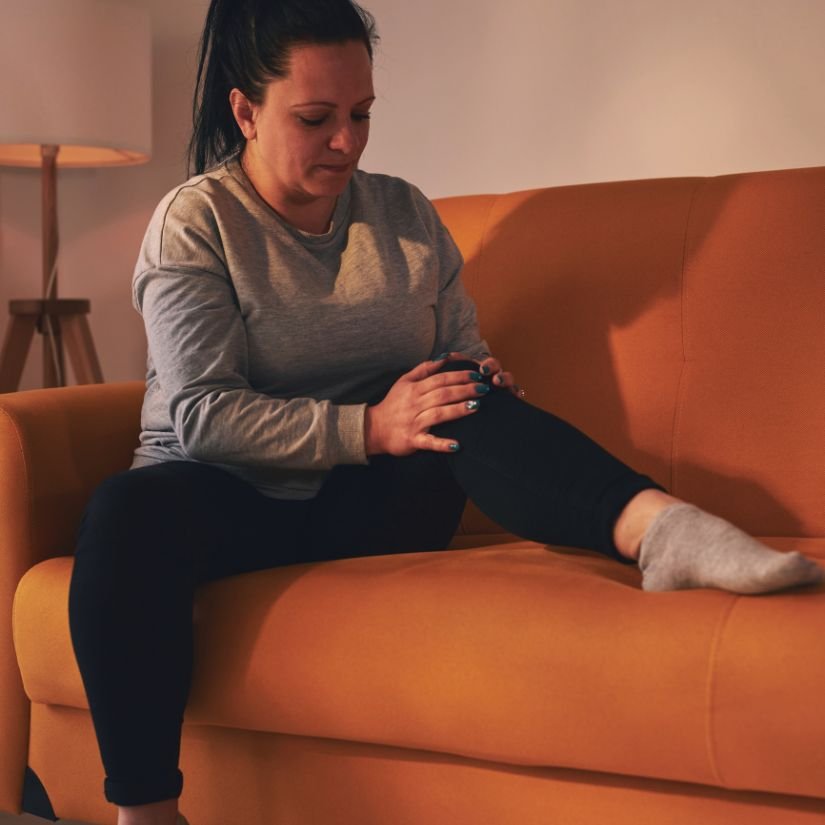
If your knee is still stiff weeks or months after surgery, and you are not making the progress you expected, you are not imagining it. Most people expect some stiffness in the early days after a knee operation. But when the stiffness does not improve, when you still cannot bend or straighten your leg properly despite doing everything your physiotherapist has asked, there may be a specific reason behind it.
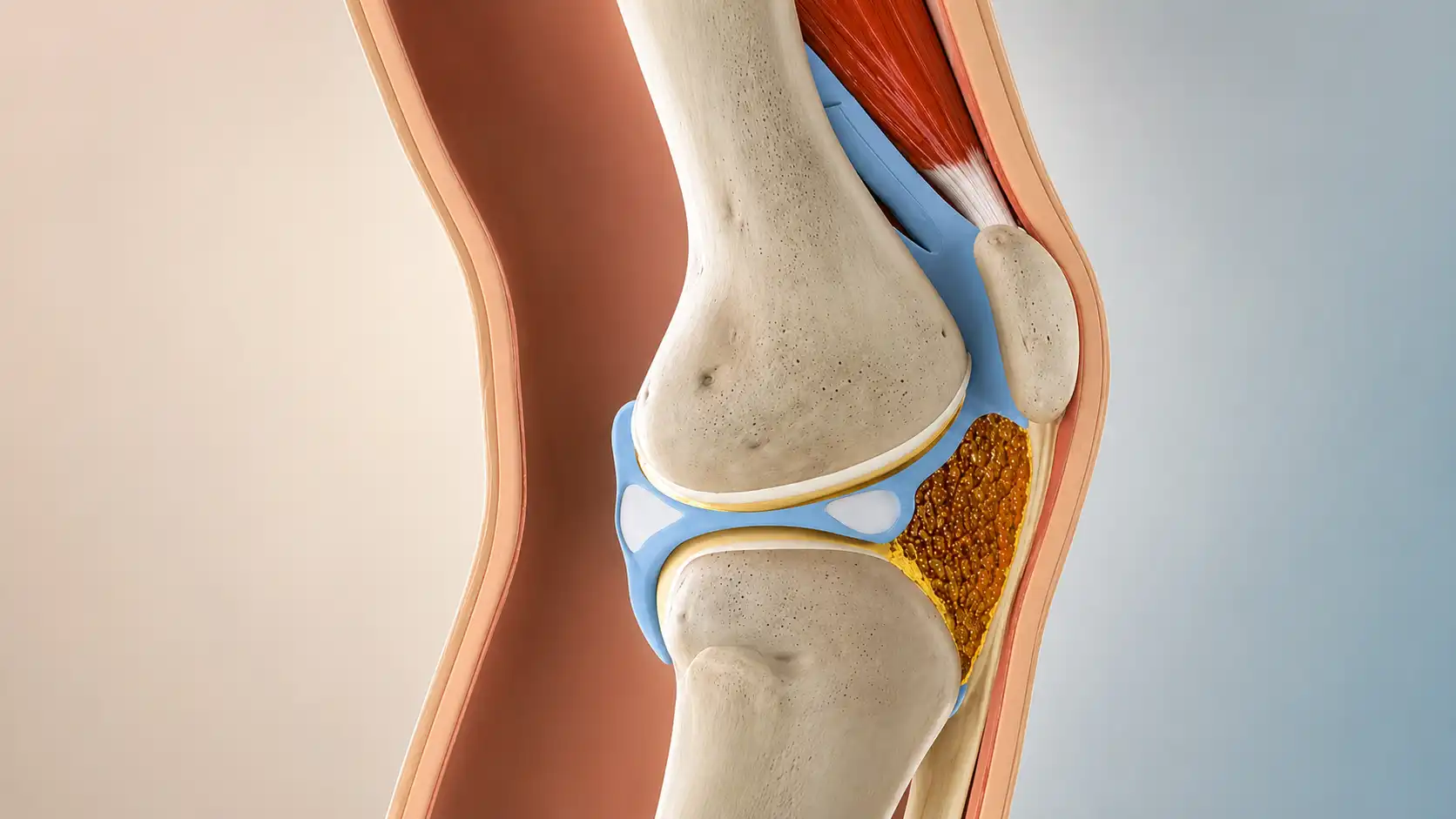
That reason is often arthrofibrosis. Knee arthrofibrosis is a condition where the body produces too much scar tissue inside and around the knee joint after surgery or injury. Instead of healing normally, the tissue becomes thick, dense, and restrictive, limiting how far your knee can move. It is not a sign that your surgery went wrong, and it is not something you caused by not trying hard enough in rehabilitation. It is a recognised medical complication that affects a meaningful number of people after knee surgery, and it can be assessed and treated.
This guide explains what arthrofibrosis of the knee is, why it develops, what the symptoms look like, and what your options are if your knee is not recovering the way it should.
What Is Arthrofibrosis and Why Does It Happen After Knee Surgery
Arthrofibrosis is an abnormal healing response. After any surgery or significant injury, the body naturally produces scar tissue as part of the repair process. In most people, this process is controlled and the scar tissue remains flexible enough to allow normal movement. In some people, the body goes into overdrive and produces far more scar tissue than is needed. This excess tissue forms adhesions, thick bands of fibrous material that stick to the surfaces inside the joint, filling spaces that should remain open and flexible.
The result is a knee that feels locked, tight, or impossible to move through its full range. Knee scar tissue after surgery is the underlying mechanism, and understanding this helps explain why simply pushing harder in physiotherapy does not always solve the problem. You cannot stretch or exercise your way through dense, mature scar tissue the way you can through normal post-operative stiffness.
Arthrofibrosis After Knee Replacement and Why It Develops
Arthrofibrosis after knee replacement is one of the most common contexts in which we see this condition. Research suggests it affects somewhere between 3 and 10 percent of people who undergo total knee replacement, making it a recognised and not uncommon complication rather than a rare event.
After a knee replacement, the joint needs time to settle and the surrounding tissues need to adapt to the implant. In some patients, this process triggers an exaggerated inflammatory response that leads to excessive scar tissue build up inside the joint capsule. The knee becomes progressively stiffer rather than gradually more mobile, which is the opposite of what should happen during a normal recovery.
Arthrofibrosis After ACL Surgery
Arthrofibrosis after ACL surgery is less common than after knee replacement, but it does occur and can be particularly frustrating for younger, active patients who were expecting a full return to sport. After ACL ligament surgery, excessive scar tissue can form in the front of the knee joint, sometimes in an area called the intercondylar notch, which is the space where the reconstructed ligament sits. This can block full straightening of the knee, a problem known as extension loss, which affects walking pattern and can cause secondary problems in the hip and lower back if left unaddressed.
Stiffness After Knee Replacement and When It Becomes a Concern
Some stiffness after knee replacement is completely normal, particularly in the first few weeks. The joint has been through significant surgery and the surrounding tissues need time to recover. What matters is the direction of travel. A normal recovery involves stiffness that gradually and consistently improves week by week as you work through your rehabilitation programme.
A stiff knee after replacement surgery that is not improving, or that improves slightly and then plateaus, is a different situation. If you are several weeks or months into your recovery and your knee still feels tight, restricted, or painful to move, this is worth raising with a specialist rather than assuming more time and effort will eventually resolve it.
How Long Does Stiffness Last After Total Knee Replacement
How long does stiffness last after total knee replacement is one of the most common questions we hear from patients. In a straightforward recovery, most people notice meaningful improvement in their range of movement within six to twelve weeks, and continue to make gains up to around twelve months after surgery.
However, if your knee stiffness is not improving by around six to eight weeks despite consistent physiotherapy, or if your range of movement seems to have stopped progressing entirely, this warrants specialist assessment. Waiting too long to investigate persistent stiffness can make arthrofibrosis harder to treat because scar tissue becomes denser and more resistant over time.
Arthrofibrosis Symptoms to Watch Out For
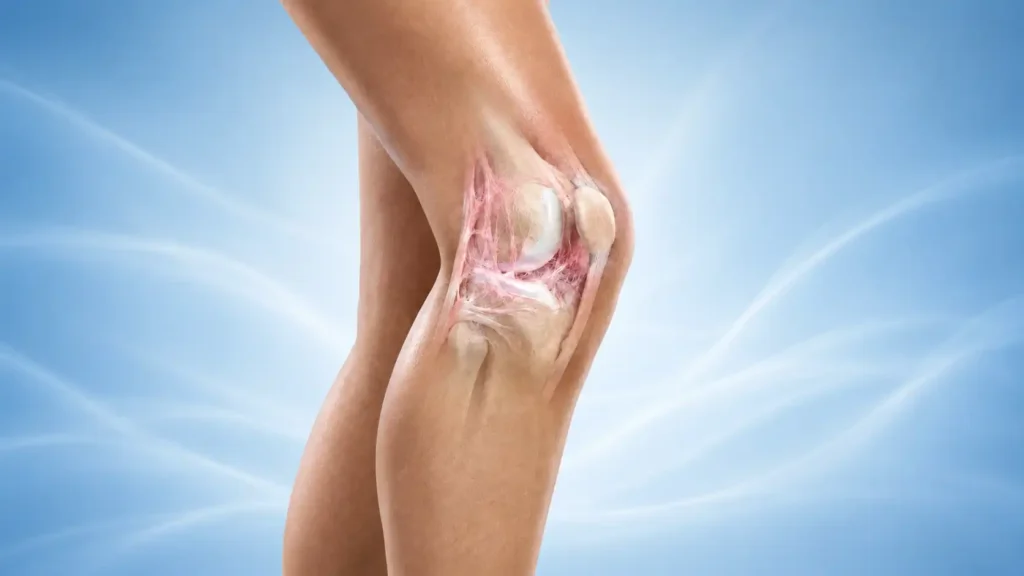
Recognising arthrofibrosis symptoms early gives you the best chance of a good outcome. The condition does not always announce itself dramatically. More often it shows up as a gradual frustration during recovery, a sense that your knee is stuck rather than simply healing slowly.
The most common symptoms include the following.
- Your knee will not bend past a certain point despite weeks of physiotherapy
- You cannot straighten your knee fully and your leg looks slightly bent even at rest
- The knee feels tight or locked rather than flexible and improving
- Pain is present not just during exercise but during normal daily movement
- Swelling persists beyond the expected recovery window
- Walking feels awkward because your knee will not move through its normal range
If several of these apply to you, particularly if they are not improving or are getting worse, it is worth seeking a specialist opinion rather than continuing with standard rehabilitation alone.
What Causes Arthrofibrosis of the Knee
Understanding what causes arthrofibrosis helps explain why it affects some people after surgery and not others, and why it is not simply a matter of doing more exercise.
Arthrofibrosis causes come down to an overactive inflammatory response in the knee. After surgery or injury, the body sends immune cells and signalling molecules to the knee to begin the repair process. In most people, this response switches off at the right time. In those who develop arthrofibrosis, it does not switch off properly. The result is excessive scar tissue in knee joint spaces that should remain clear and mobile.
Several factors are known to increase the risk. Operating on a knee that is still very swollen and inflamed from a recent injury, prolonged immobilisation after surgery, a large bleed inside the joint, infection, and in some cases a possible genetic predisposition to excessive scarring have all been associated with arthrofibrosis. Knee scar tissue build up can also be triggered by a poorly positioned surgical graft after ACL reconstruction, which is one reason why surgical precision and post-operative rehabilitation both matter enormously in preventing this complication.
How We Diagnose Arthrofibrosis
Diagnosing arthrofibrosis starts with a thorough clinical assessment. We will ask you about your surgery, how your recovery has progressed, and exactly what movements your knee will and will not do. A physical examination lets us measure your range of movement precisely and identify whether the restriction is coming from inside the joint or from the surrounding soft tissues.
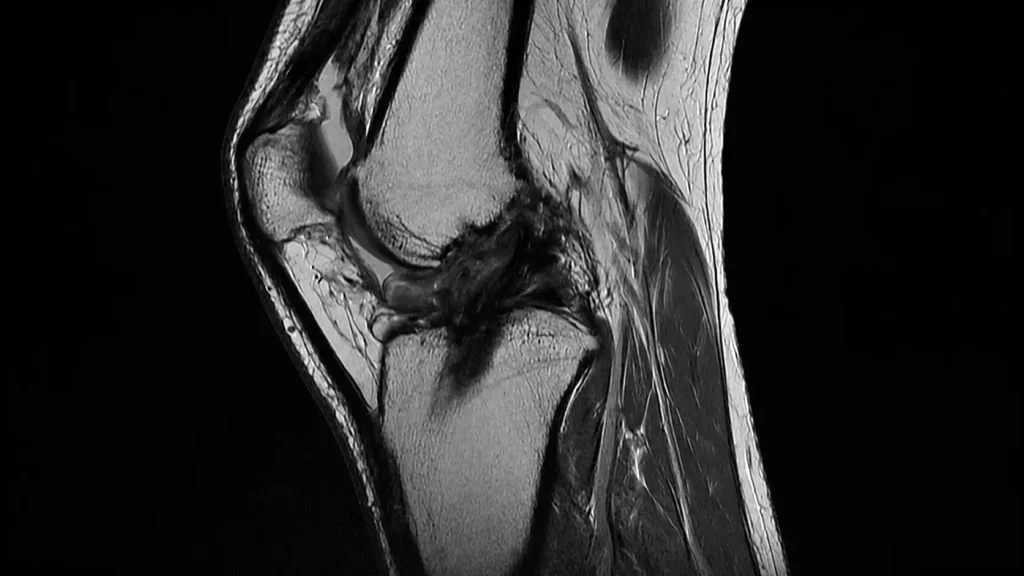
Arthrofibrosis knee MRI is one of the most useful diagnostic tools available. An MRI can show us thickened, fibrotic tissue inside the joint capsule, areas of scarring around the kneecap, and any other structural problems that might be contributing to your stiffness. This matters because not all post-surgical stiffness is arthrofibrosis. Other causes, including a bucket-handle meniscus tear, a poorly positioned graft, or implant-related issues after knee replacement, can produce similar symptoms and need to be ruled out before treatment is planned. Getting the diagnosis right is the foundation of getting the treatment right.
Arthrofibrosis Treatment Options
Arthrofibrosis treatment depends on how severe the scar tissue is, how long it has been present, and how much it is affecting your daily life and recovery. There is no single treatment that works for every case, and we always begin with the least invasive option that is likely to produce a meaningful result.
For early or mild arthrofibrosis, intensive physiotherapy with a specialist who understands this condition can make a real difference. This is not standard post-operative exercise. It involves specific techniques to address scar tissue, targeted stretching at end range positions, and carefully managed loading that does not further inflame the joint. Getting the right physiotherapy from a specialist who understands arthrofibrosis is genuinely different from general post-operative rehabilitation.
Manipulation Under Anaesthetic for Knee Stiffness
When physiotherapy alone is not sufficient, manipulation under anaesthetic, commonly called MUA, is often the next step. MUA knee surgery involves your surgeon gently but firmly moving your knee through its range of movement while you are under a general anaesthetic. This breaks down the scar tissue adhesions that are restricting your movement without making any incisions into the joint.
MUA is most effective when performed before the scar tissue has fully matured, typically within the first few months of stiffness developing. The results can be very encouraging, with many patients gaining meaningful range of movement immediately after the procedure. However, the improvement needs to be maintained through intensive physiotherapy in the days and weeks that follow, since scar tissue can begin to reform quickly if the range of motion gained is not actively preserved.
Arthroscopic Lysis of Adhesions
For more established or severe arthrofibrosis, arthroscopic lysis of adhesions may be recommended. This is a form of keyhole surgery where we use a small camera and fine instruments inserted through tiny incisions to locate and carefully remove the scar tissue adhesions from inside the joint. Unlike open surgery, keyhole arthroscopy allows us to see and treat the scar tissue directly with minimal disruption to the surrounding structures.
Arthrofibrosis knee surgery of this type is more complex than standard keyhole procedures and requires a surgeon with specific experience in treating this condition. The goal is to restore range of movement by clearing the scar tissue while minimising any new inflammatory stimulus that could trigger further scarring. Post-operative physiotherapy immediately after the procedure is essential to maintain the movement gained.
How to Prevent Arthrofibrosis After Knee Surgery
How to prevent arthrofibrosis is a question worth asking before any planned knee surgery rather than only after problems develop. While it is not possible to eliminate the risk entirely, several factors consistently reduce it.
Early mobilisation after knee surgery is one of the most important protective measures. Starting gentle movement of the knee joint as soon as possible after surgery, guided by your physiotherapist, helps prevent adhesions from forming and maturing. Preventing knee stiffness after surgery through controlled early movement is far easier than treating established scar tissue later.
Physiotherapy after knee surgery should begin promptly and be guided by someone experienced in post-operative knee rehabilitation. Swelling management in the early weeks also matters because a persistently swollen, inflamed joint is more likely to produce excessive scar tissue. Attending all follow-up appointments and flagging any concerns about your range of movement early rather than waiting gives the best chance of catching any problems before they become established.
Living With Arthrofibrosis and What Recovery Looks Like
Living with arthrofibrosis can feel isolating, particularly when recovery is not going the way you expected or the way others seem to be recovering after similar surgery. It is important to know that this is a recognised condition with real, treatable causes rather than a reflection of how hard you have worked or how well you coped with surgery.
Arthrofibrosis recovery time varies considerably depending on how severe the scar tissue is, when treatment begins, and which treatment is used. For mild cases treated early with intensive physiotherapy, meaningful improvement can occur over weeks to months. For cases requiring MUA or keyhole surgery, the recovery process continues for several months after the procedure as the joint adapts and physiotherapy consolidates the gains made.
Can arthrofibrosis be cured? For many patients, yes, significant and lasting improvement is achievable, particularly when the condition is recognised and treated early. For some patients with more severe or long-standing arthrofibrosis, the goal becomes maximising function and minimising pain rather than achieving a complete return to pre-surgery movement. We always give you an honest picture of what is realistically achievable for your specific situation rather than offering false reassurance.
Does arthrofibrosis get worse over time if left untreated? Unfortunately yes. Scar tissue matures and becomes denser the longer it is present, which is why early assessment and treatment gives the best outcomes. If you are concerned your knee is not recovering as it should, acting sooner rather than later is genuinely in your interest.
Is Arthrofibrosis a Disability
For some people, arthrofibrosis significantly limits their ability to walk, work, drive, and manage daily activities. In that sense, it can absolutely function as a disability in practical terms, affecting quality of life in ways that go well beyond the knee itself.
Whether arthrofibrosis qualifies as a disability for legal or benefits purposes in the UK depends on how it affects your ability to carry out normal day-to-day activities and whether that impact is long-term. We are not able to make that determination for you, but we can provide thorough clinical documentation of your condition, symptoms, and functional limitations, which may support any formal assessment or application you need to make.
Expert Care for Arthrofibrosis at London Knee Care
If your knee is still stiff after surgery and you feel like your recovery has stalled, we want you to know that there are real options available and that you do not have to keep pushing through on your own.
As an arthrofibrosis specialist London patients can access promptly, we offer thorough assessment, the right imaging, and a treatment plan built around your specific situation. We see patients who have been struggling with stiff knee after surgery for weeks or months, sometimes having been told simply to keep going with physiotherapy, and we give them a clear explanation of what is actually happening and what can be done about it.
Our clinic is led by Mr Raghbir Khakha, a consultant orthopaedic surgeon with over fifteen years of specialist experience in complex knee conditions including arthrofibrosis, knee replacement, ligament reconstruction, and keyhole surgery. He takes a careful, patient-focused approach to every case, explaining your findings clearly and discussing all available options so you can make an informed decision about your care.
You can book your consultation directly online at a time that suits you. If you would prefer to speak with our team first, please contact us and we will help you work out the most appropriate next step.
Frequently Asked Questions About Arthrofibrosis
Can arthrofibrosis be cured?
For many patients, significant and lasting improvement is achievable, particularly when the condition is caught and treated early. Some patients with milder arthrofibrosis recover well with intensive physiotherapy alone. Others need MUA or keyhole surgery. A complete return to full pre-surgery movement is not guaranteed for everyone, but meaningful improvement in function and reduction in pain is a realistic goal for most patients with appropriate treatment.
Can arthrofibrosis go away on its own?
Mild cases may improve with time and consistent physiotherapy, but arthrofibrosis does not typically resolve without intervention. Scar tissue does not dissolve on its own, and the longer it is present, the denser and more resistant it becomes. Waiting without seeking assessment usually makes the condition harder to treat rather than allowing it to settle naturally.
Is arthrofibrosis permanent?
Not necessarily, but the longer it goes untreated, the more permanent the restriction can become. Early treatment gives the best chance of a meaningful recovery. Even long-standing arthrofibrosis can sometimes be improved with surgical intervention, though outcomes become less predictable the more established the scar tissue is.
How common is arthrofibrosis after knee replacement?
Research suggests arthrofibrosis affects somewhere between 3 and 10 percent of people after total knee replacement. It is one of the most common reasons for a stiff knee that does not improve during the expected recovery period, and it is a recognised complication rather than an unusual or unexplained outcome.
Does arthrofibrosis get worse over time?
Yes, if left without treatment, arthrofibrosis tends to worsen as scar tissue matures, hardens, and becomes more resistant to treatment. This is one of the most important reasons to seek assessment promptly if your knee is not improving as expected rather than waiting to see if things improve on their own.
What percentage of knee surgeries develop arthrofibrosis?
The risk varies depending on the type of surgery. After total knee replacement, figures of 3 to 10 percent are commonly cited in the research literature. After ACL reconstruction, the incidence is lower but still recognised. Certain risk factors, including operating on a very inflamed joint, prolonged immobilisation, and joint infection, increase the likelihood significantly.
Is manipulation under anaesthetic painful?
The manipulation itself is performed while you are under a general anaesthetic, so you will not feel anything during the procedure. Afterwards, the knee will feel sore and swollen for several days as the joint settles following the scar tissue release. This discomfort is expected and managed with pain relief. Starting physiotherapy promptly in the days immediately after MUA is essential to maintain the movement gained.
How many times can you have MUA on the knee?
There is no absolute limit, but MUA is generally most effective the first time it is performed, before scar tissue has fully matured. Repeated MUA procedures can be considered in selected cases, but each subsequent procedure carries a risk of diminishing returns and potential complications. If MUA does not produce lasting improvement, arthroscopic lysis of adhesions or other surgical options may be considered as the next step. This is always assessed individually based on your specific situation.