Why Osteotomy Knee Surgery Is Gaining Attention Among Active Patients
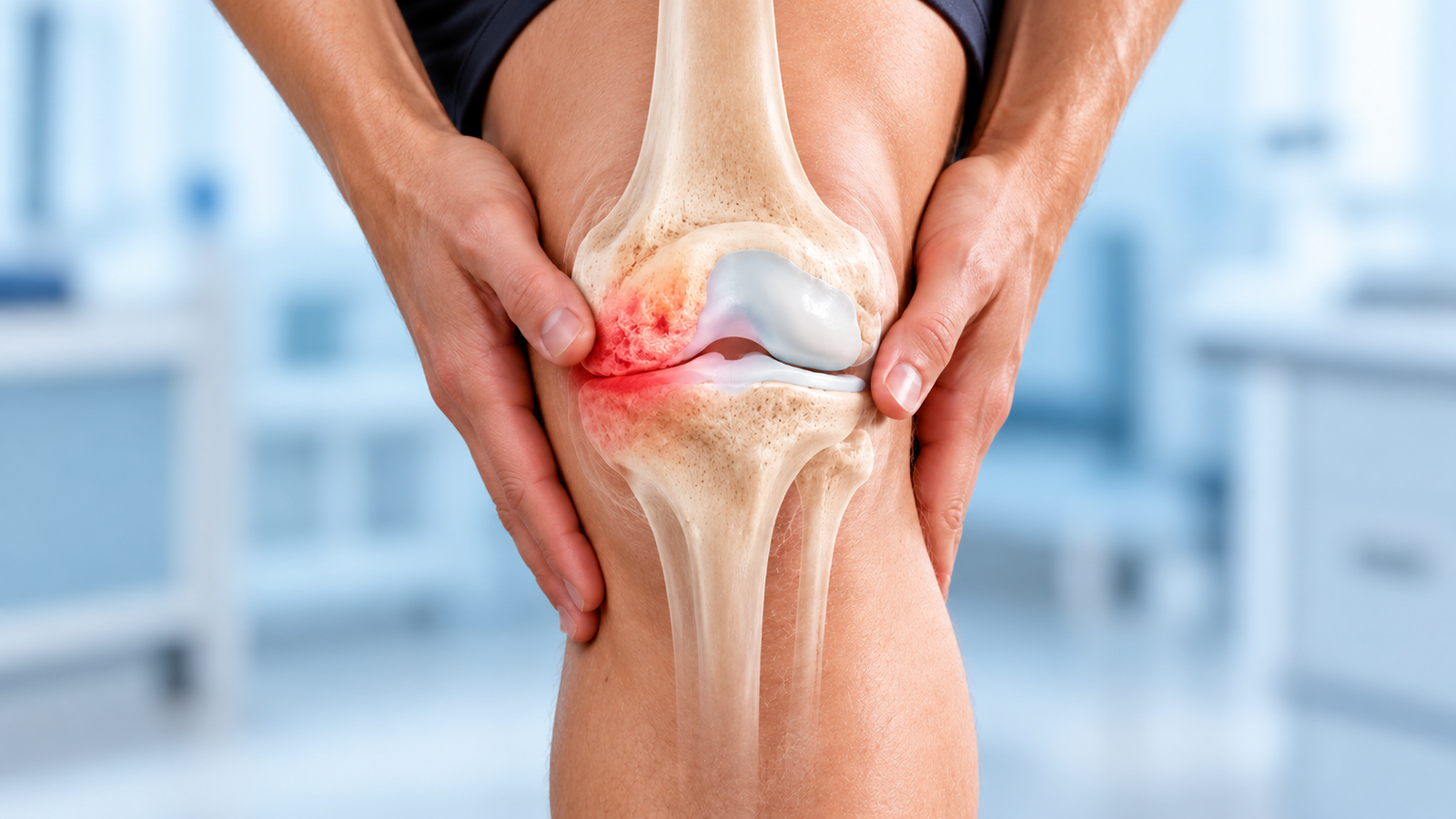
Many of you want to stay active, even when knee pain starts to limit movement. You may not feel ready for a full knee replacement, especially if your symptoms are still manageable in daily life. This is where osteotomy knee surgery is becoming a more considered option.
We see more patients asking how they can protect their natural joint rather than replace it too early. In the right situation, this approach can reduce pain, improve function, and help you stay active for longer. It focuses on the cause of the problem, not just the symptoms.
A simple explanation of bone cutting knee surgery
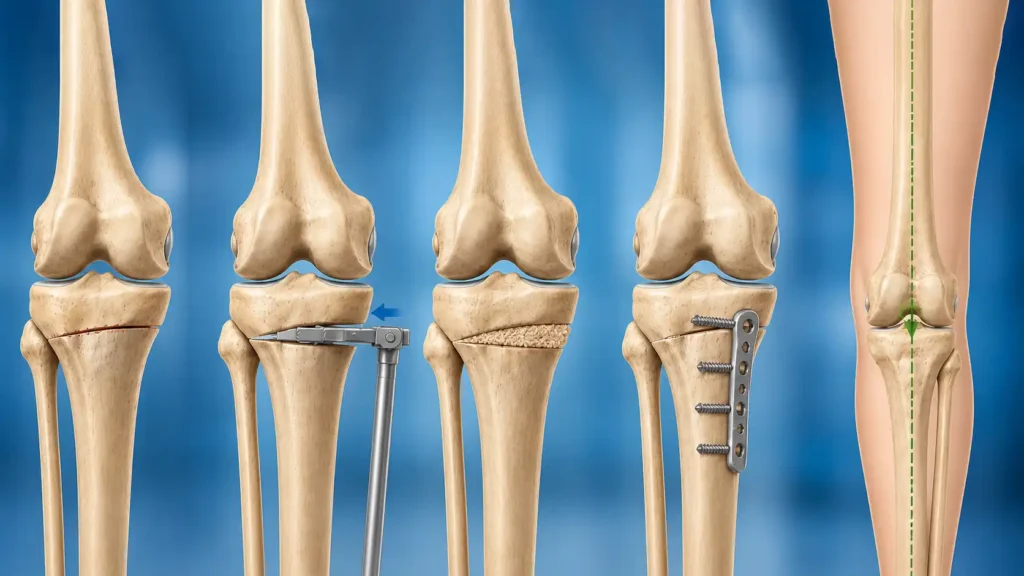
We carefully adjust the position of the bone to improve alignment. This may involve creating or removing a small wedge of bone. The change helps redistribute weight across the knee joint.
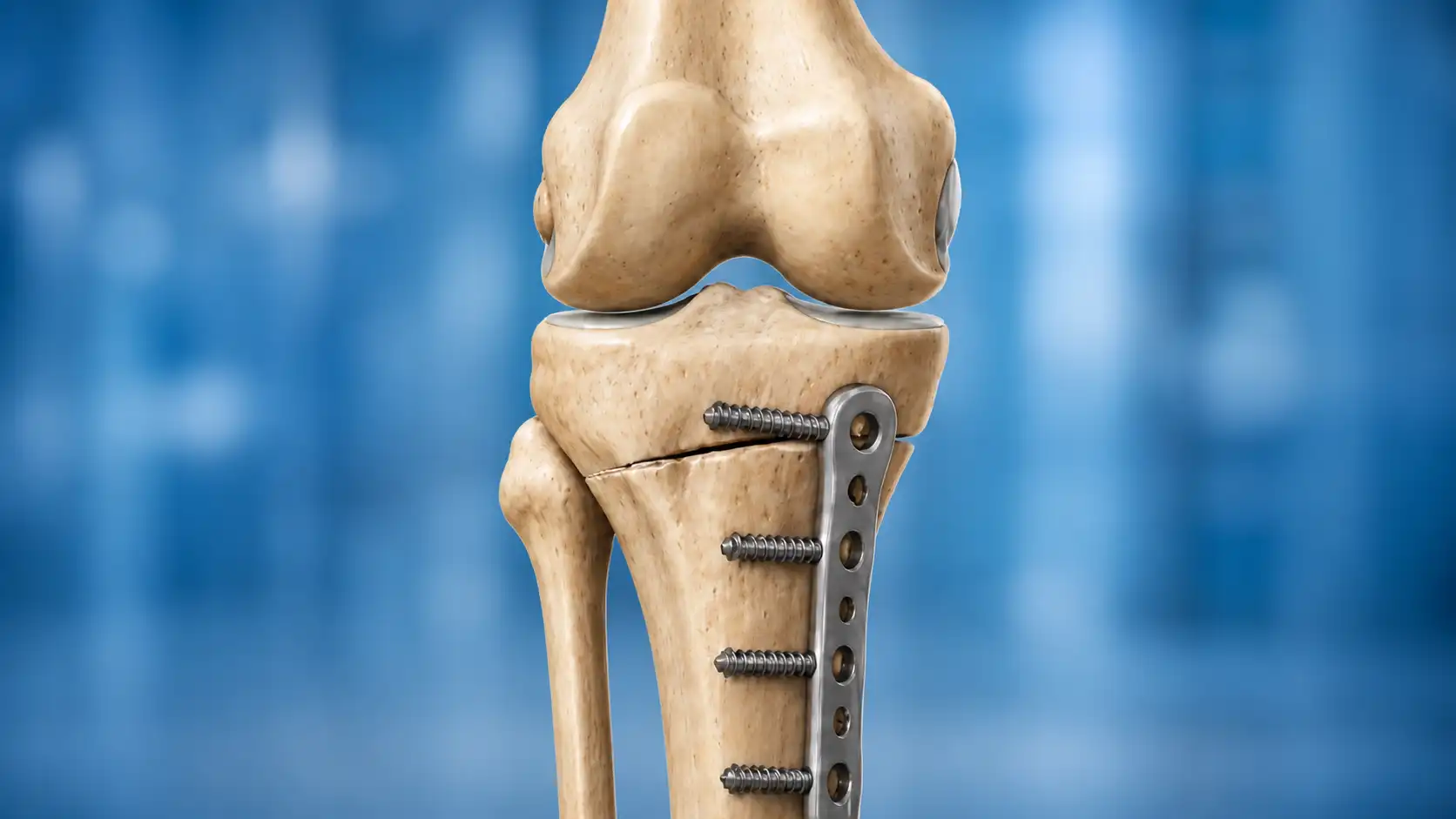
After alignment is corrected, the bone is secured with a metal plate and screws. This fixation holds the new position firmly while the bone heals. The plate is usually left in place permanently, though in some cases it may be removed after full healing has been confirmed.
The goal is not to replace your knee, but to help it function in a more balanced way.
Why knee realignment surgery protects your natural joint
Knee realignment surgery allows healthier areas of your joint to take more load. When pressure is more evenly spread, cartilage wear can slow down.
This is why it is often referred to as knee preservation surgery, as it focuses on protecting your natural joint for as long as possible.
Why Active People Are Choosing Knee Preservation Surgery Over Replacement
We often speak to patients who want to delay joint replacement and maintain their current lifestyle. This shift is becoming more common, especially among active individuals.
The shift away from early joint replacement
Knee replacement can be effective, but it may not always be the first step for younger or active patients. Artificial joints have a lifespan, and future procedures can become more complex.
This is why preserving your natural joint is often considered when possible.
When osteotomy knee surgery becomes the better option
We may consider osteotomy knee surgery if:
- Arthritis affects one side of your knee
- Your leg alignment is slightly bowed or angled
- Pain is linked to activity rather than constant
- You want to stay active
These signs help us decide if realignment may be suitable for you.
Osteotomy Knee Surgery vs Knee Replacement — Which Is Right for You?
Both procedures treat knee arthritis, but they work in very different ways. Understanding the difference helps you make a more informed decision.
What makes osteotomy different
Osteotomy preserves your natural knee joint. Rather than removing and replacing the joint surface, we correct the alignment of the bone so that pressure is distributed more evenly. This can reduce pain and slow further damage without removing any part of your original knee
When knee replacement may be considered instead
Knee replacement becomes the more appropriate option when arthritis is advanced, widespread, or affecting multiple compartments of the knee. If cartilage damage is extensive and joint movement is significantly reduced, osteotomy may not provide sufficient relief.
Why timing matters
Osteotomy is most effective when performed at the right stage. If you are younger, active, and your arthritis is still limited to one area, preserving your natural joint is often the better long-term strategy. Knee replacements have a lifespan, and revision surgery carries additional complexity.
We assess your imaging, symptoms, and lifestyle before recommending which approach is most suitable for you. In some cases, we may also consider Knee Distraction as an alternative joint-preserving option, depending on your clinical picture.
What Causes Knee Problems That Lead to Osteotomy Knee Surgery?
Most knee problems develop gradually. In many cases, the issue comes from uneven pressure inside the joint.
Common causes behind knee alignment problems
- Varus deformity (bow-legged) or valgus deformity (knock-kneed)
- Previous injuries
- Repetitive stress from sport or occupation
- Natural alignment differences present from birth or development
These factors can place more load on one side of your knee.
How uneven pressure damages the knee over time
When pressure is uneven, cartilage begins to wear down. This can lead to pain, stiffness, and reduced movement.
If we address alignment early, we can often slow this process and protect the joint.

Symptoms That May Mean You Need Knee Realignment Surgery
Symptoms often begin mildly and increase over time. Many people continue their usual activity until discomfort becomes harder to ignore.
Early signs people often ignore
- Pain on one side of your knee
- Discomfort during walking or running
- Stiffness after activity
- Mild swelling
These signs often point to uneven load across the joint.
When symptoms start affecting daily life
You may notice reduced activity, difficulty exercising, or discomfort during routine tasks. This is often when patients start seeking advice.
Recognising these changes early can give you more treatment options.
When Should You Worry About Needing Osteotomy Knee Surgery?
If your knee pain is becoming more frequent or limiting your activity, it is worth taking it seriously. Waiting too long can reduce the options available.
Warning signs your knee condition is progressing
- Pain that continues or worsens
- Reduced range of movement
- Avoiding activity due to discomfort
If this sounds familiar, we can assess this quickly and help you understand what this means for your knee.
How Osteotomy Knee Surgery Is Diagnosed in a Specialist Clinic
A clear diagnosis is the most important step before considering treatment. We focus on understanding both your symptoms and how your knee is functioning.
Clinical assessment and movement analysis
We assess how you walk, how your knee moves, and how your leg is aligned. This gives us a clear picture of what is happening.
Imaging used before knee surgery London clinics recommend
In knee surgery London settings, we use imaging to confirm the diagnosis:
- X-rays to assess alignment
- MRI if we need more detail
This helps us guide you on the most suitable next steps. Full-length standing X-rays (long-leg films) are considered the gold standard for planning osteotomy surgery, as they allow us to measure the mechanical axis of the leg precisely and determine the exact degree of correction required.
Types of Osteotomy Knee Surgery Explained Simply
The type of surgery depends on where your knee is affected and how your leg is aligned.
High tibial osteotomy for inner knee damage
High tibial osteotomy involves cutting the upper portion of the tibia (shin bone) and realigning it to shift load away from the arthritic inner compartment of the knee. It is most commonly used when the inner (medial) side of your knee is affected and the leg has a varus (bow-legged) alignment.
Distal femoral osteotomy for outer knee problems
Distal femoral osteotomy involves reshaping the lower end of the femur (thigh bone) to correct a valgus (knock-kneed) alignment. It is used when the outer (lateral) compartment of the knee is primarily affected.
Opening wedge osteotomy vs closing wedge osteotomy
- Opening wedge osteotomy creates a gap to adjust alignment
- Closing wedge osteotomy removes a small section of bone
In both techniques, once the bone is repositioned, it is secured with a metal plate and screws to hold the corrected alignment while healing takes place. This internal fixation is a routine part of the procedure and is what makes early rehabilitation possible.
How we decide the right technique
We base this on your alignment, bone structure, and where the damage is located. The aim is always to restore balance within your knee.
What Happens on the Day of Osteotomy Knee Surgery
Knowing what to expect helps reduce anxiety and allows you to prepare properly.
Before surgery
You will be admitted to hospital on the day of your procedure. Our team will review your medical history, confirm your consent, and discuss anaesthesia with you. You will be asked not to eat or drink for a set period before surgery.
During surgery — anaesthesia and procedure
Osteotomy knee surgery is performed under general or spinal anaesthesia. Your anaesthetic team will discuss the most appropriate option with you beforehand. The surgeon carefully cuts and repositions the bone, then secures it in the corrected alignment using a metal plate and screws. Surgery typically takes between one and two hours, depending on the technique used.
Immediately after surgery
You will be taken to a recovery area and monitored as the anaesthetic wears off. Pain is managed with prescribed medication. Most patients stay in hospital for one to two nights before returning home with clear written instructions on wound care, movement restrictions, and follow-up appointments.
Who Is Suitable for Osteotomy Knee Surgery?
Not everyone with knee pain will need this procedure. Careful selection is important. Patient selection for osteotomy follows recognised clinical criteria used by UK knee specialists. We assess each case individually to ensure this procedure is appropriate for your knee condition, age, activity level, and alignment measurements.
Ideal candidates for knee preservation surgery
- Active individuals
- Early-stage arthritis
- Damage limited to one area
- Good joint movement
These are the patients who often benefit most.
When this surgery may not be suitable
- Advanced arthritis
- Severe stiffness
- Widespread joint damage
In these cases, we guide you towards other treatment options.
Benefits and Limitations of Osteotomy Knee Surgery
Understanding both sides helps you make a clear decision.
Key benefits for active lifestyles
- Reduces pressure on damaged areas
- Improves movement
- Helps delay knee replacement
Important limitations to understand
- Recovery takes time
- Results vary between patients
- Further treatment may be needed later
This gives you a realistic view of what to expect.
What Are the Risks of Osteotomy Knee Surgery?
As with any surgical procedure, osteotomy carries some risks. These are uncommon but important to understand before making your decision.
Potential risks include
- Infection at the surgical site
- Blood clots (deep vein thrombosis)
- Delayed bone healing or non-union
- Nerve or blood vessel injury in the area of surgery
- Hardware discomfort from the plate or screws
- Undercorrection or overcorrection of alignment requiring further treatment
We take every precaution to minimise these risks. Your surgical team follows established UK protocols for infection prevention, blood clot management, and post-operative monitoring.
If you have concerns about any of these risks, we encourage you to raise them during your consultation. We will answer your questions clearly and help you feel confident in your decision before proceeding.
Recovery After Osteotomy Knee Surgery: What to Expect
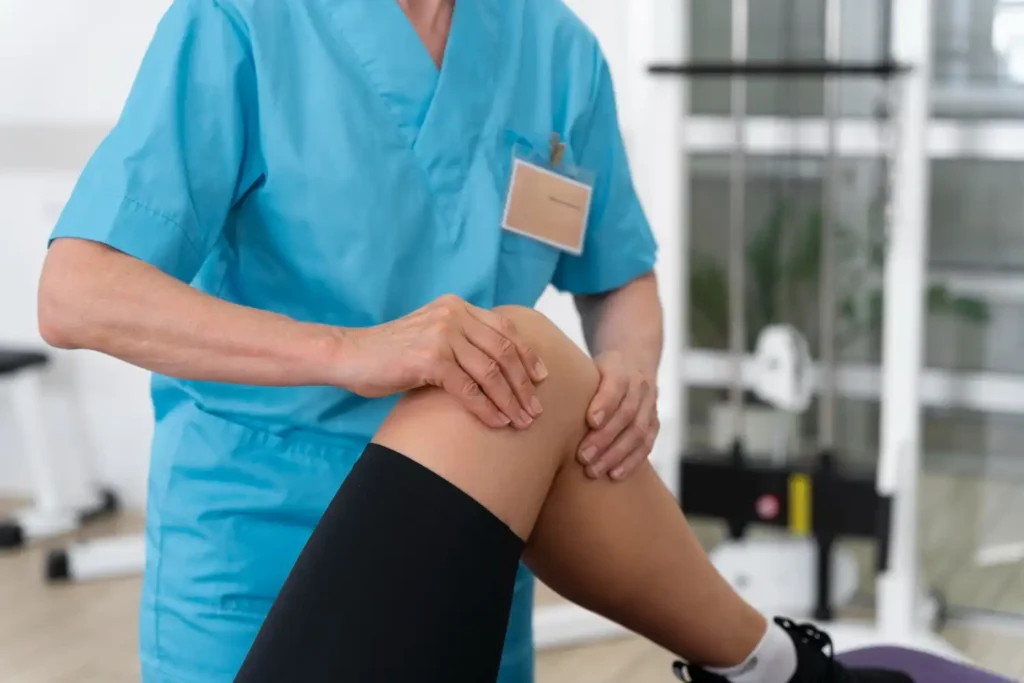
Recovery is gradual and guided. We support you through each stage.
Early recovery phase
Partial weight-bearing with crutches is usually required for the first six weeks following surgery, progressing under physiotherapy guidance as bone healing is confirmed. We will provide clear instructions on wound care, movement restrictions, and when to return for your first follow-up review.
Structured rehabilitation phases
- Weeks 1–6: Partial weight-bearing with crutches, gentle range-of-movement exercises, swelling management
- Weeks 6–12: Progressive weight-bearing as tolerated, physiotherapy begins in earnest, cycling and hydrotherapy may be introduced
- Months 3–6: Gradual return to low-impact activity, strengthening programme, return to work depending on occupation
- Months 6+: Return to higher-impact sport and activity in suitable patients, subject to clinical assessment and imaging review
Returning to activity and sport
Activity increases step by step with physiotherapy support. The aim is to restore strength and confidence in your knee.
When Should You Seek Medical Advice for Osteotomy Knee Surgery?
If your knee pain is affecting your lifestyle, it is important not to ignore it. Early assessment gives you more options.
You should consider seeing us if:
- Pain persists despite rest or physio
- You have been advised to consider surgery
- Your activity level is reducing
We help you understand what is causing your symptoms and guide you on what to do next.
Choosing Knee Surgery Private Care in London
Private care allows faster access to specialist assessment. This means you can understand your condition sooner and plan your next steps with clarity.
Benefits of seeing a specialist knee surgeon
- Quick access to assessment
- Clear diagnosis
- Personalised treatment plan
This approach helps you move forward with confidence. We offer private consultations at our London clinic. Our team can advise on costs at the time of booking so you can plan ahead with full transparency. Many patients also hold private health insurance that may cover consultation and surgical costs. we are happy to help you check eligibility.
Why Patients Come to London Knee Care for Osteotomy Knee Surgery
London Knee Care is led by Mr Raghbir Khakha, a specialist knee surgeon with extensive experience in osteotomy and knee preservation procedures. Mr Khakha focuses exclusively on the knee, bringing a high level of specialist expertise to every consultation and procedure.
If your knee pain is affecting your activity, you do not need to manage it alone. We can assess this quickly, identify the cause, and explain what it means for your recovery.
We focus on giving you a clear diagnosis and helping you understand your options. Whether you need osteotomy knee surgery or another treatment, we guide you step by step so you know exactly what to do next.If you are unsure about your symptoms or have been told you may need surgery, you can book an appointment or visit our contact us page to speak with us. We are here to help you make the right decision for your knee with confidence.
FAQs About Osteotomy Knee Surgery
How long does osteotomy knee surgery last?
The results can last many years, especially when performed at the right stage.
Long-term outcomes depend on alignment, activity level, and joint condition.
Studies indicate that high tibial osteotomy has a 10-year survival rate of approximately 70–80% in well-selected patients, meaning the majority do not require knee replacement within a decade of surgery. Results are best when the procedure is performed before arthritis becomes advanced.
Is osteotomy better than knee replacement?
It depends on your condition and the stage of arthritis. We assess whether preserving your natural joint is still possible and appropriate before considering replacement. For active, younger patients with one-sided arthritis, osteotomy is often the better long-term strategy.
Can I return to sport after high tibial osteotomy?
Many patients return to sport and physical activity with a structured rehabilitation programme. Your recovery plan is tailored to your individual progress and activity goals, and return to sport is typically assessed from around six months onwards.
How painful is bone cutting knee surgery?
Discomfort is expected in the early stages of recovery and is carefully managed with prescribed pain relief. Pain improves progressively as bone healing takes place and strength is restored through rehabilitation.
What is the success rate of knee realignment surgery?
Many patients experience significantly reduced pain and improved function following osteotomy. Published evidence supports a 10-year survival rate of 70–80% in appropriately selected patients. Results are influenced by the degree of alignment correction achieved, the stage of arthritis at the time of surgery, and adherence to rehabilitation.
What is a high tibial osteotomy recovery time?
Recovery from high tibial osteotomy typically takes several months. Most patients use crutches for the first six weeks, begin progressive physiotherapy from around six weeks, and return to low-impact activity from approximately three to four months, subject to clinical assessment.
What is distal femoral osteotomy recovery time?
Full recovery from distal femoral osteotomy typically takes four to six months. Return to low-impact activity is usually possible from around three months, subject to bone healing confirmed on imaging. Your recovery timeline is guided by your physiotherapist and surgeon at each review.
What is a high tibial osteotomy?
A high tibial osteotomy involves cutting the upper portion of the tibia (shin bone) and realigning it to shift load away from the arthritic compartment of the knee. It is most commonly used to correct varus (bow-legged) alignment and reduce pressure on the inner side of the joint.
How long does knee surgery last?
Osteotomy knee surgery typically takes between one and two hours, depending on the technique used and the complexity of the correction required. Your surgical team will give you a more precise estimate during your pre-operative consultation.
How long does knee surgery take to heal?
Initial bone healing takes approximately six weeks, during which weight-bearing is restricted. Full recovery, including return to sport and higher-impact activity, typically takes four to six months and is supported throughout by guided physiotherapy.
What is knee preservation surgery?
Knee preservation surgery is a term used to describe procedures that protect and maintain the natural knee joint. Osteotomy is one of the main techniques used. The aim is to reduce pain, correct underlying problems, and delay or avoid the need for more invasive procedures such as knee replacement.
What is Arthrosamid® and is it offered at London Knee Care?
Arthrosamid® is a long-lasting hydrogel injection used to treat knee osteoarthritis. It is injected into the knee joint and can provide sustained pain relief without the need for surgery in appropriate cases. London Knee Care is one of a select number of UK clinics offering Arthrosamid®, and it may be considered as part of your treatment plan before or as an alternative to osteotomy, depending on your clinical assessment.