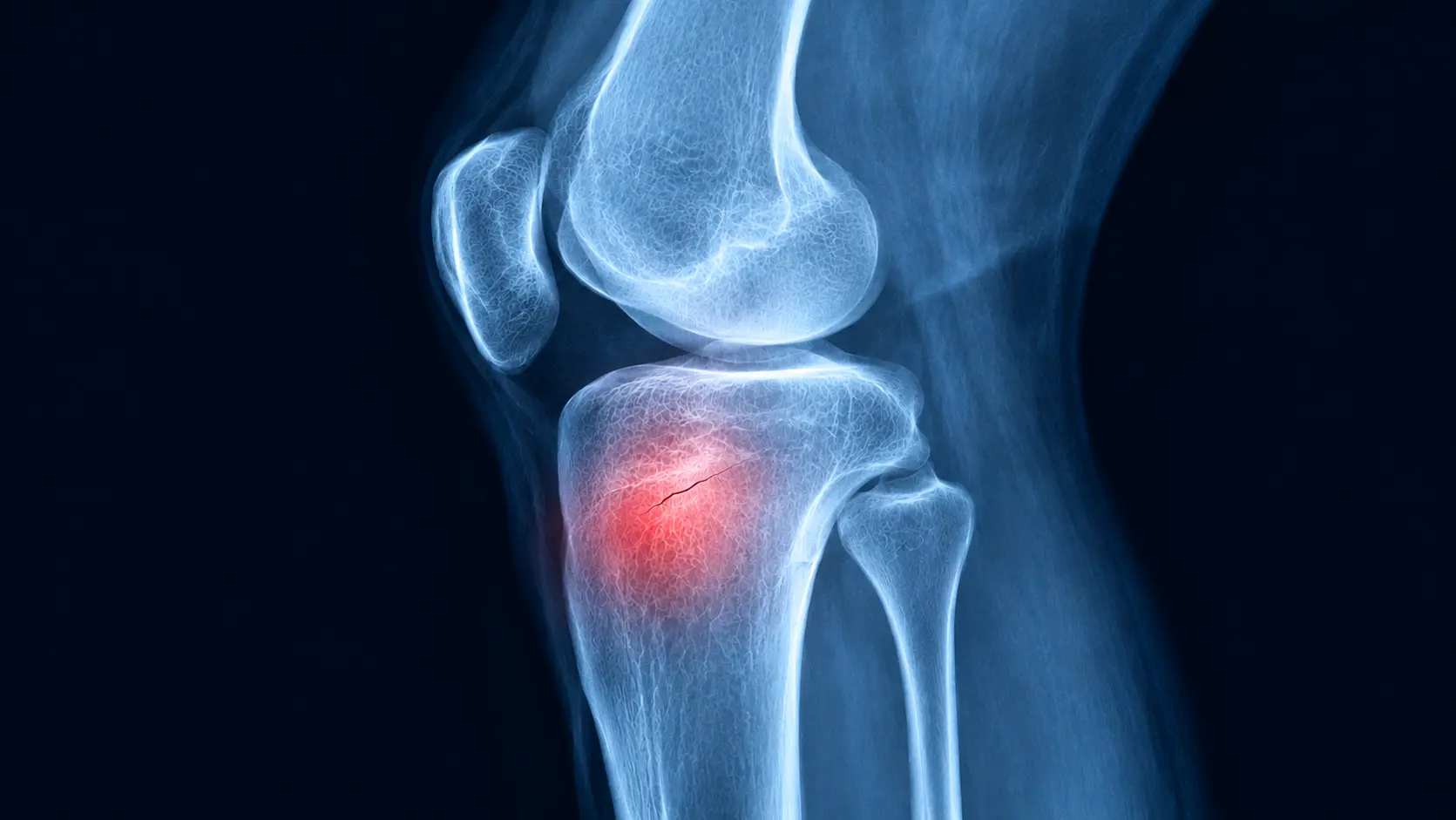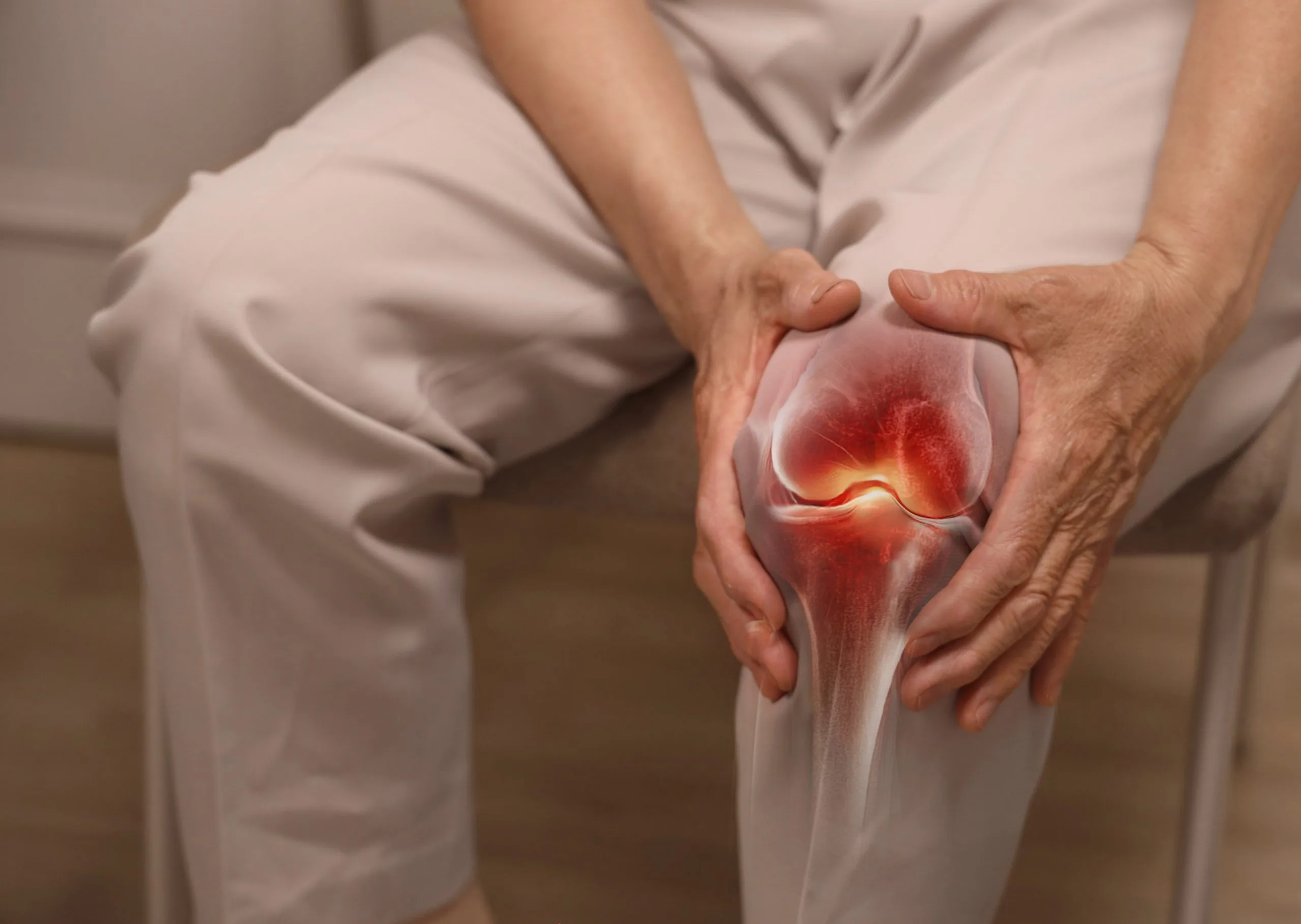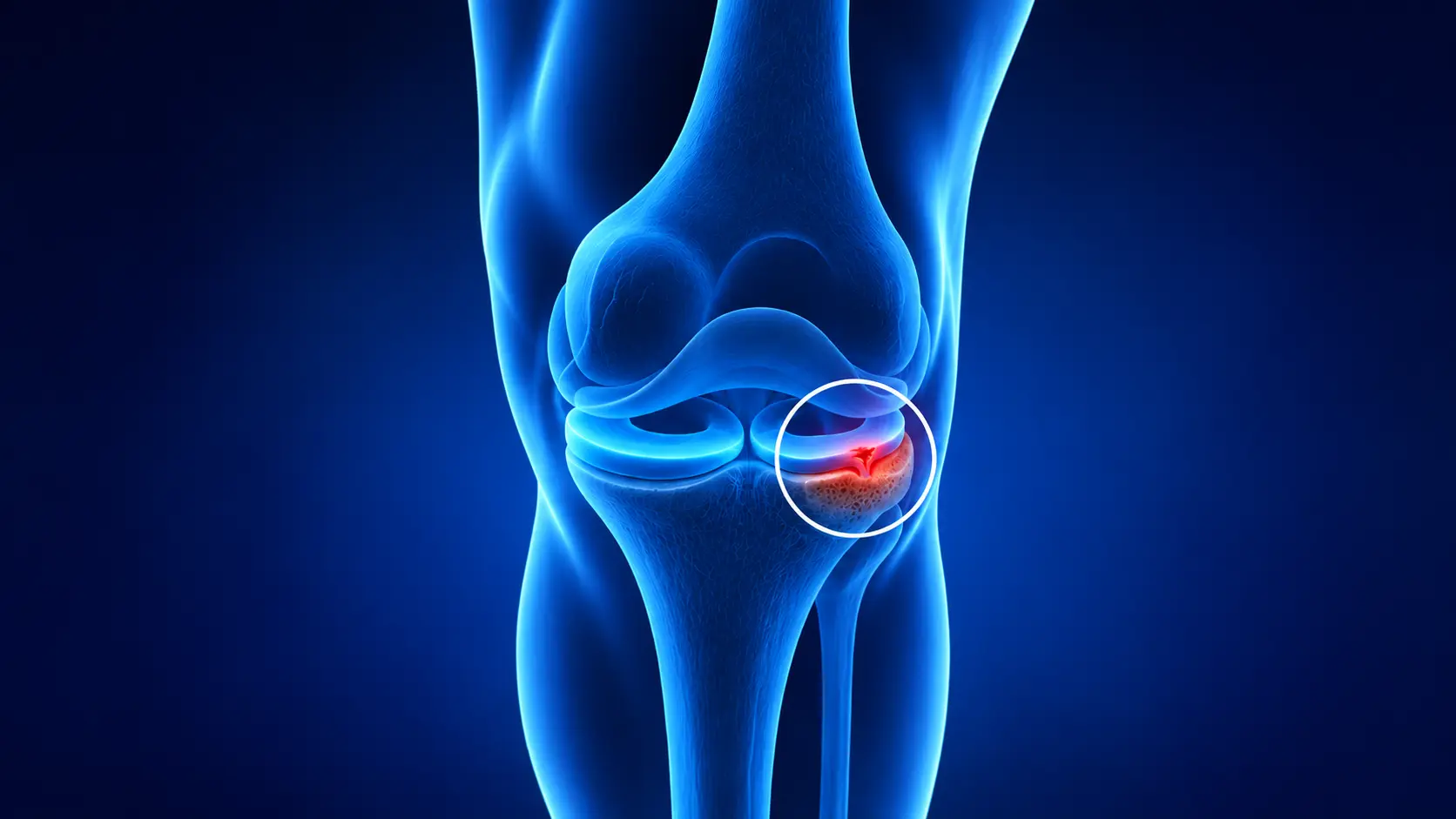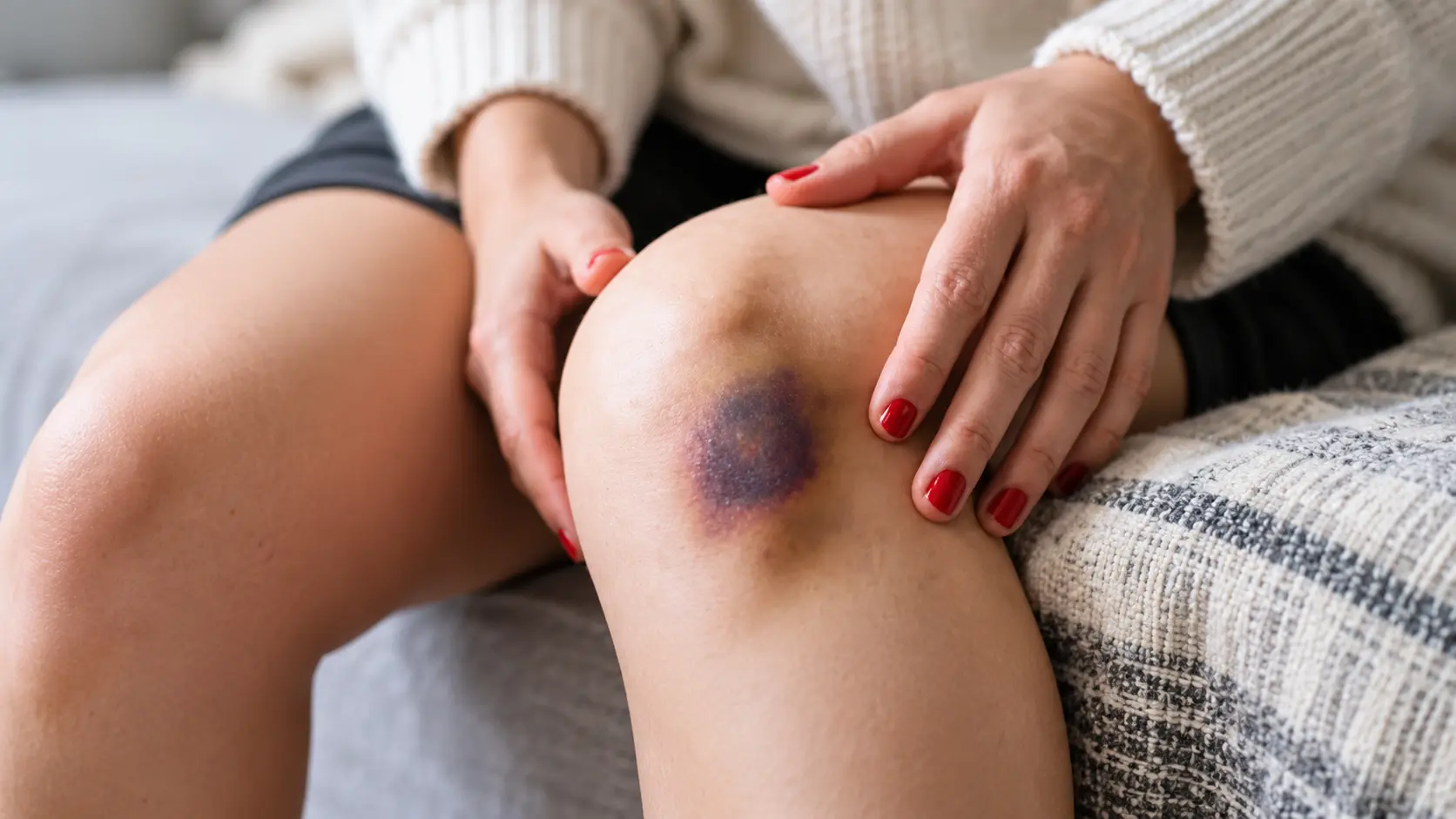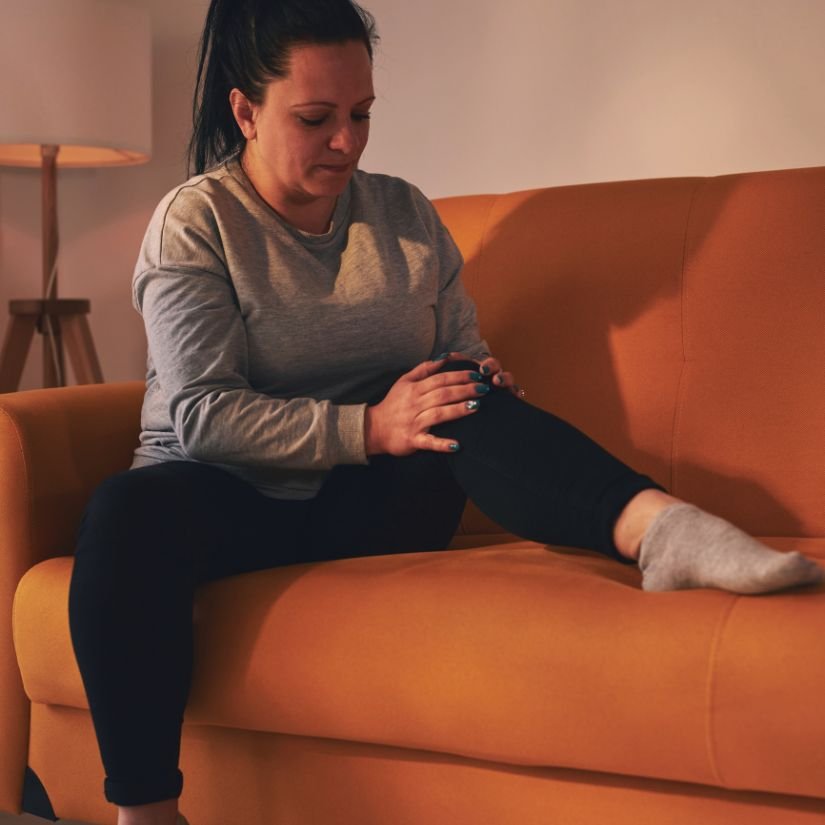
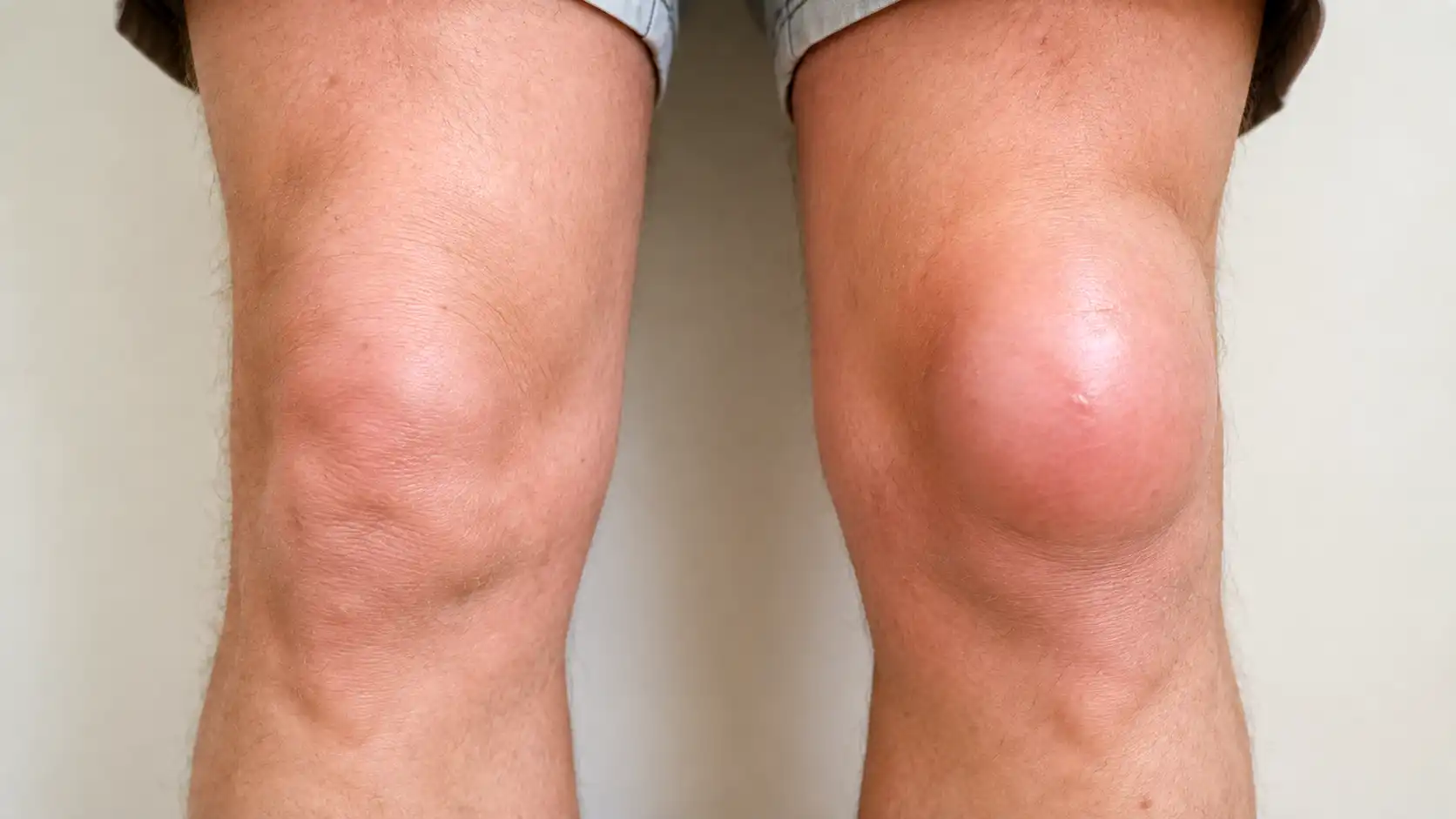
Housemaid’s knee is a swollen, tender lump that forms at the front of the kneecap, and it’s usually nothing to panic about. It happens when the small fluid-filled sac (bursa) that sits between your skin and your kneecap becomes irritated and fills with extra fluid, most often from repeated kneeling. The name is old-fashioned, but the condition itself is still common today, particularly among people whose work or hobbies involve a lot of time on their knees.
This guide covers what housemaid’s knee actually is, how to tell it apart from other lumps and swellings around the knee, when it’s genuinely something to worry about, and what treatment realistically looks like.
What Is Housemaid’s Knee
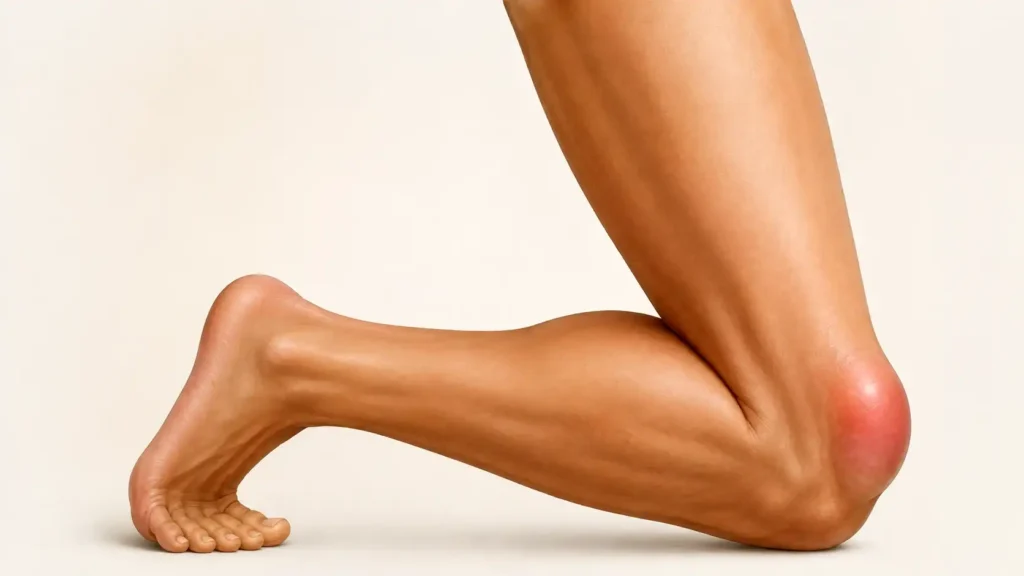
Housemaid’s knee refers to inflammation and swelling of the prepatellar bursa, the small cushioning sac that sits just in front of your kneecap, between the skin and the bone. When that sac fills with excess fluid, it produces a soft, movable swelling right over the front of the knee, which is what gives the condition its old domestic-service nickname.
Housemaid’s Knee Disease Explained
Housemaid’s knee disease is a slightly misleading way to describe it, since it isn’t an infection or illness in the usual sense, it’s an inflammatory reaction of the bursa to repeated friction or pressure. The clinical name is prepatellar bursitis, and it’s grouped with a small family of similar knee bursitis conditions that all follow the same basic pattern: repeated pressure on a specific bursa causes it to swell.
Housemaid’s Knee Symptoms to Look Out For
Housemaid’s knee symptoms are usually easy to spot once you know what you’re looking at. The main features are:
- A soft, movable swelling directly over the front of the kneecap
- Housemaid’s knee pain that’s often a dull ache rather than a sharp pain, worse when kneeling or pressing on the area
- Warmth or mild redness over the swelling
- Tenderness when touched
- Some difficulty fully bending the knee if the swelling is significant
Symptoms typically build gradually with repeated kneeling, though a single hard knock to the front of the knee can also bring on a sudden flare.
What Causes Housemaid’s Knee
Housemaid’s knee causes generally fall into a few categories. The most common by far is repeated or prolonged kneeling, cleaning, gardening, carpet fitting, plumbing, and similar trades and hobbies are all classic triggers, which is exactly where the name comes from. A direct blow or fall onto the front of the knee can cause it too, even without any kneeling involved. Less commonly, it’s linked to an underlying inflammatory condition such as gout or rheumatoid arthritis, both of which increase the likelihood of bursitis developing. In the UK specifically, housemaid’s knee remains a recognised occupational complaint among cleaners, gardeners, and tradespeople who spend long periods kneeling on hard surfaces, which is why kneepads are commonly recommended as a preventive measure in these professions.
Housemaid’s Knee vs Clergyman’s Knee What Is the Difference
Housemaid’s knee and clergyman’s knee are genuinely different conditions, not just different names for the same thing, and the distinction comes down to location. Housemaid’s knee affects the prepatellar bursa, directly over the front of the kneecap. Clergyman’s knee, also called pastor’s or vicar’s knee, affects the infrapatellar bursa, which sits just below the kneecap, traditionally linked to kneeling in prayer rather than domestic or manual work. Both are caused by the same basic mechanism, repeated kneeling pressure on a specific bursa, they just affect different sacs a few centimetres apart.
Housemaid’s Knee vs Baker’s Cyst
It’s easy to confuse housemaid’s knee with a Baker’s cyst, since both involve fluid-filled swelling around the knee, but the location gives it away immediately. Housemaid’s knee sits at the front of the knee, directly over the kneecap. A Baker’s cyst forms at the back of the knee, in the popliteal space, and is usually linked to an underlying joint problem like arthritis or a cartilage injury rather than kneeling. We’ve covered Baker’s cysts in detail in our guide to Baker’s cyst treatments for a lump behind your knee, which is worth a read if your swelling sits behind the joint rather than at the front.
Housemaid’s Knee vs Arthritis
Knee bursitis and arthritis can feel similar at first glance, both cause swelling and discomfort, but they’re different problems with different underlying mechanisms. Housemaid’s knee is localised swelling of one specific bursa, usually from friction or a knock, and the rest of the joint tends to move and feel normal. Arthritis involves the joint itself, with more generalised stiffness, swelling that isn’t confined to one small bump, and symptoms that build over months or years rather than days or weeks. That said, having osteoarthritis or an inflammatory arthritis like rheumatoid arthritis does raise your risk of developing bursitis on top of it, so the two aren’t entirely unrelated.
Is Housemaid’s Knee Dangerous
Is housemaid’s knee dangerous? In its ordinary, kneeling-related form, no, it’s uncomfortable rather than serious, and it usually settles with simple home care. The exception is septic bursitis, where bacteria, most commonly Staphylococcus aureus, get into the bursa through a cut, scrape, or puncture wound near the knee. This version is genuinely more serious. Warning signs include skin that’s noticeably warm, red, and spreading, along with fever or chills, and it needs prompt medical attention rather than home treatment, since an untreated infection can progress to more serious complications. As a general rule, if swelling hasn’t started improving within seven to ten days of resting and icing it, or if you notice any of the infection signs above, it’s time to get it checked rather than waiting it out.
Treatment for Housemaid’s Knee
Treatment for housemaid’s knee usually follows a clear, staged approach rather than jumping straight to anything invasive.
- Rest and activity modification. Avoiding kneeling on the affected knee, or using a cushioned pad if kneeling can’t be avoided, is the first and often most effective step.
- Ice and compression. Applying ice and a light compressive wrap helps bring swelling down in the early stages.
- Anti-inflammatory medication. Over-the-counter NSAIDs can help with pain and inflammation for most people, when appropriate for your general health.
- Aspiration. If fluid persists despite the above, a clinician can drain the bursa with a needle, which often brings quick relief.
- Steroid injection. For stubborn inflammation that doesn’t settle after aspiration, and only once infection has been ruled out, a steroid injection into the bursa is sometimes used.
- Antibiotics or surgical drainage. If the bursa is infected, treatment shifts to antibiotics, and in more severe infections, surgical drainage.
- Bursectomy. For genuinely chronic or repeatedly recurring cases that don’t respond to the steps above, surgical removal of the bursa is an option, though this is very much a last resort rather than a routine step.
So how to treat housemaid’s knee in practice? For the large majority of people, it never gets past the first two or three steps on this list.
Is There a Cure for Housemaid’s Knee
People often search for a housemaid’s knee cure, and the honest answer is that most cases resolve completely with conservative treatment, rather than needing anything more advanced. There’s no single guaranteed fix that works instantly for everyone, and outcomes depend on the cause, how early it’s treated, and whether the kneeling or pressure that caused it in the first place is addressed. Cases linked to an ongoing occupational habit, kneeling all day for work, for example, are more likely to come back if nothing changes about how the knee is being used, which is why addressing the underlying trigger matters as much as treating the current flare.
Housemaid’s Knee Recovery Time
Housemaid’s knee recovery time is typically two to eight weeks with conservative treatment, rest, ice, and avoiding further kneeling. If aspiration or an injection is needed, noticeable relief often begins within a few days, with fuller recovery over the following weeks. Left completely untreated, chronic bursitis can persist for months or even longer, which is part of why early, simple treatment tends to work out better than waiting.
How London Knee Care Diagnoses and Treats Housemaid’s Knee
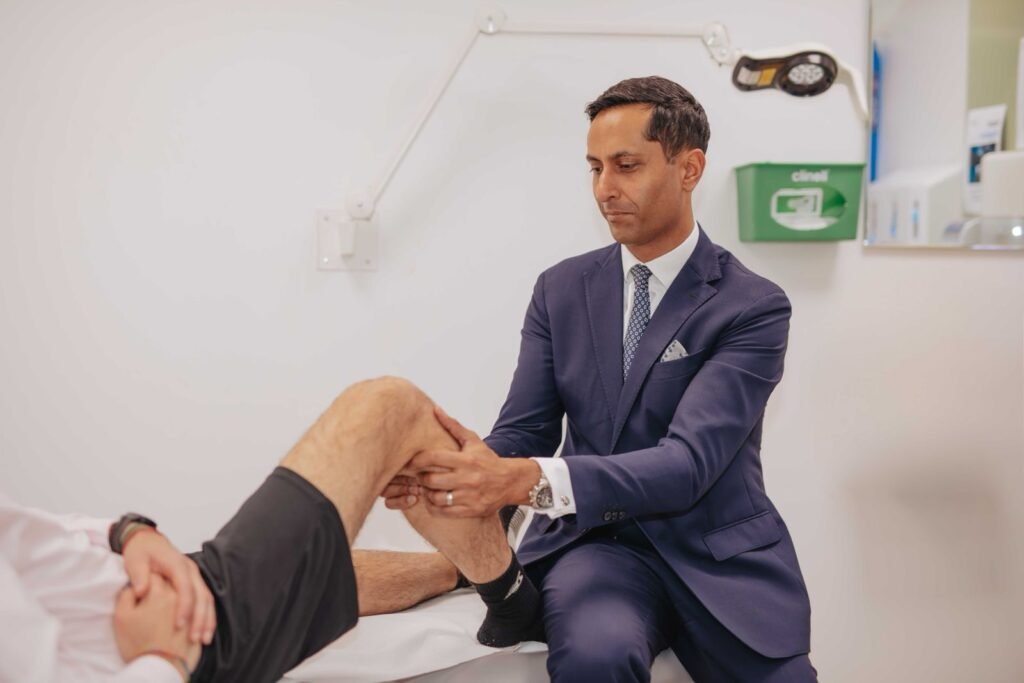
At London Knee Care, assessment starts with a clinical examination to confirm the swelling is bursitis rather than a joint problem, cyst, or infection, since these can look similar at a glance but need different treatment. Where there’s any doubt, particularly around ruling out infection or an underlying joint issue, further assessment can be arranged quickly. Led by Mr Raghbir Khakha, an internationally recognised knee surgeon with over 15 years of specialist experience, treatment is tailored to your specific cause and severity rather than a one-size-fits-all approach. You can read more about our full range of knee treatments and knee conditions we manage.
Get Housemaid’s Knee Treated at London Knee Care
Housemaid’s knee is common, usually straightforward to treat, and rarely a sign of anything serious, but persistent swelling, or any sign of infection, is worth having checked properly rather than managed indefinitely at home. If your knee swelling hasn’t settled with rest and simple care, you can get in touch with London Knee Care to arrange an assessment, or find out more about London Knee Care and Mr Raghbir Khakha first.
FAQs About Housemaid’s Knee
What is housemaid’s knee?
Housemaid’s knee is swelling and inflammation of the prepatellar bursa, the small fluid-filled sac at the front of the kneecap, usually caused by repeated kneeling.
What causes housemaid’s knee?
Most commonly repeated or prolonged kneeling, but it can also follow a direct knock to the front of the knee, or occur more easily in people with gout or rheumatoid arthritis.
How long does housemaid’s knee take to heal?
Typically two to eight weeks with rest, ice, and avoiding further kneeling. More persistent cases needing aspiration or injection often start improving within a few days of treatment.
Is housemaid’s knee serious?
Usually not. The ordinary, kneeling-related form is uncomfortable but not dangerous. The exception is septic (infected) bursitis, which needs prompt medical attention, particularly if the skin is warm, red, and spreading, or you have a fever.
How do you treat housemaid’s knee?
Rest and avoiding kneeling, ice, compression, and anti-inflammatory medication first. If fluid persists, aspiration or a steroid injection may help. Surgery is rarely needed and reserved for chronic, recurring cases.
Can housemaid’s knee be infected?
Yes. Bacteria can enter the bursa through a cut, scrape, or puncture wound near the knee, causing septic bursitis. This needs medical treatment, usually antibiotics, rather than home care alone.