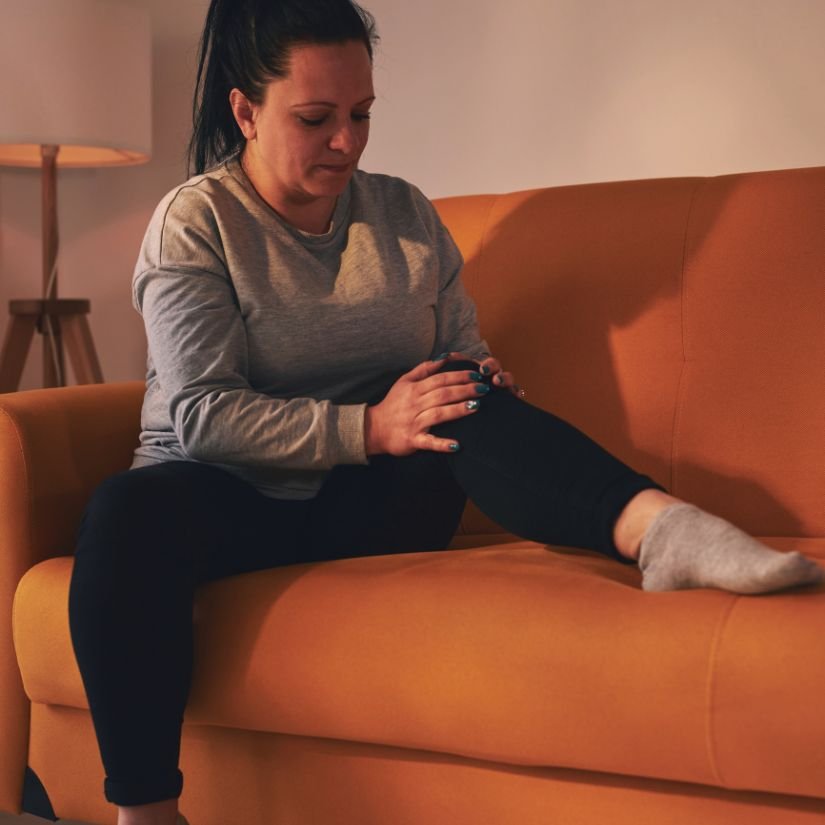
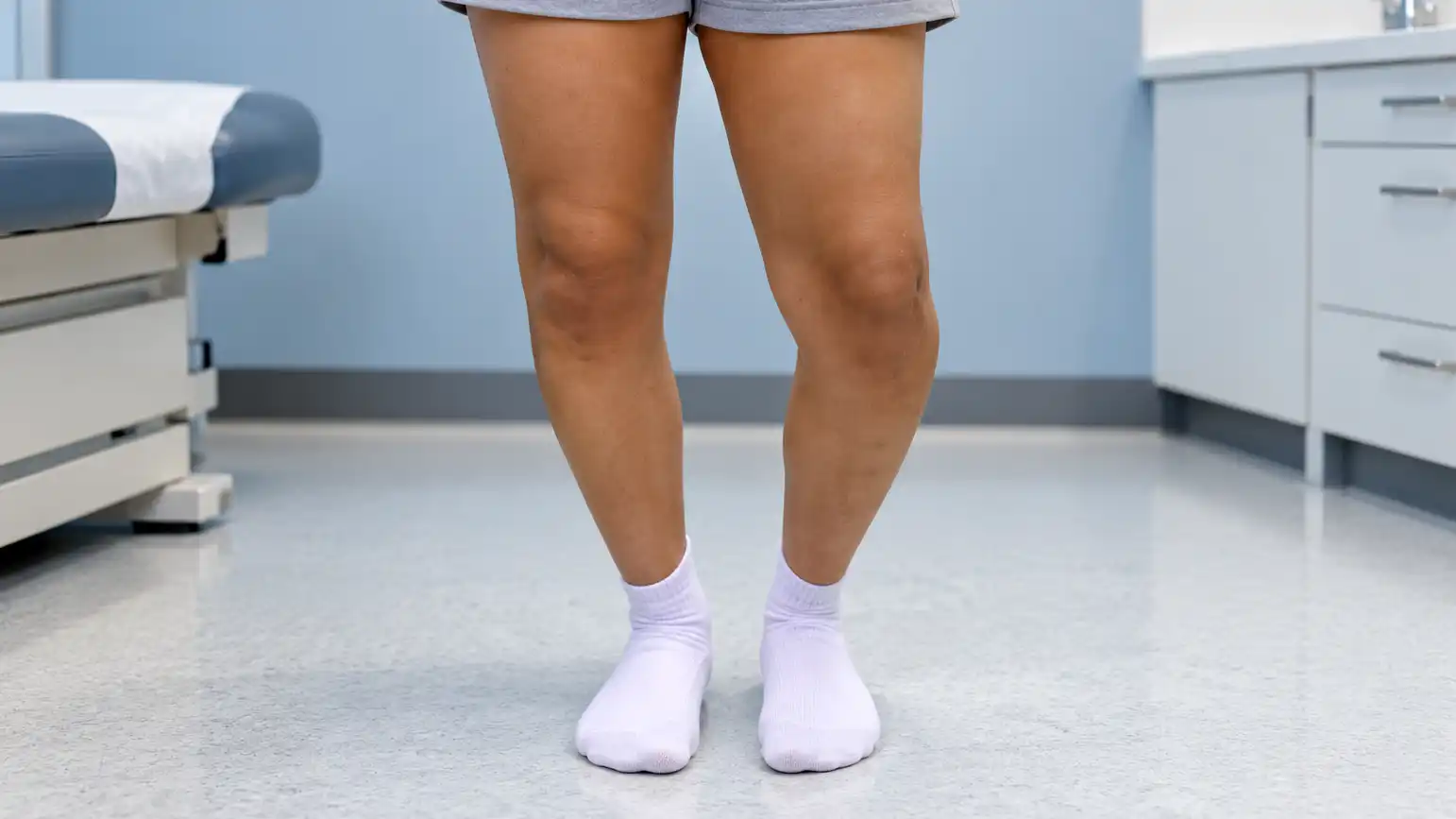
Most bowing in babies and toddlers is normal and straightens by the age of three or four. Blount’s disease is different. It is a growth plate problem in the shin bone that tends to worsen without treatment, so telling it apart from ordinary bow legs matters. The main clues are your child’s age, whether one leg is worse than the other, whether the bowing is improving, and what an X-ray shows.
Parents often struggle to judge this at home, because early Blount’s disease can look very like normal toddler bowing. This guide explains the differences in plain language, how we tell them apart, the treatment options by age, and when to get in touch with us.
What’s Blount’s Disease and Who Gets It
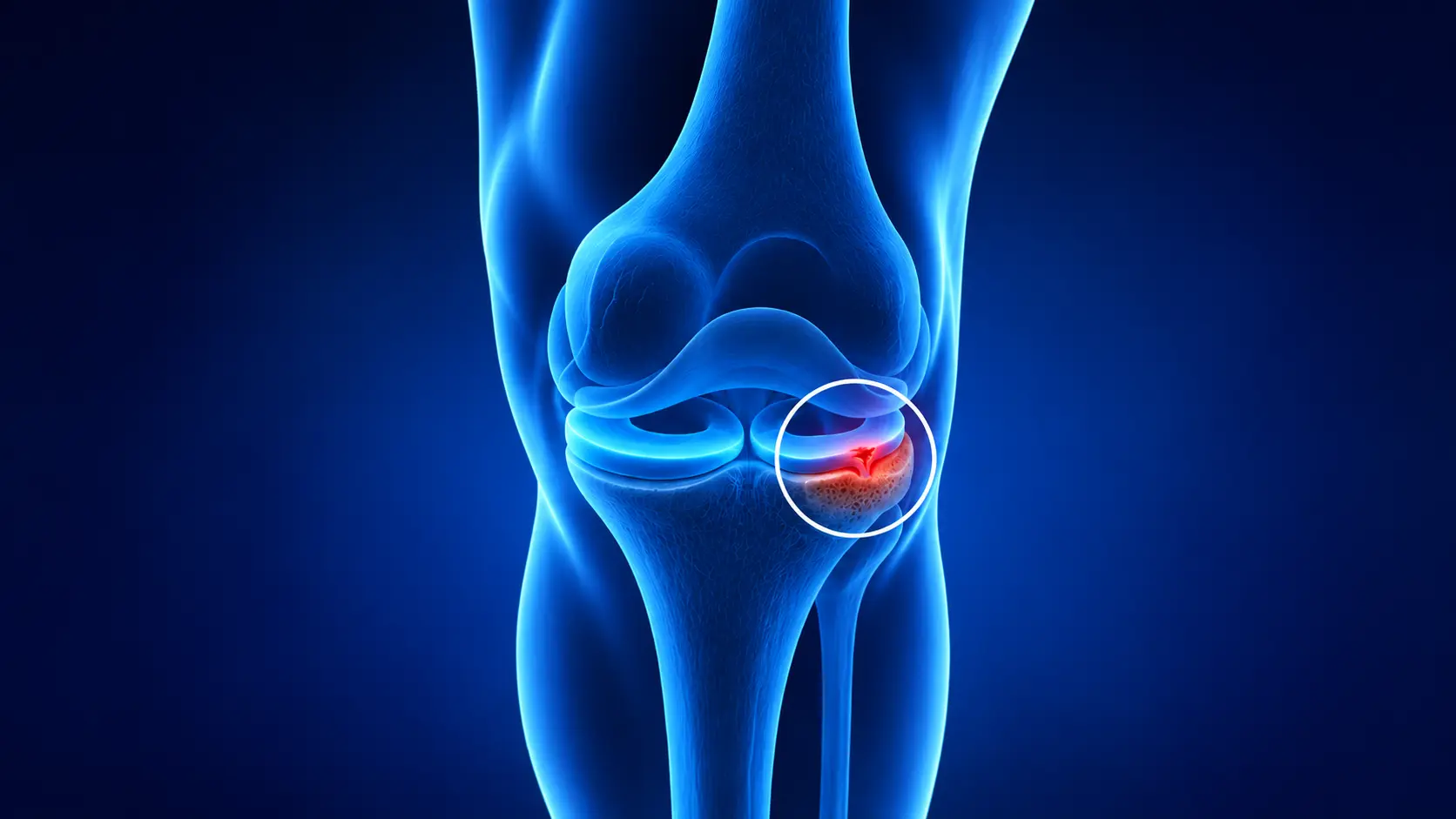
Blount’s disease is a growth disorder of the upper shin bone (the tibia), just below the knee. The inner side of the growth plate grows more slowly than the outer side, so the lower leg gradually angles inwards. It is also called tibia vara, which simply means a bowed shin bone. It is uncommon, and it can start in early childhood or in the teenage years.
For a wider picture, see our page on knee problems in children or browse our full list of knee conditions.
Infantile Blount’s Disease in Toddlers
Infantile Blount’s disease starts in early childhood, usually before the age of three or four. It often affects both legs, and it is the form most easily mistaken for normal toddler bowing. Sources draw the age lines slightly differently, so treat these ages as a guide rather than a hard cut-off.
Adolescent Blount’s Disease and Late-Onset Bowing
Adolescent Blount’s disease starts from around the age of ten and usually affects one leg. It is sometimes called late-onset Blount’s disease. Extra body weight is a recognised risk factor, and the bowing often appears gradually during a growth spurt. Because it appears later, it can be mistaken for a sports problem or growing pains.
Normal Bow Legs in Toddlers
Most bow legs in young children are normal. Babies are born with bowed legs because of the curled position they sit in before birth. The bowing is most obvious between birth and about 18 months, and this normal pattern is called physiological bowing.
Most children’s legs straighten by about the age of three or four, with no braces, special shoes or exercises needed, according to NHS guidance on bow legs. Many children then pass through a knock-knee phase before their legs settle by around seven.
Blount’s Disease vs Bow Legs and Normal Growth
The easiest way to tell the two apart is to compare age, symmetry and direction of travel. Normal bow legs usually affect both sides evenly and improve by the age of three or four. Blount’s disease tends to stay the same or worsen, and one leg may be more affected. Rickets, a problem with vitamin D and bone minerals, can also cause bowing, so it belongs in the comparison. Only an assessment and, where needed, an X-ray can confirm which one applies.
| Normal bow legs | Blount’s disease | Rickets | |
| Usual age | Birth to about 3 or 4 years | Infantile before about 3 to 4, adolescent from about 10 | Any age when vitamin D, calcium or phosphate is low |
| Which legs | Both, fairly even | Often one leg more affected, though infantile cases are often both | Diffuse bowing, other bones may be affected |
| Over time | Improves with growth | Stays the same or worsens | Often improves once the cause is treated |
| X-ray pattern | No growth plate change | Beak-like change at the inner top of the shin bone | Widening and fraying of growth plates in several bones |
| Blood tests | Not needed | Normal, used to rule rickets out | Abnormal vitamin D, phosphate or alkaline phosphatase |
What Does Blount’s Disease Look Like
Blount’s disease usually looks like bowing that sits just below the knee, where the shin bone angles inwards, rather than a gentle curve along the whole leg. Parents most often notice a gap between the knees that is not closing as expected. Signs to look for include:
- Bowing that persists past the age of three, or gets worse instead of better
- One leg looking more bowed than the other
- A visible angle just below the knee instead of a smooth curve
- A limp, or pain that does not settle
- A child who is unusually short for their age
A simple habit helps. Take a photo of your child’s legs every six months, standing with their feet together, and check whether the gap is closing. The photos also give us something concrete to compare at an assessment.
Blount’s Disease Causes and Risk Factors
The exact cause is not fully understood. A systematic review concluded that it is multifactorial, meaning several things probably combine, although the studies behind that conclusion are low-level. Factors linked to the condition include:
- Extra body weight, which puts more pressure through the inner growth plate
- Starting to walk early, often reported before about 10 to 12 months
- A family history, reported in a proportion of cases
- Differences between populations, with higher rates reported in some groups, though the reasons are not clear
None of this means a parent has done something wrong. Most children with these factors never develop Blount’s disease.
How Blount’s Disease Is Diagnosed
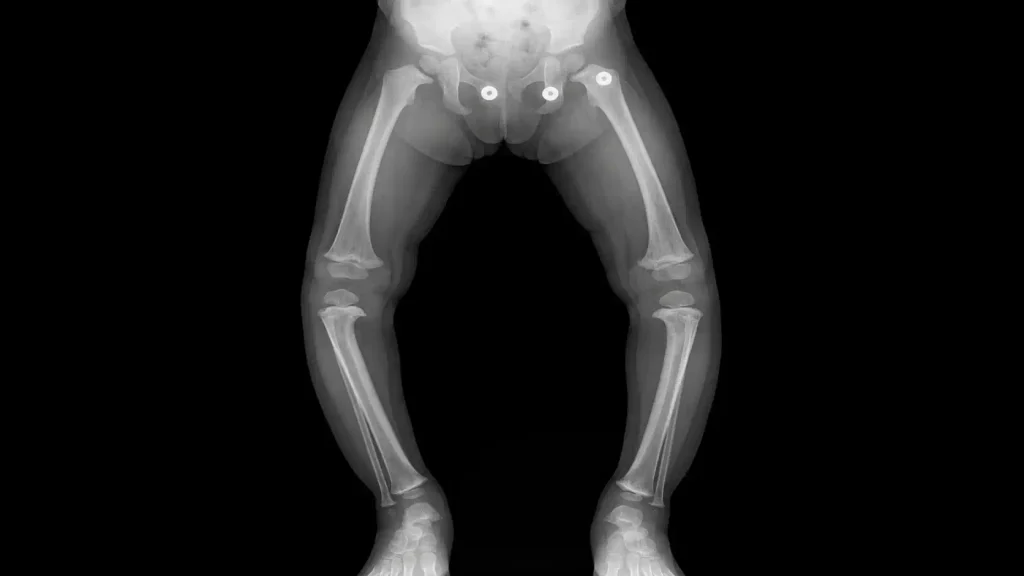
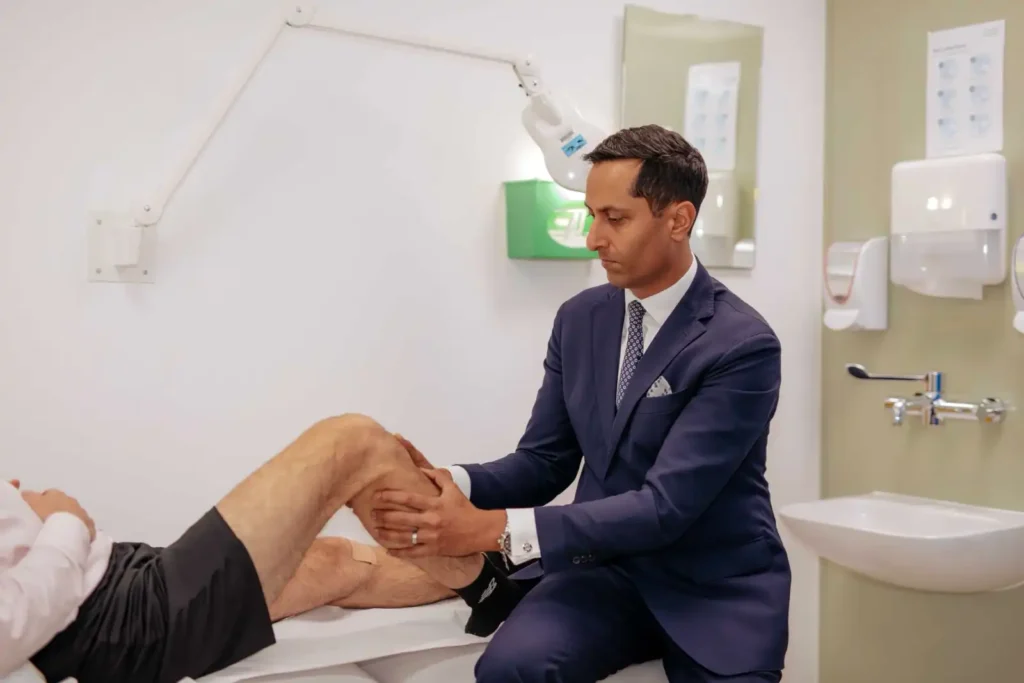
Diagnosis starts with an examination and a careful look at how your child stands and walks. A standing X-ray of both legs confirms the diagnosis and shows how far the growth plate is affected. Blood tests help rule other causes in or out, because there is no blood test for Blount’s disease itself.
At London Knee Care, Mr Raghbir Khakha, a consultant orthopaedic and specialist knee surgeon whose practice runs from children’s knee injuries to complex redo surgery, arranges child-friendly imaging when it is needed.
Blount’s Disease Radiology and What an X-ray Shows
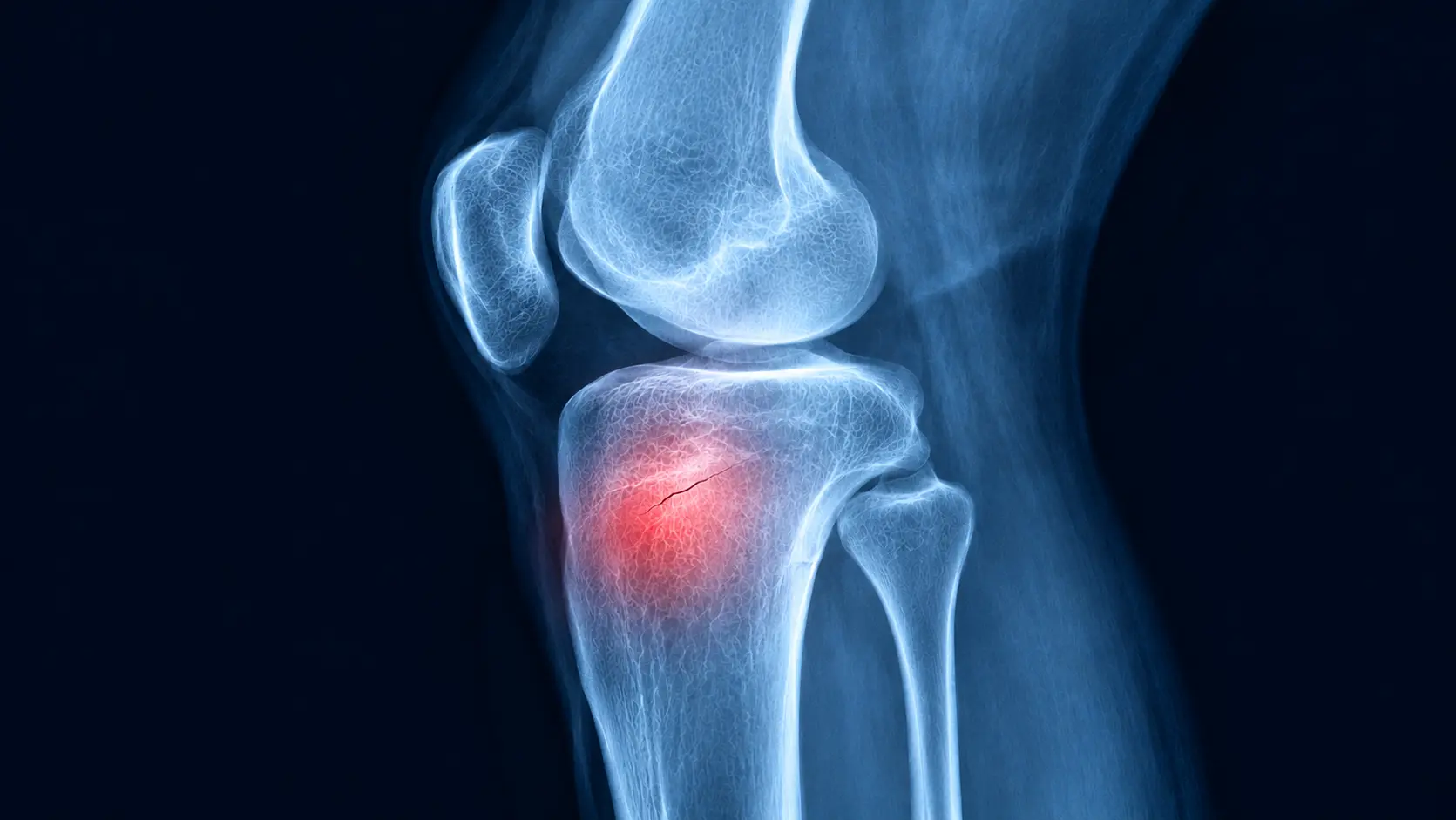
Blount’s disease radiology looks for a specific pattern on a standing leg X-ray. The inner edge of the upper shin bone develops a beak-like step, and the specialist measures the angle between the shin bone and its growth plate. Readings above about 11 degrees point towards the condition. The Langenskiöld stages (I to VI) then grade how far the changes have gone.
Parents who search blount disease orthobullets will find clinician-level notes that can feel technical, so we explain each finding in plain language at the assessment.
Do Children Need an MRI for Blount’s Disease?
An X-ray is usually the main test, and many children need nothing more. An MRI scan is sometimes used when the growth plate looks damaged and surgery is being planned, because it shows cartilage that an X-ray cannot. We only recommend extra imaging when it will change the plan, and we explain why before it is booked.
Blount’s Disease vs Rickets
The difference between blount’s disease and rickets comes down to cause and pattern. Blount’s disease is a local growth problem of the upper shin bone, while rickets is a body-wide softening of the bones from low vitamin D, calcium or phosphate. Rickets shows widening and fraying of growth plates in several bones, and blood tests are abnormal. With Blount’s disease, blood tests are normal and the change sits at the inner top of the shin bone.
If you have searched “bow legs blount disease vs rickets”, the practical answer is that examination, X-ray and blood tests together separate the two, because the treatments are completely different. Rickets bowing often improves once the deficiency is treated. That is not reliably true of Blount’s disease.
Severe Blount’s Disease and Why Timing Matters
Severe Blount’s disease usually means the bowing has progressed over time, and in advanced cases the growth plate itself has been damaged. That is why early assessment matters. A child assessed while the growth plate still has plenty of growing to do has more treatment options. In one guided growth series, children with more advanced stages had a higher rate of repeat surgery.
Left untreated, the bowing is expected to worsen, and it can raise the risk of knee arthritis later in life. How quickly this happens varies a great deal between children. This is not a reason to panic. A clear diagnosis and a plan are the best starting point, and most of the uncertainty goes once the legs have been properly assessed.
Blount’s Disease Treatment Options by Age
Treatment depends mainly on your child’s age, how far the bowing has progressed, and whether one or both legs are affected. Normal toddler bowing needs no treatment, and braces are not recommended for it, so the first step is always to confirm the diagnosis. If you are unsure which pattern your child has, contact us for an assessment. Our knee treatments page lists the procedures we offer.
Bracing for Young Children
For infantile Blount’s disease caught early, usually before about the age of three, a specialist brace may be tried first. Small studies suggest braces work best in early stages and in single-leg disease. They are less likely to help in older children, in both-leg disease, or in heavier children. Some reported success may reflect normal bowing that would have settled anyway, so the evidence is limited. A brace is only started after a confirmed diagnosis, never for ordinary toddler bowing.
Guided Growth and Osteotomy
When bracing is not suitable or has not worked, surgery is the next step. Guided growth uses a small plate to slow growth on one side of the growth plate, which lets the other side catch up. Osteotomy cuts and realigns the bone, and it is used for older children or more advanced bowing. Both sit within our children’s knee surgery service, and our knee osteotomy page explains the technique.
The bowing can come back after either, especially in some age groups and more advanced stages. One pooled analysis of many studies reported recurrence in around one in five knees overall, although most of the studies were retrospective. That is why follow-up matters.
When Bow Legs Surgery Is Considered
Bow legs surgery is reserved for the minority of children whose bowing is caused by a condition such as Blount’s disease, is severe or getting worse, or is affecting the knee. For most children with ordinary bowing it is never needed. Bow legs that were never treated in childhood can still be corrected in adulthood, and our guide to bow legs in adults explains how. Whatever the age, we discuss the benefits, limits and recovery in detail before any decision is made.
Recovery and Outlook After Blount’s Disease Treatment
Recovery depends on the treatment used, and we give each family a personal plan. In general, a brace is worn as directed and reviewed regularly, while surgery means a period of protected activity before normal sport and play resume. Children are usually followed up until growth finishes, because the bowing can return while they are still growing.
Outlook is better when the condition is caught early, when the growth plate is still healthy, and when follow-up continues through growth. Treatment aims to realign the leg and protect the knee, and the results vary between children. We are open about the limits of each option, including the chance that a second procedure is needed.
When to Seek Help Straight Away
Book an assessment promptly if your child has any of the signs below. They match the warning signs in NHS trust guidance.
- Bowing in only one leg, or one leg much worse than the other
- Bowing that persists after about the age of three, or is getting worse
- Pain, including pain at night, or a limp that does not improve
- A gap of more than 5cm between the knees when lying down
- Persistent swelling in a joint, or fever with redness or heat
- A child who is unusually short for their age
Go to A&E or call 999 if your child has a hot, red, swollen knee with a fever, cannot put any weight on a leg after an injury, or the leg looks deformed after a fall. If your child has hurt their knee, our guide to a children’s knee injury explains what to look for.
Frequently Asked Questions About Blount’s Disease
How common is Blount’s disease?
Blount’s disease is uncommon. Bowing in toddlers is very common, but only a small minority of those children have the condition. Good UK figures are lacking, which is one reason an X-ray is used to confirm the diagnosis instead of relying on how the legs look.
Is Blount’s disease genetic?
Blount’s disease is not caused by a single faulty gene, but it can run in families. A family history has been reported in a proportion of cases, and the cause is thought to involve a mix of genes, body weight and early walking.
Is Blount’s disease painful?
Pain is not a reliable sign either way. Some children have none and the bowing is the only clue, while others have knee pain or a limp. Pain, night pain or a limp is a reason to book an assessment.
Is Blount’s disease the same as rickets?
No. Blount’s disease is a local growth problem of the upper shin bone with normal blood tests, while rickets is a body-wide bone condition linked to low vitamin D, calcium or phosphate. Both can cause bowed legs, so we use examination, X-rays and blood tests to tell them apart.
Can a child grow out of Blount’s disease?
Mild bowing in a child under two or three often turns out to be normal growth and settles on its own. True Blount’s disease is less likely to correct without treatment, which is why bowing that persists or worsens needs an assessment.
When does Blount’s disease need surgery?
Surgery is considered when bracing is not suitable or has not worked, when the child is older, or when the bowing is moderate to severe or getting worse. Guided growth and osteotomy are the main options, and the right one depends on age, how much growth remains and the stage of the condition.
How much does Blount’s disease treatment cost?
The cost depends on the tests and treatment your child needs, so it cannot be fairly stated before an assessment. A brace, guided growth and osteotomy differ a great deal in what they involve. To ask about fees, contact us and we will explain what applies to your child.
This article is general information and does not replace a personal assessment. If you are worried about your child’s legs, please get in touch with us.
Book a Blount’s Disease Assessment at London Knee Care
Mr Raghbir Khakha is a Consultant Orthopaedic and Specialist Knee Surgeon at London Knee Care in London, and has been in consultant practice since 2017. His work covers knee problems from children’s knee injuries through to complex redo surgery, with a joint preservation approach that includes osteotomy. He is also Secretary of the British Association for Surgery of the Knee (BASK) and an honorary clinical lecturer at King’s College London.
At London Knee Care, we start with a gentle examination and, where needed, child-friendly imaging such as an X-ray. You leave with a clear answer about whether your child’s legs are following normal growth or need treatment. If treatment is recommended, we explain the options for your child’s age, including bracing, guided growth and osteotomy, along with their benefits and limits. To arrange an assessment, contact us. You can also learn more about our clinic or return to the London Knee Care homepage.
If your child has a hot, red, swollen knee with a fever, or cannot put weight on a leg after an injury, go to A&E or call 999 straight away. For anything else that is worrying you, get in touch with us the same day.
- Address: 45 Queen Anne Street, London W1G 9JF
- Phone: 0207 046 8008
- Email: rk@os.clinic