
You bend down to pick something up and your knee makes a sharp click. Nothing hurts, but you pause and wonder if something is wrong. It is one of the most common questions we hear from patients and the short answer is reassuring. Knee clicking without pain is usually harmless.
That said, a noisy knee is not always something to ignore. In this guide, we explain why knees click, how to tell harmless noises from the ones that need attention, and when it makes sense to have your knee checked.
What Is Knee Clicking Without Pain?
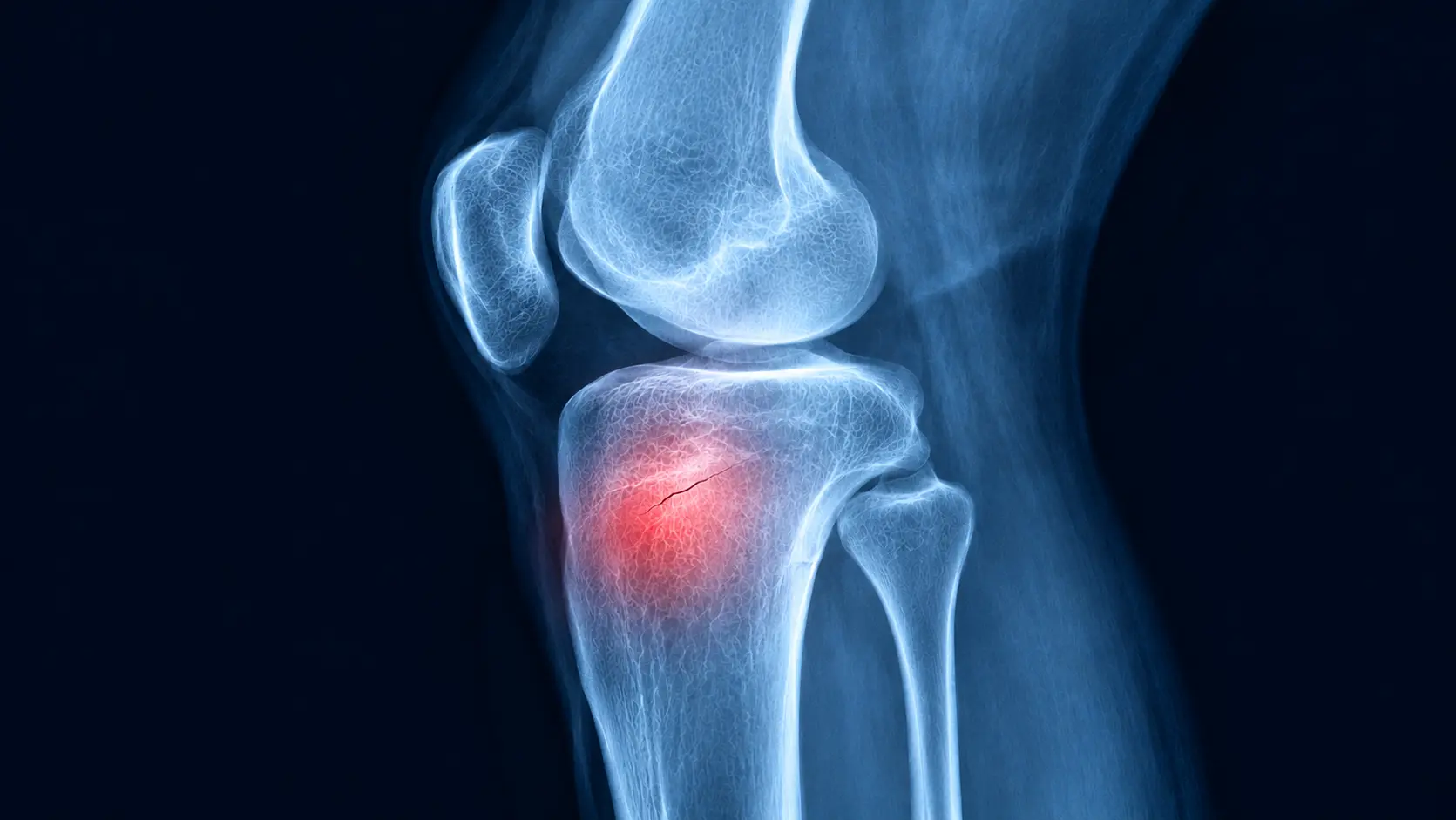
Knee clicking without pain is a clicking, popping or snapping sound from the knee joint that happens during movement but does not cause discomfort, swelling or loss of function. These noises are called crepitus. In most people they are a normal part of how a moving joint behaves, especially when no other symptoms are present.
The key phrase is “without other symptoms”. A click on its own tells us very little. What matters is what comes with it.
Why Does My Knee Click Even Though It Does Not Hurt?
Several everyday explanations account for most painless clicking. Understanding them can take much of the worry away.
Tiny Gas Bubbles in the Joint Fluid
Your knee joint is surrounded by a thin layer of lubricating fluid called synovial fluid. Small gas bubbles can form in this fluid, and when pressure shifts as you bend or straighten your leg, they are thought to pop. This is similar to the sound of cracking your knuckles, and it is not linked to damage.
Tendons and Ligaments Gliding Over Bone
Around the knee, tendons and ligaments pass over small bony bumps. As you move, one of them can briefly catch and then flick back into place, producing a snap or click. The iliotibial band on the outer thigh and the hamstring tendons at the back of the knee are common examples. This is usually a mechanical quirk rather than an injury.
Normal Wear and Movement Under Load
Healthy knees are not silent. Runners, gym-goers, desk workers and older adults all report joint noises. As we age, the smooth cartilage surfaces change slightly, and the joint can make more sound during movement. Noise alone does not mean arthritis or damage.
Common Reasons for Painless Knee Clicking
If you like a quick summary, these are the most frequent causes of clicking when there is no pain:
- Gas bubbles popping in the joint fluid
- A tendon or ligament snapping over a bony edge
- The kneecap tracking slightly differently as you bend
- Natural, age-related changes in the joint surfaces
- Stiffness after sitting for long periods, which eases as the joint warms up
Why Does My Knee Click When I Go Up Stairs?
Stairs put your knee under more load than walking on flat ground. Each step asks your kneecap, tendons and cartilage to work harder, and that extra pressure can make normal movement audible. Often the sound comes from the kneecap gliding in the groove at the front of the thigh bone.
If the click is the only thing you notice, there is rarely a need to worry. If stairs also bring a dull ache around the kneecap, a grinding feeling, or a sense that the knee might give way, mention it to us. Our guide to why a knee gives way on stairs explains that pattern in more detail.
Why Does My Knee Feel Like It Needs to Pop but Won’t?
Many people describe a tight, awkward sensation, as if the knee needs to click but nothing happens. This can be caused by stiffness in the surrounding muscles, tight hamstrings or quadriceps, or fluid and pressure shifting inside the joint. Gentle movement, a short walk, or light stretching often settles it.
If the feeling is constant, or it comes with a knee that locks, catches or feels unstable, it is no longer just a quirk. In that case, we would encourage you to have it assessed rather than trying to force the joint to pop. Our guide to a knee that locks when bending explains what may be happening inside.
Harmless Clicking vs Clicking That Needs Attention
This quick comparison can help you judge where your knee sits. It is a guide only, and it does not replace an examination.
| Usually harmless | Better to get checked | |
| Pain | None | Sharp, dull or worsening ache |
| Swelling | None | Puffiness or a feeling of fluid |
| Movement | Moves freely | Catching, locking or difficulty straightening |
| Stability | Feels solid | Giving way or buckling |
| Timing | Has been there for years | Started suddenly after a twist, fall or sports injury |
| Pattern | Occasional, inconsistent | Frequent, repeatable and getting worse |
Conditions That Can Cause Abnormal Knee Clicking
Most of the time, painless clicking is benign. Occasionally, though, it can be an early sign of something that deserves attention. The conditions below are the ones most often linked to clicking that comes with other symptoms:
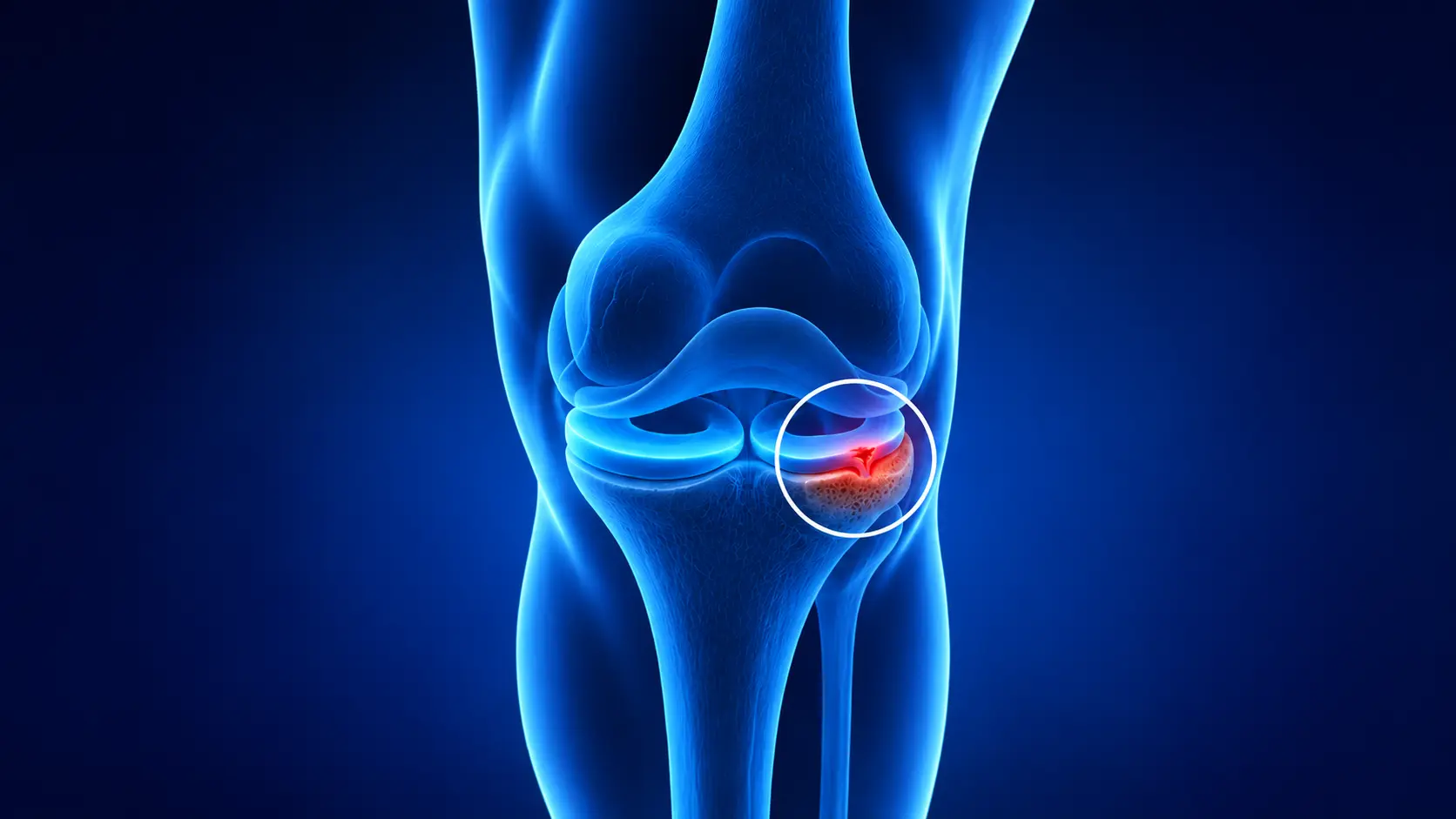
- A meniscal tear can cause clicking along with catching or locking, usually after a twisting injury. The meniscus is the rubbery cushion between your thigh bone and shin bone, and a torn piece can interfere with smooth movement.
- Knee osteoarthritis can sometimes bring a gritty or crunchy sound as cartilage becomes rougher. Pain may not appear straight away, which is why some people notice the noise first. Our guide to the early signs of knee arthritis explains what else to look for.
- Patellofemoral problems involve the kneecap and the groove it travels in. Clicking here may be linked to the kneecap tracking unevenly, and it can progress to pain around the front of the knee. If your kneecap also feels unsteady, our page on kneecap instability explains more.
- A plica, a fold of tissue inside the joint, can occasionally snap at the front of the knee. Our guide to plica syndrome covers this.
- Ligament injuries may cause a pop at the moment of injury, often alongside swelling and a feeling of instability.
Clicking on its own does not diagnose any of these. We mention them so you know which combinations of symptoms matter.
Can You Fix a Clicking Knee?
If your knee clicks without pain, you usually do not need to fix anything. There is nothing to repair. A few sensible habits can still keep your knee comfortable and may reduce the noise for some people.
- Build strength in your thigh and hip muscles, which gives the knee better support
- Warm up before exercise so the joint moves more smoothly
- Maintain a healthy weight, which reduces the load your knees carry every day
- Break up long periods of sitting so the joint does not stiffen
We would advise against repeatedly forcing your knee to pop, as this adds nothing and can irritate the joint. No exercise can promise to stop clicking altogether, and that is fine. The aim is a knee that works well, not a silent one.
When Should You Get Knee Clicking Checked?
Knowing when to act is the most useful part of this guide. We recommend a knee specialist assessment if your clicking comes with any of the following:
- Pain during movement, walking or going up and down stairs
- Swelling, warmth or ongoing stiffness
- Catching or locking, where the knee gets stuck
- Giving way, or a feeling that the knee might buckle
- Clicking that started suddenly after a twist, fall or sports injury
- Changes that are getting worse over a few weeks
If a loud pop at the time of an injury was followed by swelling, or the knee will not take your weight, please contact us promptly so the knee can be assessed without delay.
If any of these sound familiar, we can assess your knee quickly and help you understand what it means. Seeking advice early often means simpler treatment options and fewer worries. If you are unsure, it is always reasonable to ask. You can contact us and we will guide you on the next steps.
How Do We Diagnose the Cause of a Clicking Knee?
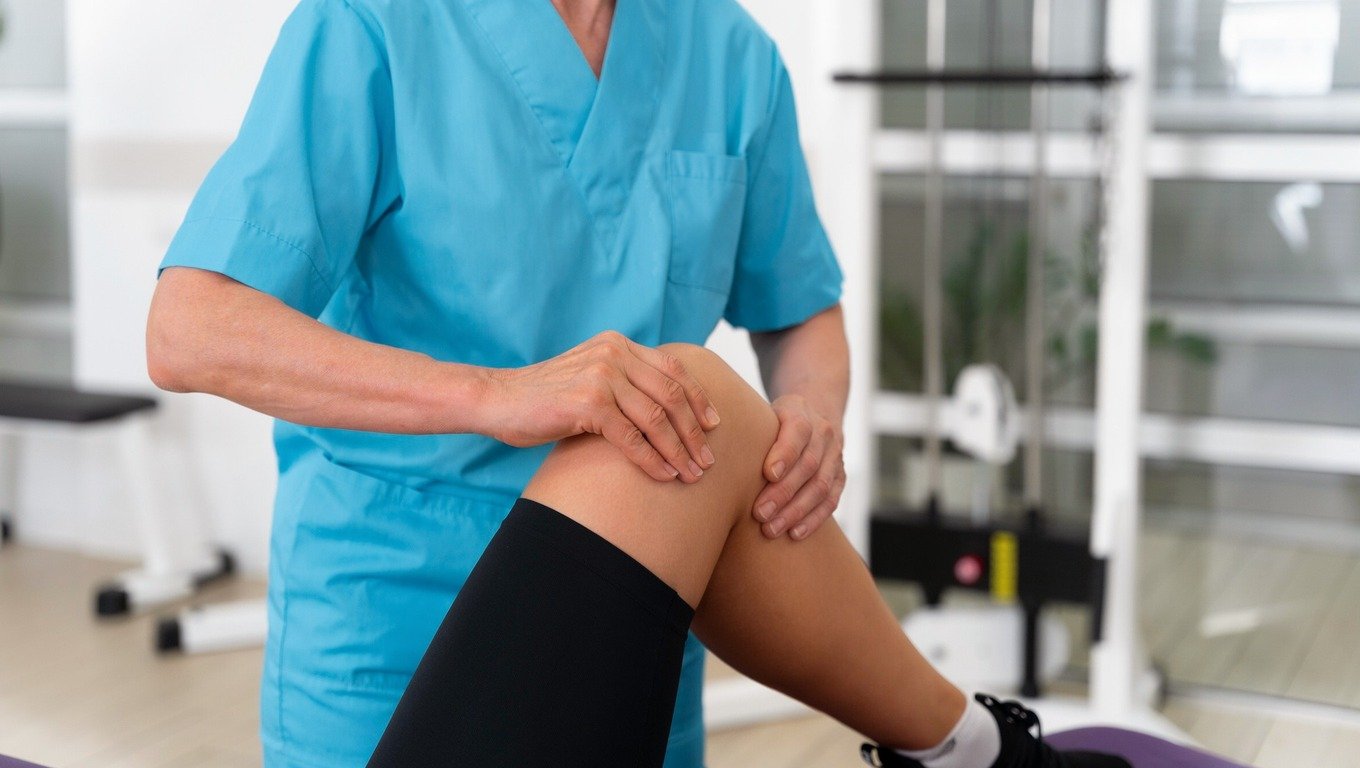
At London Knee Care, we start by listening. We ask when the clicking began, what you were doing, and whether anything makes it better or worse. Then we examine your knee, checking movement, stability, strength and how your kneecap tracks. Assessment is led by Mr Raghbir Khakha, whose practice covers knee pain and osteoarthritis, torn meniscus, ligament injuries and kneecap problems.
Where needed, we arrange imaging. An X-ray shows the bones and any signs of arthritis, while an MRI scan gives a detailed view of the meniscus, ligaments and cartilage. Not everyone needs a scan, and we only recommend one when it will change your care. For some people, the outcome is simple reassurance that the knee is healthy.
Treatment Options at London Knee Care
Most painless clicking needs no treatment at all. When clicking is linked to a problem, treatment depends on the cause, your goals and how much the knee affects daily life. We always begin with the least invasive approach that is likely to help.
- Physiotherapy and targeted exercise to improve strength, flexibility and kneecap control
- Activity advice and load management so you can stay active without aggravating the joint
- Injections in selected cases to support joint comfort, including Arthrosamid® for suitable patients with arthritis
- Keyhole (arthroscopic) surgery for suitable problems such as certain meniscal tears
- Knee replacement or other surgery only when the joint is significantly damaged and other options have not been enough
Every option has benefits and limits, and results vary from person to person. You can see our full range on the knee treatments page. We explain the pros and cons clearly so you can make a decision that feels right for you.
Book a Knee Clicking Assessment at London Knee Care
Mr Raghbir Khakha is a Consultant Orthopaedic and Specialist Knee Surgeon at London Knee Care in London. He has been in consultant practice since 2017, and his work covers knee problems from children’s knee injuries through to complex redo surgery, with a joint preservation approach that includes osteotomy. He is also Secretary of the British Association for Surgery of the Knee (BASK) and an honorary clinical lecturer at King’s College London.
If your knee has started clicking and you are not sure whether to worry, you do not have to work it out alone. We can assess your knee, explain what is happening in plain language, and recommend the best treatment, which is often simpler than people expect. If your knee is pain-free and healthy, we will tell you so. If it needs attention, we will guide you through each step. To arrange an assessment, contact us. You can also learn more about our clinic, browse our knee conditions or return to the London Knee Care homepage.
- Address: 45 Queen Anne Street, London W1G 9JF
- Phone: 0207 046 8008
- Email: rk@os.clinic
Frequently Asked Questions About Knee Clicking
Why Is My Knee Clicking Even Though I Do Not Have Any Pain?
Painless clicking is most often caused by gas bubbles in the joint fluid or a tendon moving over bone. These are normal and usually harmless. If pain, swelling or locking appears later, have your knee checked.
How Can I Fix a Clicking Knee?
A painless click does not usually need fixing. Strengthening the muscles around your knee, warming up before exercise and avoiding long periods of sitting can help. If the clicking is linked to pain or an injury, an assessment will identify the right treatment.
Why Does My Knee Feel Like It Needs to Pop but Will Not?
This is often due to muscle tightness or pressure changes in the joint. Gentle walking and stretching usually help. If the sensation is constant or comes with catching or instability, we recommend an assessment.
Why Does My Knee Click When I Go Up Stairs?
Stairs increase the load on your kneecap and tendons, which makes normal joint movement more noticeable. If there is no pain, it is generally nothing to worry about. If stairs also cause aching or a grinding feeling, it is sensible to have it looked at.
Is Knee Clicking a Sign of Arthritis?
Not by itself. Clicking is very common in healthy knees. Arthritis is more likely when clicking comes with pain, stiffness, swelling or reduced movement.
This article is general information and does not replace a personal assessment. If you are worried about your knee, please get in touch with us.