Some knees only need a partial knee replacement because the wear is confined to one part of the joint while the rest of the knee is still healthy. Replacing only the damaged section keeps more of your own bone and ligaments, and it usually means a quicker recovery. The trade-off is a higher chance of needing further surgery later, so the choice depends on how your knee looks on examination and imaging.
If you have been told that you have arthritis in one side of your knee, it is natural to wonder whether a full replacement is truly necessary. This guide explains what a partial knee replacement is, who tends to suit it, how it compares with a total replacement, what recovery involves, and what the honest downsides are.
What Is Partial Knee Replacement and Which Part of the Knee Does It Replace?
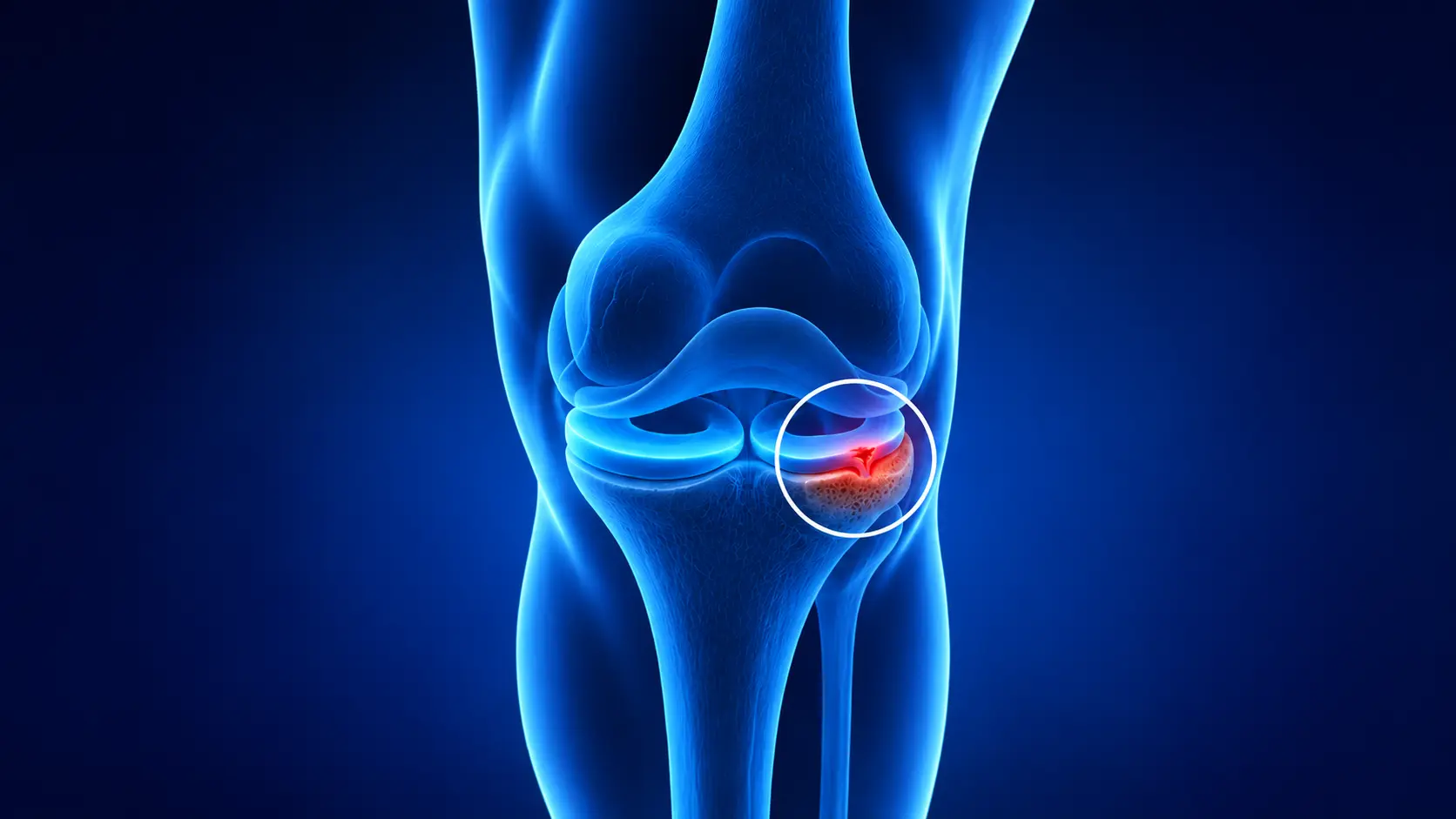
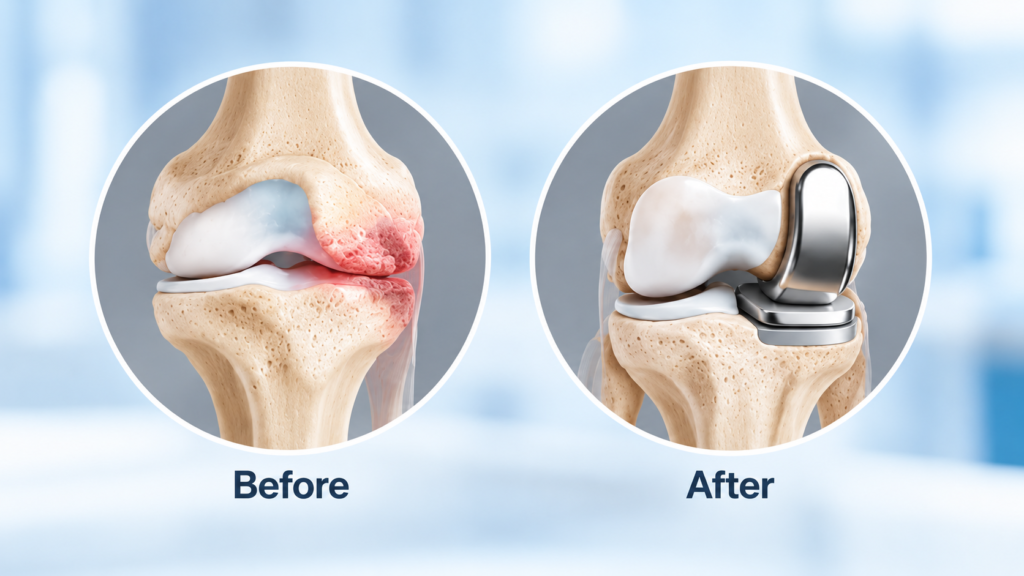
Partial knee replacement is an operation that replaces only the worn section of the knee with a metal and plastic implant, instead of resurfacing the whole joint. Your knee has three compartments: the inner side, the outer side, and the joint between the kneecap and thigh bone. A total replacement treats all three. A partial replacement treats one.
Knee replacement can replace all of the joint or only part of it, and it is most often used to treat pain and stiffness from osteoarthritis. Surgeons also call a single-compartment partial replacement a unicompartmental knee replacement. For a wider picture of arthritis and other joint problems, see our knee conditions page.
Partial replacement is less common than total replacement. In England and Wales, roughly one in ten knee replacements was a partial replacement in 2017, according to figures quoted in a UK evidence summary. Some estimates suggest that a quarter to nearly half of people who need a knee replacement have wear in only one compartment, so more people could be suitable than currently have the operation.
What Does a Partial Knee Replacement Look Like?
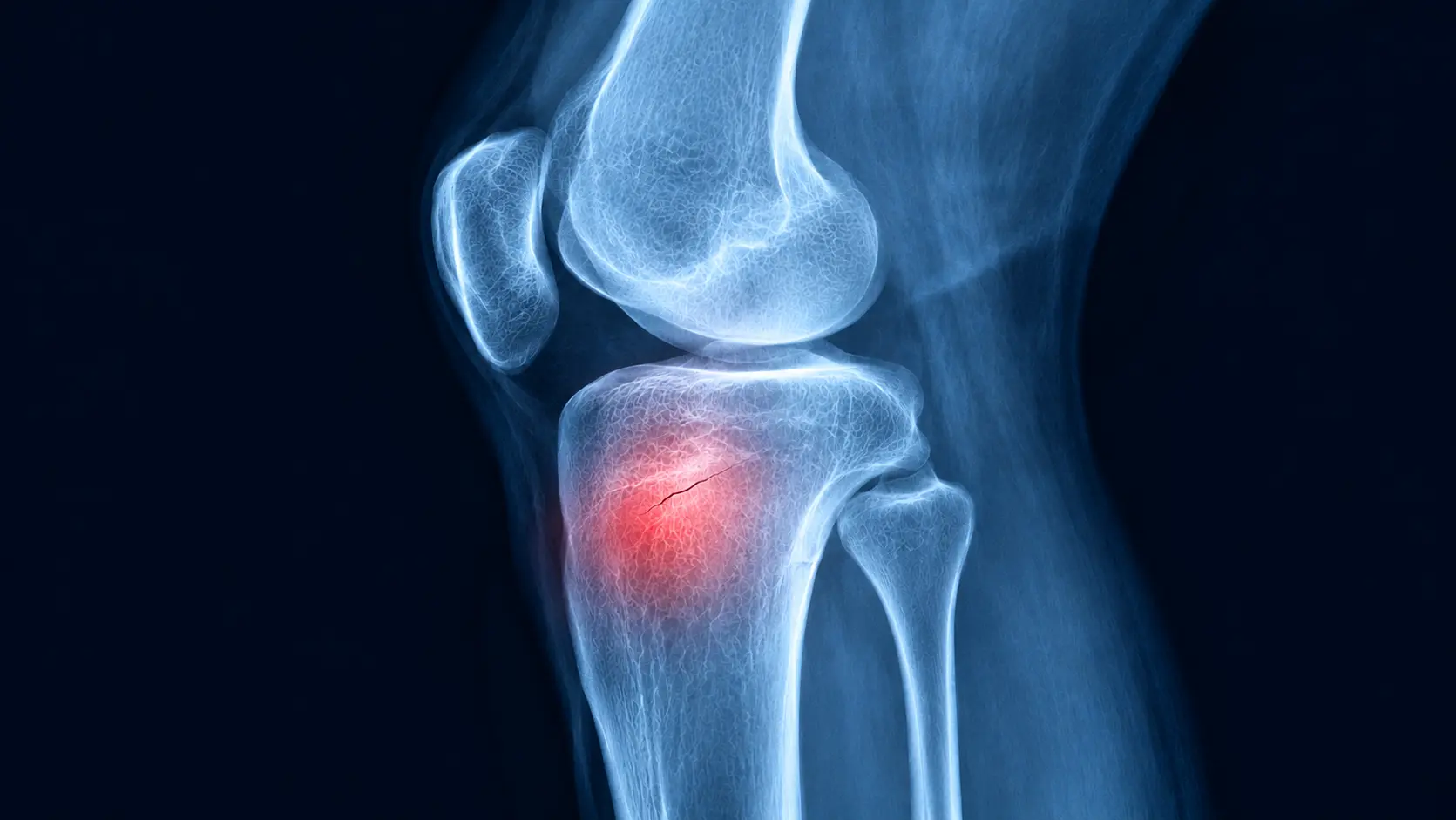
A partial knee replacement looks like a small metal cap on the end of the thigh bone and a matching tray on the top of the shin bone. A smooth plastic spacer sits between them. On an X-ray, you see bright outlines of the metal on one side of the joint, while the other side still shows your own bone and cartilage.
The remaining part of the knee, including its ligaments, is left in place. That is why some people say a partial replacement feels more natural, although this varies from person to person.
Why Some Knees Only Need a Partial Knee Replacement
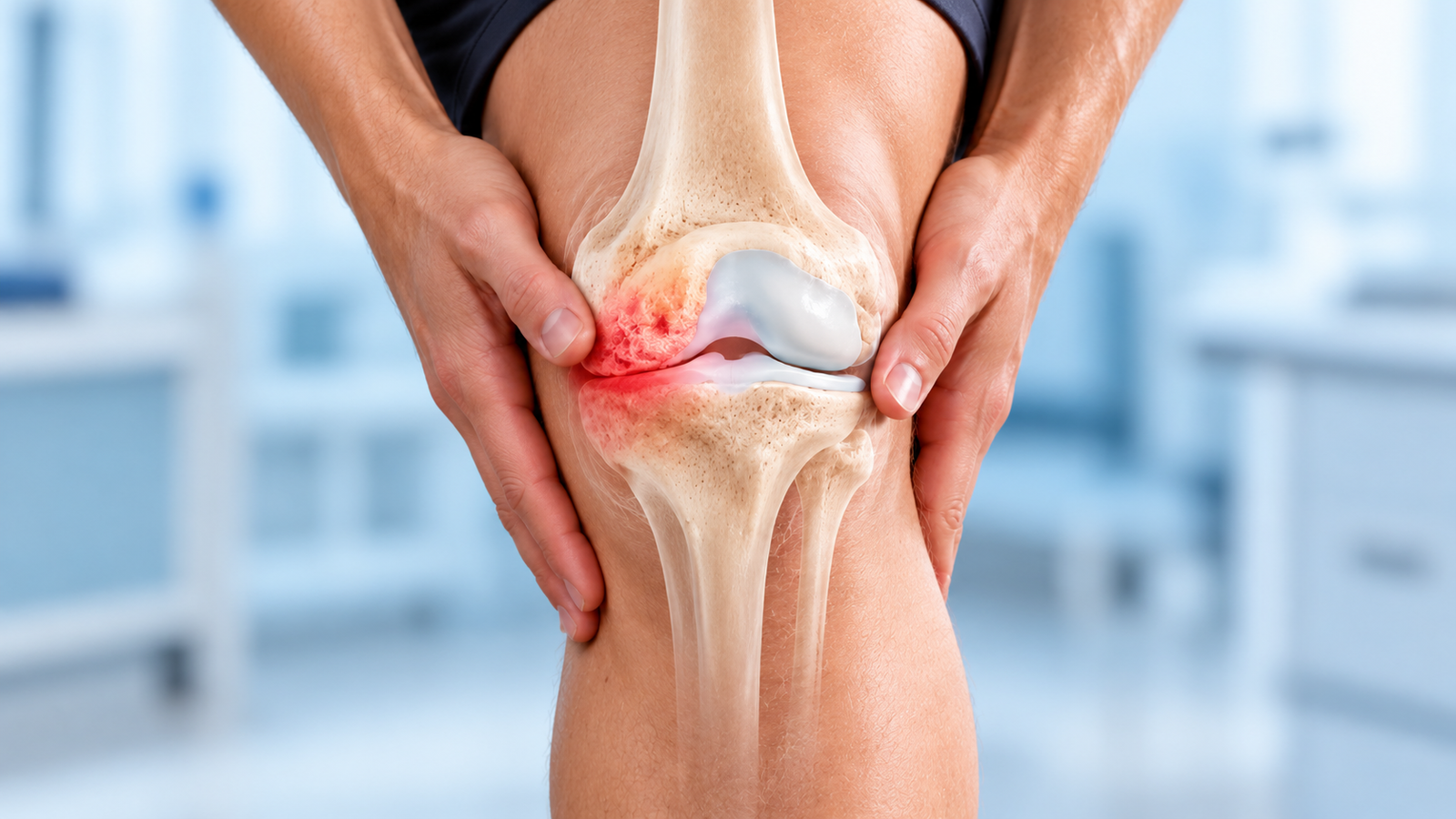
A knee suits a partial replacement when arthritis or cartilage loss is limited to one compartment and the rest of the joint, including the cruciate ligaments, is in good condition. If wear is widespread, a total replacement is usually the more dependable choice. Your surgeon decides after examining the knee and reviewing your imaging.
Features that often point towards a partial replacement include:
- Wear confined to the inner or outer side of the knee, or to the kneecap joint
- A stable knee, with an intact anterior cruciate ligament (ACL)
- Pain that is clearly linked to the worn area
- No inflammatory arthritis, such as rheumatoid arthritis
- Non-surgical treatment, such as physiotherapy or injections, that has not given enough relief
These are general patterns, not strict rules. Age and body weight alone do not automatically rule out a partial replacement, and some people with these features are still better served by a total replacement. Who is a candidate for partial knee replacement is always an individual decision. Knee osteoarthritis is the most common reason it is considered.
Some knees are better served by a total replacement. These patterns more often point that way:
- Wear spread across two or three compartments
- Inflammatory arthritis affecting the joint
- A damaged or absent ACL that leaves the knee unstable
- Marked deformity or a very stiff knee
Even then, each case is individual, and we explain our reasoning at the assessment.
At London Knee Care, assessment is led by Mr Raghbir Khakha, whose practice includes knee replacement and a joint preservation approach. If you would like to know whether your knee fits, contact us and we will arrange an assessment.
Medial, Lateral and Kneecap Joint Replacement
Most partial replacements treat the inner (medial) side of the knee, because that side carries more of your weight and wears more often. Replacing the outer (lateral) side is less common and more specialised. The kneecap joint can also be replaced on its own.
People sometimes search for a partial knee replacement patella option. This usually means a kneecap-joint (patellofemoral) replacement, which suits a smaller group of patients with wear behind the kneecap and a healthy remainder of the knee. Each type has its own selection criteria, so the right choice depends on where your wear sits.
Partial Knee Replacement vs Total Knee, Which Suits You?
The main difference in partial knee replacement vs total knee is how much of the joint is replaced, which affects recovery and the chance of later surgery. A partial replacement removes less bone and usually recovers faster. A total replacement treats the whole joint and has a lower revision rate. Partial knee replacement vs full is therefore a trade between early recovery and long-term durability.
| Partial knee replacement | Total knee replacement | |
| What is replaced | One compartment | All three compartments |
| Bone and ligaments kept | More of your own, including the ACL | Less, the ACL is usually removed |
| Typical hospital stay | Often shorter | Often longer |
| Early recovery | Usually quicker | Usually slower |
| Chance of later revision | Higher | Lower |
| Best suited to | Wear in one part, with a healthy remainder | Wear across several parts of the joint |
Weighing partial knee replacement pros and cons comes down to what matters most to you. A partial replacement favours a quicker recovery, a shorter hospital stay and a knee that may feel closer to your own. A total replacement favours long-term durability and a lower chance of further surgery. Neither is right for everyone, and we would rather explain both openly than steer you towards one.
Disadvantages of Partial Knee Replacement and Revision Risk
The main disadvantage of partial knee replacement is that it is more likely to need revision surgery than a total replacement. A 2019 review of 60 studies found that, in large national registries, about 9% of partial replacements needed revision within five years, compared with about 3% of total replacements. Hospital stays were shorter and short-term complications fewer, with better reported function.
These registry figures come from observational data, so surgeon choice and patient selection may exaggerate the gap. A UK randomised trial of both operations reported broadly similar function and re-operation rates at five years. The review also noted that lower revision rates occur in centres that perform more partial replacements, which is why surgeon experience matters. How long a partial knee replacement lasts, and its success rate, depend on the patient, the implant and the surgeon, and many knee replacements last 15 to 25 years or longer. If a partial replacement does need revision, the usual option is conversion to a total replacement.
Partial Knee Replacement Surgery and What Happens in the Operation
Partial knee replacement surgery removes the worn surfaces of one compartment and fixes the implant to the prepared bone. The partial knee replacement operation is carried out in hospital under anaesthetic, through a smaller incision than a total replacement, and leaves the healthy parts of the knee and its ligaments in place. Our knee replacement page explains how we approach assessment and planning.
On the day, you are usually admitted shortly before surgery, and the anaesthetist talks through the type of anaesthetic with you. Afterwards, physiotherapists help you start moving early. The review mentioned above found hospital stays around one to two days shorter after a partial replacement than after a total replacement.
Before surgery, we examine the knee, review standing X-rays and sometimes an MRI scan, and discuss the benefits, risks and likely recovery. Partial knee replacement is major surgery in the sense that it needs a hospital stay, an anaesthetic and a structured recovery. It is smaller in scale than a total replacement, but it is not a minor procedure.
Partial Knee Replacement Scar and What to Expect
The scar after a partial knee replacement is often shorter than after a total replacement, because the surgeon needs less access to the joint. Its length and position vary with the type of replacement and your anatomy. Scars fade with time, and the early redness, bruising and tightness are normal. We would rather talk through what to expect at your assessment than promise a particular result.
Partial Knee Replacement Recovery and What to Expect
Partial knee replacement recovery is usually shorter than recovery after a total replacement, although full recovery can still take several months. Full recovery from a knee replacement can take several months or longer, and recovery from a partial replacement is generally shorter. Physiotherapy and a gradual return to activity are central.
In practice, most people progress from walking aids to walking freely over the first weeks, then build strength and stamina over the following months. Plateaus and slow days are common, and our guide to knee replacement recovery plateaus explains why.
Several habits support recovery, and your surgical team will tailor them to you:
- Doing the physiotherapy exercises you are given, regularly and gradually
- Keeping the leg raised and using ice to manage swelling
- Staying as active as you comfortably can, with walking aids until you are steady
- Attending follow-up appointments so any problems are caught early
- Managing your weight, which reduces the load on the knee
Partial Knee Replacement Pain in the Early Weeks
Some pain, swelling and bruising are expected after surgery. Partial knee replacement pain is usually controlled with pain relief, ice, elevation and early movement, and it tends to settle as the knee heals. Swelling can come and go for weeks, as our guide to swelling after total knee surgery describes.
Pain that is getting worse instead of better, or that wakes you at night after the early weeks, deserves a conversation with us. Being open about pain helps us adjust your rehabilitation.
Driving After Partial Knee Replacement
Driving after partial knee replacement is usually possible sooner than after a total replacement. People often ask how long after partial knee replacement can you drive. Published UK guidance advises waiting at least 3 weeks after a partial replacement and at least 6 weeks after a total replacement, and checking with your surgeon that you are fit to drive.
What matters is that you can control the car and make an emergency stop without hesitation. Your insurer may also have its own rules, so check your policy. Whatever your timeline, follow the advice from your own surgical team.
Alternatives to Partial Knee Replacement
Alternatives to partial knee replacement depend on your age, activity and how much of the joint is affected. Options include structured physiotherapy and weight management, injections, and joint-preserving surgery such as osteotomy. Our full range is listed on the knee treatments page.
Structured physiotherapy and weight management come first for most people. Strengthening the muscles around the knee and reducing the load through it can ease arthritis pain, and both remain useful whatever surgery follows.
For younger, active people with wear on one side of the knee, a knee osteotomy realigns the leg to shift weight away from the worn area. Our comparison of osteotomy versus replacement explains how the choice is made. A partial knee replacement vs osteotomy decision usually turns on age, activity, alignment and the condition of the joint.
Non-surgical injections can also help some people with arthritis, including a hydrogel injection given once under ultrasound guidance for suitable patients. It suits some patients and not others. Results vary, and none of these options replaces a proper assessment.
When to Get Your Knee Assessed
It is sensible to get in touch with us if knee pain from arthritis is limiting your daily life despite non-surgical care. We would suggest an assessment if:
- Pain on one side of the knee has lasted for months and is getting worse
- Pain wakes you at night or limits walking, stairs or sleep
- Physiotherapy, activity changes or injections no longer give enough relief
- The knee feels unstable or gives way
- You have already had a partial knee replacement and notice new pain, swelling, a feeling of looseness or a drop in function (partial knee replacement failure symptoms)
Get in touch with us the same day if you have a hot, red, swollen knee with a fever, or sudden calf pain and swelling, especially after surgery or a long trip, because these can be signs of infection or a blood clot and need prompt assessment. For wider guidance on this decision, see our page on whether you need knee replacement surgery.
Book a Partial Knee Replacement Assessment at London Knee Care
Mr Raghbir Khakha is a Consultant Orthopaedic and Specialist Knee Surgeon at London Knee Care in London. He has been in consultant practice since 2017, and his work covers knee problems from children’s knee injuries through to complex redo surgery, with a joint preservation approach that includes osteotomy and a specialism in total and partial knee replacement. Assessment and treatment planning at London Knee Care are led by him.
If you are weighing up a partial knee replacement, we can examine your knee, review your imaging and explain which option fits you, including when a total replacement or another treatment is the better choice. We explain the benefits, risks and limits of each, so you can decide with clear information. To arrange an assessment, contact us. You can also learn more about our clinic or return to the London Knee Care homepage.
If your knee becomes hot, red and very painful with a fever, or your calf swells suddenly, get in touch with us straight away. For anything else that is worrying you, we are happy to talk it through.
- Address: 45 Queen Anne Street, London W1G 9JF
- Phone: 0207 046 8008
- Email: rk@os.clinic
Frequently Asked Questions About Partial Knee Replacement
Is Partial Knee Replacement a Major Surgery?
Yes. It involves a hospital stay, an anaesthetic and a structured recovery, although it is smaller in scale than a total knee replacement. Hospital stays and early recovery are usually shorter.
How Long Does a Partial Knee Replacement Last?
Many knee replacements last 15 to 25 years or longer, but a partial replacement is more likely to need revision than a total one. Lifespan depends on your activity, the implant and the surgeon’s experience.
Is Partial Knee Replacement Better Than Total?
Neither is better for everyone. A partial replacement suits knees with wear in one compartment and usually recovers faster, while a total replacement is more dependable when several parts of the joint are worn. Your assessment decides which fits.
Can a Partial Knee Replacement Be Converted to a Total Later?
Yes. If a partial replacement wears out or the arthritis spreads, it can usually be revised to a total knee replacement. Revision surgery is a bigger operation than the first, which is one reason careful selection matters.
How Much Does Partial Knee Replacement Cost?
The cost of partial knee replacement depends on the assessment, imaging, hospital and implant involved, so it cannot be fairly stated before your knee has been examined. To ask about fees, contact us and we will explain what applies to you.
Will a Partial Knee Replacement Feel Like a Natural Knee?
Many people say a partial replacement feels more natural than a total one, because more of the knee’s own structures are kept, but experiences vary. Some stiffness or awareness of the implant is common early on, and a few people always notice it
What Is the Best Age for Partial Knee Replacement?
There is no fixed age. Suitability depends on how the knee looks and how active you are, not your birth date. Younger, active people may be considered, as may older people with wear in one compartment, although a younger patient has more years ahead for the implant to last.
Can a Partial Knee Replacement Be Done on Both Knees?
Sometimes. If both knees have wear in one compartment and both suit the operation, they can be treated, either at one time or in stages. The decision depends on your general health, how you would manage at home, and your surgeon’s advice, so it is discussed individually at the assessment.
Can You Play Sport After Partial Knee Replacement?
Many people return to low-impact activity such as walking, cycling and swimming. Higher-impact sport such as running or jumping should be discussed with your surgeon first, because the implant has to withstand the load over many years.